EV Accessories and Mounting


C&I Batteries (30–500 kWh)
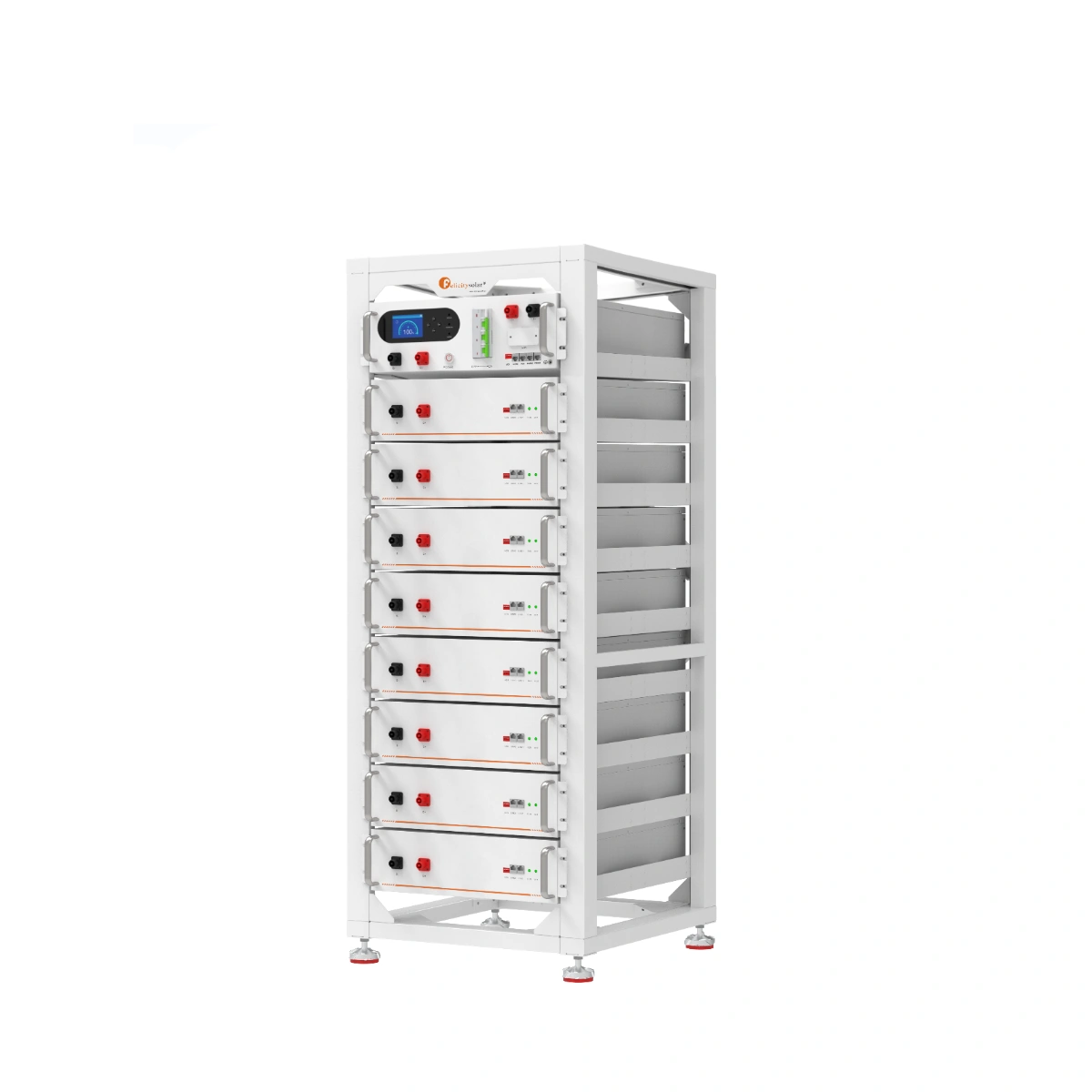

Felicity Solar 40.96 kWh High-Voltage LiFePO4 Battery System for C&I Storage
In stock
New: 5979.88 €
0%
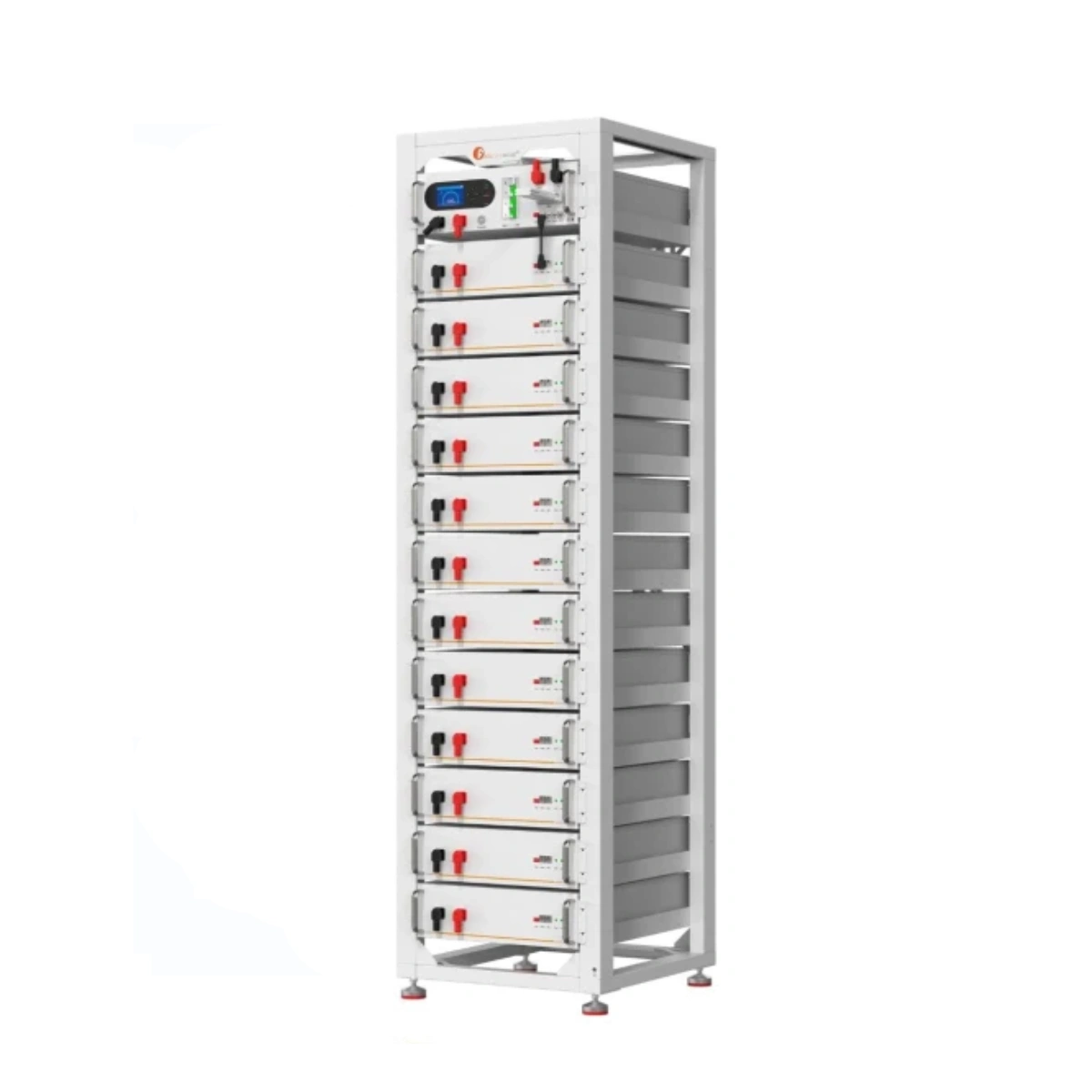
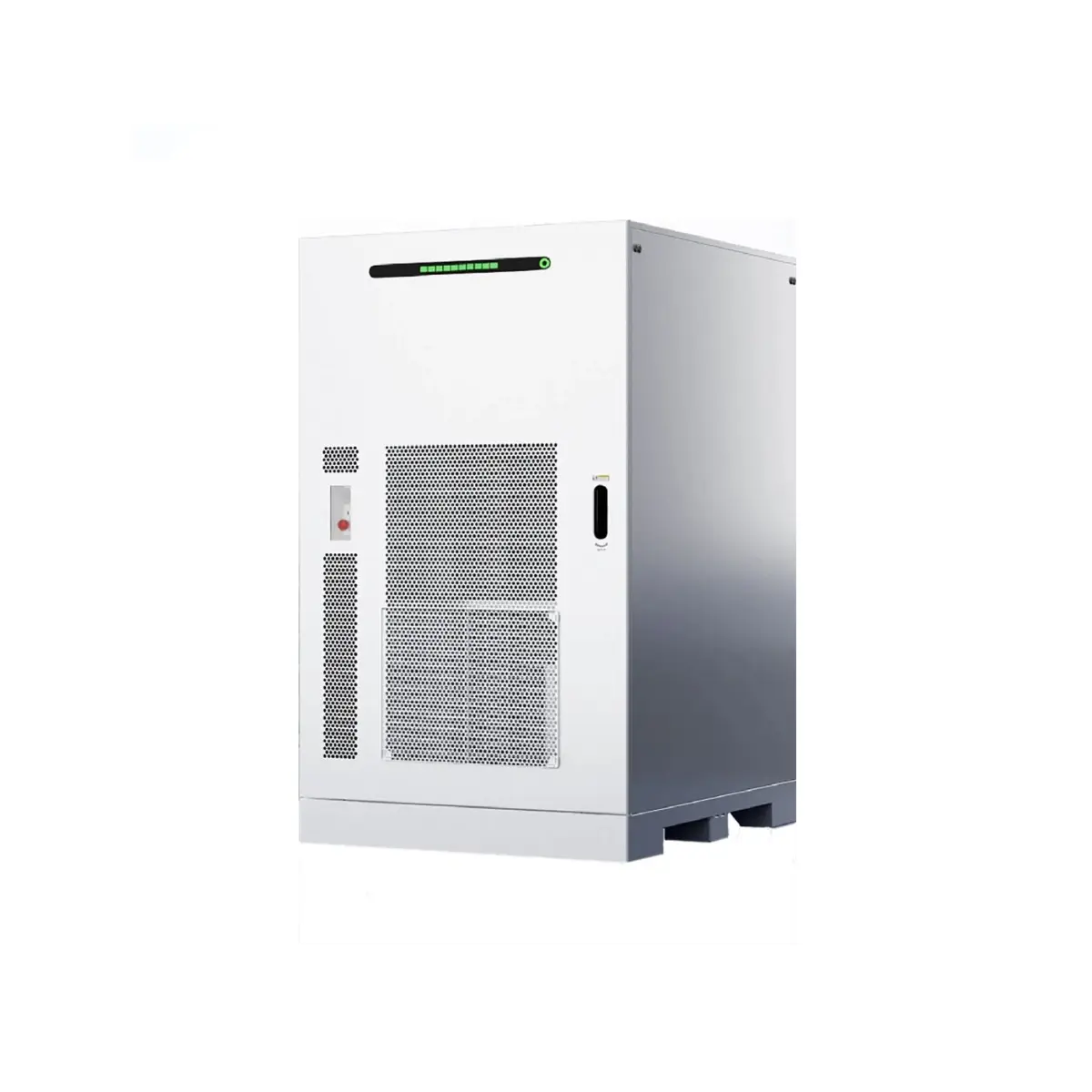

Huawei LUNA2000 107.5kWh Commercial Energy Storage System (1S11)
Available on backorder
New: 45469.88 €
0%
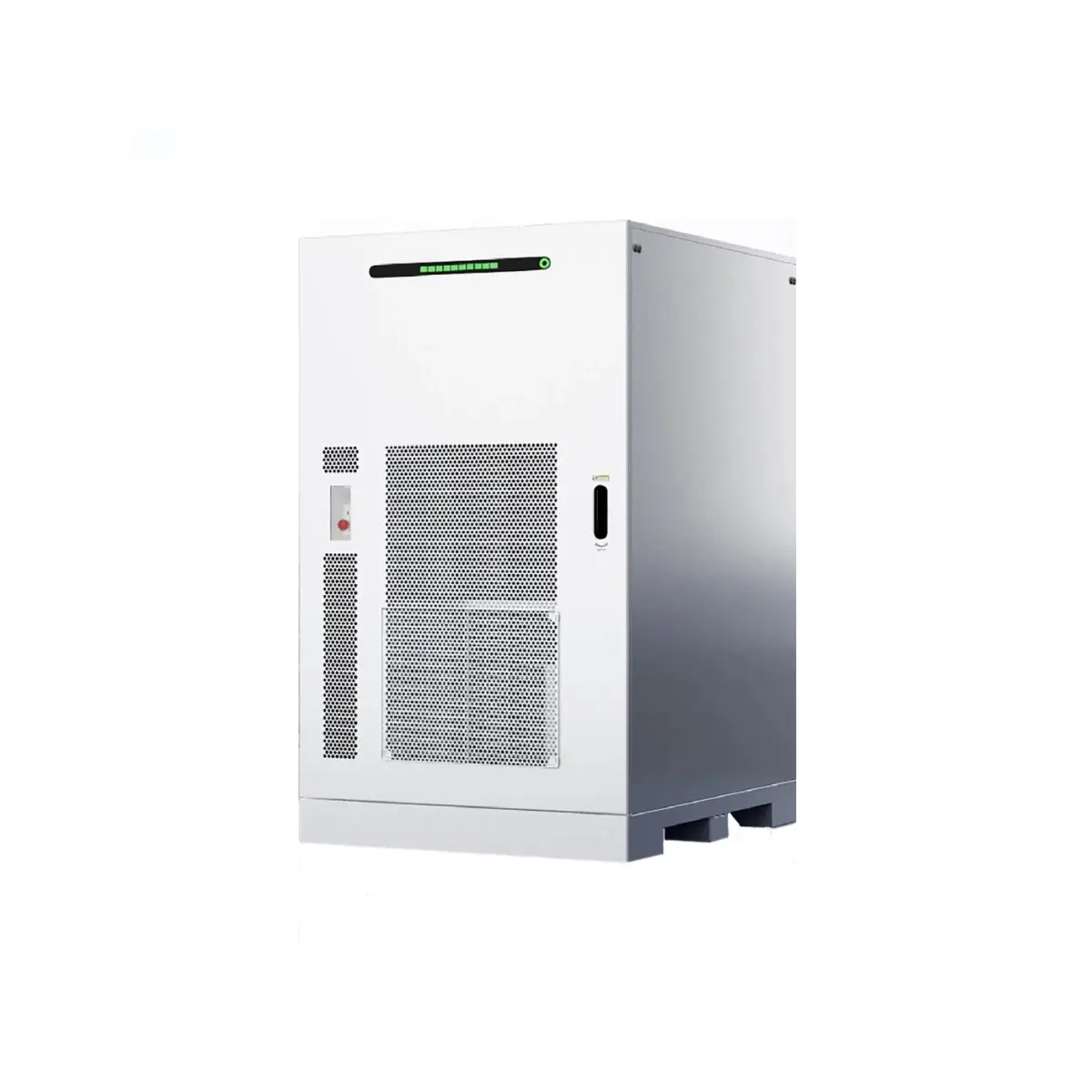
Huawei LUNA2000 161.3kWh Commercial Energy Storage System (2S11)
Available on backorder
New: 47973.88 €
0%


C&I Batteries 30–500 kWh for Commercial Solar and Energy Storage Projects
Buy C&I batteries from 30 kWh to 500 kWh for commercial solar PV, business energy storage, peak shaving, backup power and energy storage-ready installations. 3Buy Solar supplies commercial and industrial battery storage products for solar installers, qualified electricians, EPC contractors, solar wholesalers, solar distributors, resellers and procurement teams across Europe.
This category is built for professional buyers who need scalable battery storage for commercial rooftops, industrial sites, warehouses, farms, logistics centres, retail buildings, EV charging locations, hotels, offices and business facilities. Whether you are adding storage to an existing solar PV system, designing a new commercial energy storage project, preparing a complete kit or sourcing C&I battery cabinets for recurring installer demand, this category helps you select battery storage products in the 30–500 kWh range.
C&I batteries are designed for projects where standard residential solar batteries are too small, but a large utility-scale container system may not be required. They are commonly used with solar panels, solar inverter systems, hybrid inverters, battery inverters, BMS, EMS, PCS, monitoring, AC/DC protection, battery cables and complete energy storage systems.
Use this category when sourcing C&I batteries for:
- Commercial rooftop PV systems
- Industrial solar installations
- 30 kWh to 500 kWh battery storage projects
- Peak shaving and demand management
- Solar self-consumption optimisation
- Backup-ready commercial PV systems
- Hybrid inverter and battery inverter projects
- EV charging support
- Agricultural and rural business energy storage
- Warehouses and logistics buildings
- Retail and hospitality sites
- Office and commercial property energy systems
- Microgrid and off-grid projects
- Commercial solar battery upgrades
- Complete kits for installers and EPCs
- Recurring solar wholesaler and distributor procurement
C&I Batteries for Professional Solar Installers and EPC Contractors
C&I batteries are commercial and industrial battery storage systems designed to store and manage electricity for business sites. In solar PV projects, they are often installed to store excess solar generation, reduce peak grid demand, support backup power or improve on-site energy use.
For professional installers and EPC contractors, C&I battery selection must be based on the full project design. Battery capacity alone is not enough. The correct solution depends on site load profile, solar PV generation, inverter architecture, charge and discharge power, grid limits, available space, fire safety requirements, communication setup, monitoring and local electrical requirements.
C&I battery systems may include:
- LiFePO4 battery modules
- Battery racks or battery cabinets
- High-voltage battery architecture
- Battery Management System, BMS
- Energy Management System, EMS
- Power Conversion System, PCS
- Hybrid inverter or battery inverter
- AC and DC protection
- Battery cables and communication cables
- Thermal management
- Fire detection and safety features
- Monitoring and remote control
- Outdoor-rated enclosure
- Smart metering and site control equipment
For installers, the goal is to deliver a working commercial battery storage system, not only to supply a battery cabinet. The battery must operate safely with the solar panels, solar inverter, site load, grid connection and customer energy strategy.
What Are C&I Batteries?
C&I batteries are battery storage systems designed for commercial and industrial energy applications. C&I stands for commercial and industrial. These systems are larger than typical residential solar batteries and are used where businesses need more capacity, stronger power output and more advanced energy management.
C&I batteries are also commonly called:
- Commercial batteries
- Industrial batteries
- C&I battery storage
- Commercial solar batteries
- Commercial battery storage systems
- C&I BESS
- Battery Energy Storage Systems
- BESS cabinets
- Energy storage cabinets
- Commercial ESS
- Industrial energy storage systems
- Solar battery storage systems
C&I batteries from 30 kWh to 500 kWh are especially relevant for business sites that need a practical battery storage solution without moving immediately to multi-megawatt containerised storage. They can be used as single cabinets, modular cabinet systems or scalable energy storage configurations depending on the product design.
Common applications include:
- Solar self-consumption
- Peak shaving
- Load shifting
- Backup power
- EV charging support
- Grid capacity management
- Time-of-use tariff optimisation
- Microgrid support
- Diesel generator reduction
- Commercial and industrial power management
30–500 kWh Battery Storage for Commercial and Industrial Sites
The 30–500 kWh range is useful for many commercial energy storage projects because it covers small business systems, medium commercial buildings and larger C&I battery cabinet installations.
A 30–50 kWh battery system may be suitable for smaller business sites, retail units, workshops, small offices, farms or backup-ready commercial solar installations. A 100–200 kWh battery system may support larger rooftops, medium commercial buildings, peak shaving or EV charging support. A 300–500 kWh battery system may be more relevant for warehouses, industrial facilities, logistics centres, agricultural processing sites and larger commercial energy storage projects.
Common C&I battery capacity ranges include:
- 30 kWh commercial battery storage
- 50 kWh C&I battery systems
- 80 kWh battery storage projects
- 100 kWh commercial solar battery systems
- 150 kWh BESS cabinet configurations
- 200 kWh C&I battery storage
- 215 kWh energy storage cabinet systems
- 250 kWh commercial battery storage
- 300 kWh industrial battery systems
- 400 kWh C&I BESS solutions
- 500 kWh commercial energy storage systems
The correct battery capacity should always be selected according to actual project requirements. A commercial battery that is too small may not reduce peak demand or provide enough stored energy. A system that is too large may increase cost without improving the business case.
Installers should size C&I batteries using:
- Site load profile
- Solar PV generation profile
- Daily energy consumption
- Peak demand
- Required backup duration
- Grid connection limit
- Inverter capacity
- Charge and discharge power
- Available installation space
- Customer operating hours
- Future expansion plans
C&I Battery Cabinets and Modular Storage Systems
Battery cabinets are a common format for C&I battery storage. Cabinet-based systems can simplify installation, improve service access and allow modular expansion compared with fully custom battery rooms.
Depending on the product type, a C&I battery cabinet may include:
- Battery modules
- Battery rack structure
- BMS
- DC protection
- Communication interface
- Thermal management
- Fire safety equipment
- Monitoring connection
- Outdoor-rated enclosure
- Internal wiring and protection
- Emergency stop
- Cabinet-level safety controls
Some C&I battery products are designed as battery-only cabinets that must be paired with a compatible hybrid inverter, battery inverter or PCS. Other systems may be more integrated and include power conversion, EMS, cooling and additional control equipment.
For professional installers, this difference matters. Before ordering, always check whether the product is:
- Battery cabinet only
- Battery cabinet with BMS
- Battery cabinet plus PCS
- All-in-one BESS cabinet
- AC-coupled storage system
- DC-coupled storage system
- Hybrid inverter-compatible battery system
- Expandable modular battery system
This helps avoid compatibility mistakes and supports faster commissioning.
LiFePO4 C&I Batteries for Commercial Energy Storage
Many commercial and industrial battery storage systems use lithium iron phosphate battery technology, also known as LiFePO4 or LFP. This battery chemistry is widely used in stationary energy storage because it supports safe operation, long cycle life and stable performance in commercial battery applications.
LiFePO4 C&I batteries are commonly used for:
- Commercial solar battery storage
- Industrial energy storage
- Peak shaving systems
- Backup-ready PV installations
- EV charging support
- Microgrid projects
- Hybrid inverter systems
- Modular BESS cabinets
- Outdoor battery storage systems
- Complete commercial storage kits
Important LiFePO4 battery selection points include:
- Battery capacity in kWh
- Charge and discharge power
- Battery voltage architecture
- Cycle life
- Depth of discharge
- BMS functionality
- Operating temperature
- Cooling method
- Cabinet protection rating
- Communication protocol
- Inverter compatibility
- Warranty terms
- Certification documentation
For solar installers, LiFePO4 is not enough as a specification by itself. The complete system must also include correct BMS communication, inverter matching, cable sizing, protection, monitoring and commissioning support.
BMS, EMS and PCS in C&I Battery Systems
A commercial battery storage system needs more than battery cells. The control and conversion components are critical for safe operation, system performance and site-level energy management.
The BMS, or Battery Management System, protects and controls the battery. It monitors cell voltage, temperature, current, state of charge and safety limits. The EMS, or Energy Management System, controls how the energy storage system charges and discharges based on site demand, PV generation, tariff logic or backup requirements. The PCS, or Power Conversion System, manages power conversion between the battery and the AC electrical system.
A C&I battery project may include:
- Battery Management System, BMS
- Energy Management System, EMS
- Power Conversion System, PCS
- Hybrid inverter
- Battery inverter
- Smart meter
- Monitoring gateway
- Communication cable
- AC protection
- DC protection
- Battery cables
- Site controller
Correct communication between these components is essential. A battery cabinet may be technically strong, but if it does not communicate properly with the inverter, EMS or monitoring platform, the system may not operate as intended.
Professional buyers should check:
- CAN communication
- RS485 communication
- Ethernet or monitoring support
- Inverter compatibility list
- EMS operating modes
- Remote monitoring options
- Firmware requirements
- Commissioning process
- Alarm and fault reporting
- Warranty conditions
C&I Batteries for Solar Self-Consumption
Solar self-consumption is one of the most common reasons to install C&I batteries. Many commercial solar PV systems generate strong power during the day, but business consumption may not always match production. Battery storage allows more solar energy to be used on site instead of exported to the grid.
C&I batteries can support self-consumption by:
- Storing excess solar PV generation
- Discharging stored solar energy later in the day
- Reducing grid import
- Increasing the value of rooftop solar panels
- Supporting evening or early morning business loads
- Improving return on commercial PV investment
- Reducing dependence on grid electricity
Self-consumption projects are common for:
- Warehouses
- Factories
- Supermarkets
- Hotels
- Farms
- Cold storage buildings
- Logistics centres
- Office buildings
- Retail sites
- Commercial properties
For installers and EPCs, self-consumption design requires accurate PV generation data and load profile analysis. Battery capacity, inverter capacity and EMS settings should be matched to the customer’s real operating pattern.
C&I Batteries for Peak Shaving
Peak shaving is a major use case for C&I battery storage. A battery system can discharge during high-demand periods to reduce the site’s peak grid consumption. This can help businesses manage demand charges, reduce stress on the grid connection or avoid unnecessary grid upgrades.
Peak shaving can be useful for:
- Factories with machinery start-up peaks
- Warehouses with high operational loads
- EV charging sites
- Retail buildings with cooling loads
- Hotels and hospitality facilities
- Agricultural processing sites
- Commercial kitchens
- Industrial workshops
- Sites with limited grid capacity
- Businesses with high peak tariffs
A peak shaving system must be sized according to both power and energy. The battery must have enough kW output to reduce the peak and enough kWh capacity to support the required duration.
Before selecting a C&I battery for peak shaving, check:
- Peak load data
- Duration of peak demand
- Required discharge power
- Battery capacity
- EMS control logic
- Site meter integration
- Grid connection limits
- Tariff structure
- Inverter or PCS power rating
- Future load growth
For installers, peak shaving projects are technical. They require correct sizing and site data, not only product selection.
C&I Batteries for Backup Power
C&I batteries can support backup power when the system architecture allows it. Backup capability depends on the inverter, PCS, switching equipment, protection design, islanding capability and critical load planning. Not every battery system automatically provides backup power.
Backup-ready C&I batteries may support:
- IT and communication systems
- Security systems
- Emergency lighting
- Refrigeration and cold storage
- Site control systems
- Office continuity loads
- Agricultural equipment
- Production support loads
- Commercial building essentials
- Telecom and remote site loads
Backup power design should consider:
- Required backup duration
- Critical load list
- Maximum backup power
- Battery capacity
- Inverter or PCS capability
- Automatic transfer requirements
- Grid disconnection rules
- Safety and protection design
- Local electrical regulations
- Commissioning and testing process
For commercial customers, backup power can be a strong value driver. For installers, it must be designed clearly so the customer understands which loads are protected and for how long.
C&I Batteries for EV Charging Support
EV charging can create high peak demand, especially when multiple chargers operate at the same time. C&I batteries can support EV charging sites by storing solar PV energy, reducing peak grid import and helping manage charger loads.
C&I batteries can support EV charging by:
- Reducing peak grid demand from chargers
- Storing rooftop solar energy for vehicle charging
- Supporting sites with limited grid capacity
- Managing charging peaks
- Improving charger availability
- Supporting fleet charging
- Reducing demand spikes
- Helping avoid expensive grid upgrades
Common EV charging sites include:
- Fleet depots
- Logistics centres
- Retail car parks
- Hotels and hospitality locations
- Office buildings
- Commercial parking areas
- Public charging hubs
- Industrial sites
For solar installers and EPCs, EV charging plus C&I battery storage is a growing project type because it combines solar panels, solar inverter systems, battery storage, smart meters, energy management and load control.
C&I Batteries for Industrial and Agricultural Applications
Industrial and agricultural sites often have high, variable or seasonal energy demand. C&I battery storage can help manage solar generation, reduce peaks, improve resilience and support equipment loads.
Typical applications include:
- Manufacturing facilities
- Food processing sites
- Cold storage buildings
- Farms and agricultural businesses
- Irrigation systems
- Pump systems
- Grain drying and processing
- Packaging facilities
- Logistics and warehouse operations
- Workshops and industrial units
- Remote commercial buildings
For these projects, installers should consider:
- Seasonal load changes
- Operating hours
- Motor start-up loads
- Solar PV production profile
- Backup requirements
- Installation environment
- Dust, moisture or temperature exposure
- Outdoor cabinet rating
- Maintenance access
- Grid connection limits
Agricultural and industrial projects often need robust cabinet design, clear monitoring, serviceable wiring and strong system documentation.
C&I Batteries for Complete Kits
C&I batteries are often purchased together with solar panels, solar inverter systems, hybrid inverters, battery inverters, protection devices, monitoring, cables and mounting systems. For installers and EPC contractors, complete kits can simplify procurement when the components are correctly matched.
A C&I battery complete kit may include:
- Solar panels
- Commercial solar inverter
- Hybrid inverter or battery inverter
- C&I battery cabinet
- Battery modules
- BMS
- EMS
- PCS where required
- AC protection
- DC protection
- Battery cables
- Solar cables
- Communication cables
- Smart meter
- Monitoring equipment
- Mounting system
- Installation accessories
For solar wholesalers and solar distributors, battery-ready complete kits improve project value because installers can source more of the system from one solar PV supplier. For installers, matched components reduce sourcing time, missing-part delays and compatibility problems.
C&I Battery Capacity and System Configuration Guide
C&I battery systems are selected by both capacity and power. Capacity is measured in kWh and shows how much energy can be stored. Power is measured in kW and shows how much energy the system can charge or discharge at one time.
A 100 kWh battery and a 500 kWh battery may serve completely different project types. The correct system depends on how much energy the site uses, when it uses it, how much solar PV is available, how much peak demand must be reduced and whether backup power is required.
Typical project configurations may include:
- 30 kWh battery storage for small business sites
- 50 kWh C&I battery systems for light commercial use
- 80–100 kWh commercial battery storage for rooftop PV projects
- 150 kWh C&I batteries for medium commercial facilities
- 200–215 kWh BESS cabinets for larger business sites
- 250–300 kWh industrial battery storage for stronger load management
- 400–500 kWh commercial energy storage systems for warehouses, factories and EV charging
- Modular battery cabinet systems for future expansion
- Battery-only cabinets paired with hybrid inverters
- All-in-one BESS systems with PCS and EMS
- Outdoor-rated cabinets for commercial and industrial sites
For professional installers, capacity selection should be combined with power rating, inverter compatibility, cable design, protection, cooling, communication and site installation requirements.
How to Choose the Right C&I Battery
Before ordering a C&I battery system, the project should be technically qualified. The correct product depends on site behaviour, customer goals and electrical design.
Check these points before purchase:
- Required battery capacity in kWh
- Required charge and discharge power in kW
- Site load profile
- Solar PV generation profile
- Peak shaving target
- Self-consumption target
- Backup power requirement
- EV charging requirement
- Grid connection limit
- AC-coupled or DC-coupled design
- Hybrid inverter or battery inverter compatibility
- BMS and EMS functionality
- Communication protocol
- Monitoring platform
- Indoor or outdoor installation
- IP rating
- Cooling method
- Fire safety features
- Cable and protection requirements
- Installation space
- Transport and unloading requirements
- Warranty and documentation
- Commissioning support
For installers and EPCs, this checklist helps reduce wrong orders and commissioning issues. C&I batteries should be selected as part of the complete energy storage system, not as isolated battery capacity.
Technical Buying Checklist for C&I Batteries 30–500 kWh
Use this checklist before buying a C&I battery, commercial battery cabinet or BESS solution:
- Confirm capacity range: 30 kWh to 500 kWh
- Confirm required power output in kW
- Confirm whether PCS is included or separate
- Confirm inverter compatibility
- Confirm BMS communication
- Confirm EMS control options
- Confirm supported operating modes
- Confirm peak shaving functionality
- Confirm backup capability if required
- Confirm PV self-consumption control
- Confirm EV charging support if required
- Confirm LiFePO4 battery chemistry
- Confirm cabinet dimensions and weight
- Confirm indoor or outdoor installation rating
- Confirm cooling method
- Confirm fire safety features
- Confirm cable and protection requirements
- Confirm smart meter compatibility
- Confirm monitoring access
- Confirm documentation and warranty
- Confirm installation and commissioning requirements
- Confirm logistics, pallet, forklift or crane requirements
This checklist supports faster procurement for installers, EPC contractors, solar wholesalers, solar distributors and commercial project buyers.
Why Professional Buyers Choose C&I Batteries from 3Buy Solar
3Buy Solar supplies C&I batteries, commercial battery storage systems, BESS cabinets, solar battery solutions and energy storage accessories for professional buyers across Europe. This category is designed for installer procurement, EPC project supply and solar wholesaler demand.
Professional installers, qualified electricians, EPC contractors, resellers, solar wholesalers and solar distributors choose 3Buy Solar for:
- C&I battery storage from 30 kWh to 500 kWh
- Commercial solar battery products
- BESS cabinet sourcing
- Battery solutions for solar PV integration
- Energy storage products for peak shaving
- Backup-ready commercial PV project support
- Hybrid inverter and battery inverter compatibility
- Complete kits for commercial solar projects
- B2B purchasing and recurring procurement
- European supply and logistics support
- Solar panels, solar inverter systems and batteries in one procurement path
- Technical product information for professional buyers
- Procurement support for installers, EPCs and resellers
As a solar PV supplier, solar wholesaler and solar distributor, 3Buy Solar helps professional buyers source C&I batteries that support real commercial project requirements. Solar panels, solar inverter systems, solar batteries, complete kits and energy storage systems must be selected together to create a reliable installation.
Related Solar Product Categories
- Commercial Energy Storage
- Solar Batteries
- Energy Storage
- Battery Cabinets
- Hybrid Inverters
- Solar Inverter
- Commercial Solar Panels
- Complete Kits
- Solar Cables and Wiring
- Battery Cables
- DC Protection
- AC Protection
- Monitoring
- Smart Meters
- EV Charging
- Mounting Systems
- Solar Accessories
Frequently Asked Questions About C&I Batteries 30–500 kWh
What are C&I batteries?
C&I batteries are commercial and industrial battery storage systems used to store and manage electricity for businesses, factories, warehouses, farms, commercial buildings and industrial sites. They are often used with solar panels, solar inverter systems and energy storage systems.
What does 30–500 kWh mean for C&I batteries?
30–500 kWh refers to the battery storage capacity range. A 30 kWh battery stores less energy and may suit smaller commercial sites, while 300–500 kWh systems are more suitable for larger commercial or industrial projects with higher energy demand.
What are C&I batteries used for?
C&I batteries are used for solar self-consumption, peak shaving, load shifting, backup power, EV charging support, energy cost control, grid capacity management, microgrids and commercial energy optimisation.
Are C&I batteries suitable for solar PV systems?
Yes. C&I batteries can be used with solar panels and solar inverter systems to store excess solar energy and use it later when the business needs power. This can improve self-consumption and reduce grid dependency.
What is the difference between a C&I battery and a residential solar battery?
C&I batteries are usually larger, more powerful and more complex than residential solar batteries. They often require advanced BMS, EMS, inverter or PCS integration, stronger protection, monitoring and commercial project design.
What battery chemistry is used in C&I battery storage?
Many C&I battery storage systems use LiFePO4 battery technology because it is widely used in stationary commercial energy storage applications. The exact chemistry and specification should always be checked in the product documentation.
Can C&I batteries be used for peak shaving?
Yes. C&I batteries can discharge during high-demand periods to reduce peak grid consumption. Correct sizing requires load data, battery capacity, power rating and EMS control.
Can C&I batteries provide backup power?
Some C&I batteries can support backup power when the system includes the correct inverter, switching, protection and islanding design. Backup capability must be confirmed before selecting the product.
Can C&I batteries support EV charging?
Yes. C&I batteries can support EV charging by reducing peak demand from chargers, storing solar PV energy and helping manage charging loads at commercial and industrial sites.
What size C&I battery do I need?
The correct size depends on site load profile, solar PV generation, peak demand, backup requirement, EV charging needs, grid connection limits and available installation space. Professional sizing should consider both kWh battery capacity and kW power output.
Who should buy from this category?
This category is built for professional solar installers, qualified electricians, EPC contractors, solar wholesalers, solar distributors, resellers and procurement teams sourcing C&I batteries from 30 kWh to 500 kWh across Europe.
Why buy C&I batteries from 3Buy Solar?
3Buy Solar supplies C&I batteries, commercial battery storage products, BESS cabinets and energy storage accessories for professional European PV projects, including commercial rooftops, industrial sites, complete kits, hybrid inverter projects and energy storage-ready installations.