EV Accessories and Mounting


Battery Modules (replacement/expansion units)
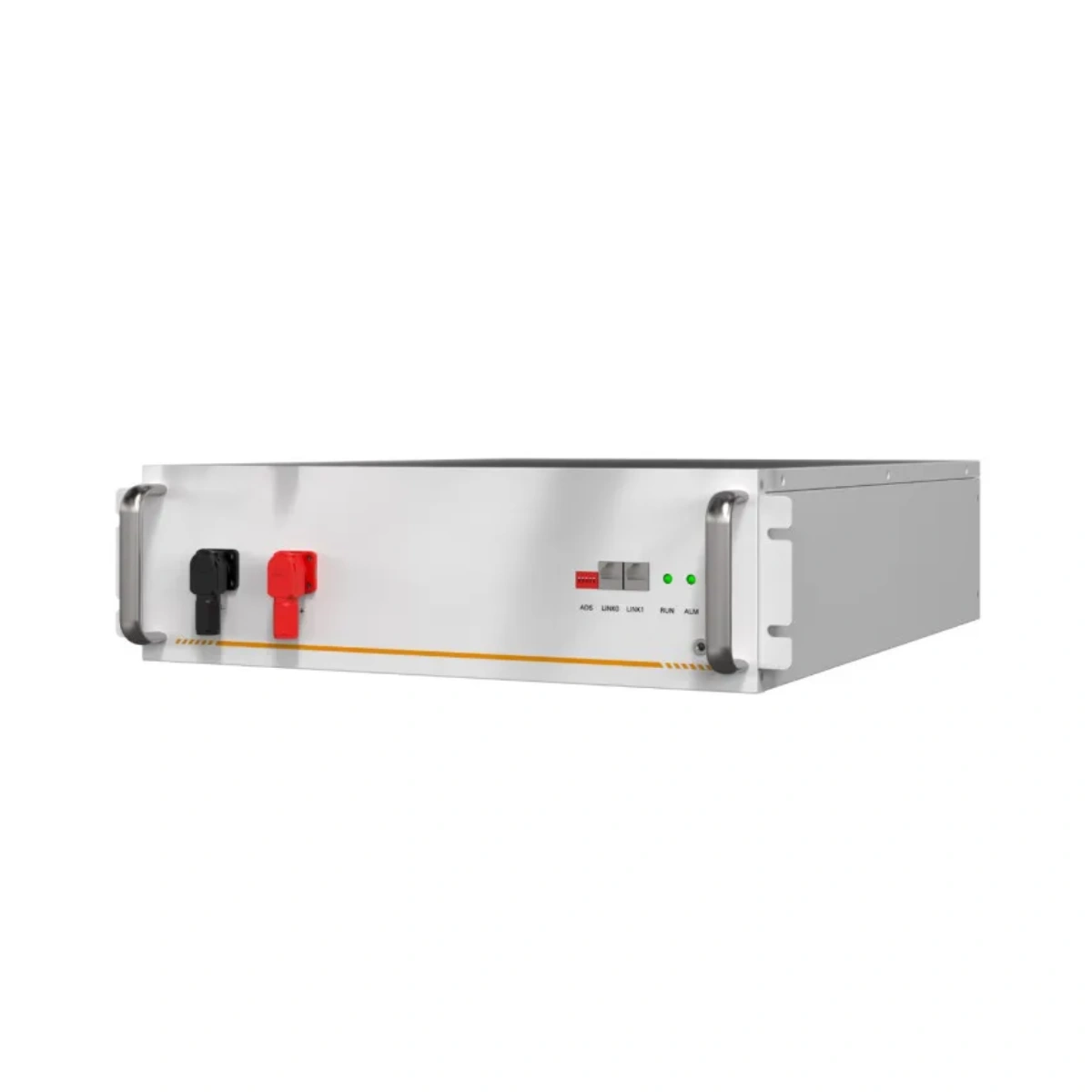

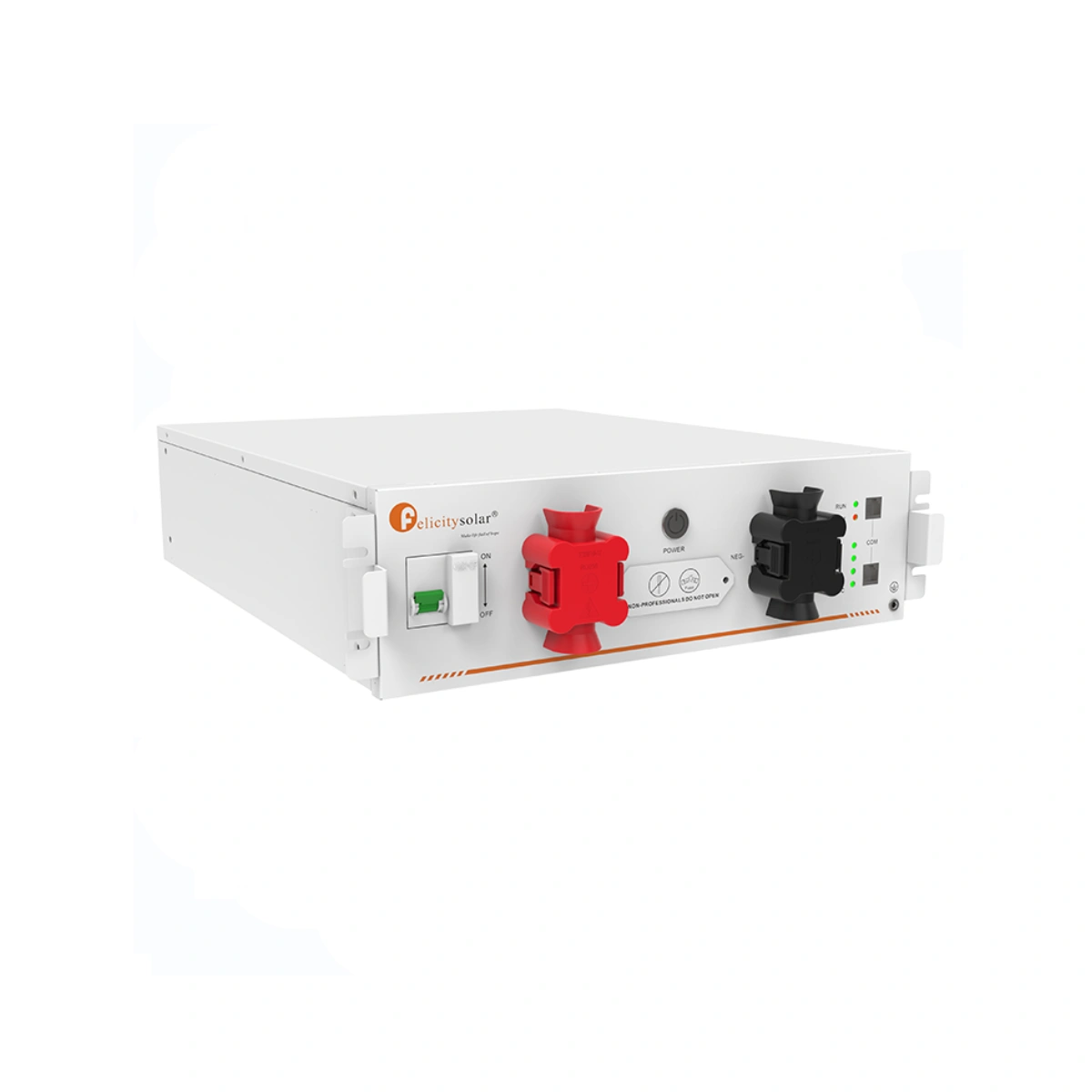
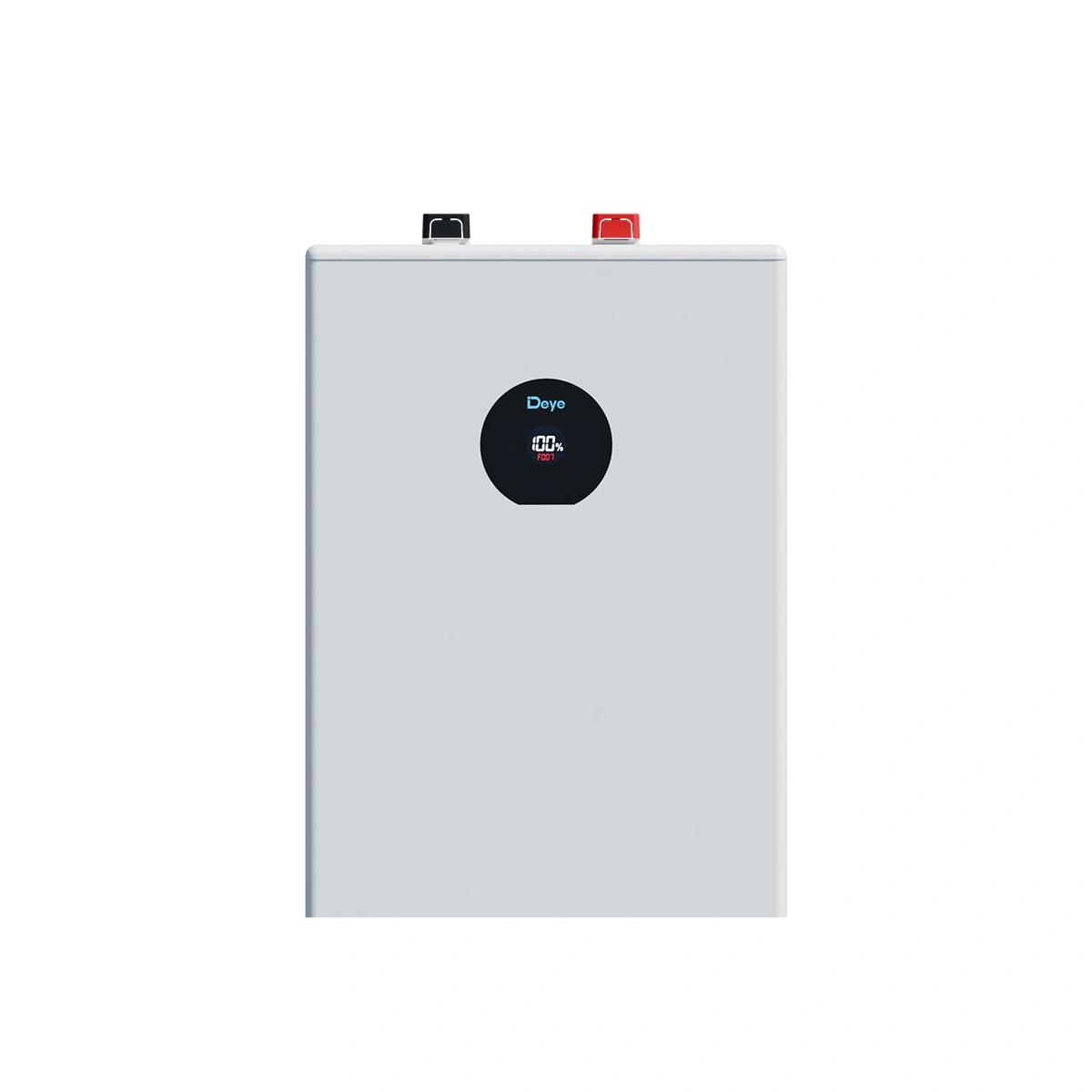

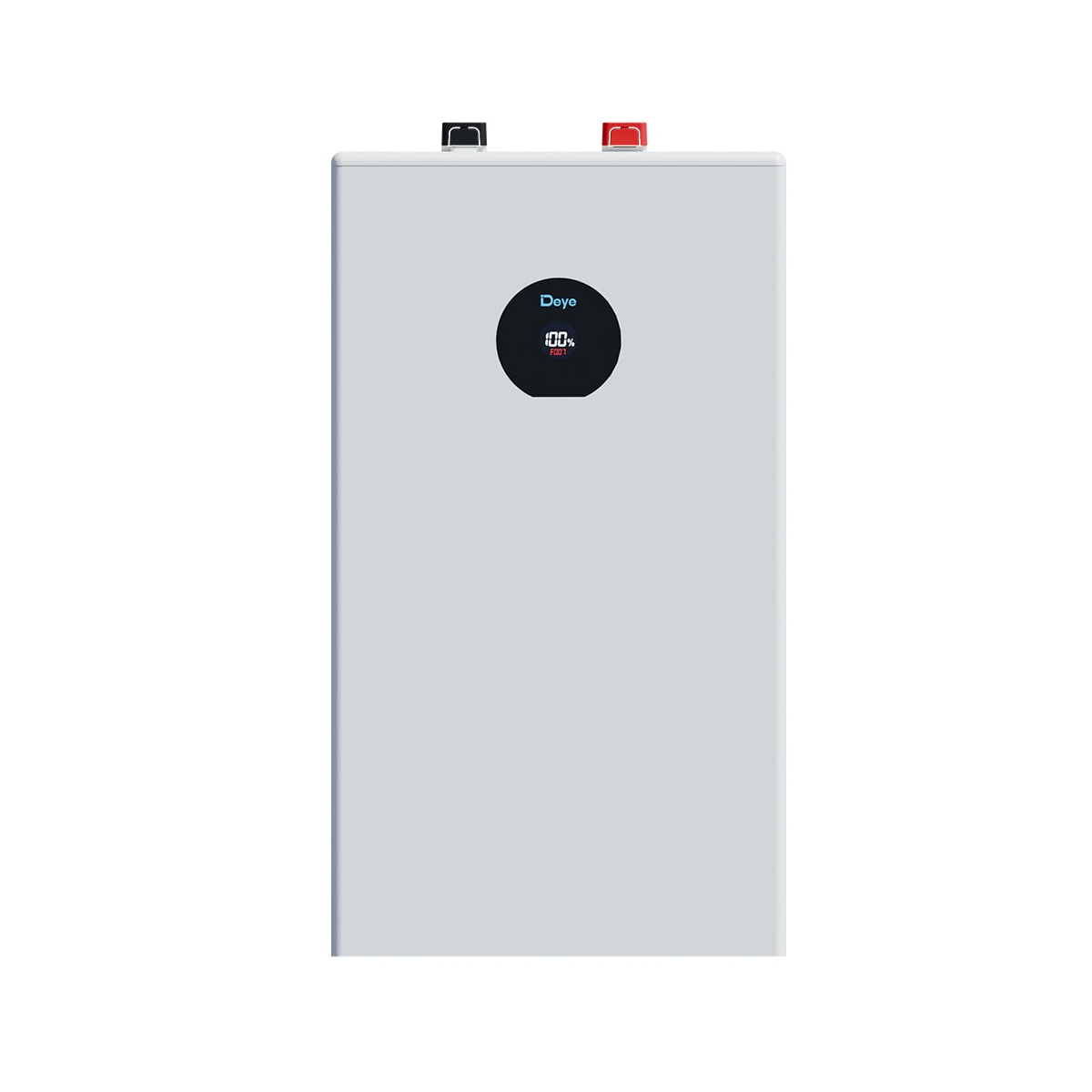
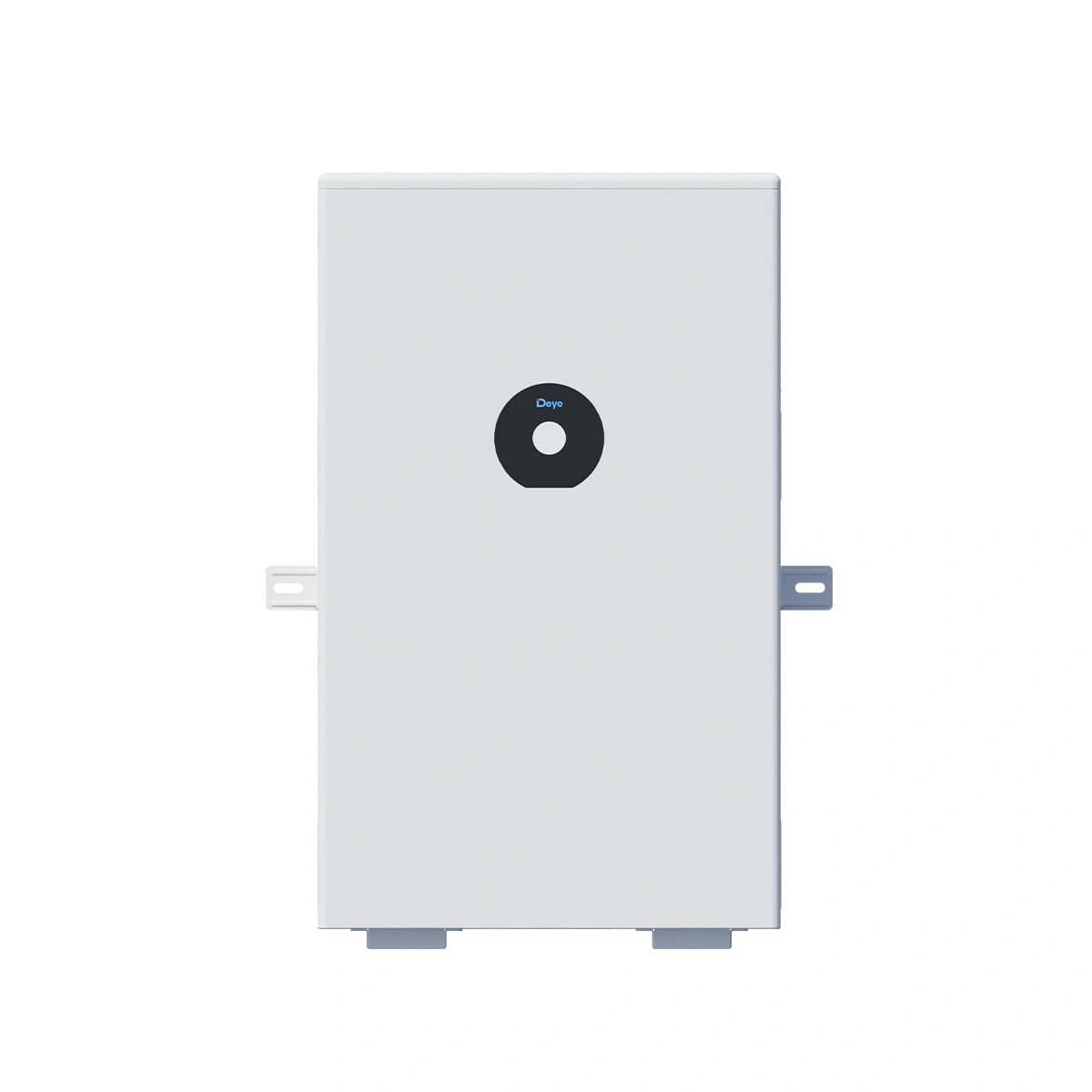
Deye SE-F12 Max Energy Storage System – (IP65) 11.8kWh LiFePO4 Solar Battery
In stock
New: 1692.88 €
0%
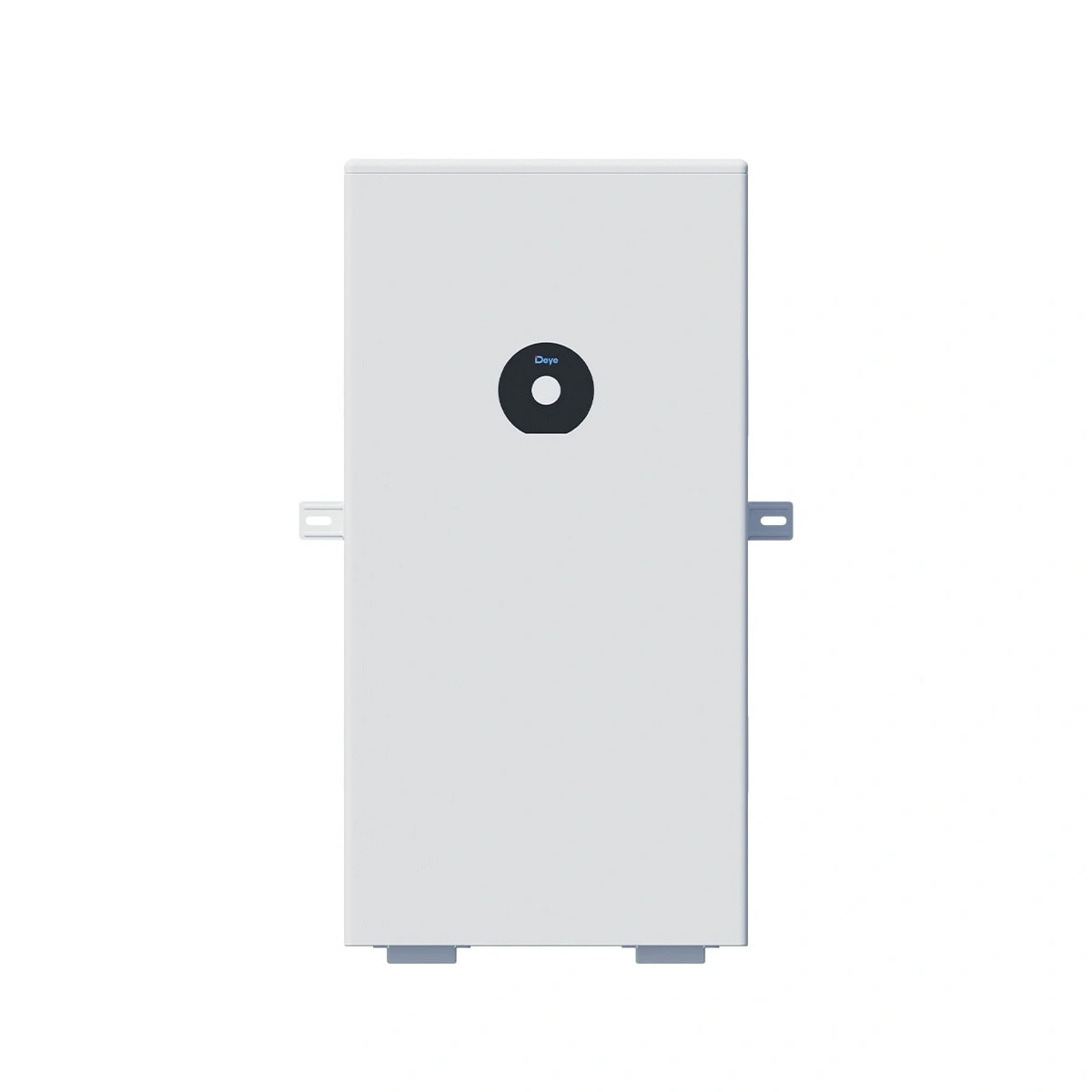


Fronius Reserva Pro 3.98 kWh HV Battery Module for High-Voltage Energy Storage Systems
Available on backorder
New: 1389.88 €
0%


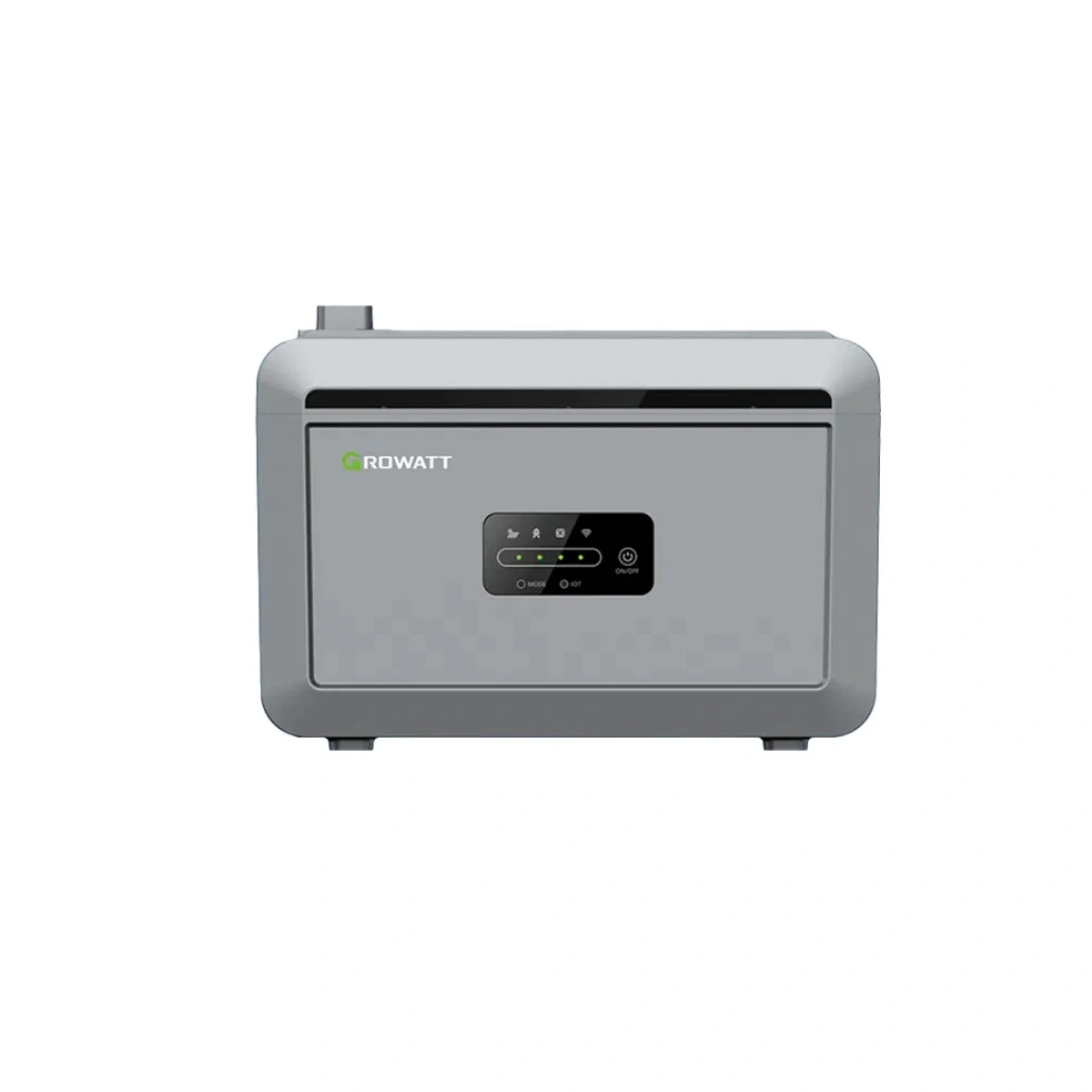
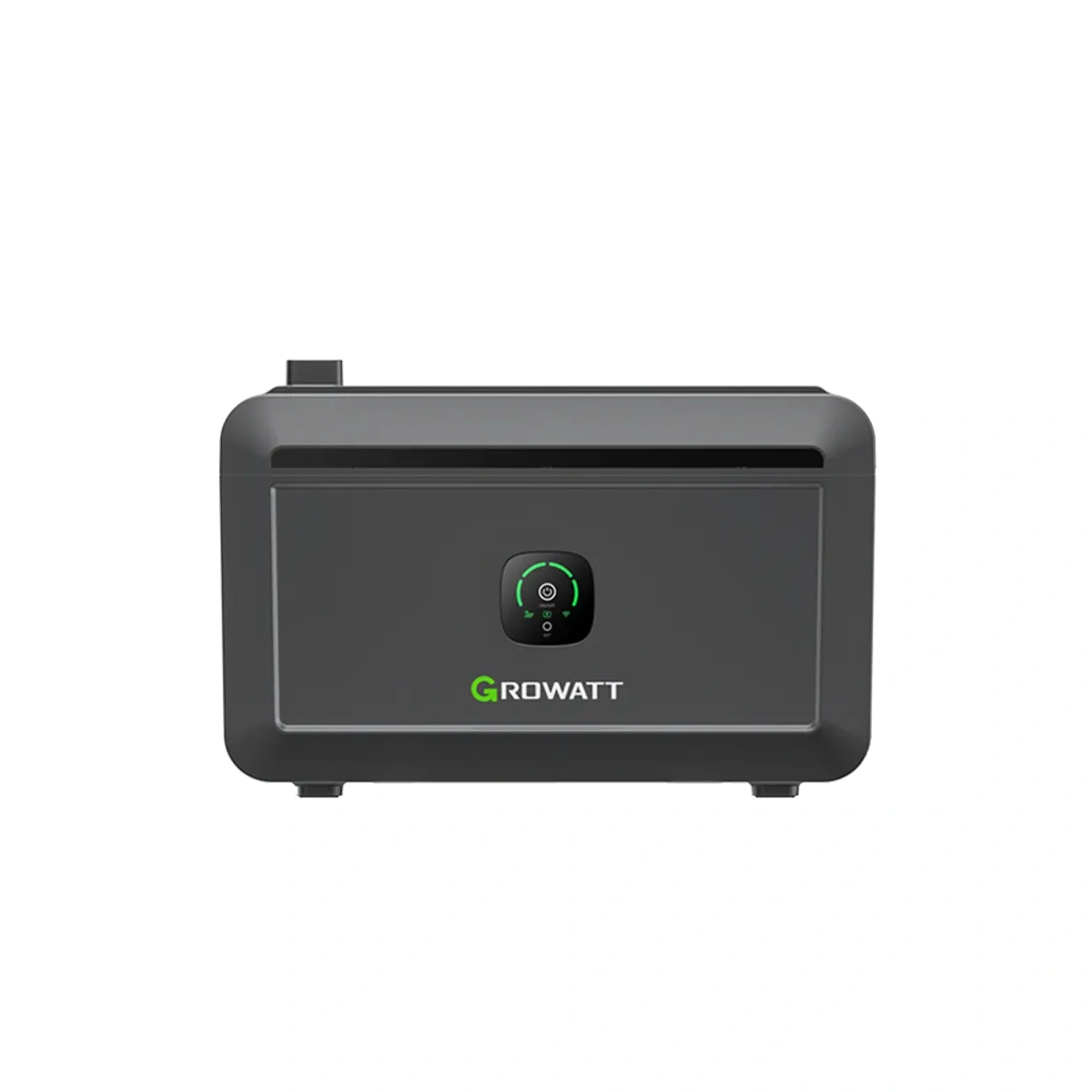

Fronius Reserva 3.15 kWh High-Voltage Solar Battery Module for Hybrid PV Systems
Available on backorder
New: 928.88 €
0%

Battery Modules for Solar Battery Expansion, Replacement and Energy Storage Systems
Buy professional battery modules for solar battery expansion, replacement, service work and energy storage system upgrades. 3Buy Solar supplies installer-ready battery modules for professional solar installers, qualified electricians, EPC contractors, solar wholesalers, solar distributors, resellers and procurement teams across Europe.
This product category is focused on battery expansion modules and replacement battery units used in residential, commercial and industrial energy storage systems. These modules are commonly used to increase usable storage capacity, replace compatible battery units, extend existing battery towers, support hybrid inverter projects and complete solar battery installations.
Battery modules are not universal products. Every module must be selected according to the battery system architecture, inverter compatibility, voltage class, battery management system, firmware requirements, installation manual and manufacturer expansion rules. A module that physically fits into a system may still be unsuitable if it is not approved for that battery platform, generation, firmware version or capacity configuration.
Use this category when sourcing battery modules for:
- Solar battery capacity expansion
- Replacement battery modules
- Energy storage system upgrades
- Hybrid inverter battery systems
- Residential battery storage systems
- Commercial battery storage projects
- Backup-ready PV systems
- Complete solar battery kits
- Low-voltage battery systems
- High-voltage battery systems
- Rack-mounted battery storage
- Stackable battery towers
- Service and maintenance work
- Installer stock and recurring procurement
Battery Modules for Professional Solar Installers and Energy Storage Projects
Battery modules are the building blocks of modular solar battery systems. In many residential and commercial energy storage installations, the final battery capacity is created by combining several compatible modules within an approved battery system. This allows installers to configure systems for different project sizes, self-consumption targets, backup requirements and hybrid inverter platforms.
Modern solar battery systems are increasingly modular. For example, Pylontech describes its US5000 as a 48V LFP battery with 4.8kWh nominal capacity and scalable modular use, while Huawei describes its LUNA architecture around battery expansion modules and capacity extension concepts. These examples show why installer-focused category content must clearly separate battery modules from complete battery systems and from generic battery accessories.
Professional buyers use battery modules for several reasons:
- Expanding storage capacity in an existing compatible system
- Replacing a compatible module during service or maintenance
- Building a new modular battery tower
- Matching a hybrid inverter storage configuration
- Increasing backup runtime
- Supporting higher self-consumption
- Creating a larger complete kit
- Standardising storage procurement across multiple projects
For installers and qualified electricians, battery module selection must always begin with the exact system design. The module must match the battery brand, voltage class, inverter compatibility list, BMS requirements, communication protocol, firmware level and permitted expansion configuration.
Replacement Battery Modules vs Expansion Battery Modules
Battery modules are often purchased for two different purposes: replacement and expansion. These use cases sound similar, but they require different technical checks.
Replacement Battery Modules
A replacement battery module is used when an existing compatible module needs to be replaced because of service, maintenance, warranty handling, system fault diagnosis or project refurbishment.
Before ordering a replacement module, installers should check:
- Exact battery system brand
- Exact module model
- Voltage class
- Capacity rating
- Generation compatibility
- Firmware requirements
- BMS compatibility
- Serial number or batch requirements where applicable
- Installation manual
- Commissioning process
- Warranty conditions
- Manufacturer replacement rules
Replacement work must be handled carefully because a battery module is part of a managed energy storage system. It should not be treated like a generic spare part.
Expansion Battery Modules
An expansion battery module is used to increase the capacity of an existing compatible solar battery system. Expansion is common when the customer increases PV capacity, adds more household loads, installs backup functionality, expands a commercial system or wants higher self-consumption from solar panels.
Before ordering an expansion module, installers should check:
- Whether the existing battery system supports expansion
- Maximum number of modules per stack or tower
- Minimum and maximum capacity rules
- Age and state-of-health compatibility
- Firmware compatibility
- Hybrid inverter compatibility
- BMS and communication requirements
- Battery cabinet, rack or base requirements
- Additional cables, brackets or accessories
- Commissioning and balancing procedure
Some systems are designed specifically for plug-and-play capacity expansion, while others require stricter configuration checks. Huawei, for example, highlights module-level architecture and capacity expansion features in its LUNA system documentation, while Pylontech highlights modular scalability and single-string module quantity for its US5000 product family.
Low-Voltage and High-Voltage Battery Modules
Battery modules are typically grouped into low-voltage and high-voltage systems. The correct selection depends on the inverter, system architecture, battery product family and installation type.
Low-Voltage Battery Modules
Low-voltage battery modules are commonly used in 48V storage systems, rack-mounted battery systems and many residential or small commercial energy storage installations. These systems are often popular with installers because they can be modular, serviceable and suitable for a wide range of hybrid inverter platforms.
Typical low-voltage battery module applications include:
- 48V battery systems
- Rack-mounted battery storage
- Residential self-consumption systems
- Off-grid and backup systems
- Small commercial storage projects
- Modular battery banks
- Inverter-compatible storage upgrades
- Service and replacement work
Common selection points include:
- Nominal voltage
- Usable capacity
- Maximum charge and discharge current
- Number of modules per string
- Communication protocol
- Inverter compatibility
- Rack compatibility
- BMS limits
- Firmware version
- Certification and documentation
Pylontech’s US5000, for example, is presented as a 48V LFP battery module with 4.8kWh nominal capacity, 4.56kWh usable capacity, RS485/CAN communication and modular scalability up to 16 modules in a single string, depending on system rules and documentation.
High-Voltage Battery Modules
High-voltage battery modules are commonly used with hybrid inverter platforms where the battery system is configured as a high-voltage stack or tower. These systems are popular in modern residential and commercial solar battery projects because they can support efficient inverter integration and scalable battery capacity.
Typical high-voltage battery module applications include:
- High-voltage hybrid inverter systems
- Stackable battery towers
- Residential battery storage
- Commercial energy storage systems
- Backup-ready solar installations
- Complete solar battery kits
- PV self-consumption upgrades
- Energy storage expansion projects
Common selection points include:
- Battery module voltage class
- Usable energy per module
- Number of modules per tower
- Battery control module compatibility
- Base and cabinet requirements
- Hybrid inverter compatibility
- Firmware requirements
- Communication cable requirements
- Expansion limits
- Manufacturer installation procedure
Huawei’s LUNA2000 documentation, for example, describes an ESS made of a power control module and battery expansion modules, while quick guide material describes power control module support for multiple expansion modules depending on configuration.
Battery Module Compatibility Is Critical
Battery modules must be selected more carefully than many other solar accessories. A solar cable or connector may have general electrical compatibility rules, but a battery module is part of a controlled energy storage ecosystem. The battery module, BMS, inverter and communication system must work together correctly.
Compatibility checks should include:
- Battery brand
- Battery model
- Module generation
- Voltage class
- Nominal capacity
- Usable capacity
- Battery management system
- Inverter compatibility list
- Communication protocol
- Firmware version
- Maximum module count
- Stack or rack configuration
- Commissioning method
- Safety documentation
- Warranty requirements
Incorrect battery module selection can create:
- Commissioning failure
- Inverter communication errors
- BMS mismatch
- Capacity imbalance
- Reduced system performance
- Warranty problems
- Safety risks
- Installation delays
- Customer complaints
- Unnecessary returns
For professional installers, EPC contractors and solar wholesalers, compatibility is the most important buying factor in this category.
Battery Modules for Solar Battery Expansion
Solar battery expansion is one of the most common reasons to buy additional battery modules. Many customers first install a smaller storage system and later increase capacity when their energy use grows, when they add an EV charger, when electricity tariffs change, when backup power becomes more important or when additional solar panels are installed.
Battery module expansion can support:
- Higher self-consumption
- Longer evening energy use
- Larger backup reserve
- Increased PV energy capture
- Reduced grid import
- Better use of hybrid inverter capacity
- Residential storage upgrades
- Commercial peak-shaving strategies
- More flexible complete kits
- Future-ready solar battery systems
Before expanding an existing solar battery system, installers should verify:
- Existing system capacity
- Maximum allowed expansion capacity
- Number of existing modules
- Allowed module combinations
- Battery age and condition
- State of health
- Firmware compatibility
- Inverter compatibility
- Required accessories
- Commissioning steps
- Updated monitoring configuration
Battery expansion should always follow the manufacturer installation manual and inverter compatibility guidance.
Battery Modules for Replacement and Service Work
Replacement battery modules are used in maintenance, service and warranty workflows. In professional PV and energy storage work, replacement is not only about swapping hardware. It also requires system diagnosis, compatibility checks, safe isolation, correct installation and commissioning.
Replacement modules may be required for:
- Faulty module replacement
- Warranty service
- Capacity restoration
- Battery tower repair
- System refurbishment
- Insurance repair work
- Installer maintenance stock
- Commercial energy storage service
- Backup system service
- Modular battery system support
Before replacement, installers should confirm:
- Exact replacement part number
- Battery family and generation
- Voltage class
- Firmware level
- BMS compatibility
- Installation date of the existing system
- Warranty status
- Commissioning requirements
- Safe shutdown procedure
- Handling and transport rules
Battery replacement should be carried out only by qualified installers or electricians following the relevant manufacturer documentation and local electrical safety rules.
Battery Modules for Residential Energy Storage Systems
Residential energy storage systems often use modular battery units because homeowners may need different capacities depending on their PV size, consumption profile and backup requirements. Battery modules allow installers to design storage systems that fit the customer’s current and future energy needs.
Residential applications include:
- Home solar battery expansion
- Hybrid inverter battery systems
- Self-consumption optimisation
- Backup-ready PV installations
- Solar panel system upgrades
- EV charger-ready home energy systems
- Time-of-use tariff optimisation
- Residential complete kits
- Replacement module service
- Modular battery tower expansion
For residential installers, the most important buying factors are compatibility, easy installation, clear documentation, inverter support and reliable availability. A missing battery module can delay commissioning just as much as a missing inverter or solar panel.
Battery Modules for Commercial and Industrial Storage
Commercial and industrial energy storage systems require stronger planning around capacity, current, communication, safety and long-term maintenance. Battery modules may be used in larger systems where storage capacity is scaled through multiple units, racks or cabinets.
Commercial and industrial applications include:
- Commercial solar battery expansion
- Industrial self-consumption storage
- Peak-shaving projects
- Backup and resilience systems
- Commercial hybrid inverter installations
- Battery rack expansion
- Replacement module supply
- Maintenance stock for service teams
- Multi-site storage procurement
- EPC project supply
For EPC contractors and solar distributors, battery modules are procurement-sensitive products. The correct model, generation and compatibility information must be checked before ordering. Wrong battery modules can cause expensive delays because storage systems often require coordinated installation, commissioning and documentation.
Battery Modules for Complete Kits
Complete kits with energy storage require properly matched solar panels, solar inverter or hybrid inverter, battery modules, BMS components, mounting accessories, protection devices, communication cables and documentation. Battery modules are central to the value of a complete solar battery kit because they determine the storage capacity and expansion potential of the system.
Battery modules may be used in complete kits that include:
- Solar panels
- Hybrid inverter
- Battery modules
- Battery management system
- Battery base or rack
- Power control module
- Communication cables
- DC protection
- AC protection
- Mounting components
- Monitoring system
- Energy management accessories
- Installation documentation
For resellers, solar wholesalers and solar distributors, complete kits become more valuable when battery expansion modules and replacement units are available as separate products. This allows professional buyers to expand, repair or customise systems after the first installation.
Battery Chemistry and Safety Considerations
Many modern solar battery modules use lithium-based chemistry, often LFP or LiFePO4 in residential and commercial solar storage. LFP battery modules are widely used in solar energy storage because they are known for stable cycling behaviour, long service life and suitability for modular battery systems when properly engineered by the manufacturer.
Battery module selection should consider:
- Battery chemistry
- Nominal voltage
- Usable energy
- Depth of discharge
- Cycle life
- Operating temperature
- Communication protocol
- Safety certifications
- Battery management system
- Installation environment
- Indoor or outdoor suitability
- Ventilation and spacing requirements
- Handling and transport rules
- Manufacturer documentation
Pylontech’s US5000 product information, for example, references LiFePO4 technology, 95% depth of discharge, 15+ year design life and certifications including IEC62619 and UN38.3. These are the types of technical details professional buyers look for when comparing battery modules.
Battery Module Communication and BMS Integration
Battery modules rely on communication between the battery management system, inverter and sometimes other modules in the stack or rack. This communication is essential for safe charging, discharging, monitoring, protection and system control.
Battery communication may involve:
- CAN bus
- RS485
- Battery link cables
- Inverter communication cables
- BMS communication
- Master/slave module configuration
- Firmware synchronisation
- Monitoring integration
- Energy management system communication
Before ordering a module, installers should check whether additional communication cables, link cables, terminators, brackets or firmware updates are required. Communication errors are one of the most common causes of commissioning problems in solar battery systems.
Technical Buying Checklist for Battery Modules
Use this checklist before buying battery modules for replacement, expansion or new energy storage installations:
- Confirm the exact battery brand
- Confirm the exact battery module model
- Confirm low-voltage or high-voltage system type
- Confirm nominal voltage
- Confirm usable capacity
- Confirm chemistry, such as LFP or LiFePO4
- Confirm compatibility with the inverter
- Confirm compatibility with the existing battery system
- Confirm BMS compatibility
- Confirm communication protocol
- Confirm firmware requirements
- Confirm maximum number of modules per stack, string or tower
- Confirm whether a base, rack or cabinet is required
- Confirm whether communication cables are included
- Confirm whether power cables are included
- Confirm installation manual requirements
- Confirm commissioning procedure
- Confirm warranty conditions
- Confirm transport and handling requirements
- Confirm stock availability for the full project
This checklist helps reduce wrong orders, commissioning delays, compatibility issues and unnecessary returns.
Battery Module Expansion Checklist for Existing Systems
Before expanding an existing solar battery system, installers should check:
- Existing battery model
- Existing number of modules
- Existing system capacity
- Maximum supported expansion capacity
- Battery age and state of health
- Firmware version
- Hybrid inverter compatibility
- BMS limits
- Communication cable requirements
- Physical space for expansion
- Wall-mounted, floor-mounted, rack-mounted or stackable design
- Updated monitoring configuration
- Updated backup settings
- Customer load profile
- Warranty conditions
Expansion should only be carried out when the additional module is approved for the existing system configuration.
Replacement Module Checklist for Service Work
Before replacing a battery module, installers should check:
- Fault diagnosis result
- Exact replacement model
- Serial number or batch requirements
- Warranty process
- System shutdown procedure
- Safe isolation requirements
- Existing battery condition
- Compatibility with remaining modules
- Firmware and BMS requirements
- Commissioning steps after replacement
- Recycling or return process for the removed module
- Documentation needed for handover
Replacement work should be documented clearly because battery systems are high-value energy storage assets.
Battery Modules and Inverter Compatibility
Battery modules must be compatible with the inverter or hybrid inverter platform used in the system. Inverter compatibility is not optional. Even if a battery has the correct voltage and capacity, it may not communicate correctly with the inverter unless it is officially supported.
Compatibility should be checked for:
- Hybrid inverter brand
- Inverter model
- Inverter firmware
- Battery model
- BMS protocol
- CAN or RS485 communication
- Allowed capacity range
- Backup function compatibility
- Three-phase or single-phase system design
- Grid-code and country settings
- Commissioning process
Fronius, for example, publishes compatible battery information for its hybrid inverter ecosystem, showing why battery selection must be checked against inverter compatibility rather than only battery specifications.
For professional solar installers, this is one of the most important steps before ordering a battery module.
Battery Modules for Solar Wholesalers and Resellers
Battery modules are important products for solar wholesalers, solar distributors and resellers because they support both new installations and after-sales service. A reseller may need complete battery systems, but also individual expansion modules and replacement units for customers who already own compatible storage products.
Battery module procurement supports:
- New storage project sales
- Expansion module sales
- Replacement module supply
- Warranty support
- Installer stock
- Complete kit upgrades
- Multi-site commercial projects
- Recurring energy storage procurement
- Solar battery portfolio growth
For solar wholesalers and solar distributors, category structure is important. Battery modules should be easy to find separately from complete battery systems, battery cabinets, hybrid inverters, BMS units and battery accessories. This helps installers order the correct product faster.
Why Professional Buyers Buy Battery Modules from 3Buy Solar
3Buy Solar supplies battery modules for professional energy storage projects across Europe. This category is designed for installers and procurement teams that need clear product selection, compatibility-focused purchasing and reliable supply for solar battery systems.
Professional buyers choose 3Buy Solar for:
- Battery modules for replacement and expansion
- Solar battery module procurement
- Low-voltage and high-voltage storage project support
- Modular battery system compatibility checks
- Products for hybrid inverter systems
- Complete kit battery expansion support
- Battery modules for residential and commercial storage
- B2B purchasing for installers, EPCs and resellers
- Solar wholesaler and solar distributor supply
- European logistics and project supply support
- Technical documentation and datasheet support
- Related solar inverter, solar battery and energy storage products in one place
As a solar PV supplier and solar wholesaler, 3Buy Solar helps professional buyers source battery modules for solar panels, hybrid inverters, solar battery systems, complete kits and energy storage projects across Europe.
Related Solar and Energy Storage Categories
- Solar Batteries
- Energy Storage
- Hybrid Inverters
- Battery Cabinets
- Battery Accessories
- Battery Cables
- Solar Inverter
- Complete Kits
- Solar Panels
- Monitoring
- Smart Meters
- Backup Systems
- DC Protection
- AC Protection
- Solar Cables and Wiring
- Solar Accessories
Frequently Asked Questions About Battery Modules
What are battery modules used for?
Battery modules are used as the building blocks of modular solar battery and energy storage systems. They can be used to build new battery systems, expand compatible existing systems or replace compatible modules during service and maintenance work.
Are battery modules the same as complete solar batteries?
No. A battery module is usually one part of a larger battery system. A complete solar battery system may also require a battery management system, power control module, base, rack, cabinet, cables, communication components and inverter compatibility.
Can I use a battery module to expand an existing solar battery system?
Yes, but only if the module is compatible with the existing battery system. Installers must check the brand, model, voltage class, firmware, BMS, inverter compatibility and maximum expansion rules before adding a module.
Can battery modules be used as replacement units?
Yes. Compatible battery modules can be used as replacement units during service, maintenance or warranty work. The replacement module must match the existing system requirements and should be installed according to the manufacturer documentation.
What is the difference between low-voltage and high-voltage battery modules?
Low-voltage battery modules are commonly used in 48V-style storage systems and rack-mounted batteries. High-voltage battery modules are typically used in stackable or tower-based systems connected to compatible hybrid inverters. The correct type depends on the inverter and battery architecture.
Are battery modules compatible with every hybrid inverter?
No. Battery modules are not universally compatible with all hybrid inverters. Compatibility depends on the inverter brand, inverter model, firmware, battery management system, communication protocol and approved battery list.
What should installers check before ordering a battery module?
Installers should check the battery brand, exact model, voltage class, usable capacity, BMS compatibility, inverter compatibility, firmware requirements, communication protocol, module count limits, installation manual and warranty conditions.
Are battery modules used in complete kits?
Yes. Battery modules are important components in complete solar battery kits. They are used together with solar panels, hybrid inverters, battery management systems, cables, protection devices, monitoring systems and installation accessories.
Can battery modules be used for commercial energy storage projects?
Yes. Battery modules can be used in commercial and industrial energy storage systems when they are part of an approved system architecture. EPC contractors should check capacity, current, communication, safety, installation and compatibility requirements before ordering.
Who should buy battery modules from this category?
This category is built for professional solar installers, qualified electricians, EPC contractors, solar wholesalers, solar distributors, resellers and procurement teams sourcing battery modules for replacement, expansion and energy storage projects across Europe.
Why buy battery modules from 3Buy Solar?
3Buy Solar supplies battery modules for professional solar battery and energy storage projects, including replacement modules, expansion units, complete kits, hybrid inverter systems, residential battery storage and commercial energy storage installations across Europe.