EV Accessories and Mounting


5–8 kWh Batteries (Upgrade Tier)
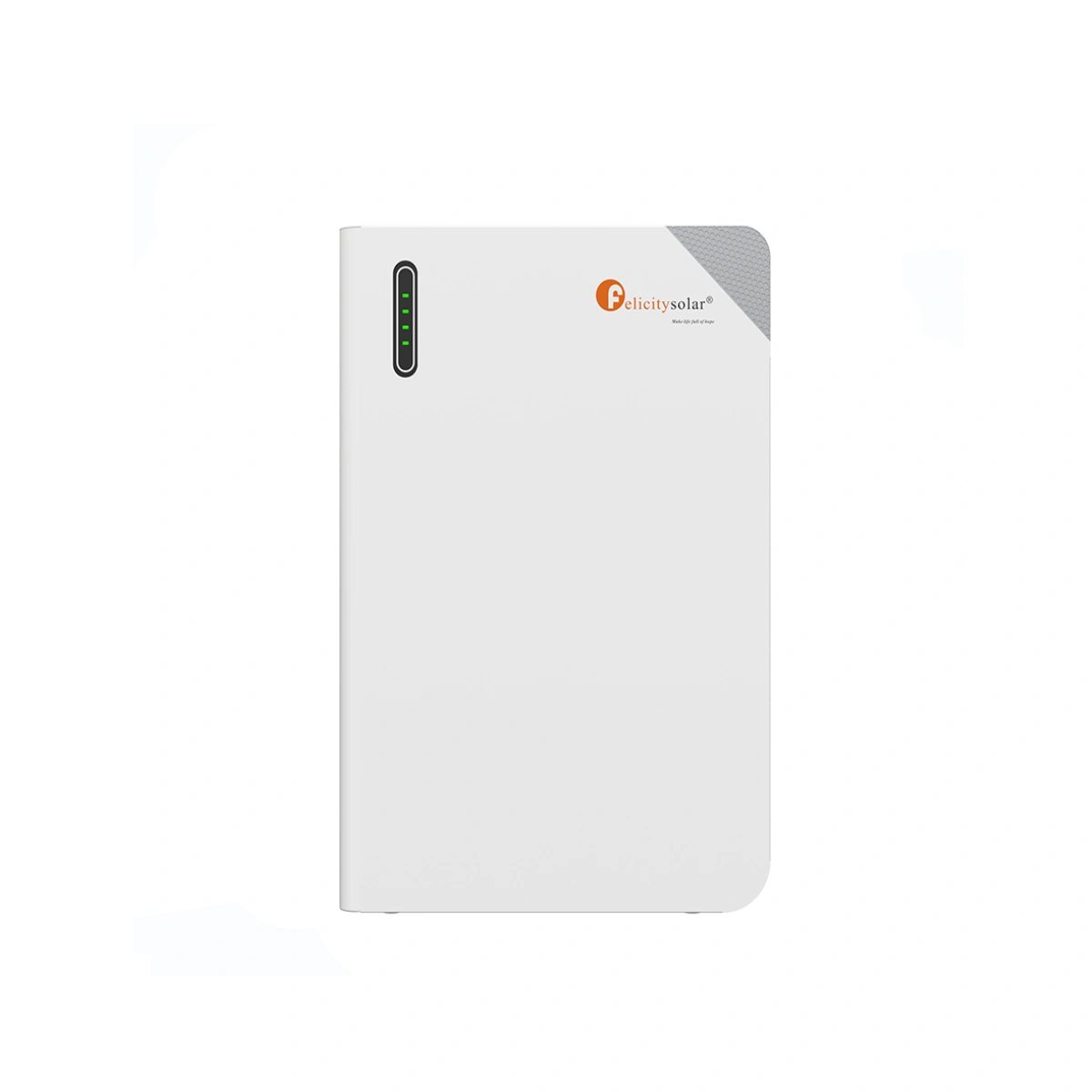

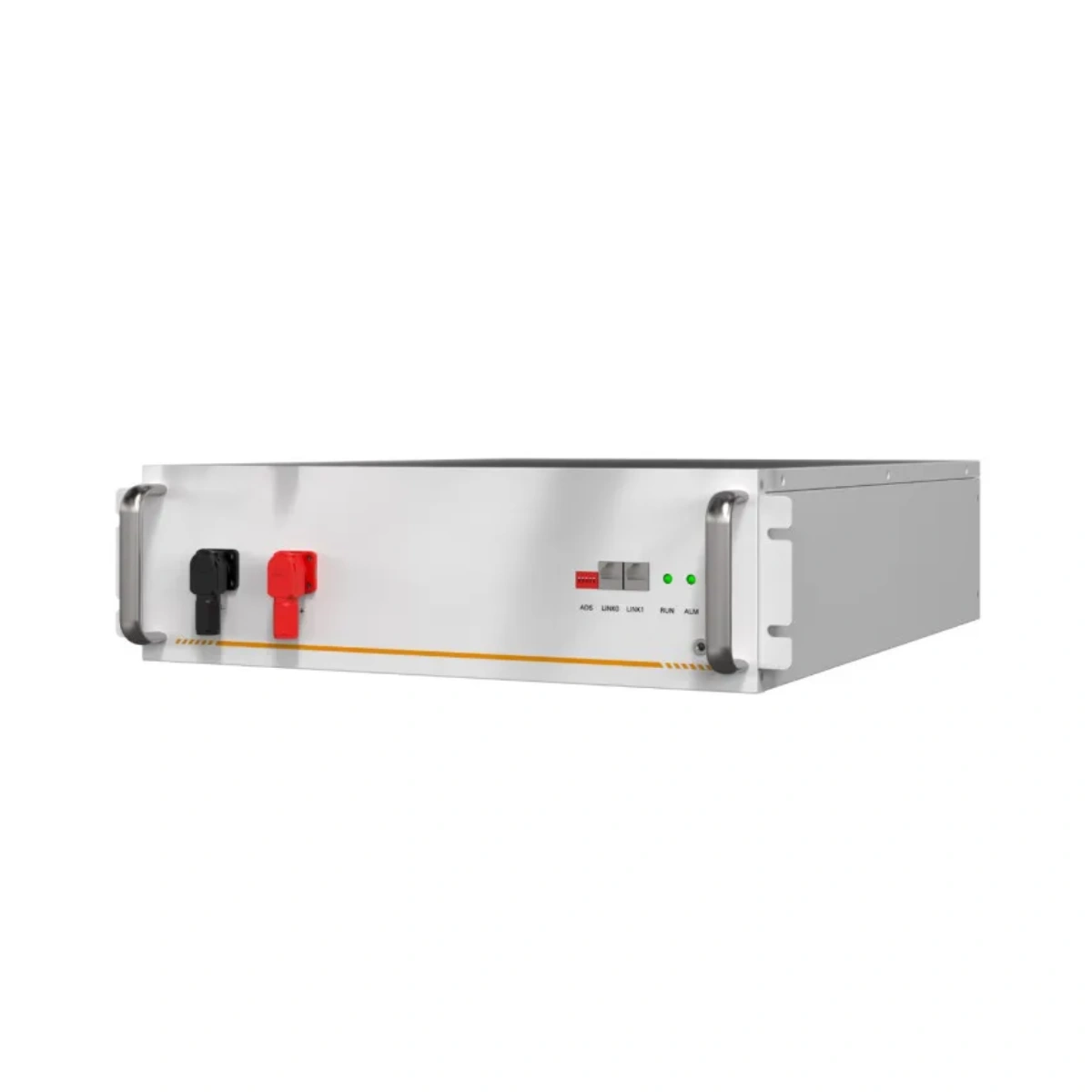
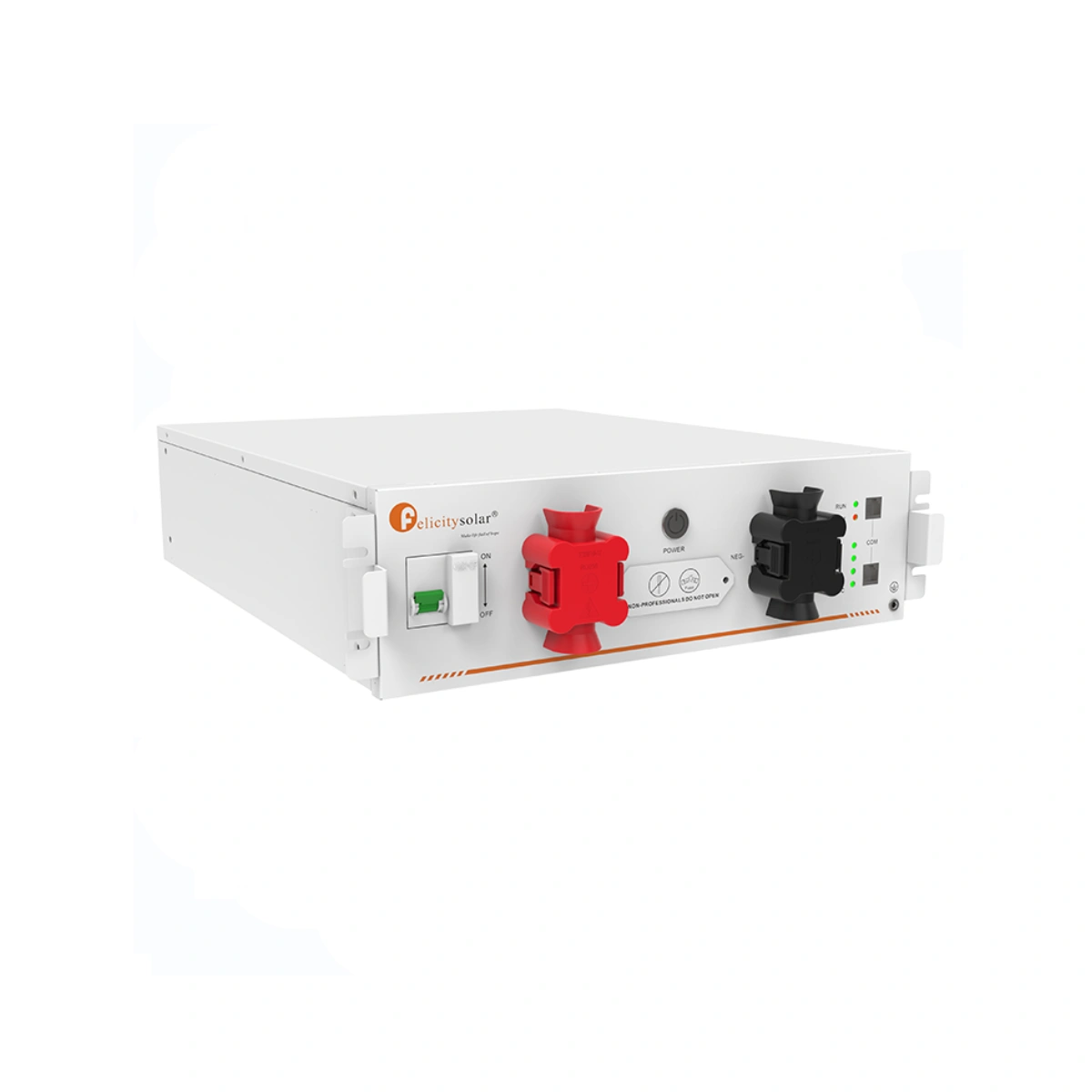
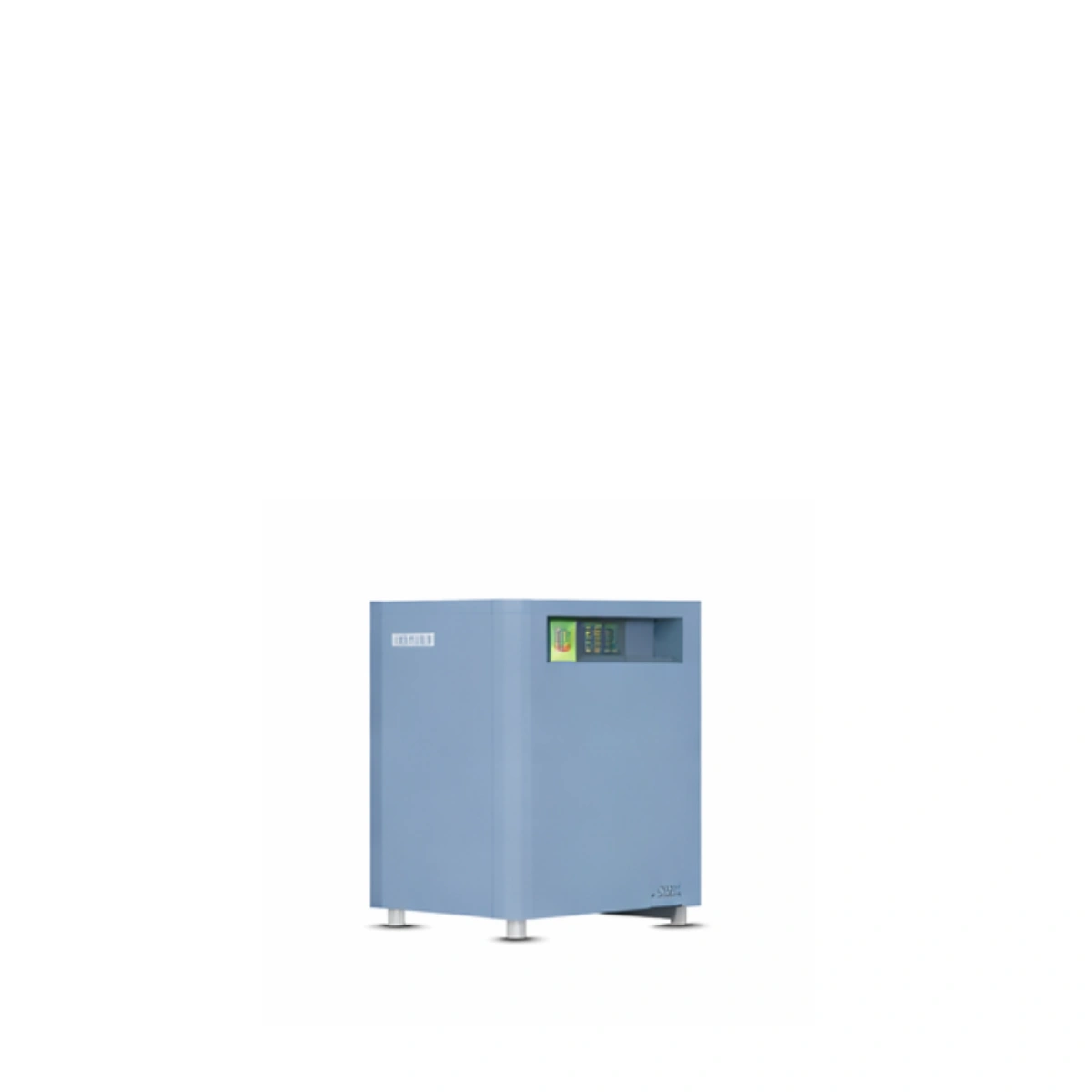


Fronius Reserva 6.3 kWh High-Voltage Solar Battery Set for Hybrid PV Systems
Available on backorder
New: 2519.88 €
0%

5–8 kWh Solar Batteries for Home Storage Upgrades and Hybrid PV Systems
Buy 5–8 kWh solar batteries for residential PV storage upgrades, hybrid inverter systems, backup-ready installations and modular energy storage projects. 3Buy Solar supplies installer-ready solar battery products for professional solar installers, qualified electricians, EPC contractors, solar wholesalers, solar distributors, resellers and procurement teams across Europe.
This category is designed for homeowners, installers and project buyers who need more storage than a basic entry-level battery, but do not require a large commercial energy storage system. A 5–8 kWh solar battery is often the practical upgrade tier for residential self-consumption, evening energy use, backup preparation, heat pump support, EV charging support and modular battery expansion.
Use this category to source solar batteries for:
- Residential solar PV storage upgrades
- 5 kWh solar battery installations
- 6 kWh solar battery systems
- 7 kWh solar battery configurations
- 8 kWh solar battery upgrades
- Hybrid inverter systems
- Solar battery-ready PV projects
- Self-consumption optimisation
- Backup-ready home solar systems
- Modular battery expansion
- Low-voltage battery systems
- High-voltage battery systems
- Complete kits for installers and resellers
- Solar panels with energy storage
- Residential energy storage installations
- Small commercial battery storage projects
- Installer stock and recurring procurement
A 5–8 kWh solar battery can help a household or small business store surplus solar energy during the day and use it later when consumption is higher. For professional installers, this category is especially useful for projects where the customer wants a real storage upgrade without oversizing the battery system.
5–8 kWh Solar Batteries for Professional Installers
The 5–8 kWh battery range is one of the most useful categories for residential solar storage. It sits between small starter batteries and larger 10–15 kWh systems. For many European homes, this capacity range can support evening loads, increase solar self-consumption and provide a practical foundation for future battery expansion.
Professional installers use 5–8 kWh solar batteries in:
- New residential PV installations
- Existing solar panel system upgrades
- Hybrid inverter projects
- Solar battery retrofit installations
- Backup-ready home energy systems
- Small commercial energy storage
- Modular battery expansion projects
- Complete solar and storage kits
- Installer-led battery replacement work
- Energy storage upgrade packages
For qualified electricians and solar installers, the most important buying factors are not only battery capacity. The battery must be compatible with the selected hybrid inverter, communication protocol, voltage architecture, installation location, cable design, protection concept and customer load profile.
A correct 5–8 kWh battery selection helps improve:
- Solar self-consumption
- Evening energy availability
- Grid independence
- Backup readiness
- Battery system scalability
- Inverter-battery compatibility
- Installation efficiency
- Long-term system reliability
- Customer satisfaction
- Complete kit value
What Is a 5–8 kWh Solar Battery?
A 5–8 kWh solar battery is an energy storage battery with usable or nominal capacity typically within the 5 kWh to 8 kWh range, depending on the product. These batteries are used in solar PV systems to store electricity generated by solar panels and release it later when the building needs power.
This battery tier is commonly used in residential and light commercial applications because it offers a strong balance between capacity, cost, installation space and system flexibility. It is larger than a small entry-level solar battery but still compact enough for typical home energy storage installations.
A 5–8 kWh battery may be used for:
- Storing daytime solar generation
- Evening household energy use
- Reducing grid consumption
- Supporting hybrid inverter systems
- Backup-ready circuits where supported
- Expanding an existing battery system
- Preparing for EV charging growth
- Improving energy independence
- Adding storage to complete solar kits
Depending on the manufacturer and system type, products in this category may be low-voltage battery modules, high-voltage battery modules, stackable batteries, wall-mounted batteries, rack-mounted batteries or modular battery packs.
Why Choose a 5–8 kWh Solar Battery?
A 5–8 kWh battery is often the best upgrade tier for customers who want meaningful energy storage without immediately moving to a large battery bank. It can provide enough storage capacity for many everyday household loads while keeping the system practical for installation, budget and future expansion.
This capacity range is suitable when the customer wants to:
- Store more solar energy for evening use
- Reduce grid imports after sunset
- Improve self-consumption from solar panels
- Add storage to an existing PV system
- Prepare for backup power
- Upgrade from a smaller battery
- Support hybrid inverter operation
- Build a modular system that can expand later
- Improve energy flexibility before adding EV charging
- Increase the value of a residential complete kit
For installers, this makes 5–8 kWh solar batteries useful in everyday residential projects. They are large enough to provide visible value to the customer, but still manageable for installation and system design.
5 kWh, 6 kWh, 7 kWh and 8 kWh Battery Applications
Battery capacity should always be selected according to the customer’s electricity consumption, solar PV system size, inverter compatibility, backup requirement and expansion plan. The 5–8 kWh category includes several practical sizing options.
5 kWh Solar Battery
A 5 kWh solar battery is often used as a compact storage upgrade for smaller residential PV systems. It can support basic evening consumption, improve self-consumption and provide a modular starting point for future expansion.
Typical use cases include:
- Smaller homes
- New solar battery starter systems
- Entry-level hybrid inverter projects
- Existing PV upgrades
- Limited installation space
- Modular battery systems
- Self-consumption improvement
- Backup-ready preparation
6 kWh Solar Battery
A 6 kWh battery can provide a stronger upgrade for households with moderate energy use. It may be suitable for customers who want more evening storage than a basic battery but do not yet need a larger 10 kWh system.
Typical use cases include:
- Medium-size residential PV systems
- Evening energy use
- Heat pump-ready homes
- Hybrid inverter installations
- Complete solar storage kits
- Battery expansion from smaller systems
- Higher self-consumption targets
7 kWh Solar Battery
A 7 kWh solar battery can suit households with higher daily consumption or customers preparing for future electricity demand. This size may be useful where the system needs more usable storage without becoming too large for the site.
Typical use cases include:
- Larger residential homes
- Higher evening consumption
- Backup-ready circuits
- Heat pump and appliance support
- Energy storage upgrades
- Modular high-voltage systems
- Solar PV expansion projects
8 kWh Solar Battery
An 8 kWh solar battery is a strong residential upgrade tier and may also support small commercial PV storage projects. It can provide more flexibility for self-consumption, backup-ready design and future expansion.
Typical use cases include:
- Larger home storage systems
- Higher solar PV production
- Hybrid inverter projects
- EV charging-ready homes
- Backup-ready installations
- Small business energy storage
- Complete kits with stronger battery capacity
- Modular battery expansion platforms
Solar Batteries for Self-Consumption Optimisation
Self-consumption is one of the main reasons customers install a 5–8 kWh solar battery. Without storage, a home may export surplus solar energy during the day and buy electricity back from the grid in the evening. A solar battery stores excess PV generation and makes it available later.
A 5–8 kWh battery can help customers:
- Use more of their own solar electricity
- Reduce evening grid imports
- Improve the value of solar panels
- Store surplus daytime PV generation
- Support household loads after sunset
- Reduce dependence on changing electricity prices
- Increase energy independence
- Make better use of hybrid inverter systems
For installers, this is often the easiest use case to explain to customers. The solar panels generate power during the day, the battery stores unused energy, and the home uses stored energy later when production drops.
Solar Batteries for Hybrid Inverter Systems
Most modern residential battery installations use a hybrid inverter or a battery-compatible inverter system. The battery must be selected according to the inverter manufacturer’s compatibility list, voltage range, communication protocol and firmware requirements.
A 5–8 kWh solar battery may be used with:
- Single-phase hybrid inverters
- Three-phase hybrid inverters
- Low-voltage inverter systems
- High-voltage inverter systems
- Battery-ready PV installations
- Retrofit storage projects
- Complete kits with solar panels and inverter
- Backup-ready hybrid systems
Before ordering, installers should check:
- Inverter compatibility
- Battery voltage architecture
- Communication protocol
- BMS compatibility
- Firmware requirements
- Maximum battery modules per system
- Charge and discharge power
- Cable and protection requirements
- Installation location
- Commissioning procedure
For professional installers and qualified electricians, battery-inverter compatibility is one of the most important technical requirements. A battery may have the right capacity but still be unsuitable if it does not communicate correctly with the inverter.
Low-Voltage and High-Voltage Solar Battery Options
Solar batteries in the 5–8 kWh range may be available in low-voltage or high-voltage formats depending on the product and inverter ecosystem.
Low-voltage batteries are often used in 48V or 51.2V systems and may be suitable for many residential, off-grid and retrofit applications. They are commonly used in modular battery banks and may support parallel expansion depending on the manufacturer.
High-voltage batteries are often used with modern hybrid inverter systems and may provide higher efficiency and stronger integration in certain residential and commercial PV applications. High-voltage systems are usually designed as modular stacks with battery modules connected in series according to the inverter requirements.
Low-voltage battery applications may include:
- 48V battery systems
- Retrofit storage projects
- Off-grid solar systems
- Modular parallel battery banks
- Residential backup-ready systems
- Smaller hybrid inverter projects
High-voltage battery applications may include:
- Modern hybrid inverter systems
- Stackable battery towers
- Three-phase residential systems
- Higher-power solar PV installations
- Modular expansion platforms
- Complete kits with selected inverter brands
Installers should not mix low-voltage and high-voltage battery assumptions. The battery must match the inverter design, BMS communication and safety requirements.
LiFePO4 Battery Technology and BMS Protection
Many modern solar batteries use lithium iron phosphate technology, also known as LiFePO4 or LFP. This battery chemistry is widely used in residential and commercial stationary energy storage because it offers strong safety characteristics, long cycle life and stable performance when managed correctly.
A professional solar battery should include a Battery Management System, BMS, to monitor and protect the battery. The BMS is responsible for safety and communication between battery modules and the inverter.
Important battery protection features may include:
- Cell monitoring
- Module monitoring
- Over-voltage protection
- Under-voltage protection
- Over-current protection
- Short-circuit protection
- Temperature monitoring
- Charge and discharge control
- State of charge monitoring
- Communication with the inverter
- System alarms
- Fault protection
- Balancing functions
- Firmware-supported operation
For installers, BMS compatibility is not optional. A solar battery must communicate correctly with the hybrid inverter or battery inverter to support safe charging, discharging, monitoring and commissioning.
Modular Battery Expansion from 5 kWh to Larger Systems
One of the biggest advantages of many 5–8 kWh solar batteries is modular expansion. A customer may start with one battery module or one battery cabinet and later expand the system as electricity demand increases.
This is useful when the customer plans to add:
- More solar panels
- EV charging
- Heat pump usage
- Air conditioning
- Backup circuits
- Higher evening consumption
- More household appliances
- Future home electrification
- Additional commercial loads
Modular expansion may allow installers to build systems such as:
- 5 kWh starting battery systems
- 8 kWh upgrade systems
- 10 kWh expanded systems
- 15 kWh home storage systems
- 20 kWh or larger modular storage systems
- Multi-module battery towers
- Parallel low-voltage battery banks
- High-voltage stackable battery systems
Expansion depends on the selected battery brand, inverter compatibility, firmware, cable design, maximum module limit and installation rules. Professional installers should always check whether future expansion is supported before selling the battery system.
5–8 kWh Batteries for Backup-Ready Home Energy Systems
A 5–8 kWh solar battery may support backup-ready installations when the inverter, switching, protection and electrical design allow it. Backup capability should never be assumed only from battery capacity. The complete system must be designed for backup operation.
Backup-ready storage may support:
- Lighting circuits
- Router and communication equipment
- Refrigeration
- Security systems
- Essential sockets
- Heating controls
- Small appliances
- Home office equipment
- Selected critical loads
Before designing backup, installers should confirm:
- Inverter backup function
- EPS or backup output rating
- Battery discharge power
- Critical load selection
- Automatic or manual switching
- Local electrical requirements
- Battery capacity and runtime expectation
- Protection and isolation requirements
A 5–8 kWh battery can be a useful part of backup-ready planning, but backup performance depends on the complete system architecture.
Solar Batteries for Complete Kits
5–8 kWh batteries are highly relevant for complete kits because they offer a practical storage upgrade for residential solar systems. A complete solar and storage kit may include solar panels, hybrid inverter, solar battery, mounting system, DC protection, AC protection, solar cables, battery cables, communication cables and monitoring equipment.
Battery products in this category may be used in complete kits with:
- Solar panels
- Hybrid inverter
- Battery module or battery cabinet
- Solar cables
- Battery cables
- DC protection
- AC protection
- Mounting system
- Smart meter
- Monitoring platform
- Backup accessories where supported
- Installation accessories
For installers, complete kits reduce sourcing time and help avoid missing components. For solar wholesalers, solar distributors and resellers, a 5–8 kWh battery option makes complete kits more attractive to customers who want meaningful energy storage without moving to a large commercial system.
5–8 kWh Solar Batteries for Small Commercial Projects
Although this category is mainly residential, some 5–8 kWh batteries may also be suitable for small commercial or light commercial applications, depending on the product type and system design.
Small commercial applications may include:
- Small offices
- Retail shops
- Workshops
- Agricultural control systems
- Small hospitality sites
- Backup for selected loads
- Self-consumption support
- Monitoring and communication loads
- Battery-ready PV upgrades
For commercial applications, installers should check cycle life, warranty conditions, cabinet rating, inverter compatibility, charge and discharge power, load profile and whether the battery is approved for the intended use case.
Technical Buying Checklist for 5–8 kWh Solar Batteries
Use this checklist before buying a 5–8 kWh solar battery, battery module or energy storage upgrade system:
- Confirm nominal battery capacity
- Confirm usable battery capacity
- Confirm low-voltage or high-voltage architecture
- Confirm inverter compatibility
- Confirm BMS communication protocol
- Confirm maximum charge power
- Confirm maximum discharge power
- Confirm backup capability if required
- Confirm number of battery modules supported
- Confirm future expansion options
- Confirm LiFePO4 or battery chemistry
- Confirm indoor or outdoor installation suitability
- Confirm IP rating where required
- Confirm operating temperature range
- Confirm installation method: wall-mounted, floor-mounted, rack-mounted or stackable
- Confirm cable and protection requirements
- Confirm communication cable requirements
- Confirm monitoring platform compatibility
- Confirm certification and documentation
- Confirm warranty terms
- Confirm delivery, handling and installation requirements
This checklist helps reduce wrong orders, inverter mismatches, installation delays and commissioning issues.
How to Choose the Right 5–8 kWh Battery
The correct battery depends on the customer’s consumption profile, solar PV size, inverter model, backup requirement and future expansion plan. A 5 kWh battery may be enough for a small household with basic evening loads. A 7–8 kWh battery may be better for a larger home, higher evening consumption, heat pump use or backup-ready planning.
Before selecting the system, installers should evaluate:
- Daily electricity consumption
- Evening and night-time load
- Solar PV system size
- Inverter power rating
- Battery charge and discharge power
- Customer backup expectations
- Available installation space
- Indoor or outdoor placement
- Future EV charging plans
- Future heat pump plans
- Expansion requirements
- Budget and payback expectations
For professional installers, battery sizing should be explained clearly. Oversizing may increase cost unnecessarily, while undersizing may reduce the customer’s satisfaction and limit self-consumption benefits.
Why Professional Buyers Choose 5–8 kWh Solar Batteries from 3Buy Solar
3Buy Solar supplies 5–8 kWh solar batteries, solar battery modules, modular battery systems and energy storage accessories for professional buyers across Europe. This category is built for installer procurement, solar wholesaler supply and residential storage upgrade projects.
Professional installers, qualified electricians, EPC contractors, resellers, solar wholesalers and solar distributors choose 3Buy Solar for:
- 5 kWh to 8 kWh solar battery options
- Installer-ready solar battery products
- Battery solutions for hybrid inverter systems
- Energy storage products for residential PV upgrades
- Complete kits with solar panels, inverter and battery storage
- Low-voltage and high-voltage battery options depending on product type
- Modular expansion support
- Products for self-consumption and backup-ready systems
- B2B purchasing and recurring procurement
- European supply and logistics support
- Solar panels, solar inverter systems and batteries in one purchasing path
- Technical product information for professional buyers
As a solar PV supplier, solar wholesaler and solar distributor, 3Buy Solar helps professional buyers source solar batteries and energy storage products that support real project requirements. Solar panels, solar inverter systems, complete kits and solar battery projects must be selected together to create a safe, reliable and efficient installation.
Related Solar Product Categories
- Solar Batteries
- Energy Storage
- Commercial Energy Storage
- Hybrid Inverters
- Solar Inverter
- Solar Panels
- Complete Kits
- Battery Cables
- Solar Cables and Wiring
- DC Protection
- AC Protection
- Monitoring
- Smart Meters
- EV Charging
- Solar Accessories
- Mounting Systems
Frequently Asked Questions About 5–8 kWh Solar Batteries
What is a 5–8 kWh solar battery used for?
A 5–8 kWh solar battery is used to store electricity from solar panels and release it later when the home or small business needs power. It is commonly used for self-consumption, evening energy use, backup-ready systems and residential storage upgrades.
Is a 5 kWh solar battery enough for a home?
A 5 kWh solar battery may be enough for smaller homes or customers who want to cover basic evening loads. The correct size depends on electricity consumption, solar PV system size, inverter compatibility, backup expectations and daily energy use.
When should I choose an 8 kWh solar battery?
An 8 kWh solar battery may be suitable for larger homes, higher evening consumption, heat pump-ready systems, backup-ready installations, EV charging preparation or customers who want more storage capacity than an entry-level battery.
Are 5–8 kWh solar batteries suitable for hybrid inverters?
Yes, many 5–8 kWh solar batteries are designed for use with hybrid inverter systems. Installers must always check the inverter compatibility list, battery voltage, BMS communication protocol and commissioning requirements before installation.
What is the difference between low-voltage and high-voltage solar batteries?
Low-voltage solar batteries are often used in 48V or 51.2V systems, while high-voltage batteries are commonly used with modern hybrid inverter systems and modular stackable battery platforms. The correct battery type depends on the inverter and system design.
Are 5–8 kWh batteries usually LiFePO4?
Many modern solar batteries in this capacity range use lithium iron phosphate technology, also known as LiFePO4 or LFP. The exact chemistry should always be checked on the product datasheet.
Can 5–8 kWh batteries be expanded later?
Many battery systems in this category are modular and may support expansion, but this depends on the battery brand, inverter compatibility, firmware, wiring rules and maximum module limits. Installers should confirm expansion capability before ordering.
Can a 5–8 kWh battery provide backup power?
A 5–8 kWh battery can support backup-ready systems if the inverter, switching, protection and electrical design allow backup operation. Backup capability depends on the complete system, not only on battery capacity.
Can these batteries be used in complete kits?
Yes. 5–8 kWh solar batteries are commonly used in complete kits with solar panels, hybrid inverters, mounting systems, solar cables, battery cables, protection devices and monitoring equipment.
Who should buy from this category?
This category is built for professional solar installers, qualified electricians, EPC contractors, solar wholesalers, solar distributors, resellers and procurement teams sourcing 5–8 kWh solar batteries and energy storage products across Europe.
Why buy 5–8 kWh solar batteries from 3Buy Solar?
3Buy Solar supplies 5–8 kWh solar batteries, battery modules and energy storage accessories for professional European PV projects, including residential solar upgrades, hybrid inverter systems, complete kits, solar battery-ready projects and energy storage installations.