EV Accessories and Mounting


9–10 kWh Batteries (Standard Residential)


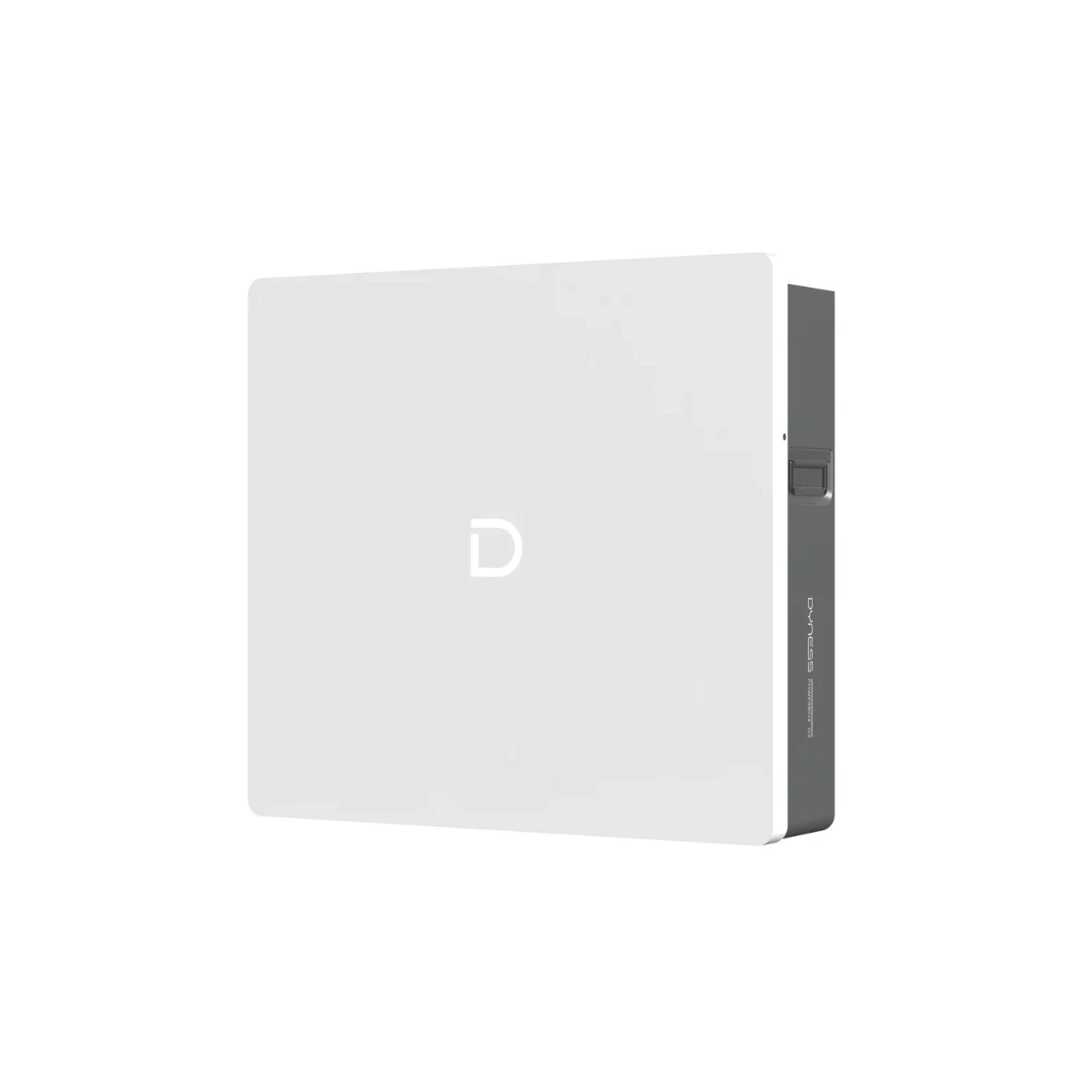

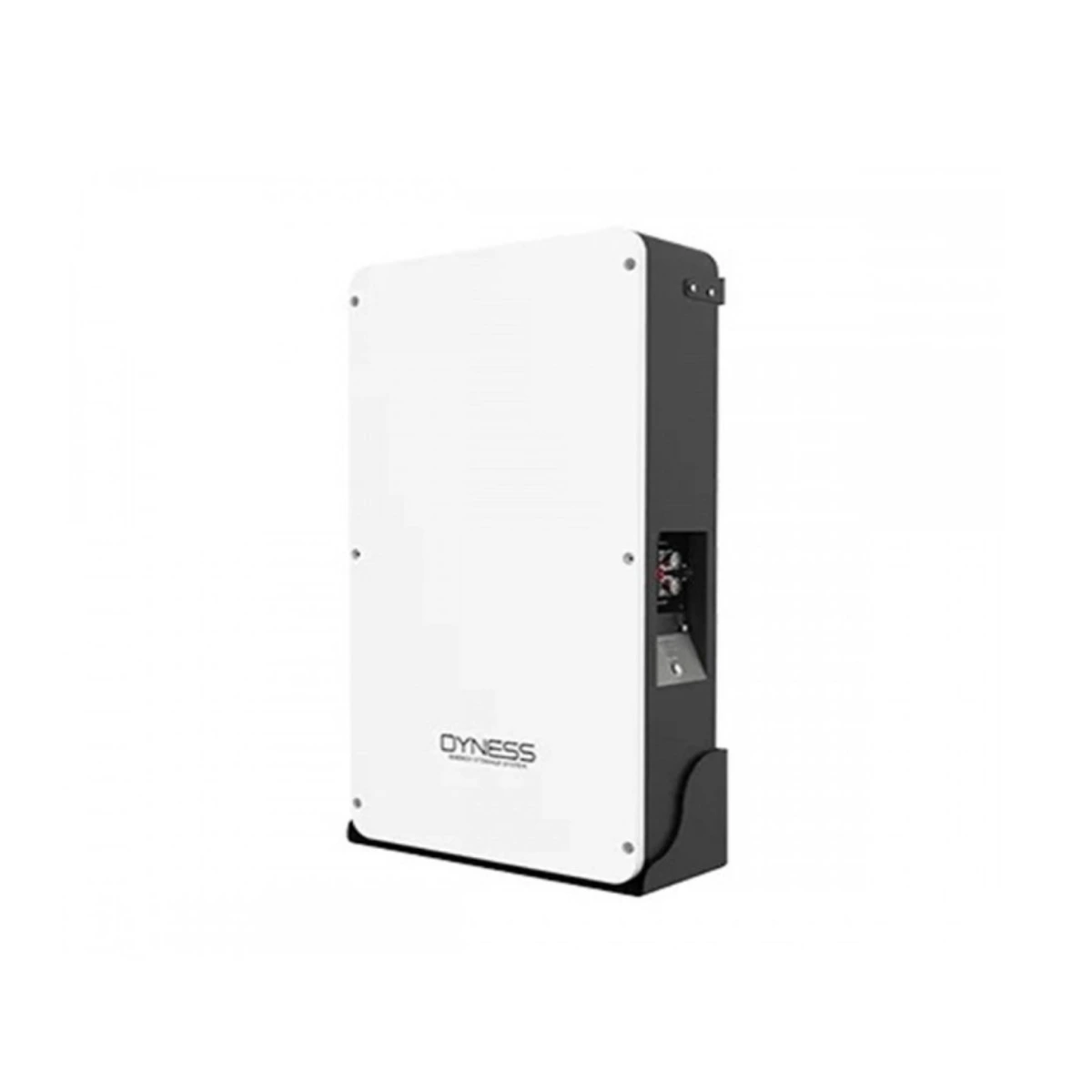
Dyness Powerbox Pro 10.24kWh – Low Voltage Solar Battery for Hybrid Inverters
Out of stock
New: 1389.88 €
0%


Fronius Reserva 9.5 kWh High-Voltage Solar Battery Set for Hybrid PV Systems
Available on backorder
New: 3409.88 €
0%
9–10 kWh Solar Batteries for Standard Residential Energy Storage
Buy 9–10 kWh solar batteries for standard residential PV systems, hybrid inverter installations, backup-ready homes and energy storage projects. 3Buy Solar supplies professional solar battery products for solar installers, qualified electricians, EPC contractors, solar wholesalers, solar distributors, resellers and procurement teams across Europe.
This category is focused on residential solar battery systems in the 9 kWh, 9.6 kWh, 10 kWh, 10.2 kWh and 10.65 kWh capacity range. These battery sizes are widely used in standard home energy storage projects because they offer a practical balance between usable storage capacity, installation cost, inverter compatibility and daily self-consumption support.
For installers, a 9–10 kWh solar battery is often the right choice for residential customers who want to store more solar energy during the day and use it later in the evening, during peak tariff periods or during backup operation where supported by the system design. These battery systems are commonly paired with solar panels, hybrid solar inverter systems, backup boxes, smart meters, monitoring equipment, solar cables, battery cables and complete kits.
Use this category when sourcing solar battery products for:
- Standard residential energy storage systems
- 9 kWh solar battery installations
- 9.6 kWh residential battery systems
- 10 kWh solar battery storage
- 10.2 kWh high-voltage battery systems
- 10.65 kWh modular battery systems
- Hybrid inverter projects
- Solar self-consumption upgrades
- Backup-ready home PV systems
- Residential complete kits
- Solar panels with battery storage
- Battery-ready PV installations
- Installer stock and recurring procurement
- Solar wholesaler and solar distributor supply
9–10 kWh Solar Batteries for Residential Installers
9–10 kWh solar batteries are designed for home energy storage projects where the customer needs more than a small entry-level battery, but does not necessarily require a large commercial energy storage system. This capacity range is commonly suitable for standard residential PV systems, family homes, hybrid inverter installations and backup-ready solar systems.
For professional installers, this category supports residential battery projects where the system must be practical, compatible and easy to explain to the customer. The battery should match the solar PV system size, hybrid inverter, load profile, backup requirement and available installation space.
Typical residential applications include:
- Daily solar self-consumption
- Evening use of stored solar energy
- Time-of-use tariff optimisation
- Backup-ready home energy storage
- Hybrid inverter installations
- Solar battery upgrades for existing PV systems
- Complete residential kits
- Battery-ready PV system design
- Smart meter and monitoring integration
- Home energy independence projects
A 9–10 kWh solar battery is not automatically correct for every home. The correct battery size depends on the customer’s daily consumption, solar panel system size, inverter capacity, available generation, evening load, backup expectations and future expansion plans.
For solar installers and qualified electricians, this makes battery selection a technical decision, not only a price decision.
What Is a 9–10 kWh Solar Battery?
A 9–10 kWh solar battery is a residential energy storage system with approximately nine to ten kilowatt-hours of nominal or usable battery capacity, depending on the product and manufacturer documentation. It stores electricity from solar panels or the grid and releases it later when the home needs power.
This category may include battery systems described as:
- 9 kWh solar battery
- 9.6 kWh solar battery
- 10 kWh solar battery
- 10.2 kWh solar battery
- 10.65 kWh battery system
- Residential solar battery
- Home battery storage
- Solar battery storage system
- Hybrid inverter battery
- High-voltage solar battery
- Low-voltage 48V battery
- LiFePO4 solar battery
- Modular home battery
- Battery storage for complete kits
For installers, the important point is that battery capacity must be checked carefully. Some products advertise nominal capacity, while others highlight usable energy. Usable capacity can vary depending on battery chemistry, depth of discharge, inverter compatibility, temperature, firmware settings and manufacturer warranty conditions.
Before quoting or installing a 9–10 kWh solar battery, always check the datasheet, compatible inverter list, warranty document and installation manual.
Why 9–10 kWh Is a Popular Residential Battery Size
The 9–10 kWh capacity range is popular because it fits many standard residential PV projects. It is large enough to support meaningful evening energy use, but still compact enough for many wall-mounted, floor-mounted or modular battery installations.
For many homeowners, this size can support:
- Higher use of solar energy generated during the day
- Reduced grid imports in the evening
- Better use of variable electricity tariffs
- Backup-ready system design where supported
- Increased energy independence
- Practical system cost compared with larger battery banks
- Future-ready PV system upgrades
For installers, the 9–10 kWh category is useful because it is easy to position between smaller 5 kWh entry-level systems and larger 15–20 kWh residential battery banks. It can be used in many standard residential projects without moving into full commercial energy storage design.
This capacity range is especially relevant for homes with:
- Medium to high evening consumption
- Heat pump support requirements
- EV charging considerations
- Larger solar panel arrays
- Hybrid inverter systems
- Backup power expectations
- Energy tariff optimisation needs
- Future expansion plans
LiFePO4 Solar Batteries for Home Energy Storage
Many modern residential solar batteries use lithium iron phosphate battery chemistry, commonly known as LiFePO4 or LFP. This chemistry is widely used in stationary solar battery systems because it is suitable for repeated charging and discharging, stable operation and long service life.
LiFePO4 solar battery systems are commonly selected for:
- Residential PV storage
- Hybrid inverter projects
- Backup-ready home systems
- Solar self-consumption
- Modular battery expansion
- Long-cycle home energy storage
- Wall-mounted battery systems
- Rack-mounted battery systems
- Complete residential kits
Professional installers should check each battery system for:
- Battery chemistry
- Nominal capacity
- Usable capacity
- Depth of discharge
- Cycle life reference
- Battery Management System, BMS
- Compatible inverter list
- Voltage architecture
- Communication protocol
- Installation method
- IP rating
- Warranty conditions
- Expansion options
- Safety documentation
A solar battery should always be selected as part of the complete system. The battery, hybrid inverter, solar panels, smart meter, backup box and monitoring platform must be compatible.
Low-Voltage 48V and High-Voltage Residential Batteries
9–10 kWh solar batteries may be available in low-voltage or high-voltage system architectures. Both formats are used in residential energy storage, but they are not interchangeable.
Low-voltage residential batteries are often based on 48V battery architecture and may be used with compatible low-voltage hybrid inverters or off-grid inverter systems. These batteries are common in rack-mounted, wall-mounted and modular home storage designs.
High-voltage residential batteries are often used with modern high-voltage hybrid inverters. They may offer efficient operation, compact modular stacking and compatibility with selected inverter brands.
When choosing between low-voltage and high-voltage battery systems, installers should check:
- Hybrid inverter compatibility
- Battery voltage range
- Communication protocol
- Maximum charge and discharge current
- Backup operation support
- Expansion method
- Installation environment
- Cable and protection requirements
- Manufacturer-approved configuration
- Warranty conditions
A 48V battery cannot be connected to a high-voltage inverter unless the manufacturer specifically supports that architecture. A high-voltage battery should not be treated like a standard low-voltage battery. Correct matching is essential for safety, commissioning and warranty.
9.6 kWh, 10.2 kWh and 10.65 kWh Battery Systems
This category covers standard residential batteries around the 9–10 kWh range. Exact capacity depends on the brand, battery module design and usable energy rating.
Common configurations may include:
- 9 kWh residential solar battery
- 9.6 kWh 48V LiFePO4 battery
- 10 kWh home battery storage
- 10.2 kWh high-voltage battery system
- 10.65 kWh modular battery system
- Two-module battery stacks
- Three-module high-voltage battery stacks
- Rack-mounted 48V battery combinations
- Wall-mounted solar battery systems
- Expandable residential battery banks
Installers should always compare:
- Nominal battery capacity
- Usable energy
- Recommended depth of discharge
- Maximum charge power
- Maximum discharge power
- Compatible inverter brands
- Number of modules
- Expansion limits
- Battery weight and dimensions
- Installation position
- Warranty terms
For procurement teams, these details matter because two batteries marketed as “10 kWh” may perform differently depending on usable capacity, inverter pairing, discharge rate and system configuration.
Solar Battery Compatibility with Hybrid Inverters
Solar battery compatibility is one of the most important selection points for installers. A 9–10 kWh battery must communicate correctly with the hybrid inverter or battery inverter. The inverter and battery must support the same voltage architecture, communication protocol and operating parameters.
Important compatibility points include:
- Compatible inverter brand
- Compatible inverter model
- High-voltage or low-voltage battery architecture
- CAN or RS485 communication
- Firmware compatibility
- Charge and discharge limits
- Backup mode support
- Battery expansion limits
- Smart meter compatibility
- Monitoring platform integration
- Warranty-approved configuration
Common hybrid inverter and solar battery project requirements include:
- Battery-to-inverter communication
- Correct battery cable sizing
- Proper DC protection
- Manufacturer-approved battery configuration
- Correct commissioning sequence
- Battery firmware setup
- Monitoring activation
- Backup circuit configuration where applicable
For installers, compatibility should always be confirmed before purchase. A battery may be technically strong, but unsuitable if it is not approved for the selected solar inverter system.
9–10 kWh Batteries for Solar Self-Consumption
Solar self-consumption is one of the main reasons homeowners install a 9–10 kWh solar battery. During the day, solar panels may generate more electricity than the home is using. A battery stores that excess energy and makes it available later.
Self-consumption benefits may include:
- Higher use of on-site solar energy
- Lower grid imports
- Better evening energy coverage
- Reduced export dependency
- Improved solar PV system value
- Better matching between production and consumption
- Support for homes with daytime generation and evening demand
A 9–10 kWh battery is often useful for homes with medium to higher electricity use, especially where the customer wants to use more solar power after sunset. For installers, the correct system design should be based on real consumption data, solar panel system size and inverter capability.
Self-consumption projects may include:
- New solar panels with battery storage
- Battery retrofit for existing PV systems
- Hybrid inverter upgrades
- Smart meter integration
- Time-of-use tariff optimisation
- Complete residential solar battery kits
9–10 kWh Batteries for Backup-Ready Homes
Many homeowners ask for backup power when buying a solar battery. A 9–10 kWh solar battery can support backup-ready designs, but backup performance depends on the hybrid inverter, backup box, switching equipment, battery output and electrical design.
Backup-ready battery systems may support:
- Lighting circuits
- Wi-Fi and communication equipment
- Refrigeration
- Security systems
- Small household appliances
- Essential socket circuits
- Heat pump control systems where designed correctly
- Selected critical loads
Installers must explain that not every battery system provides whole-home backup. Backup capability depends on:
- Hybrid inverter backup output
- Battery discharge power
- Backup box or EPS function
- Load selection
- Circuit separation
- Grid regulations
- Battery state of charge
- System commissioning
- Manufacturer documentation
A 9–10 kWh battery may provide useful backup support for selected loads, but it should be designed carefully. Critical load planning is essential.
Wall-Mounted, Floor-Mounted and Rack-Mounted Battery Options
Residential solar batteries in the 9–10 kWh range may be supplied in different installation formats. The correct format depends on the battery brand, system architecture, available space and project requirements.
Common battery formats include:
- Wall-mounted solar batteries
- Floor-standing battery towers
- Modular stacked battery systems
- Rack-mounted 48V batteries
- Indoor battery cabinets
- Garage-mounted battery systems
- Utility-room battery installations
- Outdoor-rated battery units where supported
Installers should check:
- Installation location
- Wall strength or floor space
- Ventilation requirements
- IP rating
- Operating temperature range
- Service access
- Cable route
- Battery weight
- Clearance requirements
- Fire safety guidance
- Manufacturer installation manual
For standard residential projects, installation format can affect labour time, cable routing, customer experience and long-term serviceability.
Modular Expansion and Future Battery Upgrades
Many residential battery systems are modular. This means the customer can start with a standard battery size and expand later if the system supports additional modules or parallel battery stacks.
A 9–10 kWh system may be selected as:
- A starting residential battery size
- A mid-range home storage solution
- An expandable battery platform
- A future-ready solar battery system
- A base for larger energy storage upgrades
Expansion may be useful when the homeowner later adds:
- More solar panels
- Higher evening consumption
- Heat pump systems
- EV charging
- Backup requirements
- Smart home energy management
- Additional household loads
Before selling expansion as a benefit, installers should check:
- Maximum battery modules supported
- Maximum parallel stacks
- Inverter battery input limits
- Firmware requirements
- Matching battery age or model restrictions
- Warranty conditions
- Installation space
- Cable and protection changes
Battery expansion should always follow the manufacturer’s approved configuration.
9–10 kWh Batteries for Complete Residential Kits
A 9–10 kWh solar battery is often included in complete residential kits for homeowners who want solar panels, hybrid inverter, battery storage and monitoring in one matched system package.
Complete kits may include:
- Solar panels
- Hybrid solar inverter
- 9–10 kWh solar battery
- Battery base or cabinet
- Backup box where applicable
- Smart meter
- Solar cables
- Battery cables
- Communication cables
- MC4 connectors
- DC protection
- AC protection
- Mounting system
- Monitoring setup
- Installation accessories
For installers and resellers, complete kits reduce procurement time and help avoid compatibility mistakes. For homeowners, complete kits make the system easier to understand because the main components are selected to work together.
For solar wholesalers and solar distributors, 9–10 kWh battery kits are valuable because they fit a large segment of standard residential storage demand.
Solar Battery Applications by Home Type
9–10 kWh batteries can support many residential project types. The correct battery depends on the home’s consumption profile, solar panel capacity and energy goals.
Standard Family Homes
A 9–10 kWh battery is often suitable for standard family homes with regular evening consumption and a solar PV system large enough to charge the battery during the day.
Typical use cases include:
- Evening household loads
- Self-consumption optimisation
- Backup-ready circuits
- Smart tariff use
- Hybrid inverter projects
- Solar panel plus battery packages
Homes with Heat Pumps
Homes with heat pumps may benefit from battery storage, but sizing must be checked carefully. Heat pumps can increase electricity use, especially in colder months when solar production may be lower.
Installer checks include:
- Seasonal consumption
- Heat pump power demand
- PV system size
- Battery discharge power
- Backup expectations
- Smart control strategy
Homes with EV Charging
A 9–10 kWh battery can support better energy management for homes with EV charging, but it may not fully cover EV charging demand. EV charging loads are often much larger than standard household loads.
Installer checks include:
- EV charger power
- Charging schedule
- Solar PV generation
- Battery capacity
- Grid import limits
- Smart energy management options
Backup-Ready Homes
For homes where backup is important, the battery must be paired with a suitable inverter and backup architecture. A 9–10 kWh solar battery can support selected critical loads when the system is designed correctly.
Installer checks include:
- Backup output power
- Critical load panel
- Automatic switching
- Battery state of charge reserve
- Customer expectations
- Local grid rules
Technical Buying Checklist for 9–10 kWh Solar Batteries
Use this checklist before buying a 9–10 kWh residential solar battery:
- Confirm nominal capacity
- Confirm usable capacity
- Confirm battery chemistry
- Confirm high-voltage or low-voltage architecture
- Confirm compatible inverter brands
- Confirm compatible inverter models
- Confirm CAN or RS485 communication
- Confirm maximum charge power
- Confirm maximum discharge power
- Confirm backup support where required
- Confirm usable depth of discharge
- Confirm cycle-life reference
- Confirm warranty period and conditions
- Confirm indoor or outdoor installation suitability
- Confirm IP rating
- Confirm operating temperature range
- Confirm wall, floor or rack installation format
- Confirm battery cable requirements
- Confirm communication cable requirements
- Confirm smart meter compatibility
- Confirm monitoring platform
- Confirm expansion options
- Confirm product documentation and datasheets
- Confirm installation manual and commissioning requirements
- Confirm stock availability for the full project
This checklist helps reduce compatibility problems, wrong orders, commissioning delays and warranty risks.
Battery Capacity, Usable Energy and Daily Consumption
Battery capacity is one of the most important details in residential energy storage, but installers must distinguish between nominal capacity and usable energy. A battery advertised as 10 kWh may not always provide 10 kWh of usable energy under every operating condition.
Usable energy may depend on:
- Battery chemistry
- Depth of discharge limit
- Inverter compatibility
- Temperature
- Battery age
- Firmware settings
- Warranty settings
- Charge and discharge rate
- System configuration
For homeowners, the practical question is not only “how many kWh does the battery have?” but “how much usable energy will the system deliver for my home?” Installers should explain battery capacity in relation to daily load, evening consumption, backup expectation and solar PV generation.
This is especially important when comparing 9.6 kWh, 10 kWh, 10.2 kWh and 10.65 kWh systems from different brands.
Safety, BMS and Monitoring
A residential solar battery should include a Battery Management System, usually called BMS. The BMS helps monitor and protect the battery during charging, discharging and standby operation.
Important battery safety and control features may include:
- Cell monitoring
- Module monitoring
- Over-voltage protection
- Under-voltage protection
- Over-current protection
- Temperature monitoring
- Short-circuit protection
- State of charge calculation
- State of health monitoring
- Communication with inverter
- Fault reporting
- Firmware updates where supported
- Monitoring app or portal integration
For installers, BMS communication is critical. If the battery and inverter do not communicate correctly, the system may not charge, discharge, show correct monitoring data or pass commissioning.
For professional procurement, the battery should always be selected with its approved inverter ecosystem.
Why Professional Installers Buy 9–10 kWh Solar Batteries from 3Buy Solar
3Buy Solar supplies 9–10 kWh solar batteries, residential battery storage systems, hybrid inverter-compatible batteries and energy storage products for professional PV buyers across Europe. This category is designed for installer procurement, complete kits and standard residential energy storage projects.
Professional solar installers, qualified electricians, EPC contractors, resellers, solar wholesalers and solar distributors choose 3Buy Solar for:
- 9–10 kWh residential battery storage products
- Solar batteries for standard home PV systems
- Hybrid inverter-compatible battery options
- LiFePO4 solar battery solutions
- High-voltage and low-voltage battery categories
- Complete kits for residential installers
- Solar panels, solar inverter systems and batteries in one procurement path
- Battery storage products for self-consumption and backup-ready projects
- B2B purchasing and recurring procurement
- European supply and logistics support
- Technical product information for professional buyers
- Procurement support for installers, EPCs and resellers
As a solar PV supplier, solar wholesaler and solar distributor, 3Buy Solar helps professional buyers source battery products that match real residential project requirements. Solar panels, solar inverter systems, solar batteries, complete kits and energy storage systems must be selected together to create a reliable home energy solution.
Related Solar Product Categories
- Solar Batteries
- Energy Storage
- Commercial Energy Storage
- Hybrid Inverters
- Solar Inverter
- Solar Panels
- Complete Kits
- Battery Cables
- Solar Cables and Wiring
- MC4 Connectors
- DC Protection
- AC Protection
- Monitoring
- Smart Meters
- Backup Boxes
- Mounting Systems
- Solar Accessories
Frequently Asked Questions About 9–10 kWh Solar Batteries
What is a 9–10 kWh solar battery used for?
A 9–10 kWh solar battery is used to store electricity from solar panels or the grid and release it later when the home needs power. It is commonly used for solar self-consumption, evening energy use, backup-ready systems and residential energy storage projects.
Is a 10 kWh battery enough for a house?
A 10 kWh battery can be suitable for many standard residential homes, but the correct size depends on daily consumption, solar PV generation, evening load, backup requirements, inverter power and customer expectations.
What is the difference between nominal capacity and usable capacity?
Nominal capacity is the total battery capacity stated by the manufacturer. Usable capacity is the amount of energy the system can normally deliver, depending on depth of discharge, inverter compatibility, temperature, warranty settings and battery management.
Are 9–10 kWh batteries suitable for backup power?
Some 9–10 kWh batteries can support backup-ready systems when paired with a compatible hybrid inverter, backup box and correct electrical design. Backup capability must always be confirmed before purchase.
Can a 9–10 kWh solar battery be used with any inverter?
No. Solar batteries must be matched with compatible hybrid inverters or battery inverters. Installers should check the approved inverter list, voltage architecture, communication protocol and manufacturer documentation before ordering.
What is the difference between low-voltage and high-voltage solar batteries?
Low-voltage batteries are often based on 48V architecture, while high-voltage batteries operate at higher DC voltage ranges and are used with compatible high-voltage hybrid inverters. The two architectures are not interchangeable unless the manufacturer specifically supports the configuration.
Are 9–10 kWh solar batteries usually LiFePO4?
Many modern residential solar batteries in this capacity range use LiFePO4 battery chemistry, but the exact chemistry depends on the product. Installers should always check the datasheet and safety documentation.
Can a 9–10 kWh battery be expanded later?
Some battery systems are modular and can be expanded with additional modules or parallel stacks. Expansion depends on the battery model, inverter compatibility, firmware, system limits and warranty conditions.
Is a 9.6 kWh battery the same as a 10 kWh battery?
Not exactly. A 9.6 kWh battery and a 10 kWh battery may have different nominal capacity, usable capacity, voltage architecture, discharge power, inverter compatibility and installation format. Always compare datasheets.
Can 9–10 kWh batteries be used in complete kits?
Yes. 9–10 kWh solar batteries are commonly used in complete residential kits with solar panels, hybrid inverters, smart meters, backup accessories, solar cables, battery cables, mounting systems and monitoring equipment.
Who should buy from this category?
This category is built for professional solar installers, qualified electricians, EPC contractors, solar wholesalers, solar distributors, resellers and procurement teams sourcing 9–10 kWh residential solar batteries across Europe.
Why buy 9–10 kWh solar batteries from 3Buy Solar?
3Buy Solar supplies 9–10 kWh solar batteries, residential battery storage products and energy storage accessories for professional European PV projects, including standard home storage systems, hybrid inverter projects, complete kits, solar panel installations and backup-ready residential systems.