EV Accessories and Mounting


Off-Grid Inverters
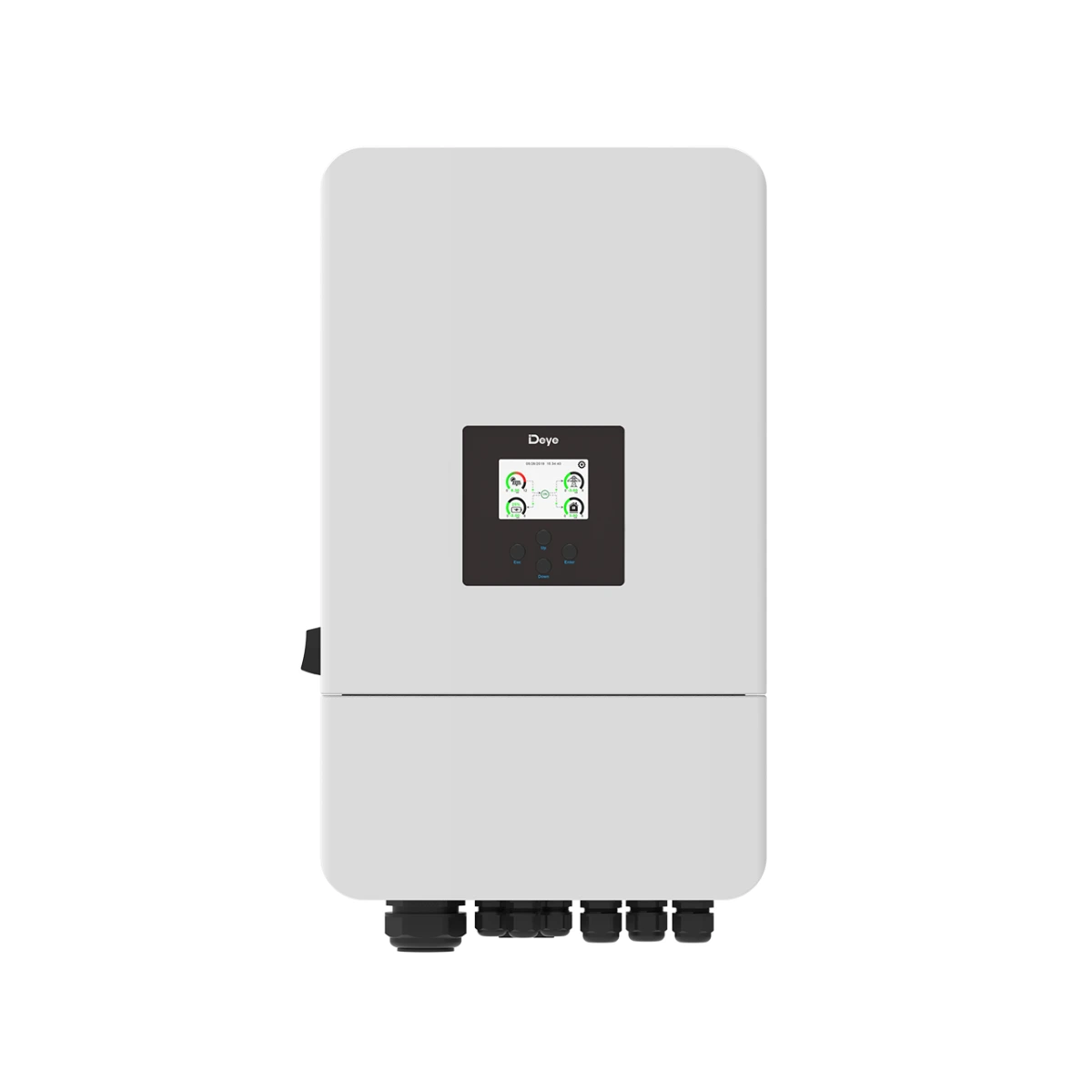


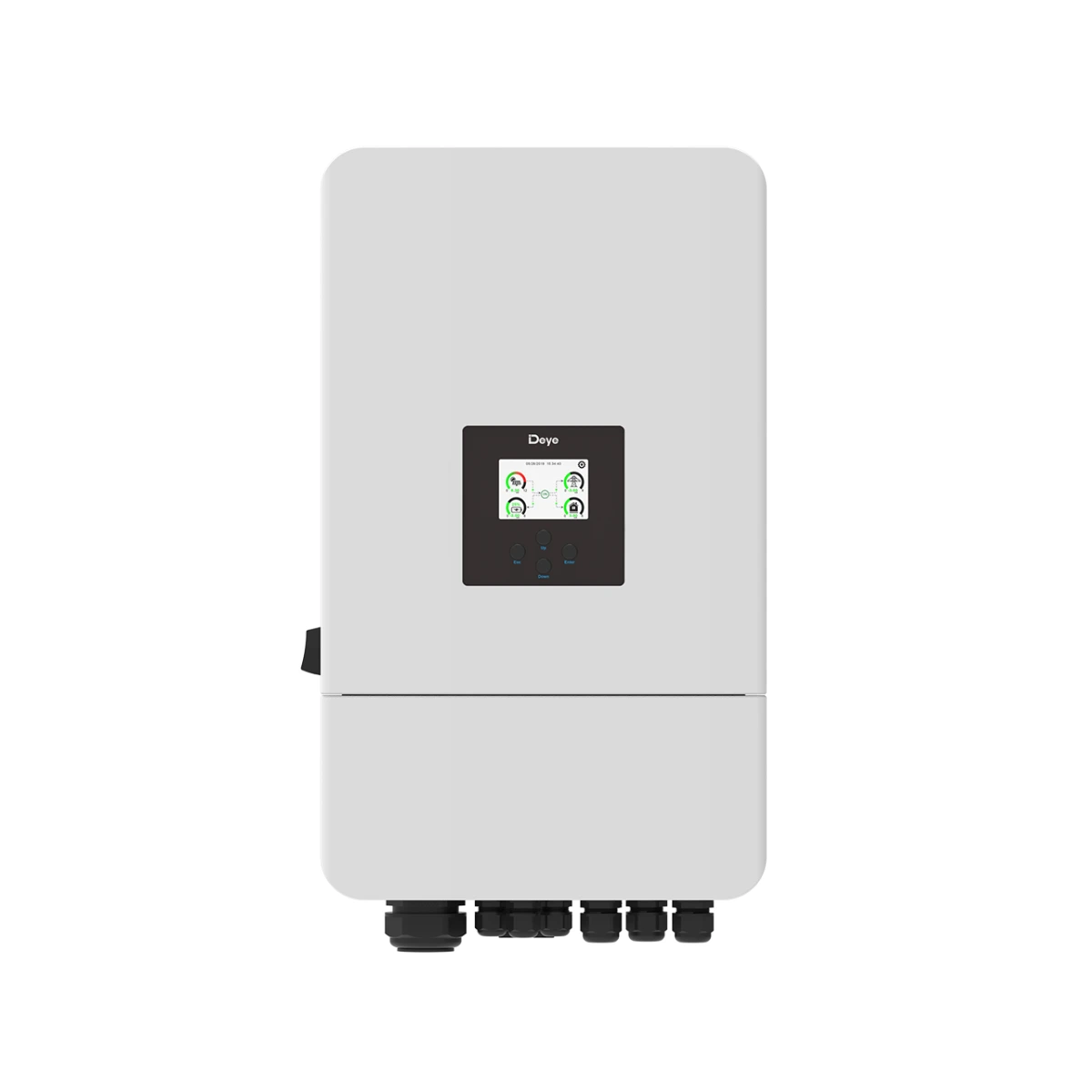
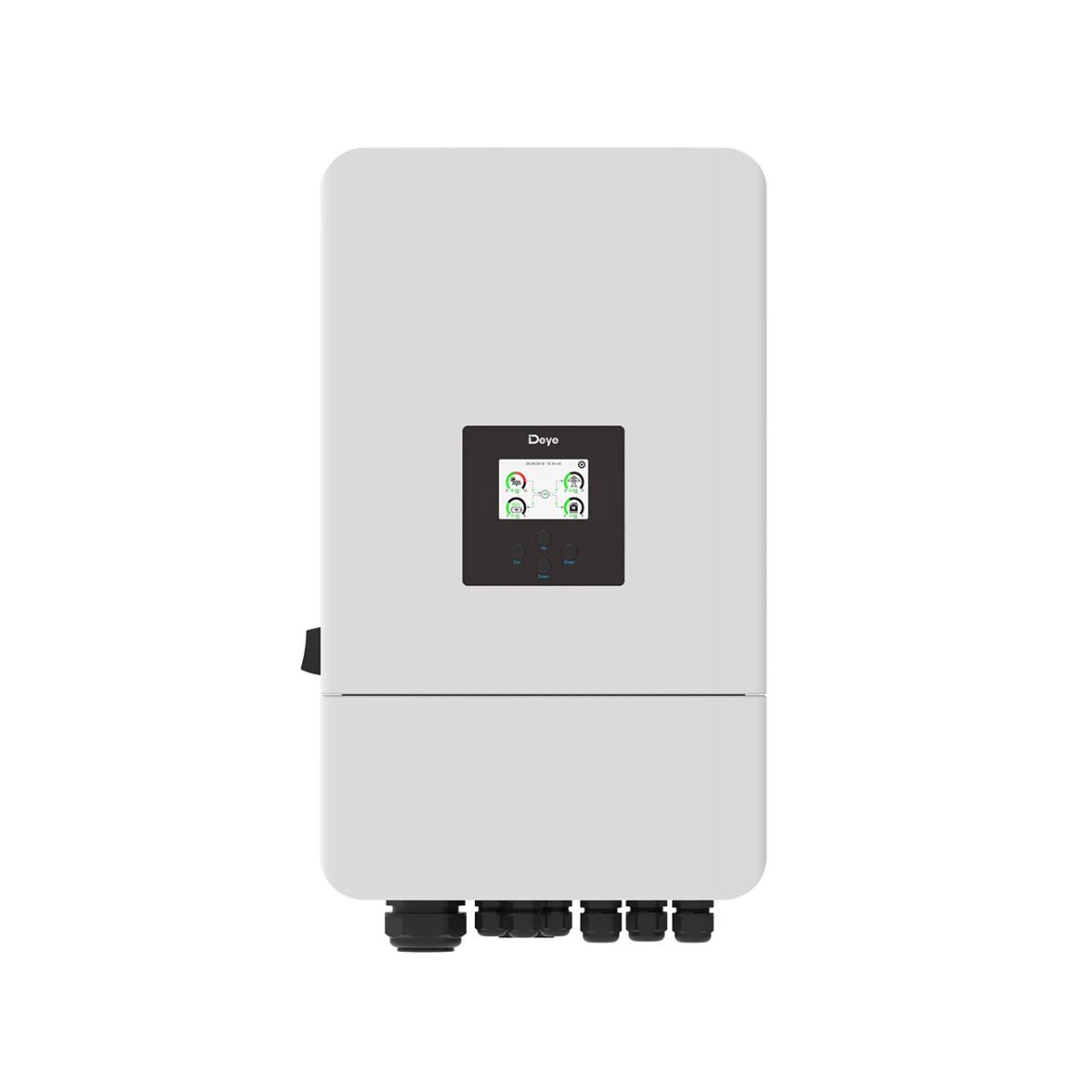
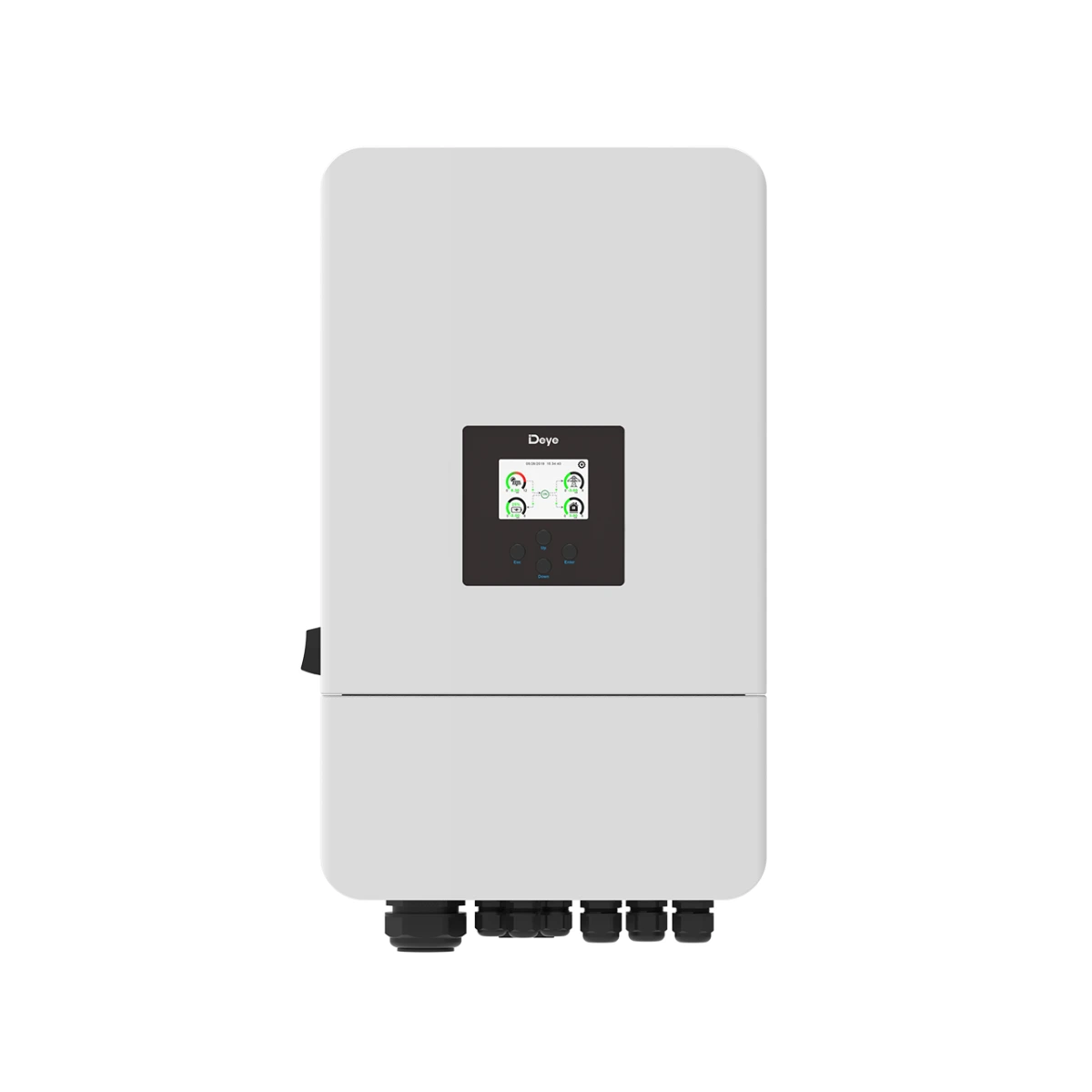
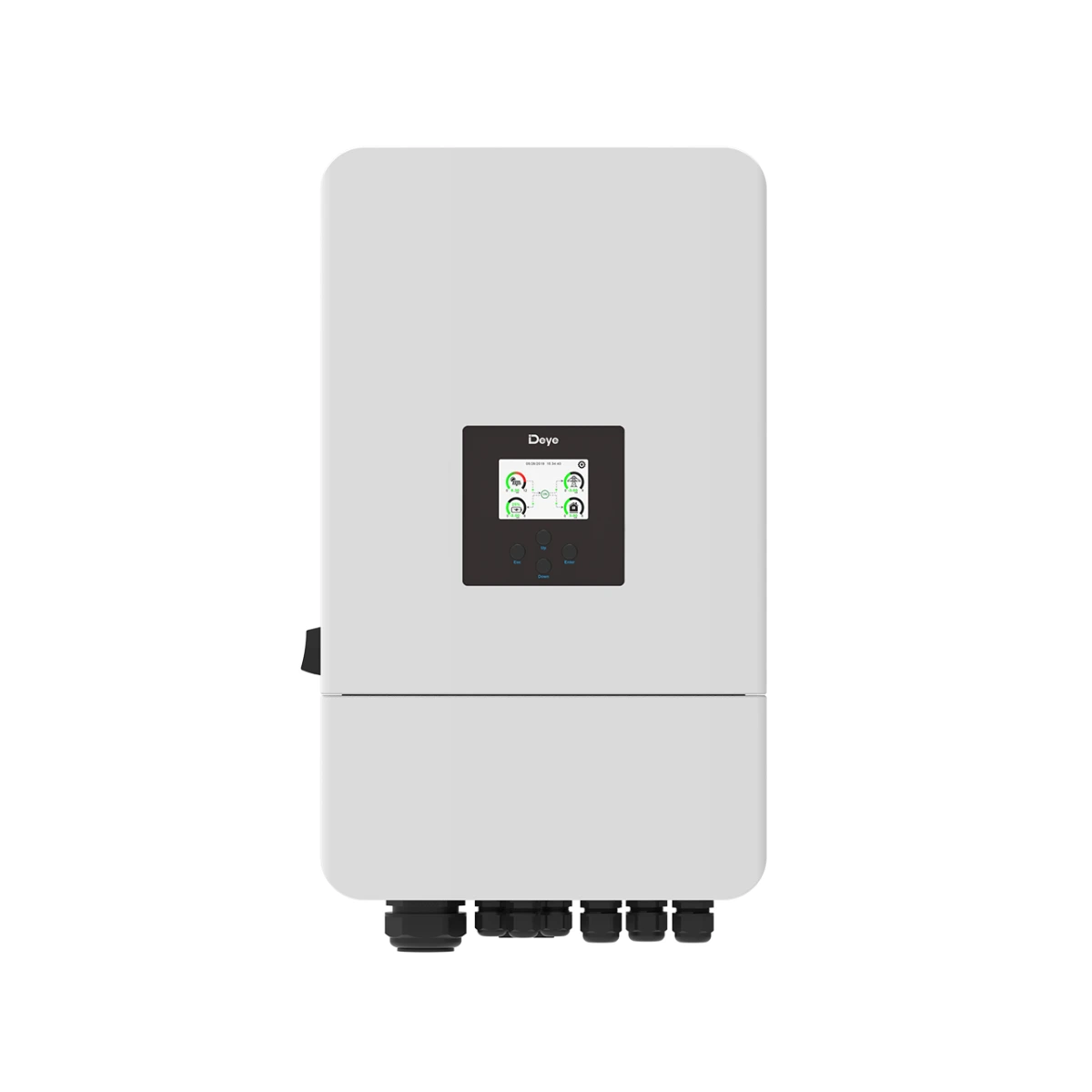
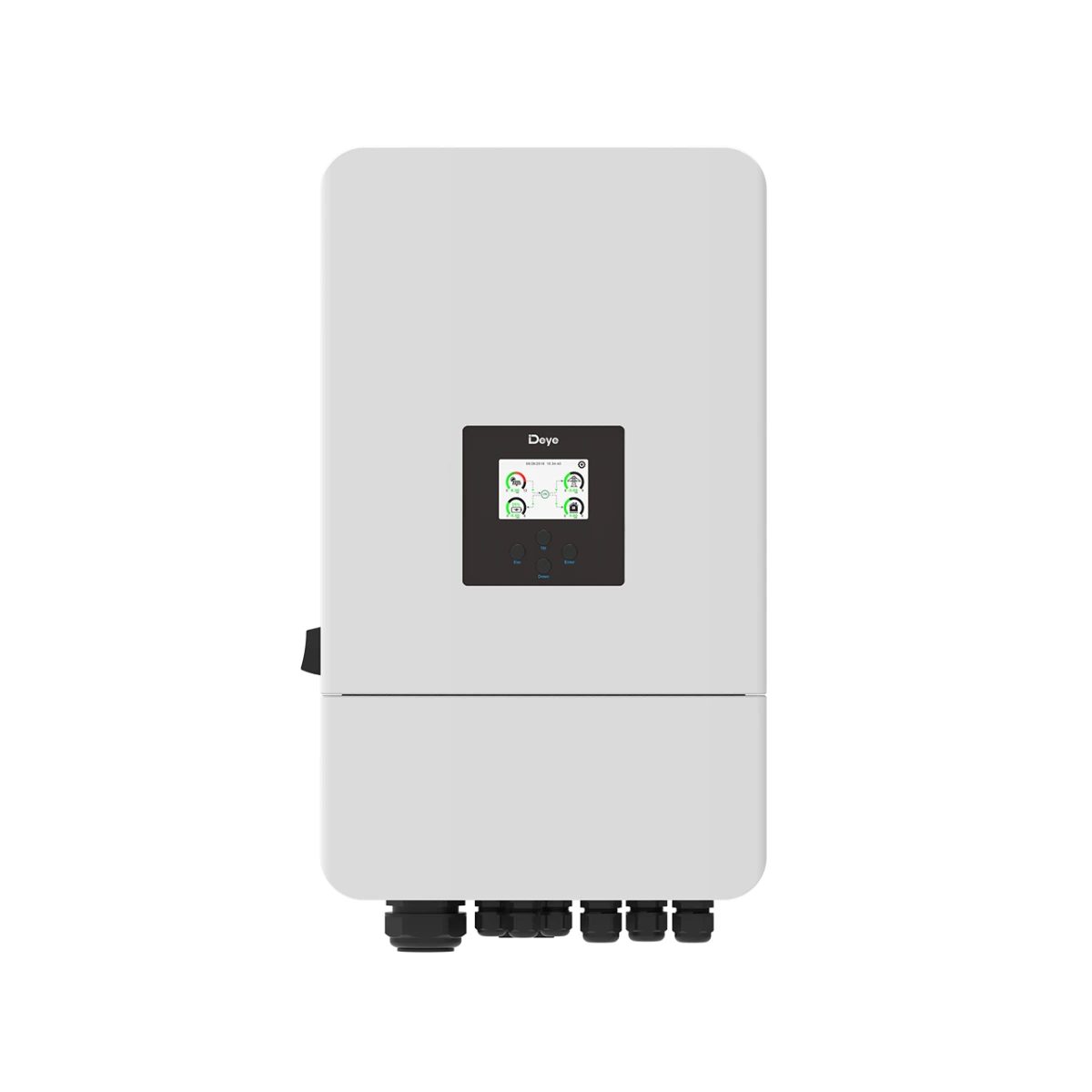
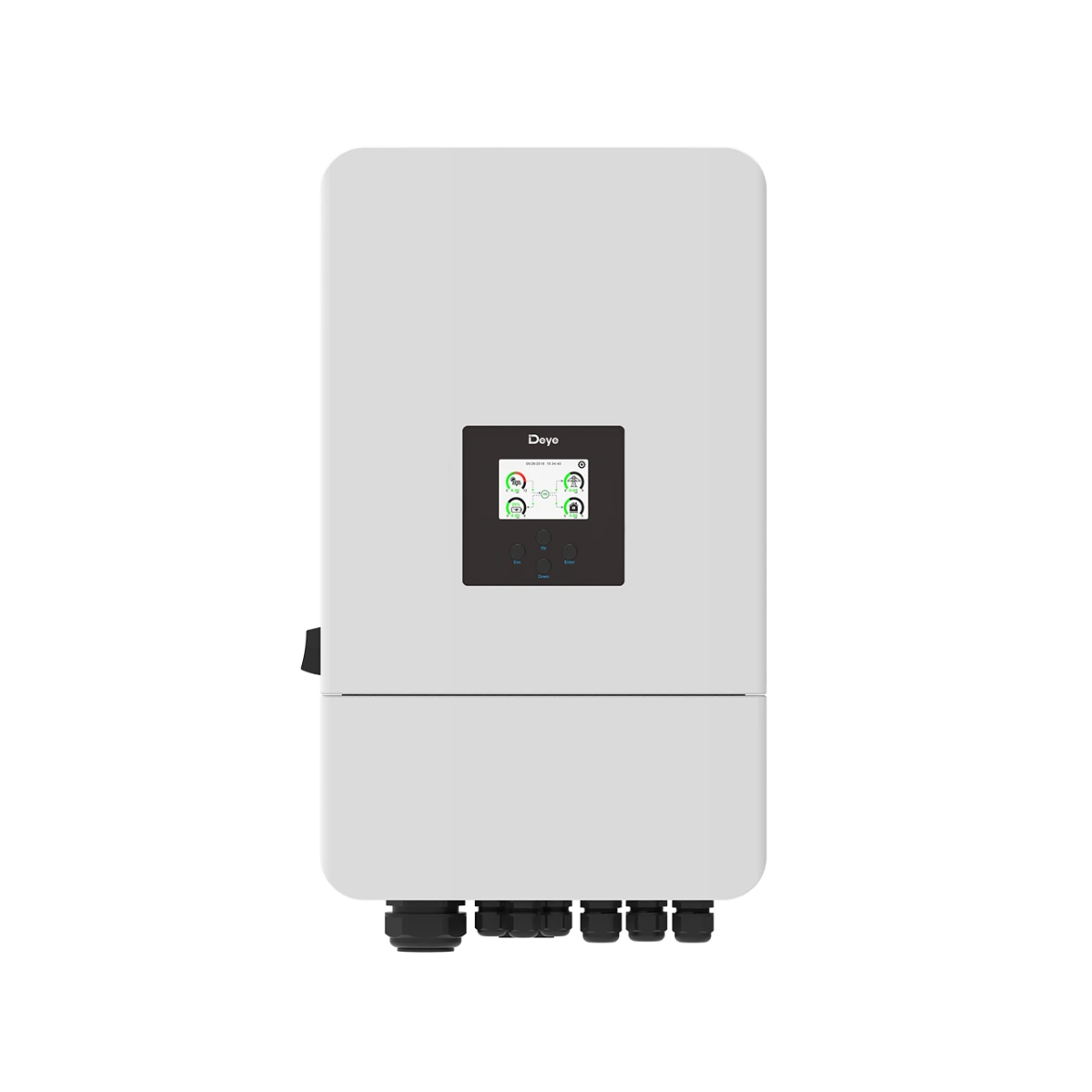


SMA Sunny Island X 30 w. LCD Three Phase 30kW Battery Inverter SI30-20
Available on backorder
New: 8680.80 €
0%

SMA Sunny Island X 50 w. LCD Three Phase 50kW Battery Inverter SI50-20
Available on backorder
New: 9929.80 €
0%


Off-Grid Inverters for Solar Panels, Batteries and Stand-Alone PV Systems
Buy professional off-grid inverters, inverter chargers, hybrid off-grid inverters and battery inverter systems for stand-alone solar PV installations, backup power, remote buildings, cabins, farms, mobile energy systems and off-grid complete kits. 3Buy Solar supplies off-grid inverter solutions for solar installers, qualified electricians, EPC contractors, solar wholesalers, solar distributors, resellers and procurement teams across Europe.
This category is built for projects where a reliable AC power supply is needed without depending fully on the public grid. Off-grid inverters convert DC power from solar batteries into usable AC power for appliances, tools, lighting, pumps, communication systems and essential loads. Many systems also work with solar panels, MPPT charge controllers, battery banks, generator input, solar batteries and complete off-grid kits.
Off-grid inverter selection is a technical decision. The correct inverter must match battery voltage, AC output voltage, continuous power demand, surge power demand, solar charging architecture, backup requirement, battery chemistry, monitoring needs and installation environment. A poorly matched inverter can limit system performance, overload under start-up loads, shorten battery life or create unnecessary service problems.
Use this category when sourcing off-grid inverters for:
- Stand-alone solar PV systems
- Remote buildings and cabins
- Farms and agricultural sites
- Off-grid homes
- Backup power systems
- Mobile and containerised systems
- Telecom and communication sites
- Water pumps and technical equipment
- Hybrid solar battery systems
- Generator-supported off-grid systems
- 12V, 24V and 48V battery systems
- Pure sine wave inverter applications
- Inverter charger installations
- Complete off-grid solar kits
- Solar battery and energy storage projects
- Installer stock and recurring procurement
Off-Grid Inverters for Installers, Electricians and EPC Contractors
Off-grid inverters are used to supply AC power in systems where grid electricity is unavailable, unreliable or intentionally avoided. They are commonly installed with solar panels, solar batteries, MPPT charge controllers, battery cables, DC protection, AC distribution components, monitoring systems and sometimes generators.
For professional installers and qualified electricians, an off-grid inverter must be selected as part of the full system design. The inverter is not just a power converter. It manages how energy is delivered to the loads, how batteries are used, how generator or AC input is handled, and how the system responds to changing demand.
Off-grid inverter systems may include:
- Pure sine wave inverter
- Inverter charger
- Hybrid off-grid inverter
- MPPT solar charge controller
- Battery inverter
- Battery bank
- LiFePO4 solar battery
- Lead-acid battery bank
- Generator input
- AC transfer switch
- DC protection
- AC protection
- Monitoring gateway
- Remote monitoring platform
- Communication cables
- Battery Management System integration
- Complete off-grid kit components
For installers, the goal is to build a system that starts reliably, handles peak loads, protects the battery bank and delivers stable AC output. This is especially important in remote applications where service access may be limited.
What Is an Off-Grid Inverter?
An off-grid inverter converts DC electricity from a battery bank into AC electricity for use by appliances, lighting, tools, pumps and other electrical loads. In solar PV systems, the batteries are usually charged by solar panels through an MPPT charge controller or by a hybrid off-grid inverter with integrated solar charging.
Off-grid inverters are also commonly called:
- Stand-alone inverter
- Battery inverter
- Inverter charger
- Hybrid off-grid inverter
- Solar inverter charger
- Pure sine wave inverter
- Off-grid solar inverter
- 48V inverter
- 24V inverter
- 12V inverter
- Backup inverter
- Island inverter
- Battery backup inverter
In a basic off-grid solar system, solar panels generate DC power, charge controllers manage battery charging, batteries store energy, and the off-grid inverter supplies AC power to the loads. In more advanced systems, an inverter charger may also accept generator or grid input to recharge batteries or support loads when solar energy is not enough.
Off-grid and backup inverter systems are commonly built around battery banks and true sine wave output. Many professional inverter charger ranges are designed for 48V battery banks and include inverter, charger and AC transfer functions in one enclosure. (sunshinesolar.co.uk)
Pure Sine Wave Off-Grid Inverters
Pure sine wave off-grid inverters are the preferred choice for professional solar installations because they provide clean AC output suitable for sensitive electronics, motors, appliances, pumps, lighting, tools, communication equipment and control systems.
Pure sine wave output is especially important for:
- Refrigerators and freezers
- Pumps and motors
- IT and communication equipment
- Lighting systems
- Power tools
- Heating controls
- Medical or monitoring equipment where applicable
- Farm and workshop equipment
- Office electronics
- Off-grid homes and cabins
- Backup power systems
Modified sine wave inverters may be cheaper, but they are not suitable for many professional applications. They can create noise, heat, poor motor performance or equipment compatibility problems. For installers, pure sine wave inverter selection reduces risk and improves system reliability.
Professional off-grid inverter pages often highlight pure sine wave output, 230V AC output, 48V battery systems, MPPT charging, generator input and protection against overload, overvoltage, undervoltage and short circuit as key product features. (eu.easunpower.com)
Inverter Chargers for Off-Grid and Backup Systems
An inverter charger combines two important functions in one unit: it converts battery DC power into AC output and it can charge the battery bank from an AC source such as a generator or grid connection. This makes inverter chargers especially useful for off-grid systems where solar production may not always meet the load demand.
Inverter chargers are commonly used for:
- Generator-supported off-grid systems
- Backup power installations
- Remote homes and cabins
- Farm and agricultural sites
- Telecom and technical systems
- Commercial backup systems
- Mobile energy systems
- Marine and vehicle-based installations
- Hybrid solar battery projects
- Complete off-grid kits
Many professional inverter charger systems include automatic transfer switching. When generator or AC input is available, the inverter charger can supply loads and recharge batteries. When AC input is lost, the inverter takes over and supplies AC power from the battery bank. This type of UPS-style function is commonly described in professional inverter charger product documentation. (wegosolar.com)
For installers, inverter charger selection should consider:
- Battery voltage
- Continuous inverter power
- Surge power
- AC input current
- Battery charging current
- Transfer switch rating
- Generator compatibility
- Battery chemistry compatibility
- Monitoring options
- Parallel operation capability
- System protection requirements
Hybrid Off-Grid Inverters with MPPT Solar Charging
Hybrid off-grid inverters combine inverter, battery charging and solar charging functions in one system. Many include integrated MPPT solar charge controllers, allowing solar panels to charge the battery bank directly through the inverter platform.
Hybrid off-grid inverters may include:
- Pure sine wave AC output
- Integrated MPPT charge controller
- Battery charging from solar panels
- Battery charging from generator or grid input
- Battery management settings
- PV input voltage range
- AC transfer function
- Monitoring and communication
- Parallel operation on selected models
- Configurable operating modes
- Protection functions
This type of inverter is commonly used where installers want a compact, integrated solution for off-grid homes, small businesses, farms, cabins and backup-ready solar systems. Many current off-grid hybrid inverter pages describe integrated MPPT charging, 48V battery systems, 230V AC output, WiFi monitoring and generator or utility input compatibility. (eu.easunpower.com)
For professional installers, the key is to confirm PV input voltage range, MPPT current, battery compatibility, output power, surge capacity and protection settings before ordering.
12V, 24V and 48V Off-Grid Inverter Systems
Off-grid inverters are selected according to battery bank voltage. The most common system voltages are 12V, 24V and 48V, with 48V often preferred for larger systems because it can reduce current for the same power level and support more efficient cable sizing.
Typical system voltage applications include:
- 12V systems for small mobile, caravan, boat and compact off-grid loads
- 24V systems for medium off-grid systems and smaller cabins
- 48V systems for larger homes, farms, workshops, telecom systems and higher-power installations
48V off-grid inverters are commonly used in professional systems because they support higher power output with lower DC current compared with 12V or 24V systems. Many professional inverter charger product categories focus heavily on 48V systems, including 48V 230V inverter chargers and larger VA ratings. (sunshinesolar.co.uk)
Battery voltage affects:
- Inverter compatibility
- Battery bank design
- DC cable size
- Fuse and protection selection
- Charge controller compatibility
- System efficiency
- Expansion options
- Installation cost
For installers, battery voltage should be selected early in the design process.
Off-Grid Inverter Power Ratings and System Sizing
Off-grid inverter sizing must be based on the actual connected loads. The inverter must support both continuous power demand and short surge demand from motors, pumps, compressors and tools. A system that looks correct on average power may still fail if the inverter cannot handle start-up surges.
Common off-grid inverter ratings may include:
- 500W inverter for small DC-to-AC loads
- 1000W inverter for basic lighting and electronics
- 2000W inverter for small cabins and light appliance loads
- 3000W inverter for off-grid homes and backup circuits
- 5000W inverter for larger residential and farm systems
- 6kW to 8kW inverter for higher-demand off-grid projects
- 10kVA and larger inverter charger systems for professional installations
- Parallel inverter systems for higher output capacity
Professional off-grid inverter sizing should consider:
- Continuous load
- Surge load
- Motor starting current
- Appliance diversity
- Battery voltage
- Battery capacity
- Solar charging capacity
- Generator support
- Backup load priority
- AC output voltage
- Single-phase or three-phase requirement
- Future expansion
For installers and EPC contractors, system sizing should be verified against the full load list. Pumps, refrigeration, air compressors and power tools can require significantly higher surge power than their running power.
Off-Grid Inverters for Solar Panels and Battery Systems
Off-grid inverters are normally used with solar panels and batteries. The solar panels generate energy, the battery stores energy and the inverter supplies AC power when the site needs it. Depending on system architecture, the inverter may be paired with a separate MPPT charge controller or may include integrated solar charging.
Off-grid solar systems may include:
- Solar panels
- Mounting system
- DC solar cables
- MC4 connectors
- MPPT charge controller
- Off-grid inverter
- Inverter charger
- Solar battery bank
- Battery cables
- DC protection
- AC protection
- Monitoring system
- Generator input
- Complete off-grid kit accessories
For professional installers, compatibility between solar panels, charge controller, inverter and battery bank is essential. PV input voltage, charge current, battery voltage and battery chemistry must all be matched correctly.
Off-grid inverter systems may be used with LiFePO4 batteries, lead-acid batteries, AGM batteries, gel batteries or other battery types depending on the inverter settings and manufacturer documentation.
Off-Grid Inverters for LiFePO4 Solar Batteries
LiFePO4 batteries are widely used in modern solar battery and energy storage systems because they support stable performance, long cycle life and compact battery system design. Off-grid inverters used with LiFePO4 batteries must support the correct charging voltage, charging current, communication requirements and battery protection settings.
When selecting an off-grid inverter for LiFePO4 solar batteries, check:
- Battery voltage compatibility
- Charging voltage range
- Maximum charge current
- Battery communication support
- BMS compatibility
- Low-voltage cut-off settings
- Battery temperature protection
- Parallel battery support
- Inverter firmware settings
- Manufacturer compatibility list
Some systems communicate directly with compatible batteries through CAN bus, RS485 or dedicated communication interfaces. Other systems require manual charging settings according to the battery datasheet. For installers, correct configuration is essential to protect battery performance and avoid system faults.
Generator Input and Hybrid Backup Operation
Many off-grid systems include a generator for backup charging during low solar production, winter operation or high load periods. Inverter chargers and hybrid off-grid inverters may allow generator input to power loads and recharge batteries.
Generator-supported off-grid systems are relevant for:
- Remote homes
- Farms
- Cabins
- Telecom sites
- Emergency backup systems
- Workshop and tool loads
- Agricultural pumps
- Seasonal properties
- Commercial off-grid systems
- Industrial remote applications
When designing generator-supported systems, installers should check:
- Generator output voltage
- Generator frequency
- Generator power rating
- Inverter charger AC input limit
- Battery charge current
- Transfer switch behaviour
- Load priority
- Automatic generator start support
- Fuel and runtime planning
- Noise and site requirements
A correctly selected inverter charger can reduce generator runtime by using solar panels and batteries more effectively.
Off-Grid Inverters for Residential, Commercial and Remote Projects
Off-grid inverter systems are used in many different project types. The correct product depends on load profile, location, available solar generation, battery capacity and backup requirements.
Residential and lifestyle applications include:
- Off-grid homes
- Cabins and holiday houses
- Rural properties
- Backup circuits
- Water pumps
- Lighting and appliance circuits
- Solar battery systems
- Complete off-grid kits
Commercial and technical applications include:
- Farms and agricultural buildings
- Workshops
- Remote telecom sites
- Security and monitoring systems
- Remote offices
- Field equipment
- Small commercial backup systems
- Remote water systems
- Industrial off-grid loads
Mobile and special applications include:
- Vans and camper systems
- Boats and marine systems
- Service vehicles
- Containerised energy systems
- Portable work sites
- Event power systems
- Emergency power systems
For professional buyers, off-grid inverter selection should always begin with the load list and battery architecture. The product must be strong enough for the actual loads, not only the advertised solar panel size.
Parallel Operation and Three-Phase Off-Grid Systems
Some off-grid inverters and inverter charger systems support parallel operation, allowing multiple units to work together for higher output power or redundancy. Some professional systems can also be configured for three-phase operation, depending on product type and manufacturer design.
Parallel and three-phase operation may be relevant for:
- Larger off-grid homes
- Farms and workshops
- Commercial off-grid sites
- Industrial remote systems
- Water pumping systems
- Telecom and infrastructure loads
- Microgrids
- Community energy systems
- Higher surge load projects
Before choosing a parallel inverter system, installers should confirm:
- Parallel operation support
- Maximum number of units
- Communication cable requirements
- Battery bank capacity
- AC distribution design
- Load balancing
- Three-phase compatibility
- Generator compatibility
- Monitoring setup
- Commissioning requirements
Parallel systems require careful design and should be installed according to manufacturer documentation.
Monitoring and Remote Management
Monitoring is important for off-grid systems because the user depends on stored energy and system status. A good monitoring setup helps track battery state of charge, solar production, inverter load, generator input, alarms and historical performance.
Monitoring features may include:
- Inverter display
- Battery state of charge
- PV input data
- AC load data
- Generator input status
- Fault and alarm reporting
- WiFi monitoring
- Bluetooth monitoring
- Remote portal access
- Mobile app support
- Data logging
- System configuration tools
Professional inverter ecosystems often highlight remote monitoring as an important feature for off-grid, backup and energy storage systems. Victron, for example, promotes remote monitoring and system management across its inverter, charger and MPPT ecosystem. (victronenergy.com)
For installers, monitoring reduces service time and helps diagnose problems before travelling to remote sites.
Off-Grid Inverters for Complete Kits
Complete off-grid kits require properly matched components. An inverter alone is not a complete system. It must be selected together with solar panels, batteries, charge controller, wiring, mounting, protection and monitoring.
An off-grid complete kit may include:
- Solar panels
- Off-grid inverter
- Inverter charger
- MPPT charge controller
- Solar battery
- Battery cables
- DC solar cables
- MC4 connectors
- DC protection
- AC protection
- Mounting system
- Monitoring
- Generator input components
- Communication cables
- Installation accessories
For installers and resellers, complete kits reduce sourcing time and improve compatibility when the components are selected correctly. For solar wholesalers and solar distributors, off-grid inverter kits are a strong category because they combine solar panels, solar inverter, solar battery, energy storage and accessories into one procurement path.
How to Choose the Right Off-Grid Inverter
Before ordering an off-grid inverter, check the full system requirements. The correct inverter depends on battery voltage, load demand, surge requirement, solar input, charging architecture and backup design.
Check these points before purchase:
- Required AC output voltage, usually 230V in Europe
- Continuous output power
- Surge power rating
- Battery voltage: 12V, 24V or 48V
- Battery chemistry compatibility
- Solar battery capacity
- Integrated MPPT or separate charge controller
- PV input voltage range
- Maximum solar charge current
- Generator or AC input requirement
- Inverter charger function
- Transfer switch requirement
- Pure sine wave output
- Parallel operation requirement
- Single-phase or three-phase design
- Monitoring requirement
- Indoor or outdoor installation environment
- Protection and cable requirements
- Complete kit compatibility
- Manufacturer documentation and warranty
Installers should always size the inverter according to real loads, not only by solar panel capacity. The inverter supplies the AC load. The solar panels and battery determine how long the system can support that load.
Technical Buying Checklist for Off-Grid Inverters
Use this checklist before buying an off-grid inverter, inverter charger or hybrid off-grid inverter:
- Confirm the load list
- Confirm continuous load demand
- Confirm surge load demand
- Confirm motor or pump start-up current
- Confirm battery voltage
- Confirm battery chemistry
- Confirm battery capacity
- Confirm inverter output voltage
- Confirm inverter output waveform
- Confirm solar PV input requirements
- Confirm MPPT controller capacity
- Confirm generator input needs
- Confirm backup operation requirements
- Confirm transfer switch function
- Confirm monitoring and communication options
- Confirm installation location
- Confirm cooling and ventilation requirements
- Confirm cable sizes and protection devices
- Confirm compatibility with solar panels, batteries and complete kits
- Confirm datasheet, manual and warranty information
This checklist helps reduce wrong orders, undersized systems, battery compatibility problems, inverter overload and commissioning delays.
Why Professional Buyers Choose Off-Grid Inverters from 3Buy Solar
3Buy Solar supplies off-grid inverters, inverter chargers, hybrid off-grid inverters and related solar battery system components for professional buyers across Europe. This category is designed for real installer procurement, not generic consumer browsing.
Professional installers, qualified electricians, EPC contractors, resellers, solar wholesalers and solar distributors choose 3Buy Solar for:
- Off-grid inverter sourcing
- Pure sine wave inverter solutions
- Inverter chargers for generator-supported systems
- Hybrid off-grid inverters with MPPT charging
- 12V, 24V and 48V inverter options
- Products for solar panels and battery systems
- Components for complete off-grid kits
- Solar battery and energy storage integration
- B2B purchasing and recurring procurement
- European supply and logistics support
- Technical product information for professional buyers
- Related solar cables, batteries, mounting and protection accessories
As a solar PV supplier, solar wholesaler and solar distributor, 3Buy Solar helps installers source the inverter and energy storage components needed to build reliable off-grid solar systems. Solar panels, solar inverter systems, solar batteries, complete kits and wiring accessories must be matched correctly to deliver safe and stable off-grid power.
Related Solar Product Categories
- Off-Grid Solar
- Solar Batteries
- Energy Storage
- Hybrid Inverters
- Solar Inverter
- Solar Panels
- Complete Kits
- Solar Cables and Wiring
- Battery Cables
- DC Protection
- AC Protection
- MPPT Charge Controllers
- Monitoring
- Mounting Systems
- Solar Accessories
Frequently Asked Questions About Off-Grid Inverters
What is an off-grid inverter?
An off-grid inverter converts DC electricity from a battery bank into AC electricity for appliances, lighting, pumps, tools and other loads. It is used in solar systems that operate without relying fully on the public grid.
What is the difference between an off-grid inverter and a grid-tied inverter?
A grid-tied inverter is designed to work with the public grid and usually shuts down during grid failure unless a backup system is installed. An off-grid inverter is designed to supply AC power from batteries in stand-alone or backup systems.
What is an inverter charger?
An inverter charger combines an inverter and battery charger in one unit. It can supply AC power from the battery bank and recharge batteries from an AC source such as a generator or grid connection.
What is a hybrid off-grid inverter?
A hybrid off-grid inverter combines inverter output, battery charging and often integrated MPPT solar charging in one system. It can manage solar panels, batteries and AC input depending on the product design.
Do off-grid inverters need batteries?
Most off-grid inverters require a battery bank because the inverter supplies AC power from stored DC energy. Some hybrid inverters may operate in special modes without batteries, but this depends on the product and system design.
Which battery voltage should I choose: 12V, 24V or 48V?
12V is usually used for small systems, 24V for medium systems and 48V for larger off-grid systems. 48V is commonly preferred for higher power installations because it reduces DC current and can improve cable sizing efficiency.
What size off-grid inverter do I need?
The correct size depends on continuous load, surge load, battery voltage, appliance type and future expansion. Motors, pumps, compressors and tools often require higher surge power than their normal running power.
Are pure sine wave inverters better for off-grid systems?
Yes. Pure sine wave inverters are preferred for professional off-grid systems because they provide clean AC output suitable for appliances, motors, pumps, electronics, lighting and sensitive equipment.
Can off-grid inverters work with LiFePO4 batteries?
Many off-grid inverters can work with LiFePO4 batteries if the voltage, charging settings, BMS requirements and communication options are compatible. Always check the inverter and battery documentation.
Can an off-grid inverter be used with a generator?
Yes. Many inverter chargers and hybrid off-grid inverters support generator input for battery charging and load support. Generator compatibility depends on AC input settings, charging current and transfer switch design.
Can off-grid inverters be used in complete kits?
Yes. Off-grid inverters are key components in complete kits with solar panels, batteries, charge controllers, cables, protection devices, mounting systems and monitoring equipment.
Who should buy from this category?
This category is built for professional solar installers, qualified electricians, EPC contractors, solar wholesalers, solar distributors, resellers and procurement teams sourcing off-grid inverters and inverter chargers across Europe.
Why buy off-grid inverters from 3Buy Solar?
3Buy Solar supplies off-grid inverters, inverter chargers, hybrid off-grid inverters and related solar battery system components for professional European PV projects, including off-grid homes, cabins, farms, backup systems, complete kits and energy storage installations.