EV Accessories and Mounting


Three Phase Inverters
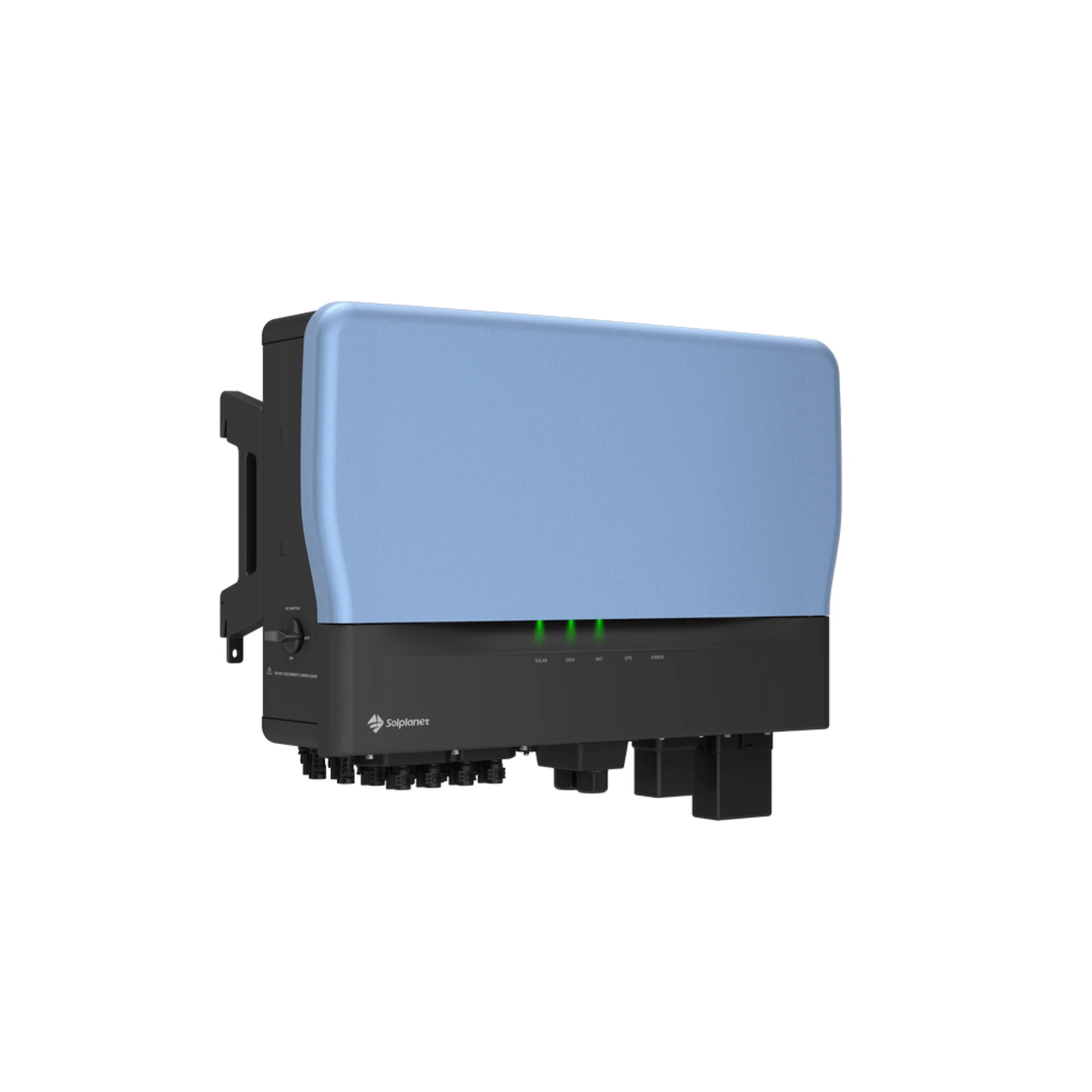

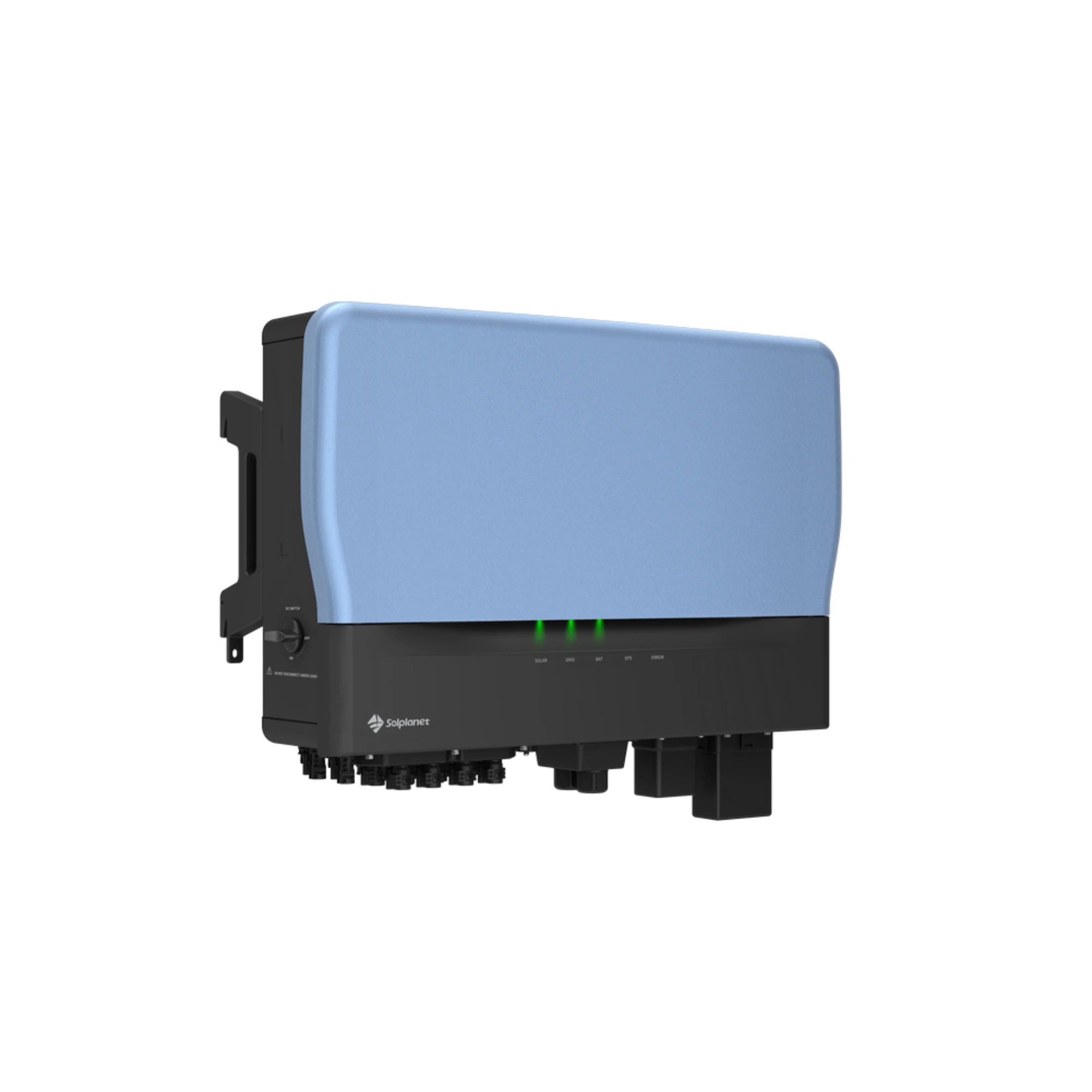
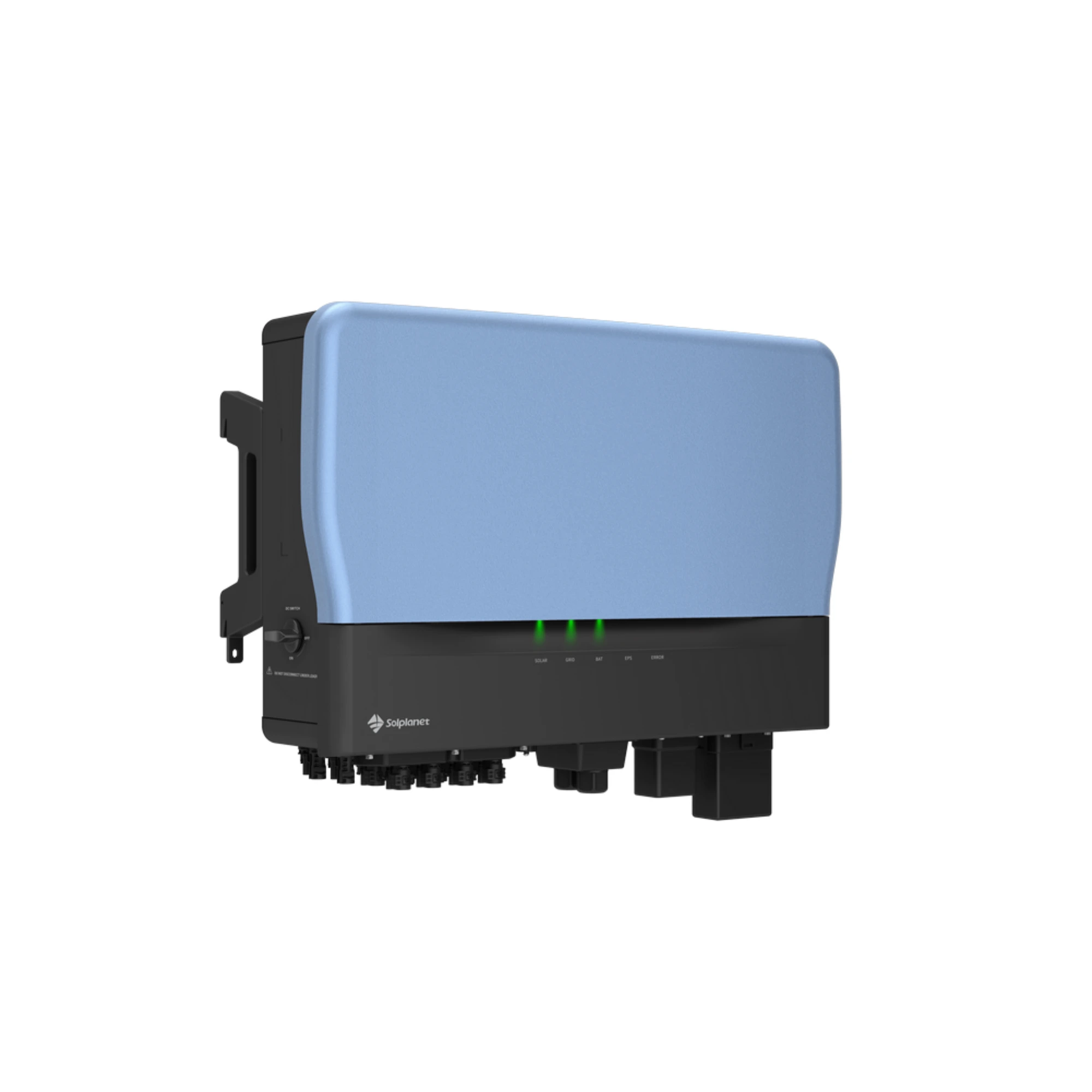
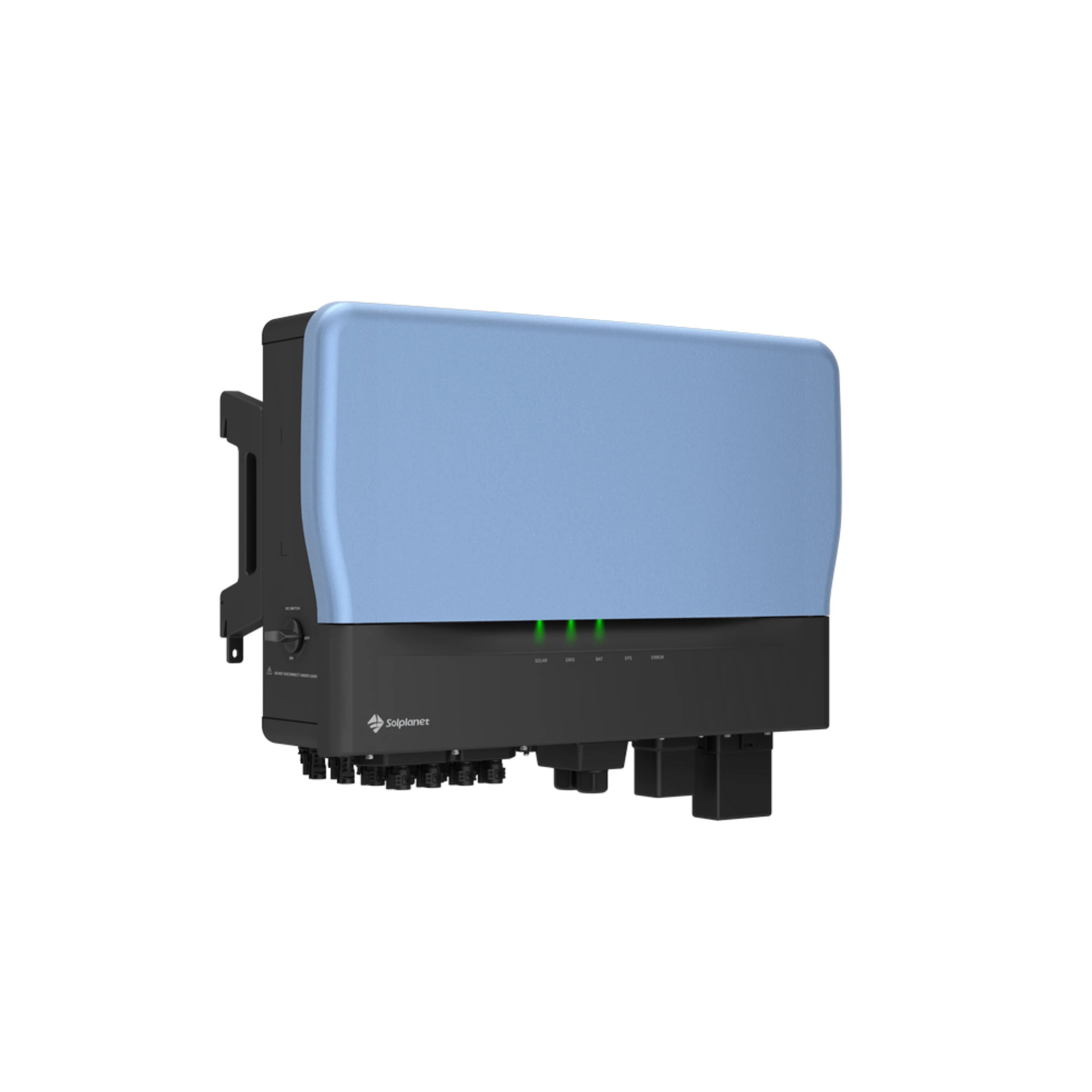
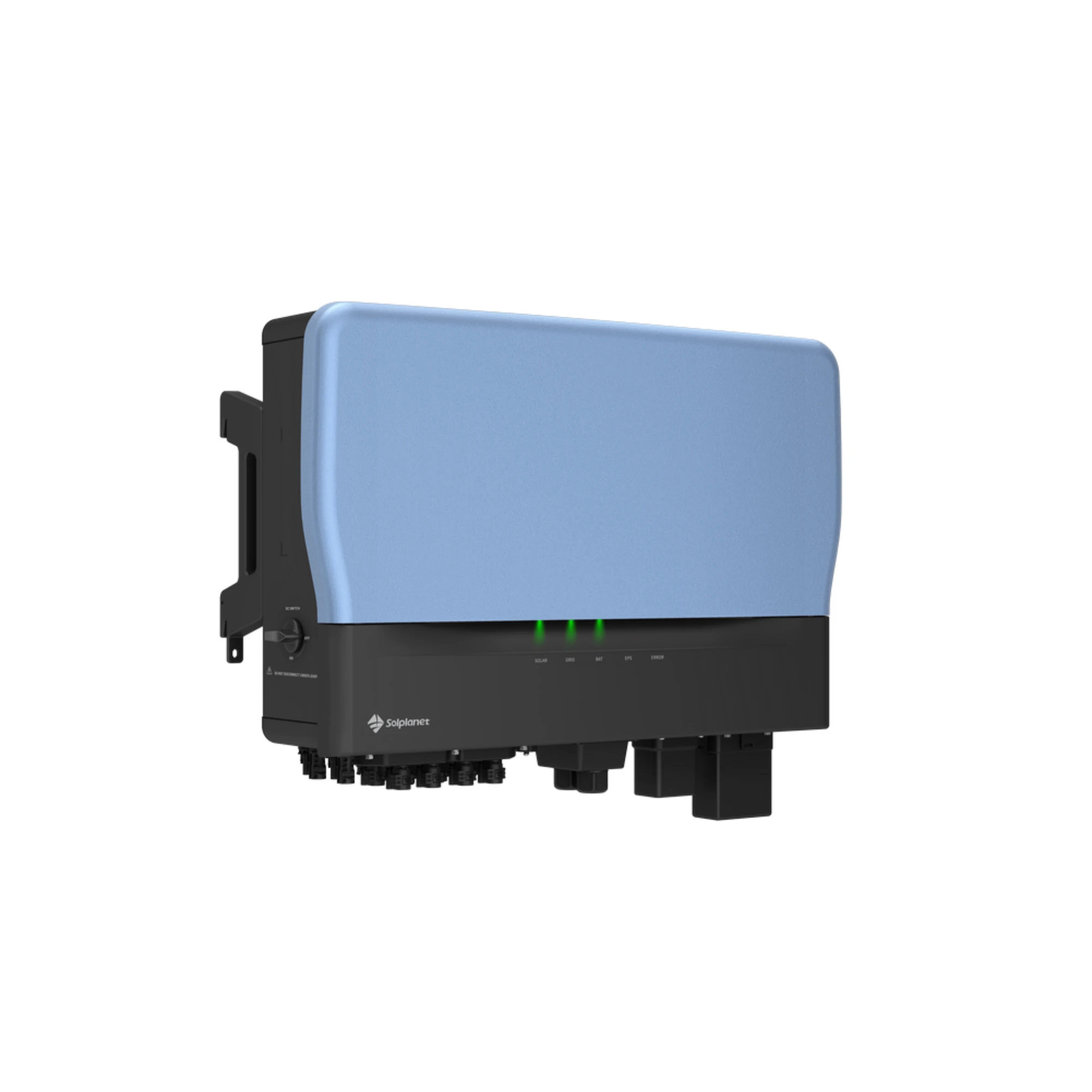
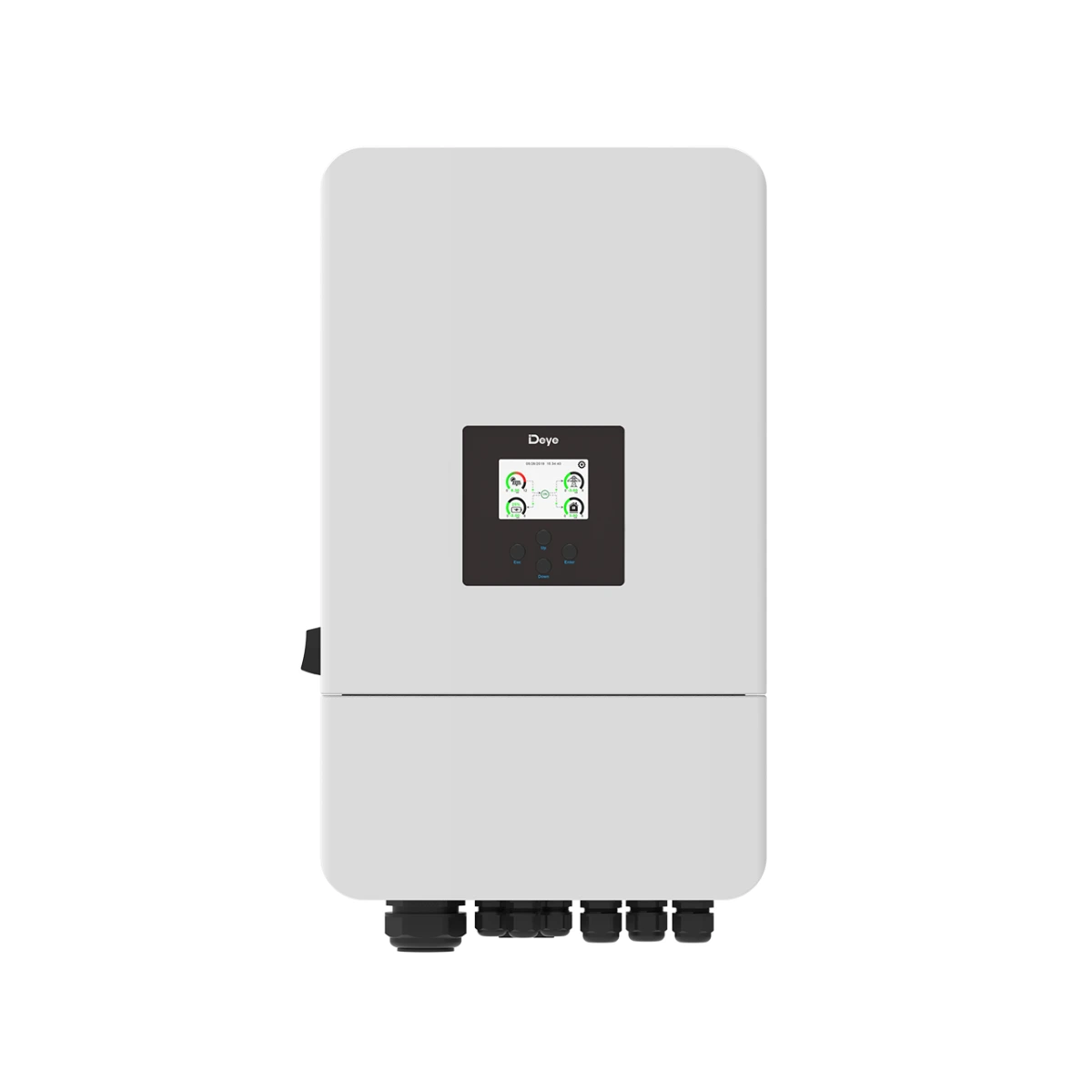


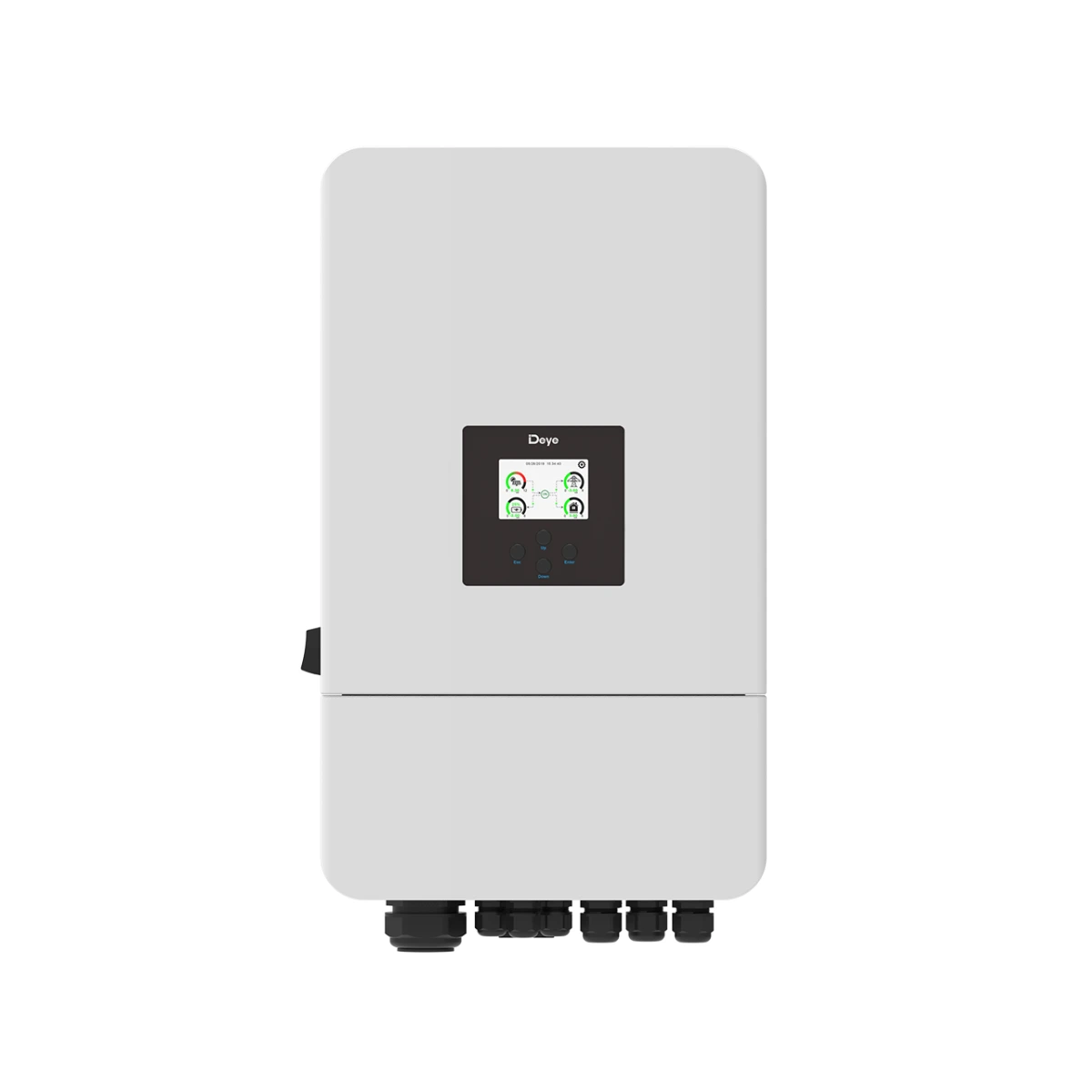
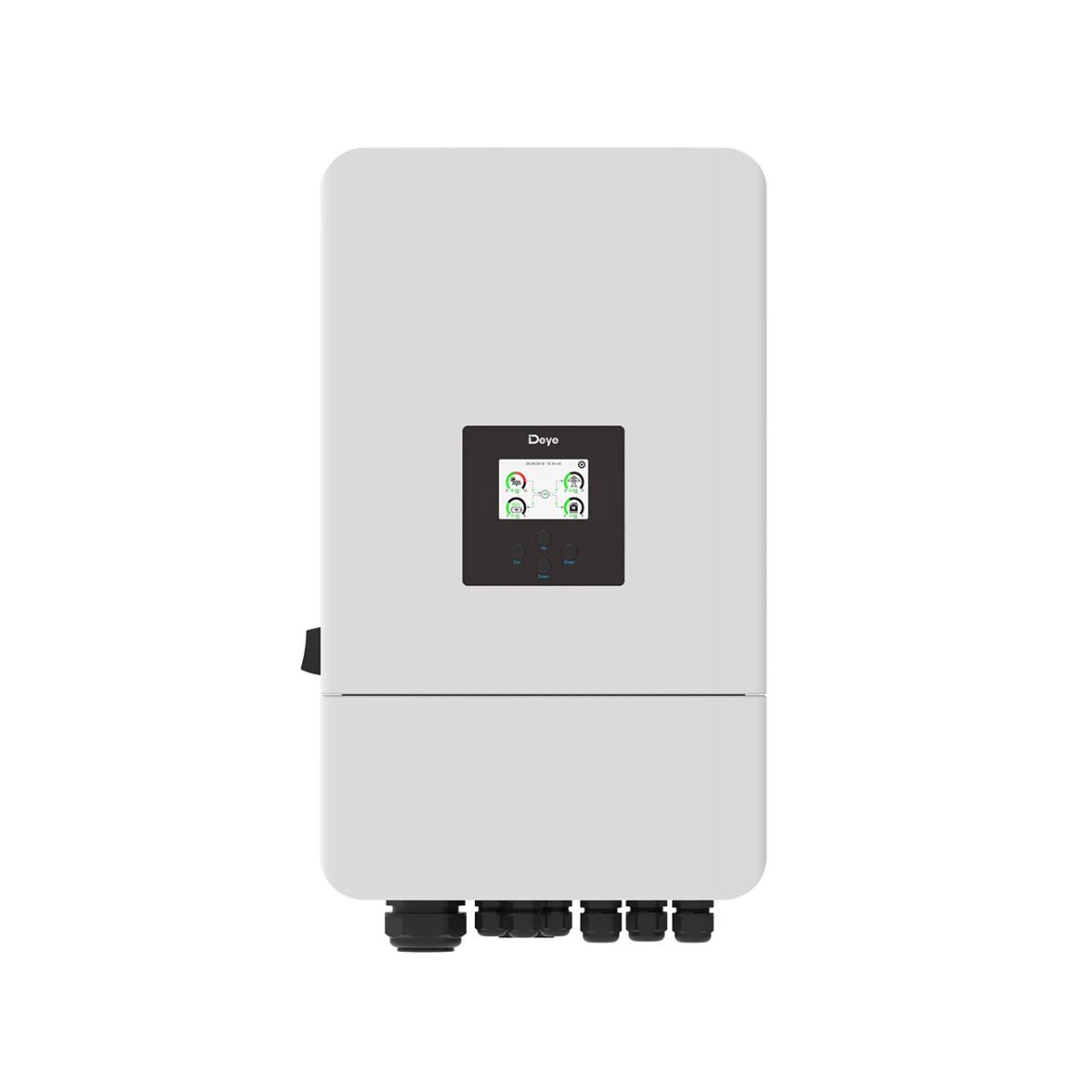
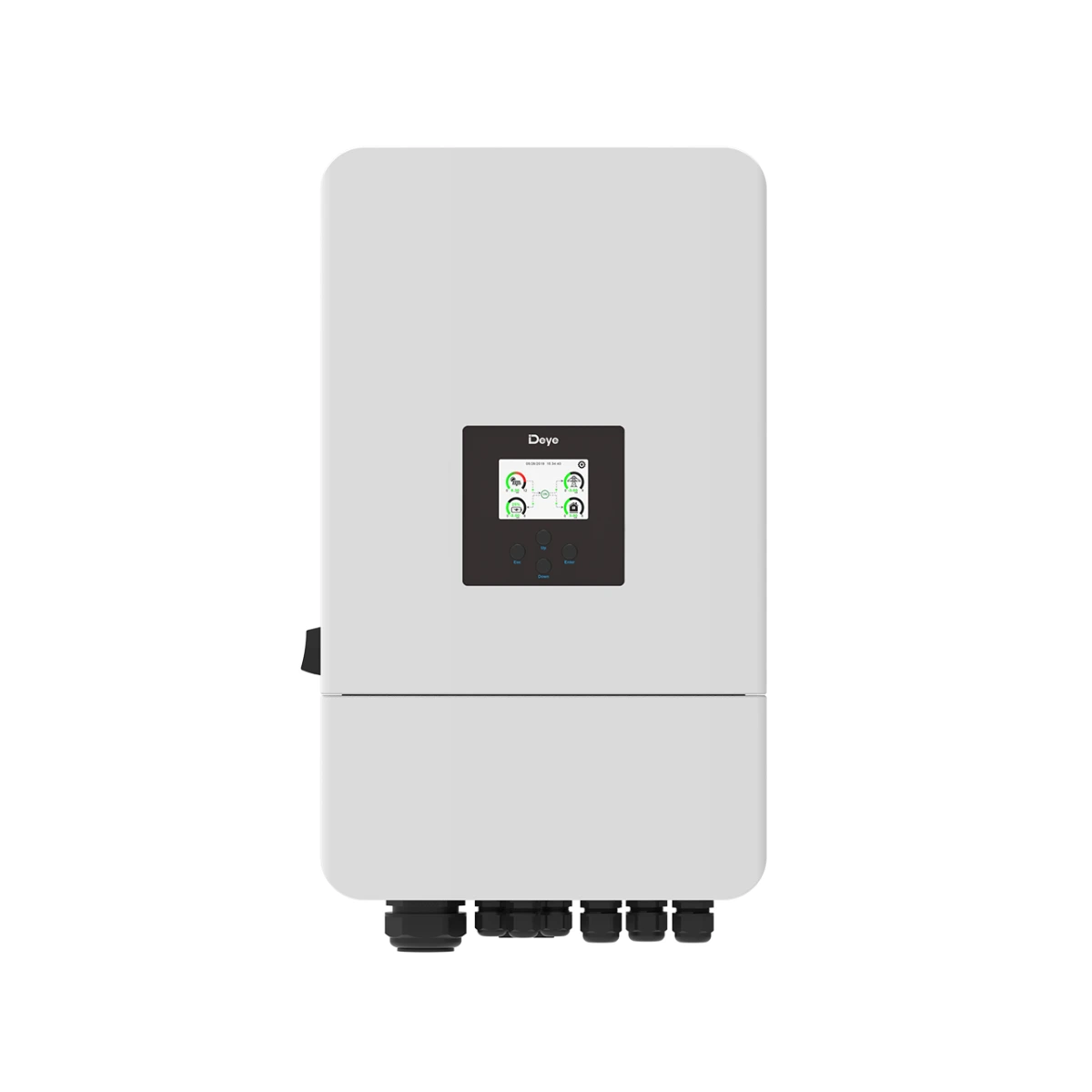
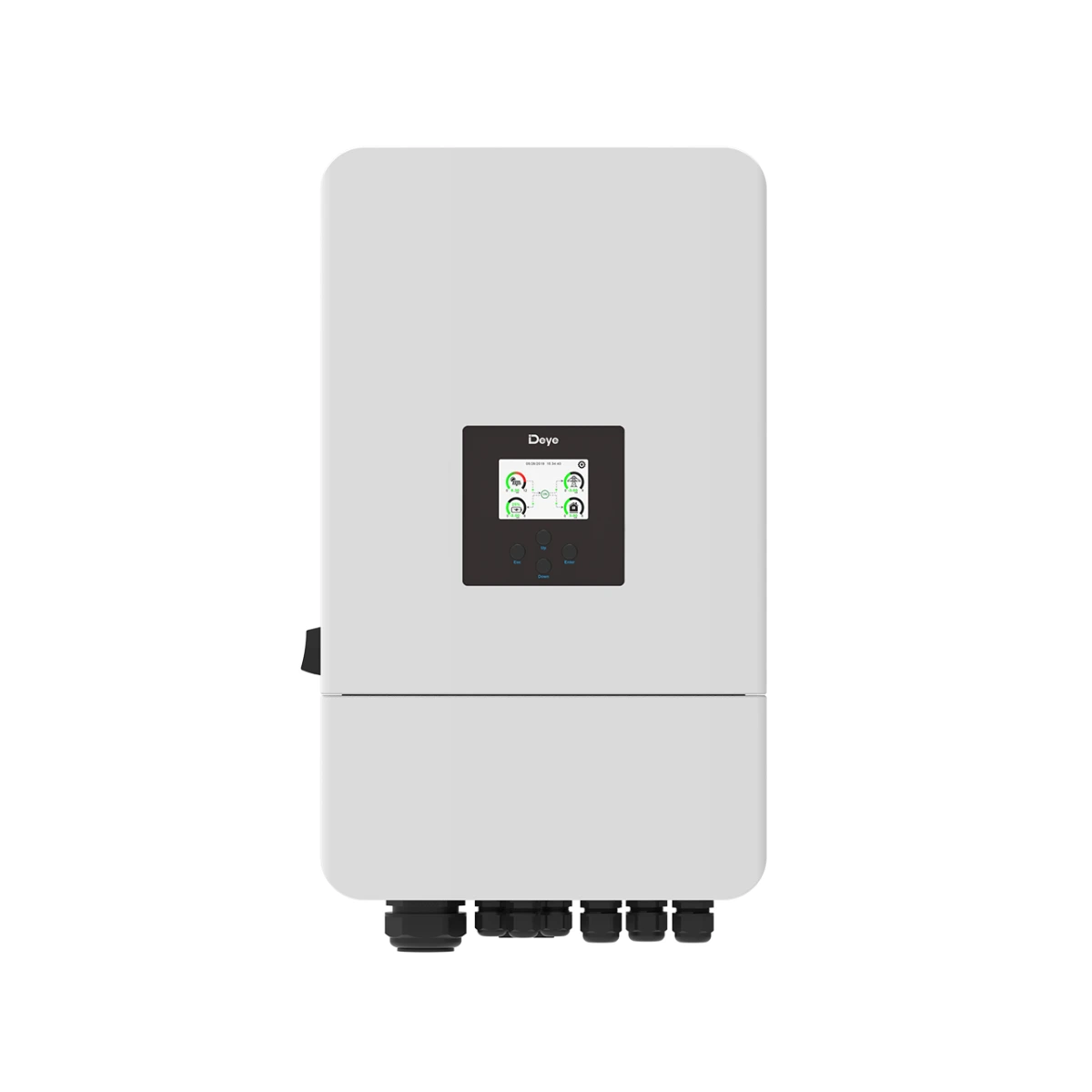
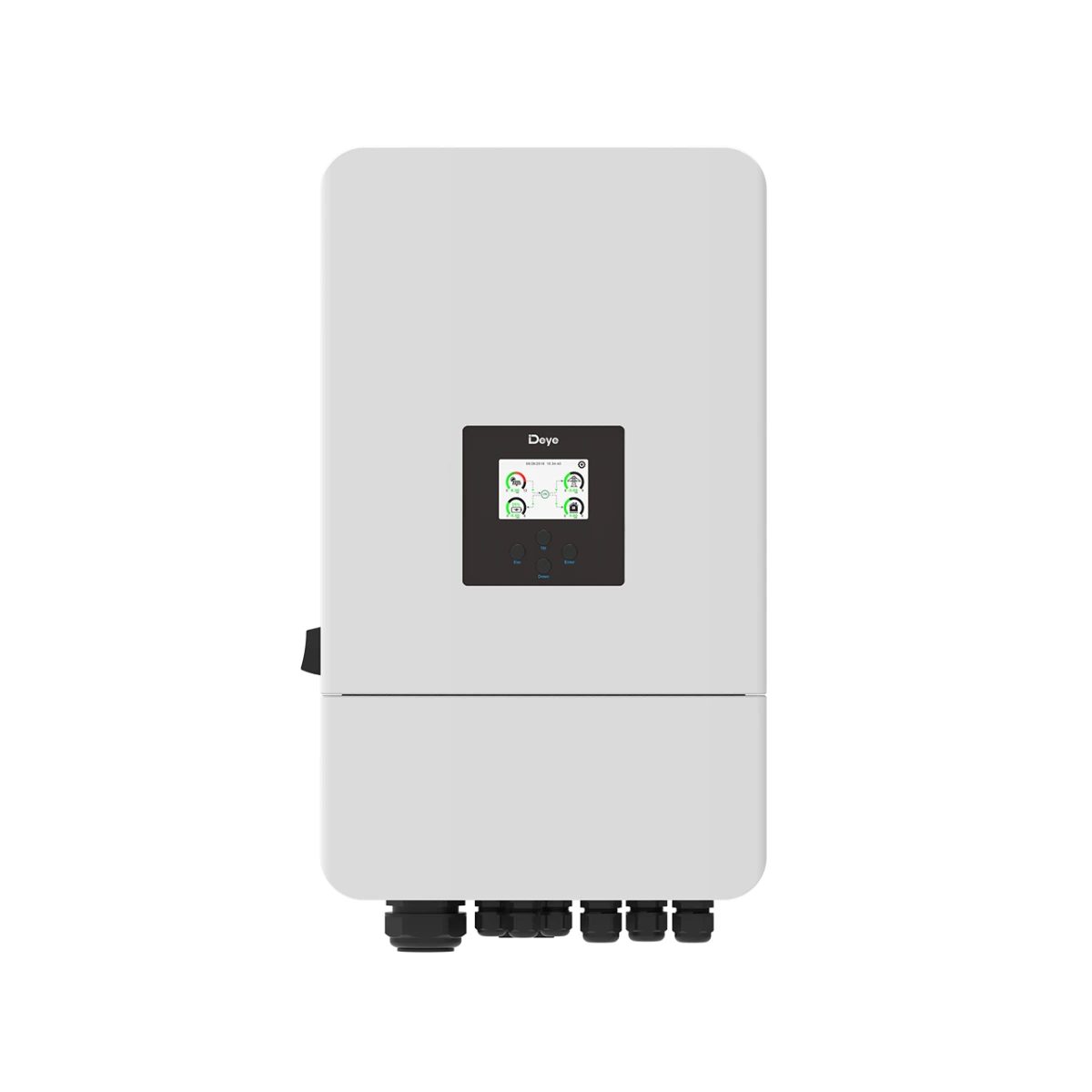
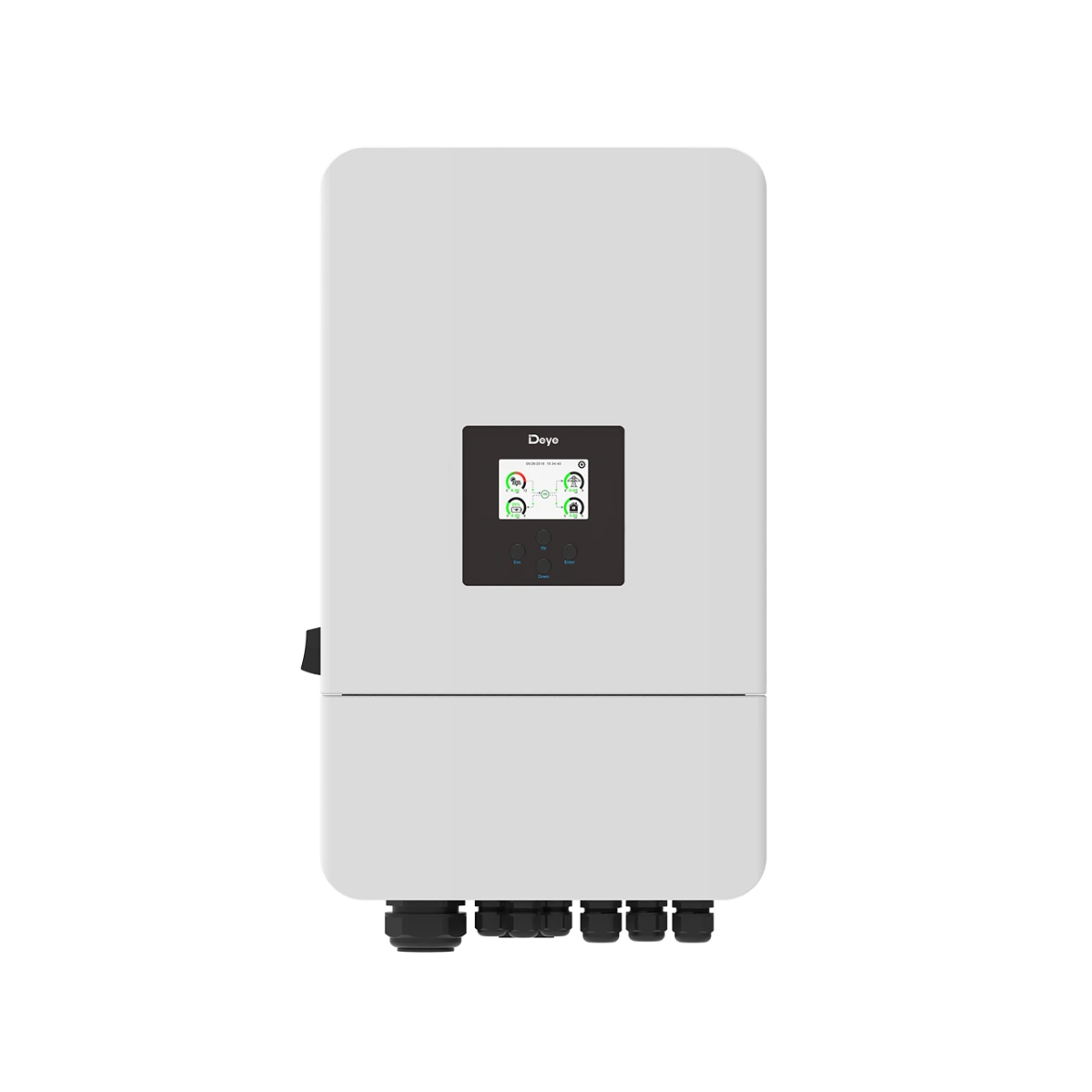


SMA Sunny Island X 30 w. LCD Three Phase 30kW Battery Inverter SI30-20
Available on backorder
New: 8680.80 €
0%

SMA Sunny Island X 50 w. LCD Three Phase 50kW Battery Inverter SI50-20
Available on backorder
New: 9929.80 €
0%


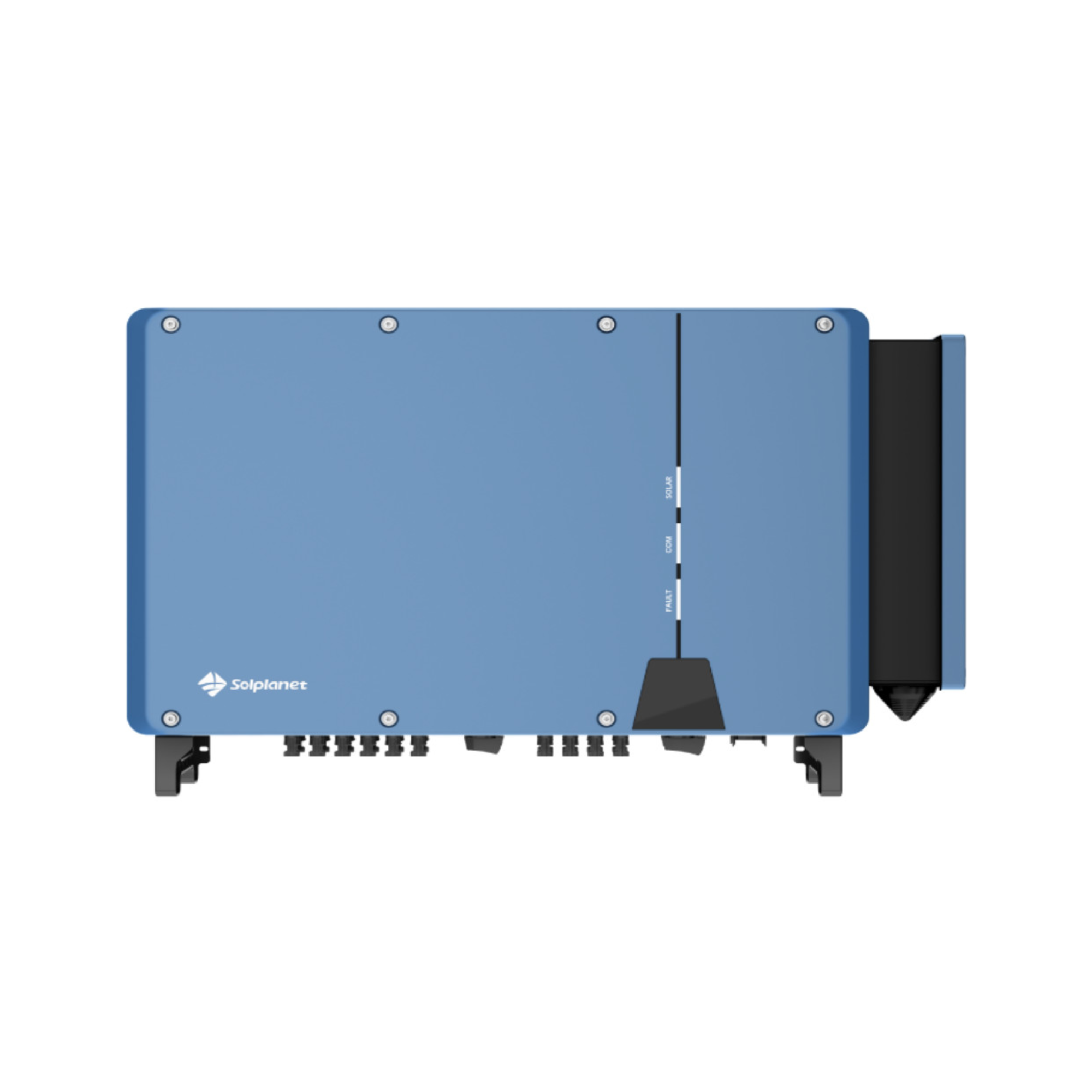

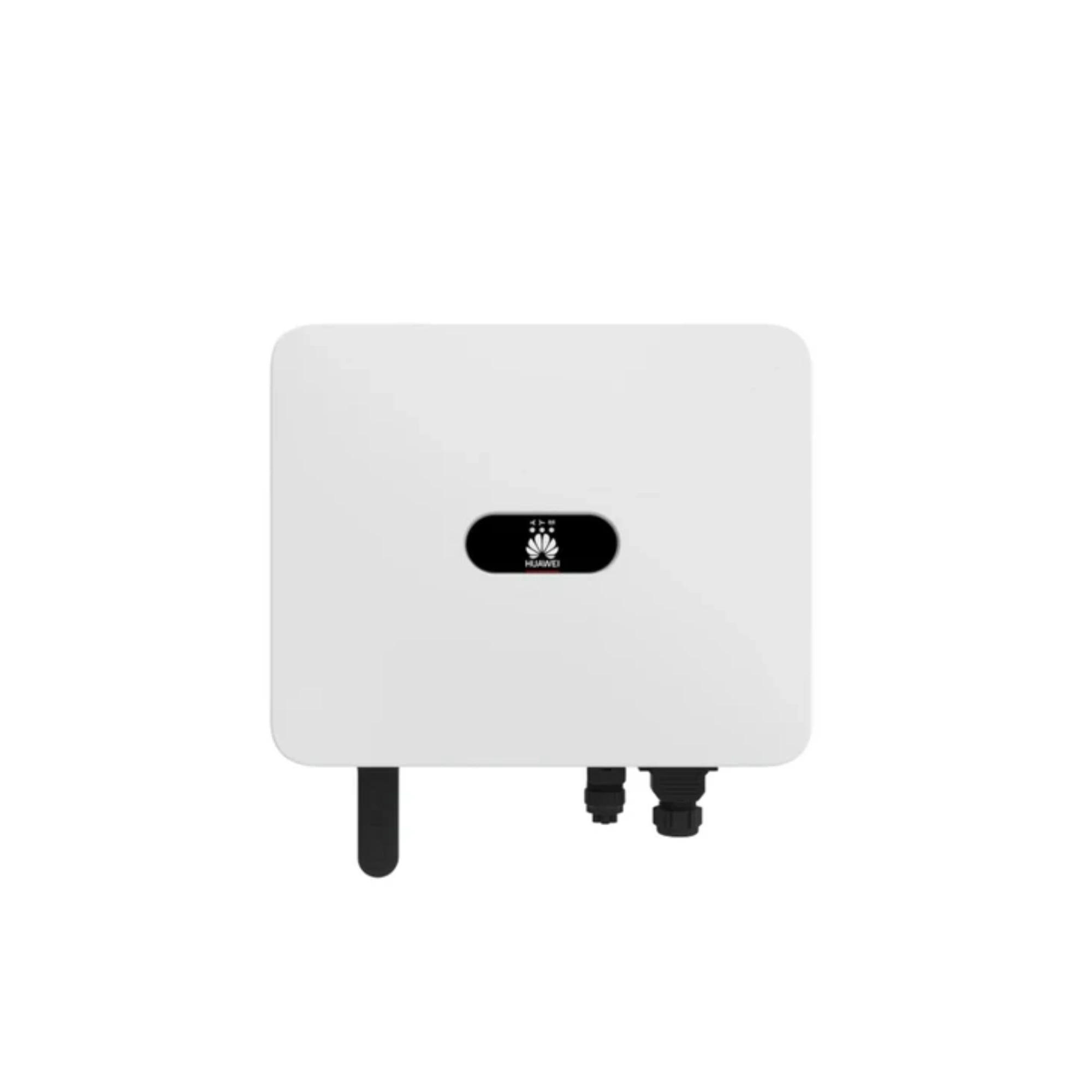

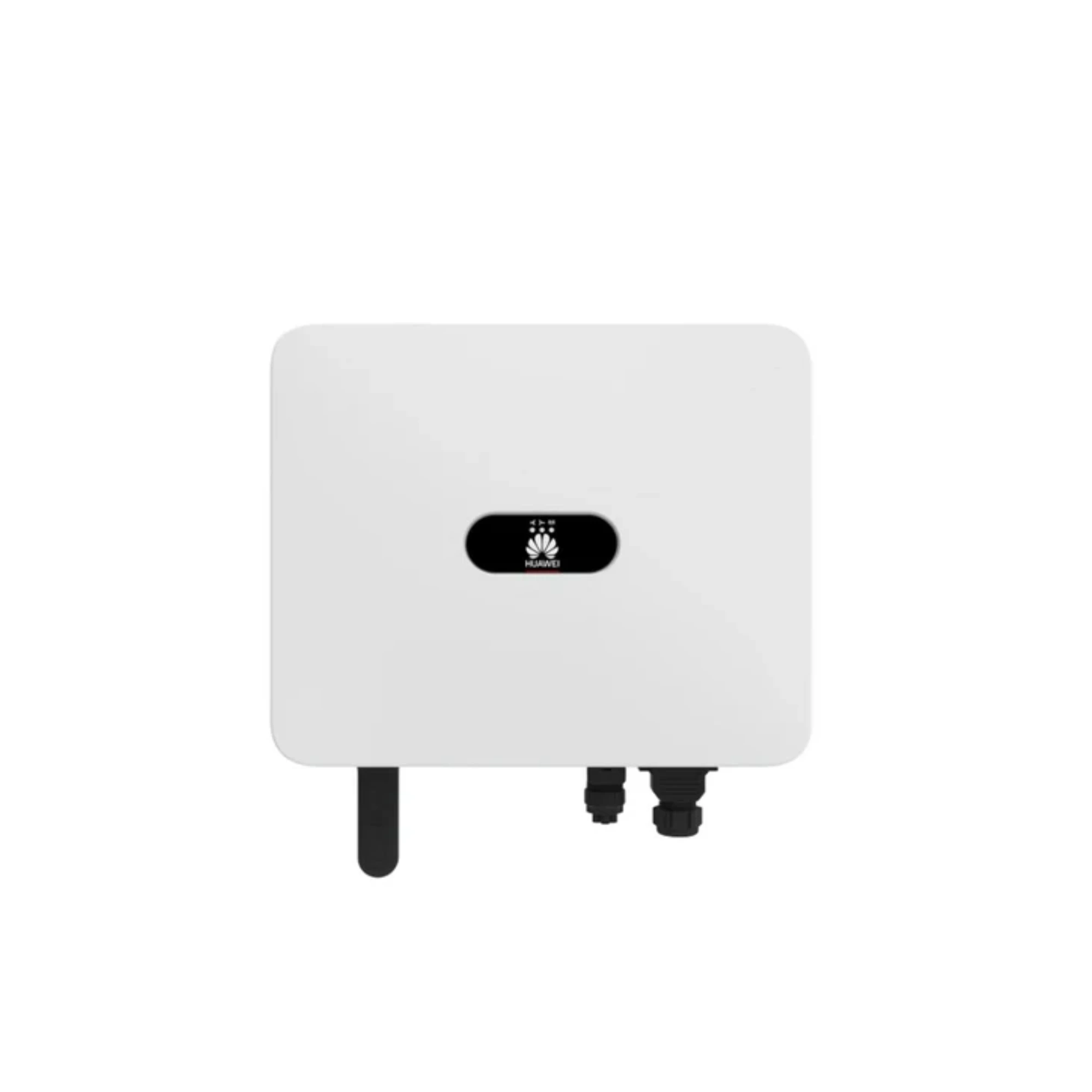
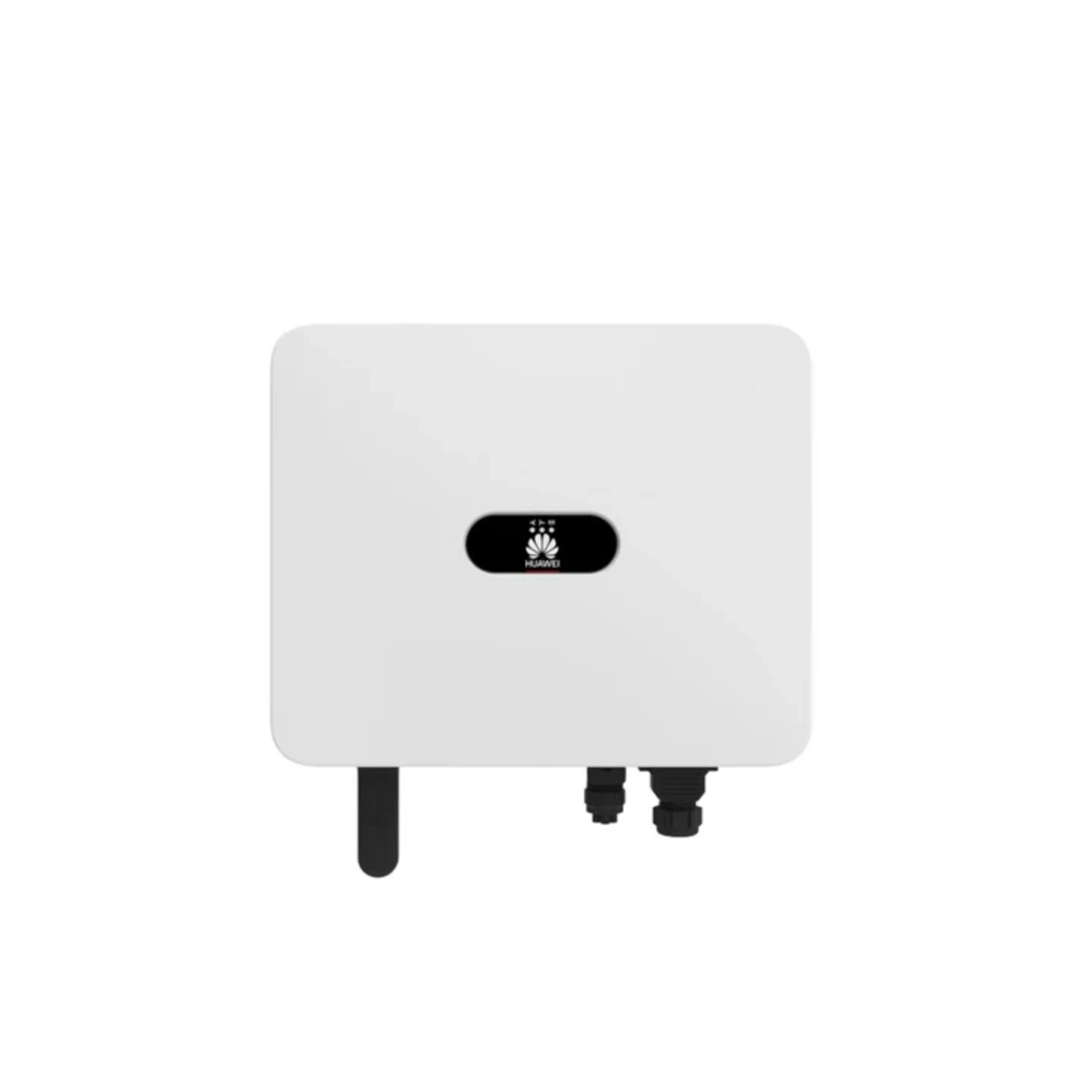
Three-Phase Solar Inverters for Commercial and Industrial PV Systems
Buy professional three-phase solar inverters, commercial string inverters and grid-tied PV inverters for residential, commercial and industrial photovoltaic installations. 3Buy Solar supplies three-phase inverter solutions for professional solar installers, qualified electricians, EPC contractors, solar wholesalers, solar distributors, resellers and procurement teams across Europe.
This product category is built for PV systems where higher AC power output, balanced three-phase grid connection, strong MPPT performance, reliable DC input handling and professional monitoring are required. Whether you are designing a commercial rooftop system, a larger residential three-phase installation, an industrial self-consumption project, a ground-mounted PV system or a complete kit for business customers, this category helps you source the correct three-phase solar inverter for the project.
Three-phase inverters convert DC electricity from solar panels into AC electricity for three-phase electrical systems. In professional PV projects, they are selected according to AC output power, DC input voltage, MPPT configuration, string current, grid code, monitoring requirements, protection features, installation environment and compatibility with solar panels, DC cabling, optimizers, meters and energy storage-ready system design.
Use this category when sourcing three-phase inverters for:
- Commercial rooftop PV systems
- Industrial solar installations
- Agricultural PV projects
- Larger residential three-phase systems
- Self-consumption projects
- Ground-mounted solar systems
- Three-phase grid-connected PV systems
- Complete kits for installers and EPCs
- Solar panels with high module current
- Multi-string PV arrays
- Export-controlled solar systems
- Monitoring-ready PV installations
- Battery-ready or hybrid-ready project planning
- Solar wholesaler and distributor procurement
- Commercial and industrial inverter replacement
Three-Phase Inverters for Installers, EPCs and Qualified Electricians
Three-phase solar inverters are used where PV power needs to be connected to a three-phase electrical system. They are common in commercial rooftops, industrial buildings, agricultural sites, larger residential properties, schools, hotels, offices, logistics centres, warehouses and ground-mounted solar systems.
For installers and EPC contractors, the inverter is one of the most important technical decisions in the PV system. It affects string design, AC connection, monitoring, safety, energy yield, export limitation, commissioning, service access and long-term reliability.
A professional three-phase inverter project may involve:
- Solar panels
- DC solar cables
- String inputs
- MPPT trackers
- DC isolators
- AC protection
- DC surge protection
- AC surge protection
- Smart meters
- Monitoring devices
- Communication modules
- Export control
- Grid code configuration
- Mounting and ventilation planning
- Optional optimizers
- Optional energy storage integration
Three-phase string inverters are widely used in commercial PV systems because they offer a practical balance between power, modularity, serviceability and installation flexibility. Many current commercial inverter ranges are designed for small and medium commercial projects, with features such as high oversizing capability, arc-fault protection, monitoring and installer-friendly commissioning.
For solar wholesalers and solar distributors, three-phase inverters are a high-value repeat procurement category because installers need different inverter sizes for different building types, grid connections and project capacities.
What Is a Three-Phase Solar Inverter?
A three-phase solar inverter is a PV inverter that converts direct current from solar panels into three-phase alternating current. It is used on properties with three-phase electrical supply and is especially common in commercial and industrial PV systems.
Three-phase inverters are also commonly called:
- Three-phase solar inverter
- Three-phase PV inverter
- Commercial solar inverter
- Commercial string inverter
- C&I inverter
- Grid-tied three-phase inverter
- Three-phase on-grid inverter
- Three-phase string inverter
- Industrial solar inverter
- Commercial PV inverter
- Three-phase hybrid inverter, where battery compatibility is included
A three-phase inverter may be used with:
- Residential three-phase PV systems
- Commercial rooftop solar panels
- Industrial self-consumption systems
- Ground-mounted solar arrays
- Agricultural buildings
- Schools and public buildings
- Hotels and offices
- Warehouses and logistics sites
- EV charging support systems
- Complete kits for business customers
- Export-limited PV systems
- Monitoring and smart meter systems
For installers, the key point is that a three-phase inverter must match the AC grid connection, solar panel string design, DC input limits and local electrical requirements.
Three-Phase String Inverters for Commercial PV Projects
Three-phase string inverters are widely used in commercial and industrial photovoltaic systems. They connect multiple solar panel strings to one inverter, usually with several MPPT trackers and multiple DC input channels. This makes them practical for rooftops with different orientations, multiple roof sections, shading considerations or different string lengths.
Three-phase string inverters are commonly used for:
- Commercial rooftop PV systems
- Warehouses and logistics buildings
- Industrial production sites
- Agricultural buildings
- Retail properties
- Hotels and office buildings
- Schools and municipal buildings
- Ground-mounted PV systems
- Large residential properties with three-phase supply
- Complete commercial solar kits
Key advantages for installers include:
- Modular system design
- Easier service access compared with central inverter layouts
- Flexible string configuration
- Multiple MPPT inputs
- Good compatibility with modern solar panels
- Scalable inverter planning across project sizes
- Professional monitoring and commissioning tools
- Practical replacement and upgrade options
Modern three-phase inverter ranges can cover small commercial systems and larger C&I projects, with some current product families covering power classes from around 30kW to 75kW or 120kW to 150kW depending on the manufacturer and product series.
Three-Phase Inverter Applications by Project Type
Three-phase solar inverters are selected differently depending on the project type. A small commercial rooftop system does not have the same design requirements as a ground-mounted solar farm, industrial self-consumption system or export-limited business installation.
Typical three-phase inverter applications include:
- Commercial rooftops
- Industrial PV systems
- Agricultural PV systems
- Ground-mounted solar fields
- Business self-consumption systems
- EV charging support projects
- Three-phase residential systems
- Solar panel replacement or expansion projects
- Inverter replacement and repowering
- Commercial complete kits
- Export-controlled installations
- Monitoring-ready PV systems
For professional buyers, the right inverter must be selected according to PV capacity, grid connection, AC output, DC input, MPPT layout, protection requirements, monitoring platform and installer service preferences.
Commercial Rooftop Three-Phase Inverters
Commercial rooftops are one of the most common applications for three-phase solar inverters. Warehouses, supermarkets, factories, offices, hotels, schools and logistics buildings often have large roof areas and three-phase electrical supply, making them suitable for commercial PV systems.
Commercial rooftop inverter projects often require:
- 10kW to 150kW+ inverter options depending on system size
- Multiple MPPT trackers
- High DC input current for modern solar panels
- 1000V or 1500V DC compatibility depending on product type
- Three-phase AC output
- Grid code configuration
- Monitoring platform
- Export control where required
- AC/DC surge protection
- Arc fault detection where supported
- IP-rated outdoor installation
- Clear service access
For EPC contractors, inverter selection affects system layout and installation efficiency. A well-selected three-phase inverter helps reduce cable complexity, improve MPPT performance and simplify commissioning.
Industrial and Agricultural Three-Phase Inverter Systems
Industrial and agricultural sites often have high daytime energy consumption, larger roof areas and three-phase electrical infrastructure. These projects are well suited to commercial solar inverter systems that support self-consumption, peak demand reduction and long-term energy cost control.
Typical industrial and agricultural applications include:
- Factories and production halls
- Cold storage facilities
- Farms and agricultural buildings
- Irrigation and pump systems
- Grain processing sites
- Logistics buildings
- Workshops and industrial estates
- Commercial machinery loads
- Energy-intensive business operations
- Commercial solar plus energy storage projects
For these projects, installers should consider inverter power rating, string layout, AC cable runs, DC protection, grid connection requirements, monitoring, ventilation, mounting position and long-term maintenance access.
Industrial and agricultural systems may also require stronger protection planning, including surge protection, earthing, cable routing and monitoring reliability.
Ground-Mounted PV and Solar Farm Inverters
Three-phase inverters are also used in ground-mounted PV systems and solar farms, especially in distributed string inverter designs. String inverter architecture can improve serviceability and reduce single points of failure compared with some centralised system layouts.
Ground-mounted PV inverter applications include:
- Solar farms
- Utility-scale string inverter layouts
- Commercial ground-mounted arrays
- Agricultural land PV systems
- Long string cable runs
- Combiner and distribution systems
- 1500V DC project designs
- Inverter station layouts
- Monitoring and remote service access
- EPC project procurement
For ground-mounted projects, inverter selection should consider environmental exposure, IP rating, cooling method, cable routing, DC input voltage, MPPT design, communication, grid support functions and service strategy.
Inverter Power Classes and System Sizing
Three-phase inverters are selected by AC output power, DC input capability and project design. The correct inverter size depends on solar panel capacity, expected production, grid connection, oversizing ratio, MPPT configuration and local regulations.
Common three-phase inverter power classes may include:
- 5kW three-phase inverter
- 6kW three-phase inverter
- 8kW three-phase inverter
- 10kW three-phase inverter
- 12kW three-phase inverter
- 15kW three-phase inverter
- 20kW three-phase inverter
- 25kW three-phase inverter
- 30kW three-phase inverter
- 36kW to 50kW commercial inverter
- 60kW to 75kW C&I inverter
- 100kW to 125kW commercial string inverter
- 120kW to 150kW high-power three-phase inverter
- Larger utility string inverter configurations
Small three-phase inverters may be used for larger residential or light commercial projects. Mid-range three-phase inverters are commonly used for commercial rooftops. High-power string inverters are often selected for large commercial, industrial and ground-mounted systems.
Some manufacturer ranges show three-phase commercial inverter models from 5kW to 30kW, 30kW to 75kW, 75kW to 125kW and 120kW to 150kW depending on the platform.
MPPT Design and Solar Panel Compatibility
MPPT design is one of the most important technical selection points for a three-phase inverter. MPPT trackers allow the inverter to optimise solar panel string performance under different orientations, tilt angles, shading conditions and module layouts.
Installers should check:
- Number of MPPT trackers
- Number of string inputs
- Maximum DC input voltage
- MPPT voltage range
- Start-up voltage
- Maximum input current per MPPT
- Maximum short-circuit current
- Compatibility with high-power solar panels
- String length calculation
- Roof orientation and shading conditions
- Oversizing allowance
- DC cable sizing
- Connector compatibility
Modern solar panels often have higher current output than older modules. This makes inverter input current especially important. Some current commercial inverter ranges highlight high input current compatibility for larger PV modules and flexible commercial system design.
For installers, choosing the wrong inverter input current can limit module compatibility, reduce design flexibility or create installation problems. The inverter must match the selected solar panels, string length and project layout.
1000V and 1500V DC Three-Phase Inverter Systems
Three-phase inverters may be designed for 1000V DC or 1500V DC PV systems depending on the product range and project type. Higher DC voltage can reduce current and may help optimise cable design in larger commercial or ground-mounted systems, but it must be used only with compatible solar panels, cables, connectors and protection components.
1000V DC inverter systems are common in:
- Residential three-phase PV projects
- Small commercial systems
- Standard rooftop installations
- Many commercial inverter platforms
1500V DC inverter systems are often used in:
- Large commercial rooftops
- Industrial PV projects
- Ground-mounted systems
- Solar farms
- High-power string inverter layouts
- Large complete kits
- EPC project designs
Before selecting a 1000V or 1500V three-phase inverter, installers should confirm:
- Solar panel maximum system voltage
- DC solar cable rating
- Connector rating
- DC protection rating
- String length calculation
- Inverter maximum input voltage
- Local installation requirements
- Certification and grid code compatibility
The entire DC-side system must be rated correctly, not only the inverter.
Safety Features, Protection and Monitoring
Safety and monitoring features are critical in professional three-phase inverter installations. Commercial PV systems need clear fault detection, fast service access and reliable system visibility.
Important inverter features may include:
- Arc fault detection, AFCI, where supported
- DC switch or DC isolator
- AC and DC surge protection compatibility
- Reverse polarity protection
- Insulation monitoring
- Ground fault monitoring
- Over-voltage protection
- Over-current protection
- Anti-islanding protection
- Grid code configuration
- Export control
- Remote monitoring
- App commissioning
- Data logging
- RS485, Ethernet, WiFi or 4G communication
- Modbus or smart meter integration
- Firmware updates
- Alarm notifications
Current commercial inverter pages frequently highlight safety functions such as arc fault protection, surge protection, automatic shutdown functions, monitoring, remote configuration and export control depending on the product platform.
For installers and EPC contractors, monitoring is not only a convenience. It helps detect underperformance, string faults, communication issues and grid problems after commissioning.
Three-Phase Inverters for Complete Kits
Three-phase inverters are often supplied as part of complete kits for commercial and industrial PV systems. A complete kit may include solar panels, inverter, mounting system, DC cables, AC wiring, connectors, protection devices, monitoring and optional energy storage components.
Three-phase inverter complete kits may include:
- Solar panels
- Three-phase string inverter
- DC solar cables
- AC cable
- MC4 connectors
- DC protection
- AC protection
- Mounting system
- Optimizers where required
- Smart meter
- Monitoring gateway
- Export control accessories
- Communication cables
- Energy storage-ready components
For installers, complete kits reduce procurement time and help avoid missing components. For solar wholesalers and solar distributors, complete kits make three-phase PV projects easier to sell and easier to standardise.
The inverter should always be matched with the solar panel string layout, mounting design, cable lengths, protection concept, grid connection and optional battery storage requirements.
Three-Phase Inverters and Energy Storage-Ready PV Systems
Not every three-phase inverter is a hybrid inverter, but three-phase inverter selection can still influence future energy storage planning. Some projects use a standard three-phase PV inverter with AC-coupled battery storage. Other projects use a three-phase hybrid inverter that connects directly to a solar battery system.
Energy storage-ready planning may include:
- Three-phase hybrid inverter selection
- AC-coupled battery inverter planning
- Smart meter integration
- EMS compatibility
- Export limitation
- Backup power requirements
- Solar battery system compatibility
- Communication setup
- Commercial energy storage expansion
- Complete kit planning
For commercial and industrial PV systems, energy storage is increasingly important for self-consumption, peak shaving, EV charging support and backup-ready applications. Installers should confirm whether the project needs a standard grid-tied three-phase inverter, a three-phase hybrid inverter or a system architecture that can support future battery storage.
Installation Environment and IP Rating
Three-phase inverters are installed in many different environments, including indoor plant rooms, exterior walls, rooftops, inverter stations, carports and industrial sites. The installation environment affects inverter selection, mounting, ventilation, cable routing and long-term reliability.
Installers should consider:
- Indoor or outdoor installation
- IP rating, such as IP65 or IP66 depending on model
- Ambient temperature range
- Cooling method
- Direct sunlight exposure
- Mounting surface
- Service clearance
- Cable entry direction
- Dust and humidity
- Corrosion exposure
- Ventilation and airflow
- Noise level
- Monitoring signal availability
Several current inverter ranges highlight IP66-rated designs and operation under demanding outdoor conditions depending on the product.
For commercial and industrial sites, inverter location should support safe access, reliable cooling and practical maintenance.
Technical Buying Checklist for Three-Phase Inverters
Use this checklist before buying a three-phase inverter, commercial string inverter or grid-tied PV inverter:
- Confirm AC output power
- Confirm three-phase grid voltage and connection type
- Confirm solar panel capacity
- Confirm DC/AC oversizing allowance
- Confirm maximum DC input voltage
- Confirm MPPT voltage range
- Confirm number of MPPT trackers
- Confirm number of string inputs
- Confirm maximum input current per MPPT
- Confirm compatibility with high-power solar panels
- Confirm 1000V or 1500V DC system design
- Confirm AC protection requirements
- Confirm DC protection requirements
- Confirm monitoring platform
- Confirm smart meter and export control compatibility
- Confirm grid code settings
- Confirm IP rating and installation location
- Confirm cooling method and service clearance
- Confirm communication interface
- Confirm warranty and documentation
- Confirm compatibility with complete kits or energy storage planning
- Confirm stock availability and project quantity
This checklist helps reduce wrong orders, commissioning delays, string design issues and compatibility problems.
Why Professional Buyers Choose Three-Phase Inverters from 3Buy Solar
3Buy Solar supplies three-phase solar inverters, commercial string inverters, grid-tied inverters and inverter accessories for professional PV buyers across Europe. This category is built around installer procurement, EPC project supply and solar wholesaler demand.
Professional installers, qualified electricians, EPC contractors, resellers, solar wholesalers and solar distributors choose 3Buy Solar for:
- Three-phase inverter sourcing for commercial PV systems
- Commercial string inverter options
- Solar inverter products for residential and industrial projects
- Inverters compatible with modern solar panels
- Complete kit support for installers and EPCs
- Monitoring and smart meter-ready inverter procurement
- Energy storage-ready project planning
- B2B purchasing and recurring procurement
- European supply and logistics support
- Related solar panels, cables, connectors and protection products
- Technical product information for professional buyers
- Procurement support for solar wholesalers and distributors
As a solar PV supplier, solar wholesaler and solar distributor, 3Buy Solar helps professional buyers source the inverter layer needed to complete reliable PV systems. Solar panels, solar inverter systems, solar batteries, complete kits and energy storage projects must be selected together to create a safe and efficient installation.
Related Solar Product Categories
- Solar Inverter
- Hybrid Inverters
- Single-Phase Inverters
- Commercial Solar Panels
- Solar Panels
- Solar Batteries
- Energy Storage
- Complete Kits
- Solar Cables and Wiring
- DC Solar Cables
- Solar Connectors
- DC Protection
- AC Protection
- Optimizers
- Monitoring
- Smart Meters
- Mounting Systems
- EV Charging
- Solar Accessories
Frequently Asked Questions About Three-Phase Solar Inverters
What is a three-phase solar inverter?
A three-phase solar inverter converts DC electricity from solar panels into three-phase AC electricity for use in three-phase electrical systems. It is commonly used in commercial, industrial, agricultural and larger residential PV installations.
Where are three-phase inverters used?
Three-phase inverters are used in commercial rooftops, industrial solar systems, agricultural buildings, larger residential properties, ground-mounted PV systems, complete kits, self-consumption projects and three-phase grid-connected solar installations.
What is the difference between single-phase and three-phase solar inverters?
A single-phase inverter outputs power to a single-phase electrical system, while a three-phase inverter outputs power across three phases. Three-phase inverters are commonly used where higher power, better load distribution and commercial grid connection are required.
Are three-phase inverters suitable for commercial solar systems?
Yes. Three-phase inverters are one of the most common inverter types for commercial solar systems. They are used for business rooftops, warehouses, factories, farms, offices, hotels and industrial self-consumption projects.
What inverter size do I need for a three-phase PV system?
The correct inverter size depends on solar panel capacity, AC output requirement, grid connection, DC/AC ratio, string layout, MPPT design, voltage limits and local regulations. Installers should size the inverter according to the full PV system design.
Can three-phase inverters work with high-power solar panels?
Many modern three-phase inverters are designed with higher input current and multiple MPPT trackers to support high-power solar panels. Installers must check the inverter datasheet for maximum input current, voltage range and string compatibility.
What is MPPT in a three-phase inverter?
MPPT means Maximum Power Point Tracking. It allows the inverter to optimise power production from solar panel strings. Multiple MPPT trackers help manage different roof orientations, string layouts or shading conditions.
Are three-phase inverters suitable for 1500V DC systems?
Some three-phase inverters are suitable for 1500V DC systems, while others are designed for 1000V DC or other voltage levels. The inverter, solar panels, DC cables, connectors and protection devices must all match the selected system voltage.
Can three-phase inverters be used with solar batteries?
Some three-phase inverters are hybrid inverters with direct battery compatibility. Standard three-phase PV inverters may be used in energy storage-ready systems with AC-coupled battery storage depending on the system architecture.
Do three-phase inverters include monitoring?
Many three-phase inverters support monitoring through WiFi, Ethernet, RS485, 4G, smart meters or cloud platforms depending on the model. Monitoring helps installers and system owners track production, faults and performance.
Who should buy three-phase inverters from this category?
This category is built for professional solar installers, qualified electricians, EPC contractors, solar wholesalers, solar distributors, resellers and procurement teams sourcing three-phase solar inverters and commercial PV inverter products across Europe.
Why buy three-phase inverters from 3Buy Solar?
3Buy Solar supplies three-phase solar inverters, commercial string inverters and inverter accessories for professional European PV projects, including commercial rooftops, industrial systems, ground-mounted installations, complete kits, energy storage-ready projects and solar panels with modern high-power designs.