EV Accessories and Mounting


Stand-Alone Inverter
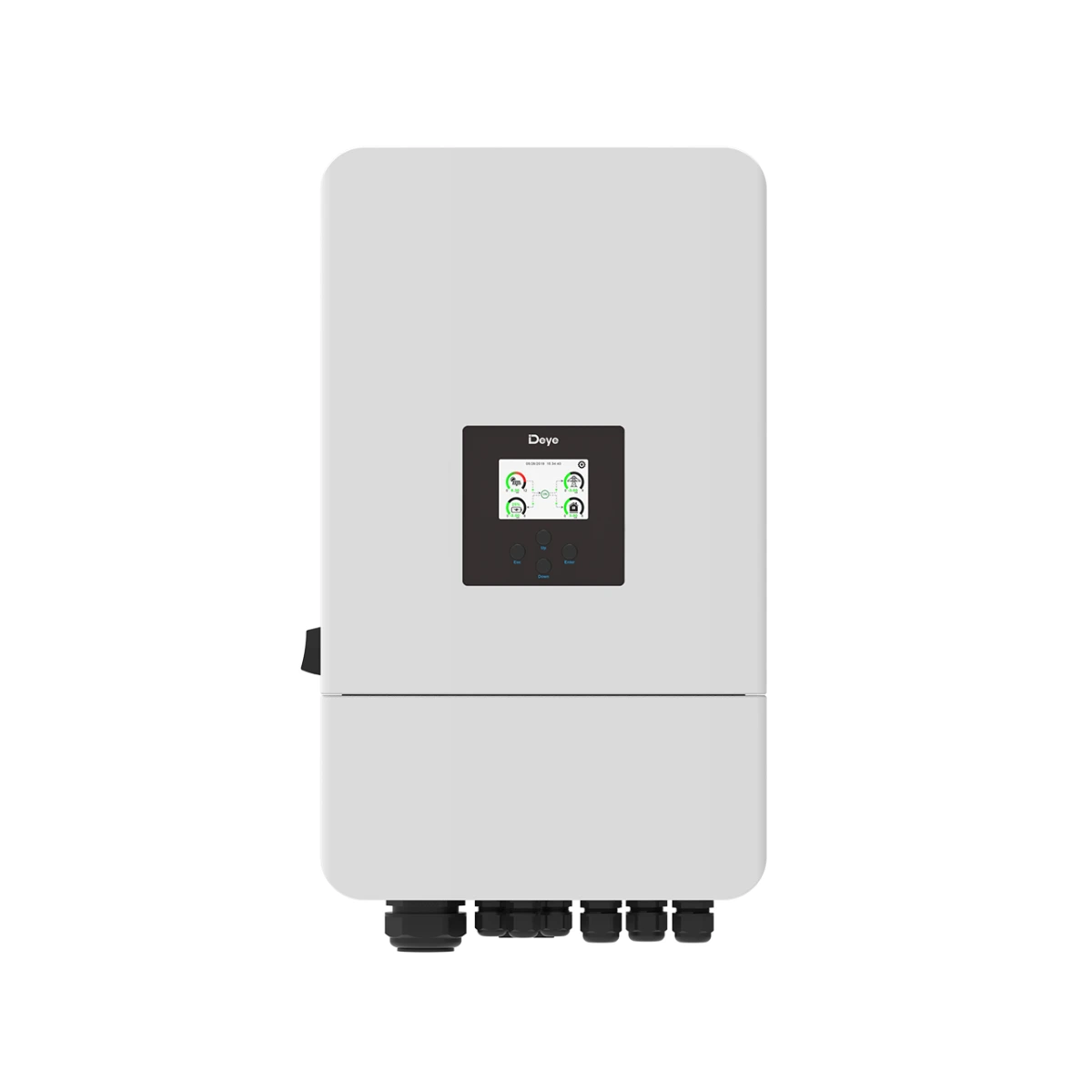


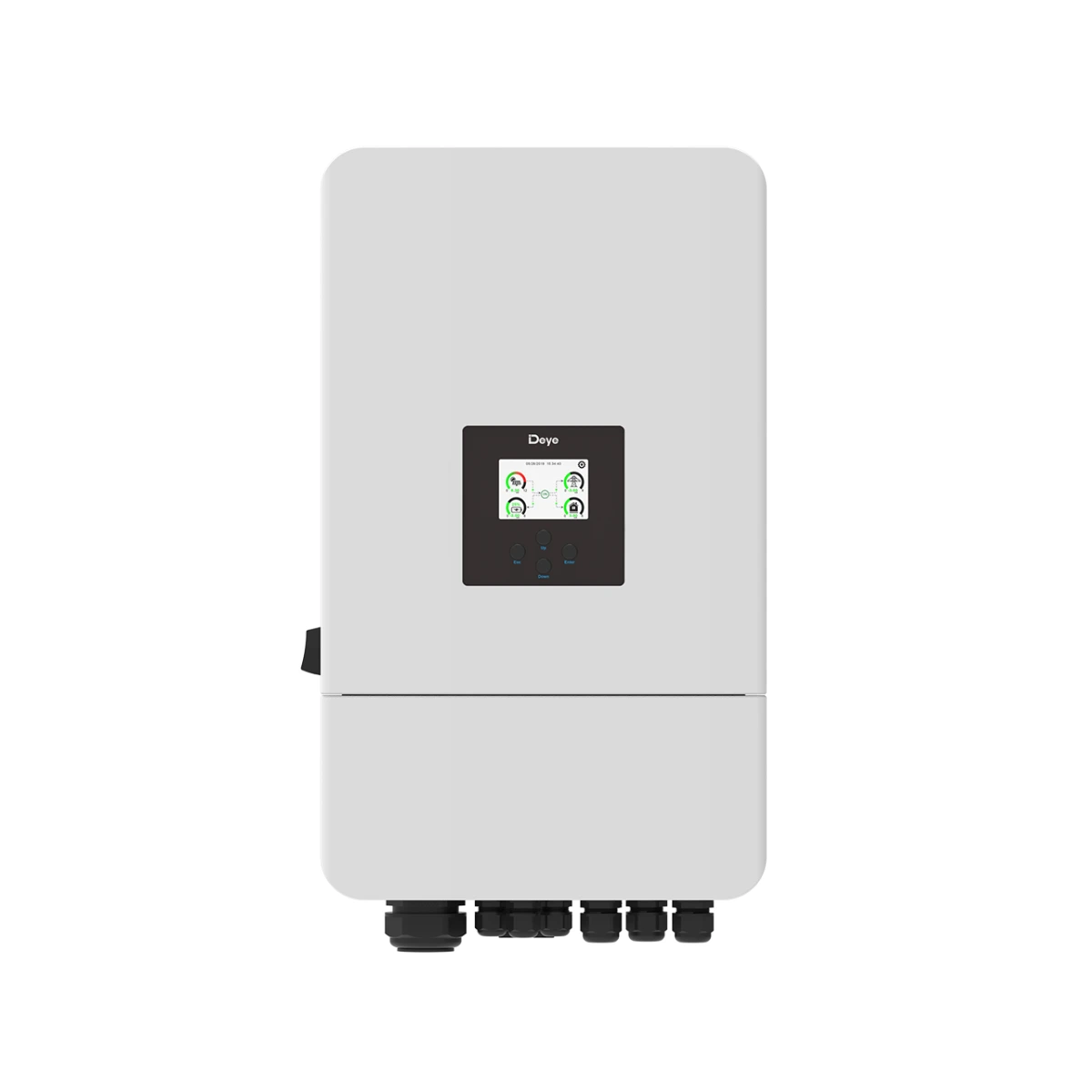
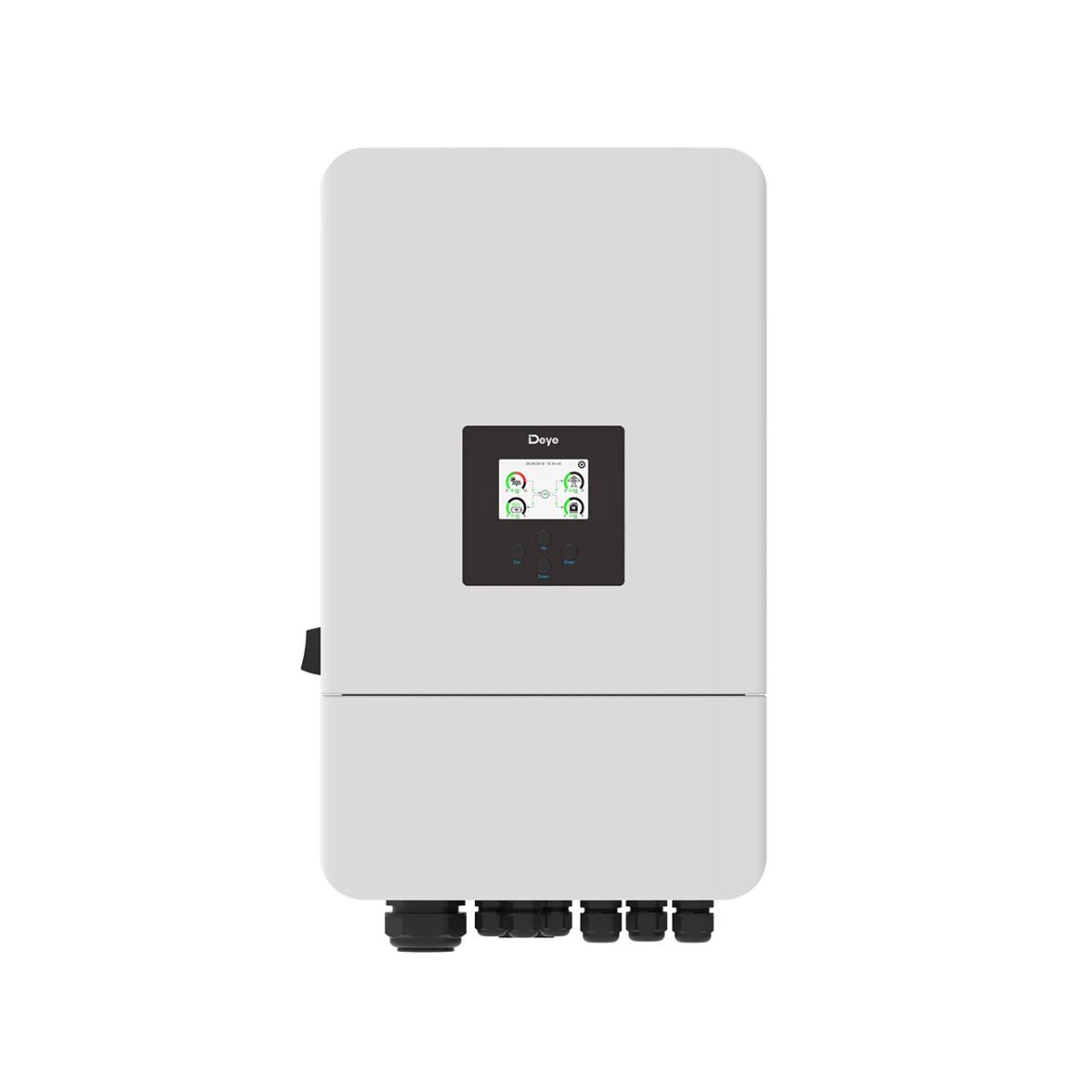
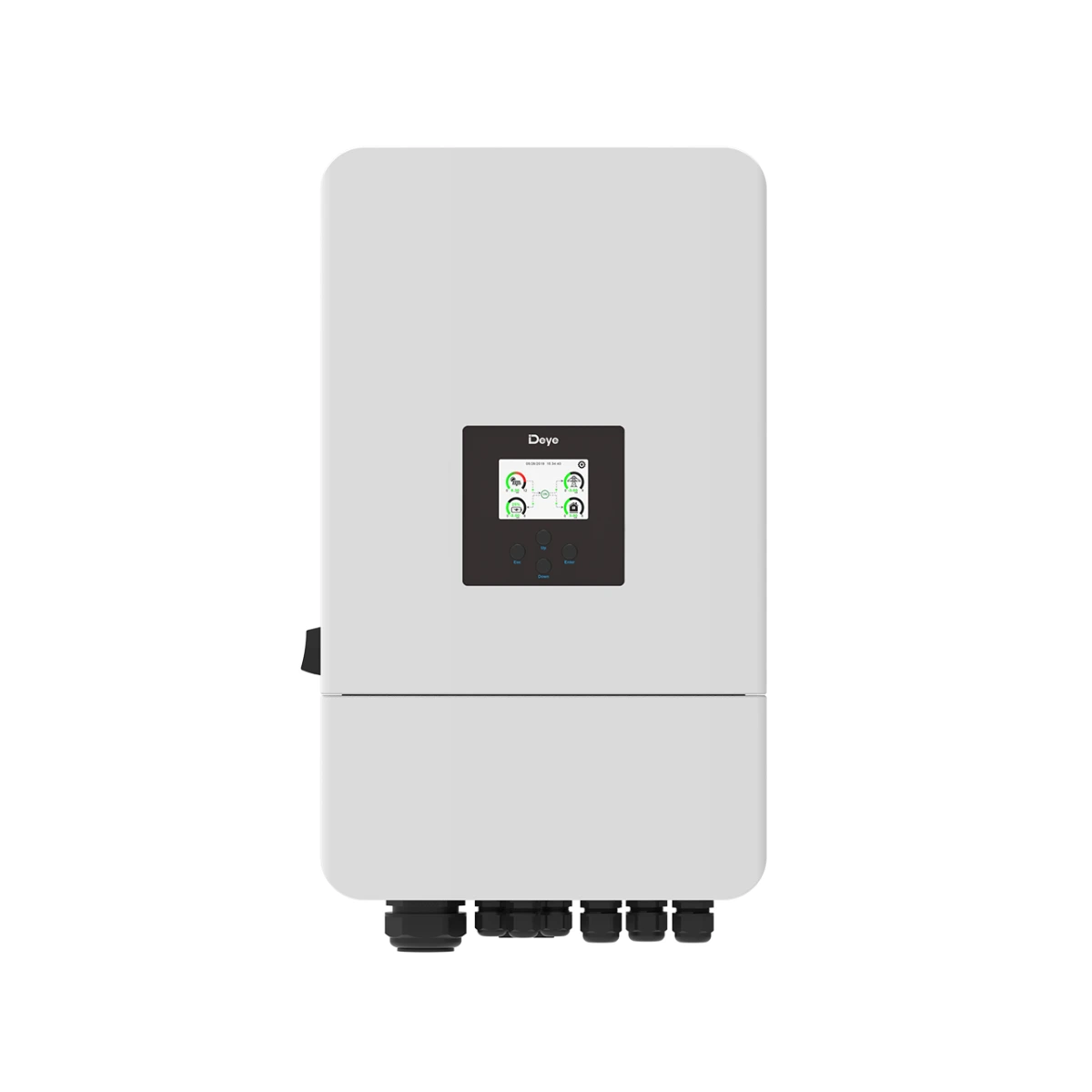
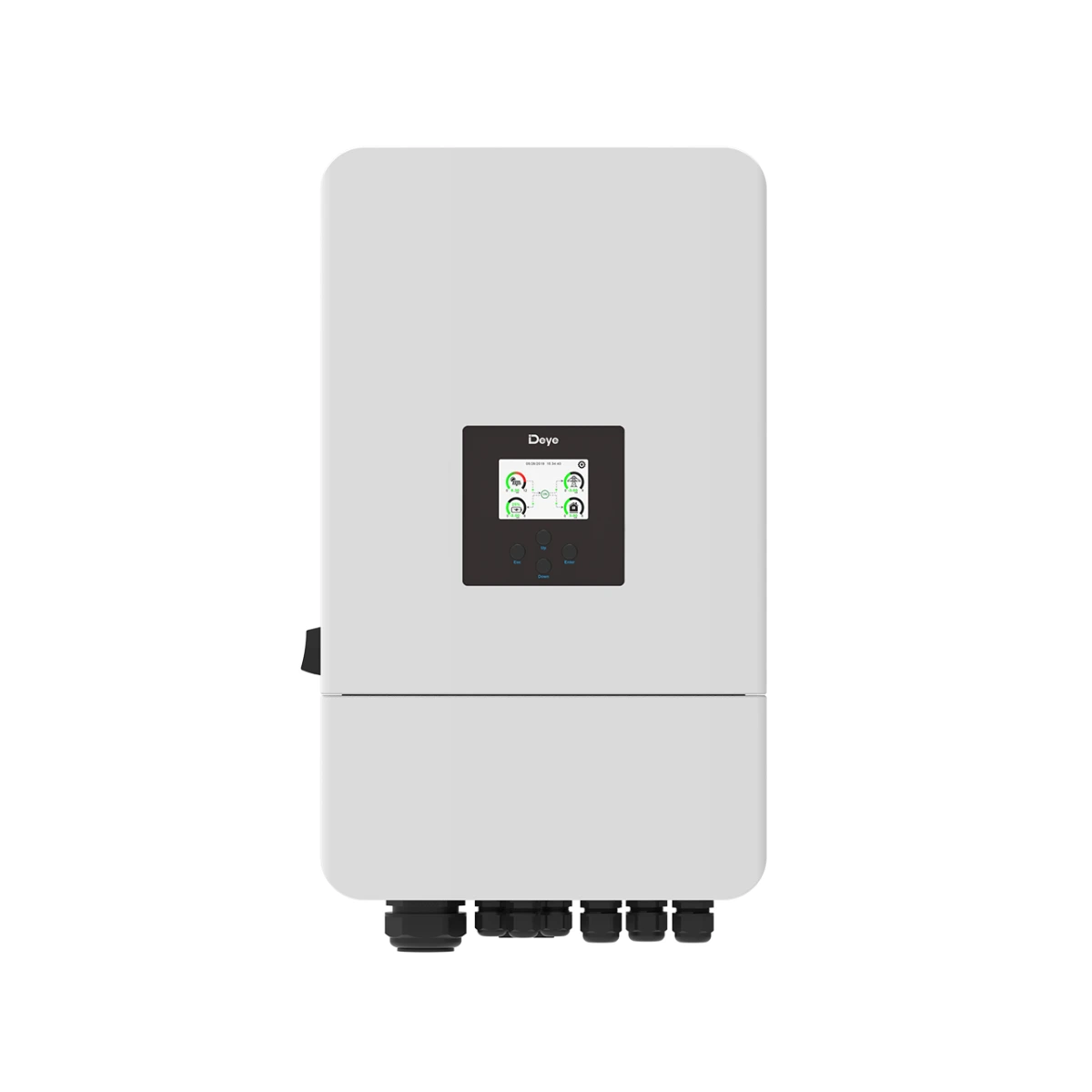
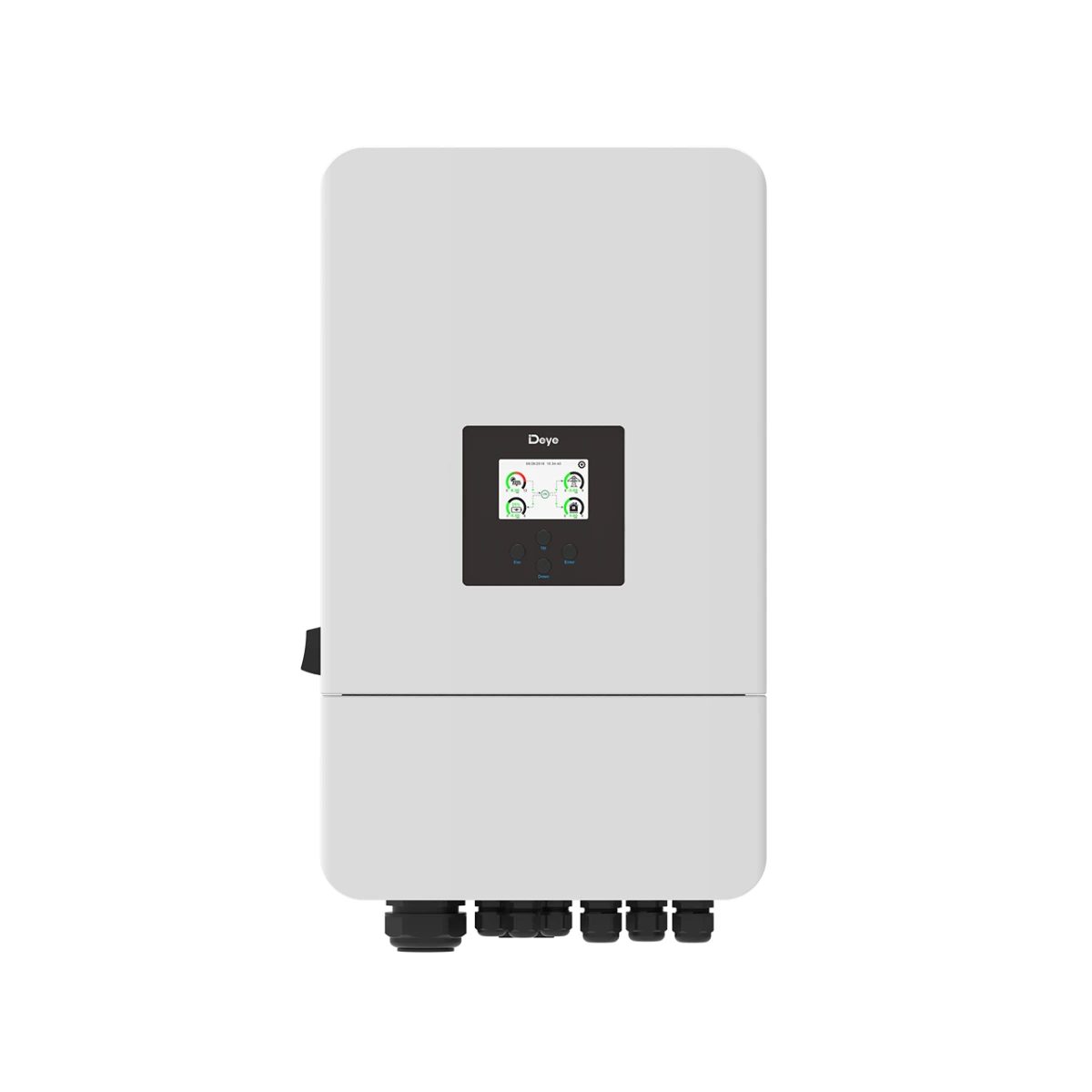
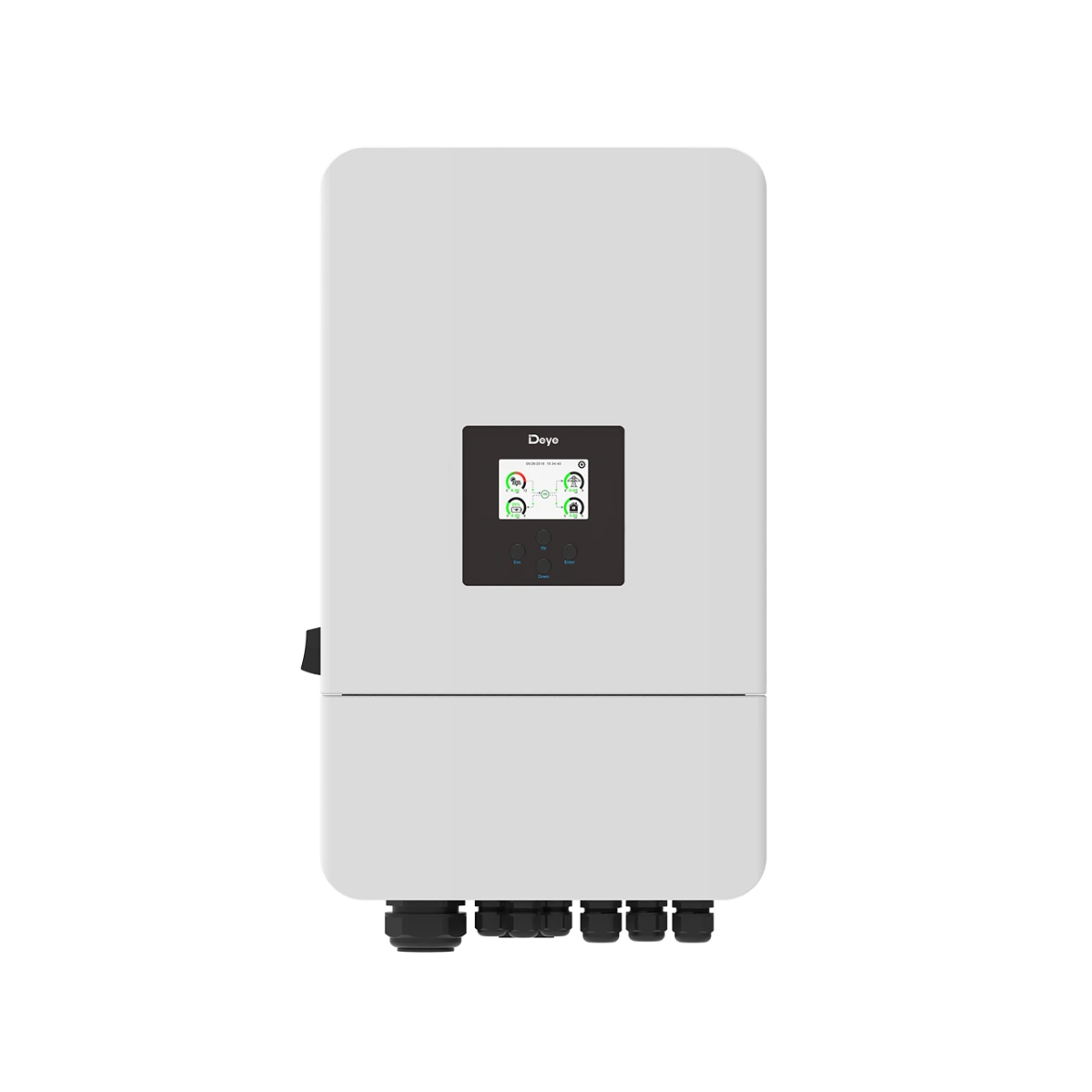


SMA Sunny Island X 30 w. LCD Three Phase 30kW Battery Inverter SI30-20
Available on backorder
New: 8680.80 €
0%

SMA Sunny Island X 50 w. LCD Three Phase 50kW Battery Inverter SI50-20
Available on backorder
New: 9929.80 €
0%


Stand-Alone Inverters for Off-Grid Solar, Backup Power and Battery Systems
Buy stand-alone inverters, off-grid inverters, inverter chargers and battery inverter solutions for independent AC power systems, solar PV installations, backup power projects and energy storage applications. 3Buy Solar supplies professional stand-alone inverter products for solar installers, qualified electricians, EPC contractors, solar wholesalers, solar distributors, resellers and procurement teams across Europe.
This category is built for systems where reliable AC power is required without depending fully on the public grid. Stand-alone inverters convert DC power from batteries or solar energy storage systems into usable AC power for homes, cabins, commercial sites, technical buildings, agricultural locations, telecom systems, mobile applications and remote installations.
A stand-alone inverter is not the same as a standard grid-tied solar inverter. It is designed to create or support an independent AC supply, often using a battery bank, solar panels, charge controller, inverter charger or hybrid power architecture. Depending on the selected product, a stand-alone inverter may support off-grid operation, backup power, generator integration, battery charging, UPS-style transfer, pure sine wave output and scalable energy storage systems.
Use this category when sourcing stand-alone inverter products for:
- Off-grid solar PV systems
- Battery-based AC power systems
- Backup power installations
- Remote buildings and cabins
- Agricultural and rural energy projects
- Telecom and technical sites
- Commercial backup systems
- Solar battery and energy storage projects
- Hybrid inverter support systems
- Generator-assisted power systems
- Mobile and vehicle-based power systems
- Complete off-grid kits
- Island systems and microgrids
- Installer stock and recurring procurement
For installers, the correct stand-alone inverter must be selected according to battery voltage, AC output power, surge capacity, load type, battery chemistry, charging requirements, transfer function, monitoring, protection design and the complete system architecture.
Stand-Alone Inverters for Professional Solar Installers and Electricians
Stand-alone inverters are used in systems where the inverter must supply AC power from a DC battery source without relying on a standard grid-tied inverter connection. In an off-grid or backup system, the inverter becomes the power source for connected AC loads.
Professional installers use stand-alone inverters in applications where the site needs reliable power but grid access is limited, unstable, unavailable or intentionally reduced. These systems can be simple battery-to-AC installations or more advanced solar PV and battery systems with charge controllers, solar panels, generators, monitoring and energy storage.
Stand-alone inverter systems may include:
- Battery bank
- Stand-alone inverter
- Inverter charger
- Solar charge controller
- Solar panels
- DC protection
- AC protection
- Generator input
- Transfer switch
- Monitoring device
- Communication cables
- Battery cables
- Complete off-grid kit components
For qualified electricians and EPC contractors, stand-alone inverter projects require careful system design. The inverter must be able to supply the required AC loads, handle start-up currents, protect the battery, communicate with the energy storage system where required and provide safe operation under real site conditions.
Modern off-grid and backup systems are usually sized in a sequence that starts with loads, then battery capacity, solar array size, inverter power and electrical protection. This is a common technical planning approach for reliable off-grid solar system design.
What Is a Stand-Alone Inverter?
A stand-alone inverter is an inverter that converts DC electricity from a battery or energy storage system into AC electricity for connected loads. It is commonly used where the system must operate independently from the public electricity grid or provide backup power during grid failure.
Stand-alone inverters are also commonly called:
- Off-grid inverter
- Battery inverter
- Inverter charger
- Pure sine wave inverter
- Standalone inverter
- Independent power inverter
- Backup inverter
- Island inverter
- Off-grid solar inverter
- Battery-to-AC inverter
- Solar battery inverter
- UPS-style inverter
- Microgrid inverter
The exact function depends on the product. Some stand-alone inverters only convert battery DC power to AC output. Others include charging functions, generator input, grid input, automatic transfer, communication interfaces, monitoring and programmable charging profiles.
Battery inverter systems are widely used to store and release excess PV energy in off-grid or storage-based systems. SMA, for example, describes Sunny Island battery inverters as responsible for storing excess PV power and integrating low-voltage storage systems into energy supply systems.
Stand-Alone Inverter vs Grid-Tied Solar Inverter
A grid-tied solar inverter is designed to work with the public electricity grid. It converts DC power from solar panels into AC power and synchronises with the grid. If the grid fails, most standard grid-tied inverters shut down for safety unless they are part of a certified backup or hybrid system.
A stand-alone inverter works differently. It can create an AC supply from a battery system without needing a live grid connection. This makes it suitable for off-grid systems, island systems, backup power and independent AC loads.
Main differences include:
- Stand-alone inverters supply AC power from batteries
- Grid-tied inverters synchronise with the public grid
- Stand-alone systems can operate without grid access
- Grid-tied systems normally stop during outages unless designed for backup
- Stand-alone inverters must be sized for continuous and surge loads
- Grid-tied inverters are usually sized around PV array power
- Stand-alone systems require battery sizing and load planning
- Grid-tied systems are usually designed around solar export and self-consumption
- Stand-alone inverters may include charger and generator input functions
- Grid-tied inverters normally require grid compliance and anti-islanding protection
For installers, this distinction is critical. A customer asking for “backup power” may not need only a solar inverter. They may need a stand-alone inverter, inverter charger, hybrid inverter, battery bank, transfer equipment and correct protection design.
Off-Grid Inverters for Solar PV Systems
Off-grid inverters are stand-alone inverters designed for systems without a permanent grid connection. They are commonly used in remote homes, cabins, farms, telecom sites, technical buildings, remote commercial sites, boats, mobile systems and off-grid energy projects.
Off-grid inverter applications include:
- Remote residential solar systems
- Cabins and holiday homes
- Agricultural buildings
- Water pumping systems
- Telecom and monitoring stations
- Remote commercial buildings
- Security and surveillance systems
- Small workshops
- Island power systems
- Microgrid projects
- Mobile solar systems
- Off-grid complete kits
In an off-grid solar system, the inverter usually works with a battery bank and a solar charge controller or hybrid charging architecture. The solar panels charge the battery, and the stand-alone inverter supplies AC power to the loads.
Off-grid inverter selection should consider:
- Continuous AC output power
- Surge power rating
- Battery voltage
- Battery chemistry
- AC output voltage and frequency
- Load type
- Charging input options
- Generator support
- Monitoring and communication
- Protection requirements
- Installation environment
For European projects, installers often need 230V AC output, 50Hz frequency, reliable pure sine wave operation and compatibility with LiFePO4 or other battery systems depending on the project.
Pure Sine Wave Inverters for Sensitive AC Loads
Pure sine wave inverters produce a clean AC waveform suitable for many household, commercial and technical loads. This is important because some equipment may not operate correctly or safely on lower-quality inverter output.
Pure sine wave stand-alone inverters are commonly used for:
- Refrigerators and freezers
- Pumps and motors
- IT equipment
- Lighting circuits
- Heating controls
- Communication systems
- Security equipment
- Medical or technical devices where suitable and approved
- Office loads
- Workshop tools
- Household appliances
- Commercial backup circuits
For professional installers, pure sine wave output is usually the preferred choice for serious off-grid, backup and energy storage systems. It improves compatibility with sensitive electronics and reduces the risk of noise, malfunction or overheating in connected loads.
When selecting a pure sine wave inverter, installers should check:
- Continuous output power
- Surge power
- Output voltage
- Output frequency
- Total harmonic distortion where stated
- Battery voltage
- Cooling method
- Protection functions
- Load compatibility
- Certification and datasheet information
Inverter Chargers for Battery and Backup Systems
An inverter charger combines inverter output with battery charging capability. It can convert DC battery power into AC power and also charge the battery from an AC source such as grid input or generator input.
Inverter chargers are useful for:
- Off-grid solar systems with generator backup
- Backup power systems
- Hybrid battery systems
- Mobile power systems
- Commercial technical sites
- Remote buildings
- Battery-based complete kits
- Systems with AC charging requirement
- UPS-style installations
- Generator-assisted solar systems
Depending on the product, an inverter charger may support automatic transfer between grid, generator and battery power. This can be valuable in backup applications where connected loads must remain powered during grid outages.
Inverter chargers commonly appear in off-grid and backup product ranges alongside lithium batteries, solar panels and complete off-grid power systems. Retail and manufacturer categories often group inverter chargers with 12V, 24V and lithium battery systems for off-grid use.
Before buying an inverter charger, installers should check:
- Battery voltage
- Charging current
- Compatible battery chemistry
- AC input voltage
- AC output voltage
- Transfer function
- Generator compatibility
- Programmable charging profiles
- Communication options
- Monitoring
- Protection functions
- Installation requirements
Battery Voltage: 12V, 24V and 48V Stand-Alone Inverter Systems
Stand-alone inverters are usually selected according to battery voltage. Common battery system voltages include 12V, 24V and 48V, depending on inverter size, current, battery bank design and project application.
12V inverter systems are commonly used for:
- Small off-grid systems
- Mobile applications
- Camper vans and caravans
- Boats and leisure systems
- Small backup loads
- Portable or compact energy systems
24V inverter systems are commonly used for:
- Medium off-grid systems
- Larger mobile systems
- Small cabins
- Technical loads
- Battery-based backup systems
- Systems where current must be lower than 12V
48V inverter systems are commonly used for:
- Larger off-grid homes
- Commercial backup systems
- Higher-power stand-alone systems
- Solar battery and energy storage applications
- Hybrid inverter projects
- Microgrid systems
- Larger complete kits
- Systems with higher inverter power
For installers, battery voltage affects cable size, current, system efficiency, battery configuration and protection design. A higher voltage system can reduce current for the same power output, which may help reduce cable size and losses in larger systems.
Battery voltage must always match the inverter specification.
Continuous Power and Surge Power
Stand-alone inverters must be selected according to both continuous power and surge power. Continuous power is the amount of power the inverter can supply for normal operation. Surge power is the short-term power required to start certain loads.
Loads with high start-up current may include:
- Pumps
- Compressors
- Refrigerators
- Freezers
- Motors
- Power tools
- HVAC equipment
- Workshop machinery
- Certain commercial appliances
A system may appear correctly sized based on continuous wattage but still fail if the inverter cannot handle start-up surge. This is one of the most common design mistakes in off-grid and backup systems.
Before selecting a stand-alone inverter, installers should calculate:
- Total continuous load
- Highest single load
- Simultaneous loads
- Motor start-up surge
- Compressor surge
- Backup load priority
- Battery discharge capability
- Inverter efficiency
- Safety margin
For off-grid systems, load calculation should be performed before selecting battery capacity, solar panel size and inverter rating.
Stand-Alone Inverters for Solar Battery Systems
Stand-alone inverters are commonly used with solar battery and energy storage systems. In these projects, the inverter draws DC power from the battery and supplies AC power to the connected load panel or off-grid distribution system.
Solar battery inverter applications include:
- Battery backup systems
- Off-grid solar systems
- Residential battery-based systems
- Commercial backup systems
- Hybrid inverter support systems
- AC-coupled storage systems
- Microgrid applications
- Complete kits with solar panels and batteries
- Rural and remote energy systems
The inverter must be compatible with the selected battery type. Many modern systems use LiFePO4 batteries, but some systems may still use lead-acid, AGM, gel or other battery chemistries. Charging profiles, voltage limits, communication and protection must be checked carefully.
Installer selection points include:
- Battery voltage
- Battery chemistry
- Battery capacity
- Discharge current
- BMS compatibility
- Low-voltage cut-off
- Charging profile
- Communication requirements
- Cable sizing
- DC fuse and protection
- Battery cabinet or rack design
For professional solar installers and qualified electricians, battery and inverter compatibility is one of the most important checks before ordering.
Stand-Alone Inverters for Backup Power
Stand-alone inverters can be used in backup power systems where essential loads must continue operating during a grid outage. Depending on the design, the system may include a battery bank, inverter charger, transfer switch, generator input, monitoring and critical load distribution.
Backup power applications include:
- Home essential loads
- Commercial lighting circuits
- IT and communication systems
- Security systems
- Refrigeration
- Heating controls
- Agricultural systems
- Remote monitoring equipment
- Technical buildings
- Small business continuity systems
- Backup-ready complete kits
A backup system must be designed around the loads that need to operate during an outage. Not every circuit should be connected to the inverter. Critical load planning helps keep system size realistic and improves backup runtime.
Backup system design should consider:
- Critical load list
- Power rating
- Surge requirement
- Battery capacity
- Backup runtime
- Automatic or manual transfer
- Grid charging
- Generator support
- Safety and protection
- Local regulations
- Installer commissioning
For installers, backup power requires clear customer expectations. A stand-alone inverter can support selected circuits, but the final runtime depends on battery capacity and load behaviour.
Stand-Alone Inverters for Commercial and Agricultural Sites
Commercial and agricultural sites may require stand-alone inverter solutions where grid power is not available, unstable or expensive to extend. These systems can support technical loads, pumps, lighting, monitoring systems, security equipment and small commercial operations.
Typical applications include:
- Farms and agricultural buildings
- Irrigation and pump systems
- Remote workshops
- Storage facilities
- Security systems
- Monitoring stations
- Telecom equipment
- Small commercial buildings
- Rural business sites
- Off-grid EV support systems where designed correctly
- Hybrid generator and battery systems
Commercial and agricultural loads may include motors, compressors and equipment with high surge demand. This makes inverter sizing especially important.
For these projects, installers should check:
- Load type
- Daily energy consumption
- Surge power
- Battery autonomy
- Solar panel capacity
- Generator support
- Environmental conditions
- Enclosure rating
- Cable sizing
- Monitoring requirements
- Maintenance access
Stand-Alone Inverters for Mobile, Caravan, Boat and Vehicle Systems
Some stand-alone inverters are used in mobile and vehicle-based power systems. These systems usually operate from 12V or 24V batteries and supply AC power for appliances, chargers, tools and small electrical loads.
Mobile applications include:
- Camper vans
- Caravans
- Boats
- Service vehicles
- Mobile workshops
- Food trucks
- Portable power systems
- Small off-grid kits
- Field service systems
- Emergency power units
For mobile systems, installers should consider vibration, ventilation, battery type, cable length, fuse protection, mounting position and AC output safety. Pure sine wave output is usually preferred for sensitive devices and appliance compatibility.
Mobile systems may also include solar panels, DC-DC chargers, MPPT charge controllers, lithium batteries and monitoring equipment.
Generator Support and Hybrid Off-Grid Systems
Many off-grid systems use a generator as backup charging support. A stand-alone inverter charger may be able to accept generator input, charge the battery and supply loads depending on the product design.
Generator-assisted systems are useful where:
- Winter solar production is limited
- Loads are seasonal or unpredictable
- Battery autonomy must be extended
- Remote sites require backup charging
- Commercial continuity is important
- Off-grid systems need extra resilience
Installer checks for generator-supported inverter systems include:
- AC input rating
- Generator compatibility
- Charger current
- Transfer function
- Battery charging profile
- Load support function
- Neutral and earthing arrangement
- Protection coordination
- Commissioning settings
A generator should not be treated as a simple plug-in accessory. It must be integrated according to the inverter charger manual, site wiring design and local electrical rules.
Stand-Alone Inverters for Complete Kits
Stand-alone inverters are often included in complete off-grid or backup kits. A complete kit may combine solar panels, batteries, inverter charger, charge controller, cables, connectors, protection devices, monitoring and mounting components.
Complete kits may include:
- Solar panels
- Stand-alone inverter
- Inverter charger
- MPPT charge controller
- Solar battery
- Battery cables
- Solar cables
- AC protection
- DC protection
- MC4 connectors
- Mounting system
- Monitoring
- Communication cables
- Generator input accessories
- Installation documentation
For installers and resellers, complete kits simplify procurement when components are correctly matched. For solar wholesalers and solar distributors, stand-alone inverter kits support repeat demand from off-grid installers, rural customers, backup power projects and energy storage system buyers.
A complete kit should always be selected according to load requirements, battery autonomy, solar panel capacity and installation environment.
How to Choose the Right Stand-Alone Inverter
Selecting a stand-alone inverter starts with the load. The inverter must be able to supply the required AC power continuously and handle surge loads safely. It must also match the battery system and the project’s charging architecture.
Before ordering, check:
- Required AC output power
- Surge power requirement
- Battery voltage: 12V, 24V or 48V
- Battery chemistry
- Battery capacity
- AC output voltage
- AC output frequency
- Pure sine wave output
- Inverter charger function if required
- Generator input requirement
- Grid input or backup transfer requirement
- Communication and monitoring options
- Protection features
- Cooling and ventilation requirements
- Installation environment
- Cable size and fuse requirements
- Complete kit compatibility
- Datasheet and manual availability
For installers, the correct stand-alone inverter is the product that matches the full system design, not only the wattage number on the product title.
Technical Buying Checklist for Stand-Alone Inverters
Use this checklist before buying a stand-alone inverter, off-grid inverter or inverter charger:
- Confirm the system is off-grid, backup or hybrid
- Confirm continuous AC load
- Confirm surge load
- Confirm battery voltage
- Confirm battery chemistry
- Confirm required battery capacity
- Confirm AC output voltage and frequency
- Confirm pure sine wave requirement
- Confirm charger function if needed
- Confirm generator input if needed
- Confirm transfer switch requirement
- Confirm monitoring and communication needs
- Confirm BMS compatibility where required
- Confirm cable and protection requirements
- Confirm ventilation and installation clearance
- Confirm indoor or protected installation location
- Confirm complete kit compatibility
- Confirm product documentation and warranty
- Confirm installer commissioning settings
This checklist helps reduce wrong orders, under-sized systems, battery compatibility issues and installation delays.
Why Professional Buyers Choose Stand-Alone Inverters from 3Buy Solar
3Buy Solar supplies stand-alone inverters, off-grid inverters, inverter chargers and battery inverter solutions for professional PV and energy storage buyers across Europe. This category is built for installer procurement, EPC project supply and solar wholesaler demand.
Professional installers, qualified electricians, EPC contractors, resellers, solar wholesalers and solar distributors choose 3Buy Solar for:
- Stand-alone inverter product sourcing
- Off-grid inverter options for PV systems
- Inverter chargers for battery and generator-supported systems
- Battery inverter solutions for backup power
- Products for solar battery and energy storage integration
- Inverter options for complete off-grid kits
- Accessories for solar panels, solar inverter systems and batteries
- B2B purchasing and recurring procurement
- European supply and logistics support
- Technical product information for professional buyers
- Procurement support for installers, EPCs and resellers
As a solar PV supplier, solar wholesaler and solar distributor, 3Buy Solar helps professional buyers source the inverter products needed for off-grid, backup and battery-based power systems. Solar panels, solar inverter systems, solar batteries, complete kits and energy storage systems must be selected together to create a reliable installation.
Related Solar Product Categories
- Solar Inverter
- Hybrid Inverters
- Off-Grid Inverters
- Solar Batteries
- Energy Storage
- Commercial Energy Storage
- Complete Kits
- Solar Panels
- Solar Cables and Wiring
- Battery Cables
- DC Protection
- AC Protection
- Monitoring
- Smart Meters
- Mounting Systems
- Solar Accessories
Frequently Asked Questions About Stand-Alone Inverters
What is a stand-alone inverter?
A stand-alone inverter converts DC power from a battery or energy storage system into AC power for connected loads. It is commonly used in off-grid solar systems, backup power systems, mobile applications and battery-based energy systems.
What is the difference between a stand-alone inverter and a grid-tied inverter?
A grid-tied inverter works together with the public electricity grid, while a stand-alone inverter can supply AC power from batteries without needing a live grid connection. Stand-alone inverters are used for off-grid systems, backup power and island power systems.
What is an off-grid inverter?
An off-grid inverter is a type of stand-alone inverter used in systems that operate without permanent grid connection. It usually works with batteries, solar panels and charge controllers to supply AC power for remote buildings, cabins, farms, telecom sites and complete off-grid kits.
What is an inverter charger?
An inverter charger combines inverter output with battery charging capability. It can convert battery DC power into AC power and also charge the battery from grid input, generator input or another AC source depending on the product design.
What battery voltage do I need for a stand-alone inverter?
Common battery voltages include 12V, 24V and 48V. Smaller systems often use 12V or 24V, while larger off-grid, backup and energy storage systems often use 48V to reduce current and improve system efficiency.
Why is surge power important for stand-alone inverters?
Surge power is important because motors, pumps, compressors, refrigerators and some tools require extra power during start-up. An inverter must be able to handle both continuous load and short-term surge load.
Can stand-alone inverters be used with solar panels?
Yes. Stand-alone inverters are often used in solar PV systems together with solar panels, batteries and charge controllers. The solar panels charge the battery, and the inverter supplies AC power from the stored energy.
Can stand-alone inverters provide backup power?
Yes. Stand-alone inverters can provide backup power when connected to a suitable battery system and designed with correct transfer, protection and load planning. Backup runtime depends on battery capacity and connected load.
Are pure sine wave inverters better for off-grid systems?
Pure sine wave inverters are usually preferred for professional off-grid and backup systems because they provide cleaner AC output and better compatibility with sensitive electronics, motors, pumps, refrigerators and household appliances.
Can a stand-alone inverter work with LiFePO4 batteries?
Many stand-alone inverters can work with LiFePO4 batteries, but compatibility depends on battery voltage, charge settings, BMS requirements and manufacturer documentation. Installers should always check the inverter and battery datasheets before installation.
Who should buy stand-alone inverters from this category?
This category is built for professional solar installers, qualified electricians, EPC contractors, solar wholesalers, solar distributors, resellers and procurement teams sourcing stand-alone inverters, off-grid inverters and inverter chargers across Europe.
Why buy stand-alone inverters from 3Buy Solar?
3Buy Solar supplies stand-alone inverters, off-grid inverters, inverter chargers and battery inverter products for professional European PV and energy storage projects, including off-grid systems, backup power, complete kits, solar battery projects and remote installations.