EV Accessories and Mounting


12–14 kWh Batteries (Powerwall-Class)
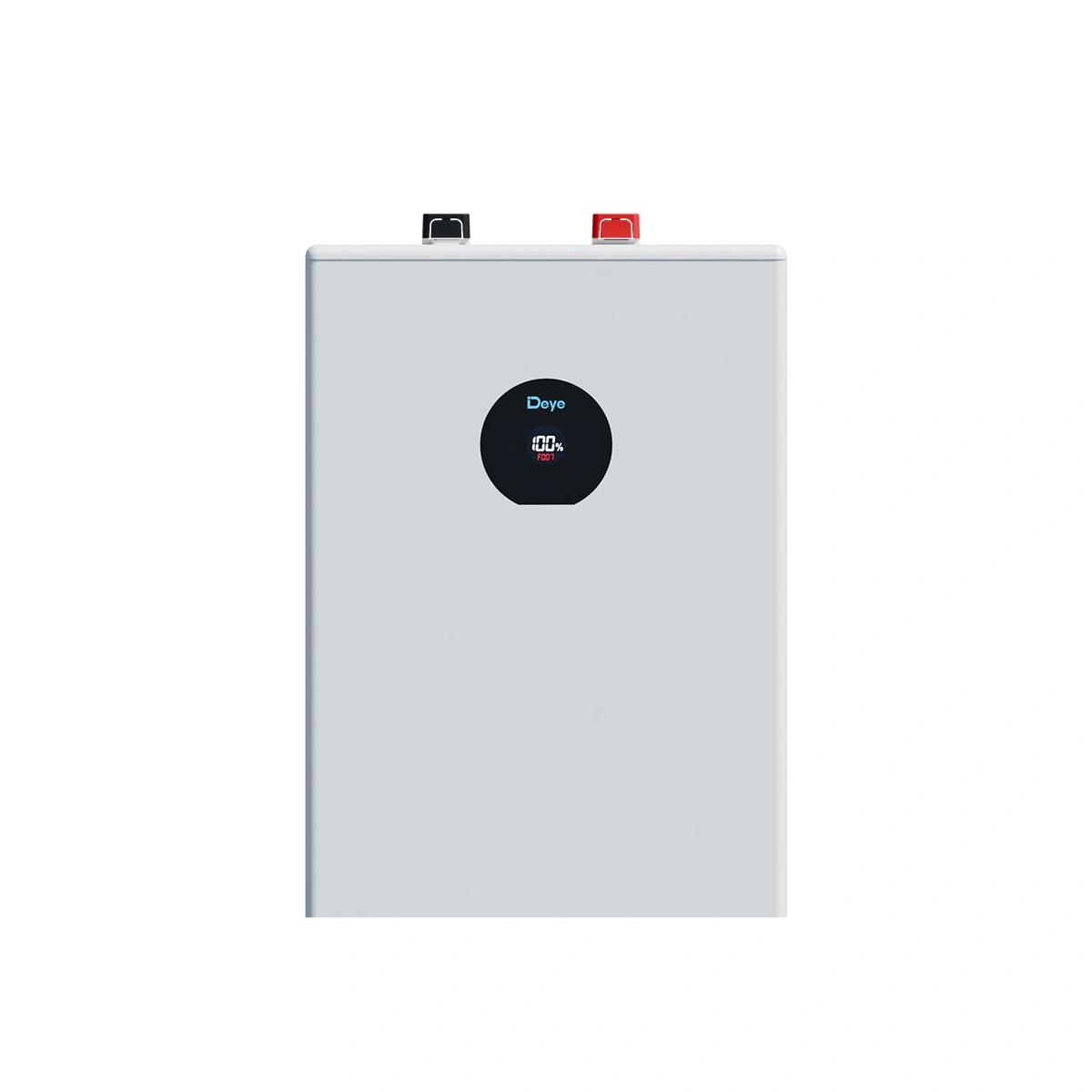

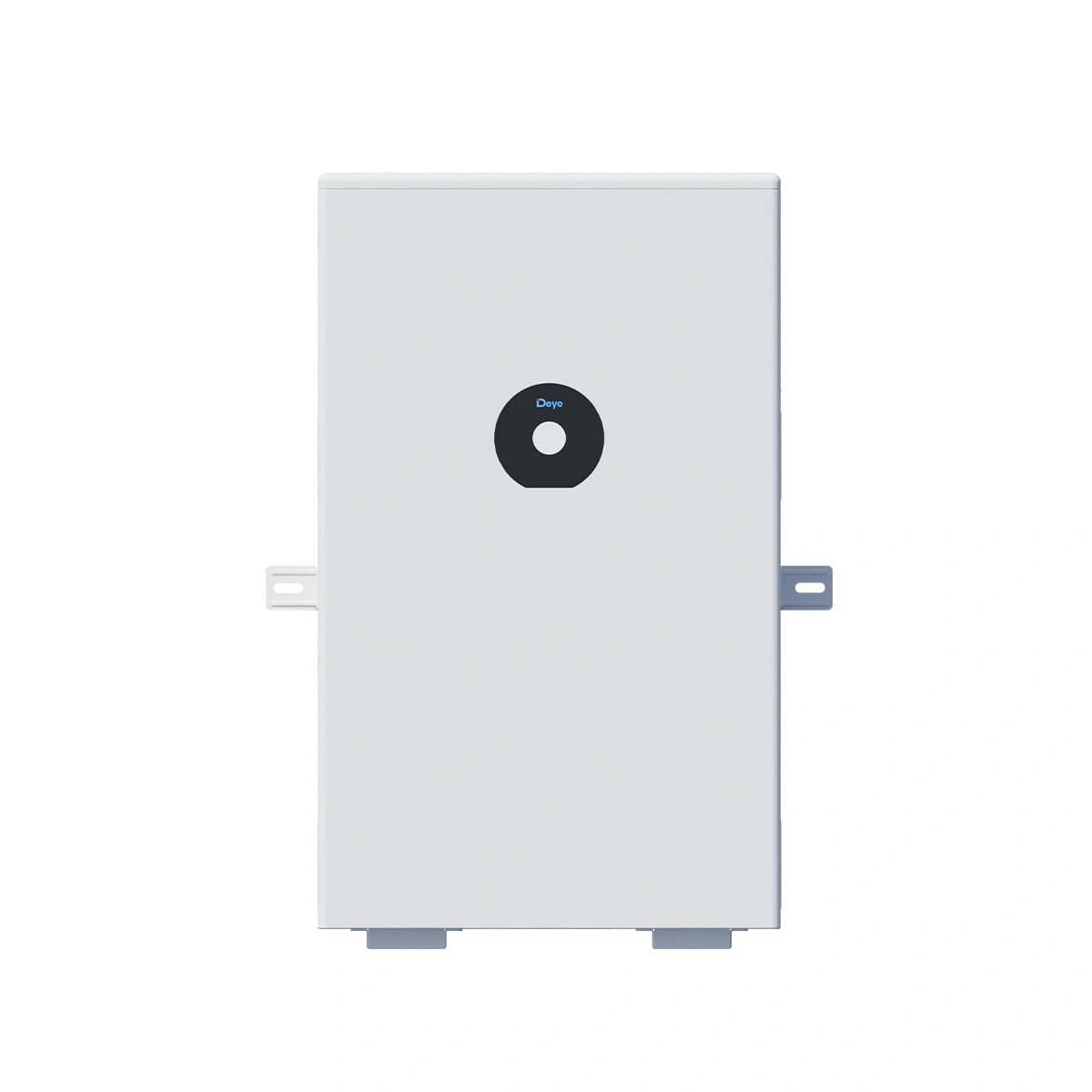
Deye SE-F12 Max Energy Storage System – (IP65) 11.8kWh LiFePO4 Solar Battery
In stock
New: 1692.88 €
0%


Fronius Reserva Pro 12.0 Battery Set 11.9 kWh | High-Voltage Energy Storage System
Available on backorder
New: 5759.88 €
0%


Fronius Reserva 12.6 kWh High-Voltage Solar Battery Set for Hybrid PV Systems
Available on backorder
New: 4159.88 €
0%
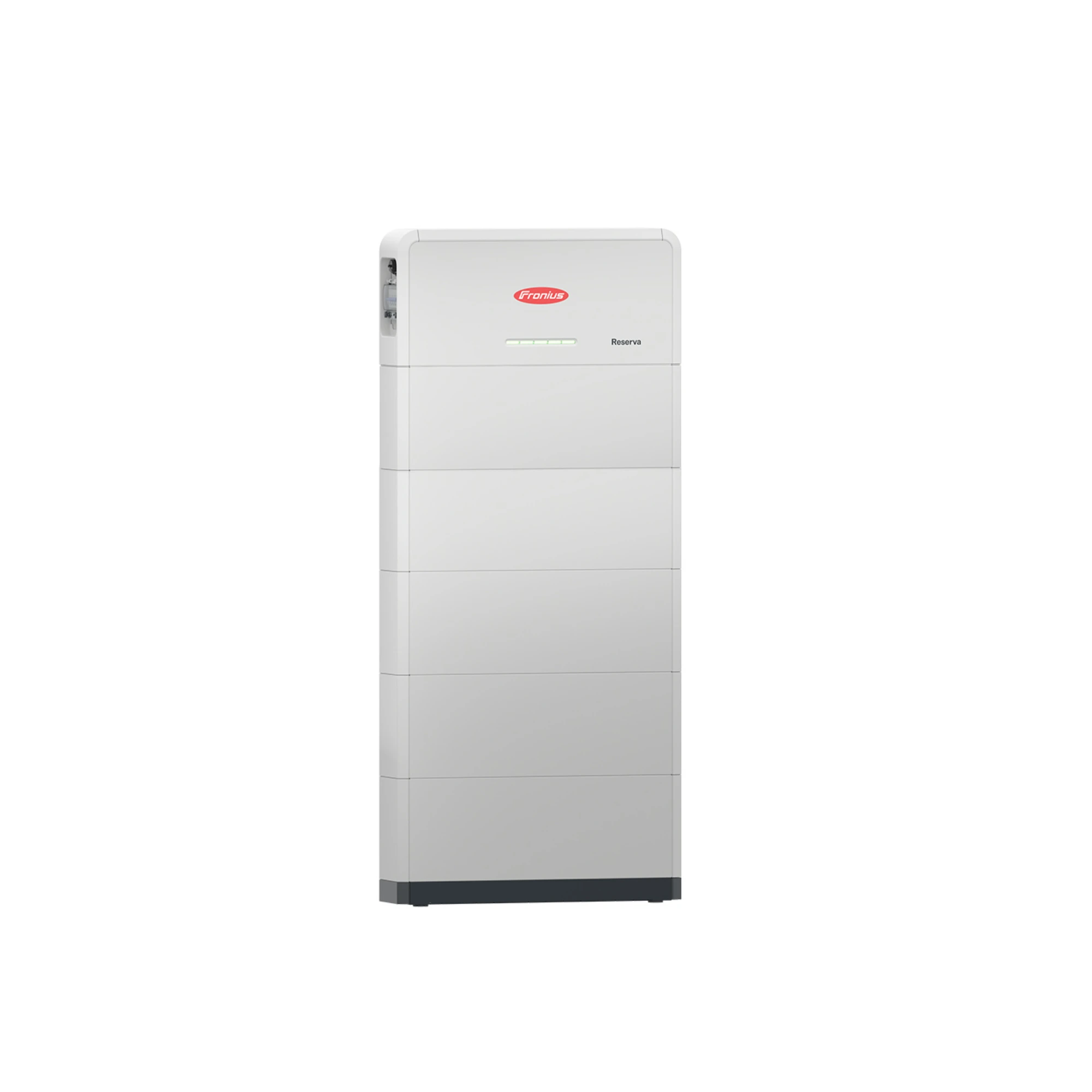
Fronius Reserva 15.8 kWh High-Voltage Solar Battery Set for Hybrid PV Systems
Available on backorder
New: 5159.88 €
0%
12–14 kWh Home Solar Batteries & Powerwall-Class Storage
Buy 12–14 kWh solar batteries, home battery storage systems and Powerwall-class energy storage solutions for residential PV installations, backup-ready homes and self-consumption projects. 3Buy Solar supplies installer-ready solar battery products for professional solar installers, qualified electricians, EPC contractors, solar wholesalers, solar distributors, resellers and procurement teams across Europe.
This category is built for residential and small commercial energy storage projects where one high-capacity solar battery can provide a practical storage range for everyday household consumption, solar self-consumption, backup preparation and hybrid inverter systems. Whether you are sourcing a 12 kWh battery, 13.5 kWh home battery, 14 kWh solar battery, LiFePO4 storage unit, wall-mounted battery, floor-standing battery or modular battery system, this category helps installers find the right solution for PV and energy storage-ready installations.
12–14 kWh is one of the most important capacity ranges in the residential solar battery market. It sits in the same practical class as well-known home battery systems used for solar energy storage, backup power and smart home energy management. A battery in this range can support higher self-consumption from solar panels, reduce grid dependence during evening hours and provide stored energy for selected household loads when designed with the correct inverter and electrical architecture.
Use this category when sourcing home solar batteries for:
- Residential solar PV systems
- Hybrid inverter installations
- Solar self-consumption projects
- Home backup-ready systems
- Whole-home backup designs where supported by system sizing
- Essential-load backup systems
- Powerwall-class battery storage
- 12 kWh solar battery projects
- 13.5 kWh home battery projects
- 14 kWh solar battery projects
- LiFePO4 residential storage systems
- Modular home energy storage
- Solar battery replacement or expansion
- Complete kits for installers and resellers
- Small commercial backup and self-consumption projects
- Energy storage-ready PV installations
12–14 kWh Solar Batteries for Professional Installers
12–14 kWh solar batteries are designed for homes and small commercial sites that need more usable storage than a basic entry-level battery but do not require a large commercial energy storage system. This capacity range is especially relevant for homes with solar panels, hybrid inverters, heat pumps, EV charging, evening consumption, backup requirements or higher daytime solar generation.
For professional installers, the key value of a 12–14 kWh home battery is that it offers a strong middle ground between compact residential batteries and larger multi-battery systems. It can often be used as a single main storage unit or as part of a modular system that can be expanded depending on the customer’s energy use and inverter compatibility.
A 12–14 kWh solar battery may be suitable for:
- Homes with medium to high electricity consumption
- Residential rooftop PV systems
- Hybrid inverter installations
- Solar self-consumption optimisation
- Backup-ready home energy systems
- Households with evening energy demand
- Homes with heat pumps or future electrification plans
- Small businesses with predictable loads
- Installers building complete solar battery kits
- Resellers and solar wholesalers stocking high-demand battery sizes
For installers and qualified electricians, system design is essential. Battery capacity alone does not define performance. The selected solar battery must match the inverter, charge and discharge power, system voltage, communication protocol, BMS requirements, backup design, cable sizing, mounting location and customer energy profile.
Why 12–14 kWh Is a Strong Home Battery Capacity Range
A 12–14 kWh battery provides a practical storage capacity for many residential solar PV systems. It is large enough to store a meaningful amount of excess solar energy during the day, while still being suitable for domestic installation spaces, wall-mounted or floor-standing battery formats and hybrid inverter systems.
This capacity range is especially useful for customers who want more than a small battery for basic evening use, but do not need a full commercial energy storage system. It is often considered a premium residential storage class and is closely associated with Powerwall-class home battery storage, where approximately 13.5 kWh has become a familiar reference point in the market. Tesla Powerwall 3, for example, is widely referenced with 13.5 kWh usable capacity, LFP chemistry and integrated hybrid inverter architecture.
A 12–14 kWh home solar battery can support:
- Higher solar self-consumption
- Reduced evening grid import
- Backup-ready home energy design
- Better use of rooftop solar generation
- Smart energy management
- Time-of-use tariff optimisation where available
- Load shifting
- Hybrid inverter system design
- Energy independence goals
- Complete residential PV and storage kits
The correct battery size should always be selected according to actual household consumption, PV system size, inverter output, backup requirement and customer expectations. A 12–14 kWh battery can be a strong fit for many homes, but it should not be described as automatically powering every load in every property.
Home Battery Storage and Backup-Ready Solar Systems
Home battery storage allows solar energy generated during the day to be stored and used later. In a standard grid-connected PV system without storage, unused solar energy may be exported to the grid. With a solar battery, more of that energy can be kept for evening use, night-time loads or backup-ready operation depending on the system design.
12–14 kWh batteries are commonly used for:
- Evening household consumption
- Night-time appliance loads
- Solar self-consumption improvement
- Backup-ready PV systems
- Essential-load backup circuits
- Hybrid inverter systems
- Battery-ready solar upgrades
- Time-of-use tariff management
- Energy monitoring and smart home control
- Residential complete kits
Backup capability depends on the battery, inverter, gateway, transfer switch, wiring, protection and electrical design. Some systems can support selected essential loads. Others may support wider home backup when correctly sized and installed. Tesla positions Powerwall as a home battery that can provide whole-home backup and protection during an outage, but real backup duration always depends on household consumption and system configuration.
For installers, the safest front-end wording is backup-ready or whole-home backup design where supported by the system, not a blanket promise that every 12–14 kWh battery powers an entire home.
Powerwall-Class Solar Battery Storage
Powerwall-class storage is a useful way to describe residential solar batteries in the 12–14 kWh range because many buyers compare home battery systems against well-known wall-mounted battery products. The term helps buyers understand that this category contains high-capacity residential storage solutions suitable for solar self-consumption, backup-ready design and home energy management.
A Powerwall-class solar battery normally refers to a home battery system with:
- Around 12–14 kWh battery capacity
- Wall-mounted or compact floor-standing design
- Residential PV compatibility
- Hybrid inverter or battery inverter integration
- Smart monitoring
- BMS protection
- Indoor or outdoor installation options depending on product
- Backup-ready system potential
- Expandable storage in selected systems
- Professional installation requirements
This category does not mean every product is a Tesla product. It means the products sit in the same residential storage class: high-capacity home battery systems for solar panels, solar inverter systems, solar battery projects, complete kits and energy storage-ready installations.
For installers, Powerwall-class wording is useful because it reflects real customer language while keeping procurement flexible across multiple solar battery brands and inverter platforms.
LiFePO4 Home Battery Systems
Many modern home battery systems use lithium iron phosphate battery chemistry, also known as LiFePO4 or LFP. This chemistry is widely used in stationary energy storage because it is known for stable operation, strong cycle life and suitability for residential and commercial battery applications. Current residential storage pages frequently reference LiFePO4 battery systems, CAN/RS485 communication, expandable capacity and IEC 62619 or CE certification depending on manufacturer documentation.
A 12–14 kWh LiFePO4 solar battery may include:
- Battery modules or integrated battery pack
- Battery Management System, BMS
- Wall-mounted or floor-standing enclosure
- Low-voltage or high-voltage architecture
- CAN communication
- RS485 communication
- Inverter compatibility list
- State-of-charge monitoring
- Over-voltage protection
- Under-voltage protection
- Over-current protection
- Temperature monitoring
- Short-circuit protection
- Remote monitoring where supported
- Expandable capacity depending on product family
For installers and EPC contractors, battery chemistry is only one part of the selection process. The battery must also be compatible with the solar inverter, communication protocol, voltage architecture, charge and discharge current, installation environment and warranty conditions.
Low-Voltage and High-Voltage 12–14 kWh Batteries
12–14 kWh solar batteries may be available in low-voltage or high-voltage system architectures depending on brand and inverter compatibility. The correct choice depends on the inverter platform, system design and installation requirements.
Low-voltage batteries are commonly used with:
- 48V or 51.2V battery systems
- Selected hybrid inverters
- Off-grid and backup-ready systems
- Modular residential battery banks
- Wall-mounted or rack-mounted battery formats
- Installer-friendly replacement and expansion projects
High-voltage batteries are commonly used with:
- Modern hybrid inverter platforms
- Higher-efficiency residential storage systems
- Modular stackable battery systems
- Larger PV and battery installations
- Battery systems requiring brand-specific inverter matching
- Complete kits with matched inverter and battery components
Before ordering, installers should confirm:
- Battery voltage architecture
- Inverter compatibility
- Communication protocol
- Battery capacity
- Usable capacity
- Charge and discharge current
- Maximum number of modules
- Installation location
- Cable and protection requirements
- Datasheets and warranty conditions
A 12–14 kWh battery is only suitable when the inverter and battery system are approved to work together. Compatibility should always be checked before installation.
12 kWh, 13.5 kWh and 14 kWh Battery Options
The 12–14 kWh category covers several closely related home battery capacities. These products are often compared by usable capacity, nominal capacity, power output, battery chemistry, warranty and inverter compatibility.
Typical capacity options may include:
- 12 kWh solar battery systems
- 12.8 kWh LiFePO4 batteries
- 13 kWh home battery storage
- 13.5 kWh Powerwall-class batteries
- 14 kWh solar battery systems
- 14.3 kWh low-voltage battery systems
- Modular batteries expandable beyond 14 kWh
- Battery kits matched with hybrid inverters
Some current home battery products in this market show capacities close to this range, such as 13.5 kWh home batteries, 14.3 kWh LiFePO4 batteries and 14.4 kWh modular home batteries.
For buyers, the important comparison is not only the headline kWh value. Installers should also compare:
- Usable capacity
- Nominal capacity
- Continuous charge power
- Continuous discharge power
- Peak power
- Battery chemistry
- Depth of discharge
- Cycle life
- Warranty
- Inverter compatibility
- Communication protocol
- Indoor or outdoor suitability
- Expandability
This makes the 12–14 kWh category especially useful for procurement teams because it groups similar home battery sizes into one practical buying range.
Solar Battery Applications for Homes and Small Businesses
12–14 kWh batteries can support several residential and light commercial energy storage applications. The correct use case depends on PV production, electricity tariffs, grid rules and backup requirements.
Typical applications include:
- Solar self-consumption
- Evening energy use
- Backup-ready residential PV systems
- Essential-load backup circuits
- Load shifting
- Time-of-use tariff optimisation
- Grid import reduction
- Battery-ready solar upgrades
- Hybrid inverter installations
- Off-grid and semi-off-grid projects where supported
- Small business energy storage
- Home energy independence
- Complete solar battery kits
For homeowners, the main value is usually better use of solar energy and reduced grid dependence. For installers, the value is stronger project scope: solar panels, solar inverter, solar battery, monitoring, protection, cables and installation accessories can be sold as a complete energy storage-ready system.
Solar Self-Consumption with 12–14 kWh Batteries
Solar self-consumption is one of the most important reasons to install a 12–14 kWh battery. During the day, solar panels may generate more electricity than the home is using. A battery stores part of that surplus and makes it available later.
This can help households:
- Use more of their own solar energy
- Reduce evening grid import
- Improve value from rooftop solar panels
- Support higher electrification at home
- Prepare for variable electricity tariffs
- Reduce export dependency
- Increase energy independence
- Improve system flexibility
For installers, self-consumption design should be based on measured or estimated household consumption. A home with high daytime usage may need a different battery strategy from a home with strong evening and night-time demand. The 12–14 kWh range is often attractive because it offers enough capacity for meaningful daily shifting without moving into commercial-scale storage.
Backup Power and Essential Loads
A 12–14 kWh battery can support backup-ready system design when paired with suitable inverter, switching and protection equipment. Backup performance depends on battery capacity, inverter output, load selection and power consumption during an outage.
Backup-ready systems may support:
- Lighting circuits
- Refrigeration
- Internet and communication
- Security systems
- Selected sockets
- Heating system controls
- Small appliances
- Home office loads
- Essential household circuits
Some backup systems are designed for selected essential loads. Others may be designed for broader home backup when the battery, inverter and electrical system are sized accordingly. A 13.5 kWh home battery may power a home for a limited period, but actual duration depends on the power demand of the connected loads. EnergySage notes that backup runtime is calculated from battery capacity and household energy use, which can vary significantly by home.
For installers, this means the customer should always be guided through load selection. A battery capacity figure alone does not guarantee whole-home backup.
12–14 kWh Batteries for Complete Kits
12–14 kWh solar batteries are well suited for complete residential PV and storage kits. A complete kit normally includes more than a battery and solar panels. It should include compatible inverter technology, protection devices, cables, connectors, monitoring and installation accessories.
A complete solar battery kit may include:
- Solar panels
- Hybrid inverter
- 12–14 kWh solar battery
- Battery cables
- DC solar cables
- AC protection
- DC protection
- Smart meter
- Monitoring equipment
- Backup gateway or transfer equipment where required
- Mounting system
- Connectors and wiring accessories
- Installation documentation
For installers and resellers, complete kits reduce sourcing time and improve system compatibility when the components are correctly matched. For solar wholesalers and solar distributors, this category supports higher-value kit building for residential PV and energy storage projects.
The battery must always be selected according to inverter compatibility, system voltage, communication protocol and customer energy requirements.
Wall-Mounted, Floor-Standing and Modular Battery Formats
12–14 kWh batteries may be supplied in different physical formats depending on brand and design. The installation format affects space planning, mounting requirements, service access and customer preference.
Common battery formats include:
- Wall-mounted home batteries
- Floor-standing battery units
- Stackable modular batteries
- Rack-mounted low-voltage batteries
- Outdoor-rated battery enclosures
- Indoor battery cabinets
- All-in-one hybrid battery systems
- Expandable modular storage systems
Wall-mounted systems are popular for clean residential installations and garage mounting. Floor-standing systems can simplify installation where wall structure or weight limits are a concern. Modular batteries are useful when installers need flexible capacity planning or future expansion.
Before installation, check:
- Battery weight
- Mounting surface
- Floor loading
- Clearance requirements
- Ventilation or thermal requirements
- Indoor or outdoor rating
- Protection from direct weather exposure
- Cable routing
- Service access
- Manufacturer installation instructions
For professional installers, physical installation planning is as important as electrical compatibility.
Inverter Compatibility and Communication
Solar battery compatibility depends heavily on the inverter. A 12–14 kWh battery may require a specific hybrid inverter, battery inverter or brand-approved inverter platform. The battery and inverter must communicate correctly through supported protocols such as CAN or RS485 depending on the product.
Before ordering a battery, installers should verify:
- Approved inverter compatibility
- Low-voltage or high-voltage architecture
- CAN communication support
- RS485 communication support
- Battery firmware compatibility
- BMS communication requirements
- Charge and discharge current limits
- Parallel expansion rules
- Maximum battery capacity per inverter
- Backup mode compatibility
- Monitoring platform compatibility
- Warranty requirements
Incorrect inverter matching can cause communication errors, reduced performance, charging limitations or warranty problems. For installers, this is one of the most important checks before purchasing any home battery storage system.
Battery Sizing for 12–14 kWh Home Storage
Battery sizing should be based on the customer’s real energy use and project goals. A 12–14 kWh battery can be a strong fit for many homes, but the correct system depends on PV system size, electricity consumption, inverter power and backup needs.
Installers should consider:
- Daily household electricity consumption
- Evening and night-time demand
- Solar PV system size
- Seasonal solar generation
- Heat pump usage
- EV charging plans
- Backup requirements
- Essential loads
- Time-of-use tariffs
- Grid export rules
- Battery usable capacity
- Maximum charge and discharge power
- Future system expansion
- Budget and payback expectations
A 12–14 kWh battery is often a good capacity range for homeowners who want a serious storage system rather than a small entry-level battery. It is also a useful range for installers building premium residential PV and storage offers.
Technical Buying Checklist for 12–14 kWh Solar Batteries
Use this checklist before buying a 12–14 kWh solar battery, home battery storage system or Powerwall-class storage product:
- Confirm nominal capacity
- Confirm usable capacity
- Confirm battery chemistry
- Confirm low-voltage or high-voltage architecture
- Confirm compatible solar inverter or hybrid inverter
- Confirm communication protocol
- Confirm BMS functions
- Confirm charge power
- Confirm discharge power
- Confirm backup capability
- Confirm essential-load or whole-home backup design
- Confirm maximum expansion capacity
- Confirm indoor or outdoor installation rating
- Confirm wall-mounted or floor-standing format
- Confirm cable and protection requirements
- Confirm smart meter requirements
- Confirm monitoring platform
- Confirm warranty terms
- Confirm datasheets and certification documents
- Confirm installation manual and commissioning process
- Confirm logistics, weight and handling requirements
This checklist helps installers, EPC contractors and procurement teams reduce wrong orders, compatibility issues, installation delays and customer expectation problems.
Safety, Warranty and Documentation
Solar batteries are technical energy storage products and should always be selected with safety, warranty and documentation in mind. Professional buyers should check product datasheets, installation manuals, compatibility lists, battery certification, warranty terms and commissioning requirements before ordering.
Important documentation may include:
- Product datasheet
- Installation manual
- Inverter compatibility list
- Warranty document
- Battery certification references
- CE documentation where applicable
- IEC 62619 reference where applicable
- Transport and handling information
- Commissioning guide
- Monitoring setup instructions
- Battery expansion rules
- Backup wiring guidance where supported
For installers and solar wholesalers, documentation is especially important because battery systems are high-value products that need correct installation, customer handover and long-term service confidence.
Why Professional Buyers Choose 12–14 kWh Solar Batteries from 3Buy Solar
3Buy Solar supplies 12–14 kWh solar batteries, home battery storage products, Powerwall-class batteries and energy storage accessories for professional PV buyers across Europe. This category is designed for installer procurement, complete kit building, solar wholesaler supply and energy storage-ready residential projects.
Professional installers, qualified electricians, EPC contractors, resellers, solar wholesalers and solar distributors choose 3Buy Solar for:
- 12–14 kWh home solar battery sourcing
- Powerwall-class energy storage products
- Solar batteries for residential PV systems
- Hybrid inverter and battery compatibility
- Complete kits for solar and storage projects
- LiFePO4 battery storage solutions
- Home backup-ready storage products
- Self-consumption battery systems
- B2B purchasing and recurring procurement
- European supply and logistics support
- Solar panels, solar inverter systems and batteries in one procurement path
- Technical product information for professional buyers
As a solar PV supplier, solar wholesaler and solar distributor, 3Buy Solar helps installers source solar batteries that support real project requirements. Solar panels, solar inverter systems, solar battery storage, complete kits and energy storage systems must be selected together to create a safe, reliable and customer-ready installation.
Related Solar Product Categories
- Solar Batteries
- Energy Storage
- Commercial Energy Storage
- Hybrid Inverters
- Solar Inverter
- Solar Panels
- Complete Kits
- Battery Cables
- Solar Cables and Wiring
- DC Protection
- AC Protection
- Monitoring
- Smart Meters
- EV Charging
- Mounting Systems
- Solar Accessories
Frequently Asked Questions About 12–14 kWh Solar Batteries
What is a 12–14 kWh solar battery used for?
A 12–14 kWh solar battery is used to store electricity from solar panels for later use. It can support solar self-consumption, evening energy use, backup-ready home systems, hybrid inverter installations and complete residential PV and storage kits.
Is a 12–14 kWh battery enough for a whole home?
A 12–14 kWh battery can support many household loads, but whether it is enough for a whole home depends on energy consumption, inverter output, backup design and which circuits are connected. Some systems support essential loads, while others may support wider home backup when correctly designed.
Why is this category called Powerwall-class storage?
Powerwall-class storage refers to home battery systems in the same practical capacity range as well-known residential batteries such as 13.5 kWh-class systems. It does not mean every product is made by Tesla. It describes high-capacity home solar batteries used for self-consumption, backup-ready systems and residential energy management.
What is the difference between nominal capacity and usable capacity?
Nominal capacity is the total rated energy capacity of the battery. Usable capacity is the amount of energy available for normal operation after the battery management system reserves capacity for protection and long-term battery health.
Are 12–14 kWh batteries suitable for solar self-consumption?
Yes. 12–14 kWh solar batteries are well suited for storing excess solar energy during the day and using it later in the evening or at night. This can help reduce grid import and improve the value of rooftop solar panels.
Can a 12–14 kWh battery provide backup power?
A 12–14 kWh battery can provide backup power when paired with suitable inverter, switching, protection and electrical design. Backup capability must be confirmed for the exact battery and inverter system before installation.
Are 12–14 kWh solar batteries compatible with all hybrid inverters?
No. Solar battery compatibility depends on voltage architecture, communication protocol, firmware, BMS requirements and the inverter manufacturer’s approved battery list. Installers must check compatibility before ordering.
Are these batteries low-voltage or high-voltage?
12–14 kWh batteries may be available in low-voltage or high-voltage formats depending on the product. Low-voltage systems are often based around 48V or 51.2V architecture, while high-voltage batteries are used with specific hybrid inverter platforms.
What battery chemistry is common in 12–14 kWh solar batteries?
Many modern home solar batteries use LiFePO4 battery chemistry because it is widely used in stationary energy storage. The exact chemistry should always be checked in the product datasheet.
Can 12–14 kWh batteries be used in complete kits?
Yes. 12–14 kWh batteries are suitable for complete solar and storage kits when paired with compatible solar panels, hybrid inverters, protection devices, cables, monitoring and installation accessories.
Who should buy from this category?
This category is built for professional solar installers, qualified electricians, EPC contractors, solar wholesalers, solar distributors, resellers and procurement teams sourcing 12–14 kWh solar batteries and home battery storage products across Europe.
Why buy 12–14 kWh solar batteries from 3Buy Solar?
3Buy Solar supplies 12–14 kWh solar batteries, Powerwall-class battery storage, home energy storage systems and related accessories for professional European PV projects, including residential rooftops, hybrid inverter systems, complete kits, solar battery-ready projects and energy storage installations.