EV Accessories and Mounting


Heat Pumps and AC




Heat Pumps and Air Conditioning for Solar-Ready Buildings
Buy professional heat pumps, air conditioning systems and HVAC solutions for residential, commercial and light industrial projects. 3Buy Solar supplies heat pumps and AC products for qualified installers, electricians, HVAC contractors, EPC companies, solar wholesalers, solar distributors, resellers and procurement teams across Europe.
This category is built for efficient heating, cooling, domestic hot water preparation, building electrification and solar-ready energy systems. Whether you are sourcing an air-to-water heat pump for a home renovation, a split air conditioner for residential cooling, a multi-split system for several rooms, a commercial AC system for offices or a heat pump solution that works alongside solar panels, solar inverter systems, solar batteries and energy storage, this category helps you select the right equipment for professional installation.
Modern heat pumps and air conditioning systems are no longer only comfort products. They are part of a wider energy strategy for buildings. A correctly selected heat pump can reduce fossil-fuel heating demand, improve building efficiency and work together with solar PV generation. A high-quality air conditioning system can deliver efficient cooling, heating support, humidity control and year-round comfort.
Use this category when sourcing products for:
- Air-to-water heat pump installations
- Air-to-air heat pump systems
- Split air conditioning systems
- Multi-split air conditioning systems
- Residential heating and cooling projects
- Commercial HVAC installations
- Domestic hot water heat pump systems
- Solar-ready heating and cooling projects
- Hybrid energy systems
- PV plus heat pump applications
- Solar battery and energy storage-ready buildings
- Office and retail climate control
- Hotel and hospitality projects
- Small commercial buildings
- Electrification and boiler replacement projects
- Installer stock and recurring procurement
Heat Pumps and AC Systems for Installers, Electricians and HVAC Contractors
Heat pumps and air conditioning systems require correct product selection, system sizing, electrical planning and installation. For professional installers, the right unit depends on the building type, heating load, cooling load, insulation level, domestic hot water requirement, available outdoor space, indoor unit placement, refrigerant type, noise limits, electrical connection and control strategy.
This product category is designed for professional buyers who need reliable equipment for real projects, not generic climate-control browsing. Installers, electricians and HVAC contractors need products that are technically suitable, documented and compatible with the planned installation.
Typical professional applications include:
- Residential heat pump installations
- Commercial heating and cooling projects
- Split AC installation
- Multi-room air conditioning
- Air-to-water heat pump systems
- Air-to-air heat pump systems
- Heat pump replacement projects
- Boiler replacement and electrification
- Domestic hot water preparation
- Solar PV and heat pump integration
- Energy storage-ready buildings
- Commercial comfort cooling
- Office climate control
- Retail and hospitality HVAC
- Service and replacement projects
For solar installers and EPC contractors, heat pumps and air conditioning systems are especially relevant because they can be integrated into wider energy solutions with solar panels, solar inverter systems, solar batteries, complete kits and energy storage. In many projects, the customer is not only buying heating or cooling. They are investing in a more efficient building energy system.
What Are Heat Pumps and Air Conditioning Systems?
Heat pumps are electrically powered systems that move heat from one place to another. In heating mode, they extract heat from outdoor air, ground or water and deliver it into the building. In cooling mode, some heat pump systems can reverse operation and remove heat from the indoor space.
Air conditioning systems are used for cooling, heating support, dehumidification and indoor comfort. Many modern AC units also operate as air-to-air heat pumps, meaning they can provide both cooling in summer and heating during milder seasons.
This category may include equipment such as:
- Air-to-water heat pumps
- Air-to-air heat pumps
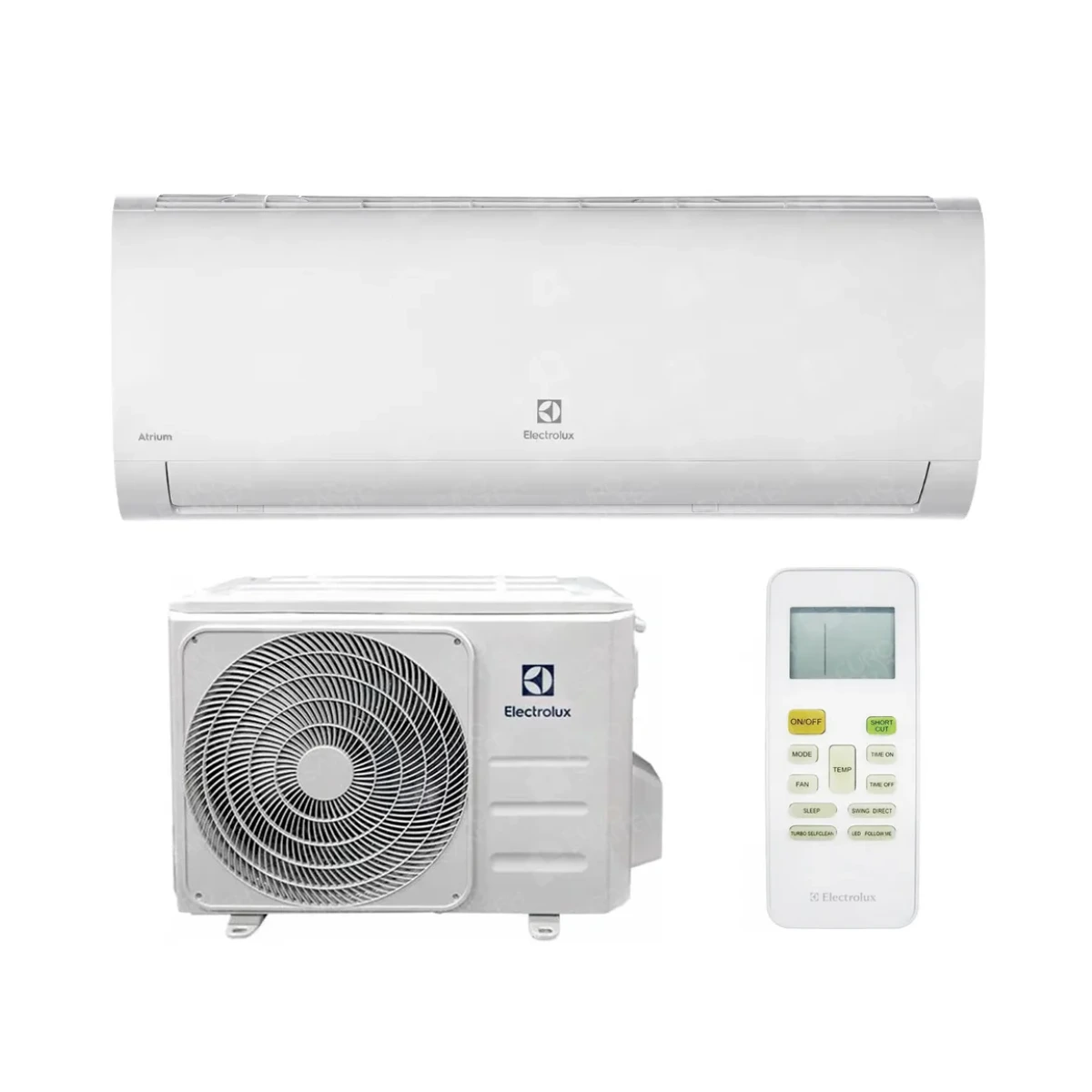
- Split air conditioners
- Multi-split AC systems
- Outdoor heat pump units
- Indoor wall-mounted units
- Floor-standing indoor units
- Ducted indoor units
- Cassette indoor units
- Domestic hot water heat pumps
- Commercial AC systems
- Light commercial HVAC systems
- Heat pump accessories
- AC installation accessories
- Mounting brackets
- Condensate pumps
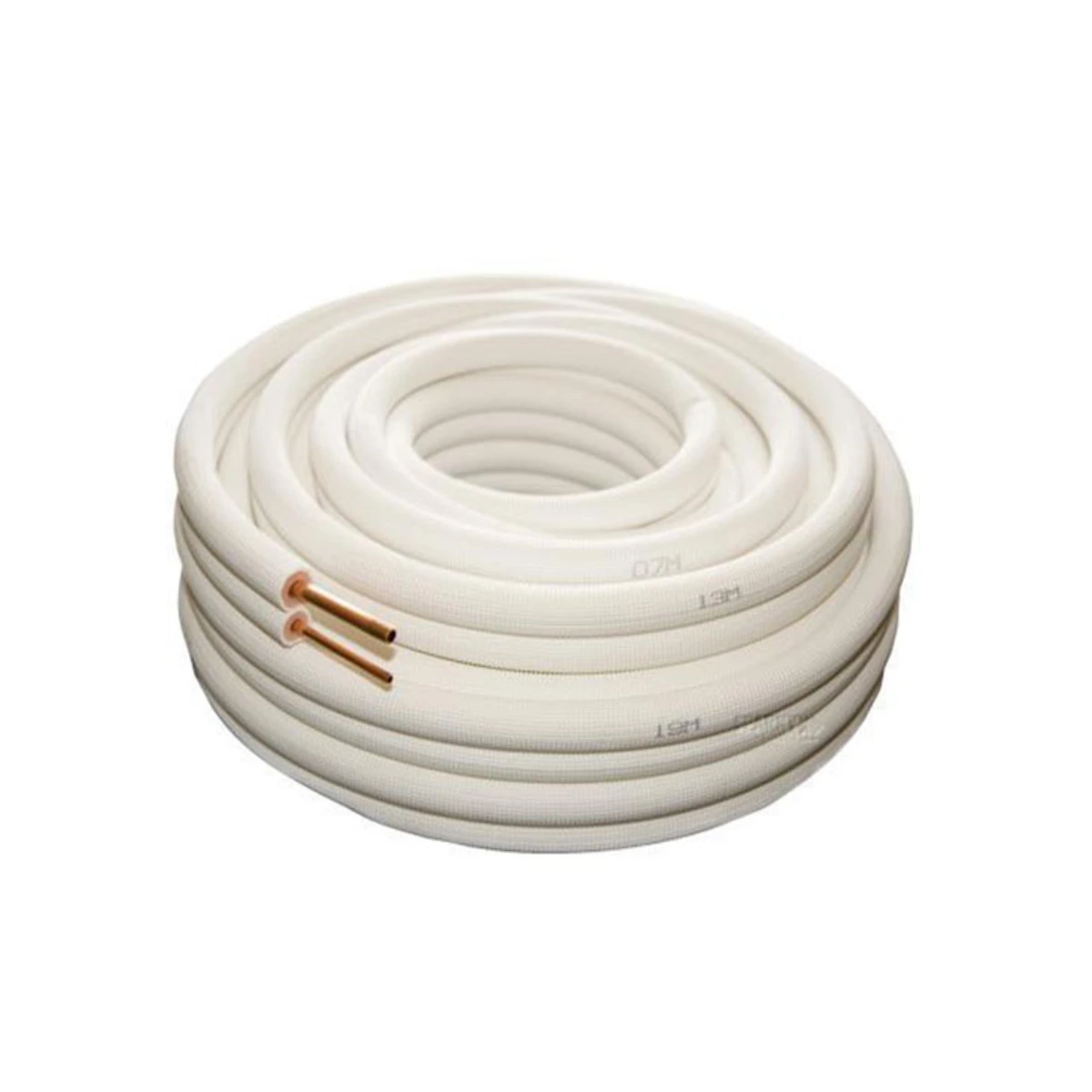
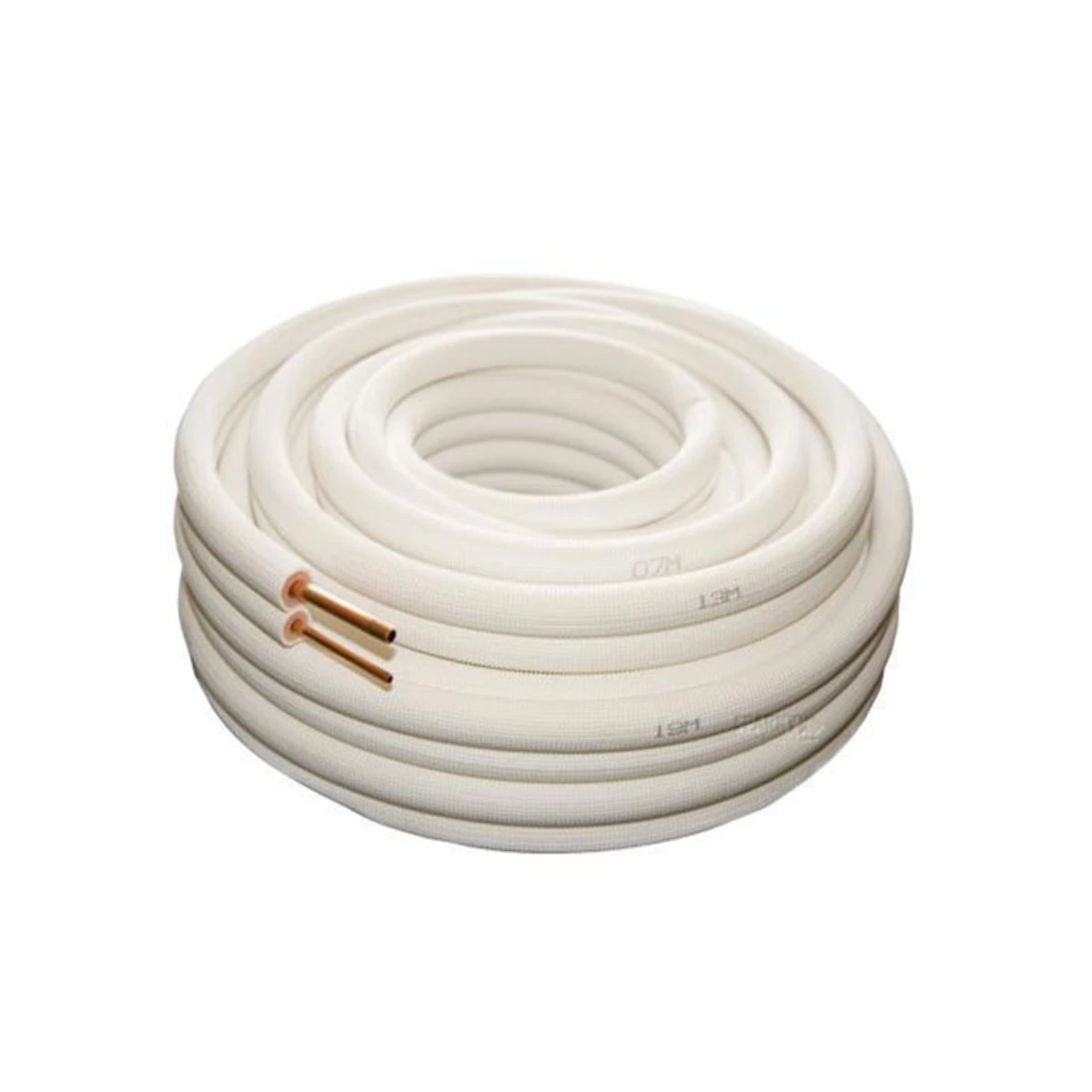
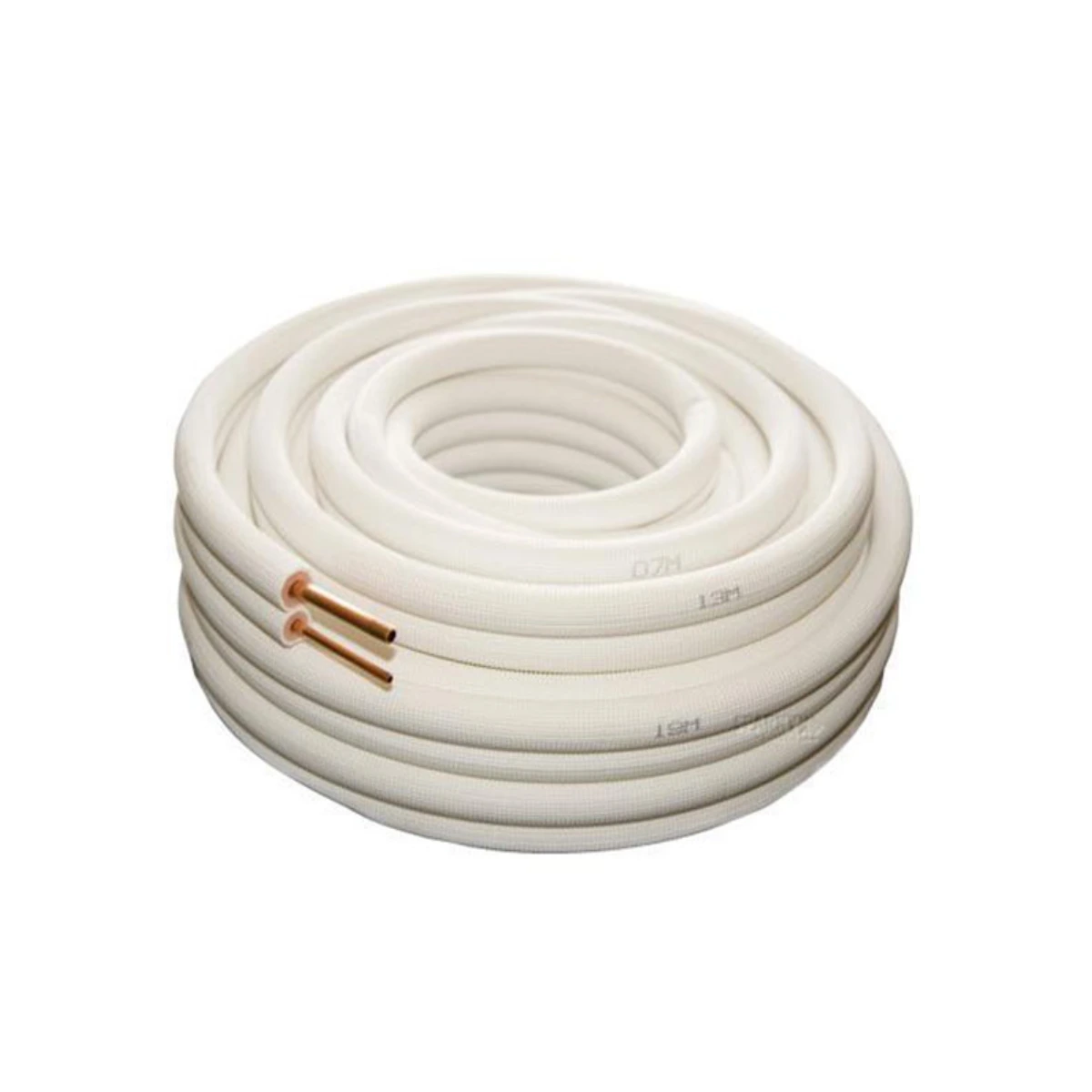
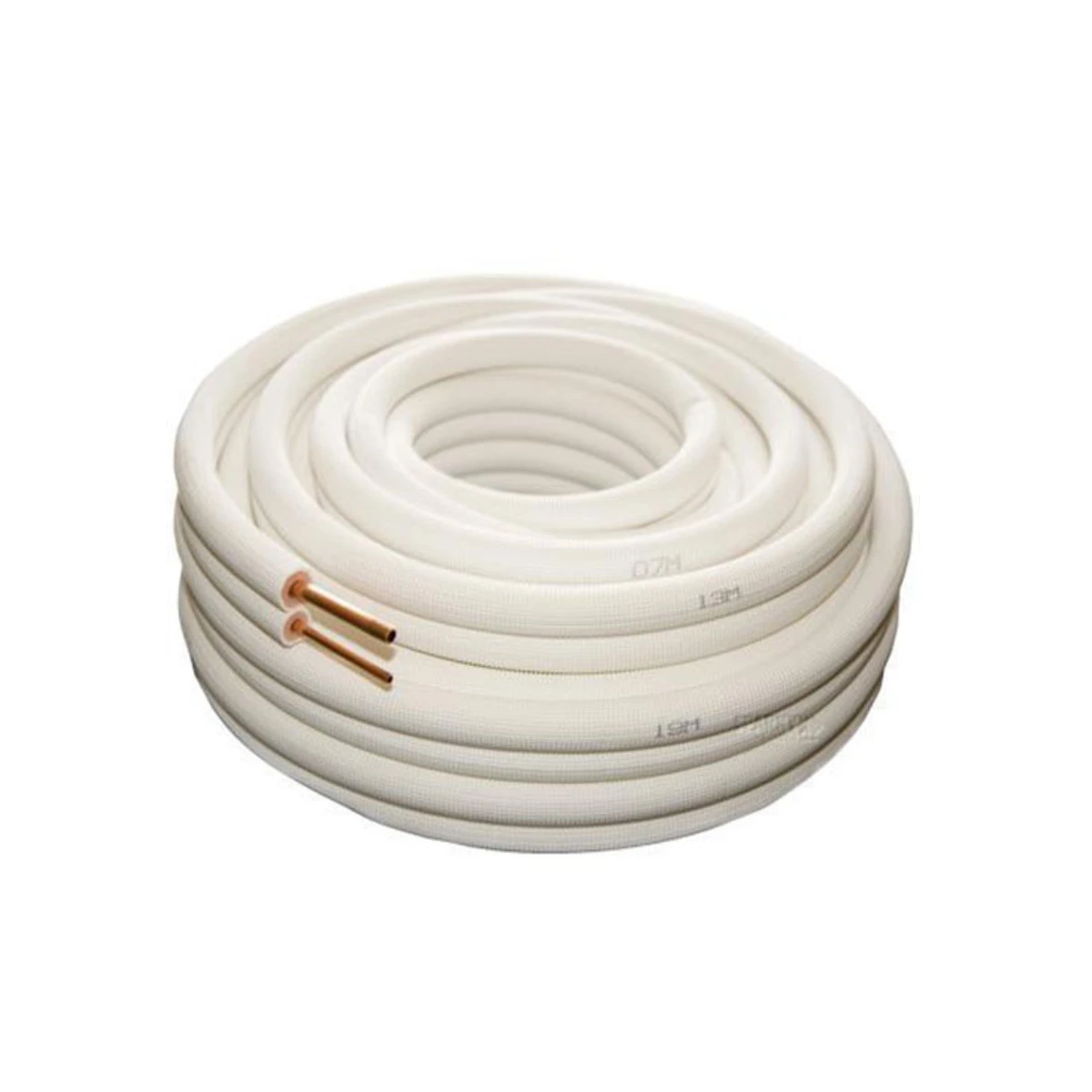
- Refrigerant piping accessories
- Controls and monitoring accessories
For installers, the key difference between product types is application. Air-to-water heat pumps are typically used for space heating, underfloor heating, radiators, buffer tanks and domestic hot water. Air-to-air heat pumps and split AC systems are usually used for room heating and cooling through indoor air units. Commercial AC systems may be used for offices, shops, hotels, server rooms, meeting rooms and light commercial buildings.
Air-to-Water Heat Pumps
Air-to-water heat pumps are used to provide space heating and, depending on system design, domestic hot water. They extract heat from outdoor air and transfer it into a water-based heating system. This makes them suitable for underfloor heating, low-temperature radiators, buffer tanks, domestic hot water cylinders and hybrid building energy systems.
Air-to-water heat pumps are commonly used in:
- Residential homes
- Renovation projects
- New-build homes
- Small commercial buildings
- Offices
- Hospitality buildings
- Agricultural buildings
- Low-temperature heating systems
- Domestic hot water applications
- Solar PV and heat pump projects
- Boiler replacement projects
- Energy-efficient building upgrades
Installer-relevant selection points include:
- Heating capacity in kW
- COP and SCOP values
- Flow temperature
- Domestic hot water capability
- Monoblock or split design
- Refrigerant type
- Noise level
- Outdoor unit dimensions
- Hydraulic connection requirements
- Electrical connection requirements
- Backup heater options
- Control and monitoring compatibility
- Buffer tank or cylinder compatibility
- Installation climate zone
- Service access and maintenance requirements
Air-to-water heat pumps work especially well in projects where the heating system is designed for lower flow temperatures. For installers and qualified electricians, correct sizing is essential. An oversized or undersized unit can reduce efficiency, increase cycling, raise operating costs and create customer dissatisfaction.
Air-to-Air Heat Pumps and Split Air Conditioning
Air-to-air heat pumps and split air conditioners are used to heat or cool indoor spaces directly through indoor units. These systems are common in homes, apartments, offices, shops, workshops, hospitality rooms and small commercial buildings.
A split AC system typically includes one outdoor unit and one indoor unit. A multi-split system connects one outdoor unit to several indoor units, allowing several rooms or zones to be controlled separately.
Common applications include:
- Residential room cooling
- Heating support during shoulder seasons
- Office cooling
- Retail climate control
- Hospitality rooms
- Meeting rooms
- Small server or technical rooms
- Workshops and small business spaces
- Multi-room comfort systems
- Renovation projects where water-based heating is not practical
Installer-relevant selection points include:
- Cooling capacity in kW or BTU
- Heating capacity
- SEER and SCOP rating
- Indoor unit type
- Outdoor unit size
- Pipe length limits
- Refrigerant type
- Noise level
- Electrical supply
- Condensate drainage
- Wi-Fi or smart control options
- Multi-split compatibility
- Installation height and airflow direction
- Maintenance access
For customers, split AC and air-to-air heat pump systems offer fast comfort improvement. For installers and resellers, they are practical products because they can be matched to room size, building use, efficiency class and installation type.
Monoblock and Split Heat Pump Systems
Heat pumps may be supplied as monoblock or split systems. The correct choice depends on the installation design, installer qualification, refrigerant handling requirements, indoor space, outdoor space and project preferences.
Monoblock heat pumps place the refrigerant circuit inside the outdoor unit. Water pipes connect the outdoor unit to the indoor heating system. This can simplify certain installations because refrigerant handling on site may be reduced depending on the product and local requirements.
Split heat pumps separate the refrigerant circuit between indoor and outdoor components. These systems may offer installation flexibility but usually require refrigerant work by qualified professionals.
Monoblock systems may be suitable for:
- Residential heating upgrades
- Outdoor unit-focused installations
- Projects with suitable frost protection planning
- Installations where indoor technical space is limited
- Simple hydraulic integration where product design allows
Split systems may be suitable for:
- Projects needing flexible indoor/outdoor placement
- Installations with longer pipe routing
- Systems requiring indoor hydraulic or refrigerant components
- Professional HVAC installation teams with refrigerant certification
- Projects where manufacturer design supports split architecture
Installers should always check manufacturer documentation, local regulations and system requirements before selecting monoblock or split heat pump equipment.
Heat Pumps for Solar PV and Energy Storage Integration
Heat pumps are highly relevant for solar PV projects because they use electricity to provide heating, cooling or domestic hot water. When combined with solar panels, solar inverter systems and energy storage, a heat pump can help increase on-site use of solar energy and reduce dependence on fossil fuels.
Solar-ready heat pump applications include:
- Using daytime solar PV generation for heating
- Domestic hot water preparation from solar electricity
- Smart heat pump scheduling
- Increasing self-consumption from solar panels
- Reducing grid electricity use
- Pairing with solar battery systems
- Heating and cooling complete kits
- Hybrid inverter and heat pump projects
- Home energy management systems
- Commercial solar plus HVAC projects
A heat pump should not be selected only by price or capacity. For solar-ready buildings, installers should also consider smart controls, operating schedules, electrical load, solar PV production, battery capacity and the customer’s energy tariff.
For solar installers and EPC contractors, heat pumps create a strong opportunity to expand beyond solar panels and inverters into whole-building energy solutions.
Heat Pumps and AC for Residential Projects
Residential heat pump and AC projects vary widely depending on building size, insulation, heating system, customer comfort expectations and available budget. A small apartment may need only a split AC system, while a detached home may need a full air-to-water heat pump with domestic hot water and solar PV integration.
Residential applications include:
- Home heating
- Domestic hot water
- Room cooling
- Bedroom and living-room AC
- Multi-room split systems
- Underfloor heating supply
- Low-temperature radiator systems
- Boiler replacement
- Solar PV self-consumption
- Solar battery-ready home energy systems
- Backup-ready energy upgrades
- Renovation and retrofit projects
For installers, residential heat pump selection should start with heat-loss calculation, hot water demand, indoor comfort requirements, outdoor unit position, electrical supply and noise considerations. For AC systems, room size, insulation, window orientation, pipe route, condensate drainage and indoor unit placement are important.
Heat Pumps and AC for Commercial Buildings
Commercial buildings need reliable heating and cooling systems that support comfort, efficiency and operating cost control. Offices, shops, hotels, schools, clinics, restaurants and light industrial buildings may all require different HVAC system designs.
Commercial applications include:
- Office heating and cooling
- Retail air conditioning
- Hotel room climate control
- Restaurant and hospitality cooling
- Small commercial heat pump systems
- Light industrial HVAC
- Meeting room AC
- Server room cooling
- Staff room and workshop climate control
- Commercial hot water preparation
- Solar PV and HVAC integration
- Energy storage-ready commercial buildings
For commercial projects, installers must consider operating hours, occupant load, internal heat gains, ventilation, zoning, electrical capacity, noise limits and service access. Commercial buyers often need reliable product availability, clear documentation and repeatable system families for multiple locations or projects.
For solar wholesalers and solar distributors, heat pumps and AC systems create a strong product category because they connect building electrification with solar PV, energy storage and complete energy solutions.
Heat Pump and AC Efficiency: COP, SCOP, SEER and Energy Class
Efficiency is one of the most important buying factors for heat pumps and air conditioning systems. Professional installers need to compare products using the correct metrics.
Important efficiency terms include:
- COP: coefficient of performance at a specific test condition
- SCOP: seasonal coefficient of performance for heating efficiency
- EER: cooling efficiency at a specific condition
- SEER: seasonal cooling efficiency
- Energy class: EU label efficiency class depending on product type
- Heating capacity in kW
- Cooling capacity in kW or BTU
- Sound power level
- Seasonal performance in different climate zones
COP shows the ratio between heating output and electrical input at a defined operating point. SCOP gives a seasonal heating efficiency value and is more useful for comparing annual heating performance. For AC systems, SEER is used to compare seasonal cooling efficiency.
Installers should compare heat pumps and AC units using the same conditions. A unit may have a strong COP at mild outdoor temperature but perform differently in colder conditions or at higher water flow temperature. For air-to-water systems, flow temperature is especially important because lower flow temperatures usually improve efficiency.
Refrigerants: R32, R290 and Low-GWP HVAC Selection
Refrigerant selection is becoming more important in European heat pump and air conditioning procurement. Many current systems use refrigerants such as R32 or R290, depending on the product type and manufacturer design. R290, also known as propane, is a natural refrigerant with very low global warming potential, while R32 is commonly used in many modern heat pump and AC systems.
Installer-relevant refrigerant considerations include:
- Refrigerant type
- GWP value
- Product safety requirements
- Installation location
- Charge amount
- Service requirements
- Indoor or outdoor unit design
- Local regulations
- Manufacturer documentation
- Installer certification requirements
Refrigerant choice should always follow the product design and legal installation requirements. For professional installers and qualified electricians, this is not only an environmental topic. It affects transport, installation, safety distances, service, maintenance and customer documentation.
Domestic Hot Water Heat Pump Solutions
Some heat pump systems can support domestic hot water production, either through an air-to-water heat pump connected to a cylinder or through a dedicated domestic hot water heat pump. These systems are relevant for homes, apartments, small commercial buildings, hospitality sites and renovation projects.
Domestic hot water applications include:
- Residential hot water preparation
- Heat pump cylinder systems
- Solar PV-assisted water heating
- Hotels and guest houses
- Small commercial hot water demand
- Renovation projects
- Boiler replacement
- Energy-efficient water heating
- Smart scheduling with PV production
For installers, domestic hot water design must consider cylinder capacity, household or business demand, legionella control, flow temperature, backup heating, available installation space and electrical supply. When combined with solar panels and solar battery storage, domestic hot water heating can become part of a wider energy management strategy.
Heat Pumps and AC Accessories
Heat pump and air conditioning installations require more than the main unit. Accessories help with mounting, drainage, electrical connection, pipework, control, protection and service.
Depending on product availability, this category may connect with accessories such as:
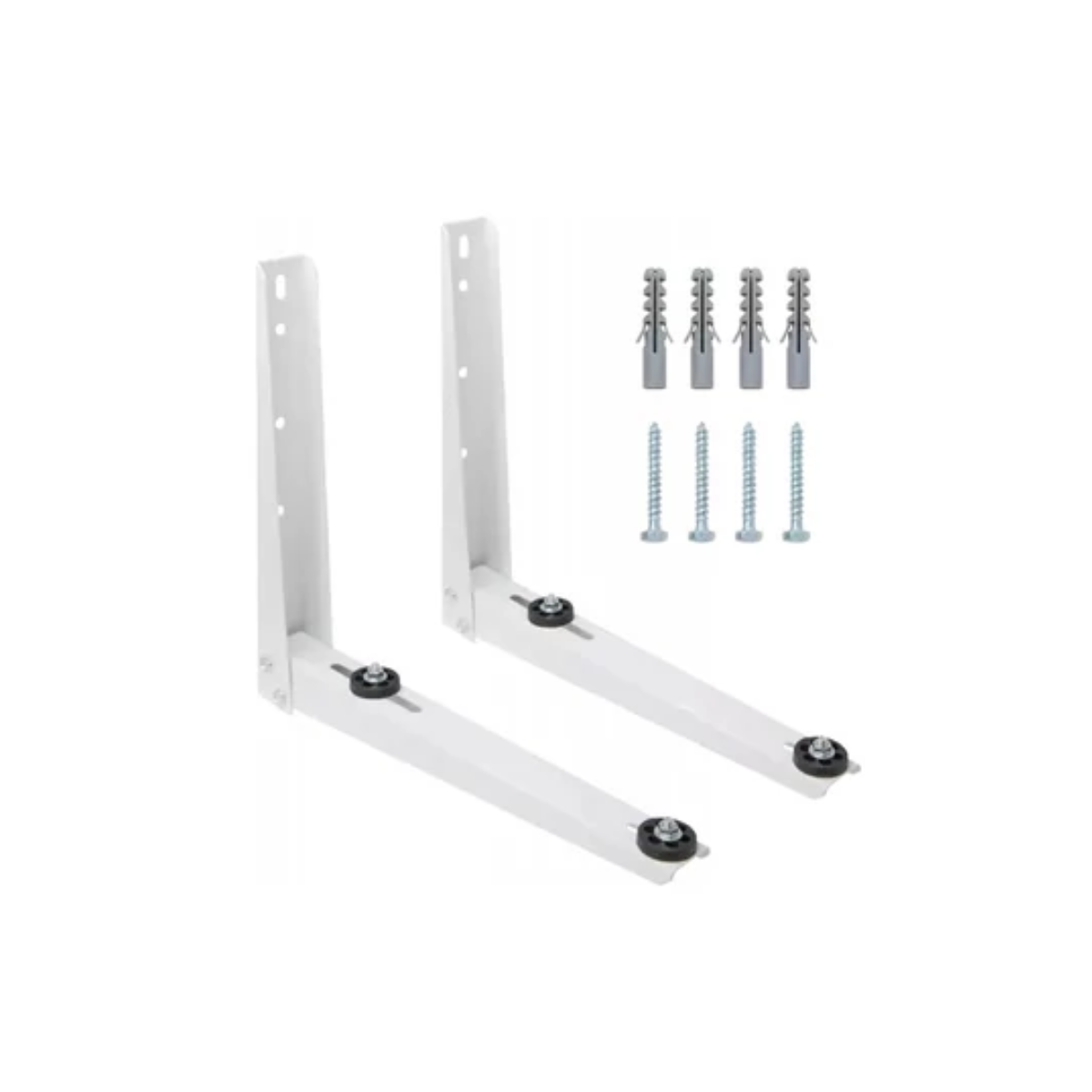
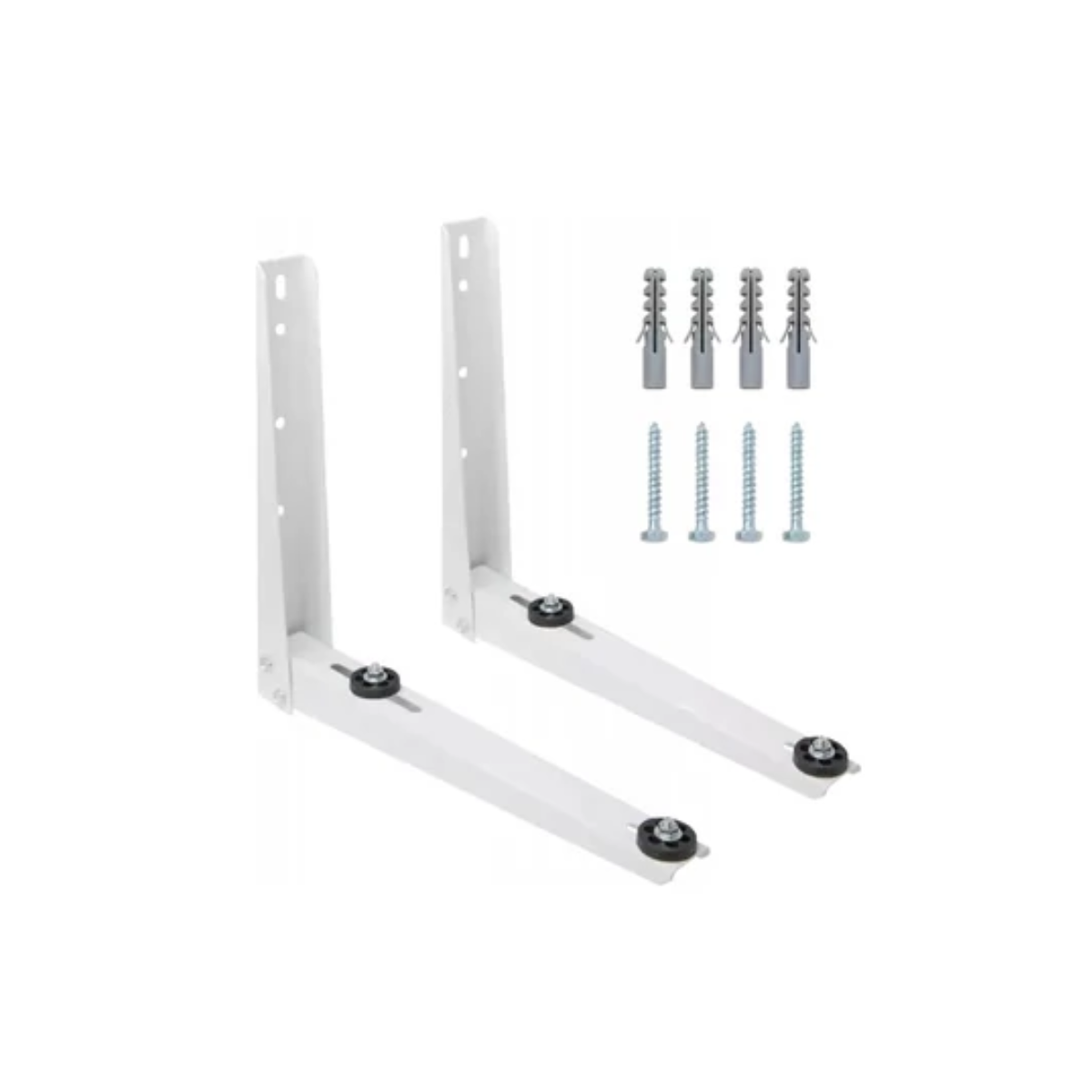
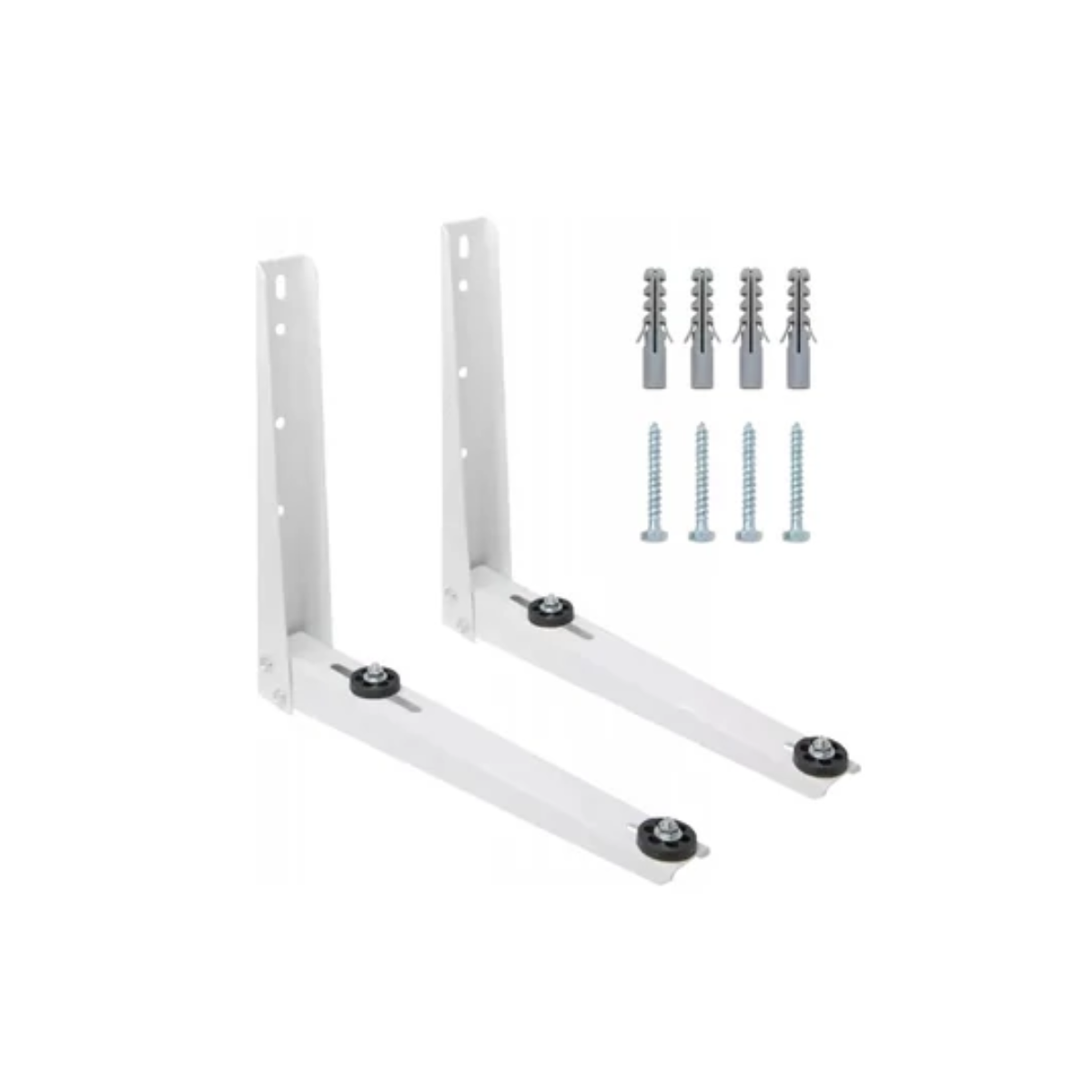
- Wall brackets
- Ground stands
- Anti-vibration feet
- Condensate pumps
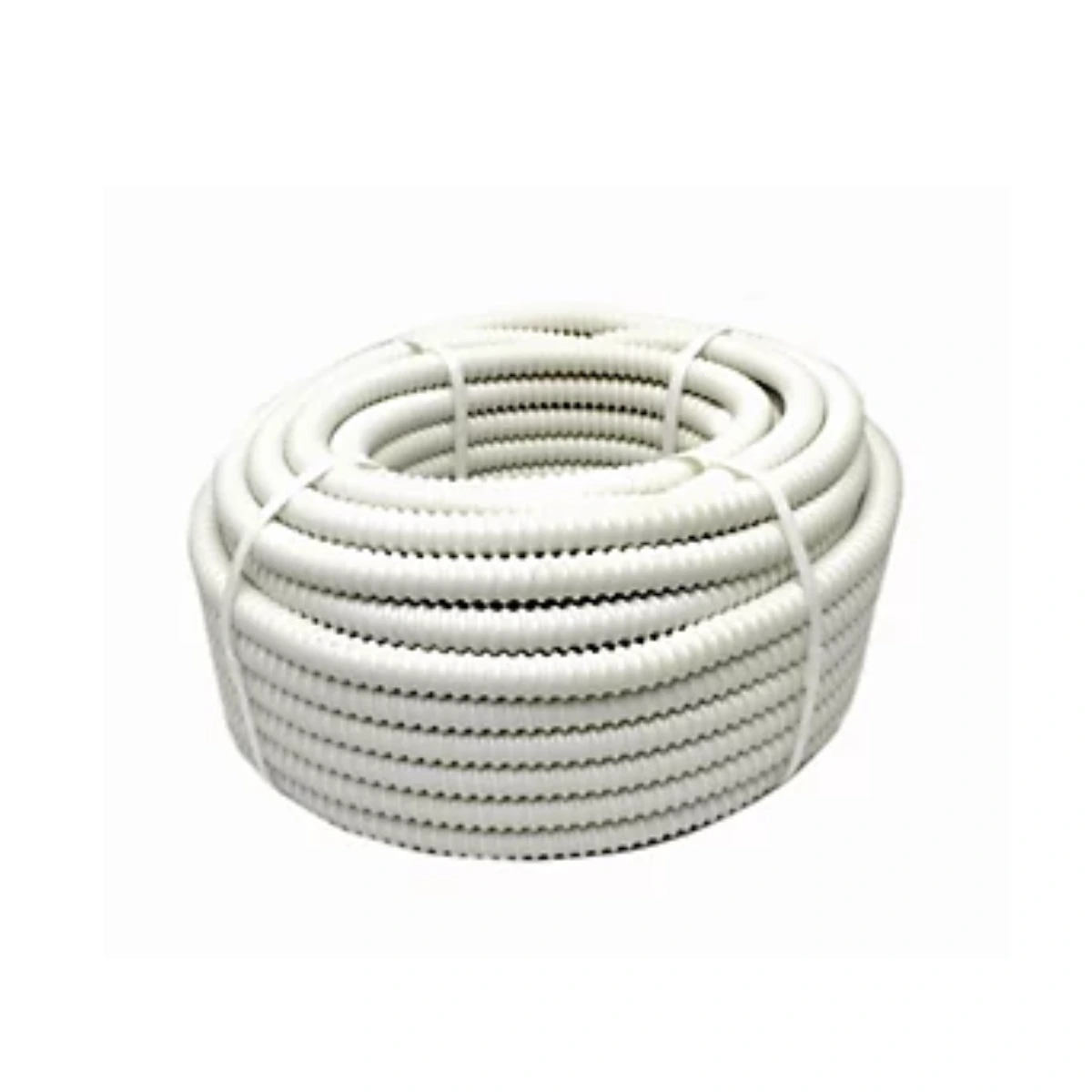
- Condensate drain pipe
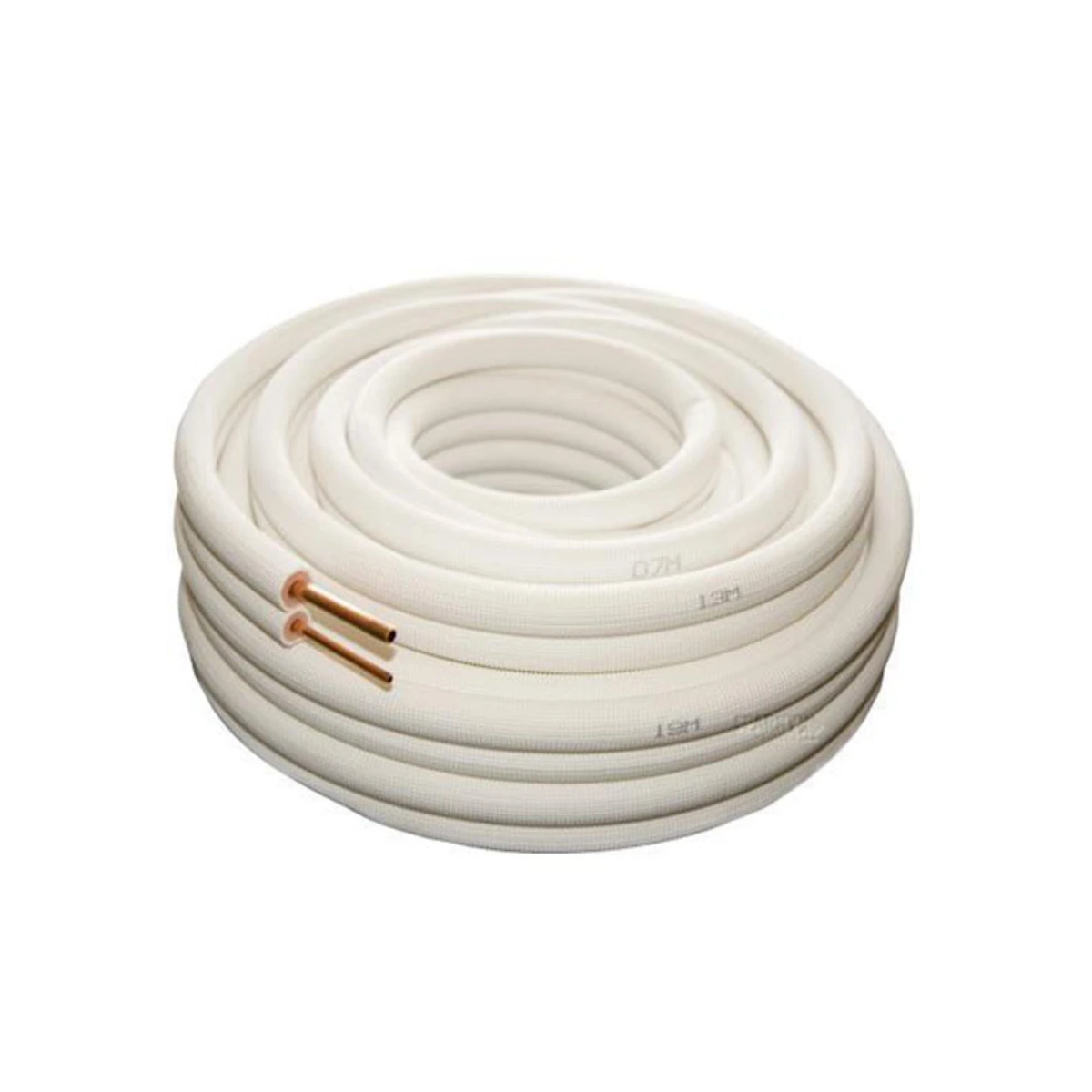
- Refrigerant pipe sets
- Pipe insulation
- Cable and wiring accessories
- Electrical protection components
- Smart thermostats
- Room controllers
- Wi-Fi modules
- Outdoor unit covers
- Mounting rails
- Installation kits
- Service tools
- Cleaning accessories
- Drain trays
- Hydraulic accessories for heat pumps
- Buffer tanks and cylinders where available
For installers, ordering the correct accessories together with the heat pump or AC system reduces delays. A missing bracket, condensate pump, pipe set, cable or controller can slow down installation even when the main unit is already delivered.
Heat Pumps and AC for Complete Kits
Heat pumps and air conditioning systems can be part of broader complete kits for efficient buildings. In solar-ready projects, HVAC products may be supplied alongside solar panels, solar inverter systems, solar batteries, mounting systems, monitoring and electrical accessories.
A complete heating, cooling and solar-ready package may include:
- Heat pump or AC system
- Solar panels
- Solar inverter
- Hybrid inverter
- Solar battery
- Energy storage system
- Smart meter
- Monitoring system
- AC protection
- DC protection
- Solar cables and wiring
- Heat pump electrical connection products
- Mounting accessories
- Smart controls
- Installation accessories
For installers and resellers, complete kits reduce sourcing time and simplify procurement. For customers, they provide a more coordinated energy solution instead of separate products purchased from different suppliers.
Technical Buying Checklist for Heat Pumps and AC Systems
Use this checklist before buying a heat pump, split AC, multi-split system or HVAC product:
- Confirm heating demand
- Confirm cooling demand
- Confirm domestic hot water requirement
- Confirm building type and insulation level
- Confirm room size or building load
- Confirm monoblock, split or multi-split design
- Confirm heating and cooling capacity
- Confirm COP, SCOP, SEER and energy class
- Confirm refrigerant type
- Confirm sound level
- Confirm indoor and outdoor unit dimensions
- Confirm pipe length and height difference limits
- Confirm electrical supply requirements
- Confirm condensate drainage
- Confirm controller or thermostat compatibility
- Confirm solar PV integration requirement
- Confirm solar battery or energy storage compatibility
- Confirm installation accessories
- Confirm service and maintenance access
- Confirm documentation and warranty terms
This checklist helps reduce wrong orders, sizing mistakes, installation delays and customer comfort issues.
Why Professional Buyers Choose Heat Pumps and AC from 3Buy Solar
3Buy Solar supplies heat pumps, air conditioning systems and HVAC-related products for professional buyers across Europe. This category is designed for installers, electricians, HVAC contractors, EPC companies, resellers, solar wholesalers and solar distributors who need efficient heating and cooling products connected to modern energy systems.
Professional buyers choose 3Buy Solar for:
- Heat pumps for solar-ready buildings
- Split AC and air-to-air heat pump products
- Air-to-water heat pump solutions
- Residential and commercial HVAC procurement
- Products suitable for solar PV integration
- Heating and cooling products for complete kits
- Energy storage-ready building projects
- B2B purchasing and recurring procurement
- European supply and logistics support
- Product categories connected with solar panels, solar inverter systems and solar batteries
- Technical product information for installers and resellers
As a solar PV supplier, solar wholesaler and solar distributor, 3Buy Solar helps professional buyers source energy products that support efficient buildings. Heat pumps and AC systems work best when selected together with the right electrical design, solar PV system, controls, wiring and accessories.
Related Solar and HVAC Product Categories
- Solar Panels
- Solar Inverter
- Hybrid Inverters
- Solar Batteries
- Energy Storage
- Complete Kits
- Solar Cables and Wiring
- AC Protection
- DC Protection
- Smart Meters
- Monitoring
- EV Charging
- Mounting Systems
- Solar Accessories
- Electrical Supplies
Frequently Asked Questions About Heat Pumps and Air Conditioning
What is the difference between a heat pump and an air conditioner?
A heat pump can move heat in both directions, meaning it can provide heating and, in many systems, cooling. An air conditioner is mainly used for cooling, although many modern split AC systems also work as air-to-air heat pumps for heating support.
What is an air-to-water heat pump?
An air-to-water heat pump extracts heat from outdoor air and transfers it into a water-based heating system. It can be used for underfloor heating, low-temperature radiators, buffer tanks and domestic hot water depending on the system design.
What is an air-to-air heat pump?
An air-to-air heat pump transfers heat between outdoor air and indoor air. It is commonly used in split AC and multi-split systems to provide room heating and cooling through indoor units.
Can heat pumps work with solar panels?
Yes. Heat pumps can work very well with solar panels because they use electricity to provide heating, cooling or domestic hot water. A solar PV system can help supply part of the electricity used by the heat pump.
Can heat pumps be used with solar batteries?
Yes. A heat pump can be used in a building with solar battery storage, depending on system design. Solar batteries can help store PV energy for later use, while smart controls can help schedule heat pump operation when solar generation is available.
What does COP mean for a heat pump?
COP means coefficient of performance. It shows the ratio between heating output and electrical input at a specific operating point. A higher COP means the heat pump produces more heat for each unit of electricity under that test condition.
What does SCOP mean?
SCOP means seasonal coefficient of performance. It shows the seasonal heating efficiency of a heat pump and is more useful than COP for comparing expected heating performance over a heating season.
What does SEER mean for air conditioning?
SEER means seasonal energy efficiency ratio. It is used to compare seasonal cooling efficiency for air conditioning systems. A higher SEER usually indicates better cooling efficiency.
What refrigerants are common in heat pumps and AC systems?
Modern heat pumps and air conditioning systems may use refrigerants such as R32 or R290 depending on the product design. Installers should always check manufacturer documentation, safety requirements and local regulations before installation.
Are heat pumps suitable for commercial buildings?
Yes. Heat pumps can be used in offices, shops, hotels, schools, workshops, agricultural buildings and other commercial sites. Correct sizing, zoning, electrical planning and installation design are essential.
Can AC systems provide heating?
Many modern split AC systems can provide heating because they operate as air-to-air heat pumps. They are often used for heating support in homes, offices, shops and small commercial buildings.
Who should buy from this category?
This category is built for professional installers, qualified electricians, HVAC contractors, EPC companies, solar wholesalers, solar distributors, resellers and procurement teams sourcing heat pumps, air conditioning systems and solar-ready HVAC products across Europe.
Why buy heat pumps and AC from 3Buy Solar?
3Buy Solar supplies heat pumps, air conditioning systems and HVAC-related products for professional European projects, including residential buildings, commercial properties, solar PV installations, complete kits, solar battery-ready homes and energy storage-ready buildings.