EV Accessories and Mounting


Battery BMS & Controllers

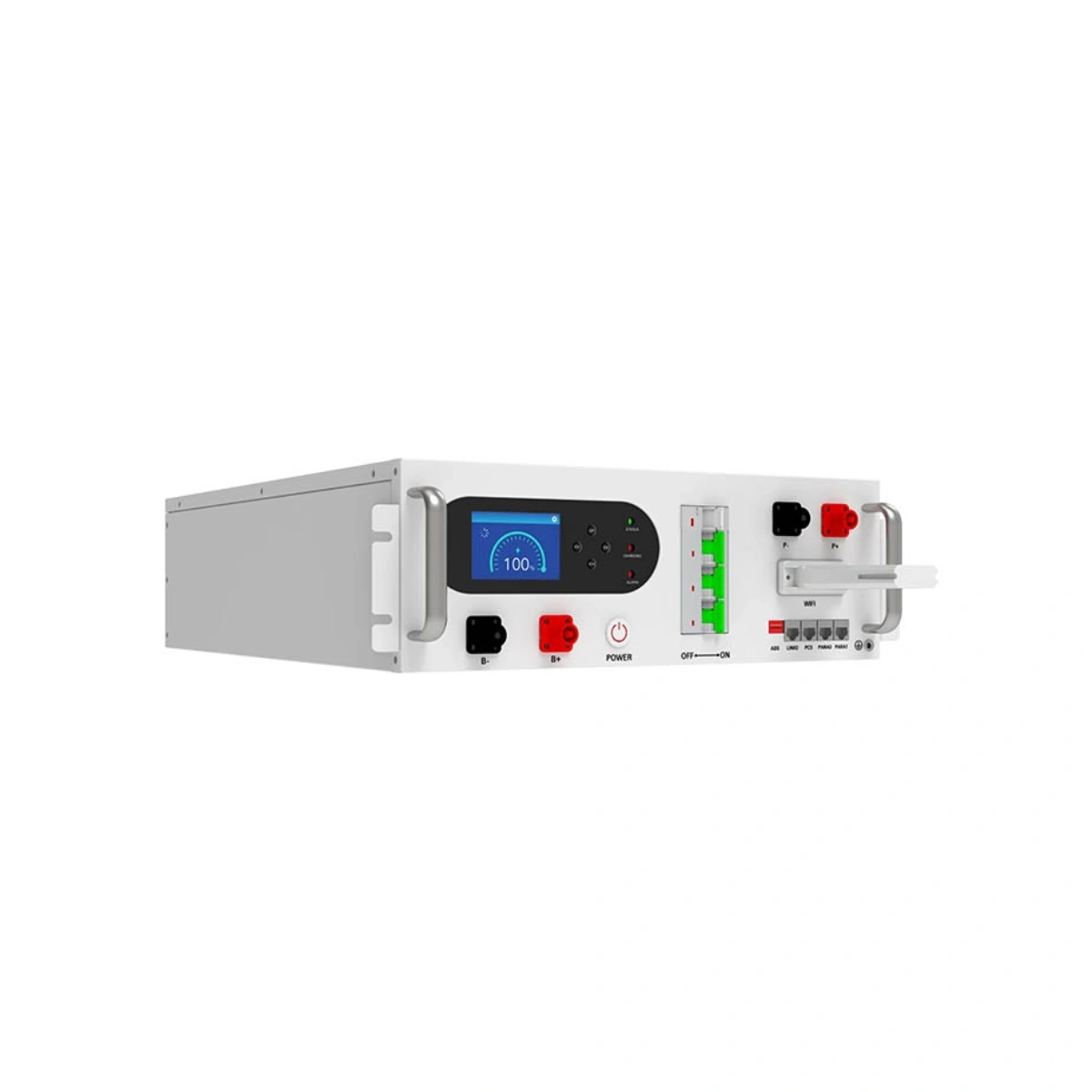


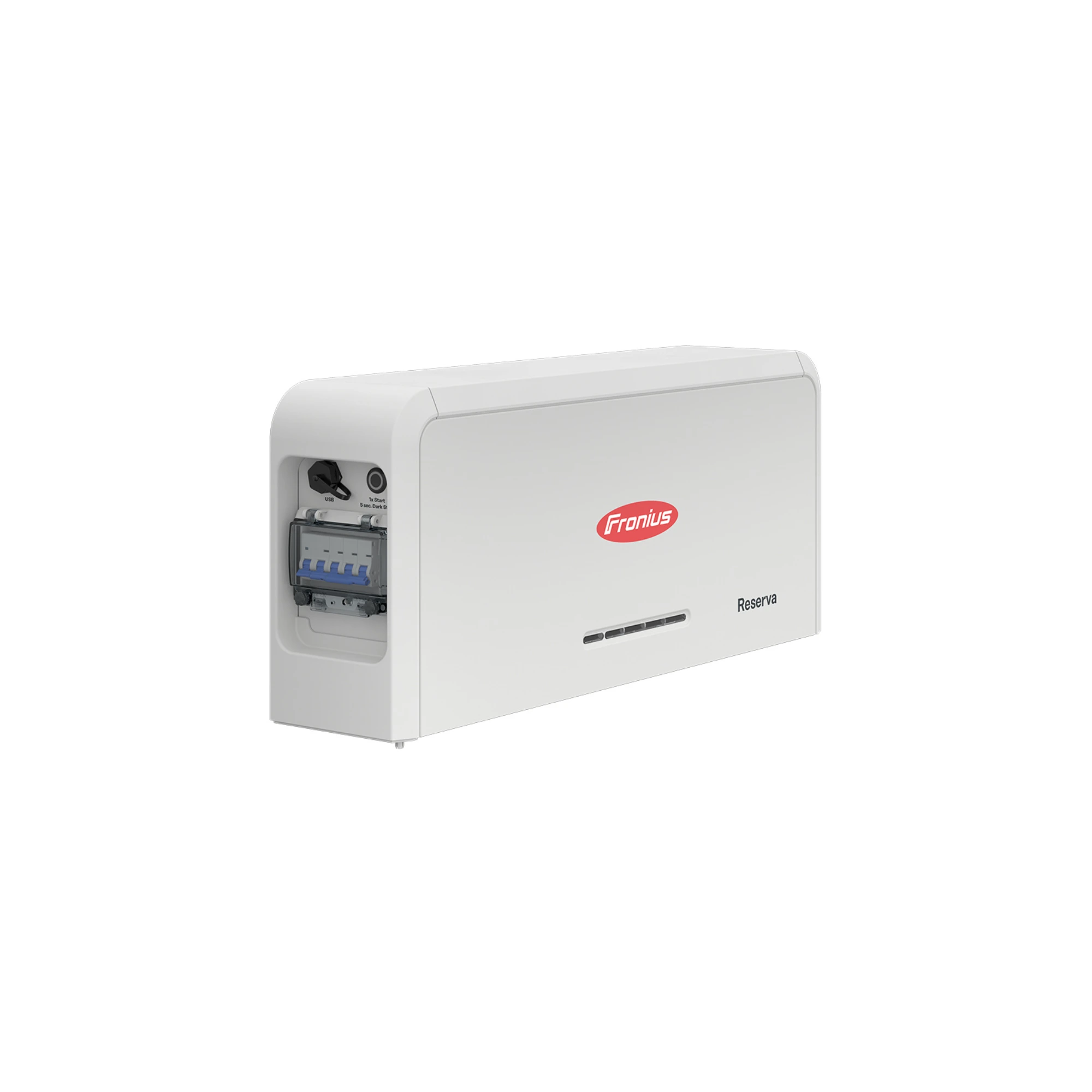
Battery BMS and Controllers for Solar Battery and Energy Storage Systems
Buy professional Battery BMS and battery controllers for solar battery systems, lithium battery packs, hybrid inverter installations, energy storage systems and complete solar PV kits. 3Buy Solar supplies battery management components for professional solar installers, qualified electricians, EPC contractors, solar wholesalers, solar distributors, resellers and energy storage procurement teams across Europe.
This product category is built for professional buyers who need reliable control, protection, monitoring and communication components for solar battery and energy storage projects. Battery BMS units and controllers help manage lithium battery operation, cell balancing, charging and discharging limits, temperature monitoring, inverter communication, state of charge data and system-level protection.
In modern solar PV and ESS installations, the battery management system is not an optional accessory. It is one of the most important control layers in the battery system. A correctly selected BMS helps protect battery cells from overvoltage, undervoltage, overcurrent, short circuit, overheating, deep discharge and communication errors. It also supports safer integration between the solar battery, solar inverter, hybrid inverter, energy management system and monitoring platform.
Use this category when sourcing Battery BMS and controller products for:
- Solar battery systems
- Lithium battery packs
- LiFePO4 battery systems
- Low-voltage battery storage
- High-voltage battery storage
- Hybrid inverter installations
- Residential energy storage systems
- Commercial battery storage systems
- Complete kits with solar battery integration
- Off-grid solar systems
- Backup power systems
- Battery cabinet projects
- Battery module monitoring
- Battery-to-inverter communication
- CAN bus and RS485 communication
- Battery protection and balancing
- Service, maintenance and replacement work
Battery BMS and controllers are especially important in energy storage systems where solar panels, solar inverter systems, solar batteries and monitoring equipment must operate together as one controlled system.
Battery BMS for Professional Solar and ESS Installers
A Battery Management System, or BMS, is the electronic control system that monitors and manages a rechargeable battery pack. In solar energy storage applications, the BMS helps supervise battery cells, protect the pack, balance cell voltages, communicate with the inverter and maintain safe operation across the battery’s operating range.
Current technical references and supplier pages describe BMS functions around cell voltage monitoring, current monitoring, temperature monitoring, state of charge, state of health, protection logic, cell balancing and communication with inverters or energy management platforms. These are core requirements in lithium battery and energy storage applications.
Professional installers use BMS and controller products in:
- Residential solar battery systems
- Commercial energy storage systems
- Lithium battery pack assembly
- Battery cabinet integration
- Hybrid inverter projects
- Off-grid solar installations
- Backup-ready PV systems
- Complete kits with energy storage
- Service and replacement projects
- ESS monitoring and communication upgrades
- Battery module expansion projects
- Industrial self-consumption systems
For installers and qualified electricians, BMS selection should be based on battery chemistry, system voltage, number of cells in series, current rating, inverter compatibility, communication protocol, protection functions and manufacturer documentation. A BMS that is not compatible with the battery or inverter can prevent communication, reduce usable capacity, trigger faults or create safety risks.
What Does a Battery BMS Do?
A Battery BMS manages the electrical and operational behaviour of the battery pack. In practical installer terms, the BMS acts as the battery’s control and protection layer.
A professional Battery BMS may support:
- Cell voltage monitoring
- Pack voltage monitoring
- Charge current control
- Discharge current control
- Overvoltage protection
- Undervoltage protection
- Overcurrent protection
- Short-circuit protection
- Temperature monitoring
- Overtemperature protection
- Low-temperature charge protection
- Cell balancing
- State of charge estimation
- State of health estimation
- Cycle data monitoring
- Fault detection
- Alarm and shutdown logic
- CAN bus communication
- RS485 communication
- UART communication
- Bluetooth monitoring
- LCD or display integration
- Inverter communication
- Parallel battery module communication
- Energy management system integration
In energy storage systems, BMS communication is especially important. Modern BMS units may communicate with hybrid inverters, monitoring platforms, PC software, Bluetooth apps, EMS systems or SCADA platforms using protocols such as CAN, RS485, UART or Ethernet depending on the product. Supplier pages commonly highlight CAN and RS485 communication for solar storage BMS products, including real-time monitoring and inverter integration.
For installers, this means the BMS is not just a protection board. It is a communication and control component that can determine whether a solar battery works correctly with the selected solar inverter.
Battery BMS, Battery Controllers and Energy Storage Controllers
Battery BMS and battery controllers are closely related product groups, but they may serve different roles depending on the system architecture.
A Battery BMS is normally responsible for monitoring and protecting the battery pack. It supervises the cells, manages balancing and controls safe charging and discharging behaviour.
A battery controller may refer to a wider control component used to manage battery operation, communication, relay control, contactor logic, display connection, parallel module control or integration with a solar inverter or energy management system.
In practical PV and ESS projects, these products may be used for:
- Battery pack protection
- Battery module monitoring
- Charge and discharge control
- Battery balancing
- Battery communication management
- Battery cabinet control
- Inverter communication
- Display and monitoring integration
- Parallel battery control
- High-voltage battery rack coordination
- Service and replacement work
Depending on the product, a controller may be integrated into a complete battery system, installed as part of a DIY or modular battery build, used for service replacement or supplied as a component for energy storage integration.
For professional buyers, the key question is not only “Which BMS fits the battery?” but also “Will this BMS communicate correctly with the inverter and the complete energy storage system?”
Smart BMS for Lithium Battery and LiFePO4 Systems
Smart BMS products are widely used in lithium battery and LiFePO4 energy storage systems because they add communication, monitoring and configuration functions beyond basic protection. Supplier pages commonly describe smart BMS units as supporting real-time monitoring of voltage, current, temperature and state of charge through Bluetooth, RS485, CAN, UART, PC software or mobile apps depending on the model.
Smart BMS products may support:
- LiFePO4 battery packs
- Lithium-ion battery systems
- 24V battery systems
- 48V battery systems
- High-voltage ESS configurations
- 8S, 15S, 16S or higher cell configurations
- 100A, 150A, 200A or higher current ratings depending on product
- CAN communication
- RS485 communication
- UART communication
- Bluetooth app monitoring
- PC monitoring software
- LCD display support
- Active or passive balancing
- Parallel battery module support
- Inverter protocol configuration
- Fault history and operating data
For solar installers and battery integrators, smart BMS selection is especially important when the system includes hybrid inverters, solar batteries, parallel battery modules or customer-facing monitoring requirements.
CAN, RS485 and Inverter Communication Compatibility
Communication compatibility is one of the most important buying criteria for Battery BMS and controller products. A battery may be electrically connected to an inverter, but if the communication protocol is not compatible, the system may not operate correctly.
BMS communication may use:
- CAN bus
- RS485
- UART
- Ethernet
- Bluetooth
- Dry contact signalling
- Manufacturer-specific protocols
- Inverter-specific battery protocols
Cross-brand inverter and battery integrations often require matching the BMS protocol, wiring the correct CAN or RS485 ports and confirming pin definitions between the inverter and battery. Compatibility guidance commonly highlights the need to verify RS485 A/B lines, CAN ports and the selected BMS protocol before commissioning.
Before buying a BMS or battery controller, installers should check:
- Battery chemistry
- Battery voltage
- Cell count
- BMS current rating
- Inverter brand compatibility
- Supported communication protocols
- CAN or RS485 pin definition
- Battery protocol options
- Parallel battery support
- Firmware or configuration requirements
- Monitoring software compatibility
- Display or app support
- Manufacturer documentation
This is critical for hybrid solar inverter systems, solar battery retrofits, energy storage upgrades and complete kits where the battery and inverter must communicate reliably.
BMS for Low-Voltage and High-Voltage Battery Systems
Battery BMS products may be used in low-voltage and high-voltage battery architectures. The correct choice depends on the battery system design, number of cells, nominal voltage, inverter type, current rating and safety requirements.
Low-voltage BMS applications may include:
- 12V lithium battery systems
- 24V battery systems
- 48V LiFePO4 battery packs
- Residential battery storage
- Off-grid solar systems
- Backup power systems
- Small commercial energy storage
- Parallel battery module configurations
- Hybrid inverter installations
High-voltage BMS applications may include:
- High-voltage residential battery systems
- Commercial battery racks
- Modular ESS cabinets
- Battery rack master-slave architecture
- Utility and industrial storage
- High-voltage inverter systems
- Scalable battery storage projects
Some BMS suppliers describe master-slave configurations for high-voltage applications and scalable 48V parallel setups, with slave units monitoring multiple cells and master units coordinating communication with chargers, inverters and energy storage systems.
For professional projects, voltage architecture must be confirmed before ordering. A low-voltage BMS cannot be substituted for a high-voltage rack controller, and a high-voltage controller must match the battery system’s exact architecture.
BMS for Solar Battery Safety and Protection
Battery safety is one of the main reasons to use a correctly selected BMS. Lithium battery systems require constant monitoring and protective logic to reduce the risk of electrical, thermal and operational faults.
A Battery BMS may help protect against:
- Cell overvoltage
- Cell undervoltage
- Pack overvoltage
- Pack undervoltage
- Overcurrent during charging
- Overcurrent during discharging
- Short circuit
- Overtemperature
- Low-temperature charging
- Cell imbalance
- Excessive depth of discharge
- Reverse polarity issues depending on product design
- Communication loss
- Relay or contactor control faults
- Battery module mismatch
- Abnormal operating conditions
Modern BMS architecture in energy storage systems is often described as the safety backbone of the ESS because it supports battery protection, charge-discharge control, thermal monitoring and communication with PCS, EMS and monitoring layers.
For installers, this means a BMS must be selected carefully, installed correctly and commissioned according to the battery and inverter documentation.
Cell Balancing, SOC and SOH Monitoring
Cell balancing and battery state estimation are important technical functions in battery management. Over time, cells in a battery pack can drift apart in voltage or capacity. A BMS helps monitor and balance cells to support safer and more consistent operation.
Important BMS functions include:
- Cell voltage measurement
- Cell balancing
- Pack current measurement
- Temperature measurement
- State of charge estimation
- State of health estimation
- Charge cycle monitoring
- Fault history
- Battery capacity management
- Alarm thresholds
- Operating data logging
Technical reviews and battery management guides identify cell balancing, state of charge, state of health, voltage monitoring, current monitoring and thermal regulation as key BMS functions for battery packs and energy storage systems.
For professional solar battery installations, accurate SOC communication is especially important because the hybrid inverter may use BMS data to control charge and discharge behaviour.
Battery BMS for Residential Energy Storage Systems
Residential solar battery systems need reliable BMS communication, battery protection and inverter compatibility. Home energy storage projects often include solar panels, a hybrid inverter, one or more battery modules and a monitoring platform.
Residential BMS applications include:
- 48V LiFePO4 battery systems
- Hybrid inverter battery communication
- Home backup systems
- Battery-ready solar PV upgrades
- Residential complete kits
- Parallel battery module control
- CAN or RS485 inverter communication
- App or display-based monitoring
- Battery service and replacement work
For residential installers, the BMS must support simple commissioning, reliable communication and safe battery operation. If the BMS does not communicate correctly with the inverter, the system may show battery faults, charge limits, SOC errors or reduced functionality.
Battery BMS for Commercial and Industrial Energy Storage
Commercial and industrial ESS projects require stronger control, documentation and compatibility planning than small residential systems. These systems may include multiple battery racks, cabinet-level control, master-slave BMS architecture, energy management systems and monitoring platforms.
Commercial and industrial BMS applications include:
- Commercial battery cabinets
- Industrial self-consumption systems
- Peak shaving storage systems
- Backup power systems
- Modular ESS racks
- Battery rack monitoring
- Master-slave BMS systems
- PCS and EMS communication
- SCADA or remote monitoring integration
- High-current battery systems
- High-voltage battery systems
- Commercial complete kits
- Service and maintenance replacement parts
For EPC contractors and energy storage procurement teams, correct BMS selection helps improve system availability, commissioning success and long-term serviceability. It also helps ensure that the battery, inverter, energy management system and monitoring platform exchange the correct information.
Battery BMS for Complete Kits and Hybrid PV Systems
Complete kits with energy storage require more than solar panels and a solar inverter. A battery-ready or storage-ready kit also requires compatible battery modules, battery BMS, battery cables, communication cables, DC protection, AC protection, monitoring devices and installation accessories.
Battery BMS and controller products may be required in complete kits that include:
- Solar panels
- Hybrid solar inverter
- Solar battery modules
- Battery rack or cabinet
- Battery cables
- CAN or RS485 communication cable
- Battery controller
- DC protection
- AC protection
- Monitoring gateway
- Energy management system
- Mounting and installation accessories
For installers and resellers, complete kits are more valuable when the battery control layer is properly matched to the inverter and battery system. For solar wholesalers and solar distributors, BMS and controller availability supports better energy storage procurement and reduces missing-part issues.
Battery BMS for Off-Grid and Backup Systems
Off-grid and backup solar systems depend heavily on battery control. In these systems, the battery is not just an accessory; it is a core power source. A reliable BMS helps manage charging, discharging, temperature limits and system protection.
Off-grid and backup applications include:
- Off-grid solar cabins
- Backup-ready residential systems
- Energy trailers
- Mobile battery systems
- Telecom backup
- Agricultural energy systems
- Remote monitoring power systems
- Hybrid inverter backup systems
- Battery cabinet projects
- Service and replacement work
For these applications, installers should check BMS current rating, battery chemistry, communication support, low-temperature protection, inverter protocol compatibility and battery expansion options.
Battery Controller Accessories and Related Components
Battery BMS and controller projects often require related components to complete the installation. These accessories support communication, monitoring, wiring, protection and serviceability.
Related products may include:
- Battery communication cables
- CAN bus cables
- RS485 cables
- Battery-to-inverter cables
- Battery power cables
- Ring lugs and terminals
- Battery fuses
- DC breakers
- Battery disconnect switches
- Contactor components
- Current sensors
- Temperature sensors
- LCD displays
- Bluetooth modules
- Monitoring gateways
- Parallel battery cables
- Battery racks and cabinets
- Energy storage accessories
- Solar batteries
- Hybrid inverters
These products are commonly purchased together with solar batteries, hybrid inverters, solar inverter systems, energy storage systems, complete kits and electrical protection components.
Technical Buying Checklist for Battery BMS and Controllers
Use this checklist before ordering Battery BMS, smart BMS, battery controller or energy storage controller products:
- Confirm battery chemistry, such as LiFePO4 or lithium-ion
- Confirm battery voltage
- Confirm number of cells in series
- Confirm BMS current rating
- Confirm charge and discharge current limits
- Confirm low-voltage or high-voltage system architecture
- Confirm CAN, RS485, UART or Bluetooth communication
- Confirm solar inverter compatibility
- Confirm supported battery protocol
- Confirm pin definition for communication cables
- Confirm parallel battery support
- Confirm active or passive balancing
- Confirm temperature sensor support
- Confirm display or app monitoring requirements
- Confirm relay, contactor or dry contact requirements
- Confirm firmware or configuration options
- Confirm product documentation
- Confirm replacement or new installation use
- Confirm accessories required for installation
- Confirm quantity needed for the complete project
This checklist helps reduce wrong orders, communication failures, commissioning delays and system compatibility problems.
Why Professional Buyers Choose 3Buy Solar for Battery BMS and Controllers
3Buy Solar supplies Battery BMS, battery controllers and energy storage control components for professional PV and ESS buyers across Europe. This category is designed for installers and procurement teams that need practical, compatible and project-ready battery management products.
Professional installers, qualified electricians, EPC contractors, resellers, solar wholesalers and solar distributors choose 3Buy Solar for:
- Battery BMS products for solar battery systems
- Smart BMS options for lithium and LiFePO4 battery packs
- Battery controllers for energy storage projects
- CAN and RS485 communication support depending on product
- Components for hybrid inverter installations
- BMS products for complete kits
- Battery management components for residential and commercial ESS
- Related battery cables and communication accessories
- Solar battery and inverter procurement in one place
- B2B purchasing and recurring installer supply
- European logistics and professional project support
- Solar wholesaler and solar distributor purchasing needs
As a solar PV supplier and solar wholesaler, 3Buy Solar helps professional buyers source the control components needed for safer and more reliable solar battery and energy storage installations.
Related Solar and Energy Storage Product Categories
- Solar Batteries
- Lithium Batteries
- Energy Storage
- Hybrid Inverters
- Solar Inverter
- Complete Kits
- Battery Cables
- ESS Cables
- Communication Cables
- Battery Accessories
- DC Protection
- AC Protection
- Monitoring
- Solar Panels
- Solar Cables and Wiring
- Electrical Supplies
Frequently Asked Questions About Battery BMS and Controllers
What is a Battery BMS used for?
A Battery BMS is used to monitor, protect and manage a battery pack. In solar battery and energy storage systems, it helps supervise cell voltage, pack voltage, current, temperature, charging, discharging, cell balancing, state of charge and communication with the inverter.
Why is a BMS important in solar battery systems?
A BMS is important because it helps protect the battery from overvoltage, undervoltage, overcurrent, short circuit, overheating, deep discharge and cell imbalance. It also helps the battery communicate correctly with the hybrid inverter or energy storage system.
What is the difference between a BMS and a battery controller?
A BMS usually manages battery protection, monitoring and cell balancing. A battery controller may also manage communication, relay control, contactor logic, display connection, parallel module control or integration with an inverter, EMS or monitoring platform.
What communication protocols are used by Battery BMS products?
Battery BMS products may use CAN bus, RS485, UART, Ethernet, Bluetooth, dry contacts or manufacturer-specific communication protocols. The correct communication method depends on the battery, inverter and system design.
Can a Battery BMS communicate with a solar inverter?
Yes. Many smart BMS products communicate with hybrid inverters or solar inverter systems using CAN or RS485. Installers must confirm inverter compatibility, communication protocol, pin definition and configuration settings before commissioning.
What is a smart BMS?
A smart BMS is a battery management system with communication and monitoring functions. It may support real-time data, Bluetooth app monitoring, PC software, CAN, RS485, UART, display connection, fault records and inverter communication depending on the model.
Is a BMS needed for LiFePO4 batteries?
Yes. LiFePO4 battery systems require a suitable BMS to monitor voltage, current and temperature, manage charging and discharging, protect the battery and balance cells. The BMS must match the battery voltage, cell count and current rating.
Can one BMS be used with any inverter?
No. A BMS must be compatible with the selected inverter, especially when communication is required. Installers should check the inverter compatibility list, BMS protocol, CAN or RS485 wiring and manufacturer documentation.
What should installers check before buying a Battery BMS?
Installers should check battery chemistry, voltage, cell count, current rating, communication protocol, inverter compatibility, balancing type, temperature sensor support, parallel battery support, documentation and required accessories.
Who should buy Battery BMS and controllers from this category?
This category is built for professional solar installers, qualified electricians, EPC contractors, solar wholesalers, solar distributors, resellers and procurement teams sourcing Battery BMS and controller products for solar battery and energy storage systems across Europe.
Why buy Battery BMS and controllers from 3Buy Solar?
3Buy Solar supplies Battery BMS, smart BMS, battery controllers and energy storage control components for professional European PV and ESS projects, including solar battery systems, hybrid inverter installations, complete kits, residential storage, commercial energy storage and solar wholesaler procurement.