EV Accessories and Mounting


20–30 kWh Batteries (Large Villas, Small Commercial)
- Ordering is restricted to approved accounts. Please log in and await approval before placing an order.

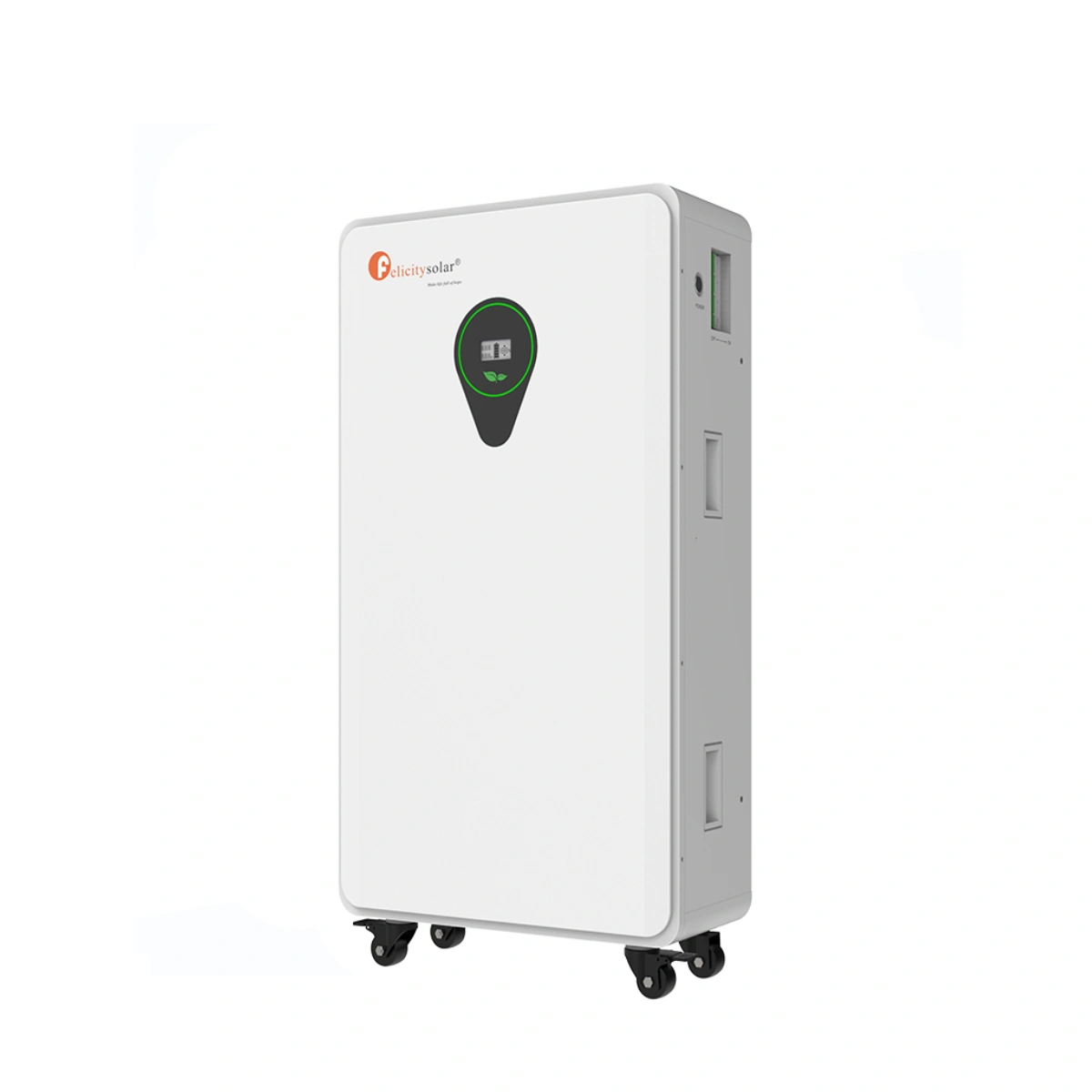
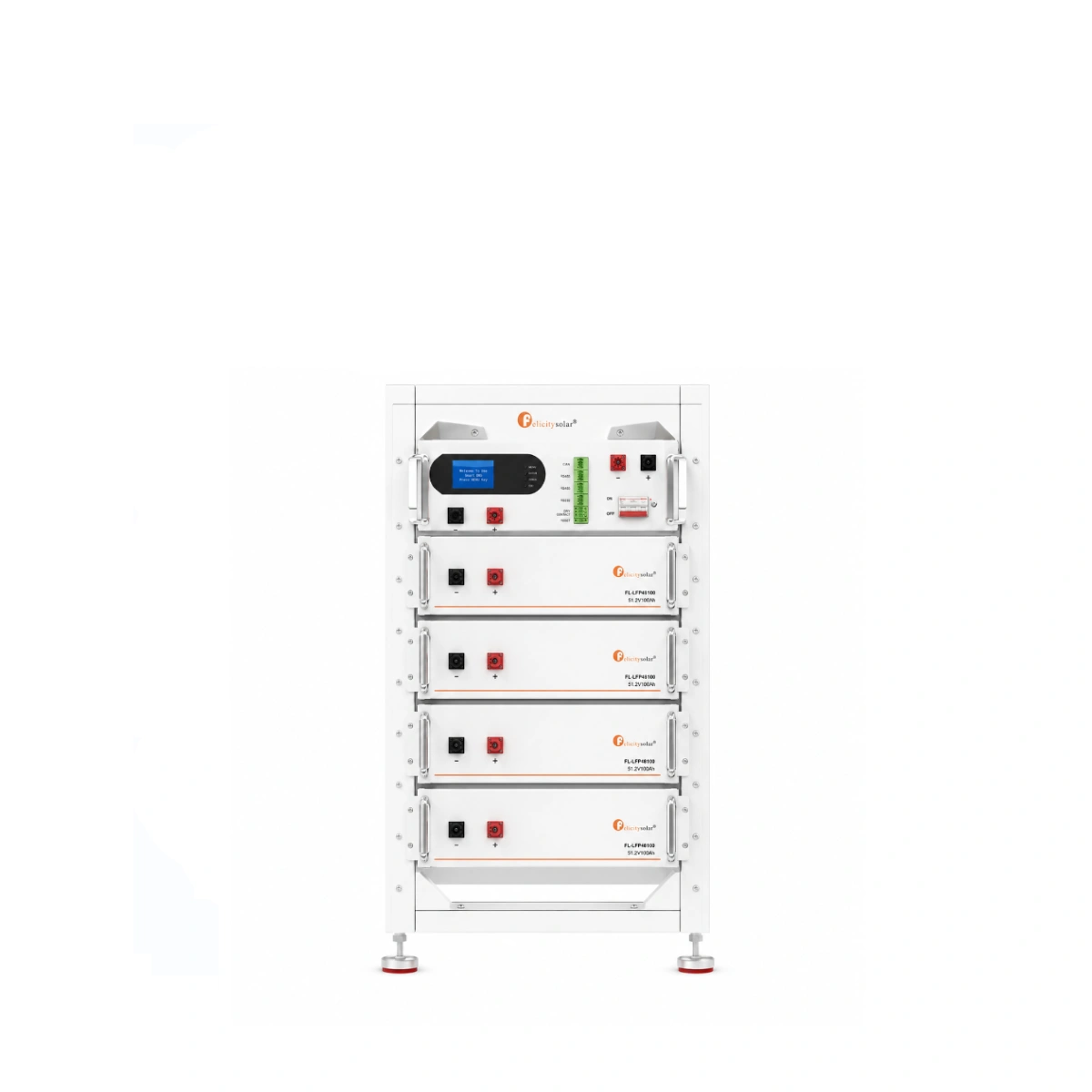
Felicity Solar 20.48 kWh High-Voltage LiFePO4 Battery System for Home and C&I Storage
In stock
New: 3397.88 €
0%


Fronius Reserva Pro 20.0 Battery Set 19.9 kWh | High-Voltage Energy Storage System
Available on backorder
New: 8940.88 €
0%

Fronius Reserva Pro 24.0 Battery Set 23.9 kWh | High-Voltage Energy Storage System
Available on backorder
New: 10449.88 €
0%

Fronius Reserva Pro 28.0 Battery Set 27.9 kWh | High-Voltage Energy Storage System
Available on backorder
New: 11498.88 €
0%

Fronius Reserva Pro 32.0 Battery Set 31.9 kWh | High-Voltage Energy Storage System
Available on backorder
New: 12790.88 €
0%
20–30 kWh Solar Batteries for Large Villas and Small Commercial Energy Storage
Buy 20–30 kWh solar batteries, modular battery storage systems and high-capacity energy storage solutions for large villas, premium homes, small commercial buildings and professional PV installations. 3Buy Solar supplies installer-ready solar battery systems for solar installers, qualified electricians, EPC contractors, solar wholesalers, solar distributors, resellers and procurement teams across Europe.
This product category is built for projects where a standard small home battery is not enough, but a full commercial BESS cabinet may be larger than required. A 20 kWh, 25 kWh or 30 kWh solar battery system can be a strong fit for large residential properties, villas, small offices, shops, workshops, farms, guest houses, small warehouses and commercial PV installations that need higher self-consumption, backup capability and energy storage flexibility.
These systems are commonly used with solar panels, hybrid inverters, solar inverter systems, battery inverters, backup circuits, monitoring platforms, smart meters and complete kits. They are suitable for installers designing energy storage-ready PV systems where battery capacity, inverter compatibility, BMS communication, charge and discharge power, installation space and future expansion all matter.
Use this category when sourcing battery storage for:
- Large villa solar systems
- Premium residential PV installations
- 20 kWh solar battery projects
- 25 kWh battery storage systems
- 30 kWh solar battery installations
- Small commercial energy storage
- Hybrid inverter systems
- Three-phase residential and light commercial projects
- Backup-ready solar systems
- Self-consumption optimisation
- Solar battery-ready complete kits
- Small office and retail energy storage
- Farms, workshops and guest houses
- EV charging support
- Off-grid and grid-assisted solar systems
- Installer and EPC battery procurement
20–30 kWh Batteries for Installers, Electricians and EPC Contractors
20–30 kWh battery systems are designed for projects with higher daily energy consumption, larger solar PV arrays or stronger backup requirements. This capacity range sits between standard residential solar batteries and larger commercial energy storage systems, making it especially useful for high-consumption homes and small business sites.
For professional installers, a 20–30 kWh battery project requires correct system matching. The battery must be compatible with the selected hybrid inverter or battery inverter, communication protocol, voltage range, BMS, installation method and protection design. The site load profile, solar PV generation, backup requirement and customer expectations should be checked before selecting the battery system.
Typical system components may include:
- Modular LiFePO4 battery modules
- High-voltage or low-voltage battery stack
- Battery Management System, BMS
- Hybrid inverter or battery inverter
- Battery base or cabinet
- Battery communication cables
- Battery power cables
- Smart meter
- Backup box or changeover equipment where required
- Monitoring platform
- AC and DC protection
- Wall-mounted or floor-standing installation accessories
- Complete kit components
For installers and qualified electricians, the goal is not only to sell battery capacity. The goal is to deliver a safe, compatible and serviceable solar battery system that works properly with the solar panels, solar inverter, backup design and energy management setup.
What Is a 20–30 kWh Solar Battery System?
A 20–30 kWh solar battery system stores electrical energy for later use. In a PV installation, it can store surplus solar production during the day and discharge the energy when the building needs power, when electricity prices are higher or when backup power is required.
This capacity range is commonly used for:
- Large homes with high energy demand
- Villas with heat pumps, pools or multiple appliances
- Residential properties with EV charging
- Small commercial buildings
- Offices and shops
- Guest houses and hospitality properties
- Farms and workshops
- Small warehouses
- Backup-ready residential systems
- Hybrid solar inverter installations
- Self-consumption projects
- Light commercial complete kits
A 20 kWh battery can provide more storage flexibility than a smaller 5–10 kWh home battery. A 30 kWh battery can support larger loads, longer backup duration or higher self-consumption targets, depending on inverter power, usable battery capacity and system design.
The correct size should always be selected according to the actual energy profile of the site. Battery capacity alone does not define performance. Charge and discharge power, inverter rating, battery chemistry, BMS communication and installation design are equally important.
Ideal Applications for 20–30 kWh Battery Storage
20–30 kWh solar battery systems are suitable for projects that need stronger energy storage than a small residential battery, but do not require a full industrial BESS system.
Typical applications include:
- Large villa energy storage
- Premium residential solar battery systems
- Small commercial PV storage
- Backup power for selected circuits
- Solar self-consumption optimisation
- Time-of-use energy management
- EV charging support
- Heat pump and HVAC energy support
- Small business energy storage
- Farm and workshop PV systems
- Hospitality and guest house energy storage
- Off-grid and grid-assisted systems
- Hybrid inverter complete kits
- Battery-ready solar PV upgrades
- Three-phase residential and small commercial installations
For installers, this category is useful when the customer needs more than a basic home battery but still wants a modular, manageable and installation-friendly solution.
20 kWh Solar Batteries for Larger Homes
A 20 kWh solar battery system is often suitable for large residential properties, premium homes and villas with higher energy consumption than a standard household. It can support increased use of solar PV energy during evening hours and may provide backup power when correctly designed with the inverter and switching equipment.
20 kWh battery systems are commonly used for:
- Large residential solar systems
- Villas and detached homes
- Homes with high evening consumption
- Solar self-consumption upgrades
- Hybrid inverter projects
- Backup-ready home systems
- Heat pump support
- EV charging support
- Residential complete kits
- Off-grid or grid-assisted homes
For professional installers, a 20 kWh battery should be matched to the solar PV array size, hybrid inverter power and customer load profile. If the battery is too large for the PV system, it may not charge effectively. If it is too small for the load, the customer may not get the expected backup or self-consumption benefit.
25 kWh Battery Storage for Villas and Small Businesses
A 25 kWh battery storage system can be a strong middle option for properties that need more flexibility than a 20 kWh battery but do not require a larger commercial cabinet. It can work well for villas, guest houses, small offices, shops and small commercial buildings with moderate daily consumption and solar PV generation.
25 kWh battery systems may be suitable for:
- Large homes with higher daily loads
- Small commercial properties
- Shops and offices
- Guest houses and small hospitality sites
- Agricultural buildings
- Solar battery-ready PV upgrades
- Hybrid inverter systems
- EV charging support
- Three-phase energy storage projects
- Complete kits for installers and resellers
For EPC contractors and procurement teams, this capacity range is useful because it can often be built from modular battery units. That makes system sizing and future expansion easier when using compatible battery families.
30 kWh Solar Battery Systems for Small Commercial Projects
A 30 kWh solar battery system is often selected for small commercial energy storage, high-consumption villas and larger residential systems with stronger backup or self-consumption requirements. It can support more stored energy for evening operation, peak load support or business continuity when designed correctly.
30 kWh solar battery systems are commonly used for:
- Small commercial PV systems
- Large villa energy storage
- Workshops and farms
- Small warehouses
- Offices and retail buildings
- Guest houses and hospitality sites
- Hybrid inverter complete kits
- Backup-ready PV systems
- EV charging support
- Self-consumption optimisation
- Small business energy management
For installers, 30 kWh battery projects require careful attention to inverter compatibility, available installation space, cable sizing, protection, ventilation or thermal conditions, communication setup and commissioning.
A 30 kWh battery should not be treated as a simple plug-in accessory. It is part of the full energy system and must be selected with the solar panels, solar inverter, hybrid inverter and protection equipment.
LiFePO4 Battery Technology and BMS Control
Many modern solar battery systems in the 20–30 kWh range use lithium iron phosphate battery technology, also known as LiFePO4 or LFP. This chemistry is widely used in stationary energy storage because it is suitable for long-cycle battery storage applications, especially where safety, stability and daily operation are important.
A professional solar battery system should include a Battery Management System, or BMS. The BMS monitors and manages battery operation to support safe charging, discharging and communication with compatible inverters.
Important battery and BMS features may include:
- Cell voltage monitoring
- Module temperature monitoring
- Over-voltage protection
- Under-voltage protection
- Over-current protection
- Short-circuit protection
- Battery balancing
- State of charge monitoring
- State of health monitoring
- Communication with hybrid inverter
- System alarms
- Protection shutdown functions
- Monitoring platform integration
For installers, BMS compatibility is critical. A battery may have the right capacity, but if communication with the inverter is not supported, the system may not operate correctly. Always check the approved inverter list, communication protocol and battery firmware requirements before ordering.
High-Voltage and Low-Voltage Battery Systems
20–30 kWh battery systems may be available as high-voltage or low-voltage configurations depending on brand, inverter type and system design.
High-voltage battery systems are commonly used with many modern hybrid inverters and are often selected for larger residential and small commercial PV installations. They can support efficient operation with compatible inverter platforms and modular battery stack designs.
Low-voltage battery systems are often used in 48V-based systems, off-grid projects, backup installations or specific inverter architectures. They may be suitable where the system design is based around low-voltage battery banks.
Professional buyers should check:
- Battery voltage range
- Inverter compatibility
- Communication protocol
- Maximum battery capacity per inverter
- Number of battery modules per stack
- Parallel expansion options
- Backup function compatibility
- Battery cable requirements
- Installation space and mounting method
- Commissioning requirements
The correct voltage architecture depends on the inverter, project size, system purpose and site design. Installers should not mix battery types or expand systems outside the manufacturer’s supported configuration.
Modular Battery Stacks and Expandable Storage
Many 20–30 kWh battery systems are built from modular battery units. This allows installers to create the required capacity by stacking or combining compatible modules. For example, a system may be built from several 5 kWh, 6 kWh, 7 kWh or 10 kWh battery modules depending on the brand.
Modular battery storage is useful because it can support:
- Flexible project sizing
- Easier transport and handling
- Faster installation
- Future expansion
- Better inventory planning
- System matching with different inverter sizes
- Residential and small commercial applications
- Complete kit configuration
- Scalable solar battery procurement
For large villas and small commercial projects, modularity is especially useful because the customer may want to start with one battery capacity and expand later as energy use grows, EV charging is added or the solar PV system is upgraded.
Before expansion, installers should always confirm that the existing battery, inverter, BMS and firmware support the planned additional capacity.
Battery Compatibility with Solar Inverters and Hybrid Inverters
Battery-inverter compatibility is one of the most important technical points in any 20–30 kWh energy storage project. Solar batteries must communicate correctly with the hybrid inverter or battery inverter to manage charging, discharging, safety limits and monitoring.
Check compatibility with:
- Hybrid inverter brand
- Inverter battery voltage range
- Maximum supported battery capacity
- Battery communication protocol
- CAN or RS485 communication
- Backup function compatibility
- Firmware version
- Approved battery list
- Number of battery modules
- Parallel battery stack support
- Charge and discharge current limits
- Monitoring system support
These battery systems are commonly used with hybrid inverter platforms from leading solar inverter manufacturers, depending on battery model and compatibility documentation. Installers should always verify the current approved compatibility list before purchase.
A properly matched battery and inverter system helps reduce commissioning issues, communication errors and long-term service problems.
Solar Battery Systems for Large Villas
Large villas and premium residential properties often have higher energy demand than standard homes. They may include heat pumps, air conditioning, pools, EV charging, multiple kitchens, guest areas, security systems, garden equipment or larger evening loads. A 20–30 kWh solar battery system can help increase self-consumption and provide more stored energy for these sites.
Large villa applications include:
- High-consumption residential PV systems
- Solar self-consumption storage
- Backup-ready home energy systems
- Heat pump support
- Pool equipment energy support
- EV charging support
- Three-phase villa installations
- Hybrid inverter systems
- Smart home energy management
- Large residential complete kits
For installers, villa projects often require more detailed load analysis than standard residential systems. The customer may expect backup power, smart monitoring and strong performance. The battery should be sized realistically according to solar generation, evening use and inverter power.
Battery Storage for Small Commercial Buildings
Small commercial buildings often need more storage capacity than residential homes but may not need a full commercial BESS cabinet. A 20–30 kWh battery system can support energy cost control, solar self-consumption and backup planning for smaller business sites.
Small commercial applications include:
- Offices
- Shops
- Clinics
- Restaurants and cafés
- Guest houses
- Small hotels
- Workshops
- Farms
- Small warehouses
- Local service businesses
- Commercial EV charging support
- Battery-ready PV systems
For these sites, energy use is often different from residential consumption. A business may have daytime loads, refrigeration, lighting, equipment, heating, cooling or operational peaks. Installers should check the load profile and operating hours before recommending a battery capacity.
Backup Power and Essential Loads
20–30 kWh battery systems can support backup power when the complete system is designed for it. Backup capability depends on the inverter, battery, switching equipment, grid regulations and electrical design. Not every solar battery automatically provides whole-building backup.
Backup-ready battery systems may support:
- Lighting circuits
- Refrigeration
- IT and communication equipment
- Security systems
- Heating controls
- Selected kitchen equipment
- Office equipment
- Critical business loads
- Gate and access systems
- Essential residential circuits
For installers, backup design must consider both energy capacity and power output. A 30 kWh battery may store more energy than a 10 kWh battery, but the inverter determines how much power can be delivered at one time. Critical loads should be selected carefully.
For villas and small businesses, a well-designed backup system can improve comfort, business continuity and energy resilience.
Self-Consumption and Time-of-Use Optimisation
A 20–30 kWh battery system can help increase the amount of solar energy used on site. Instead of exporting surplus PV generation during the day, the battery can store energy and discharge it later when consumption increases.
Self-consumption applications include:
- Storing surplus solar energy
- Using solar power in the evening
- Reducing grid imports
- Supporting high evening loads
- Improving PV system value
- Managing time-of-use electricity pricing
- Reducing exposure to peak tariffs
- Supporting energy independence
For small commercial sites, self-consumption can be especially useful when electricity demand continues outside peak solar production hours. For large villas, it can support evening comfort loads, heat pumps, appliances, EV charging and backup planning.
Battery sizing should be based on real consumption data wherever possible.
20–30 kWh Batteries for EV Charging Support
EV charging can significantly increase electricity demand in large homes and small commercial sites. A 20–30 kWh solar battery system may help store solar PV energy for later EV charging or reduce grid demand during charging periods, depending on the system design.
EV charging support may be relevant for:
- Large villas with one or more EVs
- Small commercial properties with staff or customer chargers
- Fleet charging for small businesses
- Guest houses and hotels
- Farms and workshops
- Offices and retail sites
- Solar carport projects
- Battery-ready complete kits
For installers, EV charging projects require careful load management. Battery capacity, inverter power, charger power, grid connection and site consumption should be considered together.
Three-Phase Battery Storage for Larger Properties
Large villas and small commercial buildings often use three-phase electrical systems. In these projects, the solar battery and inverter architecture must be selected according to the site’s phase configuration and backup requirement.
Three-phase battery storage may be relevant for:
- Large villas
- Small commercial buildings
- Workshops
- Farms
- Hotels and guest houses
- Heat pump systems
- EV charging
- Commercial rooftop PV systems
- Higher inverter power installations
- Small business backup systems
Installers should check whether the selected hybrid inverter supports three-phase operation, unbalanced loads, backup output and the required battery capacity. The battery must also be approved for use with the inverter system.
Wall-Mounted, Floor-Standing and Rack Battery Options
20–30 kWh solar battery systems may be available in different installation formats depending on the manufacturer and battery family.
Common formats include:
- Wall-mounted battery modules
- Floor-standing battery stacks
- Modular high-voltage battery towers
- Rack-mounted battery systems
- Cabinet-based battery storage
- Indoor battery installations
- Outdoor-rated cabinets where available
- Complete battery and inverter packages
Installation format matters because large villas and small commercial buildings may have different available spaces. Battery systems may be installed in utility rooms, garages, plant rooms, technical rooms, commercial back rooms or dedicated energy areas.
Before ordering, check:
- Installation location
- Wall or floor load capacity
- Indoor or outdoor suitability
- IP rating
- Temperature range
- Clearance requirements
- Ventilation or thermal requirements
- Access for maintenance
- Cable routing
- Fire and electrical requirements
- Transport and handling needs
20–30 kWh Batteries for Complete Kits
A solar battery system is often purchased as part of a complete kit. For large villas and small commercial sites, complete kits can help installers source matching solar panels, hybrid inverters, batteries, cables, protection and monitoring from one procurement path.
Complete kits may include:
- Solar panels
- Hybrid inverter
- 20 kWh, 25 kWh or 30 kWh battery storage
- Battery base or cabinet
- Battery cables
- Communication cables
- Smart meter
- Backup box where required
- AC protection
- DC protection
- Mounting system
- Monitoring equipment
- Solar cables and connectors
- Installation accessories
For installers and resellers, complete kits reduce sourcing time and help avoid missing components. For solar wholesalers and solar distributors, battery-ready complete kits improve project value and make purchasing easier for professional buyers.
A complete kit should always be matched according to PV size, inverter compatibility, battery capacity, site load and installation requirements.
Technical Buying Checklist for 20–30 kWh Solar Batteries
Use this checklist before buying a 20 kWh, 25 kWh or 30 kWh solar battery system:
- Confirm required usable battery capacity
- Confirm battery chemistry, such as LiFePO4
- Confirm high-voltage or low-voltage architecture
- Confirm hybrid inverter compatibility
- Confirm approved inverter list
- Confirm BMS communication protocol
- Confirm CAN or RS485 communication
- Confirm charge and discharge power
- Confirm maximum battery capacity per inverter
- Confirm backup function requirements
- Confirm single-phase or three-phase system design
- Confirm installation location
- Confirm wall-mounted, floor-standing or rack format
- Confirm IP rating and temperature range
- Confirm battery cable requirements
- Confirm communication cable requirements
- Confirm protection and switching requirements
- Confirm monitoring platform compatibility
- Confirm future expansion options
- Confirm warranty and datasheet documentation
- Confirm transport, weight and handling requirements
This checklist helps reduce wrong orders, compatibility problems, commissioning delays and service issues. For installers and EPC contractors, battery selection should always be based on the full system design.
Battery Capacity, Power Rating and Runtime
Battery capacity is measured in kWh and shows how much energy the system can store. Power rating is measured in kW and shows how much power the system can deliver or absorb at one time. Both values matter.
A 20–30 kWh battery system can store more energy than a small residential battery, but actual runtime depends on:
- Usable battery capacity
- Site load
- Inverter output power
- Backup load selection
- Battery state of charge
- Solar PV generation during operation
- Weather conditions
- Charge and discharge limits
- System efficiency
- Customer usage behaviour
For example, a 20 kWh battery can support longer backup duration for selected essential loads than for whole-building high-power loads. A 30 kWh battery can store more energy, but the inverter still determines how much power can be delivered at once.
This is why installers should explain both kWh capacity and kW power to customers.
Why Professional Buyers Choose 20–30 kWh Batteries from 3Buy Solar
3Buy Solar supplies 20–30 kWh solar batteries, modular energy storage systems and battery-ready complete kit solutions for professional buyers across Europe. This category is designed for installers and procurement teams working on large villas, premium residential properties and small commercial PV projects.
Professional installers, qualified electricians, EPC contractors, solar wholesalers, solar distributors and resellers choose 3Buy Solar for:
- 20 kWh solar battery sourcing
- 25 kWh battery storage options
- 30 kWh solar battery systems
- Solar battery solutions for large villas
- Battery storage for small commercial projects
- Hybrid inverter-compatible battery systems
- Solar battery products for complete kits
- Energy storage-ready PV project support
- B2B purchasing and recurring procurement
- European supply and logistics support
- Solar panels, solar inverter systems and batteries in one procurement path
- Technical product information for professional buyers
- Procurement support for installers, EPCs and resellers
As a solar PV supplier, solar wholesaler and solar distributor, 3Buy Solar helps professional buyers source battery storage products that support real project requirements. Solar panels, solar inverter systems, solar batteries, energy storage solutions and complete kits must be selected together to create a safe and reliable installation.
Related Solar Product Categories
- Solar Batteries
- Commercial Energy Storage
- Energy Storage
- Hybrid Inverters
- Solar Inverter
- Solar Panels
- Complete Kits
- Battery Cables
- Solar Cables and Wiring
- DC Protection
- AC Protection
- Monitoring
- Smart Meters
- EV Charging
- Mounting Systems
- Solar Accessories
Frequently Asked Questions About 20–30 kWh Solar Batteries
What is a 20–30 kWh solar battery used for?
A 20–30 kWh solar battery is used to store electricity from solar panels or the grid for later use. It is suitable for large villas, premium homes, small commercial buildings, farms, workshops, guest houses and backup-ready PV systems.
Is a 20 kWh battery enough for a large home?
A 20 kWh battery can be suitable for many large homes, but the correct size depends on daily consumption, solar PV generation, backup requirements, inverter power and the customer’s energy use. High-consumption homes may need more capacity or future expansion.
Who should use a 30 kWh solar battery?
A 30 kWh solar battery is suitable for high-consumption villas, large residential PV systems, small commercial properties, offices, shops, farms, workshops and backup-ready installations where more stored energy is required.
Are 20–30 kWh batteries suitable for small commercial sites?
Yes. 20–30 kWh battery systems can be suitable for small commercial sites such as offices, shops, clinics, guest houses, cafés, farms and workshops, depending on load profile, solar PV size and system design.
Can 20–30 kWh batteries work with hybrid inverters?
Yes. Many 20–30 kWh solar battery systems are designed for use with compatible hybrid inverters or battery inverters. Installers must check the approved inverter list, voltage range, communication protocol and maximum supported battery capacity before ordering.
Are these batteries usually LiFePO4?
Many modern solar batteries in this capacity range use LiFePO4 battery technology. The exact chemistry depends on the product model and manufacturer documentation.
Can a 20–30 kWh battery provide backup power?
A 20–30 kWh battery can support backup power when the inverter, switching equipment and electrical design are suitable for backup operation. Backup capability must always be confirmed before selecting the system.
Can 20–30 kWh batteries support EV charging?
Yes. These battery systems can support EV charging projects by storing solar energy and helping manage site demand, depending on inverter power, charger size, battery capacity and grid connection.
What is the difference between battery capacity and power rating?
Battery capacity is measured in kWh and shows how much energy the battery can store. Power rating is measured in kW and shows how much power the system can deliver or charge at one time. Both are important for correct system design.
Are 20–30 kWh batteries suitable for three-phase installations?
Some 20–30 kWh battery systems are suitable for three-phase installations when paired with compatible three-phase hybrid inverters or battery inverters. Installers should always verify system compatibility before purchase.
Can these batteries be used in complete kits?
Yes. 20–30 kWh batteries can be used in complete kits with solar panels, hybrid inverters, cables, protection, monitoring, mounting systems and installation accessories when the system components are correctly matched.
Who should buy from this category?
This category is built for professional solar installers, qualified electricians, EPC contractors, solar wholesalers, solar distributors, resellers and procurement teams sourcing 20–30 kWh solar batteries for large villas, premium homes and small commercial energy storage projects.
Why buy 20–30 kWh solar batteries from 3Buy Solar?
3Buy Solar supplies 20–30 kWh solar batteries, modular battery storage systems and energy storage products for professional European PV projects, including large villas, small commercial sites, complete kits, hybrid inverter systems, solar battery-ready projects and energy storage installations.