EV Accessories and Mounting


Residential EV Chargers


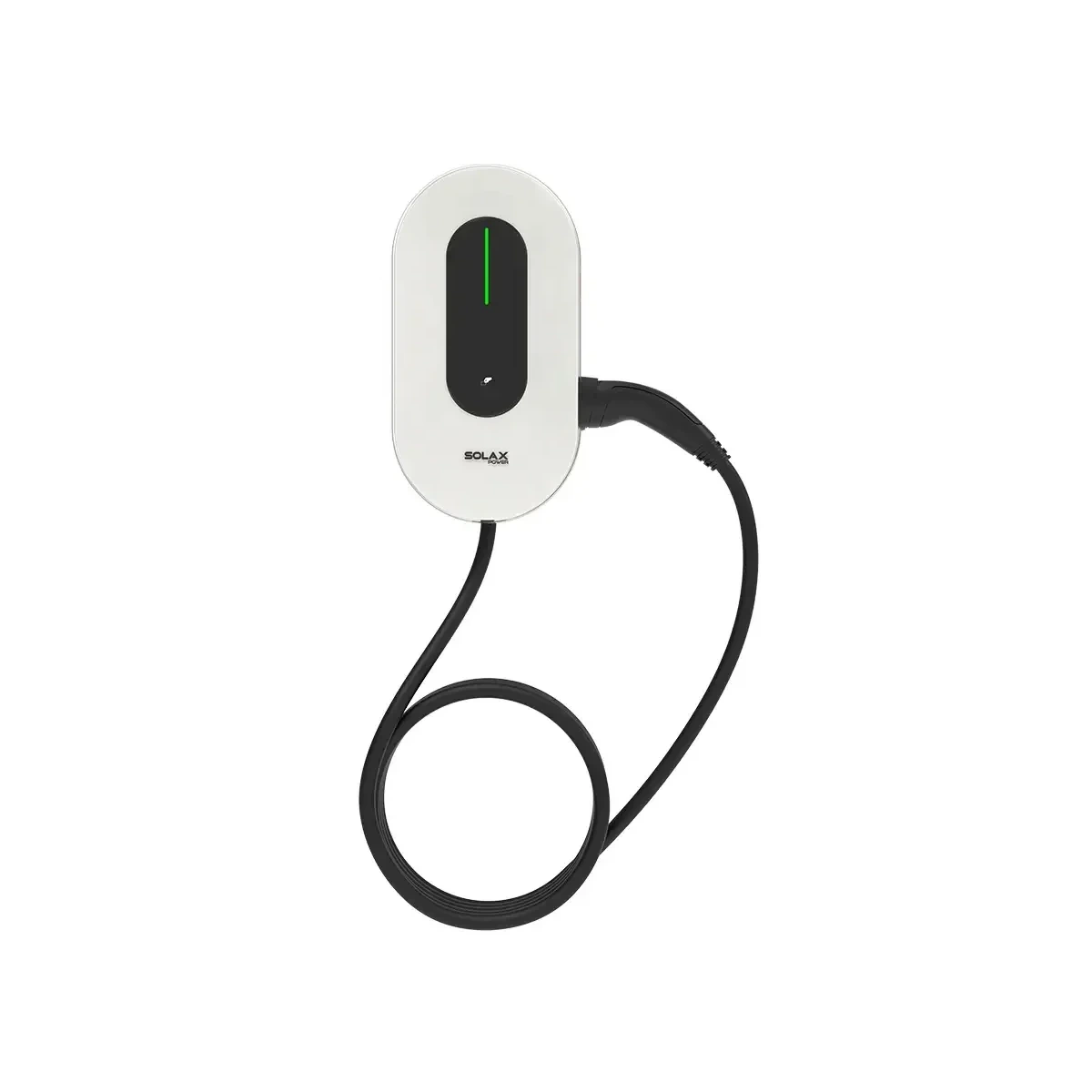


Residential EV Chargers for Home Solar PV and Smart Charging
Buy residential EV chargers, home wallbox chargers and Type 2 AC charging stations for safe, efficient and smart electric vehicle charging at home. 3Buy Solar supplies residential EV charging solutions for professional solar installers, qualified electricians, EPC contractors, solar wholesalers, solar distributors, resellers and procurement teams across Europe.
This category is built for home EV charger installations where electric vehicles, solar panels, solar inverter systems, hybrid inverters, smart meters, solar batteries, energy storage and complete kits can work together as part of a modern residential energy system. Whether you are installing a single-phase 7.4kW home charger, preparing an 11kW or 22kW three-phase EV charger, integrating EV charging with rooftop solar PV or building a complete home energy package, this category helps you source the right residential EV charging products.
Residential EV chargers are no longer just basic wall-mounted sockets. A modern home EV charger can support scheduled charging, app control, RFID access, dynamic load balancing, solar surplus charging, energy monitoring and safer charging behaviour compared with uncontrolled charging from a standard household outlet. For installers and electricians, the correct charger selection helps improve user experience, grid safety, cable protection, load management and long-term system reliability.
Use this category when sourcing residential EV chargers for:
- Home EV charging installations
- Solar PV and EV charger packages
- Single-phase 7.4kW EV charging
- Three-phase 11kW EV charging
- Three-phase 22kW EV charging
- Type 2 electric vehicle charging
- Wallbox charger installations
- Smart home charging systems
- Solar surplus EV charging
- Dynamic load balancing
- Hybrid inverter and solar battery-ready homes
- Complete residential energy kits
- Garage and driveway installations
- Private parking spaces
- Residential landlord and multi-home projects
- Installer stock and recurring procurement
Residential EV Chargers for Installers and Qualified Electricians
Residential EV chargers are designed to provide safe and convenient electric vehicle charging at home. In Europe, most residential AC chargers use a Type 2 connector and are commonly available in power classes such as 7.4kW, 11kW and 22kW depending on the property’s electrical supply, grid approval, charger model and vehicle onboard charger capacity.
For solar installers and qualified electricians, residential EV charging is now strongly connected with rooftop solar PV, home energy storage and smart energy management. A homeowner may start with solar panels and later add an EV charger, or the full system may be planned together as a complete kit with solar inverter, hybrid inverter, solar battery, smart meter and home charger.
Professional EV charger installation requires more than attaching a wallbox to a wall. The installer must consider:
- Available electrical supply
- Single-phase or three-phase connection
- Charger power rating
- Vehicle charging capacity
- Cable route and installation location
- Protection devices
- RCD requirements
- Load balancing
- Grid limits
- Solar PV integration
- Smart meter compatibility
- Communication method
- Indoor or outdoor mounting
- User access control
- App and monitoring setup
- Local electrical regulations
For solar wholesalers and solar distributors, residential EV chargers are a high-demand product category because they connect naturally with solar panels, solar inverter systems, solar batteries, energy storage and complete home energy kits.
What Is a Residential EV Charger?
A residential EV charger is a dedicated charging station installed at a private home, garage, driveway or residential parking space. It is designed to charge electric vehicles more safely, quickly and conveniently than a standard socket, while supporting proper electrical protection and user control.
Residential EV chargers are also commonly called:
- Home EV charger
- EV wallbox
- Wallbox charger
- Type 2 EV charger
- AC EV charger
- Smart EV charger
- Solar EV charger
- Home charging station
- Residential charging station
- Electric car charger for home
- Single-phase EV charger
- Three-phase EV charger
A residential charger can be installed as a standalone charging point or as part of a wider home energy system with solar panels, solar inverter, hybrid inverter, solar battery and smart monitoring.
For installers and electricians, the most important task is matching the charger to the property and the customer’s usage pattern. A 7.4kW charger may be suitable for many single-phase homes, while 11kW and 22kW chargers are typically connected to three-phase supply where available and approved. The final charging speed also depends on the electric vehicle’s onboard charger.
Type 2 Home EV Chargers for European Homes
Type 2 is the standard connector format used by many electric vehicles and AC charging stations across Europe. Residential EV chargers in this category are intended for professional installations where Type 2 charging, smart control and safe wallbox mounting are required.
Type 2 residential chargers may be used for:
- Home garage charging
- Driveway charging
- Private parking spaces
- Solar PV homes
- Residential battery-ready systems
- Apartment parking spaces where suitable
- Landlord and property projects
- Residential fleet users
- Smart home energy systems
- Complete solar and EV charging kits
Depending on the product, residential Type 2 EV chargers may include:
- Tethered Type 2 charging cable
- Type 2 socket version
- 7.4kW single-phase output
- 11kW three-phase output
- 22kW three-phase output
- App control
- Wi-Fi or 4G connectivity
- RFID access
- Dynamic load balancing
- Solar charging mode
- Scheduled charging
- Energy monitoring
- IP-rated outdoor enclosure
- Wall-mounted or pedestal mounting
For installers, the exact product specification must always be checked before installation. Charging power, protection requirements, communication functions and solar compatibility can vary by model.
7.4kW, 11kW and 22kW Residential EV Chargers
Residential EV chargers are usually selected by charging power, electrical supply and vehicle compatibility. The most common AC home charging options are 7.4kW, 11kW and 22kW.
7.4kW Single-Phase EV Chargers
A 7.4kW EV charger is commonly used for single-phase residential installations. It is suitable for many homes where three-phase supply is not available or not required.
7.4kW residential EV chargers are often used for:
- Standard home charging
- Overnight EV charging
- Garage installations
- Driveway installations
- Solar PV homes with single-phase supply
- Residential complete kits
- Homeowners with one electric vehicle
- Installations where grid capacity is limited
A 7.4kW charger can be a practical choice for many households because the car is usually parked for several hours overnight, making ultra-fast charging less important than reliability, safety and smart energy control.
11kW Three-Phase EV Chargers
An 11kW EV charger is commonly selected where three-phase supply is available and the vehicle supports 11kW AC charging. It provides faster charging than a single-phase charger while remaining suitable for many residential and semi-residential properties.
11kW residential EV chargers are often used for:
- Three-phase home installations
- Faster overnight charging
- Larger EV batteries
- Solar PV homes with higher self-consumption goals
- Smart charging with load balancing
- Home energy management systems
- Residential properties with multiple electrical loads
For installers, 11kW chargers often require careful coordination with existing electrical loads, solar inverter systems, heat pumps, batteries and grid connection capacity.
22kW Three-Phase EV Chargers
A 22kW EV charger can provide high AC charging power where the electrical supply, grid approval and vehicle onboard charger support it. Not every residential property or vehicle can use 22kW charging, so technical verification is essential.
22kW residential EV chargers may be suitable for:
- Three-phase residential properties
- High-use EV drivers
- Homes with multiple EVs
- Residential fleet users
- Larger properties
- Properties with strong electrical capacity
- Future-ready EV charging installations
- Shared residential charging where approved
For professional installers, 22kW charger selection must include load calculation, protection design, grid approval where required and confirmation that the vehicle can accept the available AC charging power.
Smart EV Chargers for Home Energy Management
Smart EV chargers help homeowners control charging time, energy use and access. They are especially useful when EV charging is combined with solar panels, solar inverter systems, hybrid inverters, solar batteries and time-based electricity tariffs.
Smart residential EV charger functions may include:
- App-based charging control
- Charging schedule
- Start and stop control
- Charging session history
- Energy monitoring
- RFID access
- Wi-Fi connectivity
- 4G connectivity
- Ethernet connection
- Dynamic load balancing
- Solar surplus charging
- Firmware updates where supported
- Integration with home energy management
- Remote diagnostics where supported
For homeowners, smart charging can improve convenience and reduce energy waste. For installers, smart charging improves project value because the EV charger becomes part of the complete home energy system rather than a standalone electrical device.
For solar wholesalers and solar distributors, smart EV chargers are important because they support higher-value bundles with solar panels, solar inverter systems, solar batteries, complete kits and monitoring products.
Solar EV Charging for Homes with Solar Panels
Residential EV charging is highly relevant for homes with solar panels. A smart EV charger can help homeowners use more of their own solar PV generation by charging the electric vehicle when solar production is available.
Solar EV charging applications include:
- Charging from rooftop solar PV generation
- Increasing self-consumption
- Reducing grid electricity use
- Charging during daytime solar production
- Combining EV charging with solar battery storage
- Scheduled charging around solar generation
- Smart charging with home energy management
- Complete solar and EV charging kits
Solar EV charging can be especially useful for homeowners who work from home, have daytime vehicle parking, use a solar battery or want to maximise the value of their solar PV system.
For installers, the charging strategy depends on the system architecture. Some homes may use solar surplus charging directly through the EV charger and energy meter. Others may use a hybrid inverter, solar battery and home energy management system to coordinate power flow.
A residential EV charger should be selected according to the solar inverter, smart meter, grid connection, battery system and customer charging behaviour.
Residential EV Chargers with Dynamic Load Balancing
Dynamic load balancing helps protect the property’s electrical supply by adjusting EV charging power according to the home’s total electricity demand. This is especially important where the EV charger shares capacity with heat pumps, induction cooking, solar inverter output, battery charging, air conditioning or other high-power loads.
Dynamic load balancing can help:
- Reduce overload risk
- Protect the main fuse
- Manage household power demand
- Improve charging safety
- Support high-power EV chargers
- Coordinate EV charging with other loads
- Improve suitability for solar PV homes
- Support properties with limited grid capacity
For installers and electricians, load balancing may require current transformers, smart meters, communication wiring or charger-specific accessories. The exact installation method depends on the charger model and the property’s electrical design.
For homeowners, load balancing provides more confidence that EV charging will not overload the home electrical supply during normal household use.
Residential EV Chargers for Solar Battery and Energy Storage Systems
Home EV charging can work together with solar battery and energy storage systems. In a residential PV system, the EV charger, solar inverter, hybrid inverter, solar battery and smart meter may all be part of one energy ecosystem.
Relevant applications include:
- EV charging from stored solar energy
- Charging when solar production is high
- Coordinating EV charging with solar battery use
- Reducing grid import during charging
- Backup-ready home energy systems
- Complete kits with solar panels, battery and EV charger
- Home energy management integration
- Smart charging with time-of-use tariffs
The best design depends on the homeowner’s driving habits, solar PV size, battery capacity, charger power and grid tariff. For example, some homeowners may prioritise solar battery charging first, while others may prioritise EV charging during midday solar production.
For installers, system compatibility is essential. The EV charger should be selected with the solar inverter, hybrid inverter, battery system, smart meter and communication platform in mind.
Residential EV Charger Installation Locations
Residential EV chargers can be installed in different home environments depending on the property layout, cable route, parking location and product rating.
Common installation locations include:
- Garage walls
- Driveways
- Carports
- Outdoor parking spaces
- Private residential parking bays
- Residential apartment parking where approved
- Wall-mounted installations
- Pedestal-mounted installations
- Solar PV homes
- Home battery and inverter areas
Before installation, professional electricians should check:
- Distance from distribution board
- Cable route
- Indoor or outdoor exposure
- IP rating
- Mounting surface
- Protection devices
- Earthing arrangement
- Grid capacity
- Charger communication method
- Wi-Fi or mobile signal
- User access and parking layout
- Local installation requirements
A charger may be suitable for outdoor installation only if its enclosure, cable, connector and installation method support the required environmental conditions.
Tethered EV Chargers vs Socket EV Chargers
Residential EV chargers may be supplied as tethered units with a fixed cable or as socket units where the user connects their own charging cable.
Tethered EV Chargers
Tethered EV chargers include a fixed charging cable attached to the wallbox.
They are useful for:
- Faster daily charging routine
- Homeowners who charge frequently
- Private driveways
- Garage installations
- Dedicated EV parking spaces
- Installations where convenience is important
The main benefit is convenience. The cable is always available, and the homeowner does not need to remove a charging cable from the car every day.
Socket EV Chargers
Socket EV chargers provide a Type 2 socket without a permanently attached cable.
They are useful for:
- Cleaner wallbox appearance
- Flexible cable length
- Multi-user charging locations
- Properties where different vehicles may be used
- Installations where the user prefers storing the cable separately
For installers, both versions can be suitable. The right choice depends on homeowner preference, installation location, vehicle type, security, cable management and everyday use.
EV Charger Safety and Protection Features
Residential EV chargers must be installed with correct electrical protection. Depending on charger design and local regulations, protection may include RCD functionality, DC leakage detection, over-current protection, surge protection, over-temperature protection and proper earthing.
Important safety features may include:
- Over-current protection
- Over-voltage protection
- Under-voltage protection
- Leakage protection
- DC leakage detection
- RCD compatibility
- Over-temperature protection
- Ground fault protection
- Short-circuit protection
- Surge protection where required
- IP-rated enclosure
- Cable lock or connector protection
- Emergency stop where included
- Fault monitoring
- Safe charging session control
For installers and qualified electricians, charger protection must be checked against the product manual, local electrical regulations and the property’s existing electrical installation.
Safety is also a procurement issue. Professional buyers should check whether the charger includes integrated protection functions or requires external protective devices.
Residential EV Charger Communication and Access Control
Smart home EV chargers often include communication and user access features. These functions are useful for homeowners, landlords, shared residential parking and installer-managed systems.
Communication and control options may include:
- Mobile app control
- Wi-Fi communication
- Ethernet connection
- 4G connectivity
- Bluetooth setup
- RFID card access
- Plug and charge
- Scheduled charging
- Charging history
- Remote monitoring
- Firmware updates
- Energy reporting
- OCPP support on selected models
For single-family homes, app control and scheduled charging may be the most important features. For shared residential parking, RFID access and user management can be more important. For solar PV homes, communication with a smart meter or energy management system can help optimise charging around solar production.
Residential EV Chargers for Complete Solar Kits
Residential EV chargers are increasingly purchased together with solar panels, solar inverter systems, hybrid inverters, solar batteries, smart meters, monitoring products and installation accessories. This creates a stronger home energy package for installers and end customers.
A complete solar and EV charging kit may include:
- Solar panels
- Solar inverter
- Hybrid inverter
- Solar battery
- Residential EV charger
- Smart meter
- CT clamps
- Monitoring system
- AC protection
- DC protection
- Solar cables and wiring
- EV charging cable
- Mounting system
- Installation accessories
For installers and resellers, complete kits reduce sourcing complexity and improve project value. For solar wholesalers and solar distributors, EV chargers are a natural category extension because EV charging often follows solar PV installation.
For homeowners, a complete system can support cleaner energy use, lower grid dependence and better control over home electricity consumption.
Residential EV Charger Selection Guide for Installers
Before ordering a residential EV charger, check the installation requirements carefully. The correct product depends on the property, vehicle, electrical supply, solar PV system and homeowner expectations.
Check these points before purchase:
- Single-phase or three-phase supply
- Required charging power: 7.4kW, 11kW or 22kW
- Vehicle AC charging capacity
- Type 2 cable or socket requirement
- Tethered or untethered charger preference
- Indoor or outdoor installation
- IP protection rating
- Cable route from distribution board
- Protection device requirements
- Load balancing requirement
- Solar charging compatibility
- Smart meter or CT clamp compatibility
- App, Wi-Fi, Ethernet or 4G requirement
- RFID or user access requirement
- Integration with solar inverter or battery system
- Local grid and electrical rules
- Installation accessories required
- Product documentation and warranty
For professional installers, this checklist helps reduce wrong product selection, installation delays and compatibility issues.
Technical Buying Checklist for Residential EV Chargers
Use this checklist before buying a residential EV charger, home wallbox or Type 2 AC charging station:
- Confirm charger power rating
- Confirm single-phase or three-phase compatibility
- Confirm Type 2 connector or socket format
- Confirm tethered or socket version
- Confirm EV compatibility
- Confirm charger cable length where applicable
- Confirm IP rating for outdoor use
- Confirm load balancing function
- Confirm solar charging function where required
- Confirm smart meter compatibility
- Confirm app and connectivity options
- Confirm RFID or user access options
- Confirm protection requirements
- Confirm RCD and DC leakage detection requirements
- Confirm mounting method
- Confirm warranty and documentation
- Confirm installer accessories needed
- Confirm compatibility with solar panels, solar inverter and solar battery systems
This checklist supports better procurement for installers, electricians, EPC contractors, solar wholesalers and solar distributors.
Why Professional Buyers Choose Residential EV Chargers from 3Buy Solar
3Buy Solar supplies residential EV chargers, Type 2 home chargers, wallbox chargers and smart EV charging products for professional buyers across Europe. This category is built for installer procurement, solar PV project supply and complete home energy solutions.
Professional installers, qualified electricians, EPC contractors, resellers, solar wholesalers and solar distributors choose 3Buy Solar for:
- Residential EV charger product sourcing
- Type 2 AC charging solutions
- 7.4kW, 11kW and 22kW charger options
- Smart home charging products
- Solar EV charging project support
- Dynamic load balancing solutions
- EV chargers for solar battery-ready homes
- Complete kits with solar panels, inverter, battery and EV charger
- B2B purchasing and recurring procurement
- European supply and logistics support
- Related solar panels, solar inverter systems and batteries in one procurement path
- Technical product information for professional buyers
- Installer-focused EV charging accessories
As a solar PV supplier, solar wholesaler and solar distributor, 3Buy Solar helps professional buyers source residential EV charging products that fit real home energy projects. Solar panels, solar inverter systems, solar batteries, energy storage systems and EV chargers must be selected together when the goal is a reliable and efficient smart home energy installation.
Related Solar and EV Product Categories
- EV Chargers
- Commercial EV Chargers
- Solar Panels
- Solar Inverter
- Hybrid Inverters
- Solar Batteries
- Energy Storage
- Complete Kits
- Solar Cables and Wiring
- AC Protection
- DC Protection
- Smart Meters
- Monitoring
- EV Charging Cables
- Solar Accessories
- Mounting Systems
Frequently Asked Questions About Residential EV Chargers
What is a residential EV charger?
A residential EV charger is a dedicated home charging station for electric vehicles. It is usually installed in a garage, driveway, carport or private parking space and provides safer and more convenient charging than a standard household socket.
What power EV charger is best for home use?
The best power rating depends on the home electrical supply, grid approval, vehicle charging capacity and user needs. Many homes use 7.4kW single-phase chargers, while 11kW and 22kW chargers are used where three-phase supply and vehicle compatibility are available.
What is a Type 2 EV charger?
A Type 2 EV charger uses the common European AC charging connector format. It is widely used for residential and commercial electric vehicle charging across Europe.
Can a home EV charger work with solar panels?
Yes. Many residential EV chargers can be used in homes with solar panels. Smart chargers may support solar charging or solar surplus charging when combined with a compatible solar inverter, smart meter or home energy management system.
What is solar surplus EV charging?
Solar surplus EV charging means the charger uses excess solar PV generation to charge the electric vehicle instead of exporting that energy to the grid. This can help homeowners use more of their own solar electricity.
Do residential EV chargers need load balancing?
Load balancing is strongly recommended in many home EV charger installations, especially where the property has limited grid capacity or several high-power loads. It helps adjust charging power according to household electricity demand.
What is the difference between tethered and socket EV chargers?
A tethered EV charger has a fixed charging cable attached to the wallbox. A socket EV charger has a Type 2 socket and requires the user to connect a separate charging cable. Tethered chargers are convenient, while socket chargers can offer more cable flexibility.
Can an EV charger be installed outdoors?
Many residential EV chargers are suitable for outdoor installation if they have the correct IP rating and are installed according to the manufacturer instructions and local electrical rules. Installers should always check the product documentation.
Can residential EV chargers be used with solar batteries?
Yes. Residential EV chargers can be used in homes with solar battery systems, depending on the inverter, battery, smart meter and energy management setup. The best configuration depends on the homeowner’s charging behaviour and system design.
Who should buy residential EV chargers from this category?
This category is built for professional solar installers, qualified electricians, EPC contractors, solar wholesalers, solar distributors, resellers and procurement teams sourcing residential EV chargers and home charging solutions across Europe.
Why buy residential EV chargers from 3Buy Solar?
3Buy Solar supplies residential EV chargers, Type 2 home wallbox chargers and smart EV charging solutions for professional European projects, including solar PV homes, complete kits, hybrid inverter systems, solar battery-ready installations and smart home energy systems.