EV Accessories and Mounting


String Inverters


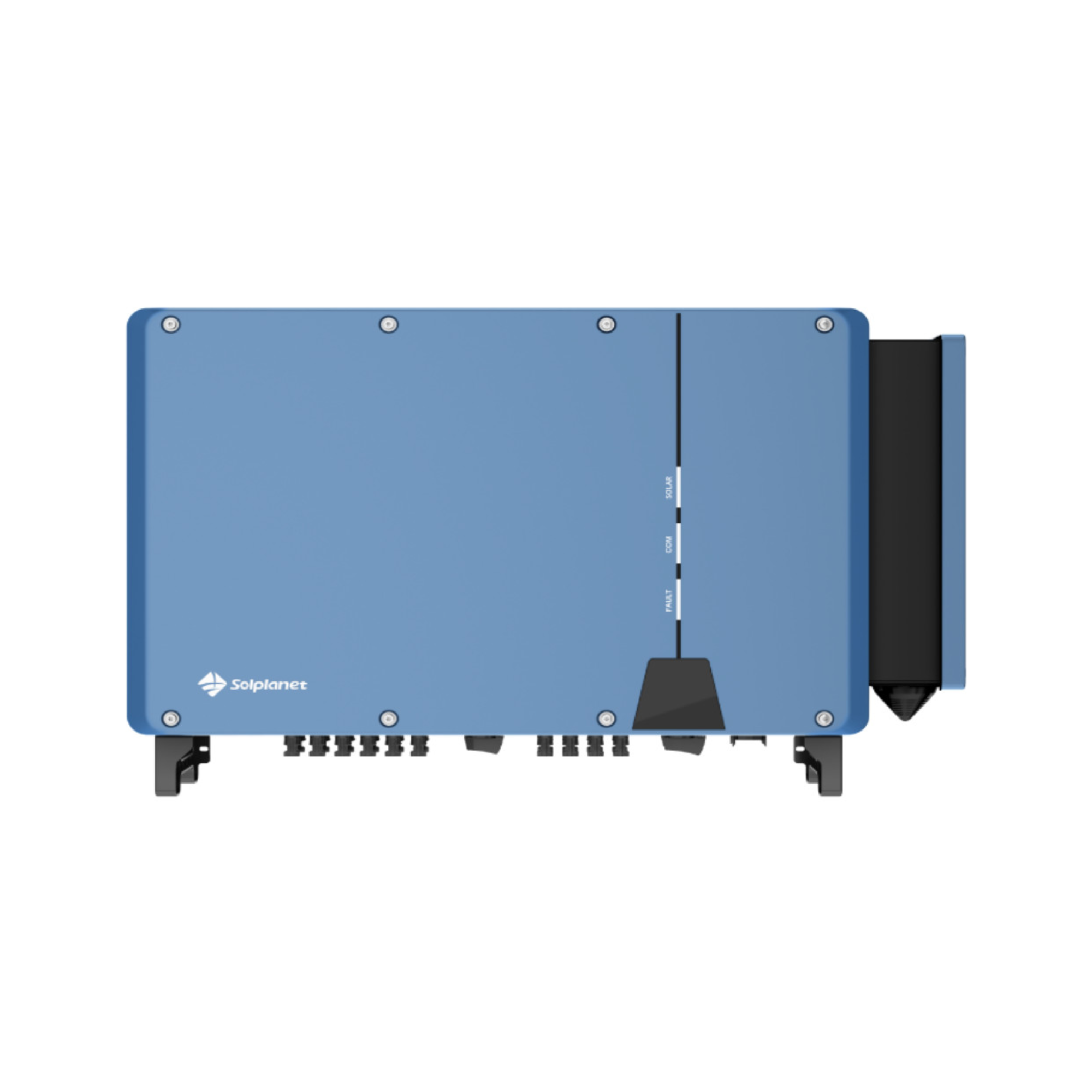


Solax X1 BOOST G4 Single Phase Solar Power Inverter
In stock

Solax X1 MINI G4 Single Phase Solar Power Inverter
In stock
String Inverters and Grid Tie Solar Inverters for Professional PV Installations
Buy string inverters, grid tie inverters and on-grid solar inverter systems for residential, commercial and industrial photovoltaic projects. 3Buy Solar supplies professional solar inverter products for solar installers, qualified electricians, EPC contractors, solar wholesalers, solar distributors, resellers and procurement teams across Europe.
This category is focused on grid-connected string inverter systems that convert DC electricity from solar panels into AC power for use in buildings, commercial sites and grid-connected PV installations. Whether you are building a residential rooftop system, a commercial solar project, an industrial self-consumption installation, a complete kit or a multi-string PV system, this category helps you source the right solar inverter for professional use.
String inverters are one of the most widely used inverter types in solar PV systems. They are practical, efficient and cost-effective for many installations because multiple solar panels can be connected in strings and routed to one inverter or multiple inverters depending on the project design. Correct inverter selection is critical because the inverter controls power conversion, MPPT tracking, grid synchronisation, monitoring, safety functions and long-term PV system performance.
Use this category when sourcing string inverters for:
- Residential rooftop PV systems
- Commercial rooftop solar installations
- Industrial self-consumption projects
- Three-phase solar inverter systems
- Single-phase solar inverter systems
- Grid-connected PV installations
- Solar panel string systems
- Complete kits for installers and resellers
- Commercial solar projects
- Agricultural PV systems
- Warehouses and logistics buildings
- Office and retail solar installations
- Ground-mounted PV projects
- Hybrid-ready PV system design
- Monitoring-ready solar installations
- EPC and solar wholesaler procurement
String Inverters for Solar Installers, Electricians and EPC Contractors
String inverters are used to convert direct current from solar panels into alternating current that can be used by the building or exported to the grid. In a typical grid tie PV system, solar panels are connected into one or more strings, and the inverter manages DC input, MPPT operation, AC output, grid synchronisation and monitoring.
For professional installers and qualified electricians, string inverter selection must be based on system design, not only inverter power rating. The correct solar inverter depends on module power, string voltage, number of strings, MPPT inputs, DC current, AC phase type, grid requirements, installation environment, protection concept and monitoring needs.
String inverter projects may include:
- Solar panels
- DC solar cables
- MC4 connectors
- DC protection devices
- String inverter or multiple string inverters
- AC protection
- Distribution board connection
- Smart meter or energy meter
- Monitoring platform
- Communication accessories
- Mounting system
- Complete kit components
For installers, the goal is not only to buy an inverter. The goal is to select a reliable grid tie inverter that matches the solar panels, roof layout, string design, grid connection and customer energy profile.
What Is a String Inverter?
A string inverter is a solar inverter that converts DC power from connected solar panel strings into AC electricity. It is commonly used in residential, commercial and industrial PV systems where solar panels are connected in series to form strings.
String inverters are also commonly called:
- Grid tie inverters
- On-grid inverters
- Grid-connected inverters
- PV inverters
- Solar string inverters
- Single-phase solar inverters
- Three-phase solar inverters
- Commercial solar inverters
- Residential solar inverters
- Power inverters for PV systems
String inverters are widely used because they provide efficient DC-to-AC conversion, centralised monitoring, simplified maintenance and strong compatibility with many solar panel system designs. They are suitable for many projects where module-level inverter electronics are not required on every panel.
A string inverter may be used with:
- Residential rooftop solar panels
- Commercial rooftop PV arrays
- Industrial PV installations
- Ground-mounted solar systems
- Solar farms
- Complete kits
- Self-consumption systems
- Grid export systems
- Battery-ready PV designs where a separate or hybrid storage solution is used
- Monitoring and smart meter systems
Grid Tie Inverters for On-Grid Solar PV Systems
Grid tie inverters are designed for PV systems connected to the electrical grid. They synchronise inverter output with the grid and convert solar energy into usable AC electricity. In a grid-connected system, the inverter must meet electrical, safety and grid compliance requirements for the installation country.
Grid tie inverter applications include:
- Residential self-consumption systems
- Commercial PV installations
- Industrial rooftop solar systems
- Office buildings
- Retail buildings
- Agricultural PV projects
- Warehouses and logistics centres
- Schools and public buildings
- Ground-mounted PV systems
- Complete solar kits
- EPC project supply
- Solar wholesaler and distributor stock
A grid tie inverter is usually selected according to the AC output power, phase type, DC input voltage range, MPPT configuration, maximum string current, protection rating, monitoring features and grid code compatibility.
For professional buyers, this makes the inverter one of the most important components in the system. Solar panels generate DC power, but the string inverter determines how that power is converted, controlled, monitored and delivered to the building or grid.
Single-Phase and Three-Phase String Inverters
String inverters are available in single-phase and three-phase versions. The correct choice depends on the building connection, inverter size, local grid requirements and project type.
Single-phase string inverters are commonly used for:
- Residential rooftop solar systems
- Small PV installations
- Homes with single-phase grid connection
- Small complete kits
- Battery-ready residential systems where applicable
- Lower-power solar panel arrays
Three-phase string inverters are commonly used for:
- Larger residential systems where required
- Commercial rooftop PV systems
- Industrial self-consumption projects
- Agricultural solar installations
- Warehouses and logistics buildings
- Office and retail PV systems
- Commercial complete kits
- Higher-power solar panel arrays
- Multi-string inverter layouts
For installers, phase selection must match the grid connection and local installation requirements. A three-phase inverter can help balance power across phases in commercial systems, while single-phase inverters are often the practical choice for smaller residential installations.
Residential String Inverters
Residential string inverters are used in rooftop PV systems where solar panels are arranged into strings and connected to a single-phase or three-phase inverter. These systems are commonly installed on homes, small businesses, garages and smaller commercial buildings.
Residential string inverter applications include:
- Rooftop solar panels
- Single-phase grid tie PV systems
- Small three-phase PV systems
- Self-consumption installations
- Solar panel string systems
- Complete residential kits
- Monitoring-ready PV systems
- Battery-ready solar designs where compatible
- Service and inverter replacement projects
For residential installers, key buying factors include:
- Inverter power rating
- Number of MPPT inputs
- Maximum DC voltage
- Maximum input current
- Solar panel compatibility
- Single-phase or three-phase output
- Compact wall-mounted design
- IP protection rating
- Wi-Fi, Ethernet or monitoring dongle compatibility
- Warranty and documentation
- Ease of commissioning
Residential buyers often care about energy savings and simple monitoring, but installers need the technical details that make the system reliable. The inverter must match the solar panel array, roof orientation, shading conditions and grid connection.
Commercial String Inverters
Commercial string inverters are used in larger rooftop and business PV systems where multiple strings, higher power ratings and three-phase output are normally required. These systems often need stronger monitoring, higher DC input current, multiple MPPTs and better serviceability.
Commercial string inverter applications include:
- Commercial rooftop PV systems
- Warehouses and logistics buildings
- Factories and production sites
- Office buildings
- Retail and supermarket solar projects
- Agricultural PV systems
- Schools and public buildings
- Hotels and hospitality sites
- Industrial self-consumption systems
- Commercial complete kits
- EPC project supply
Commercial inverter selection should consider:
- AC output power
- Three-phase grid connection
- Number of MPPTs
- Number of string inputs
- Maximum DC voltage
- Maximum input current per MPPT
- Compatibility with high-power solar panels
- IP65 or IP66 outdoor rating
- AFCI availability where required
- PID recovery or anti-PID function where available
- String monitoring
- I-V curve diagnosis
- Communication interface
- Remote monitoring platform
- Warranty and service network
For EPC contractors and solar wholesalers, commercial string inverters are a high-value product category because they are used repeatedly in business PV installations and complete commercial kits.
Industrial and Ground-Mounted PV Inverter Applications
Industrial and ground-mounted PV systems often use higher-power string inverters or multiple string inverters to manage large solar panel arrays. These projects may involve long cable routes, higher DC voltage, multi-MPPT design, outdoor installation and strong monitoring requirements.
Industrial and ground-mounted applications include:
- Industrial rooftop PV systems
- Manufacturing sites
- Agricultural ground-mounted systems
- Solar farms
- Utility-scale PV strings
- Logistics centres
- Large commercial buildings
- Multi-inverter system layouts
- High-power solar panel arrays
- 1500V DC project designs where applicable
- EPC and project-based procurement
For these projects, installers should check inverter compatibility with the complete system architecture. Higher-power string inverters may require careful planning around DC cable sizing, AC distribution, protection devices, grid connection, communication and monitoring.
A well-selected string inverter helps improve energy yield, simplify troubleshooting and support long-term operation and maintenance.
MPPT Inputs and String Design
MPPT stands for Maximum Power Point Tracking. It allows the inverter to optimise power generation from connected solar panel strings. String inverters may include one or more MPPT inputs depending on the model.
Multiple MPPTs are useful when:
- Solar panels face different directions
- Roof sections have different tilt angles
- There is partial shading
- Strings have different lengths
- East-west roof layouts are used
- Commercial roofs have multiple array zones
- High-power modules need better input management
- System designers need more layout flexibility
String design should always consider:
- Number of modules per string
- Module open-circuit voltage
- Module operating voltage
- Maximum inverter DC voltage
- MPPT voltage range
- Maximum input current
- Number of string inputs
- Cable length and voltage drop
- Shading and roof orientation
- Solar panel power rating
- Temperature conditions
For professional installers, MPPT configuration is one of the most important inverter selection points. It directly affects energy yield, system flexibility and installation quality.
Compatibility with High-Power Solar Panels
Modern solar panels often have higher current and higher power output than older modules. This means string inverter compatibility must be checked carefully. An inverter that worked well with previous module generations may not always be suitable for new high-power solar panels without checking input current and voltage limits.
Before matching solar panels with a string inverter, check:
- Module power rating
- Module current
- Module voltage
- Open-circuit voltage at low temperature
- Short-circuit current
- Inverter maximum DC voltage
- Inverter maximum input current
- MPPT current limit
- Number of strings per MPPT
- Connector compatibility
- Manufacturer sizing tools or datasheets
For installers and EPC contractors, this prevents wrong inverter selection, clipping issues, input current mismatch and commissioning delays.
1000V and 1500V DC String Inverter Systems
String inverters may be designed for different DC voltage architectures, including 1000V DC and 1500V DC systems depending on the inverter type and project scale. Residential and smaller commercial systems often use lower inverter voltage classes, while larger commercial and utility-scale systems may use higher-voltage designs.
1000V and 1500V DC inverter selection affects:
- String length
- DC cable design
- Module compatibility
- Combiner and protection requirements
- Inverter input design
- System efficiency
- Installation cost
- Project documentation
- Safety requirements
Before selecting a string inverter for a high-voltage PV system, installers should check:
- Maximum DC input voltage
- MPPT operating voltage range
- Start-up voltage
- Maximum input current
- DC connector type
- DC protection requirements
- Solar panel voltage at low temperature
- Cable and connector voltage rating
- Local installation rules
- Manufacturer documentation
Correct voltage matching is essential for inverter safety and long-term system performance.
Safety Features in Modern String Inverters
Modern string inverters often include safety and reliability features that help installers build safer PV systems and reduce long-term service risk. These features vary by brand and model, so the product datasheet should always be checked before purchase.
Useful safety and reliability features may include:
- AFCI arc fault detection
- DC switch or integrated DC isolator
- Anti-islanding protection
- Ground fault monitoring
- Residual current monitoring
- Surge protection compatibility
- PID recovery or anti-PID function
- Over-voltage protection
- Over-current protection
- Temperature monitoring
- IP65 or IP66 enclosure protection
- C5 anti-corrosion rating where applicable
- Intelligent string monitoring
- I-V curve diagnosis
- Remote firmware update
- Fault alarms and event logs
For professional installers, these features are important because they support safer operation, faster troubleshooting and easier maintenance. For commercial and industrial PV projects, advanced monitoring and fault detection can reduce downtime and improve operation and maintenance efficiency.
Monitoring, Communication and Smart Energy Management
String inverters are not only power conversion devices. They are also central monitoring points in many PV systems. Modern grid tie inverters may support Wi-Fi, Ethernet, RS485, 4G, smart meters, monitoring portals and energy management systems depending on the model.
Monitoring and communication features may support:
- Real-time PV production data
- Inverter status monitoring
- Fault alerts
- String-level diagnostics
- Consumption monitoring
- Export limitation
- Smart meter integration
- Remote commissioning
- Remote firmware updates
- Fleet monitoring for installers
- Commercial energy management
- Integration with solar battery or hybrid systems where compatible
For installers and EPC contractors, good monitoring reduces service time and supports better customer handover. For solar wholesalers and distributors, inverters with strong monitoring ecosystems are easier to support across multiple projects.
String Inverters for Complete Kits
String inverters are often purchased as part of complete solar kits. A complete kit may include solar panels, a string inverter, mounting system, DC cables, MC4 connectors, AC protection, DC protection, monitoring accessories and documentation.
String inverters may be included in complete kits for:
- Residential rooftop PV systems
- Commercial rooftop solar systems
- Small business PV installations
- Agricultural solar projects
- Industrial self-consumption systems
- Grid-tie complete kits
- Battery-ready PV kits where suitable
- Reseller and installer package supply
For installers, complete kits reduce procurement time when the products are correctly matched. For solar wholesalers and solar distributors, inverter-based complete kits improve order value and make it easier for customers to source the full system from one solar PV supplier.
A complete kit should always be checked against project requirements, including roof size, solar panel quantity, inverter power, string design, cable length, protection devices and grid connection.
String Inverters and Energy Storage-Ready PV Systems
Standard grid tie string inverters are primarily designed for solar PV power conversion. Energy storage integration depends on the wider system architecture. Some projects use a separate battery inverter or AC-coupled energy storage system. Others use hybrid inverters designed to work directly with solar batteries.
String inverters may be used in energy storage-ready projects where:
- A commercial PV system is installed first
- Battery storage may be added later
- AC-coupled energy storage is planned
- A separate battery inverter is used
- Smart meters and monitoring are installed
- Export limitation or energy management is required
- Commercial energy storage will be added to the site
For installers, it is important to distinguish between a standard grid tie string inverter and a hybrid inverter. A standard string inverter does not automatically support direct battery connection unless specified by the manufacturer. Battery integration must follow inverter, battery and energy storage system documentation.
This makes correct category selection important. Use string inverters for grid-connected PV conversion, and use hybrid inverter or battery inverter categories when direct storage integration is required.
String Inverter Brands and Product Selection
3Buy Solar may supply string inverter products from recognised solar inverter manufacturers depending on stock availability and project demand. Professional installers often compare inverter brands based on power range, MPPT design, monitoring platform, warranty, service network, efficiency, safety functions and compatibility with solar panels.
Installer-relevant selection factors include:
- Residential or commercial application
- Single-phase or three-phase output
- Inverter power rating
- Number of MPPT inputs
- Number of string inputs
- Maximum DC voltage
- Maximum input current
- AC output rating
- Efficiency
- IP rating
- Cooling method
- Noise level
- Monitoring platform
- Smart meter compatibility
- Export limitation support
- Warranty conditions
- Installation manual and datasheet quality
- Availability and logistics
For professional procurement, the right inverter is not always the cheapest model. It is the inverter that best matches the solar panels, site conditions, grid requirements, monitoring needs and customer expectations.
Technical Buying Checklist for String Inverters
Use this checklist before buying a string inverter or grid tie inverter:
- Confirm single-phase or three-phase grid connection
- Confirm required AC output power
- Confirm solar panel quantity and power
- Confirm string voltage design
- Confirm maximum DC voltage
- Confirm MPPT voltage range
- Confirm number of MPPT inputs
- Confirm number of string inputs
- Confirm maximum input current per MPPT
- Confirm compatibility with high-power solar panels
- Confirm DC switch or isolator requirements
- Confirm AC and DC protection requirements
- Confirm IP rating for indoor or outdoor installation
- Confirm monitoring connection method
- Confirm smart meter compatibility
- Confirm export limitation requirements
- Confirm grid code and country settings
- Confirm warranty and documentation
- Confirm compatible cables and connectors
- Confirm mounting location and ventilation
- Confirm whether storage integration is needed now or later
This checklist helps reduce wrong orders, commissioning problems, inverter mismatch and installation delays. It also supports better technical comparison for installers, EPC contractors and procurement teams.
Why Professional Buyers Choose String Inverters from 3Buy Solar
3Buy Solar supplies string inverters, grid tie inverters and solar inverter accessories for professional PV buyers across Europe. This category is built around installer procurement, EPC project supply, solar wholesaler demand and complete kit compatibility.
Professional installers, qualified electricians, EPC contractors, resellers, solar wholesalers and solar distributors choose 3Buy Solar for:
- Residential string inverter sourcing
- Commercial string inverter options
- Single-phase and three-phase inverter products
- Grid tie inverter solutions for PV systems
- Solar inverter products for complete kits
- Inverter compatibility with solar panels
- Products for commercial and industrial PV projects
- B2B purchasing and recurring procurement
- European supply and logistics support
- Technical product information for professional buyers
- Related solar panels, solar cables and protection accessories
- Procurement support for installers, EPCs and resellers
As a solar PV supplier, solar wholesaler and solar distributor, 3Buy Solar helps professional buyers source inverter products that support real project requirements. Solar panels, solar inverter systems, solar cables, complete kits and energy storage-ready installations all depend on correct inverter selection.
Related Solar Product Categories
- Solar Panels
- Hybrid Inverters
- Battery Inverters
- Energy Storage
- Solar Batteries
- Complete Kits
- Solar Cables and Wiring
- DC Solar Cables
- MC4 Connectors
- DC Protection
- AC Protection
- Monitoring
- Smart Meters
- Mounting Systems
- Optimizers
- Solar Accessories
Frequently Asked Questions About String Inverters and Grid Tie Inverters
What is a string inverter?
A string inverter is a solar inverter that converts DC electricity from connected solar panel strings into AC electricity for use in a building or for export to the grid. It is widely used in residential, commercial and industrial PV systems.
What is a grid tie inverter?
A grid tie inverter is an inverter designed for grid-connected solar PV systems. It synchronises with the electrical grid and converts solar panel DC power into AC power that can be used on-site or exported where allowed.
What is the difference between a string inverter and a hybrid inverter?
A string inverter is mainly used for grid-connected PV power conversion. A hybrid inverter can usually manage both solar PV and battery storage, depending on the model. If direct solar battery connection is required, installers should check the hybrid inverter category and manufacturer compatibility.
Are string inverters suitable for residential solar systems?
Yes. String inverters are widely used in residential rooftop PV systems, especially where solar panels are installed in one or more suitable strings and the roof layout is not too complex.
Are string inverters suitable for commercial solar projects?
Yes. Commercial string inverters are commonly used for rooftops, warehouses, factories, agricultural buildings, offices and industrial PV systems. Three-phase models with multiple MPPTs are often used in commercial installations.
What does MPPT mean on a solar inverter?
MPPT means Maximum Power Point Tracking. It allows the inverter to optimise energy production from connected solar panel strings. Multiple MPPTs can help when roof orientations, string lengths or shading conditions vary.
Can string inverters work with high-power solar panels?
Yes, many modern string inverters are designed for high-power solar panels, but installers must check the inverter maximum input current, voltage range and MPPT limits before matching modules.
Can string inverters be used in 1500V DC systems?
Some string inverters are designed for 1500V DC systems, while others are not. Installers must check the inverter datasheet, maximum DC voltage, MPPT range and system design before installation.
Do string inverters support monitoring?
Yes. Many string inverters support monitoring through Wi-Fi, Ethernet, RS485, 4G dongles, smart meters or manufacturer cloud platforms depending on the model.
Can string inverters be used with solar batteries?
Standard grid tie string inverters do not automatically support direct battery connection. Battery integration may require a hybrid inverter, battery inverter or AC-coupled storage system. Always check manufacturer documentation.
Who should buy from this category?
This category is built for professional solar installers, qualified electricians, EPC contractors, solar wholesalers, solar distributors, resellers and procurement teams sourcing string inverters and grid tie solar inverter systems across Europe.
Why buy string inverters from 3Buy Solar?
3Buy Solar supplies string inverters, grid tie inverters and solar inverter accessories for professional European PV projects, including residential rooftops, commercial installations, industrial solar systems, complete kits and energy storage-ready PV designs.