EV Accessories and Mounting


Off-Grid Solar


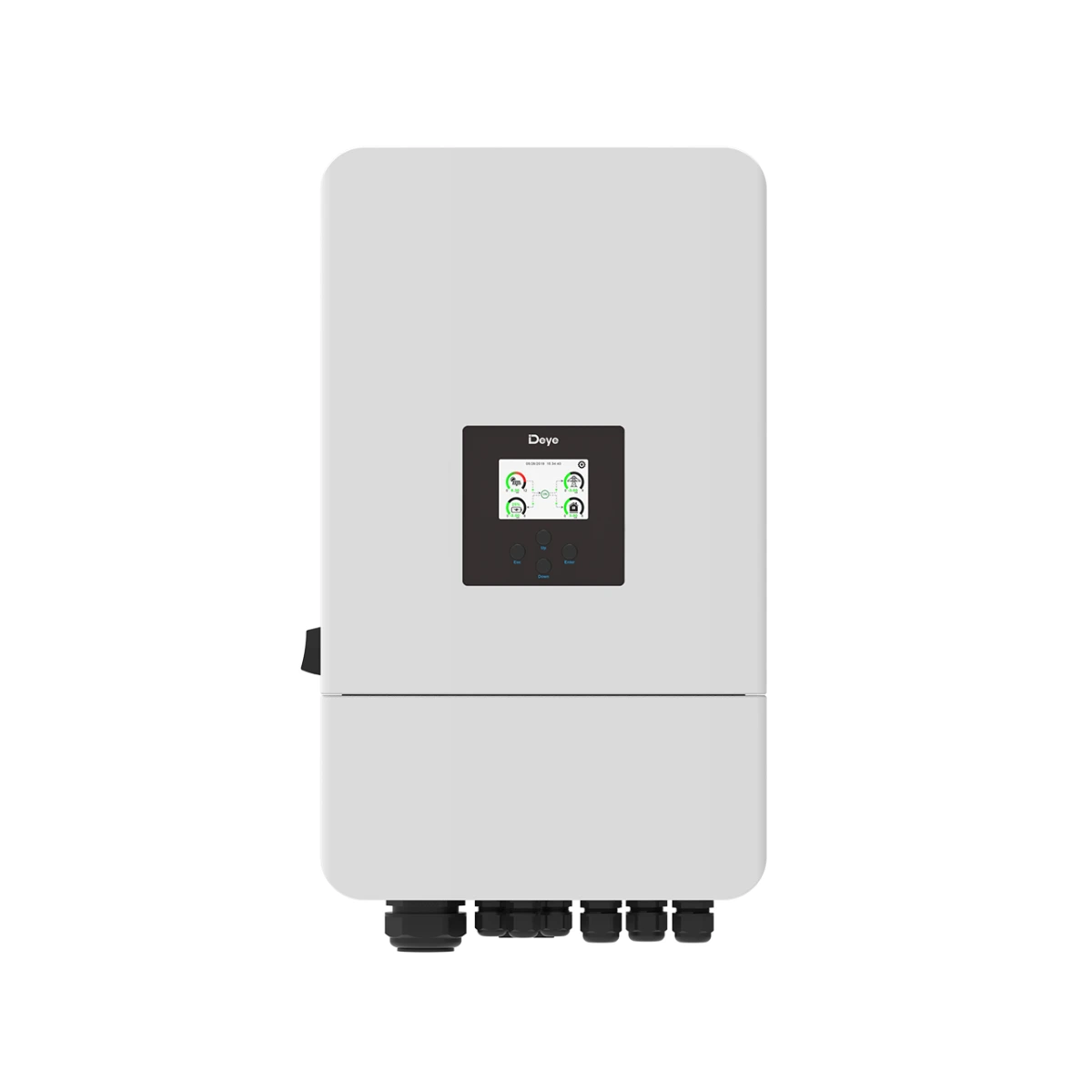
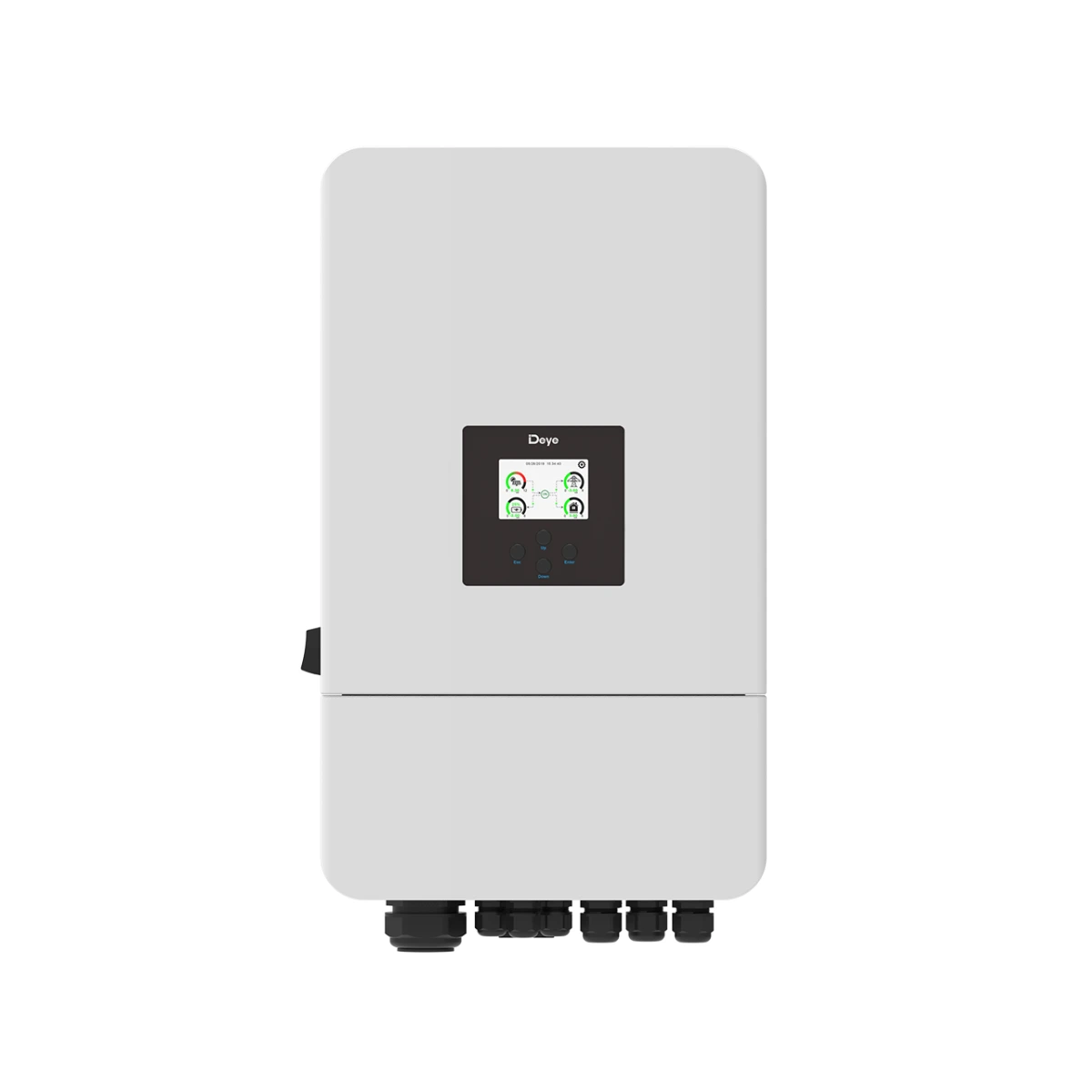
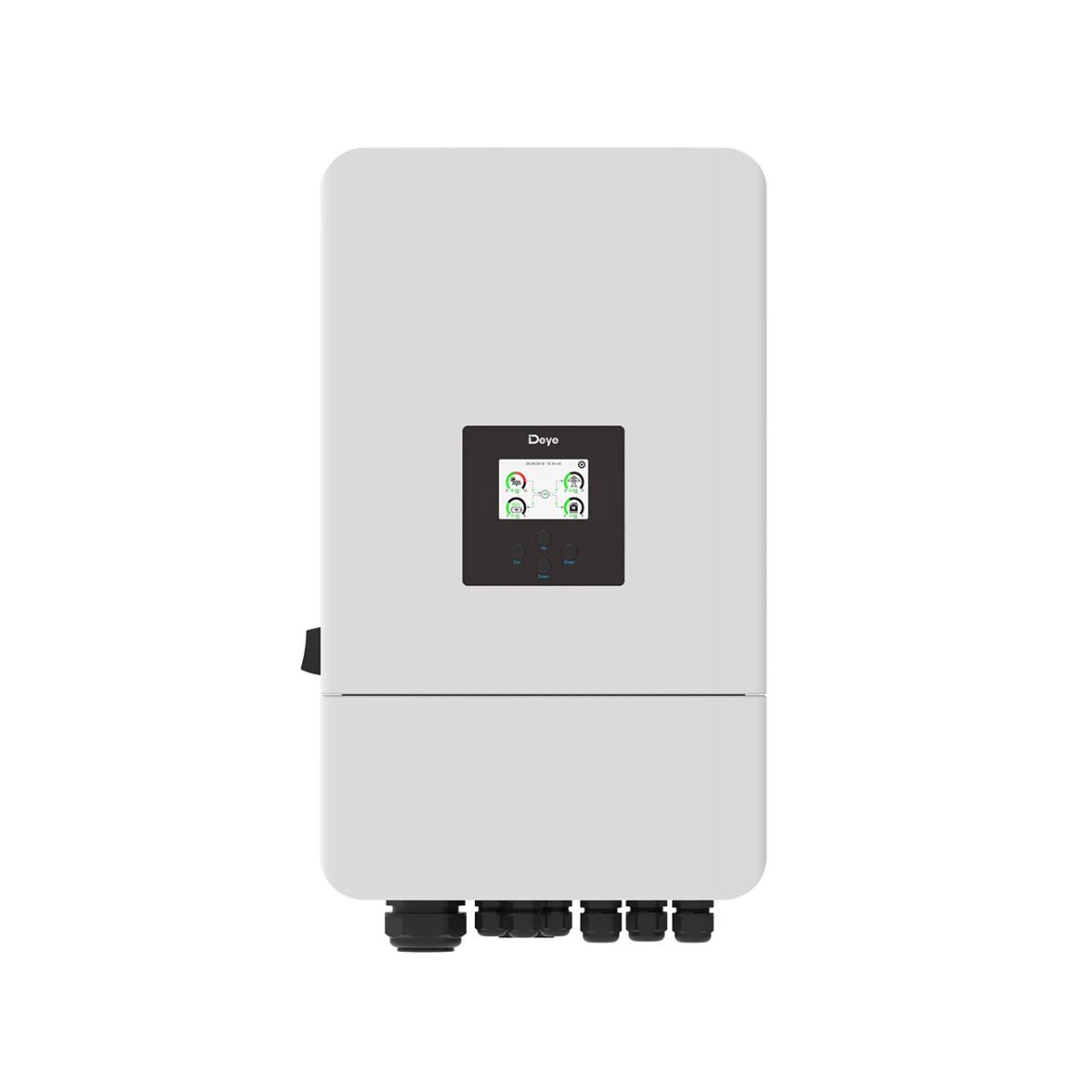
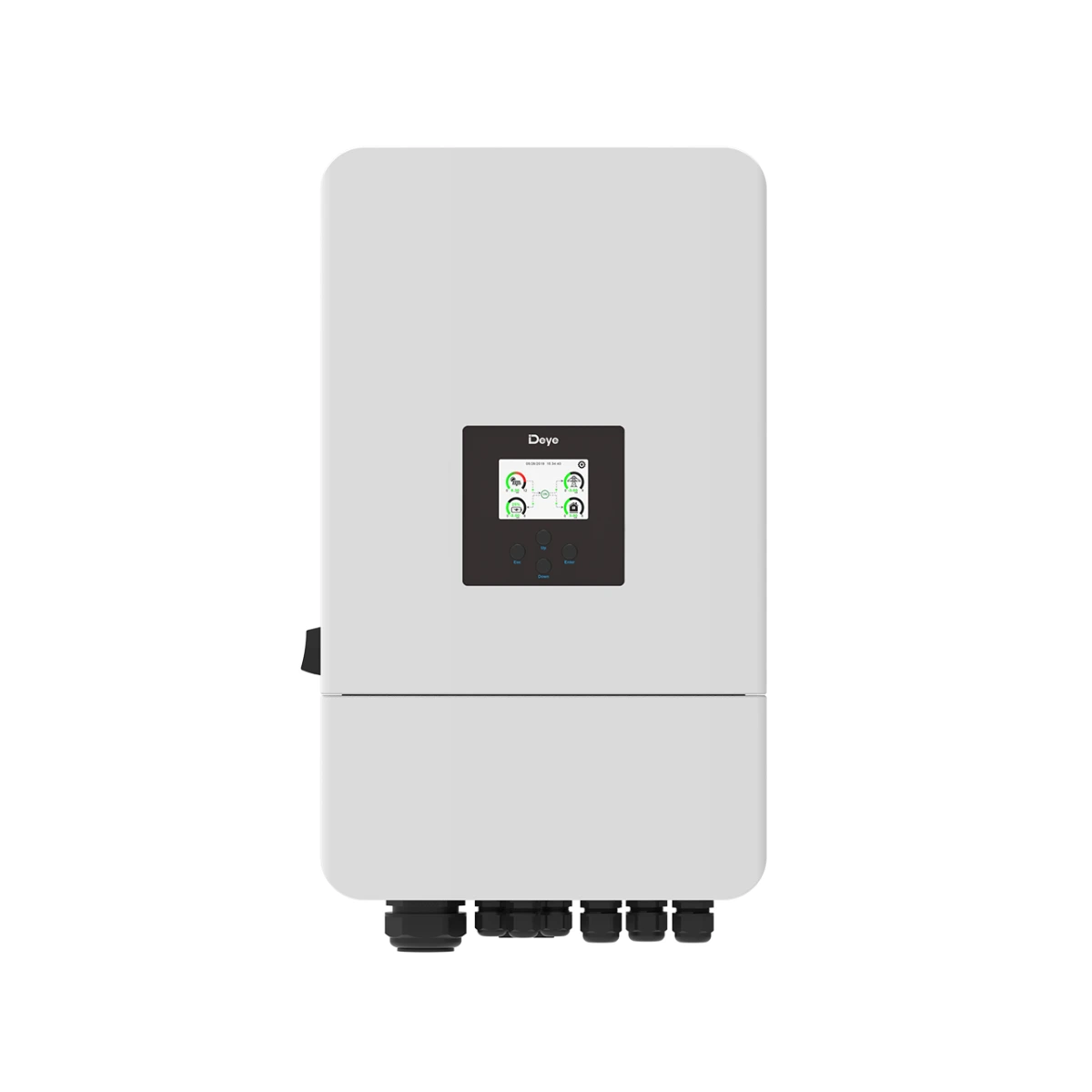
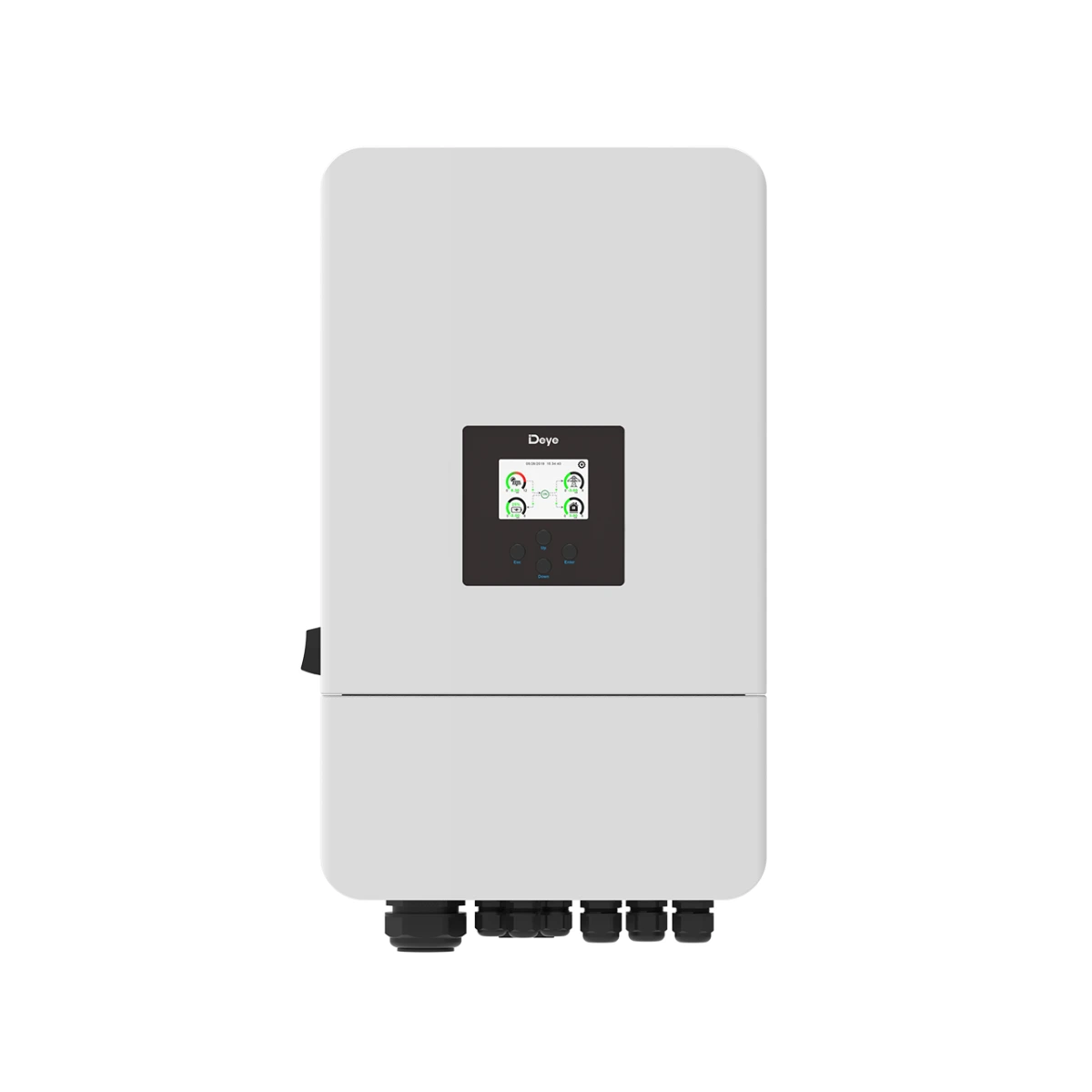
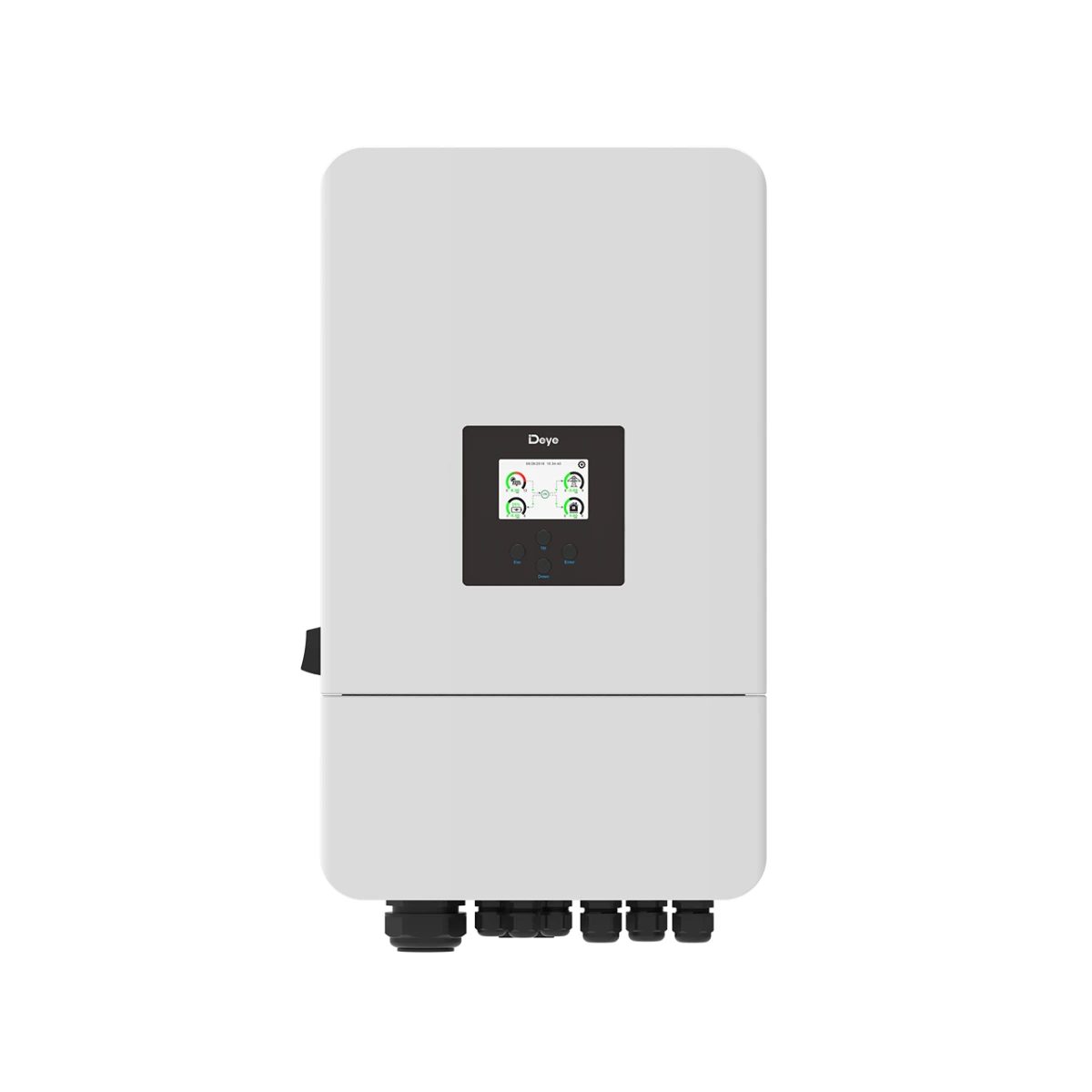
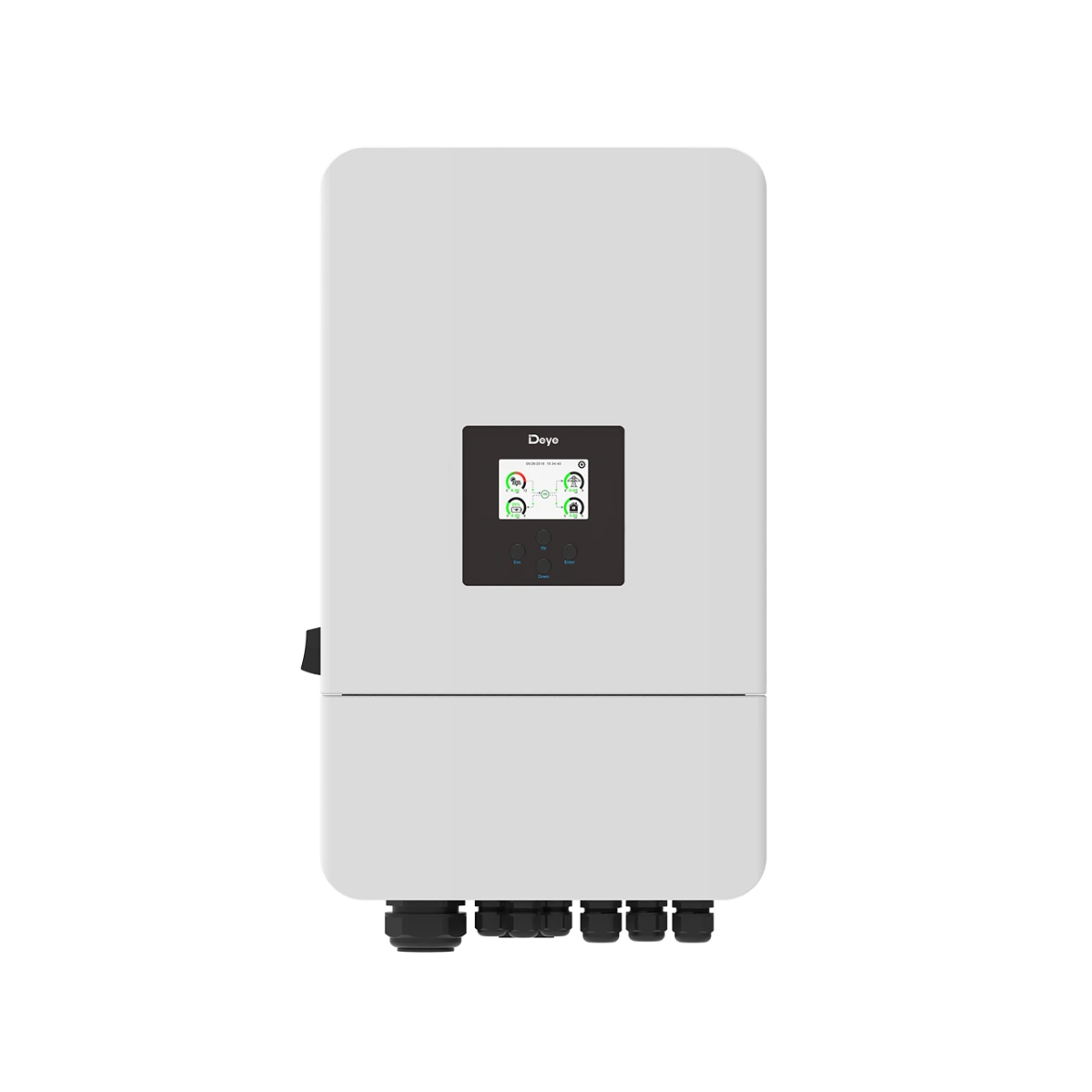


SMA Sunny Island X 30 w. LCD Three Phase 30kW Battery Inverter SI30-20
Available on backorder
New: 8680.80 €
0%

SMA Sunny Island X 50 w. LCD Three Phase 50kW Battery Inverter SI50-20
Available on backorder
New: 9929.80 €
0%

SMA Sunny Island X 30 Three Phase 30kW Battery Inverter SI30-20 (no LCD)
Available on backorder
New: 8480.80 €
0%

SMA Sunny Island X 50 Three Phase 50kW Battery Inverter SI50-20 (no LCD)
Available on backorder
New: 9789.80 €
0%


Off-Grid Solar Components for Standalone PV and Battery Systems
Buy off-grid solar components, standalone PV equipment, solar batteries, off-grid inverters, MPPT charge controllers, solar panels, DC protection, wiring accessories and complete kits for independent power systems. 3Buy Solar supplies off-grid solar products for professional solar installers, qualified electricians, EPC contractors, solar wholesalers, solar distributors, resellers and procurement teams across Europe.
This product category is built for systems that operate independently from the utility grid or require reliable standalone power in remote, mobile, backup or hybrid environments. Off-grid solar installations depend on correctly matched components: solar panels generate DC power, charge controllers regulate battery charging, solar batteries store energy, inverters convert DC power into AC power, and protection components keep the system safe and serviceable.
Off-grid systems are commonly used for remote buildings, cabins, farms, telecom sites, mobile power systems, islanded installations, backup-ready properties, agricultural loads, off-grid workshops, caravans, boats, temporary sites and locations where grid connection is unavailable, unreliable or too expensive.
Use this category when sourcing components for:
- Off-grid solar systems
- Standalone PV installations
- Remote power systems
- Solar battery storage
- Off-grid inverters
- MPPT charge controllers
- Solar panels for off-grid projects
- Battery-based PV systems
- DC-coupled solar systems
- Backup-ready solar installations
- Cabins, farms and remote buildings
- Mobile and caravan solar systems
- Telecom and monitoring sites
- Complete off-grid solar kits
- Service, maintenance and replacement work
- Installer and reseller stock
Professional off-grid solar is not only about buying solar panels. A reliable system needs correct sizing, battery capacity, inverter power, charge controller design, cable cross-section, DC and AC protection, earthing, monitoring and safe installation. A weak or mismatched component can reduce system performance, damage batteries, overload the inverter or cause repeated service problems.
Off-Grid Solar Components for Installers, EPCs and Qualified Electricians
Off-grid solar systems are standalone power systems that generate, store and deliver electricity without depending on a continuous utility grid connection. In most DC-coupled off-grid systems, the core components are solar panels, a charge controller, a battery bank and an inverter. This basic architecture is widely used in off-grid system design because each component has a clear electrical role.
For professional installers, an off-grid project starts with the load profile. The daily energy demand, peak power requirement, battery autonomy, sunlight hours, seasonal use, cable distance, installation environment and backup strategy all affect component selection. A system for a weekend cabin is not the same as a system for a farm, telecom site, workshop or full-time off-grid building.
Off-grid solar components may include:
- Solar panels
- Off-grid inverters
- Inverter chargers
- MPPT charge controllers
- PWM charge controllers for smaller systems
- Solar batteries
- LiFePO4 battery modules
- Battery cabinets or racks
- DC protection devices
- AC protection devices
- Combiner boxes
- Solar cables and battery cables
- MC4 connectors and PV connectors
- Earthing and bonding components
- Monitoring devices
- Smart meters and communication accessories
- Mounting systems
- Complete off-grid kits
For installers, electricians and EPC contractors, the goal is to build a system that can operate safely and predictably over time. That means matching the solar array, battery bank, charge controller and inverter to the real energy demand rather than treating components as separate products.
What Is an Off-Grid Solar System?
An off-grid solar system is a photovoltaic power system that operates independently from the public electricity grid. It uses solar panels to generate electricity, batteries to store energy and an inverter to supply AC power for appliances, equipment or building loads. Charge controllers regulate the charging process between the solar panels and battery bank.
Off-grid solar systems are also commonly called:
- Standalone solar systems
- Standalone PV systems
- Battery-based solar systems
- Off-grid PV systems
- Remote solar power systems
- Independent solar power systems
- Solar battery systems
- Off-grid complete kits
- DC-coupled solar systems
- Solar power systems for remote sites
A complete off-grid solar system normally requires:
- Solar panels for energy generation
- Charge controller for battery charging
- Battery bank for energy storage
- Inverter for AC power output
- Solar cables and battery cables
- DC and AC protection
- Mounting structure
- Earthing and bonding
- Monitoring and control equipment
Current off-grid solar guides consistently identify solar panels, batteries, charge controllers and inverters as the essential core components of a standalone solar power system.
For professional buyers, the important question is not only “which components are needed?” but whether the selected products are compatible with the required voltage, current, battery chemistry, load profile and installation environment.
Solar Panels for Off-Grid Solar Systems
Solar panels are the energy source of an off-grid PV system. They generate DC electricity during daylight hours, which is then regulated by a charge controller or hybrid inverter and stored in batteries for later use.
Off-grid solar panels may be used for:
- Remote cabins
- Agricultural buildings
- Telecom sites
- Mobile solar systems
- Off-grid homes
- Workshops and utility buildings
- Water pumping systems
- Monitoring stations
- Caravan and marine solar
- Backup-ready standalone systems
- Complete off-grid kits
When selecting solar panels for an off-grid project, installers should check:
- Required daily energy production
- Available mounting area
- Solar irradiance and seasonal yield
- Module wattage
- String voltage
- Charge controller input voltage
- Inverter or hybrid inverter compatibility
- Cable distance
- Mounting method
- Wind and snow load requirements
- Connector type
- Product warranty and documentation
For off-grid systems, solar panel sizing must be matched to battery capacity and daily energy demand. Oversizing the solar array may improve winter charging and recovery after cloudy days, but the charge controller and battery system must be able to handle the design safely.
MPPT Charge Controllers and Solar Charge Regulation
A charge controller regulates the power flow from solar panels to the battery bank. It protects the battery from overcharging, supports correct charging stages and helps maintain system reliability. In many off-grid systems, the charge controller is one of the most important components because battery life depends heavily on correct charging behaviour.
MPPT charge controllers are widely used in professional off-grid solar systems because they can optimise the solar panel operating point and improve charging efficiency compared with older or simpler controller types. MPPT charge controllers are commonly used with 12V, 24V and 48V battery systems, while larger systems often use higher battery voltages and higher controller input ratings.
Charge controller applications include:
- Solar panel to battery charging
- 12V off-grid systems
- 24V off-grid systems
- 48V battery systems
- Cabin and remote building power
- Mobile solar systems
- Agricultural and telecom systems
- Battery-based PV systems
- Complete off-grid kits
- Service and replacement work
When selecting an MPPT charge controller, check:
- PV array voltage
- PV array current
- Battery voltage
- Battery chemistry
- Charge current
- Maximum PV input voltage
- Controller power rating
- Temperature derating
- Communication features
- Monitoring options
- Protection functions
- Compatibility with lithium or lead-acid batteries
For professional installers, correct MPPT selection helps improve energy harvest, battery charging performance and system reliability.
Off-Grid Inverters and Inverter Chargers
An off-grid inverter converts DC power from the battery bank into AC power for appliances, tools, pumps, lighting, communication equipment or building circuits. Inverter selection is critical because the inverter must support both continuous loads and short peak loads.
Off-grid inverter types may include:
- Pure sine wave inverters
- Inverter chargers
- Hybrid off-grid inverters
- 12V battery inverters
- 24V battery inverters
- 48V battery inverters
- Single-phase off-grid inverters
- Three-phase off-grid inverter systems
- Backup-capable inverter systems
- Parallel inverter systems
Typical off-grid inverter applications include:
- Remote homes and cabins
- Farms and agricultural buildings
- Workshops and tool loads
- Water pumps
- Refrigeration
- Lighting and small appliances
- Telecom and monitoring systems
- Commercial backup loads
- Complete off-grid kits
- Islanded PV systems
Before ordering an inverter, installers should check:
- Continuous AC output power
- Surge power rating
- Battery voltage
- AC output voltage and phase
- Load type
- Motor start-up current
- Charger function
- Generator input support
- Parallel operation capability
- Battery compatibility
- Communication and monitoring
- Protection functions
- Certification and documentation
For off-grid systems, inverter sizing should be based on real peak demand, not only average energy use. Pumps, compressors, tools and motors may require higher surge capacity than expected.
Solar Batteries for Off-Grid Energy Storage
Solar batteries store energy for use when solar panels are not producing enough power. In off-grid systems, battery capacity directly affects autonomy, night-time operation, backup duration and customer satisfaction.
Off-grid battery applications include:
- Night-time power supply
- Backup during cloudy weather
- Remote building operation
- Agricultural and telecom loads
- Mobile and caravan solar systems
- Water pumping support
- Off-grid workshops
- Cabin and home power
- Complete off-grid kits
- Critical load support
Common battery types for off-grid systems include:
- LiFePO4 lithium batteries
- Lead-acid batteries
- AGM batteries
- Gel batteries
- High-voltage battery systems for selected inverter architectures
- Low-voltage 12V, 24V and 48V battery systems
- Rack-mounted battery modules
- Battery cabinets
LiFePO4 batteries are widely used in modern off-grid and energy storage systems because they offer strong cycle life, stable operation and practical integration with many inverter platforms. The battery system should always be matched to the inverter, charge controller, cable design and protection requirements.
Before ordering solar batteries for off-grid use, check:
- Required usable capacity
- Daily load profile
- Days of autonomy
- Battery voltage
- Battery chemistry
- Depth of discharge
- Charge and discharge current
- Inverter compatibility
- BMS communication
- Temperature limits
- Indoor or outdoor installation
- Expansion options
- Warranty and documentation
For professional installers, battery sizing is one of the most important parts of off-grid system design. A battery bank that is too small will cycle too deeply and may fail early. A battery bank that is oversized without enough solar charging capacity may not recharge properly.
Complete Off-Grid Solar Kits
Complete off-grid solar kits combine the main components needed to build a standalone PV system. Depending on the kit, this may include solar panels, inverter, charge controller, batteries, cables, mounting components and protection devices.
Complete off-grid kits may be suitable for:
- Cabins
- Remote homes
- Farms
- Workshops
- Small commercial buildings
- Telecom sites
- Monitoring stations
- Mobile and caravan systems
- Emergency power systems
- Backup-ready properties
- Installer project packages
- Reseller product bundles
A professional off-grid kit may include:
- Solar panels
- MPPT charge controller
- Off-grid inverter or inverter charger
- Solar batteries
- Solar cables
- Battery cables
- MC4 connectors
- DC protection
- AC protection
- Mounting structure
- Earthing and bonding
- Monitoring equipment
- Labels and installation accessories
Off-grid kit pages commonly describe systems as including solar panels, inverters, mounting hardware and batteries for local storage, with sizing based on daily energy consumption, sunlight and backup capacity.
For installers and resellers, complete kits reduce procurement complexity when the components are properly matched. For solar wholesalers and distributors, off-grid kits are useful because they package repeat-demand components into clear project solutions.
Off-Grid Solar Components by System Voltage
Off-grid systems are commonly designed around 12V, 24V or 48V battery platforms, depending on project size and load requirements. Larger systems often benefit from higher battery voltage because it can reduce current, cable size and system losses.
Common off-grid voltage platforms include:
- 12V systems for small mobile, lighting or caravan applications
- 24V systems for medium off-grid loads
- 48V systems for larger cabins, homes, workshops and commercial loads
- Higher-voltage battery systems for selected hybrid inverter architectures
12V off-grid systems may be used for:
- Small cabins
- Caravans
- Boats
- Lighting systems
- Monitoring equipment
- Small DC loads
24V systems may be used for:
- Medium-size cabins
- Small workshops
- Agricultural controls
- Pumping support
- Larger mobile systems
48V systems may be used for:
- Full off-grid homes
- Larger inverter loads
- Commercial standalone systems
- Farms and remote buildings
- Telecom and industrial loads
- Expandable battery systems
For installers, system voltage affects inverter selection, charge controller sizing, cable cross-section, battery configuration and protection design. MPPT controller sizing is also linked to battery voltage, since higher battery voltage can support more solar power through the same controller current rating.
Off-Grid Solar for Remote Buildings, Farms and Cabins
Remote buildings often need reliable power where grid connection is unavailable, expensive or technically difficult. Off-grid solar can provide independent electricity for lighting, appliances, pumps, security systems, refrigeration, communication equipment and basic business operations.
Typical remote-site applications include:
- Cabins and holiday homes
- Farms and barns
- Agricultural buildings
- Remote workshops
- Water pumping systems
- Security and CCTV systems
- Telecom and monitoring equipment
- Mountain buildings
- Remote storage buildings
- Islanded commercial sites
For these projects, installers should consider:
- Daily energy demand
- Peak load
- Seasonal use
- Winter solar yield
- Battery autonomy
- Backup generator support
- Inverter surge power
- Cable distances
- Outdoor equipment protection
- Maintenance access
For farms and remote businesses, off-grid solar components should be selected for durability, serviceability and future expansion. Adding battery capacity, more solar panels or a larger inverter may be needed as site demand grows.
Off-Grid Solar for Mobile, Caravan and Marine Applications
Off-grid solar components are also used in mobile systems where compact design, low-voltage operation and efficient charging are important. These systems may be installed in caravans, camper vans, boats, trailers, service vehicles and mobile workstations.
Mobile off-grid applications include:
- Caravan solar systems
- Camper van power systems
- Marine solar charging
- Service vehicle power
- Mobile workshops
- Portable battery charging
- Temporary site power
- Expedition and remote travel systems
Typical mobile components include:
- Compact solar panels
- Flexible solar panels where suitable
- MPPT charge controllers
- 12V or 24V battery systems
- LiFePO4 batteries
- DC distribution
- Pure sine wave inverters
- Compact mounting hardware
- Solar cables and connectors
- Monitoring displays
For mobile systems, installers should pay attention to vibration, cable routing, ventilation, battery mounting, fuse protection, DC safety and space limitations.
Off-Grid Solar for Backup and Emergency Power
Off-grid components can also support backup and emergency power systems. These may be fully standalone or designed as independent backup circuits for critical loads.
Backup applications include:
- Emergency lighting
- Communication systems
- Security systems
- Refrigeration
- Pumps
- IT and network equipment
- Agricultural controls
- Medical or care-related backup where properly designed
- Remote monitoring equipment
- Critical business loads
Backup-ready off-grid systems require careful planning. The battery capacity, inverter rating, charging source, transfer method, protection design and load priority must all be matched to the application. Not every off-grid component package is automatically suitable for backup power.
For professional installers, backup design should always identify which loads are critical, how long they must run and how the system will recharge after discharge.
DC Protection, AC Protection and Safe Installation
Off-grid systems include both DC and AC circuits, which must be protected correctly. Safety components are essential for maintenance, fault isolation and long-term reliability.
Off-grid protection components may include:
- DC isolators
- AC isolators
- DC fuses
- AC breakers
- Battery fuses
- Surge protection devices
- Combiner boxes
- Distribution boards
- Earthing and bonding components
- Residual current protection where required
- Cable protection
- Warning labels and identification labels
Protection design should consider:
- PV string voltage
- Battery short-circuit current
- Inverter output power
- Cable cross-section
- Installation environment
- Maintenance access
- Local electrical regulations
- Manufacturer instructions
- System documentation
For installers and qualified electricians, protection components should never be treated as optional extras. They are part of a safe, serviceable off-grid power system.
Solar Cables, Battery Cables and Wiring Accessories
Off-grid solar systems need correctly sized cables and accessories. DC solar cable connects the PV array, while battery cables connect the battery bank, inverter and charge controller. AC wiring may be used for inverter output circuits.
Common wiring products include:
- DC solar cable
- 4mm² and 6mm² PV cable
- Battery cables
- Inverter cables
- Communication cables
- MC4 connectors
- PV connectors
- Cable glands
- Cable clips
- Cable labels
- Crimp lugs
- Ferrules
- Cable conduit
- Earthing and bonding cable
Cable sizing depends on current, voltage, cable length, acceptable voltage drop and installation method. Off-grid systems often have high battery currents, especially at 12V and 24V, so battery cable sizing must be handled carefully.
For installers, correct wiring reduces voltage drop, overheating risk, charging losses and service problems.
Monitoring and Energy Management for Off-Grid Systems
Monitoring helps installers and system owners understand battery state of charge, solar production, load consumption, inverter performance and system alarms. In off-grid systems, visibility is especially important because there is no grid supply to compensate for poor system performance.
Monitoring may include:
- Battery monitor
- Inverter display
- Charge controller display
- Remote monitoring gateway
- Smartphone app monitoring
- Smart shunt
- Energy meter
- Data logger
- Generator start control
- Load management controls
Monitoring helps identify:
- Low battery state of charge
- Overload events
- Poor solar charging
- Excessive night-time consumption
- Battery imbalance
- Inverter faults
- Communication problems
- Maintenance needs
For professional installers, monitoring improves after-sales support and helps reduce unnecessary site visits.
Off-Grid Solar System Sizing and Configuration
Off-grid solar systems must be sized according to the load, not only the available roof space or solar panel wattage. The system must generate enough energy, store enough energy and deliver enough power for the connected loads.
Important sizing points include:
- Daily energy consumption in kWh
- Peak power demand in kW
- Motor and pump starting current
- Battery autonomy requirement
- Solar production by season
- Available roof or ground mounting area
- Battery voltage
- Battery capacity
- Charge controller rating
- Inverter continuous power
- Inverter surge power
- Cable distance and voltage drop
- Backup generator requirement
- Future expansion needs
A small off-grid system may only power lighting, communication and a few low-energy appliances. A larger system may need to support refrigeration, pumps, tools, heating controls or commercial loads. The correct configuration must be matched to the actual site.
For installers, this is the most important technical step. A system with enough solar panels but too little battery capacity will not perform reliably. A system with a large battery bank but insufficient solar charging may remain undercharged. A system with an undersized inverter may fail during peak load events.
Modular and Expandable Off-Grid Solar Systems
Many off-grid systems are designed to grow over time. A customer may start with basic lighting and appliance loads, then later add refrigeration, pumps, workshop tools, EV charging support or additional backup loads.
Expandable off-grid systems may support:
- Additional solar panels
- Larger battery banks
- Parallel inverters
- Additional MPPT charge controllers
- More DC circuits
- More AC output capacity
- Monitoring upgrades
- Generator integration
- Larger mounting systems
- Additional complete kit components
For installers and resellers, modular off-grid components make it easier to build systems that fit the current budget while allowing future growth. For solar wholesalers and solar distributors, modularity supports repeat purchasing and long-term customer relationships.
Expansion should be planned from the start where possible. Battery compatibility, inverter scalability, charge controller input capacity and protection design all influence future upgrade options.
Technical Buying Checklist for Off-Grid Solar Components
Use this checklist before ordering off-grid solar components or complete kits:
- Confirm daily energy consumption
- Confirm peak power demand
- Confirm battery autonomy requirement
- Confirm solar panel array size
- Confirm system voltage: 12V, 24V or 48V
- Confirm inverter continuous and surge rating
- Confirm battery type and capacity
- Confirm MPPT charge controller input voltage and current
- Confirm battery chemistry compatibility
- Confirm cable lengths and cross-sections
- Confirm DC and AC protection requirements
- Confirm earthing and bonding requirements
- Confirm monitoring requirements
- Confirm indoor or outdoor equipment location
- Confirm mounting structure requirements
- Confirm ventilation and temperature limits
- Confirm backup generator integration if needed
- Confirm future expansion requirements
- Confirm product documentation and warranty
- Confirm full accessory list before installation
This checklist helps reduce wrong orders, missing components, installation delays and system performance issues. Off-grid solar systems must be designed as complete power systems, not as separate products.
Why Professional Buyers Choose Off-Grid Solar Components from 3Buy Solar
3Buy Solar supplies off-grid solar components, solar panels, off-grid inverters, MPPT charge controllers, solar batteries, DC protection, solar cables, battery cables, connectors and complete kits for professional buyers across Europe.
Professional installers, qualified electricians, EPC contractors, resellers, solar wholesalers and solar distributors choose 3Buy Solar for:
- Installer-ready off-grid solar components
- Solar panels for standalone PV systems
- MPPT charge controllers for battery-based systems
- Off-grid inverters and inverter chargers
- Solar batteries and LiFePO4 storage solutions
- Complete kits for remote power projects
- Components for cabins, farms, workshops and mobile systems
- DC and AC protection accessories
- Solar cable, battery cable and wiring support
- B2B purchasing and recurring procurement
- European supply and logistics support
- Technical product information for professional buyers
- Procurement support for installers, EPCs and resellers
As a solar PV supplier, solar wholesaler and solar distributor, 3Buy Solar helps professional buyers source the components needed to build reliable standalone PV systems. Solar panels, solar inverter systems, solar batteries, charge controllers, wiring and protection devices must be selected together to create a safe and efficient off-grid installation.
Related Solar Product Categories
- Solar Panels
- Solar Batteries
- Energy Storage
- Off-Grid Inverters
- Hybrid Inverters
- Solar Inverter
- MPPT Charge Controllers
- Complete Kits
- Solar Cables and Wiring
- DC Solar Cables
- Battery Cables
- MC4 Connectors
- DC Protection
- AC Protection
- Mounting Systems
- Monitoring
- Smart Meters
- Solar Accessories
Frequently Asked Questions About Off-Grid Solar Components
What components are needed for an off-grid solar system?
A typical off-grid solar system needs solar panels, a charge controller, a battery bank and an inverter. Most systems also require solar cables, battery cables, DC protection, AC protection, mounting hardware, earthing, monitoring and installation accessories.
What is the difference between off-grid and grid-tied solar?
An off-grid solar system operates independently from the utility grid and requires battery storage. A grid-tied solar system is connected to the electricity grid and may not need batteries unless backup or hybrid operation is required.
What does an MPPT charge controller do?
An MPPT charge controller regulates power from the solar panels to the battery bank and helps optimise charging performance. It tracks the solar array operating point and converts available PV power into suitable battery charging current.
Do off-grid solar systems need batteries?
Yes. Off-grid solar systems normally need batteries because solar panels only generate power when sunlight is available. Batteries store energy for night-time use, cloudy weather and periods when load demand is higher than solar production.
What inverter is needed for an off-grid solar system?
The correct inverter depends on the battery voltage, connected loads, continuous power demand, surge power demand and AC output requirements. Many professional off-grid systems use pure sine wave inverters, inverter chargers or hybrid off-grid inverters.
Are 12V, 24V or 48V systems better for off-grid solar?
The best voltage depends on the system size. 12V is common for small mobile systems, 24V can suit medium loads, and 48V is often preferred for larger cabins, homes, workshops and commercial off-grid systems because it can reduce current and cable losses.
Can off-grid solar components be used for backup power?
Yes, off-grid solar components can be used for backup power when the system is designed with suitable battery capacity, inverter power, switching, protection and critical load planning. Backup requirements should be confirmed before selecting equipment.
Can off-grid systems be expanded later?
Many off-grid systems can be expanded with additional solar panels, batteries, charge controllers or inverter capacity, but expansion depends on the original system architecture and product compatibility. Future expansion should be planned during the initial design.
Are off-grid solar systems suitable for farms and remote buildings?
Yes. Off-grid solar systems are often used for farms, cabins, remote buildings, workshops, telecom sites, monitoring systems and locations where grid connection is unavailable, unreliable or expensive.
Can off-grid solar be used for caravans and mobile systems?
Yes. Off-grid solar components are commonly used in caravans, camper vans, boats, trailers and service vehicles. These systems usually use compact solar panels, MPPT charge controllers, 12V or 24V batteries, inverters and DC distribution components.
Who should buy off-grid solar components from this category?
This category is built for professional solar installers, qualified electricians, EPC contractors, solar wholesalers, solar distributors, resellers and procurement teams sourcing off-grid solar components, complete kits, solar batteries, inverters and charge controllers across Europe.
Why buy off-grid solar components from 3Buy Solar?
3Buy Solar supplies off-grid solar components for professional European PV projects, including solar panels, MPPT charge controllers, off-grid inverters, solar batteries, complete kits, DC protection, wiring accessories and monitoring equipment for standalone solar installations.