EV Accessories and Mounting


High Voltage Solar Batteries
- Ordering is restricted to approved accounts. Please log in and await approval before placing an order.
- Ordering is restricted to approved accounts. Please log in and await approval before placing an order.

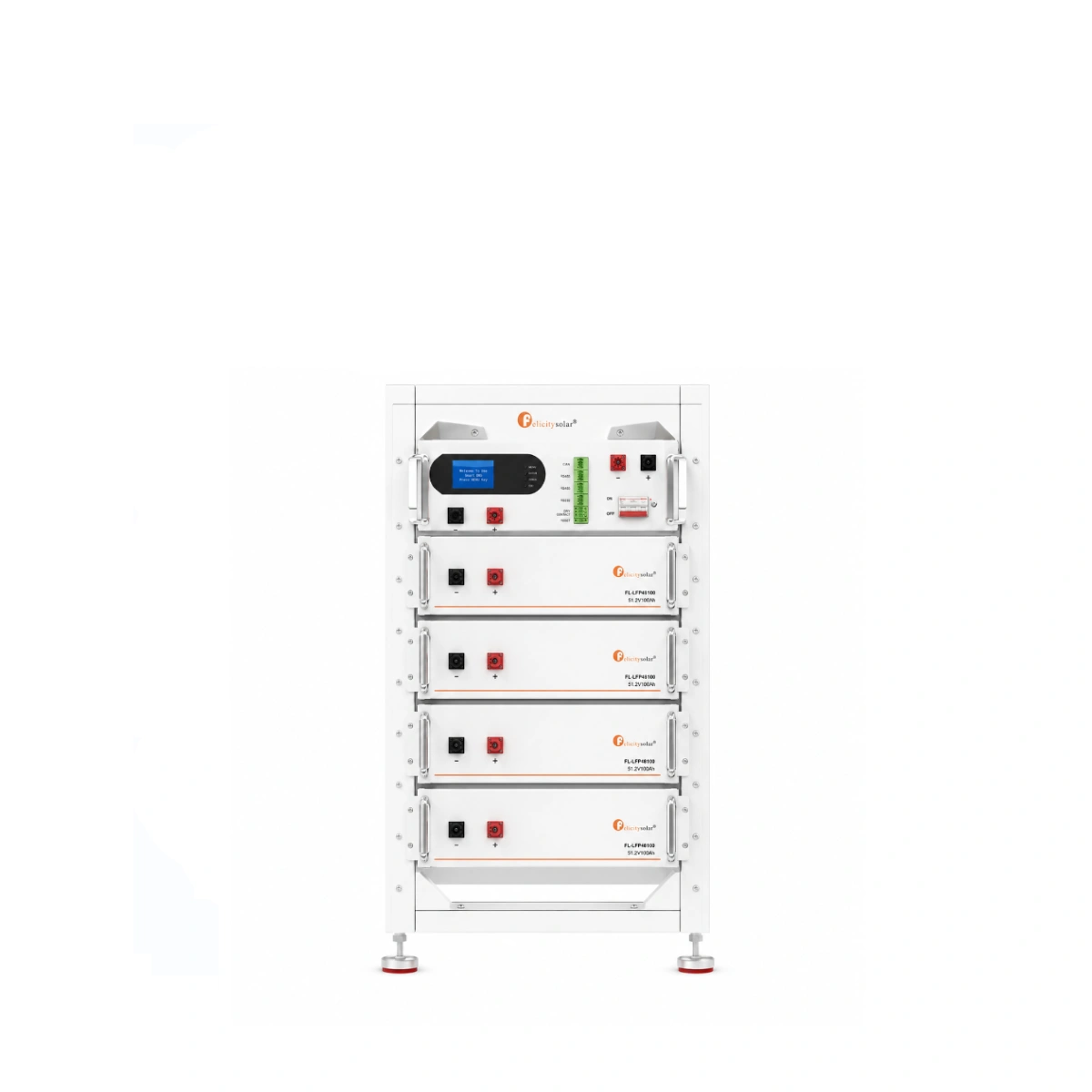
Felicity Solar 20.48 kWh High-Voltage LiFePO4 Battery System for Home and C&I Storage
In stock
New: 3397.88 €
0%
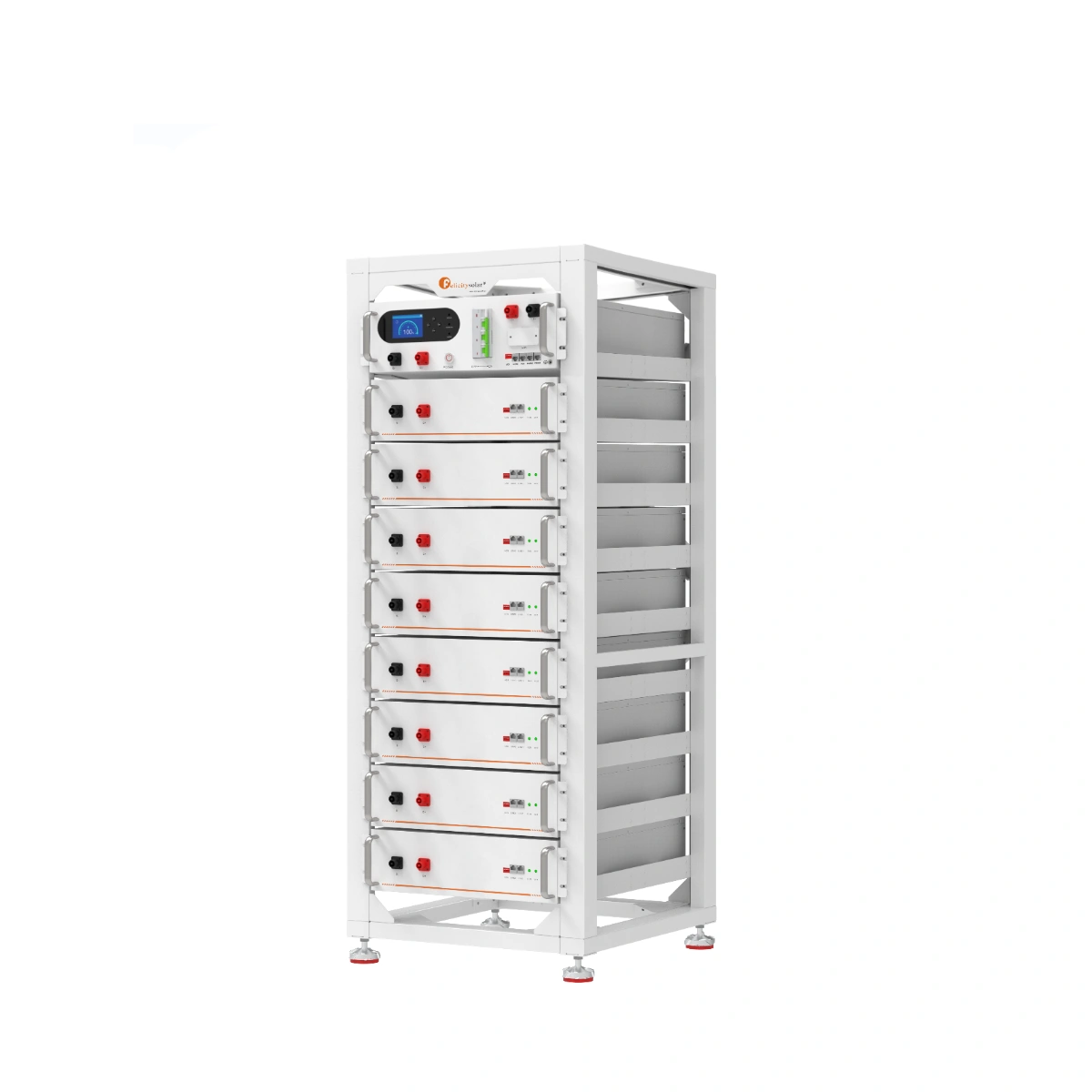
Felicity Solar 40.96 kWh High-Voltage LiFePO4 Battery System for C&I Storage
In stock
New: 5979.88 €
0%
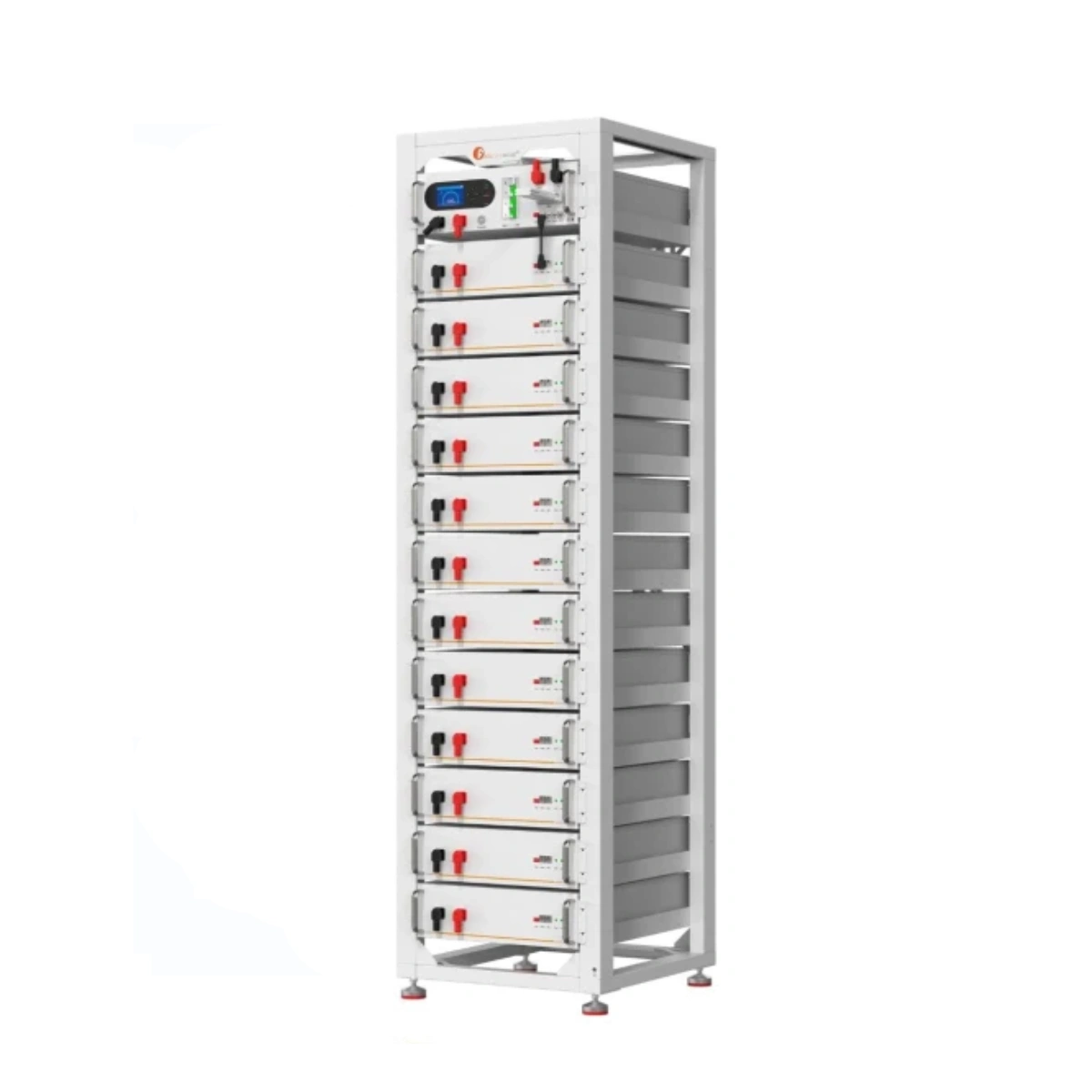
Felicity Solar 61.44kWh High-Voltage LiFePO4 Battery System for Commercial Energy Storage
In stock
New: 8309.88 €
0%

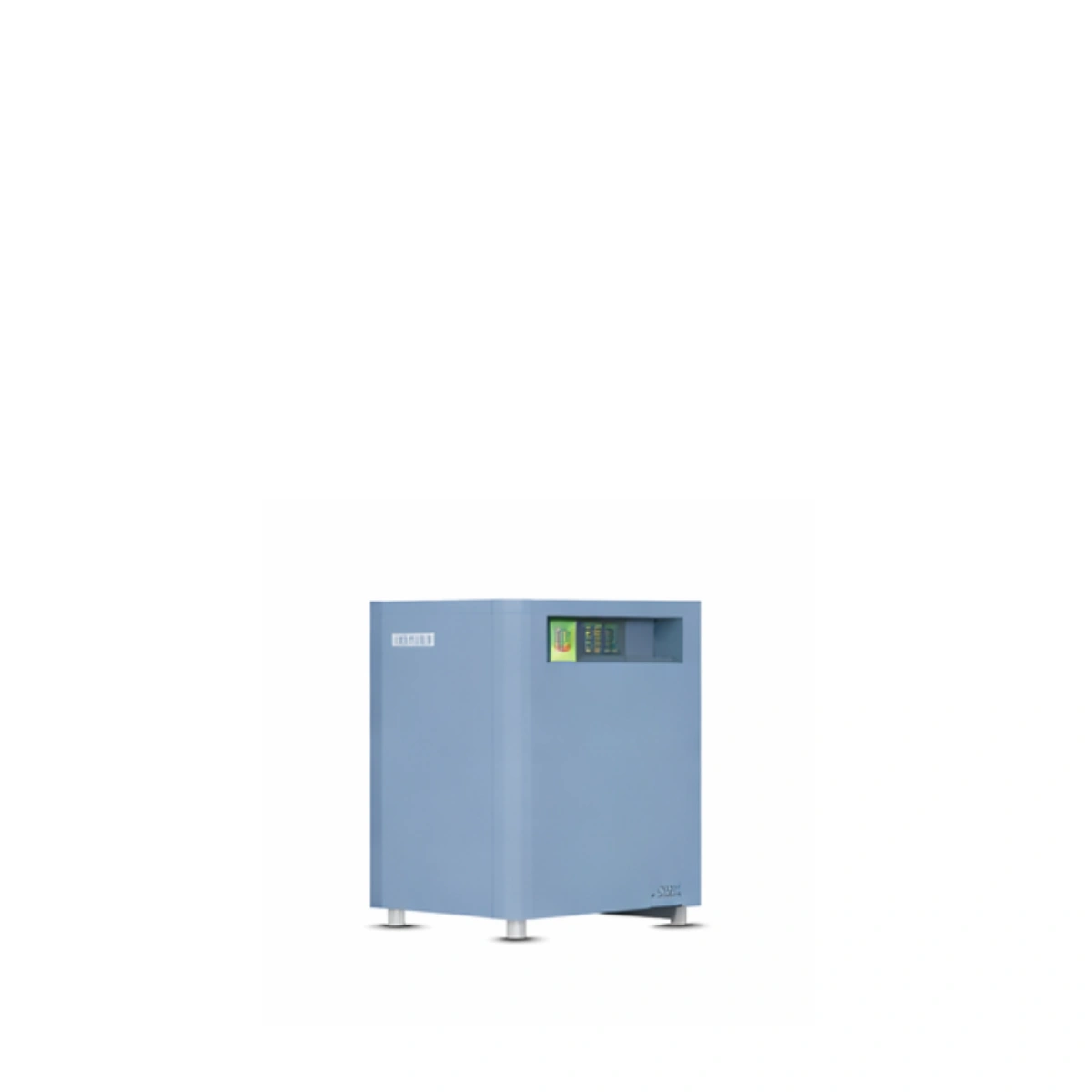


Fronius Reserva Pro 3.98 kWh HV Battery Module for High-Voltage Energy Storage Systems
Available on backorder
New: 1389.88 €
0%

Fronius Reserva Pro 12.0 Battery Set 11.9 kWh | High-Voltage Energy Storage System
Available on backorder
New: 5759.88 €
0%

Fronius Reserva Pro 16.0 Battery Set 15.9 kWh | High-Voltage Energy Storage System
Available on backorder
New: 7430.88 €
0%

Fronius Reserva Pro 20.0 Battery Set 19.9 kWh | High-Voltage Energy Storage System
Available on backorder
New: 8940.88 €
0%

Fronius Reserva Pro 24.0 Battery Set 23.9 kWh | High-Voltage Energy Storage System
Available on backorder
New: 10449.88 €
0%

Fronius Reserva Pro 28.0 Battery Set 27.9 kWh | High-Voltage Energy Storage System
Available on backorder
New: 11498.88 €
0%

Fronius Reserva Pro 32.0 Battery Set 31.9 kWh | High-Voltage Energy Storage System
Available on backorder
New: 12790.88 €
0%



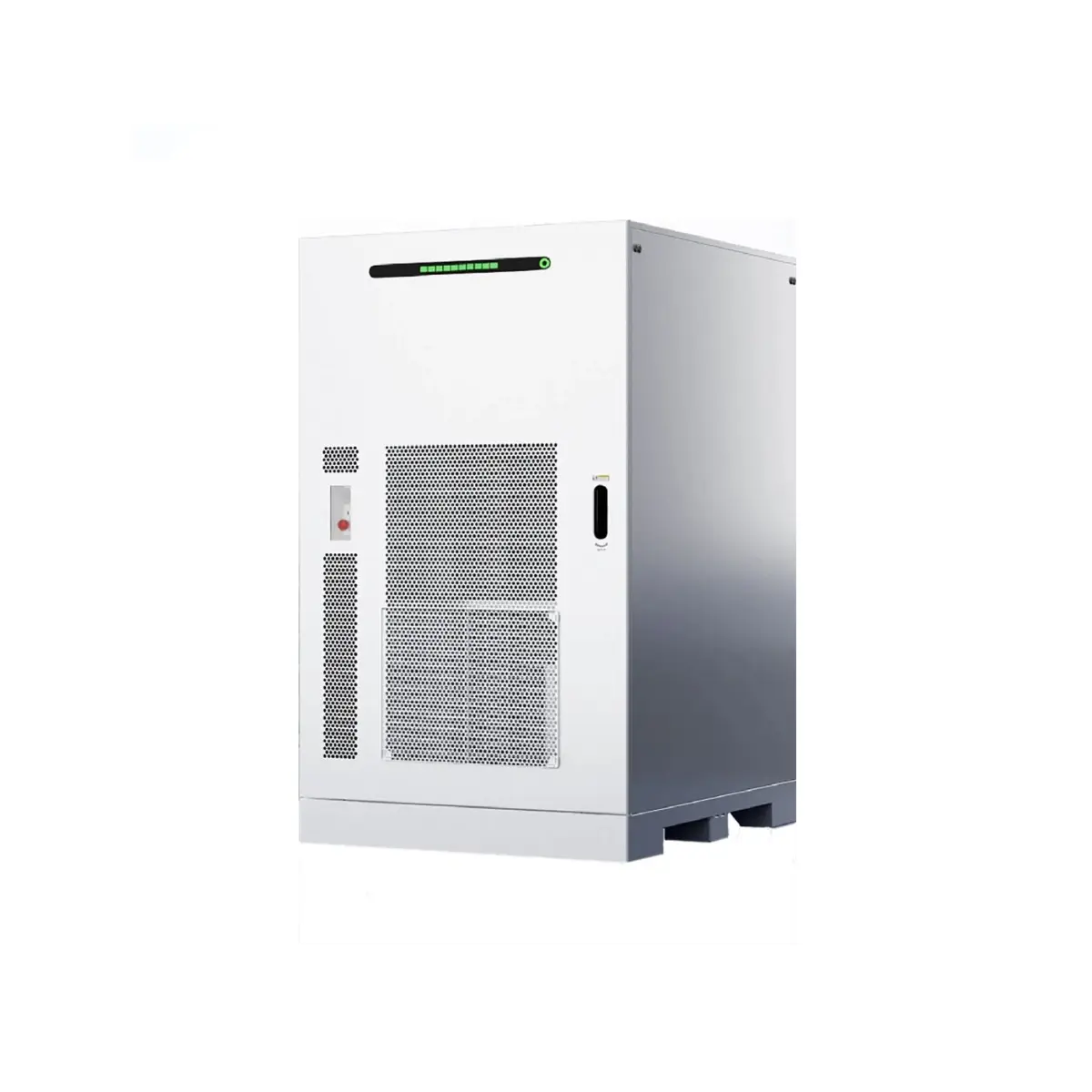
Huawei LUNA2000 107.5kWh Commercial Energy Storage System (1S11)
Available on backorder
New: 45469.88 €
0%
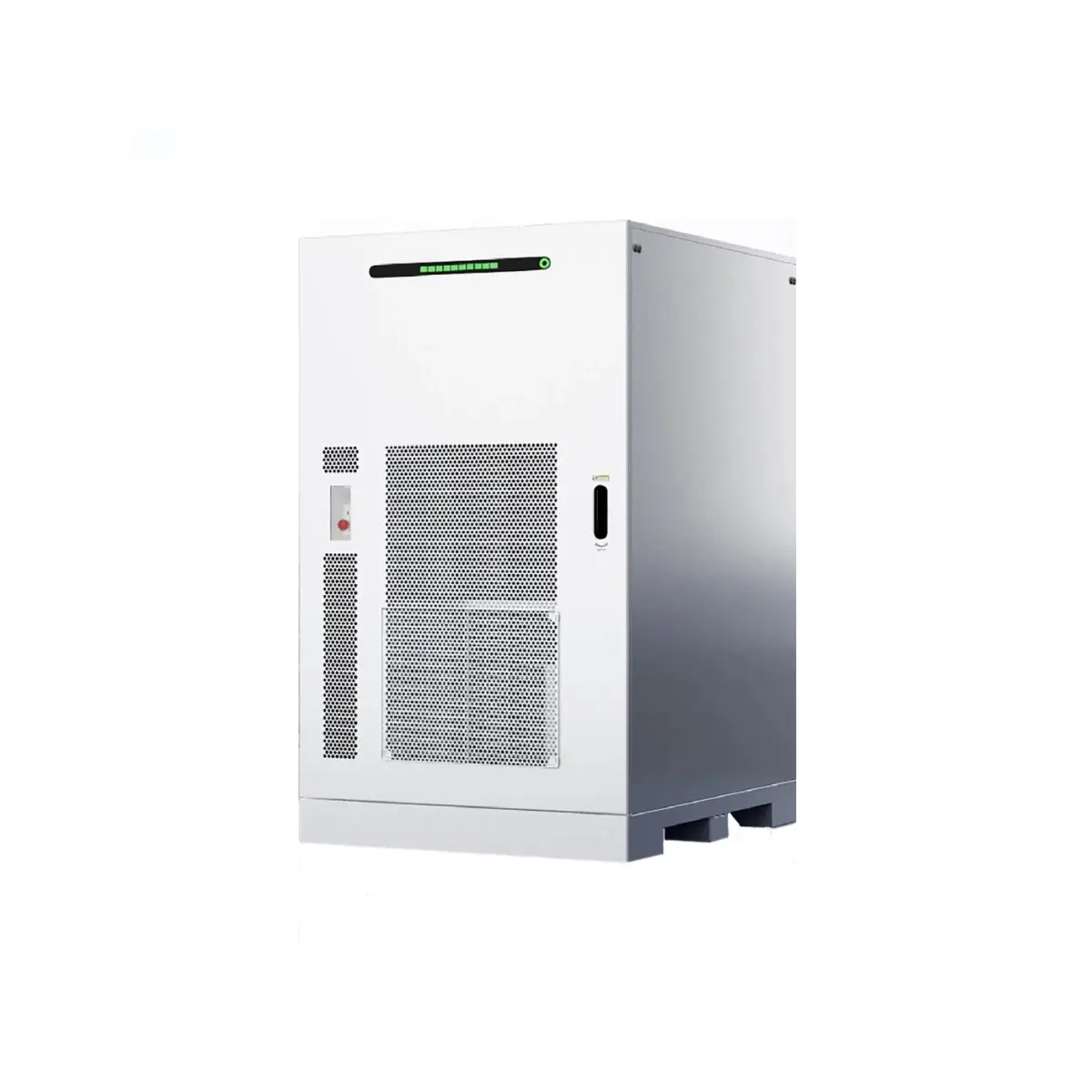
Huawei LUNA2000 161.3kWh Commercial Energy Storage System (2S11)
Available on backorder
New: 47973.88 €
0%
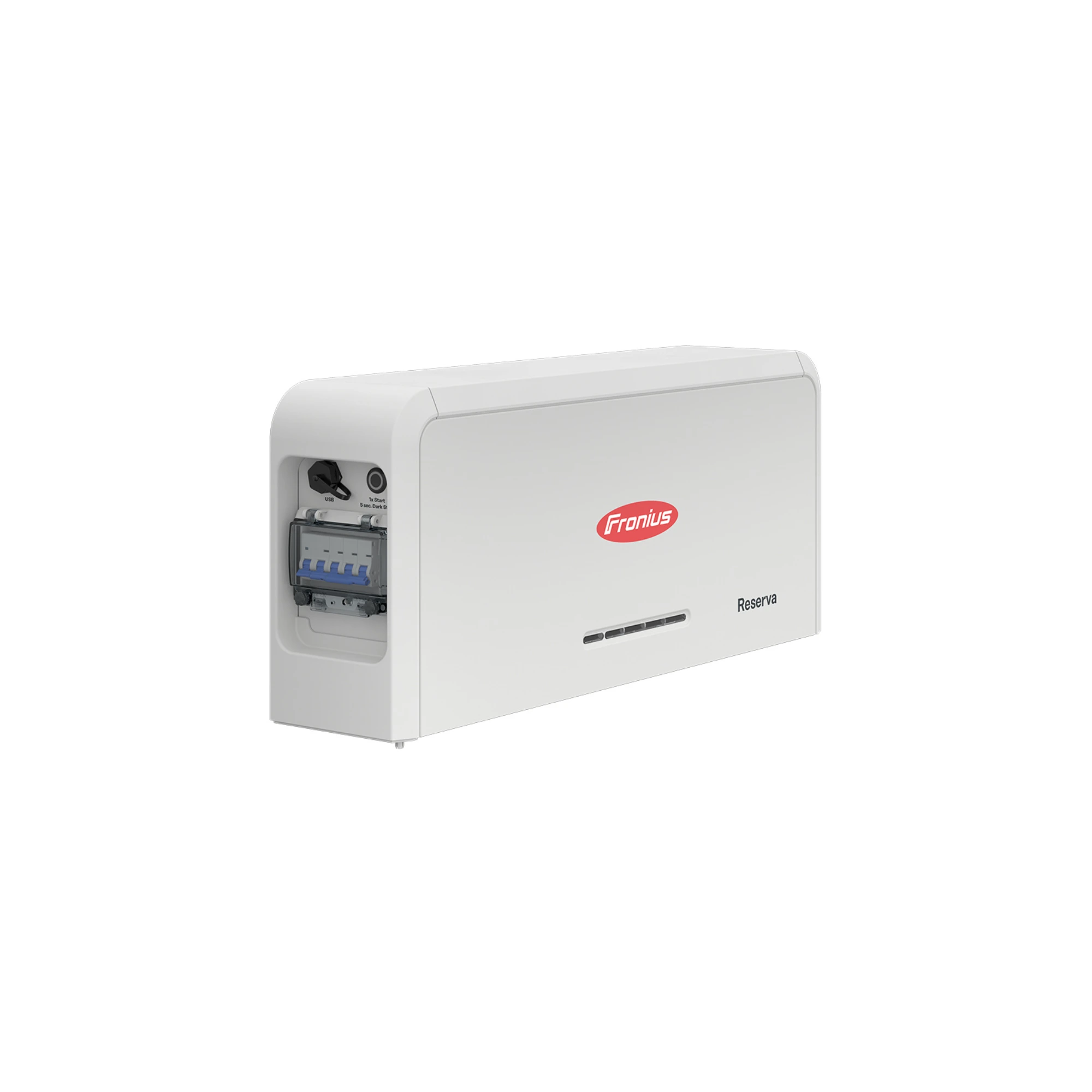

Fronius Reserva 3.15 kWh High-Voltage Solar Battery Module for Hybrid PV Systems
Available on backorder
New: 928.88 €
0%

Fronius Reserva 6.3 kWh High-Voltage Solar Battery Set for Hybrid PV Systems
Available on backorder
New: 2519.88 €
0%

Fronius Reserva 9.5 kWh High-Voltage Solar Battery Set for Hybrid PV Systems
Available on backorder
New: 3409.88 €
0%

Fronius Reserva 12.6 kWh High-Voltage Solar Battery Set for Hybrid PV Systems
Available on backorder
New: 4159.88 €
0%
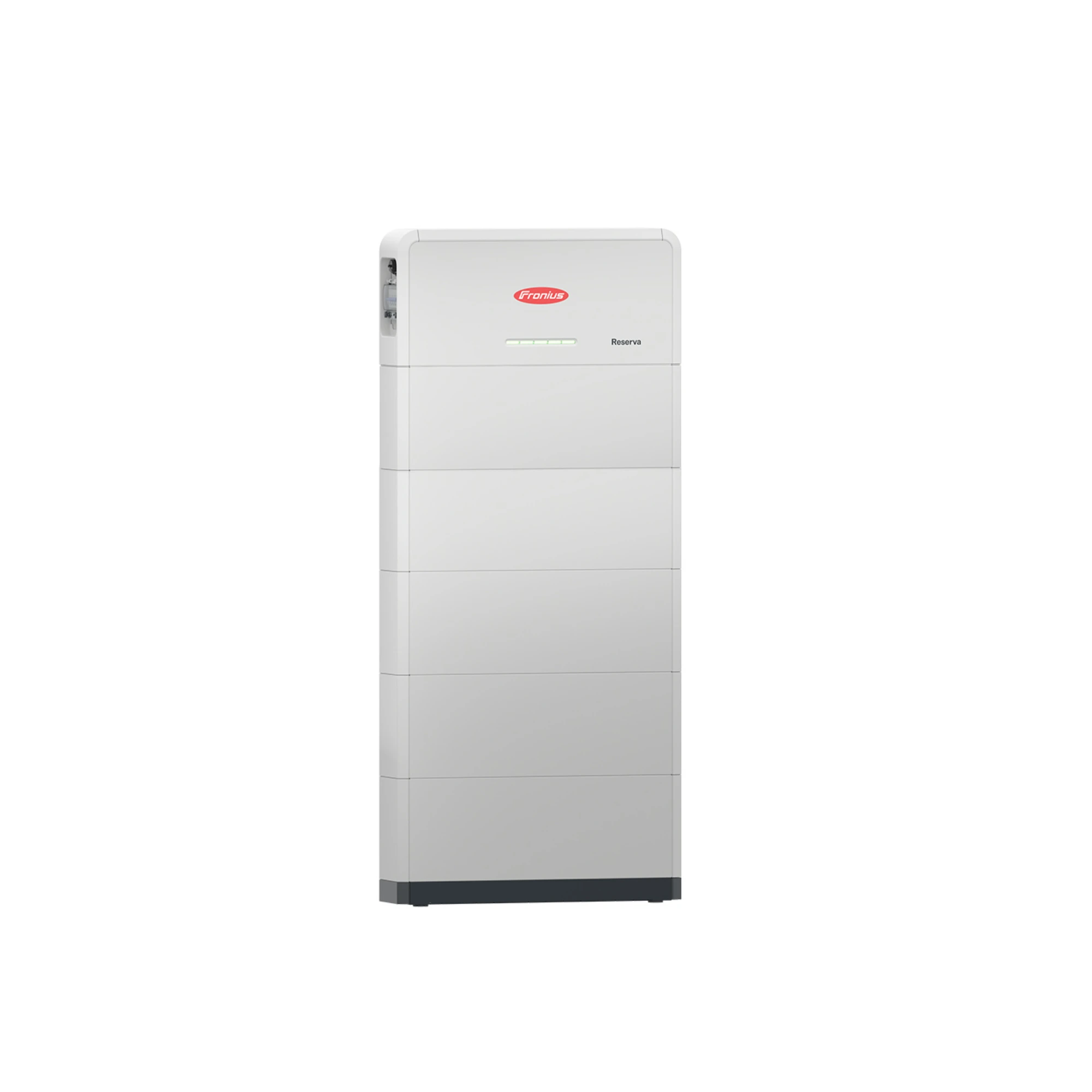
Fronius Reserva 15.8 kWh High-Voltage Solar Battery Set for Hybrid PV Systems
Available on backorder
New: 5159.88 €
0%

High-Voltage Solar Batteries for Hybrid Inverters and Energy Storage Systems
Buy high-voltage solar batteries for professional photovoltaic and energy storage installations. 3Buy Solar supplies HV battery systems, modular battery stacks and solar battery storage solutions for professional solar installers, qualified electricians, EPC contractors, solar wholesalers, solar distributors, resellers and procurement teams across Europe.
This category is focused on high-voltage battery systems used with compatible hybrid inverters, three-phase inverter platforms, residential energy storage systems, commercial PV storage projects, complete kits and solar battery-ready installations. Whether you are sourcing a modular high-voltage solar battery for a home PV system, a scalable battery stack for commercial self-consumption or a compatible battery solution for a hybrid inverter project, this category helps you identify the right storage products for professional use.
High-voltage solar batteries are designed to operate at a higher DC voltage than traditional low-voltage battery systems. This can support lower current for the same power level, improved system efficiency, cleaner wiring, better inverter integration and stronger suitability for modern hybrid inverter platforms. For installers, the most important buying factor is not only battery capacity. It is the complete compatibility between the battery, BMS, hybrid inverter, communication protocol, voltage range, backup design and installation environment.
Use this category when sourcing high-voltage solar batteries for:
- Residential solar battery storage systems
- Hybrid inverter installations
- Three-phase PV storage projects
- Commercial self-consumption systems
- Solar panels with battery storage
- Complete kits with high-voltage batteries
- Backup-ready solar systems
- Energy storage-ready PV installations
- Modular battery stack expansion
- New-build home energy systems
- Retrofitted solar battery projects
- Installer stock and project procurement
- Solar wholesaler and distributor supply
High-Voltage Solar Batteries for Professional Installers
High-voltage solar batteries are used in modern PV storage systems where solar panels, a compatible hybrid inverter and a battery storage system work together to increase self-consumption, reduce grid dependence and support backup-ready energy design where applicable.
In a typical DC-coupled energy storage system, the high-voltage battery connects to a compatible hybrid inverter. The battery management system communicates with the inverter, manages charging and discharging, protects the battery modules and helps maintain safe operation. Current solar battery comparison resources continue to highlight that DC-coupled batteries are commonly connected with compatible hybrid inverters to create solar energy storage systems.
Professional installers use high-voltage solar batteries in:
- Residential rooftop PV systems
- New solar and battery installations
- Hybrid inverter projects
- Three-phase inverter systems
- Solar battery-ready upgrades
- Commercial self-consumption projects
- Backup-ready residential systems
- Modular battery stack installations
- Complete solar kits
- Energy storage procurement
- EPC project supply
- Solar wholesaler and distributor stock
For installers and qualified electricians, high-voltage battery selection should always begin with inverter compatibility. The battery must match the inverter voltage window, communication protocol, BMS requirements, firmware compatibility and installation rules. A battery may have the right capacity but still be unsuitable if it is not approved for the inverter platform.
What Is a High-Voltage Solar Battery?
A high-voltage solar battery is an energy storage system designed to operate at higher DC voltage than traditional low-voltage battery systems. In the residential and small commercial solar market, high-voltage batteries are commonly used with hybrid inverters and are often built as modular stacks.
A high-voltage battery system may include:
- Battery modules
- Battery base or battery control unit
- Battery management system
- High-voltage connection cables
- Communication cable
- Battery-to-inverter wiring
- Safety disconnect or protection components
- Wall-mounted or floor-standing enclosure
- Optional expansion modules
- Monitoring integration through the inverter platform
High-voltage battery systems are commonly selected because they can support efficient power transfer, lower current for the same output power and easier integration with modern hybrid inverter systems. This is especially relevant for three-phase residential PV, larger home energy storage systems and commercial battery-ready installations.
Important buying factors include:
- Usable battery capacity
- Nominal and operating voltage range
- Battery chemistry
- Module scalability
- Compatible hybrid inverter list
- BMS communication protocol
- Backup capability
- Charge and discharge power
- Depth of discharge
- Cycle life
- Warranty conditions
- IP protection rating
- Indoor or outdoor installation suitability
- Expansion rules
- Documentation and certification availability
For professional installers, high-voltage solar battery procurement is about system matching, not just battery size.
High-Voltage vs Low-Voltage Solar Batteries
High-voltage and low-voltage solar batteries are both used in PV storage systems, but they are not interchangeable. The correct choice depends on the inverter, system size, power requirements, backup design and project application.
High-voltage solar batteries are commonly used for:
- Modern hybrid inverter systems
- Three-phase residential PV systems
- Larger home storage systems
- Commercial self-consumption projects
- Higher power charge and discharge applications
- Modular stack-based battery systems
- New PV and storage installations
- Installer-ready complete kits
Low-voltage batteries are commonly used for:
- 48V battery systems
- Off-grid systems
- Rack-mounted storage
- Some retrofit installations
- Smaller standalone power systems
- Specific inverter platforms designed for LV batteries
A key technical difference is current. For the same power level, a higher-voltage battery system can operate with lower current than a low-voltage system. This may reduce cable cross-section requirements and improve efficiency when the battery and inverter are correctly matched. However, high-voltage systems require correct installation, compatible components and professional handling.
Professional installers should not mix HV and LV system assumptions. A battery designed for a high-voltage hybrid inverter cannot simply replace a 48V rack battery, and a low-voltage battery cannot be connected to a high-voltage inverter unless the manufacturer specifically supports it.
Modular High-Voltage Battery Systems
Many high-voltage solar batteries are modular. This allows installers to build a battery system from multiple battery modules and scale capacity according to the customer’s energy demand, inverter capacity and manufacturer rules.
Modular HV battery systems are commonly used for:
- Residential self-consumption
- Backup-ready homes
- Three-phase PV installations
- Commercial battery storage
- Expansion-ready energy systems
- Complete kits with hybrid inverters
- Solar battery upgrade projects
- Installer standardisation across multiple jobs
A strong example of the modular high-voltage battery approach is BYD Battery-Box Premium HVS, which is composed of 2 to 5 HVS modules connected in series and can scale from 5.1 kWh to 12.8 kWh usable capacity, with additional scaling possible through parallel identical towers up to 38.4 kWh.
This type of modular architecture is important for installers because it gives flexibility during project design. A smaller residential system may need only a compact stack, while a larger home or commercial system may require higher usable capacity and future expansion planning.
When designing a modular high-voltage battery system, check:
- Minimum and maximum module count
- Usable capacity per module or stack
- Maximum number of parallel stacks
- Compatible inverter models
- Battery control unit requirements
- Firmware and communication compatibility
- Expansion rules after commissioning
- Installation spacing
- Weight per module
- Transport and handling requirements
- Warranty conditions for expansion
For solar wholesalers and solar distributors, modular batteries are attractive because the same product family can cover multiple project sizes.
High-Voltage Batteries and Hybrid Inverter Compatibility
Hybrid inverter compatibility is the most important technical factor when buying high-voltage solar batteries. The battery and inverter must communicate correctly through the approved protocol, and the inverter must support the battery voltage range, charge/discharge power and BMS logic.
High-voltage battery compatibility depends on:
- Inverter brand and model
- Battery brand and model
- Firmware version
- Communication protocol
- CAN or RS485 requirements
- Voltage operating range
- Maximum charge and discharge current
- Battery module count
- Backup mode support
- Monitoring platform compatibility
- Country-specific grid settings
- Approved compatibility list
Manufacturer compatibility lists are essential. For example, Sungrow publishes compatibility information for residential hybrid inverters and batteries, showing the importance of approved device combinations, monitoring, energy meters and system configuration.
Installers should always confirm compatibility before ordering. A high-voltage solar battery may be technically strong, but it is not the right product if it does not match the hybrid inverter platform used in the project.
Typical compatible system combinations may include high-voltage batteries used with hybrid inverter families from brands such as:
- BYD
- Huawei
- Sungrow
- Fronius
- SMA
- GoodWe
- Solis
- Growatt
- SolaX
- FoxESS
- SolarEdge
- Sofar
- Deye, where supported
- Other approved hybrid inverter platforms
Compatibility must always be checked on the current manufacturer documentation before installation.
Lithium Battery Chemistry: LFP, NMC and System Safety
High-voltage solar batteries may use different lithium battery chemistries. In the European residential and commercial PV market, lithium iron phosphate battery technology is especially common because of its thermal stability, safety profile and long cycle life.
LFP battery systems are often selected for:
- Residential solar battery storage
- Commercial self-consumption
- Modular battery stacks
- Long service life requirements
- Backup-ready home systems
- High-cycle applications
- Installer-standardised complete kits
BYD Battery-Box Premium HVS/HVM is an example of a high-voltage solar battery family using cobalt-free lithium iron phosphate battery technology, which is promoted for safety, life cycle and power capability.
NMC battery systems may also be used in some high-voltage home battery products, often where compact size and energy density are important. The right chemistry depends on the product, inverter platform, installation design and manufacturer specifications.
Professional buyers should check:
- Battery chemistry
- Safety certification
- Cycle life
- Usable capacity
- Depth of discharge
- Temperature limits
- Indoor or outdoor rating
- Installation clearance
- Fire safety requirements
- Warranty terms
- Manufacturer support
- Recycling and handling requirements
For installers, battery chemistry is only one part of the decision. The complete system design, inverter compatibility and safety documentation matter just as much.
High-Voltage Solar Batteries for Residential PV Systems
High-voltage solar batteries are widely used in residential PV systems where homeowners want higher self-consumption, backup readiness or more control over energy use. These systems are usually installed with compatible hybrid inverters and solar panels.
Residential high-voltage battery applications include:
- Solar self-consumption systems
- Hybrid inverter installations
- Three-phase home PV systems
- Backup-ready home energy systems
- New-build solar and storage packages
- Retrofit solar battery projects
- Modular battery expansion
- Smart energy management
- Complete residential kits
- EV-ready home energy design
For installers, residential battery projects require careful sizing. The battery should match the household load profile, solar panel output, inverter capacity, backup requirements and customer expectations. Oversizing can increase cost unnecessarily, while undersizing can reduce customer satisfaction.
Important residential design questions include:
- How much usable capacity is needed?
- Is backup required?
- Is the home single-phase or three-phase?
- Which hybrid inverter is installed?
- Is the battery compatible with the inverter?
- Can the battery be expanded later?
- Is the installation indoor or outdoor?
- What communication protocol is required?
- Does the customer need monitoring?
- Are local grid rules relevant?
A well-designed high-voltage solar battery system can improve self-consumption, reduce grid import and support more flexible energy management for residential customers.
High-Voltage Solar Batteries for Commercial PV Projects
Commercial solar battery systems are used for self-consumption optimisation, peak shaving, backup support, energy management and greater control over PV energy use. High-voltage battery systems are often relevant where the project requires higher power, larger capacity and efficient integration with commercial hybrid or storage inverter platforms.
Commercial applications include:
- Business self-consumption systems
- Commercial rooftop PV with storage
- Three-phase hybrid inverter systems
- Peak demand reduction
- Time-of-use optimisation
- Backup-ready business energy systems
- Industrial PV storage
- Agricultural energy storage
- Retail and logistics building projects
- Solar battery-ready commercial complete kits
- EPC project procurement
For commercial installations, battery selection should consider:
- Daily energy profile
- Peak load demand
- PV generation curve
- Inverter power
- Battery charge/discharge power
- Usable capacity
- Expansion potential
- Monitoring and metering
- Communication requirements
- Installation environment
- Project documentation
- Warranty and service access
High-voltage batteries can be a strong fit for commercial projects when the inverter and battery system are properly matched and the financial use case is clear.
High-Voltage Solar Batteries for Complete Kits
Complete kits with high-voltage batteries are valuable for installers, resellers and solar wholesalers because they reduce compatibility risk and simplify procurement. A complete solar battery kit may include solar panels, a hybrid inverter, a high-voltage battery stack, battery control unit, communication cable, power cable, monitoring equipment, protection devices and mounting accessories.
High-voltage battery complete kits may be used for:
- Residential solar and storage packages
- Three-phase home PV systems
- Backup-ready solar systems
- Commercial self-consumption kits
- Installer-standardised storage packages
- Solar battery upgrade projects
- New-build PV and ESS installations
- Reseller-ready energy storage bundles
A strong complete kit should be designed around verified compatibility. The battery, inverter, meter, communication cable, monitoring platform and backup configuration must work together.
For installers, complete kits help reduce:
- Wrong product matching
- Missing communication cables
- Firmware compatibility problems
- Installation delays
- Procurement complexity
- Commissioning issues
- Customer handover problems
For solar wholesalers and solar distributors, complete kits create higher commercial value because they provide a complete, project-ready solution instead of separate components.
High-Voltage Batteries for Solar Panels and Energy Storage Systems
High-voltage solar batteries are part of the wider energy storage system, not a standalone product. They must work together with solar panels, hybrid inverters, meters, monitoring systems and protection devices.
A typical high-voltage solar battery system may include:
- Solar panels
- Hybrid inverter
- High-voltage battery modules
- Battery control unit
- Battery base
- Communication cable
- Battery power cable
- Energy meter
- Backup box or backup interface, where applicable
- Monitoring platform
- DC and AC protection
- Mounting and installation accessories
For solar installers and qualified electricians, the system must be designed as one complete architecture. This is especially important where backup power, three-phase operation, battery expansion or commercial energy management is required.
High-voltage battery systems are commonly paired with modern solar panels and hybrid solar inverter platforms to support:
- Self-consumption
- Backup readiness
- Peak load reduction
- Time-of-use optimisation
- Smart home energy management
- Commercial energy control
- Grid import reduction
- Energy storage-ready upgrades
BMS, Communication and Monitoring Requirements
The battery management system is one of the most important parts of any high-voltage solar battery system. The BMS monitors battery voltage, temperature, state of charge, charge/discharge limits and safety conditions. It also communicates with the hybrid inverter.
Common communication requirements include:
- CAN communication
- RS485 communication
- Manufacturer-specific communication protocols
- Compatible firmware
- Correct battery address settings
- Approved battery-to-inverter cable
- Monitoring platform setup
- Smart meter integration
- Energy management system settings
Hybrid inverter and battery communication must be correct. If communication is wrong, the inverter may not charge or discharge the battery correctly, monitoring may fail or the system may show battery faults during commissioning.
Before installation, check:
- Battery communication protocol
- Inverter compatibility list
- Firmware version
- Battery module count
- Communication cable type
- Meter compatibility
- Monitoring platform requirements
- Backup mode settings
- Country configuration
- Commissioning procedure
For installers, this is often where technical support and accurate documentation save the most time.
How to Choose the Right High-Voltage Solar Battery
Before ordering a high-voltage solar battery, check the complete system design. The right battery depends on the inverter, project type, usable capacity, backup requirements, communication protocol and installation environment.
Check these points before purchase:
- Compatible hybrid inverter brand and model
- Battery voltage range
- Usable capacity
- Minimum and maximum module count
- Scalability and parallel stack options
- Charge and discharge power
- Battery chemistry
- BMS compatibility
- Communication protocol
- Cable and connector requirements
- Backup compatibility
- Single-phase or three-phase system design
- Indoor or outdoor installation
- IP protection rating
- Operating temperature range
- Installation clearance
- Weight and handling
- Warranty terms
- Certification and documentation
- Monitoring and commissioning requirements
A high-voltage solar battery should never be selected only by kWh capacity. The full system must be compatible, safe and installable according to manufacturer documentation.
Battery Sizing for Residential and Commercial Projects
Battery sizing depends on the customer’s energy use, PV system size, inverter power and project goal. Residential projects often focus on self-consumption and backup readiness, while commercial projects may focus on peak shaving, load shifting and energy management.
Sizing factors include:
- Daily energy consumption
- PV system size
- Daytime and evening load profile
- Backup load requirement
- Inverter power
- Battery charge/discharge power
- Usable battery capacity
- Depth of discharge
- Expected expansion
- Space available for installation
- Customer budget
- Grid tariff structure
- Commercial peak demand profile
- Monitoring and energy management needs
For installers, correct sizing improves customer satisfaction. A properly sized high-voltage solar battery gives the customer useful storage capacity without unnecessary overspending.
For EPC contractors and solar wholesalers, good sizing also reduces support requests, product returns and commissioning issues.
Technical Buying Checklist for High-Voltage Solar Batteries
Use this checklist before buying a high-voltage solar battery or modular HV battery stack:
- Confirm the battery is high-voltage, not 48V low-voltage
- Confirm compatible hybrid inverter model
- Confirm battery voltage range
- Confirm usable capacity
- Confirm minimum and maximum module count
- Confirm expansion rules
- Confirm BMS compatibility
- Confirm CAN or RS485 communication requirement
- Confirm battery power and communication cables
- Confirm backup compatibility if required
- Confirm single-phase or three-phase system suitability
- Confirm indoor or outdoor installation rating
- Confirm IP protection class
- Confirm operating temperature range
- Confirm battery chemistry
- Confirm weight and handling requirements
- Confirm installation clearance
- Confirm firmware requirements
- Confirm warranty conditions
- Confirm datasheet and installation manual availability
- Confirm stock quantity for the full project
This checklist helps installers avoid wrong orders, inverter mismatch, commissioning delays and compatibility problems.
High-Voltage Battery Brands and Product Families
3Buy Solar may supply high-voltage solar batteries and energy storage systems from recognised battery and inverter ecosystems depending on availability.
Relevant product families and brand ecosystems may include:
- BYD Battery-Box high-voltage systems
- Huawei LUNA high-voltage battery systems
- Pylontech high-voltage battery systems
- Sungrow high-voltage batteries
- SolarEdge Home Battery 400V systems
- GoodWe Lynx high-voltage batteries
- SolaX Triple Power batteries
- Growatt high-voltage batteries
- FoxESS high-voltage batteries
- Sofar high-voltage storage systems
- Other compatible HV battery platforms
SolarEdge describes its Home Battery 400V as part of its residential storage and backup portfolio, underlining the importance of matched battery and inverter ecosystems in modern residential solar storage.
Availability, compatibility and product range may vary by market, stock and manufacturer approvals. Always check current datasheets and compatibility lists before specifying a battery for a project.
Fast Procurement for High-Voltage Solar Batteries
For installers and EPC teams, solar battery procurement needs to be accurate, compatible and fast. This category helps professional buyers source high-voltage solar batteries, modular battery stacks and storage accessories for residential, commercial and energy storage-ready PV projects.
Use this category when you need:
- High-voltage solar battery modules
- Modular battery stacks
- Battery control units
- Battery bases
- Hybrid inverter-compatible batteries
- Complete battery kits
- Solar battery-ready PV products
- Three-phase storage solutions
- Backup-ready system components
- Communication cables
- Battery-to-inverter cables
- Monitoring accessories
- Installer stock and project supply
3Buy Solar supports professional buyers with high-voltage solar battery products suitable for installers, EPC contractors, qualified electricians, solar wholesalers, solar distributors and resellers across Europe.
Why Professional Installers Buy High-Voltage Solar Batteries from 3Buy Solar
3Buy Solar supplies high-voltage solar batteries, modular battery storage systems and energy storage products for professional PV buyers across Europe. This category is designed for installers and procurement teams who need reliable compatibility, practical purchasing and technical product relevance.
Professional buyers choose 3Buy Solar for:
- Installer-ready high-voltage solar battery selection
- Battery systems for compatible hybrid inverters
- Modular battery stacks for scalable storage
- Solar battery products for residential and commercial PV systems
- Energy storage solutions for complete kits
- Solar battery-ready project supply
- B2B purchasing and recurring procurement
- European supply and logistics support
- Solar wholesaler and solar distributor purchasing
- Technical product information for professional buyers
- Product matching with solar panels, solar inverter systems and accessories
- Procurement support for EPC contractors and resellers
As a solar PV supplier and solar wholesaler, 3Buy Solar helps installers source the energy storage layer needed to complete modern PV systems properly. Solar panels, solar inverter systems, complete kits and solar battery projects all depend on correct system matching.
Related Solar Product Categories
- Solar Batteries
- Low-Voltage Solar Batteries
- Energy Storage
- Hybrid Inverters
- Solar Inverter
- Solar Panels
- Complete Kits
- Battery Accessories
- Solar Cables and Wiring
- DC Solar Cables
- AC Cables
- Solar Connectors
- DC Protection
- Monitoring
- Smart Meters
- Mounting Systems
Frequently Asked Questions About High-Voltage Solar Batteries
What is a high-voltage solar battery?
A high-voltage solar battery is an energy storage system designed to operate at a higher DC voltage than traditional low-voltage or 48V battery systems. It is commonly used with compatible hybrid inverters in residential, commercial and energy storage-ready PV installations.
What are high-voltage solar batteries used for?
High-voltage solar batteries are used to store energy from solar panels and supply it later for self-consumption, backup-ready systems, peak load reduction, time-of-use optimisation and smart energy management. They are commonly used with hybrid inverter systems.
Are high-voltage solar batteries better than low-voltage batteries?
High-voltage batteries are often better suited for modern hybrid inverters, three-phase systems and higher-power storage applications because they can operate with lower current for the same power level. Low-voltage batteries may still be suitable for 48V systems, off-grid installations and specific inverter platforms.
Which inverters are compatible with high-voltage solar batteries?
Compatibility depends on the exact battery and inverter model. High-voltage batteries are commonly used with compatible hybrid inverters from approved brand ecosystems such as BYD, Huawei, Sungrow, Fronius, SMA, GoodWe, Solis, Growatt, SolaX, SolarEdge, FoxESS and Sofar, depending on the manufacturer compatibility list.
Can high-voltage solar batteries be expanded later?
Many high-voltage solar batteries are modular and can be expanded by adding battery modules or parallel stacks, but expansion rules depend on the manufacturer, battery model, module age, firmware and inverter compatibility. Always check the current installation manual before expanding a battery system.
Are high-voltage solar batteries suitable for residential systems?
Yes. High-voltage solar batteries are widely used in residential PV systems, especially with hybrid inverters and three-phase home installations. They are suitable for self-consumption, backup-ready systems and modern home energy management when correctly matched to the inverter.
Are high-voltage solar batteries suitable for commercial projects?
Yes. High-voltage solar batteries can be used in commercial PV projects for self-consumption, peak shaving, backup support, load shifting and energy management. The correct system size depends on the commercial load profile, inverter design and project requirements.
What communication protocol do high-voltage solar batteries use?
Many high-voltage solar batteries communicate with hybrid inverters using CAN or RS485 protocols, depending on the brand and model. The battery and inverter must use an approved communication setup for safe charging, discharging, monitoring and commissioning.
Can high-voltage solar batteries be used in complete kits?
Yes. High-voltage solar batteries are often used in complete kits with solar panels, compatible hybrid inverters, meters, communication cables, monitoring systems, protection devices and installation accessories.
Who should buy high-voltage solar batteries from this category?
This category is built for professional solar installers, qualified electricians, EPC contractors, solar wholesalers, solar distributors, resellers and procurement teams sourcing high-voltage solar batteries and energy storage systems across Europe.
Why buy high-voltage solar batteries from 3Buy Solar?
3Buy Solar supplies high-voltage solar batteries, modular battery systems and energy storage products for professional European PV projects, including residential rooftops, commercial installations, complete kits, hybrid inverter systems, solar battery-ready projects and energy storage-ready installations.