EV Accessories and Mounting


Mounting and Racking
- Ordering is restricted to approved accounts. Please log in and await approval before placing an order.

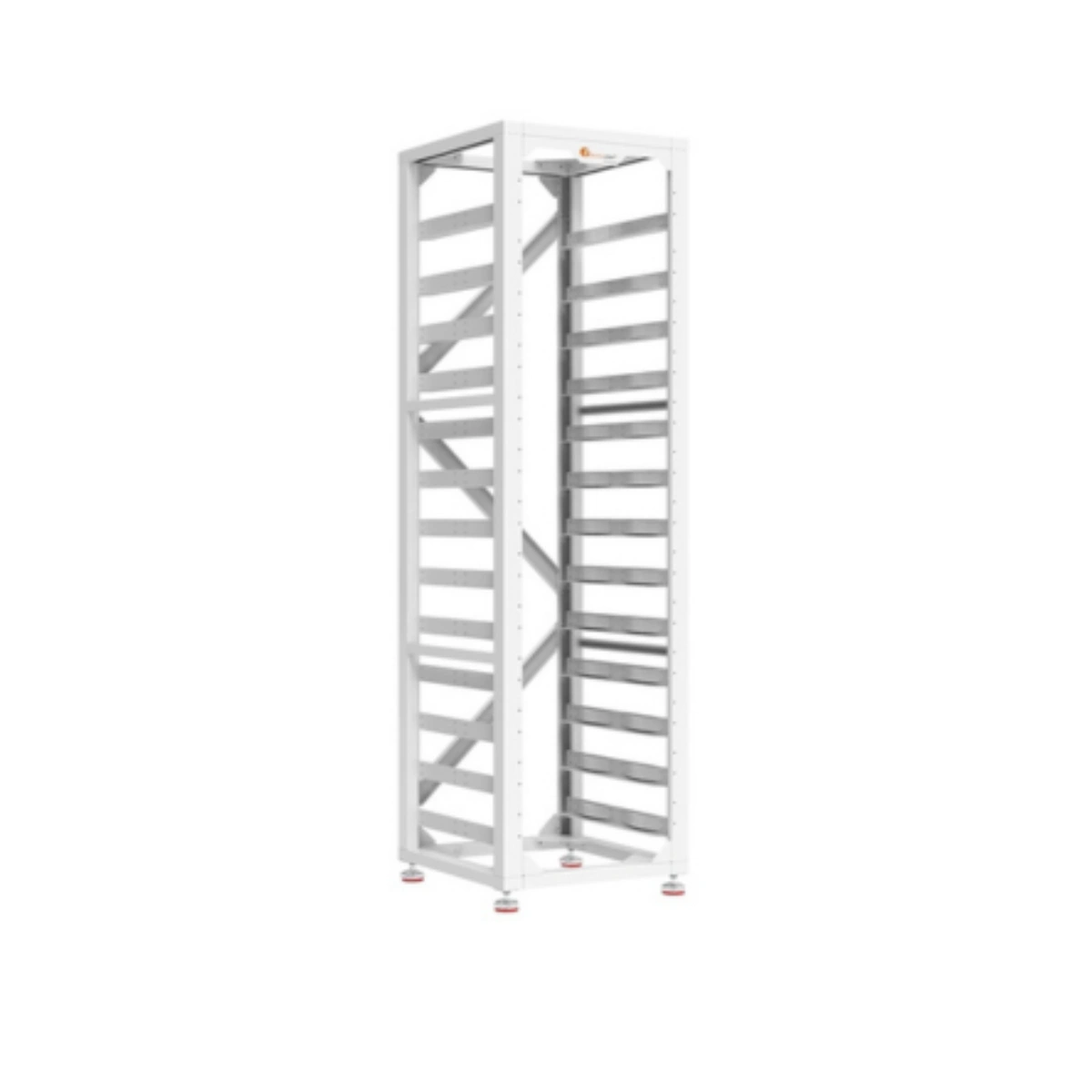
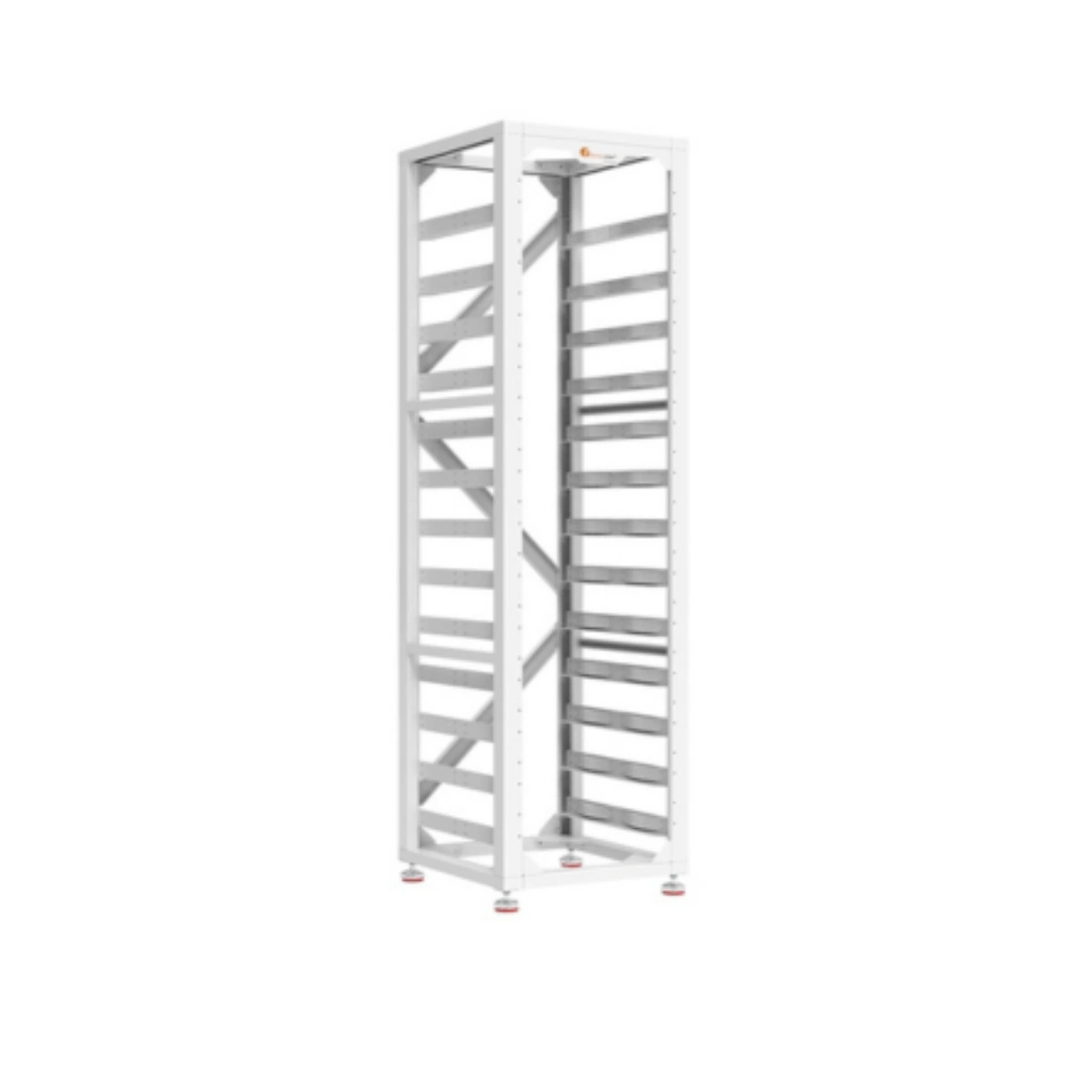
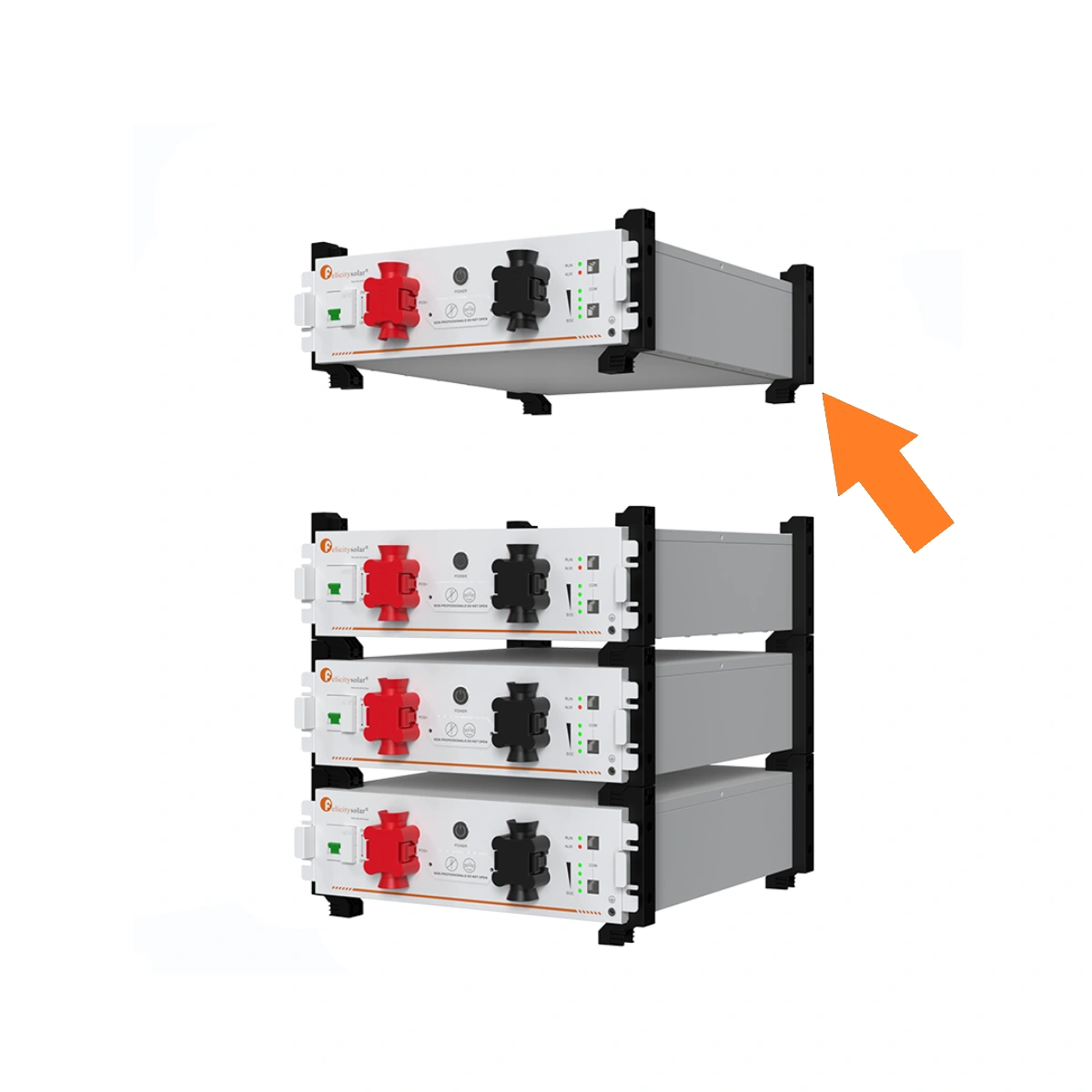
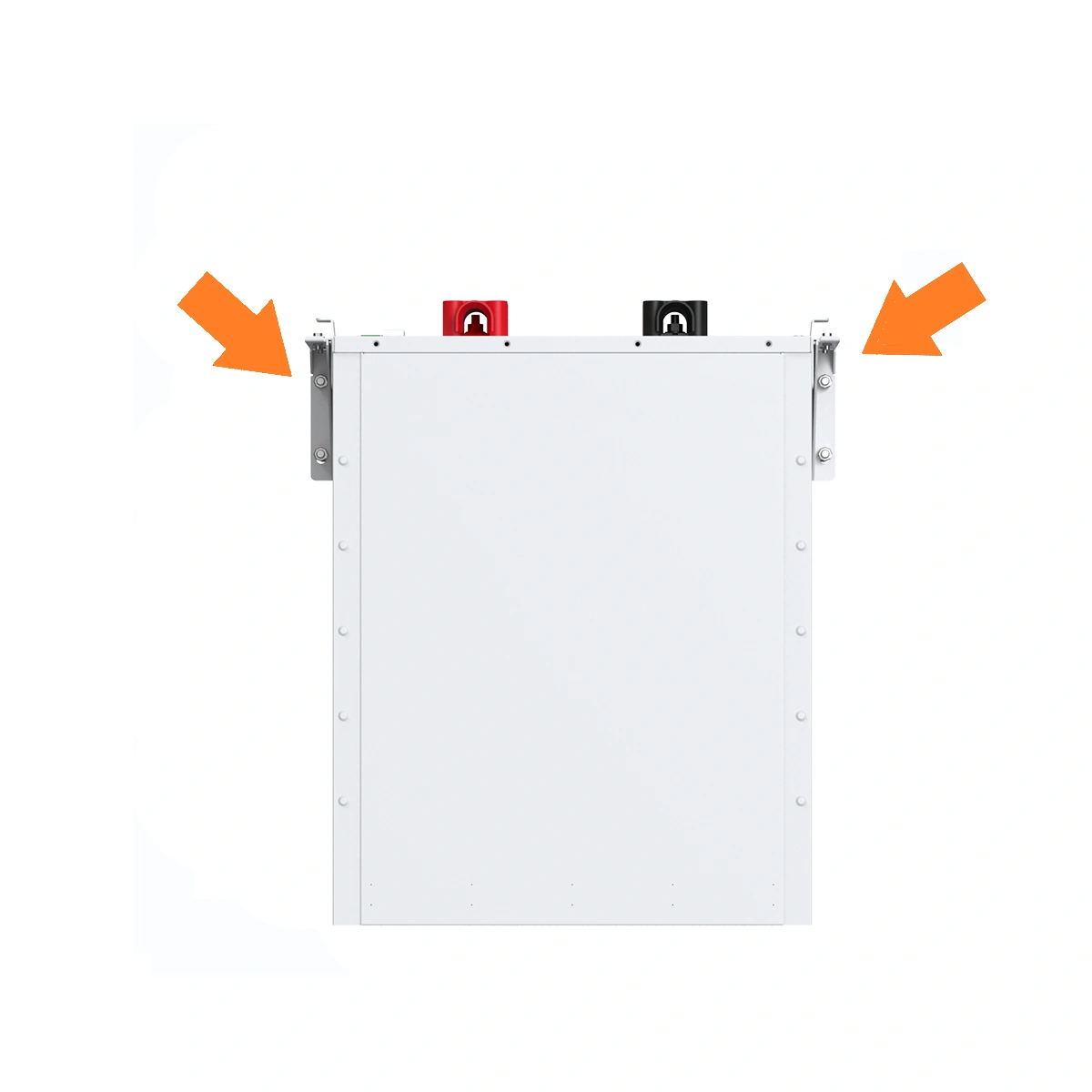

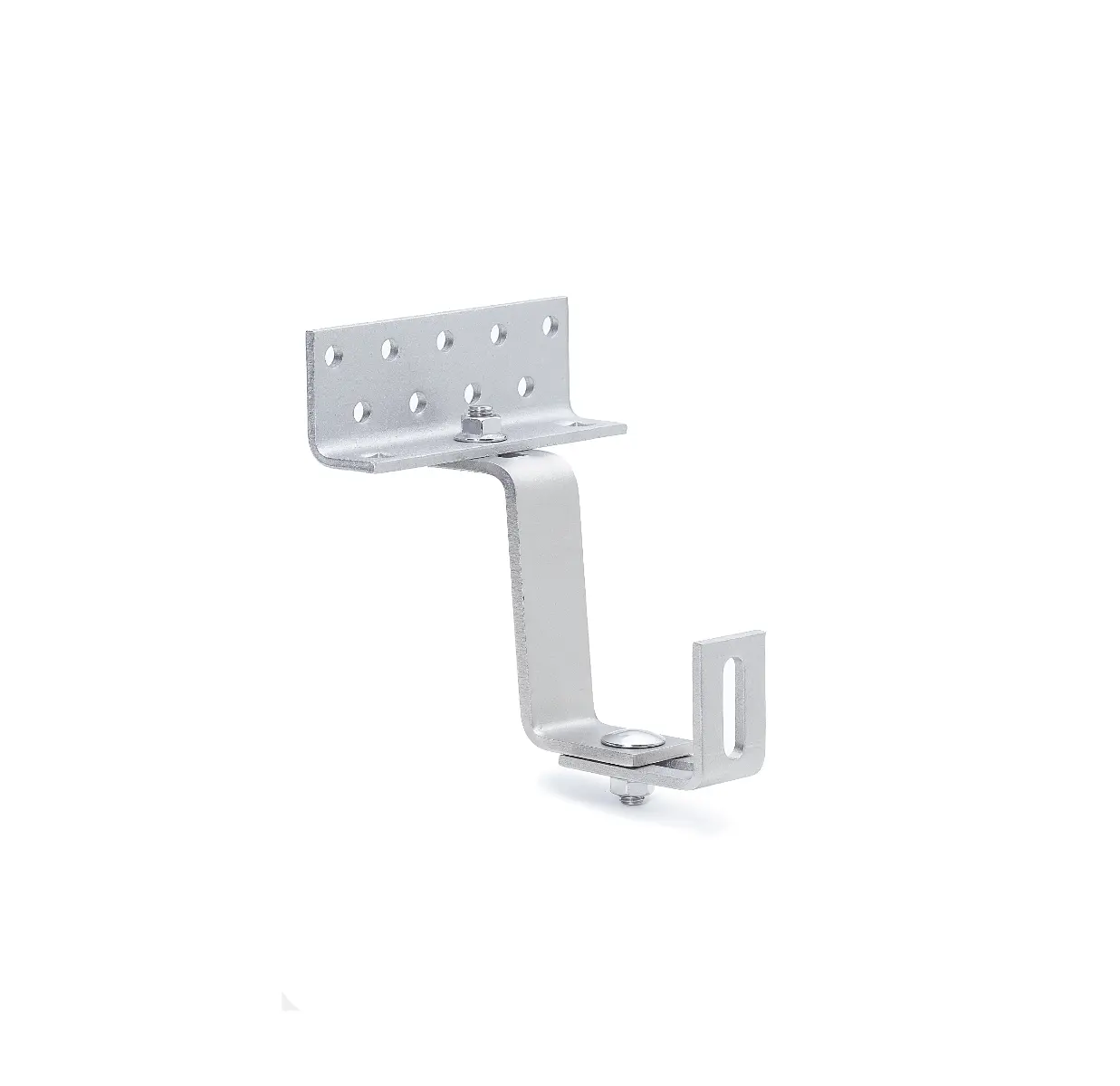
Solar Mounting Systems and Racking for Professional PV Installations
Buy solar mounting systems, PV racking, roof mounts, ground mount structures, rails, clamps, roof hooks, ballast systems and solar panel mounting accessories for professional photovoltaic installations. 3Buy Solar supplies installer-ready solar mounting products for solar installers, qualified electricians, EPC contractors, solar wholesalers, solar distributors, resellers and procurement teams across Europe.
This category is built for residential, commercial, industrial and ground-mounted PV projects where solar panels must be installed safely, securely and efficiently on different roof types, ground surfaces and support structures. Whether you are sourcing pitched roof mounting, flat roof ballast systems, trapezoidal metal roof fixings, tile roof hooks, standing seam clamps, ground mount racking, rail systems, mid clamps, end clamps or complete mounting kits, this category helps you select the correct PV mounting system for professional solar projects.
Solar mounting systems are not just mechanical accessories. They are the structural foundation of the PV array. A correctly selected racking system helps protect solar panels, reduce installation risk, support wind and snow load requirements, maintain roof integrity, improve cable routing and create a reliable platform for long-term solar power generation.
Use this category when sourcing solar mounting systems for:
- Residential rooftop solar systems
- Commercial rooftop PV installations
- Industrial solar projects
- Flat roof ballast systems
- Pitched roof PV mounting
- Tile roof solar installations
- Trapezoidal metal roof systems
- Standing seam metal roofs
- Ground-mounted solar arrays
- Agricultural PV projects
- Solar farms and open-field systems
- Carport and canopy PV structures
- Complete kits for installers and EPCs
- Solar panel mounting accessories
- Solar inverter and energy storage-ready PV projects
- Recurring installer stock and project procurement
Solar Mounting Systems for Installers, Electricians and EPC Contractors
Solar mounting systems are used to fix solar panels securely to roofs, ground structures, carports, façades and other installation surfaces. In professional PV projects, the mounting structure must be selected according to roof type, module size, layout, wind load, snow load, waterproofing requirements, corrosion resistance, grounding, cable management and installation method.
For installers and EPC contractors, solar racking is one of the most important parts of the project. It defines module positioning, row spacing, tilt angle, roof attachment, structural stability, service access and installation speed. A strong solar mounting system can help reduce labour time, protect the roof surface and support long-term PV system reliability.
Solar mounting systems may include:
- Mounting rails
- Rail connectors and splice kits
- Mid clamps
- End clamps
- Roof hooks
- Tile roof attachments
- L-feet
- Flashing components
- Trapezoidal sheet metal brackets
- Standing seam clamps
- Ballast trays
- Flat roof support frames
- Ground mount posts
- Ground screws or pile foundations
- Triangle mounting brackets
- Tilt legs
- Bonding and grounding clips
- Cable management clips
- Fasteners, bolts and nuts
- Complete solar mounting kits
For professional buyers, the goal is not only to “hold panels in place”. The goal is to install solar panels safely, protect the building, meet project requirements and create a durable mechanical structure that supports the entire PV system for decades.
What Is a Solar Mounting System?
A solar mounting system is the mechanical structure used to secure solar panels to a roof, ground foundation or other support surface. It keeps PV modules in the correct position and angle while transferring loads safely into the building structure or ground foundation.
Solar mounting systems are also commonly called:
- Solar racking systems
- PV mounting systems
- PV racking
- Solar panel mounting systems
- Solar roof mounts
- Solar ground mounts
- Solar rail systems
- Solar panel brackets
- Solar panel fixing systems
- Flat roof solar mounting
- Pitched roof solar mounting
- Ballasted solar racking
- Ground mount solar structures
In a professional PV installation, the mounting system works together with solar panels, solar inverter systems, DC cables, solar connectors, monitoring, optimizers, solar batteries and energy storage components. The mounting design influences electrical routing, module ventilation, maintenance access, shading, roof load and long-term system safety.
Core mounting components usually include rails, roof or ground attachments, module clamps, flashing, bonding hardware and fasteners. Industry guidance also commonly describes rails, roof attachments, module clamps, flashing and bonding parts as core components of a complete PV racking system.
Main Solar Mounting Products Available in This Category
Depending on stock availability, this category may include complete mounting systems and individual mounting components for professional PV projects.
Typical product groups include:
- Pitched roof solar mounting systems
- Flat roof solar mounting systems
- Ballasted solar racking
- Ground mount solar systems
- Solar panel rails
- Aluminium mounting rails
- Rail connectors
- Mid clamps
- End clamps
- Universal module clamps
- Roof hooks
- Adjustable roof hooks
- Tile roof mounting accessories
- Trapezoidal metal roof brackets
- Standing seam clamps
- L-feet and roof attachments
- Flashing components
- Triangle mounting brackets
- Tilt legs and angle supports
- Ballast trays and ballast blocks
- Ground screws and foundation accessories
- Earthing and bonding clips
- Cable management clips
- Stainless steel fasteners
- Complete solar mounting kits
These products are commonly purchased together with solar panels, solar inverter systems, solar cables, PV connectors, DC protection, optimizers, monitoring equipment, solar batteries, energy storage systems and complete kits.
For installers, sourcing the mounting system with the rest of the solar project reduces delays and helps avoid missing-part issues on site. For solar wholesalers and solar distributors, mounting systems are a critical repeat-purchase category because every PV project needs mechanical fixing hardware.
Roof Mounting Systems for Solar Panels
Roof mounting systems are used for residential and commercial PV installations on pitched roofs, flat roofs and industrial roof structures. The correct roof mounting solution depends on roof material, pitch, load capacity, waterproofing requirements, module layout, wind zone and installation method.
Roof mounting systems may be used on:
- Tile roofs
- Concrete tile roofs
- Clay tile roofs
- Slate roofs
- Trapezoidal metal roofs
- Standing seam metal roofs
- Corrugated sheet roofs
- Flat roofs
- Bitumen roofs
- Membrane roofs
- Commercial rooftops
- Industrial rooftops
- Agricultural buildings
- Residential houses
Professional solar roof mounting must protect both the PV system and the roof structure. For pitched roofs, this often means using roof hooks, rails, clamps and flashing where required. For metal roofs, this may involve trapezoidal brackets, standing seam clamps or rail-less mounting options depending on the roof type. For flat roofs, ballasted systems are often selected where roof penetration should be reduced or avoided.
Manufacturer pages for roof mounting systems commonly organise products by roof type and attachment type because the correct solution depends heavily on whether the project is tile, shingle, metal, flat roof or another surface.
Pitched Roof Solar Mounting Systems
Pitched roof solar mounting systems are commonly used for residential rooftops and smaller commercial buildings. These systems usually combine roof-specific attachments with aluminium rails, mid clamps, end clamps and bonding hardware.
Pitched roof mounting applications include:
- Residential solar panel installations
- Tile roof PV systems
- Concrete and clay roof projects
- Slate roof solar installations
- Pitched metal roof systems
- Roof hook and rail installations
- Rail-based solar panel mounting
- Hybrid inverter-ready home PV systems
- Complete residential solar kits
- Service and extension projects
Typical pitched roof mounting components include:
- Roof hooks
- Adjustable roof hooks
- L-feet
- Rails
- Rail connectors
- Mid clamps
- End clamps
- Flashing components
- Bonding clips
- Stainless steel fasteners
- Cable clips
For installers, pitched roof systems should be selected according to roof material, rafter position, tile type, roof pitch, module layout, snow load, wind load and waterproofing requirements.
A well-designed pitched roof mounting system helps speed up installation, reduce tile breakage, maintain correct module alignment and provide a secure fixing point for the solar panels.
Flat Roof Solar Mounting and Ballasted PV Racking
Flat roof solar mounting systems are commonly used on commercial buildings, warehouses, industrial roofs and some residential flat roof projects. These systems may be ballasted, mechanically fixed or hybrid, depending on roof structure, waterproofing requirements, wind exposure and engineering design.
Flat roof mounting applications include:
- Commercial rooftop PV systems
- Warehouse solar projects
- Industrial flat roof installations
- Office buildings
- Retail and supermarket rooftops
- Logistics centres
- Agricultural buildings
- Low-tilt east-west PV layouts
- South-facing tilt systems
- Ballasted solar panel arrays
- Non-penetrating roof mounting where suitable
Flat roof systems may include:
- Ballast trays
- Base rails
- Support frames
- Front and rear legs
- Wind deflectors
- Module clamps
- Rubber protection pads
- Cable routing accessories
- Grounding and bonding components
- Fasteners and connection hardware
Ballasted systems are often selected when installers want to reduce roof penetrations. Many flat roof racking systems use ballast weight to secure the PV array while spreading loads across the roof surface. Some systems offer low tilt angles such as 5°, 10° or similar configurations for commercial flat roof layouts, depending on product design.
For professional projects, ballast planning must be based on wind load, roof height, building location, module layout, roof membrane protection and structural capacity. Installers should always follow the manufacturer’s layout and engineering documentation.
Ground Mount Solar Racking Systems
Ground mount solar racking systems are used when solar panels are installed on open land instead of a roof. These systems are common in agricultural projects, commercial open-field installations, industrial sites, off-grid projects and solar farms.
Ground mount applications include:
- Open-field solar arrays
- Agricultural PV systems
- Commercial land-based PV projects
- Industrial self-consumption systems
- Solar farms
- Utility-scale PV projects
- Off-grid solar systems
- Remote power projects
- Ground-mounted complete kits
- Tracker-adjacent or fixed-tilt layouts
Ground mount racking systems may include:
- Galvanised steel posts
- Aluminium rails
- Steel beams
- Ground screws
- Driven piles
- Concrete foundations
- Ballasted foundations
- Module clamps
- Bracing elements
- Tilt structures
- Cable management components
- Earthing and bonding hardware
Ground mount systems must be selected according to soil conditions, terrain, wind load, snow load, array size, module orientation, foundation type and project engineering requirements. Leading ground mount pages commonly highlight performance across varied terrain, tough site conditions and structural flexibility for different project sizes.
For EPC contractors and solar wholesalers, ground mount racking is a project-critical procurement category. The correct structure helps reduce civil works risk, improve installation speed and support long-term system stability.
Solar Mounting for Metal Roofs
Metal roofs are common on commercial, industrial and agricultural buildings. Solar mounting systems for metal roofs must match the roof profile and fixing method. The wrong attachment can create waterproofing issues, poor load transfer or installation delays.
Metal roof mounting applications include:
- Trapezoidal sheet roofs
- Standing seam metal roofs
- Corrugated metal roofs
- Industrial warehouses
- Agricultural buildings
- Commercial halls
- Logistics buildings
- Factory rooftops
- Lightweight roof structures
Common metal roof mounting products include:
- Trapezoidal brackets
- Short rail systems
- Mini rail profiles
- Standing seam clamps
- Rail-less mounting components
- Self-tapping fasteners
- EPDM sealing components
- Cable clips
- Module clamps
- Bonding hardware
Standing seam systems may use non-penetrating clamps where the roof profile allows it. Trapezoidal sheet roofs often use brackets or mini rails with sealing components. Specialist roof mount suppliers commonly highlight engineered solutions for metal roof solar mounting and standing seam roof applications.
For installers, metal roof mounting selection should consider roof profile height, sheet thickness, fixing method, wind load, module orientation, thermal expansion and roof warranty requirements.
Solar Mounting Rails, Clamps and Fasteners
Rails, clamps and fasteners are central parts of many solar mounting systems. The rails create the support structure for the modules, while mid clamps and end clamps secure the solar panels to the rail. Fasteners connect the mounting components into a complete mechanical system.
Common rail and clamp products include:
- Aluminium solar mounting rails
- Rail splice connectors
- Rail end caps
- Mid clamps
- End clamps
- Universal clamps
- Black clamps for aesthetic installations
- Thin-frame module clamps
- Large-frame module clamps
- Stainless steel bolts
- Nuts and washers
- T-bolts
- Earthing washers
- Bonding clips
For installers, clamp selection must match the solar panel frame height and mounting system design. Rail spacing must be selected according to module dimensions, roof attachment spacing, wind load, snow load and manufacturer tables.
Professional mounting pages commonly reference aluminium rails, stainless steel clamps and roof-specific attachments as part of standard roof-mounted system architecture.
Solar Mounting for Residential PV Systems
Residential solar mounting systems must be safe, neat, durable and fast to install. Homeowners expect a clean finish, while installers need reliable roof attachments, correct rail alignment and efficient module fixing.
Residential mounting applications include:
- Pitched roof solar systems
- Tile roof PV systems
- Small flat roof systems
- Hybrid inverter-ready home solar
- Solar battery-ready residential projects
- Complete residential solar kits
- Module replacement or extension work
- Roof renovation and PV upgrade projects
Important residential mounting requirements include:
- Roof type compatibility
- Weatherproof fixing
- Correct roof hook placement
- Module alignment
- Aesthetic finish
- Cable management
- Structural suitability
- Fast installation
- Long-term corrosion resistance
- Compatibility with common solar panel sizes
For installers, residential racking should reduce roof work complexity while maintaining structural safety and professional appearance. Good mounting hardware helps reduce installation time and callbacks.
Solar Mounting for Commercial and Industrial PV Systems
Commercial and industrial solar mounting systems require stronger planning around roof load, wind exposure, installation speed and project documentation. Warehouses, factories, logistics buildings, agricultural rooftops and retail properties often need larger mounting quantities and consistent components.
Commercial and industrial mounting applications include:
- Large flat roof PV systems
- Commercial pitched roof systems
- Trapezoidal metal roof installations
- Industrial rooftop arrays
- Agricultural PV systems
- Retail and supermarket roofs
- Logistics centres
- Office buildings
- Commercial complete kits
- Energy storage-ready PV projects
- EV charging and solar canopy projects
Professional C&I projects may require:
- Ballast calculations
- Wind load documentation
- Snow load documentation
- Roof load assessment
- Layout drawings
- Cable routing planning
- Structural attachment details
- Fire access spacing
- Maintenance walkways
- Module row spacing
- Procurement quantities
- Installation manuals
For EPC contractors, mounting system choice affects labour cost, roof protection, commissioning schedule and long-term reliability. A missing clamp, rail connector or roof attachment can delay a project even when the solar panels and solar inverter are already available.
Solar Mounting for Complete Kits
Complete kits require more than solar panels and inverters. A professional complete PV kit should include the correct mounting system, rails, clamps, attachments, cables, connectors, protection components and installation accessories.
Mounting products may be required in complete kits that include:
- Solar panels
- Solar inverter
- Hybrid inverter
- Solar batteries
- Energy storage systems
- Mounting rails
- Roof hooks
- Mid clamps
- End clamps
- Ballast components
- Ground mount structures
- Solar cables
- MC4 connectors
- DC protection
- Monitoring equipment
- Installation accessories
For installers and resellers, complete kits are more useful when the mounting system is available from the same solar PV supplier. This reduces sourcing time, avoids compatibility problems and helps keep installation schedules under control.
For solar wholesalers and solar distributors, mounting systems improve kit completeness and support recurring B2B procurement.
Solar Mounting for Energy Storage-Ready PV Systems
Energy storage-ready PV systems often combine solar panels, hybrid inverters, solar batteries, DC protection, communication wiring and monitoring. The mounting system still plays a key role because it determines the module layout, cable route, roof access and future expansion options.
Mounting considerations for energy storage-ready PV projects include:
- Solar panel layout for self-consumption goals
- Space for future PV expansion
- Cable routing to hybrid inverter location
- Roof access for maintenance
- Module orientation and tilt
- Structural load capacity
- Compatibility with complete kits
- Commercial rooftop planning
- Ground mount expansion options
For installers, mounting design should support the wider PV and energy storage architecture. A well-planned array layout can make inverter wiring, solar battery integration and monitoring easier to complete.
Wind Load, Snow Load and Structural Reliability
Solar mounting systems must support the solar array under real environmental conditions. Wind uplift, snow load, roof structure, building height, terrain category and installation location all affect mounting system selection.
Professional buyers should consider:
- Wind zone
- Snow load
- Roof height
- Roof pitch
- Module size
- Module orientation
- Rail span
- Attachment spacing
- Ballast requirement
- Foundation design
- Corrosion environment
- Structural documentation
- Manufacturer load tables
- Local building requirements
For commercial and industrial projects, structural documentation can be essential for approval, insurance, tendering and project handover. Installers should always follow the mounting system manufacturer’s engineering data, installation instructions and project-specific calculations.
Corrosion Resistance, Materials and Long-Term Durability
Solar mounting systems are exposed to weather for many years. Materials must resist corrosion, moisture, temperature changes and mechanical stress. Common mounting materials include aluminium profiles, stainless steel fasteners and galvanised steel components depending on the product type.
Important material features include:
- Aluminium mounting rails
- Anodised aluminium profiles
- Stainless steel fasteners
- Galvanised steel posts
- EPDM sealing components
- UV-resistant accessories
- Corrosion-resistant clamps
- Outdoor-rated hardware
- Compatible bonding components
- Durable roof attachments
Material selection matters in coastal areas, industrial environments, agricultural buildings and ground-mounted systems where corrosion risk may be higher. For long-term PV reliability, mounting system durability is as important as solar panel and inverter selection.
Cable Management and Grounding in Solar Mounting Systems
Good cable management keeps the PV installation safer, cleaner and easier to maintain. Mounting systems often include or support cable clips, wire management accessories and bonding components.
Cable management and grounding products may include:
- Cable clips
- Rail-mounted wire clips
- Module frame clips
- Cable ties
- UV-resistant cable holders
- Grounding clips
- Bonding washers
- Earthing lugs
- Rail bonding components
- Cable route accessories
Proper cable management helps prevent cable sagging, abrasion, water exposure, connector strain and contact with sharp edges. Grounding and bonding hardware supports electrical safety and may be required by system design and local regulations.
Installer-focused racking suppliers commonly highlight cable management products and mounting-compatible junction box or wire management options as part of complete system reliability.
Technical Buying Checklist for Solar Mounting Systems
Use this checklist before buying solar mounting systems, PV racking or solar panel mounting accessories:
- Confirm roof type or ground installation type
- Confirm solar panel dimensions and frame height
- Confirm module orientation: portrait or landscape
- Confirm roof pitch or required tilt angle
- Confirm wind load requirements
- Confirm snow load requirements
- Confirm roof attachment method
- Confirm ballast requirement for flat roofs
- Confirm roof penetration or non-penetrating design
- Confirm rail length and rail spacing
- Confirm mid clamp and end clamp compatibility
- Confirm grounding and bonding accessories
- Confirm cable management accessories
- Confirm corrosion resistance requirement
- Confirm structural documentation needs
- Confirm installation manual availability
- Confirm project quantity and spare parts
- Confirm compatibility with complete kit components
- Confirm delivery format for rails and long items
This checklist helps reduce wrong orders, missing components, installation delays and project-site errors.
Fast Procurement for Solar Mounting Systems and Racking
For professional installers, mounting system procurement needs to be accurate and complete. A PV project can be delayed by a missing roof hook, clamp, rail connector, ballast tray or fastener. This category helps you source solar racking products and mounting accessories together with the rest of your solar project.
Use this category when you need mounting products for:
- Residential rooftop solar installations
- Commercial rooftop PV systems
- Flat roof ballast systems
- Pitched roof rail systems
- Tile roof solar mounting
- Metal roof PV mounting
- Ground-mounted solar arrays
- Complete kits
- Solar panel replacement or extension work
- Installer stock
- EPC project procurement
- Solar wholesaler and distributor supply
3Buy Solar supports professional buyers with solar mounting systems, PV racking and solar panel mounting accessories suitable for residential, commercial, industrial and ground-mounted PV projects across Europe.
The goal is simple: help installers and procurement teams source the mechanical mounting layer required to install solar panels safely, efficiently and professionally.
Why Professional Installers Buy Solar Mounting Systems from 3Buy Solar
3Buy Solar supplies solar mounting systems, PV racking, roof mounts, ground mounts, rails, clamps and solar panel mounting accessories for professional PV buyers across Europe. This category is designed for installer procurement, EPC project supply and solar wholesaler demand.
Professional solar installers, qualified electricians, EPC contractors, resellers, solar wholesalers and solar distributors choose 3Buy Solar for:
- Installer-ready solar mounting systems
- Roof mounting for residential and commercial PV
- Flat roof ballast systems
- Ground mount solar racking
- Rails, clamps, hooks and accessories
- Mounting products for complete kits
- Components for solar panels and inverter projects
- Energy storage-ready PV project support
- B2B purchasing and recurring procurement
- European supply and logistics support
- Solar panels, inverters, cables and mounting products in one procurement path
- Technical product information for professional buyers
- Procurement support for installers, EPCs and resellers
As a solar PV supplier, solar wholesaler and solar distributor, 3Buy Solar helps professional buyers source the mounting products needed to complete PV systems properly. Solar panels, solar inverter systems, complete kits and energy storage-ready projects all depend on a reliable mounting foundation.
Related Solar Product Categories
- Solar Panels
- Solar Inverter
- Hybrid Inverters
- Solar Cables and Wiring
- Solar Connectors
- DC Protection
- Optimizers
- Monitoring
- Solar Batteries
- Energy Storage
- Complete Kits
- Electrical Supplies
- Roof Hooks
- Mounting Rails
- Solar Accessories
Frequently Asked Questions About Solar Mounting Systems and Racking
What is a solar mounting system?
A solar mounting system is the mechanical structure used to secure solar panels to a roof, ground foundation or other support surface. It keeps the PV modules in the correct position and transfers wind, snow and mechanical loads safely into the roof or ground structure.
What is the difference between solar mounting and solar racking?
Solar mounting system and solar racking system are often used for the same product category. Both refer to the rails, clamps, roof hooks, ground structures, ballast systems and accessories used to install solar panels securely.
Which solar mounting system is best for roof installations?
The best roof mounting system depends on the roof type. Tile roofs often use roof hooks and rails, flat roofs may use ballasted systems, trapezoidal metal roofs may use brackets or mini rails, and standing seam roofs may use seam clamps.
What components are included in a solar racking system?
A solar racking system may include rails, mid clamps, end clamps, roof hooks, L-feet, flashing, ballast trays, ground mount posts, fasteners, grounding clips, bonding hardware and cable management accessories.
Can solar mounting systems be used on flat roofs?
Yes. Flat roof solar mounting systems are commonly used on commercial rooftops, warehouses, industrial buildings and some residential flat roofs. These systems may be ballasted, mechanically fixed or hybrid depending on the roof and project design.
What is a ballasted solar mounting system?
A ballasted solar mounting system uses weight to hold the solar array in place, often reducing or avoiding roof penetrations. Ballasted systems are commonly used on flat roofs, but they require correct wind load, roof load and ballast calculations.
Can solar panels be mounted on metal roofs?
Yes. Solar panels can be mounted on many metal roofs using trapezoidal brackets, mini rails, standing seam clamps or other roof-specific mounting components. The correct solution depends on the roof profile and fixing method.
Are ground mount solar racking systems available?
Yes. Ground mount solar racking systems are used for open-field PV installations, agricultural solar projects, commercial land-based systems, off-grid projects and solar farms. They may use driven piles, ground screws, concrete foundations or ballast depending on site conditions.
How do installers choose the correct solar mounting system?
Installers should check roof type, module size, wind load, snow load, roof pitch, attachment method, ballast requirement, corrosion environment, grounding, cable management and manufacturer installation documentation before selecting a solar mounting system.
Are mounting systems included in complete solar kits?
Mounting systems may be included in complete solar kits or supplied as matching accessories. A complete kit should include compatible solar panels, inverter, mounting system, cables, connectors, protection components and installation accessories.
Why buy solar mounting systems from 3Buy Solar?
3Buy Solar supplies solar mounting systems, PV racking, roof mounts, ground mounts, rails, clamps and mounting accessories for professional installers, EPC contractors, solar wholesalers and solar distributors across Europe.