EV Accessories and Mounting


DEYE
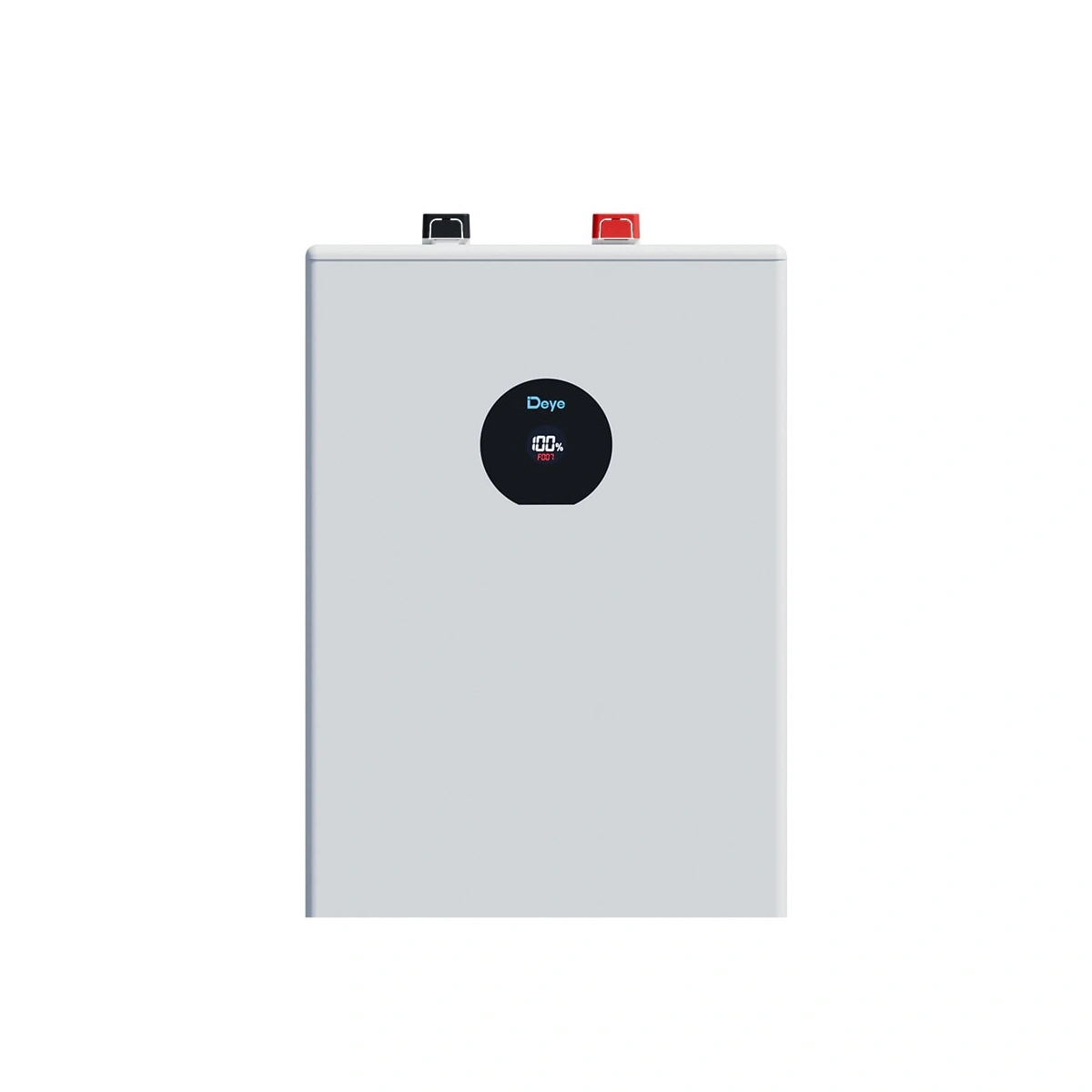

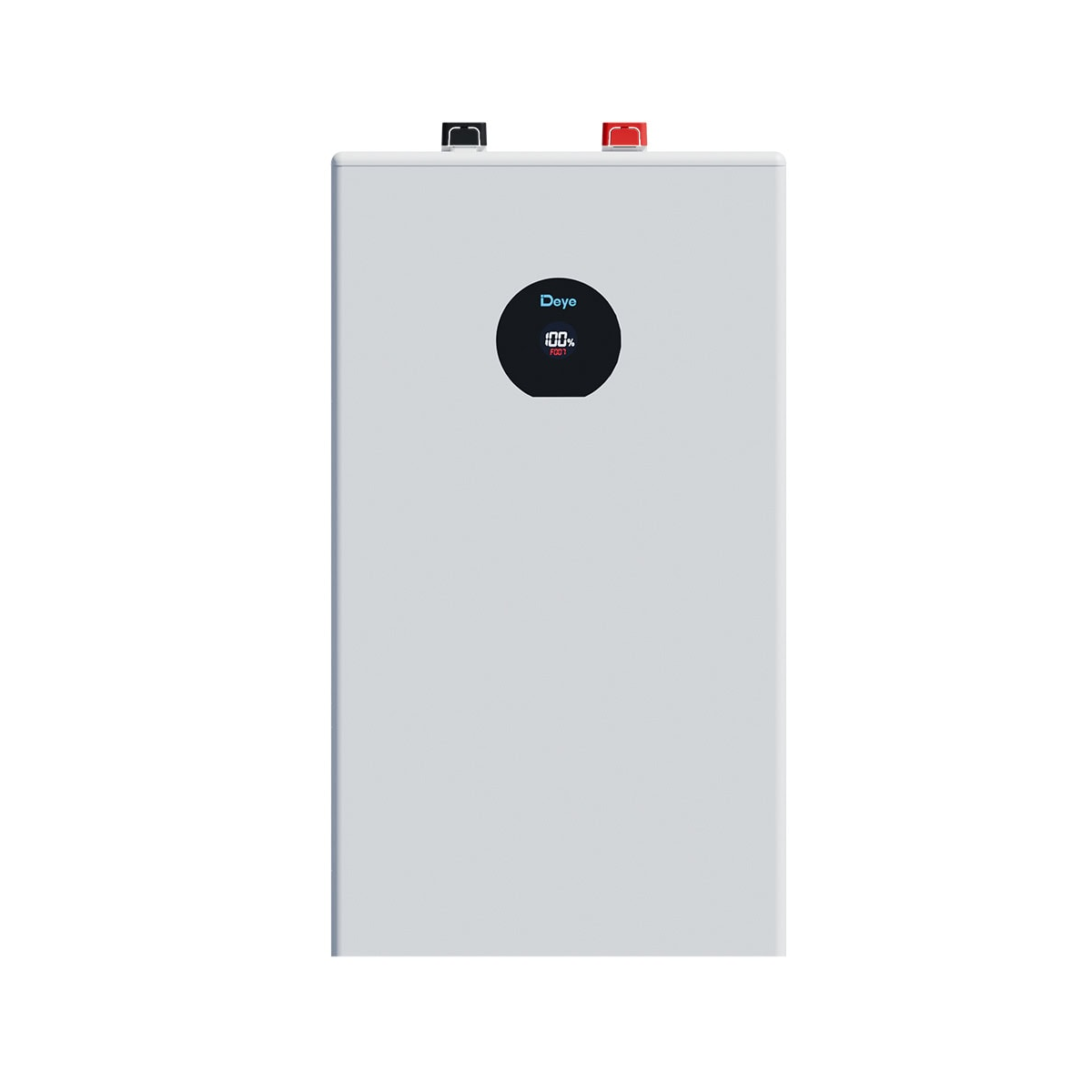
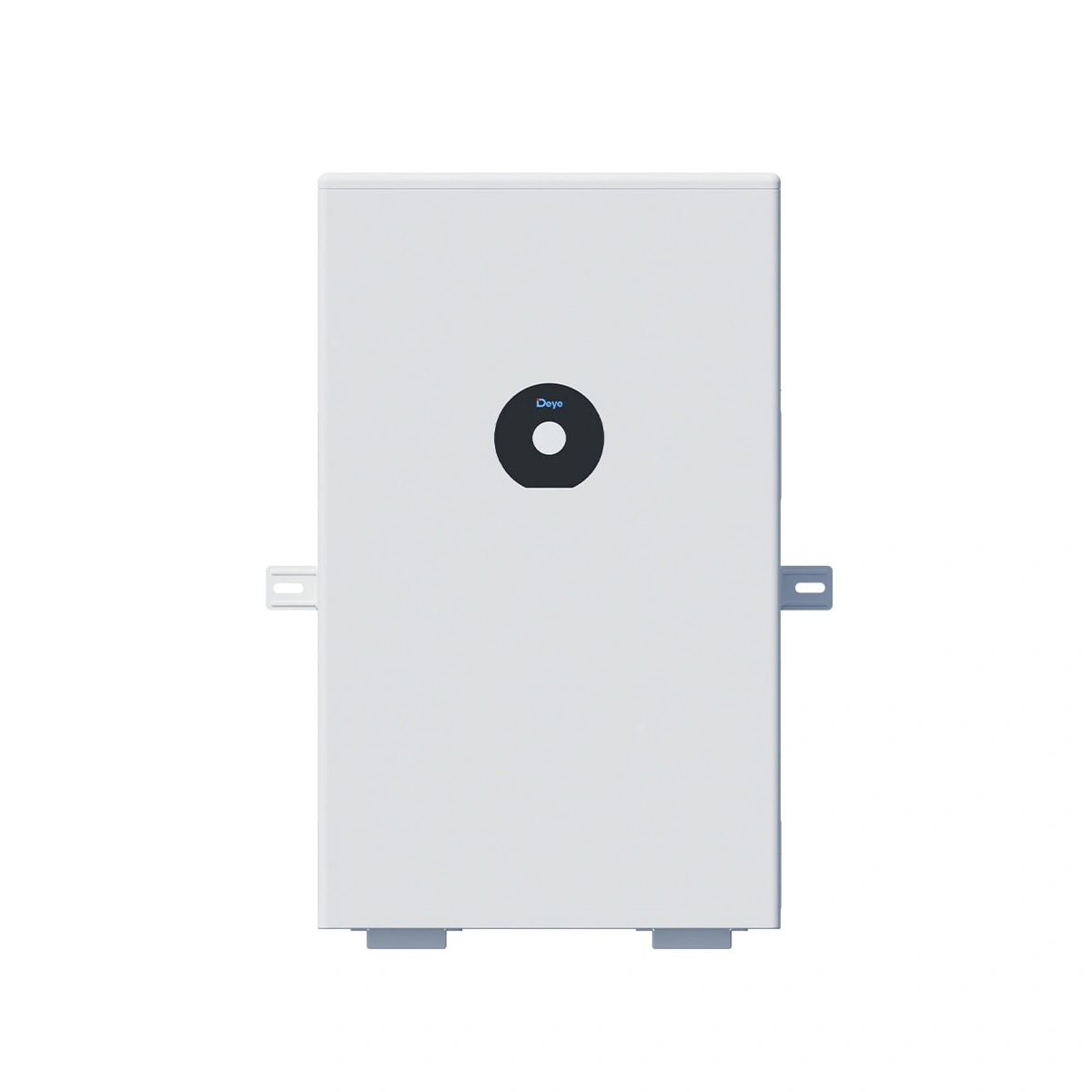
Deye SE-F12 Max Energy Storage System – (IP65) 11.8kWh LiFePO4 Solar Battery
In stock
New: 1692.88 €
0%
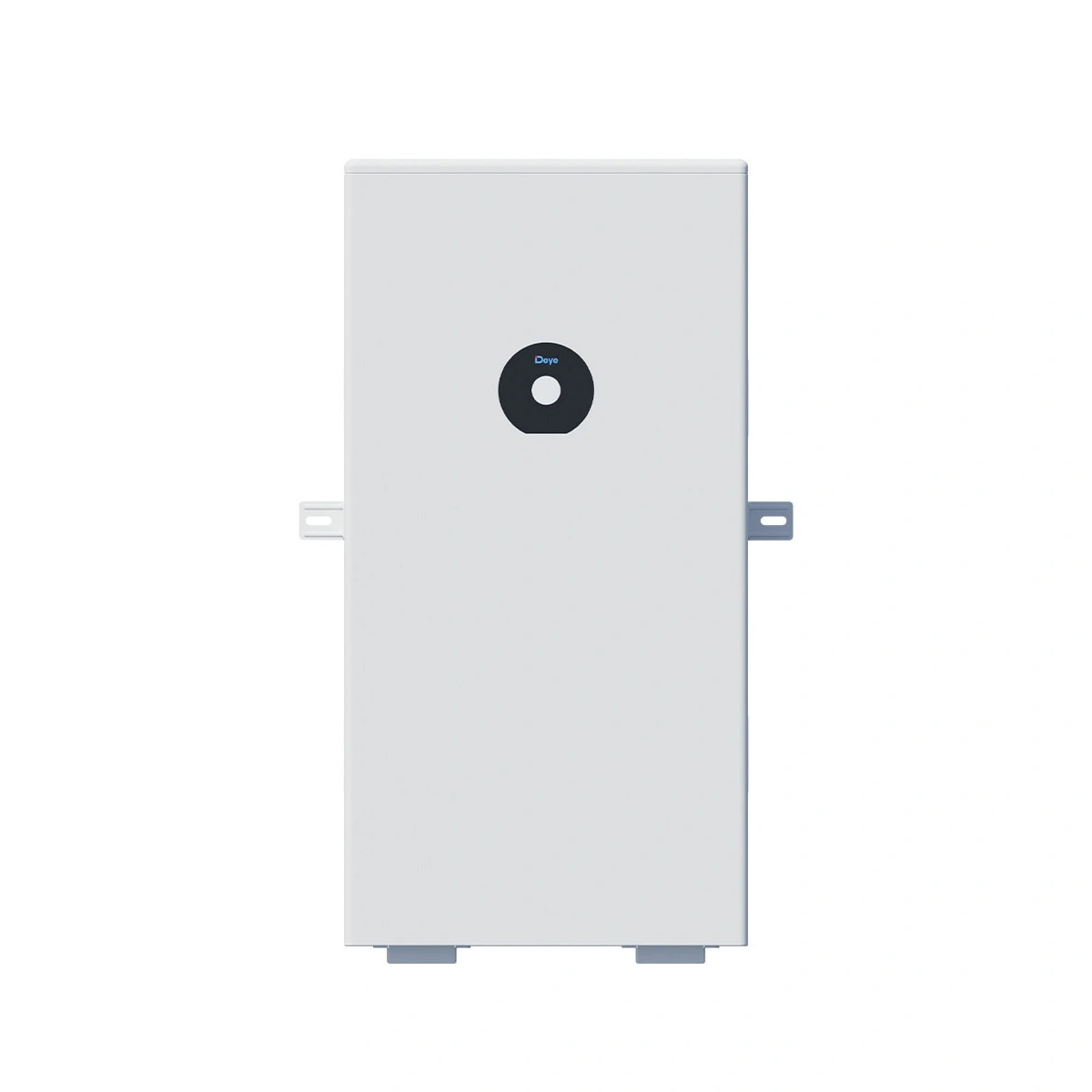
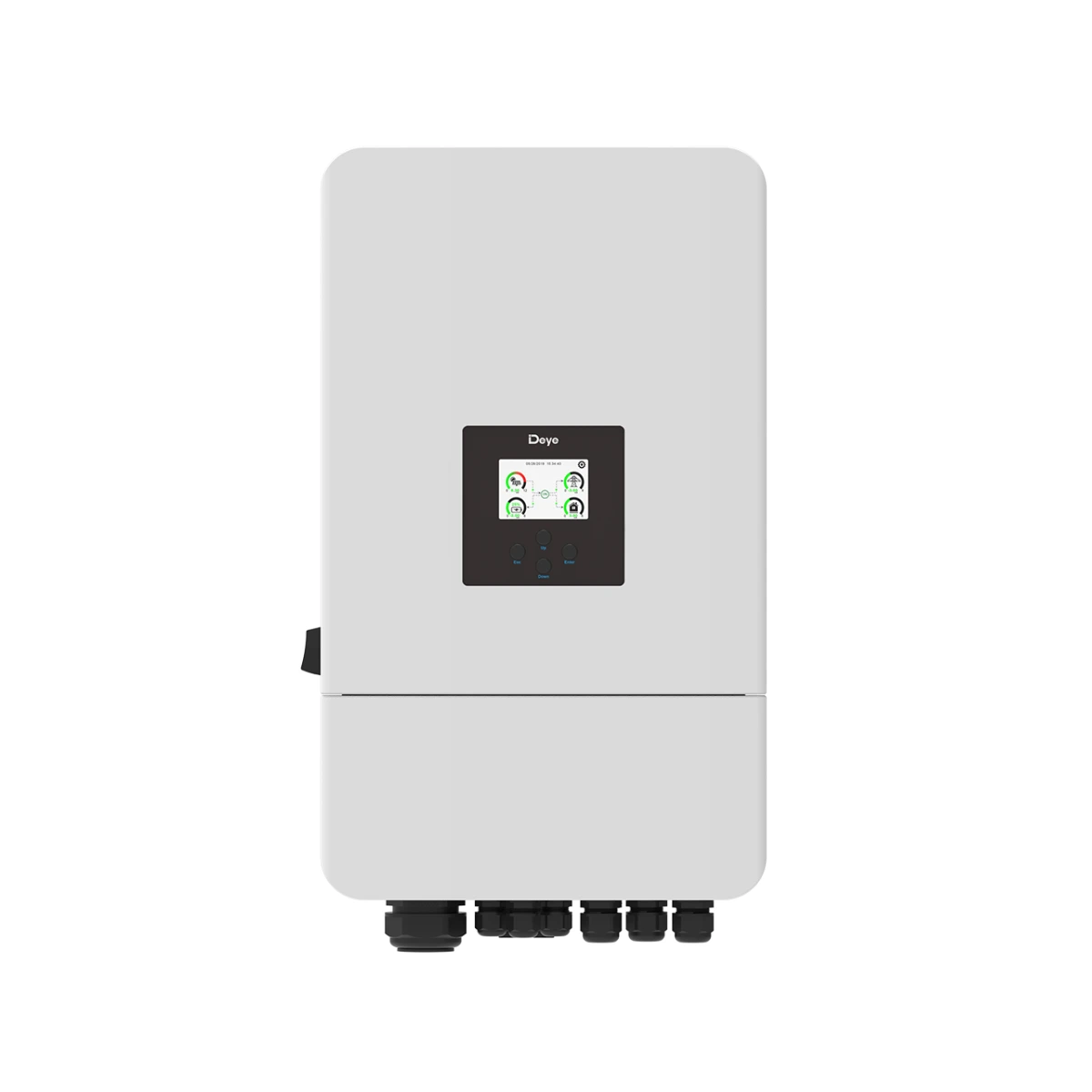

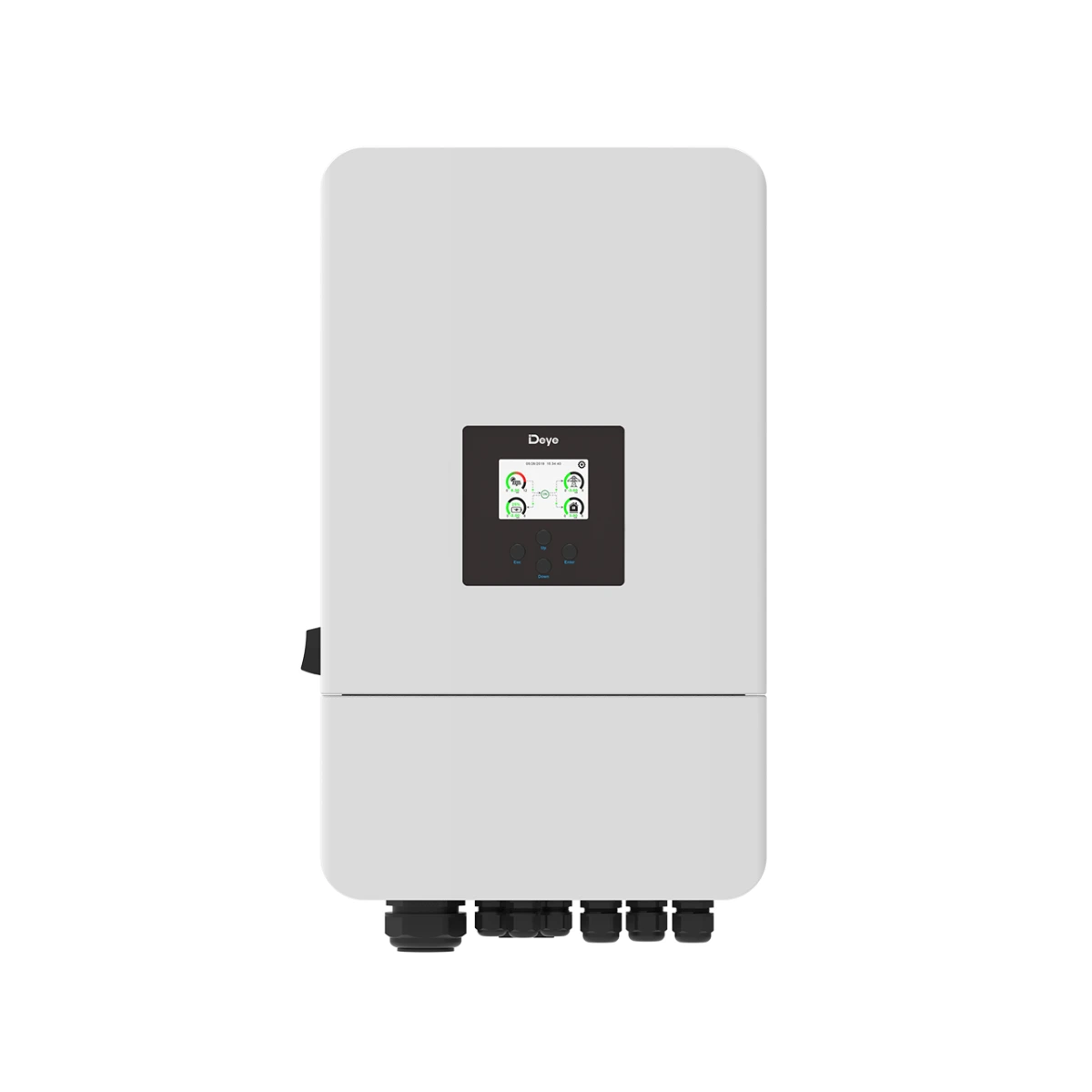
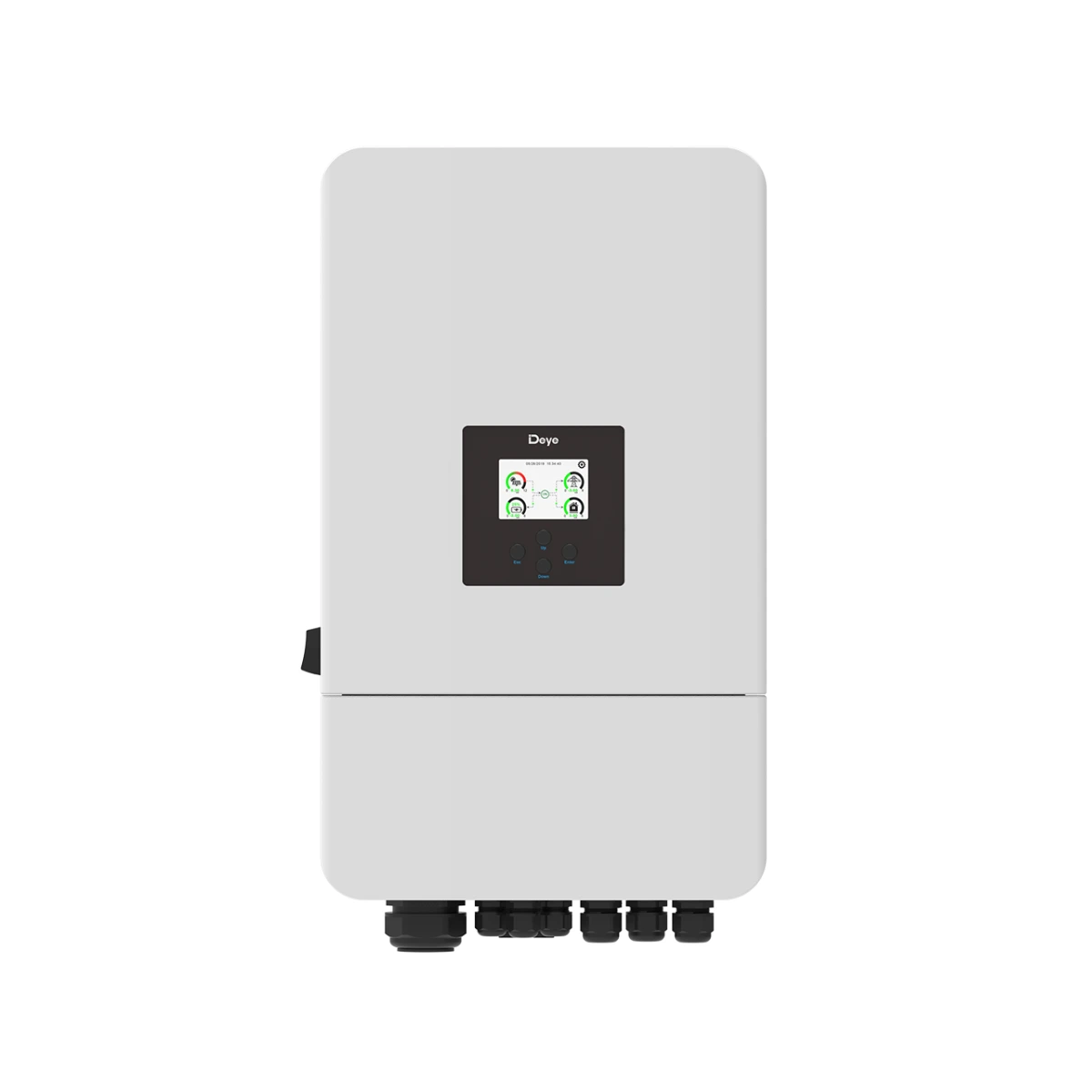
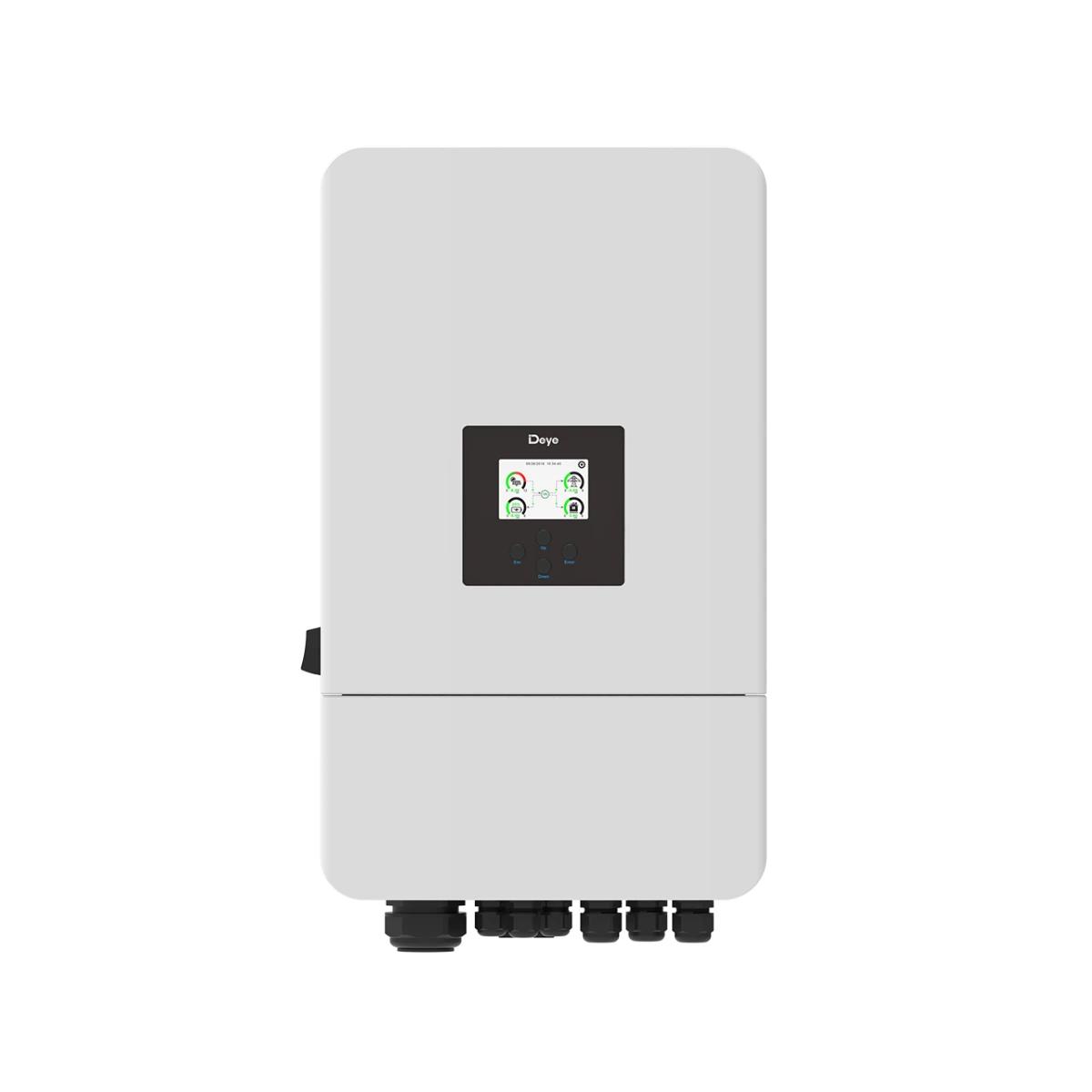
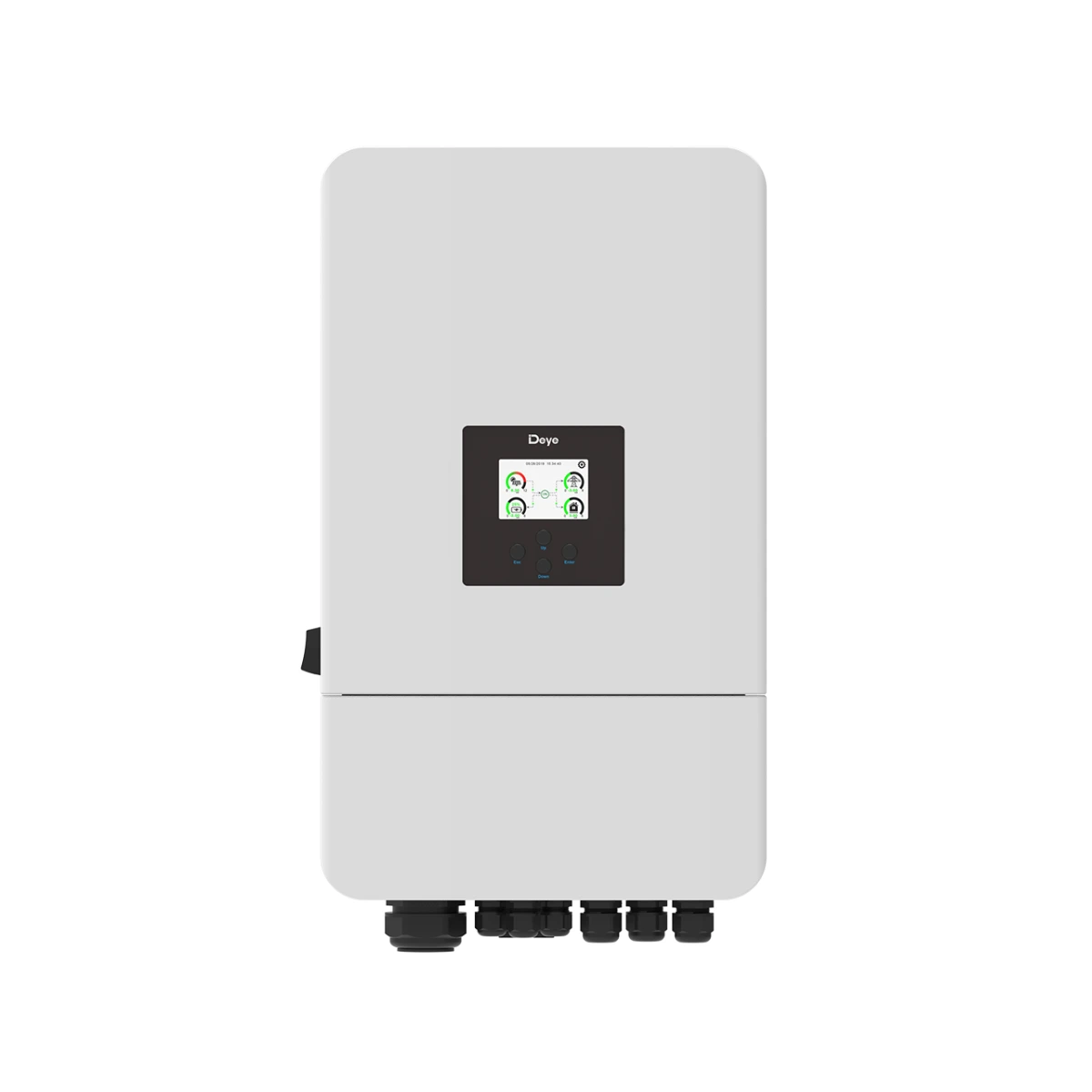
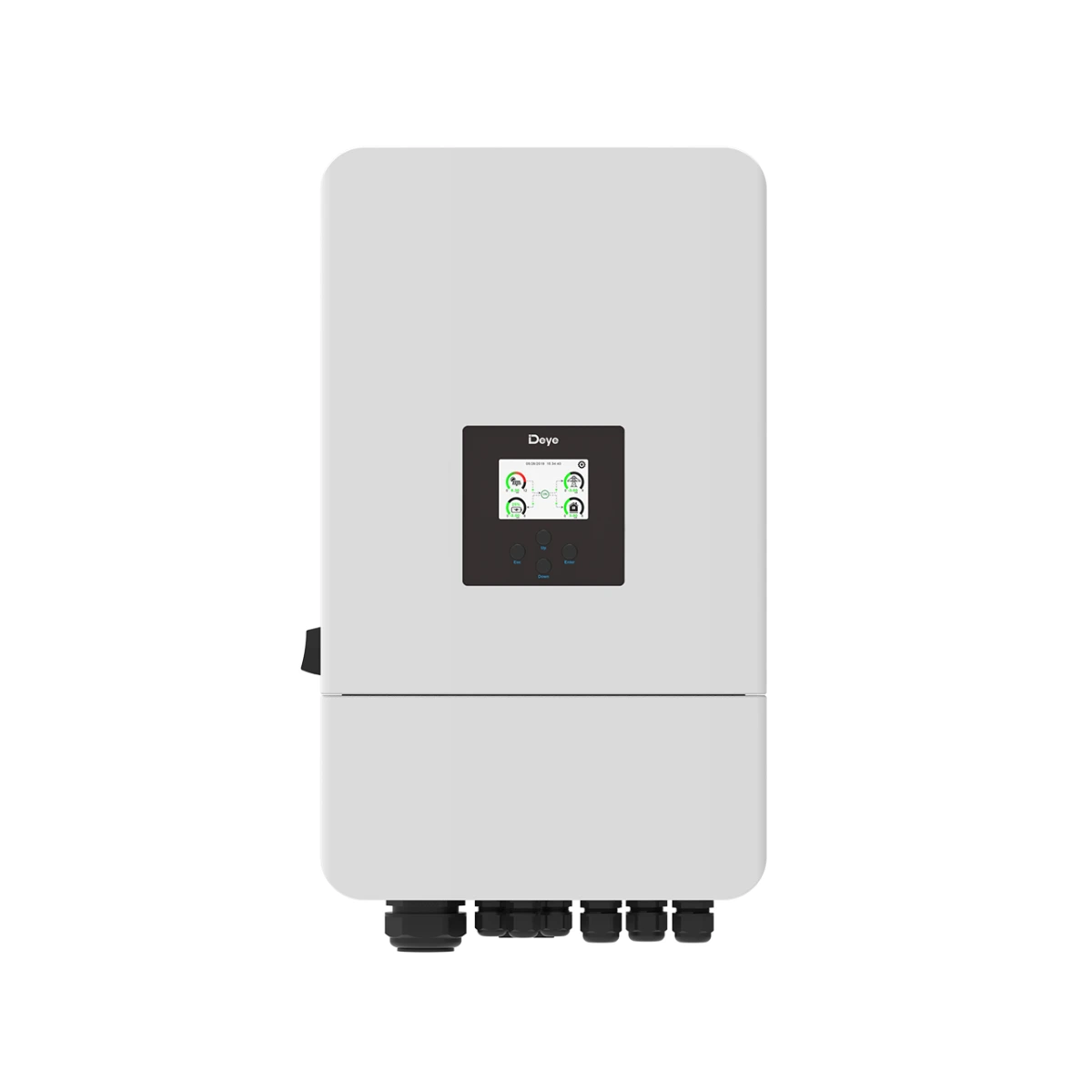
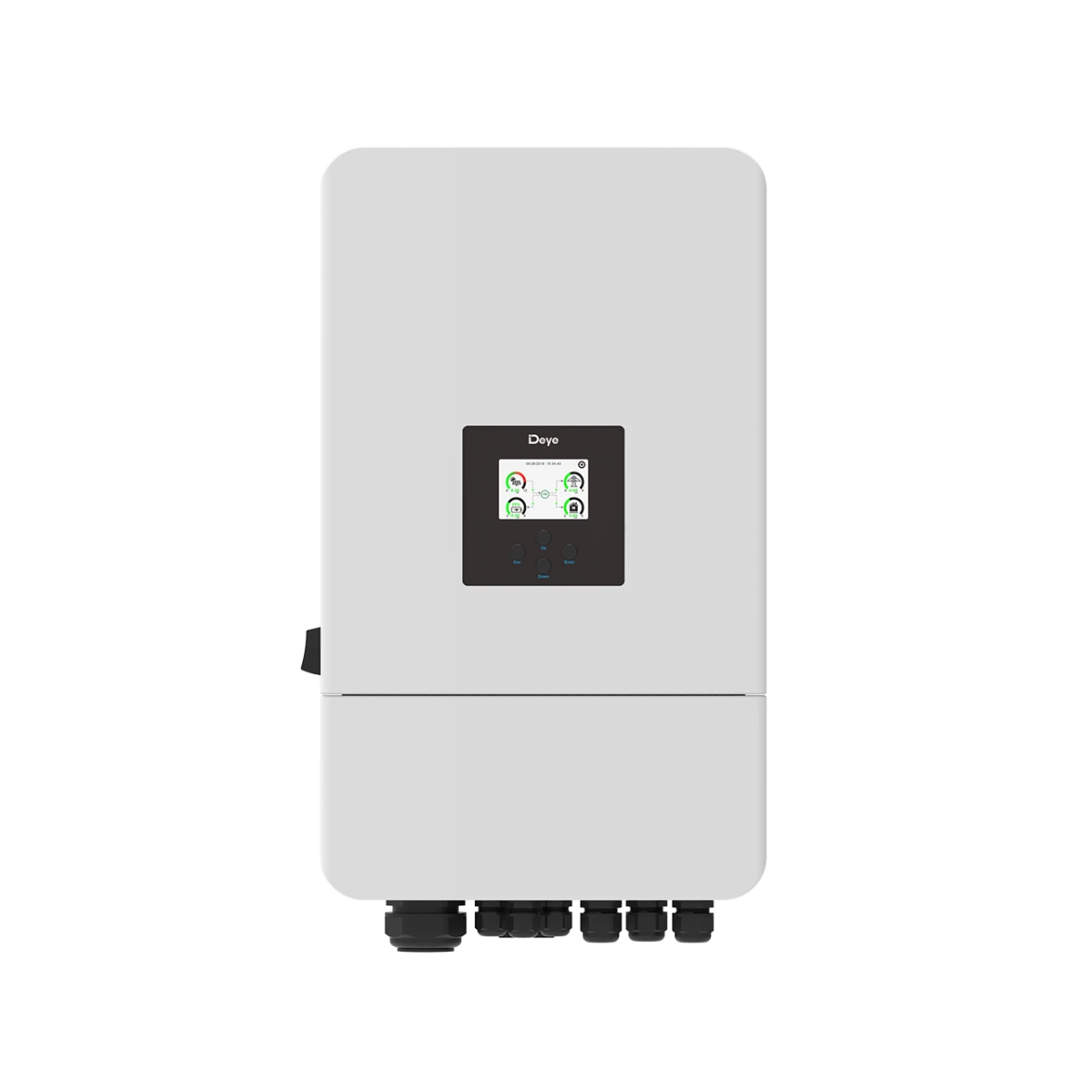
Deye Hybrid Inverters, LiFePO4 Solar Batteries & Energy Storage Systems – European B2B Supply
Deye is a manufacturer of photovoltaic inverters, hybrid solar inverters, lithium battery storage, off-grid power systems, commercial and industrial energy storage, and intelligent energy management technology.
Through Ningbo Deye Inverter Technology Co., Ltd., the manufacturer develops power conversion equipment for residential solar installations, commercial rooftops, battery-backed electricity systems and larger renewable energy projects.
Deye’s portfolio includes SUN single-phase and three-phase hybrid inverters, SUN high-voltage hybrid systems, SE-F and RW-series low-voltage batteries, GB-series high-voltage batteries, BOS commercial battery systems, commercial all-in-one ESS cabinets, string inverters and microinverters.
At 3Buy Solar, we supply European professional solar installers, EPC contractors, electricians, energy storage integrators, resellers and technical procurement teams with selected Deye equipment and related photovoltaic components.
Our published Deye catalogue includes:
- SUN-3K-SG05LP3-EU-SM2 three-phase hybrid inverter
- SUN-4K-SG05LP3-EU-SM2 three-phase hybrid inverter
- SUN-5K-SG05LP3-EU-SM2 three-phase hybrid inverter
- SUN-6K-SG05LP3-EU-SM2 three-phase hybrid inverter
- SUN-8K-SG05LP3-EU-SM2 three-phase hybrid inverter
- SUN-10K-SG05LP3-EU-SM2 three-phase hybrid inverter
- SUN-12K-SG05LP3-EU-SM2 three-phase hybrid inverter
- Deye SE-F12-C lithium solar battery
- Deye SE-F16-C lithium solar battery
- Deye SE-F12 Max lithium solar battery
- Deye SE-F16 Max lithium solar battery
These products cover 3kW to 12kW three-phase hybrid inverter power and approximately 12–16kWh low-voltage battery storage classes.
The eleven published Deye products were marked in stock when this content was prepared. Live availability, commercial pricing and delivery options should always be checked before confirming an installation schedule.
For larger Deye hybrid inverters, high-voltage battery systems, commercial ESS, microinverters or project quantities, buyers can submit a model-specific quotation request.
Shop Deye Hybrid Inverters & Solar Batteries
Request Deye B2B Pricing & Technical Product Sourcing
Deye Product Range – Residential, Commercial, Low-Voltage & High-Voltage Systems
Deye develops several different inverter and battery architectures.
For professional installers, understanding the distinctions between them is essential because products carrying similar SUN model names may have completely different battery voltage requirements.
Deye Product Families – Installer Selection Guide
| Product Family | Power / Capacity Class | Main Application |
|---|---|---|
| SUN-SG05LP3-EU-SM2 | 3–12kW | Three-phase low-voltage hybrid |
| SUN-SG05LP3-EU-SM2, larger models | 14–20kW | Higher-power three-phase LV hybrid |
| SUN-SG04LP1 | Model-dependent | Single-phase low-voltage hybrid |
| SUN-SG06LP3 | 3–8kW | Newer three-phase LV hybrid generation |
| SUN-SG01HP3-EU-AM2 | 5–25kW | Three-phase high-voltage hybrid |
| SUN-SG02HP3-EU-AM3 | 25–30kW | Higher-power HV hybrid |
| SUN-SG01HP3-EU-BM3/BM4 | Approximately 30–50kW | Commercial high-voltage hybrid |
| SUN-SG02HP3-EU-EM6 | 60–80kW | Large commercial HV hybrid |
| SE-F12-C / SE-F16-C | Approximately 12–16kWh | Indoor low-voltage battery |
| SE-F12 Max / SE-F16 Max | Approximately 12–16kWh | IP65 low-voltage battery |
| RW / SE-G Battery Series | Model-dependent | Residential low-voltage storage |
| GB-L / GB-L Pro | Model-dependent | Residential high-voltage storage |
| BOS-G | Modular 15.36–61.44kWh | Commercial high-voltage battery racks |
| BOS-A | Modular C&I capacity | Larger commercial HV batteries |
| GE-F60 | 61.44kWh nominal | Integrated commercial energy storage |
| MS-G215-2H3 | 215kWh class | Commercial and industrial BESS |
| SUN-G String Inverters | Residential to large C&I | Grid-connected PV |
| SUN-G4 Microinverters | 600–1000W | Small module-level PV |
These are manufacturer product families, not a list of products currently stocked by 3Buy Solar. The eleven listed Deye products are identified separately below.
Why the Exact Deye Model Number Matters
Deye’s model nomenclature provides important information.
For example:
SUN-10K-SG05LP3-EU-SM2
- SUN identifies the inverter product family.
- 10K identifies the 10kW power class.
- SG05 identifies the relevant inverter generation.
- LP3 identifies a low-voltage, three-phase hybrid architecture.
- EU identifies the European market designation.
- SM2 identifies the specified hardware variant.
By contrast, HP3 identifies a high-voltage three-phase architecture in the relevant Deye hybrid families.
A low-voltage LP3 inverter and high-voltage HP3 inverter must not be treated as interchangeable.
Buy Deye SUN-3–12K-SG05LP3-EU-SM2 Three-Phase Hybrid Inverters
The Deye SUN-3/4/5/6/8/10/12K-SG05LP3-EU-SM2 is a three-phase hybrid inverter series designed for compatible 48V-class battery systems.
These inverters combine photovoltaic conversion, battery charging and discharging, grid-connected operation and supported backup functionality.
The series is especially relevant to residential and light commercial projects requiring three-phase electrical supply and low-voltage battery storage.
Deye SUN-SG05LP3 – Manufacturer Technical Comparison
| Inverter | Rated AC Output | Maximum PV Input Power | Maximum Battery Current |
|---|---|---|---|
| SUN-3K-SG05LP3 | 3kW | 4.8kW* | 70A |
| SUN-4K-SG05LP3 | 4kW | 6.4kW | 95A |
| SUN-5K-SG05LP3 | 5kW | 8kW | 120A |
| SUN-6K-SG05LP3 | 6kW | 9.6kW | 135A |
| SUN-8K-SG05LP3 | 8kW | 12.8kW | 190A |
| SUN-10K-SG05LP3 | 10kW | 16kW | 210A |
| SUN-12K-SG05LP3 | 12kW | 19.2kW | 240A |
Deye’s current online technical table specifies 4.8kW maximum PV input for the 3kW model. An earlier PDF revision circulating with the product specifies 4.5kW. For that model, confirm the datasheet applicable to the exact supplied hardware.
The manufacturer also publishes a separate maximum PV access power parameter, which is higher than the maximum PV input power.
These two figures must not be confused when specifying PV oversizing.
Direct Deye Hybrid Inverter Product Links
Deye SUN-3K-SG05LP3-EU-SM2 – 3kW Three-Phase Hybrid Inverter
A compact three-phase hybrid inverter for suitable residential applications. It supports the manufacturer’s 40–60V battery input architecture and a maximum battery charging/discharging current of 70A.
Deye SUN-4K-SG05LP3-EU-SM2 – 4kW Three-Phase Hybrid Inverter
Provides 4kW rated three-phase AC output and a maximum battery current of 95A.
Deye SUN-5K-SG05LP3-EU-SM2 – 5kW Three-Phase Hybrid Inverter
A 5kW hybrid model for approved low-voltage batteries, with up to 120A battery charging/discharging current.
Deye SUN-6K-SG05LP3-EU-SM2 – 6kW Three-Phase Hybrid Inverter
Offers 6kW rated output, two MPPT trackers and a maximum battery current of 135A.
Deye SUN-8K-SG05LP3-EU-SM2 – 8kW Three-Phase Hybrid Inverter
Designed for larger residential installations with 8kW rated output and up to 190A battery current.
Deye SUN-10K-SG05LP3-EU-SM2 – 10kW Three-Phase Hybrid Inverter
A 10kW hybrid platform with a maximum battery charging/discharging current of 210A, suitable for professionally designed three-phase solar-plus-storage projects.
Deye SUN-12K-SG05LP3-EU-SM2 – 12kW Three-Phase Hybrid Inverter
The highest-power model currently listed in our SG05LP3 range, providing 12kW nominal output and a maximum battery current of 240A.
The product pages provide current ordering information and available commercial conditions.
Deye SUN-SG05LP3 Technical Specifications – Complete Installer Overview
The SUN-SG05LP3-EU-SM2 series uses an unusual combination of three-phase AC output and low-voltage battery storage.
This makes it different from many three-phase hybrid inverters that require high-voltage battery towers.
Deye SUN-SG05LP3 Common Technical Features
| Parameter | Manufacturer Specification |
|---|---|
| Electrical output | Three-phase |
| Rated grid voltage | 220/380V or 230/400V |
| Grid connection | 3L + N + PE |
| Battery type | Approved lead-acid or lithium battery |
| Battery operating range | 40–60V |
| Battery inputs | 1 |
| PV maximum voltage | 800V DC |
| PV start-up voltage | 160V |
| MPPT operating voltage | 200–650V |
| Rated PV input voltage | 550V |
| MPPT trackers | 2 |
| Maximum efficiency | 97.6% |
| European efficiency | 97.0% |
| Off-grid peak overload | Up to 2× rated power for 10 seconds |
| Maximum parallel inverters | 10 in approved configurations |
| Battery scheduling | 6 configurable time periods |
| AC-coupled retrofit | Supported |
| Generator charging | Supported |
| Unbalanced three-phase output | Supported, subject to phase limits |
| Battery BMS communication | CAN / RS485, configuration dependent |
| Enclosure protection | IP65 |
| AFCI | Optional on applicable configurations |
Deye Three-Phase Unbalanced Output – Important Limitation
Deye advertises 100% unbalanced three-phase output.
This means the inverter supports unequal loads across the three phases.
It does not mean that the entire inverter’s nominal three-phase rating can be delivered continuously on one phase.
Deye specifies an individual phase output capability up to 50% of the inverter’s total rated power, subject to the operating mode and applicable limits.
For example, a 10kW Deye hybrid should not automatically be treated as a 10kW single-phase supply.
Maximum PV Voltage vs MPPT Voltage
The maximum PV input voltage is 800V.
The MPPT operating voltage range is 200–650V.
These are separate limits.
A photovoltaic string may remain below the maximum allowable DC voltage but still fail to operate efficiently if its voltage is outside the MPPT range.
Two MPPT Trackers
The SG05LP3 range provides two independent MPPT trackers.
The manufacturer identifies one string connection per tracker for the smaller models and additional string connections for the 10kW and 12kW configurations.
For parallel strings on one MPPT, the installer must check the maximum operating current and short-circuit current.
Battery Scheduling
Deye allows six defined charging and discharging time periods.
This is relevant to:
- Solar self-consumption
- Time-of-use tariffs
- Grid battery charging
- Backup reserve management
- Scheduled battery discharge
- Battery operation with variable electricity prices
The financial benefit depends on actual electricity tariffs and system efficiency.
Off-Grid Peak Power
Deye specifies up to twice the rated output for 10 seconds under defined off-grid conditions.
This is a short-duration surge capability.
It is not the continuous output rating and should not be used to size normal long-duration building loads.
Official Manufacturer Documents
Deye SUN-3–12K-SG05LP3-EU-SM2 – Official Product Page
Deye SUN-3–12K-SG05LP3 – Technical Datasheet Hosted by 3Buy Solar (PDF)
Use the datasheet revision corresponding to the supplied unit when finalising the electrical design.
Buy Deye SE-F12 & SE-F16 Lithium Solar Batteries – 12kWh and 16kWh Classes
The Deye SE-F range includes low-voltage lithium iron phosphate batteries developed for compatible hybrid inverter and energy storage installations.
The batteries use a nominal 51.2V architecture.
They are intended to work with appropriately configured inverter systems using the required battery management communication.
3Buy Solar lists four products:
- SE-F12-C – IP21
- SE-F16-C – IP21
- SE-F12 Max – IP65
- SE-F16 Max – IP65
Deye SE-F Battery Comparison
| 3Buy Solar Product | Energy Class | Nominal Voltage | Enclosure Protection |
|---|---|---|---|
| SE-F12-C | Approximately 11.8–12kWh | 51.2V | IP21 |
| SE-F16-C | Approximately 16kWh | 51.2V | IP21 |
| SE-F12 Max | Approximately 12kWh | 51.2V | IP65 |
| SE-F16 Max | Approximately 16kWh | 51.2V | IP65 |
The exact nominal energy and ampere-hour specifications depend on the manufacturer model and production revision. In particular, the currently published SE-F12 Max shop values differ from Deye’s current official Max datasheet; the shipped product label should be confirmed before quotation.
Deye SE-F12-C – Indoor LiFePO4 Solar Battery
Buy Deye SE-F12-C 12kWh-Class Battery – IP21
The SE-F12-C is listed by 3Buy Solar as an indoor low-voltage battery with approximately 11.8kWh nominal energy.
The webshop identifies a 51.2V nominal voltage and approximately 230Ah capacity.
At those values:
51.2V × 230Ah ≈ 11.78kWh nominal energy.
The battery is relevant to residential installations with an approved low-voltage hybrid inverter.
Deye SE-F16-C – Indoor 16kWh-Class Battery
Buy Deye SE-F16-C 16kWh Lithium Battery – IP21
The SE-F16-C is a larger indoor battery configuration.
The listed model uses a 51.2V nominal architecture and approximately 314Ah rated capacity.
This corresponds to approximately 16.08kWh nominal battery energy.
Deye SE-F12 Max – IP65 Lithium Battery
Buy Deye SE-F12 Max 12kWh-Class Battery – IP65
The SE-F12 Max belongs to Deye’s newer Max battery family.
Its manufacturer-described features include:
- LiFePO4 chemistry
- Advanced battery management
- Active fuse protection
- IP65 / NEMA 3R enclosure
- Wall or floor mounting
- CAN / RS485 communication
- Bluetooth and supported monitoring
- Approved parallel battery arrangements
- Optional heated configuration on the appropriate Max-H variant
Important SE-F12 Max Capacity Difference
Deye’s current official SE-F12 Max/Max-H technical table specifies:
- Rated capacity: 235Ah
- Nominal voltage: 51.2V
- Nominal energy: 12.03kWh
The current 3Buy Solar product listing describes 230Ah and approximately 11.8kWh.
These specifications must be reconciled against the actual manufacturer’s part number and supplied battery label.
Deye SE-F12 Max / Max-H – Official Specifications
Deye SE-F16 Max – IP65 Lithium Battery
Buy Deye SE-F16 Max 16kWh Battery – IP65
The SE-F16 Max is designed for larger residential and suitable small commercial battery installations.
The manufacturer’s current technical information identifies:
- LiFePO4 chemistry
- 314Ah rated capacity
- 51.2V nominal voltage
- Approximately 16kWh nominal energy
- 44.8–57.6V operating range
- Up to 32 approved parallel units
- Advanced BMS
- Active fuse protection
- Wall, floor and approved stacked installation options
- Manufacturer-defined monitoring
Deye SE-F16 Max / Max-H – Official Specifications
SE-F12-C vs SE-F12 Max
These batteries are not identical simply because their capacities are similar.
The Max family provides a different enclosure and control architecture.
The appropriate model depends on the installation environment, electrical requirements, warranty conditions and current manufacturer compatibility documentation.
Deye IP21 vs IP65 Batteries – Indoor & Outdoor Installation
The difference between IP21 and IP65 is especially important for installers choosing a battery location.
Deye SE-F Battery Enclosure Comparison
| Feature | SE-F12-C / SE-F16-C | SE-F12 Max / SE-F16 Max |
|---|---|---|
| Battery voltage class | Low voltage | Low voltage |
| Battery chemistry | LiFePO4 | LiFePO4 |
| Enclosure rating | IP21 | IP65 |
| Typical installation | Protected indoor environment | Approved indoor / suitable outdoor |
| Moisture and dust protection | Limited | Higher |
| Installation approval | Model-specific | Model-specific |
| BMS and communication | Model-specific | Model-specific |
Is IP21 Suitable for Outdoor Installation?
An IP21 battery is intended for appropriately protected environments.
It should not be described as having the same weather protection as an IP65 battery.
For garage, utility-room or equipment-room installations, assess environmental temperature, humidity and the manufacturer’s ventilation and clearance requirements.
Is IP65 Suitable for Every Outdoor Location?
No.
IP65 provides a defined ingress protection rating.
It does not automatically establish suitability for flooding, direct prolonged solar heating, unrestricted rain exposure, corrosive environments or extreme temperatures.
The manufacturer’s mounting and environmental instructions remain decisive.
Battery Heating – Max vs Max-H
Deye offers heated variants within parts of its Max family.
An SE-F12 Max-H or SE-F16 Max-H should not be treated as identical to the unheated base Max model.
If low-temperature charging is required, confirm that the actual supplied SKU includes the appropriate heating functionality.
Deye Approved Battery Compatibility List – Updated September 2026
Battery compatibility is one of the most important considerations for a Deye hybrid installation.
A battery using the correct nominal voltage is not necessarily approved for the selected inverter.
The BMS protocol, firmware, communication cable and operating limits must also match.
Official Deye Battery Compatibility Document
Download Deye Approved Low-Voltage Battery List – 4 September 2026 (PDF)
Document version: DY-LV48-0128
Issued: 4 September 2026
Manufacturer: Ningbo Deye Inverter Technology Co., Ltd.
This document expressly identifies the following inverter models:
SUN-5/6/8/10/12K-SG05LP3-EU-SM2
It does not expressly identify the 3kW and 4kW SG05LP3-EU-SM2 versions within that particular model list.
For those two smaller models, confirm the applicable battery approvals with Deye before specifying a combination.
Approved Battery Families – Examples
For the expressly covered low-voltage inverter models, the September 2026 list includes products from several battery manufacturers.
| Battery Manufacturer | Examples Identified in Deye’s List |
|---|---|
| Deye | SE-F12, SE-F16, SE-G5.1, SE-G5.1 Pro, RW-F10.2, RW-F16 |
| BYD | Battery-Box LV Flex Lite, LV5.0, LV5.0+ |
| Pylontech | US2000, US3000, US5000 and selected Force/Pelio models |
| LG | Selected RESU / enblock low-voltage models |
| Dyness | Manufacturer-listed low-voltage configurations |
| Other manufacturers | Additional approved models listed in the document |
These are examples, not a complete reproduction of the manufacturer list.
Are Deye SE-F12-C & SE-F16-C Automatically Covered?
The current approved list explicitly names SE-F12 and SE-F16.
However, the list does not separately identify every -C or Max suffix.
Therefore, the general SE-F12/SE-F16 entry should not be treated as conclusive evidence that every hardware variant and firmware generation is approved.
Confirm the exact battery part number and BMS communication before ordering a complete inverter-and-battery kit.
Is Dyness Compatible with Deye?
Selected Dyness models appear within Deye’s approved battery ecosystem.
The exact Dyness model and communication protocol must be checked against the current list.
Is Pylontech Compatible with Deye?
Yes, selected low-voltage Pylontech products are included in Deye’s official compatibility documentation.
However, approval is not universal across every Pylontech product or inverter generation.
Can BYD Battery-Box HVS Be Connected to These Deye LP3 Inverters?
No.
BYD HVS is a high-voltage battery.
The Deye SUN-SG05LP3-EU-SM2 requires a low-voltage battery operating within its 40–60V range.
Selected BYD low-voltage products appear in the Deye approved list, but these must not be confused with BYD HVS or HVM.
CAN & RS485 Configuration
The manufacturer identifies communication interface and inverter setup parameters for listed batteries.
A correct installation requires:
- Correct battery model
- Correct CAN or RS485 connection
- Approved communication cable
- Compatible BMS firmware
- Correct lithium battery mode
- Correct inverter setup parameter
- Verified charging/discharging limits
Do not use an old Deye battery compatibility document when a newer model-specific list is available.
Deye 48V Battery Current – Why the Battery Must Match Inverter Power
One major difference between low-voltage and high-voltage battery systems is the amount of DC current required for a given output power.
For a low-voltage battery, current can become substantial at higher inverter power levels.
Example – 10kW Deye Hybrid Inverter
At a nominal battery voltage of 51.2V:
10,000W ÷ 51.2V ≈ 195A DC.
This is a simplified theoretical figure before conversion losses and operating voltage variation.
The SUN-10K-SG05LP3-EU-SM2 permits up to 210A battery current.
However, the connected battery system must also be capable of delivering the required current.
Example – 12kW Deye Hybrid Inverter
At 51.2V:
12,000W ÷ 51.2V ≈ 234A DC.
The SUN-12K-SG05LP3-EU-SM2 has a maximum battery current of 240A.
That current limit is close to the simplified theoretical current requirement for 12kW.
In practice, the inverter’s AC output from battery energy may be further limited by voltage, conversion losses, temperature and BMS restrictions.
Why One 12kWh Battery May Be Insufficient for a 12kW Inverter
A battery rated at 12kWh does not automatically provide 12kW continuous discharge power.
The maximum power depends on its BMS discharge limit.
For example, a 51.2V battery with a permitted continuous discharge current of 150A has an approximate DC power capability of:
51.2V × 150A = 7.68kW DC.
This is before inverter losses and any operating derating.
Therefore, an inverter’s nominal power should not be confused with the battery’s available discharge power.
Battery Parallel Connections
Parallel batteries may increase available stored energy and, under approved conditions, current capability.
But the actual configuration depends on:
- Battery BMS architecture
- Maximum number of parallel batteries
- Cable lengths
- DC busbar design
- Current sharing
- Fuse protection
- Manufacturer communication rules
- Inverter maximum battery current
Professional installers should design the complete DC battery circuit rather than connecting additional units solely to obtain more kWh.
Deye Low-Voltage vs High-Voltage Hybrid Inverters – Critical Comparison
Deye offers both low-voltage and high-voltage hybrid inverter platforms.
These cannot be treated as interchangeable.
Deye Hybrid Battery Voltage Comparison
| Deye Inverter Family | Battery Operating Voltage | Architecture |
|---|---|---|
| SUN-SG05LP3-EU-SM2 | 40–60V | Three-phase LV |
| SUN-SG04LP3-EU | 40–60V class | Three-phase LV |
| SUN-SG01HP3-EU-AM2 | 160–700V | Three-phase HV |
| SUN-SG02HP3-EU-AM3 | 160–700V | Three-phase HV |
| SUN-SG01HP3-EU-BM3/BM4 | 160–800V class | Commercial HV |
| SUN-SG02HP3-EU-EM6 | Manufacturer-specified HV range | Large commercial HV |
What Does LP3 Mean?
In the relevant Deye hybrid model families, LP3 identifies a low-voltage battery input with three-phase AC output.
What Does HP3 Mean?
In the relevant high-voltage hybrid series, HP3 identifies a high-voltage battery architecture with three-phase AC output.
Can a 51.2V SE-F16 Battery Be Connected to a Deye HP3 Inverter?
No.
A 51.2V low-voltage SE-F battery cannot be connected to an inverter requiring 160V or more at the battery input.
Can a High-Voltage GB-L Battery Be Connected to a Deye LP3 Inverter?
No.
The inverter’s 40–60V battery input cannot accept a high-voltage battery tower.
Why This Matters for Complete Kit Procurement
The correct battery must match:
- Voltage range
- Communication interface
- BMS protocol
- Current limit
- Firmware
- Minimum module configuration
- Maximum supported storage
- Parallel connection architecture
For professional buyers, battery selection should always be completed before finalising the inverter-and-battery bill of materials.
Deye Single-Phase Hybrid Inverters – SUN-SG04LP1 & Related Models
Deye also manufactures single-phase hybrid inverters for residential photovoltaic systems.
The SUN-SG04LP1 family includes models with different nominal AC power and battery arrangements.
Deye Single-Phase Hybrid Applications
- Residential rooftop solar
- Single-phase battery storage
- Home backup circuits
- Off-grid and hybrid operation
- PV self-consumption
- Generator-supported electricity
Important 24V vs 48V Distinction
Not every Deye single-phase hybrid uses a 48V-class battery.
Deye has also marketed models with a nominal 24V battery architecture.
For example, certain 3kW model variants carry a specific 24 designation.
A 24V battery system cannot be substituted for a 48V battery system.
Single-Phase vs Three-Phase Hybrid
| Requirement | Single-Phase Deye | Three-Phase Deye |
|---|---|---|
| Electrical output | Single-phase | Three-phase |
| Suitable grid | Approved single-phase | Approved three-phase |
| Battery voltage | Model-dependent | Model-dependent |
| Backup architecture | Model-specific | Model-specific |
| Multiple phase load management | Not inherent | Supported on approved models |
The exact inverter should be selected according to the property’s electrical connection and battery requirements.
Deye Single-Phase SUN-SG04LP1 – Official Product Information
Deye 14–20kW Low-Voltage Three-Phase Hybrid Inverters
Deye’s low-voltage hybrid portfolio extends beyond the 3–12kW products currently listed at 3Buy Solar.
The manufacturer offers higher-power three-phase low-voltage hybrid inverters in the 14–20kW class.
Main Applications
- Larger residential buildings
- Agricultural installations
- Workshops
- Small commercial premises
- Buildings with multiple electrical loads
- Approved high-current 48V battery systems
Why Battery Current Becomes Critical
A 20kW inverter supplied entirely from a nominal 51.2V battery system would require very high DC current.
At a simplified theoretical level:
20,000W ÷ 51.2V ≈ 391A.
The complete system must therefore be engineered around the manufacturer’s actual maximum battery current, compatible batteries, busbars and protection equipment.
Battery discharge limits and conversion losses must be considered separately.
Low Voltage vs High Voltage at Larger Power Levels
Low-voltage battery architectures can provide flexibility for approved 48V battery systems.
However, high-voltage batteries may reduce the DC current required for a given power level.
The preferred architecture depends on the complete electrical design, battery cost, required power, safety and service conditions.
Deye SUN-14–20K-SG05LP3-EU-SM2 – Official Product Information
Deye High-Voltage Hybrid Inverters – 5kW to 80kW
For larger residential and commercial solar-plus-storage applications, Deye develops high-voltage hybrid inverter systems.
These are intended for compatible high-voltage battery storage and have different BMS and DC electrical requirements from the low-voltage SG05LP3 family.
Deye SUN-SG01HP3-EU-AM2 – 5–25kW
The SUN-5–25K-SG01HP3-EU-AM2 range provides three-phase high-voltage hybrid operation.
The manufacturer specifies a battery operating range of approximately 160–700V.
Typical applications include:
- Large residential PV
- Commercial rooftops
- Higher-voltage battery storage
- Backup-ready systems
- Buildings requiring substantial energy management
Deye SUN-5–25K-SG01HP3-EU-AM2 – Manufacturer Specifications
Deye SUN-SG02HP3-EU-AM3 – 25–30kW
The newer SUN-SG02HP3-EU-AM3 platform includes 25kW and 30kW-class three-phase high-voltage hybrid inverters.
The manufacturer describes:
- High-voltage battery connection
- Approximately 160–700V battery operating range
- Three MPPT trackers
- High PV input capacity
- Supported commercial battery integration
- Appropriate generator and backup functions
Deye SUN-25–30K-SG02HP3-EU-AM3 – Official Product Information
Deye 30–50kW Commercial High-Voltage Hybrid
Deye provides larger commercial hybrid platforms with separate battery input arrangements.
The manufacturer identifies BM3 and BM4 variants across its higher-power series.
These models require their own approved high-voltage batteries and communication configuration.
Deye SUN-SG01HP3-EU-BM3 Commercial Hybrid Range
Deye 60–80kW High-Voltage Hybrid
The SUN-SG02HP3-EU-EM6 range serves larger commercial projects.
The manufacturer describes:
- 60–80kW AC power classes
- High-voltage battery connection
- Six independent MPPT trackers
- Commercial photovoltaic input capability
- Supported energy storage operation
- Three-phase electrical architecture
- Manufacturer-defined parallel and backup functions
Deye SUN-60–80K-SG02HP3-EU-EM6 – Official Technical Information
These higher-power inverter families are part of Deye’s wider manufacturer portfolio, not the eleven current Deye products assigned to our online brand archive.
Deye GB-Series High-Voltage Batteries – Residential ESS
Deye’s high-voltage battery offering includes GB-series battery storage products.
These are designed for approved high-voltage hybrid inverter systems.
Deye GB-L Battery Technology
The GB-L platform uses modular battery storage with compatible battery management and control components.
Depending on the exact product, the manufacturer describes:
- High-voltage lithium storage
- Modular battery expansion
- Integrated battery management
- Stackable battery architecture
- Battery protection functions
- Indoor and suitable outdoor installation
- Temperature-management options
- Manufacturer-approved hybrid inverter compatibility
Deye GB-L Pro & Other Generations
GB-L products are available in different generations and configurations.
A GB-L battery should not automatically be substituted for a GB-L Pro or another GB family without checking the manufacturer’s compatibility documentation.
Why Battery Generation Matters
Battery product generations may differ in:
- Module chemistry and construction
- Number of modules
- BMS controller
- Nominal voltage
- Operating voltage
- Charging/discharging capability
- Communication protocol
- Firmware
- Mechanical connection system
A complete high-voltage battery system must contain the correct controller and permitted number of modules.
Deye Residential High-Voltage Batteries – Official Manufacturer Portfolio
Deye Commercial Battery Storage – BOS-G, BOS-A & High-Voltage Racks
Deye manufactures modular high-voltage battery systems for commercial and industrial applications.
The BOS product families are designed for installations requiring higher battery voltage and larger storage capacity than typical residential low-voltage batteries.
Deye BOS-G High-Voltage Battery
The Deye BOS-G uses modular lithium battery packs in approved rack configurations.
The manufacturer identifies:
- Approximately 5.12kWh energy per battery module
- High-voltage rack architecture
- Approved configurations from 15.36kWh
- Larger rack configurations up to 61.44kWh
- Battery management and communication
- IP20 cabinet/rack protection
- Commercial battery integration
Important – BOS-G Is an Indoor Rack Product
An IP20 rack arrangement should not be described as weatherproof or suitable for unrestricted outdoor installation.
For outdoor applications, an appropriate approved enclosure and environmental control system may be required.
Deye BOS-A High-Voltage Battery
The Deye BOS-A is another commercial high-voltage battery platform.
It uses larger battery modules and supports higher storage capacities within its approved modular architecture.
The manufacturer identifies configurations suitable for commercial energy storage projects.
BOS-G vs BOS-A
| Feature | BOS-G | BOS-A |
|---|---|---|
| Primary application | Commercial ESS | Larger commercial ESS |
| Voltage architecture | High voltage | High voltage |
| Battery modules | Approximately 5.12kWh | Larger module architecture |
| Installation | Approved indoor racks/cabinets | Approved C&I arrangements |
| Battery controller | Required | Required |
| Inverter compatibility | Model-specific | Model-specific |
The required system must be chosen according to power, capacity, installation space and approved inverter compatibility.
Deye GE-F60 – Integrated 61.44kWh Commercial Battery Storage
The Deye GE-F60 is an integrated commercial energy storage product.
The manufacturer’s current GE-F60 platform identifies:
- 61.44kWh nominal battery energy
- Approximately 55.29kWh usable energy
- LiFePO4 chemistry
- Integrated energy storage control
- Compatible power conversion architecture
- Battery management
- Energy management
- Monitoring and protection
- IP55 enclosure protection
- Commercial applications
GE-F60 Applications
- Commercial self-consumption
- Energy cost optimisation
- Peak shaving
- Battery-backed electricity
- Load shifting
- Small commercial microgrids
- Solar PV and generator integration where approved
Nominal vs Usable Energy
GE-F60 provides a useful example of why the two capacity figures should not be confused.
Nominal energy: 61.44kWh.
Manufacturer-specified usable energy: Approximately 55.29kWh.
A commercial quotation should identify which value is being used.
Why Integrated ESS Can Simplify Procurement
An integrated commercial system may combine components that would otherwise need to be sourced and coordinated separately.
However, the installation still requires:
- AC distribution
- Grid approval
- Proper electrical protection
- Site-specific design
- Communication
- Foundations or structural support
- Commissioning
- Fire safety compliance
GE-F60 is part of the manufacturer portfolio and requires project-based availability confirmation through 3Buy Solar.
Deye MS-G215-2H3 – 215kWh Commercial & Industrial BESS
The Deye MS-G215-2H3 is a cabinet-based commercial energy storage system intended for larger electrical loads.
The manufacturer identifies a battery energy capacity of approximately 215kWh per cabinet.
Applications
- Industrial energy storage
- Commercial battery projects
- Peak demand reduction
- Solar self-consumption
- Time-of-use load shifting
- Commercial backup arrangements
- Generator-supported operation
- Microgrid applications
- Renewable energy integration
Commercial ESS Procurement Considerations
For this class of storage system, installers and EPC contractors should assess:
- Battery energy capacity
- Rated charge/discharge power
- Required operating duration
- Site load profile
- Grid connection
- Battery thermal management
- Fire detection and suppression
- AC switchgear
- Energy management
- System communication
- Space and access requirements
- Noise and environmental conditions
Peak Shaving vs Backup
These are different operating strategies.
Peak shaving reduces short-duration grid demand peaks.
Backup power supplies selected loads during an outage.
The same battery may support both functions in an approved architecture, but the required inverter and control design must be matched to the intended operation.
Project Quotation
For MS-G215 and other commercial Deye BESS equipment, submit the required kW, kWh, number of cabinets, electrical single-line diagram and installation location.
Commercial & Industrial Energy Storage – 3Buy Solar
Deye Grid-Tied String Inverters – Residential & Commercial Solar PV
Deye’s product portfolio extends beyond hybrid inverters.
The manufacturer also offers conventional grid-connected photovoltaic string inverters for projects without direct battery connection.
Residential String Inverters
Deye manufactures single-phase and three-phase solar inverter models for rooftop generation.
Applications include:
- Houses
- Apartments
- Garages
- Small businesses
- PV-only installations
Commercial String Inverters
Deye also develops larger three-phase string inverter platforms for commercial and industrial rooftops.
These include multi-MPPT architectures intended for projects with substantial installed photovoltaic DC capacity.
Grid-Tied vs Hybrid Deye Inverters
| Feature | Grid-Tied String Inverter | Hybrid Inverter |
|---|---|---|
| PV electricity conversion | Yes | Yes |
| Grid export | Approved configurations | Approved configurations |
| Direct battery input | Not standard | Yes |
| Battery charging | Requires separate ESS architecture | Integrated with approved batteries |
| Battery backup | Requires separate architecture | Supported on suitable models |
| Monitoring | Supported | Supported |
Can a Deye String Inverter Be Used with a Battery?
Yes, in a professionally designed system with separate approved battery conversion equipment.
This is generally an AC-coupled or otherwise coordinated storage architecture.
A conventional string inverter does not automatically provide a direct DC battery connection.
Deye Three-Phase String Inverters – Manufacturer Portfolio
Deye SUN-G4 Microinverters – 600W, 800W & 1000W
Deye also manufactures module-level photovoltaic microinverters.
Its current SUN-G4 European microinverter series includes power classes such as:
- 600W
- 800W
- 1000W
Deye Microinverter Features
The manufacturer describes:
- Module-level photovoltaic conversion
- Dual MPPT architecture
- Compact inverter construction
- IP67 enclosure
- Integrated monitoring options
- Suitable small PV applications
- Approved AC connection arrangements
Microinverter vs Hybrid Inverter
A microinverter converts electricity from one or a small number of photovoltaic panels into AC power.
A hybrid inverter usually combines larger PV strings with a battery input.
Microinverters and hybrid inverters are therefore different system architectures.
Microinverter Applications
- Small residential PV
- Garages and outbuildings
- Multiple roof orientations
- Balcony PV installations where permitted
- Compact solar power generation
Important European Compliance
A small plug-in photovoltaic installation is not automatically exempt from grid registration, electrical protection or national connection requirements.
These must be checked for the destination country.
Deye SUN-M60/M80/M100G4-EU-Q0 – Official Product Information
Browse Solar Microinverters at 3Buy Solar.
Deye Generator Integration, AC Coupling & Retrofit Applications
One of Deye’s distinctive hybrid inverter features is support for different energy sources and selected retrofit arrangements.
Generator Integration
The SUN-SG05LP3 manufacturer documentation describes the ability to charge compatible batteries using a diesel generator.
Depending on the system architecture, a suitable generator can supplement photovoltaic and battery power.
Important Generator Requirements
Professional installers must verify:
- Generator voltage and frequency
- Generator rated power
- Maximum charging power
- Appropriate connection interface
- Start/stop control
- Earthing and neutral requirements
- Load management
- Battery charge settings
- Generator protection
A generator should not be connected to an arbitrary inverter terminal without following the manufacturer-approved circuit arrangement.
Deye AC Coupling
Deye supports AC-coupled retrofit arrangements with suitable existing photovoltaic equipment.
This can be relevant when adding battery storage to an existing grid-connected solar installation.
AC-Coupled Retrofit Checklist
- Existing inverter model
- Grid connection approval
- Frequency and power management
- Supported coupling point
- Battery storage
- Grid isolation
- Energy metering
- Export limitation
- Backup operating mode
- Appropriate protection
Time-of-Use Battery Operation
Deye supports scheduled battery charging and discharging.
This can be useful in electricity markets with time-dependent pricing.
However, the resulting financial benefit depends on actual import prices, feed-in remuneration, battery efficiency and cycle costs.
Deye Three-Phase Backup & Off-Grid Power – Essential-Load Planning
Deye hybrid inverters support selected backup and off-grid functions.
However, backup capability must be evaluated at the complete system level.
Typical Backup Loads
A residential backup system may be designed to supply:
- Lighting
- Internet and communications
- Refrigeration
- Heating controls
- Circulation pumps
- Selected wall sockets
- Security equipment
- Other designated essential loads
Larger backup arrangements may also include more demanding appliances.
Whole-Home Backup
A whole-home backup installation requires sufficient:
- Inverter output power
- Battery discharge power
- Battery usable energy
- Phase-specific power
- Starting-current capability
- Electrical distribution
- Grid isolation
- Appropriate protection
Three-Phase Loads
Induction cookers, three-phase machinery, large heat pumps and commercial EV chargers can create substantial phase-specific or simultaneous demand.
A 10kW three-phase inverter should not automatically be treated as capable of supplying any arbitrary 10kW load arrangement.
Backup Transfer Time
The manufacturer’s short-duration switching and peak-power figures depend on the operating mode.
They should not automatically be treated as equivalent to a certified uninterrupted power supply for all critical electronic loads.
Off-Grid Battery Autonomy
For an off-grid project, calculate:
- Daily electricity consumption
- Winter photovoltaic generation
- Required reserve days
- Battery usable capacity
- Maximum discharge power
- Generator availability
- Inverter efficiency
- Minimum state of charge
An oversized PV array does not compensate for insufficient battery autonomy during several days of poor weather.
Deye Solar Battery Safety – High DC Currents & Protection
Low-voltage battery systems can operate at very high currents.
For example, a battery current of 240A represents a substantial electrical load for DC cables, busbars, terminals and switching equipment.
Required DC Protection
Depending on the installation, the battery circuit may require:
- Manufacturer-approved battery fuse
- DC-rated circuit breaker
- Battery isolation
- Suitable busbars
- Properly sized DC cables
- Correct cable terminals
- Battery grounding arrangements
- Communication cable
- Insulation and mechanical protection
DC Protection Is Not the Same as AC Protection
Electrical switching equipment must be rated for the type of current it is intended to interrupt.
An ordinary AC-rated circuit breaker should not be assumed suitable for interrupting a high-current DC battery circuit.
Battery Cable Sizing
The required cable cross-section depends on:
- Maximum continuous current
- Peak current
- Cable length
- Installation method
- Temperature
- Voltage drop
- Short-circuit protection
- Local electrical regulations
It should not be selected from inverter nominal AC power alone.
Parallel Battery Wiring
When installing multiple batteries, professional design must consider current sharing and the permitted battery communication arrangement.
The battery manufacturer may require specific cable lengths, busbars or master/slave settings.
LiFePO4 Safety
Deye SE-F batteries use lithium iron phosphate chemistry.
This provides certain safety characteristics, but it does not eliminate the need for electrical protection, environmental control or safe installation procedures.
Deye Solar Panel Compatibility – AIKO, Trina, JA Solar & Other PV Modules
Deye hybrid inverters can be used with properly selected photovoltaic modules from different manufacturers.
Compatibility is established by electrical parameters rather than solar panel brand names alone.
Deye with AIKO ABC Solar Panels
Suitable AIKO modules can be connected to an appropriate Deye PV input configuration, provided their voltage and current characteristics comply with inverter limits.
Deye with Trina Solar TOPCon Modules
Modern Trina TOPCon modules can also be integrated where the specific module and string design comply with the inverter requirements.
Deye with JA Solar, JinkoSolar, LONGi & Other Panels
The same principles apply.
The exact electrical characteristics must be checked.
Deye PV String Design Checklist
- Solar module rated power
- Maximum power voltage
- Open-circuit voltage
- Short-circuit current
- Maximum power current
- Temperature coefficients
- Minimum site temperature
- Number of modules per string
- Parallel string quantity
- Maximum inverter PV input voltage
- MPPT operating voltage
- Maximum PV input current
- Maximum PV short-circuit current
- Permitted oversizing
Example – 20 × 500W Solar Panels
A photovoltaic array with twenty 500Wp modules has:
20 × 500Wp = 10kWp DC installed capacity.
However, this does not determine the correct Deye inverter.
The installer must also calculate the required string voltage and current.
Two strings of ten modules may operate very differently from one string of twenty modules.
The final design must be checked against the exact inverter model and manufacturer datasheet.
High-Current Solar Panels
Modern photovoltaic modules can have high short-circuit currents.
For Deye hybrid inverter selection, check the PV input current limits for the exact hardware revision.
A compatible voltage alone does not establish an approved PV string.
Deye with EV Charging, Heat Pumps & Smart Building Loads
A properly designed Deye hybrid installation can supply electricity to conventional building loads, including suitable EV chargers and electric heating or cooling equipment.
EV Charging
An EV charger can operate from the building’s normal AC electrical distribution.
When photovoltaic generation is available, solar electricity can contribute to charging.
Dynamic Load Management
Advanced EV charging may require:
- Suitable energy meter
- Charger control interface
- Load monitoring
- Import limitation
- Export monitoring
- Phase management
- Approved smart charging control
Not every EV charger can communicate natively with every Deye inverter.
Compatibility must be verified before promising coordinated solar surplus charging.
Heat Pumps & Split Air Conditioners
Air-source heat pumps and inverter split AC systems can operate from a suitable AC electrical supply.
For battery-backed operation, the energy storage system must provide adequate discharge power and autonomy.
Important Energy Management Distinction
Providing electrical power to a heat pump or EV charger does not automatically mean the Deye inverter can control it intelligently.
Direct communications integration must be verified separately.
Deye Cloud – Monitoring, Battery Management & Remote Diagnostics
Deye provides monitoring and energy management services through Deye Cloud.
The platform supports compatible Deye inverter and battery equipment.
Deye Cloud Functions
Depending on hardware and supported configuration:
- Solar PV generation monitoring
- Inverter operating status
- Battery state of charge
- Battery charging and discharging
- Grid import/export data
- Energy consumption
- Historical energy production
- Equipment alerts
- Remote diagnostics
- Supported settings and management functions
Deye Cloud vs SOLARMAN
Deye has used different monitoring infrastructures across product generations.
The manufacturer announced migration activity relating to Deye monitoring services and Deye Cloud.
Deye Cloud and SOLARMAN should not automatically be described as identical platforms.
The supported logger, account arrangement, firmware and regional service environment must be checked for the actual device.
Is Wi-Fi Always Built into a Deye Inverter?
Not necessarily.
Deye’s technical documentation lists different monitoring interfaces and optional communication hardware.
Although some shop product descriptions refer to Wi-Fi capability, the installer should confirm whether the required communication module is included with the exact supplied inverter.
Deye Cloud Remote Control
Remote settings and energy management may depend on:
- Inverter hardware
- Logger model
- Internet connectivity
- Firmware
- User permissions
- Regional cloud support
- Electricity tariff integration
Data Security & Professional Access
For professional B2B installations, installer and owner permissions should be managed appropriately.
Remote monitoring is useful for fault identification, but it does not replace on-site electrical testing where required.
Deye Cloud – Monitoring Portal
Deye Manufacturer Information on Cloud Migration
Deye Complete Solar Kits – Inverter, Battery & Installation Components
A complete Deye solar energy storage system requires more than a hybrid inverter and battery.
Typical Three-Phase Deye Solar Kit
A professionally specified package may include:
- SUN-SG05LP3 hybrid inverter
- Manufacturer-approved low-voltage battery
- Solar photovoltaic modules
- Battery BMS communication cable
- DC battery power cables
- Battery protection
- Solar DC cables
- Suitable DC connectors
- DC surge protection
- AC protection
- Energy meter or CT equipment
- Monitoring module
- Required backup distribution
- Mounting equipment
Example – 5kW Three-Phase Deye ESS
A conceptual project may include:
- Deye SUN-5K-SG05LP3-EU-SM2
- Approved SE-F12-class battery
- Suitable photovoltaic array
- Correct battery communications
- Metering and protection
- Backup circuits if specified
The battery’s exact BMS approval and discharge capability must be checked before treating the package as installation-ready.
Example – 10kW Three-Phase Deye ESS
A larger installation may include:
- Deye SUN-10K-SG05LP3-EU-SM2
- Approved low-voltage battery storage
- Adequate combined battery discharge current
- Suitable solar PV array
- Required metering
- Properly engineered battery cabling and protection
The inverter’s 210A battery current limit is a critical design parameter.
Example – Commercial High-Voltage Deye ESS
A commercial project may require:
- Approved Deye HP3 commercial hybrid inverter
- Compatible HV battery rack
- Battery controller
- Commercial electrical distribution
- Energy metering
- Communication and control
- Fire and environmental protection
Complete System Procurement Categories
- Complete Solar PV Kits
- Hybrid Solar Inverters
- Low-Voltage Batteries
- High-Voltage Batteries
- Energy Storage Kits with Inverter
- Battery BMS & Controllers
- Solar PV Protection & Disconnectors
- Solar Cables & Wiring
These categories contain multiple manufacturers.
A system should only be described as compatible when the actual equipment configuration has been checked.
Deye Technical Documentation, CE Certificates & European Grid Compliance
Professional Deye installations require model-specific documentation.
The relevant manufacturer documents may include datasheets, installation manuals, conformity declarations, grid certificates, battery compatibility lists and warranty information.
Official Deye Technical Resources
Deye – Official Manufacturer Website
Company and product information covering photovoltaic inverters and battery storage.
Deye SUN-SG05LP3 Three-Phase Hybrid Inverters
Exact model specifications for the seven hybrid inverter power classes currently listed at 3Buy Solar.
Deye Approved Low-Voltage Battery List – September 2026 (PDF)
The manufacturer’s current model-specific approved battery documentation.
Manufacturer electrical, environmental and communication specifications.
Manufacturer technical information for the 16kWh-class Max battery.
Deye High-Voltage Residential Batteries
GB-series and other high-voltage storage families.
Deye GE-F60 Commercial Storage
Commercial energy storage specifications.
Deye MS-G215-2H3 Commercial BESS
Larger commercial battery storage information.
European Grid Compliance Checklist
Depending on the exact inverter and destination, relevant documents may include:
- EU Declaration of Conformity
- Relevant CE documentation
- Electrical safety certificates
- EMC compliance
- EN 50549 grid connection compliance
- National network operator requirements
- Anti-islanding requirements
- Export limitation approval
- Grid-code configuration
- Inverter firmware requirements
- Battery and BMS compatibility documents
- Backup operating approval
Battery Documentation
For lithium battery systems, applicable documents may include:
- IEC 62619 battery safety information
- UN 38.3 transport testing
- Relevant product conformity documents
- Battery installation manual
- BMS communication instructions
- Battery operating limits
- Manufacturer warranty
CE vs TÜV
A CE-related conformity document is not the same as an independent TÜV product certificate.
For procurement and tender submissions, request the particular document required by the project.
Country-Specific Approval
An inverter approved for one European grid configuration is not automatically authorised for use in every other country.
The exact model, firmware and national grid certification must be verified before installation.
Deye Warranty – Inverters, Batteries & European Procurement
Deye publishes product-specific warranty terms.
The applicable coverage may vary by:
- Product family
- Exact model
- Hardware revision
- Destination market
- Sales conditions
- Registration or commissioning requirements
Deye Hybrid Inverter Warranty
Deye’s published technical information identifies five-year or ten-year warranty arrangements depending on the model and country.
Professional buyers should not automatically assume every inverter carries the same manufacturer warranty.
Deye Lithium Battery Warranty
Battery warranty terms also depend on the product family.
Some Deye batteries are marketed with ten-year warranty coverage, but the applicable written terms should be confirmed for the exact product and European destination.
What Installers Should Verify
- Covered model number
- Serial number
- Applicable warranty document
- Warranty period
- Capacity retention conditions
- Battery throughput requirements
- Environmental operating limits
- Installer requirements
- Service procedure
- Replacement or repair arrangements
The warranty offered to the end customer should match the documented manufacturer and seller obligations.
Deye Installer Training – 3Buy Solar YouTube & Manufacturer Manuals
Professional Deye installation requires knowledge of battery voltage, high DC current, PV string design, BMS communication, electrical protection and commissioning.
The 3Buy Solar YouTube Training & Technical Support Channel provides technical content on photovoltaic systems, hybrid inverters, batteries and professional electrical installations.
Relevant Installer Training Topics
- Hybrid solar inverter installation
- Battery connection and commissioning
- Low-voltage vs high-voltage energy storage
- PV string sizing
- Battery BMS configuration
- Electrical protection
- Monitoring
- Backup system design
- Off-grid power
- Commercial energy storage
Deye-Specific Documentation
For the Deye models listed at 3Buy Solar, use:
Deye SUN-SG05LP3 – Official Technical Product Page
Deye SUN-SG05LP3 – Technical Datasheet (PDF)
Deye September 2026 Approved Battery List (PDF)
3Buy Solar Installer Academy
Professional installers can visit the 3Buy Solar Installer Training & Webinar Academy for broader solar and energy storage education.
Training videos supplement but never replace current manufacturer installation instructions and required electrical safety procedures.
Why Professional Solar Installers Choose Deye
Deye offers a broad portfolio of solar inverter and energy storage technology for different electrical architectures.
Low-Voltage Three-Phase Hybrid Systems
The SG05LP3 range provides three-phase AC power conversion with approved 48V-class batteries.
High-Voltage Hybrid Alternatives
Deye also offers HV hybrid inverter platforms for larger residential and commercial systems.
Flexible Generator Integration
Selected hybrid models support generator-assisted battery charging and system operation.
Unbalanced Three-Phase Output
The manufacturer’s supported unbalanced phase operation can be relevant where electrical loads differ across phases.
AC-Coupled Retrofit Capability
Selected Deye hybrids support suitable battery storage retrofits.
Battery Scheduling
Multiple configurable time periods help support advanced energy management.
LiFePO4 Battery Options
The SE-F, RW and GB battery families cover different capacity and voltage requirements.
Commercial Energy Storage
BOS racks, GE-F60 and larger cabinet-based systems provide options beyond residential storage.
Monitoring
Deye Cloud supports monitoring and management of compatible installations.
Installer Documentation
The manufacturer provides model-specific datasheets and approved battery compatibility information.
The appropriate solution should always be selected according to actual electrical requirements, compatibility, project economics and long-term service conditions.
Why Buy Deye Hybrid Inverters & Solar Batteries from 3Buy Solar?
3Buy Solar is a European B2B solar PV supplier and energy storage distributor, serving professional installers, EPC contractors, electrical contractors, resellers and energy storage specialists.
Our Deye catalogue includes seven low-voltage three-phase hybrid inverters and four lithium battery storage models.
Published Deye Product Availability
The eleven current Deye listings were marked in stock when reviewed.
Customers can check the individual product pages for updated availability and purchasing terms.
Model-Specific Procurement
Our products are identified by manufacturer model so buyers can match the correct inverter, battery and electrical architecture.
European B2B Purchasing
Approved trade customers can purchase equipment under the relevant commercial conditions.
Residential & Commercial Sourcing
Our wider portfolio supports enquiries for larger hybrid systems, high-voltage batteries and commercial ESS.
Complete Solar PV Components
3Buy Solar also supplies solar modules, inverter accessories, battery equipment, cables, protection and complete kits.
Battery Compatibility Resources
The manufacturer’s current low-voltage battery compatibility document is linked for professional evaluation.
Technical Training
Our YouTube channel and Installer Academy provide broader solar installation resources.
European Logistics
Delivery arrangements depend on confirmed stock, product quantities, transport requirements and destination.
3Buy Solar Collection Service – Hungary
Eligible confirmed orders may be collected at our 3Buy Solar Collection Service.
Collection location: DEPO, Raktárvárosi út 1, 2045 Törökbálint, Hungary.
Collection hours: Monday–Friday, 08:00–14:00.
Both eligible parcel and palletised orders can be collected, subject to readiness confirmation.
There is no maximum pallet quantity per order.
For larger Deye purchases, commercial ESS or complete inverter-and-battery projects, provide the intended model configuration and delivery requirements.
Contact 3Buy Solar – Deye B2B Purchasing & Project Quotation
Deye B2B Procurement Checklist – What Installers Should Send
For an accurate Deye inverter or battery quotation, provide the following information.
Inverter: Full Deye SUN model number.
Hardware generation: SG04, SG05, SG06 or other exact designation.
Electrical output: Single-phase or three-phase.
Battery voltage: Low voltage or high voltage.
Battery: Exact manufacturer and model.
Battery capacity: Required nominal and usable kWh.
Battery discharge: Required continuous current or output power.
BMS: Communication protocol and required firmware.
PV array: Module type, quantity and installed capacity.
String layout: Number of modules and strings per MPPT.
Electrical network: Voltage, frequency and country.
Backup: Essential loads, whole-building supply or no backup.
Generator: Required generator interface and power.
Energy management: Time-of-use settings, monitoring and export control.
Metering: Smart meter or CT configuration.
Electrical protection: Battery DC protection and AC/PV protection.
Installation location: Indoor, protected outdoor or commercial equipment room.
Documentation: Required certificates, datasheets and warranty.
Commercial scope: One installation, multiple systems or EPC project supply.
Delivery: Destination, quantities and required date.
For commercial battery storage, provide the site load profile, required kW/kWh, preliminary single-line diagram and intended operating strategy.
Request Deye Hybrid Inverters & Battery Storage – B2B Quotation
Frequently Asked Questions About Deye Inverters & Solar Batteries
Who manufactures Deye solar inverters?
Deye hybrid inverter technology is developed by Ningbo Deye Inverter Technology Co., Ltd., part of the Deye technology group in China.
What Deye products are listed at 3Buy Solar?
The published Deye catalogue includes seven SUN-SG05LP3 three-phase hybrid inverters from 3kW to 12kW and four SE-F12/SE-F16 low-voltage lithium battery models.
Are the listed Deye products in stock?
All eleven listed Deye products were marked in stock when checked. Live availability may change.
Is Deye SG05LP3 a single-phase inverter?
No. The SUN-SG05LP3-EU-SM2 models listed at 3Buy Solar are three-phase hybrid inverters.
Is Deye SG05LP3 low voltage or high voltage?
The SG05LP3-EU-SM2 series is a low-voltage battery hybrid platform operating with approved batteries within a 40–60V range.
Can Deye SG05LP3 use a 51.2V LiFePO4 battery?
Yes, where the exact battery model, BMS and firmware are approved and the battery has sufficient charge/discharge capability.
Can BYD HVS be connected to Deye SG05LP3?
No. BYD HVS is a high-voltage battery system, whereas Deye SG05LP3 requires low-voltage storage.
Can Deye SE-F12 be connected to a 10kW SG05LP3 inverter?
Deye’s September 2026 compatibility document lists SE-F12 for the covered 5–12kW SG05LP3 inverter family. The exact battery variant, BMS and discharge capability must also be verified.
Is Deye SE-F12-C automatically compatible because SE-F12 appears in the list?
No. The exact -C hardware variant should be confirmed through manufacturer-approved communication and compatibility documentation.
Can I connect Dyness batteries to Deye?
Selected Dyness products appear in Deye’s battery compatibility ecosystem. Approval depends on the precise inverter, battery model and firmware.
Are Pylontech batteries compatible with Deye?
Selected Pylontech low-voltage models are listed in Deye’s September 2026 document, including members of the US and Force families.
What is the maximum battery current of Deye SUN-10K-SG05LP3?
The manufacturer specifies up to 210A charging and discharging current.
What is the maximum battery current of Deye SUN-12K-SG05LP3?
The manufacturer specifies up to 240A charging and discharging current.
Does a 12kWh Deye battery automatically deliver 12kW?
No. Battery energy capacity in kWh and output power in kW are different. Output depends on voltage, BMS limits, temperature and inverter capability.
What is the difference between Deye SE-F12-C and SE-F12 Max?
The listed SE-F12-C is an IP21 indoor-oriented battery, while the Max range has IP65 enclosure protection and a different manufacturer product architecture.
What is the capacity of Deye SE-F12 Max?
Deye’s current official Max/Max-H datasheet identifies 235Ah and 12.03kWh nominal energy. The existing shop listing contains different figures, so the exact supplied variant should be checked.
What is Deye SE-F16 Max?
SE-F16 Max is a 51.2V low-voltage LiFePO4 battery with approximately 16kWh nominal capacity and IP65 enclosure protection.
Are Deye Max batteries suitable for outdoor installation?
Selected Max configurations support suitable outdoor conditions, subject to the manufacturer’s installation and environmental requirements.
Do all Deye SE-F12 Max batteries include heating?
No. Deye provides separate heated variants, such as Max-H. The exact supplied model must be checked.
Can Deye SE-F batteries be connected in parallel?
Selected SE-F batteries support approved parallel operation. The permitted quantity and communication arrangement depend on the exact model.
What is the difference between Deye LP3 and HP3?
In the relevant Deye hybrid product families, LP3 denotes low-voltage three-phase battery operation, while HP3 denotes high-voltage three-phase battery operation.
Can a Deye GB-L high-voltage battery be used with SG05LP3?
No. SG05LP3 requires an approved low-voltage battery.
Does Deye offer 20kW three-phase low-voltage hybrid inverters?
Yes. Deye manufactures higher-power SG05LP3 low-voltage models extending to the 20kW class.
Does Deye manufacture high-voltage hybrid inverters?
Yes. Deye provides high-voltage three-phase hybrid ranges for residential and commercial projects, including SG01HP3 and SG02HP3 models.
Can Deye hybrid inverters work without a battery?
Selected Deye hybrid configurations support grid-connected solar operation without an installed battery. Backup and battery-dependent functions require the appropriate equipment.
Can Deye inverters work off-grid?
Selected hybrid inverters support off-grid operation when installed with the correct battery, protection and system configuration.
Does Deye provide three-phase unbalanced output?
Yes, on supported SG05LP3 models. However, the maximum permitted output per phase must still be respected.
Can Deye provide backup power during a grid outage?
Yes, on supported hybrid installations with an approved battery and appropriate backup distribution.
Can Deye hybrid inverters use diesel generators?
Selected Deye hybrid models support generator integration and battery charging through the approved connection architecture.
Can Deye retrofit an existing solar PV installation?
Selected Deye hybrid systems support AC-coupled retrofits. The existing inverter and complete electrical architecture must be checked.
Does Deye support scheduled battery charging?
Yes. The SG05LP3 series supports six configurable battery charging/discharging periods.
How many Deye SG05LP3 inverters can operate in parallel?
The manufacturer describes up to ten units in approved on-grid and off-grid arrangements. The system must follow the current parallel installation instructions.
How many MPPT trackers does SUN-SG05LP3 have?
The series provides two independent MPPT trackers.
What is the maximum PV input voltage of the SG05LP3 series?
The manufacturer specifies 800V maximum PV input voltage.
What is the Deye SG05LP3 MPPT operating range?
The manufacturer specifies 200–650V.
Does Deye manufacture microinverters?
Yes. Deye offers microinverter models in the 600–1000W classes for compatible photovoltaic installations.
What is Deye BOS-G?
BOS-G is a modular high-voltage battery rack system for commercial energy storage applications.
What is Deye GE-F60?
GE-F60 is an integrated commercial energy storage system with 61.44kWh nominal battery energy and approximately 55.29kWh usable energy.
What is Deye MS-G215-2H3?
MS-G215-2H3 is a 215kWh-class commercial and industrial battery energy storage system.
Can Deye supply power to an EV charger?
Yes, through a properly designed AC electrical system. Smart coordinated charging requires a compatible charger and energy management arrangement.
Can Deye supply split air conditioners or heat pumps?
Yes, if the inverter provides sufficient electrical output and the system meets the appliance’s operating requirements.
What is Deye Cloud?
Deye Cloud is the manufacturer’s monitoring platform for compatible inverter and battery equipment.
Is Deye Cloud the same as SOLARMAN?
Not automatically. Deye has operated different monitoring arrangements and announced Deye Cloud migration processes.
Does every Deye inverter include Wi-Fi?
No. Communication equipment and monitoring interfaces depend on the supplied hardware and accessories.
Does Deye have an official battery compatibility list?
Yes. Deye issued a low-voltage approved battery list dated 4 September 2026, version DY-LV48-0128.
Does the September 2026 list include the 3kW and 4kW SG05LP3 models?
The published list expressly identifies the 5, 6, 8, 10 and 12kW SG05LP3-EU-SM2 models. The 3kW and 4kW configurations should be separately confirmed.
What warranty does Deye provide?
The applicable manufacturer warranty depends on the product model, destination market and written warranty terms. Inverter warranty arrangements may differ between five and ten years.
Where can I download Deye CE certificates and datasheets?
Deye provides model-specific technical documents through its official product pages and documentation resources.
Where can professional installers buy Deye equipment in Europe?
Professional solar installers, EPC contractors, resellers and B2B customers can purchase the listed Deye hybrid inverters and batteries through 3Buy Solar, subject to current stock and purchasing conditions.
Buy Deye Hybrid Inverters, LiFePO4 Batteries & Complete Solar Energy Systems from 3Buy Solar
Deye provides a broad portfolio of photovoltaic power conversion and battery storage technologies for residential, commercial, off-grid and industrial applications.
From the SUN-SG05LP3 three-phase low-voltage hybrids and SE-F12/SE-F16 batteries to larger high-voltage hybrid systems, BOS commercial batteries and integrated BESS cabinets, the manufacturer’s product range supports different project requirements.
At 3Buy Solar, we help professional installers, EPC contractors, resellers and energy storage integrators identify the correct Deye equipment, review technical compatibility and source the components required for complete installations.
Browse the Deye models listed in our European B2B webshop and consult the manufacturer documentation before selecting a battery or finalising an electrical design.
For multiple systems, battery expansion, high-voltage hybrid inverters, commercial storage and project-based procurement, contact the 3Buy Solar B2B sales team.
3Buy Solar – European B2B Supply for Deye Hybrid Inverters, SE-F Lithium Batteries, Off-Grid Power & Commercial Energy Storage.