EV Accessories and Mounting


Solar Batteries
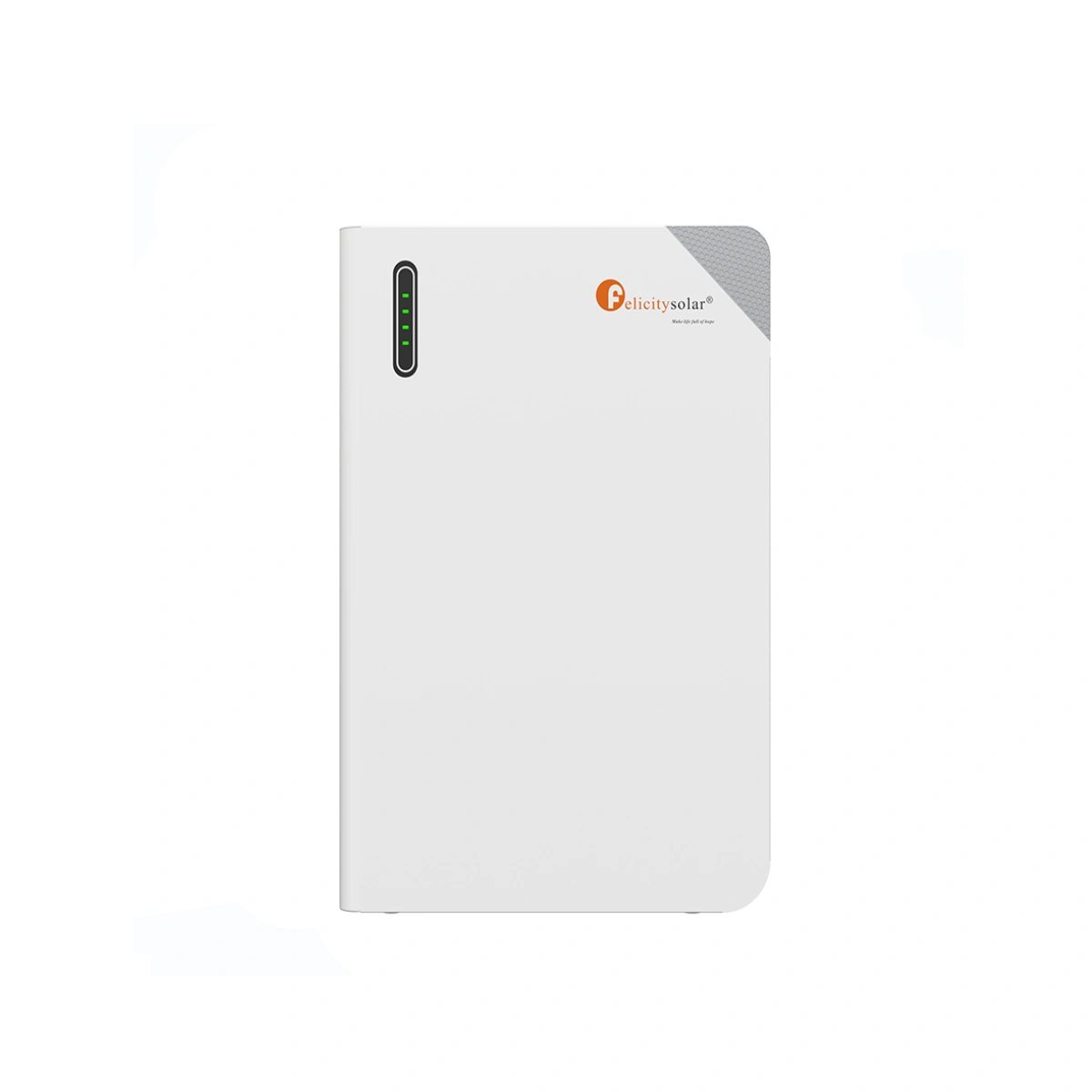

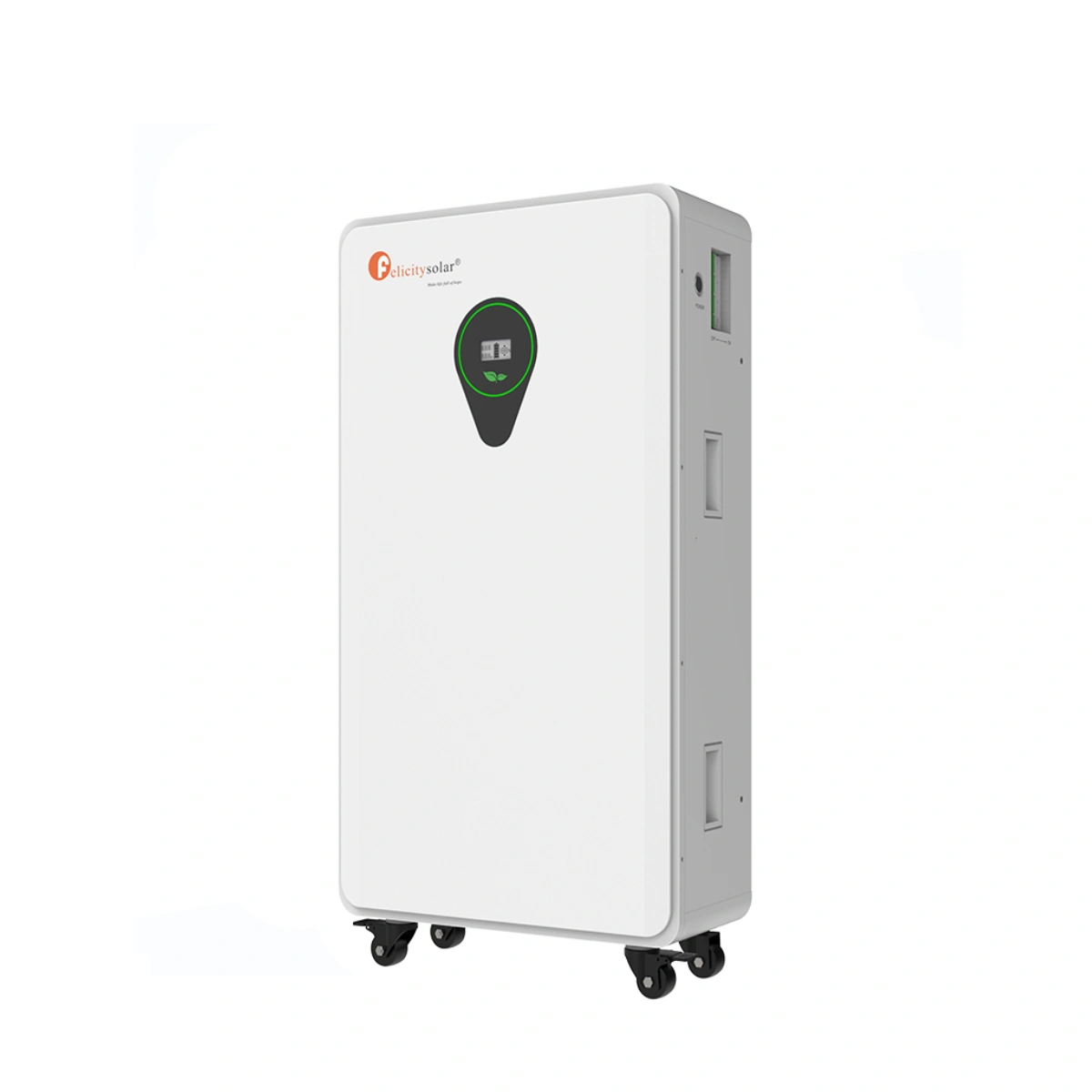
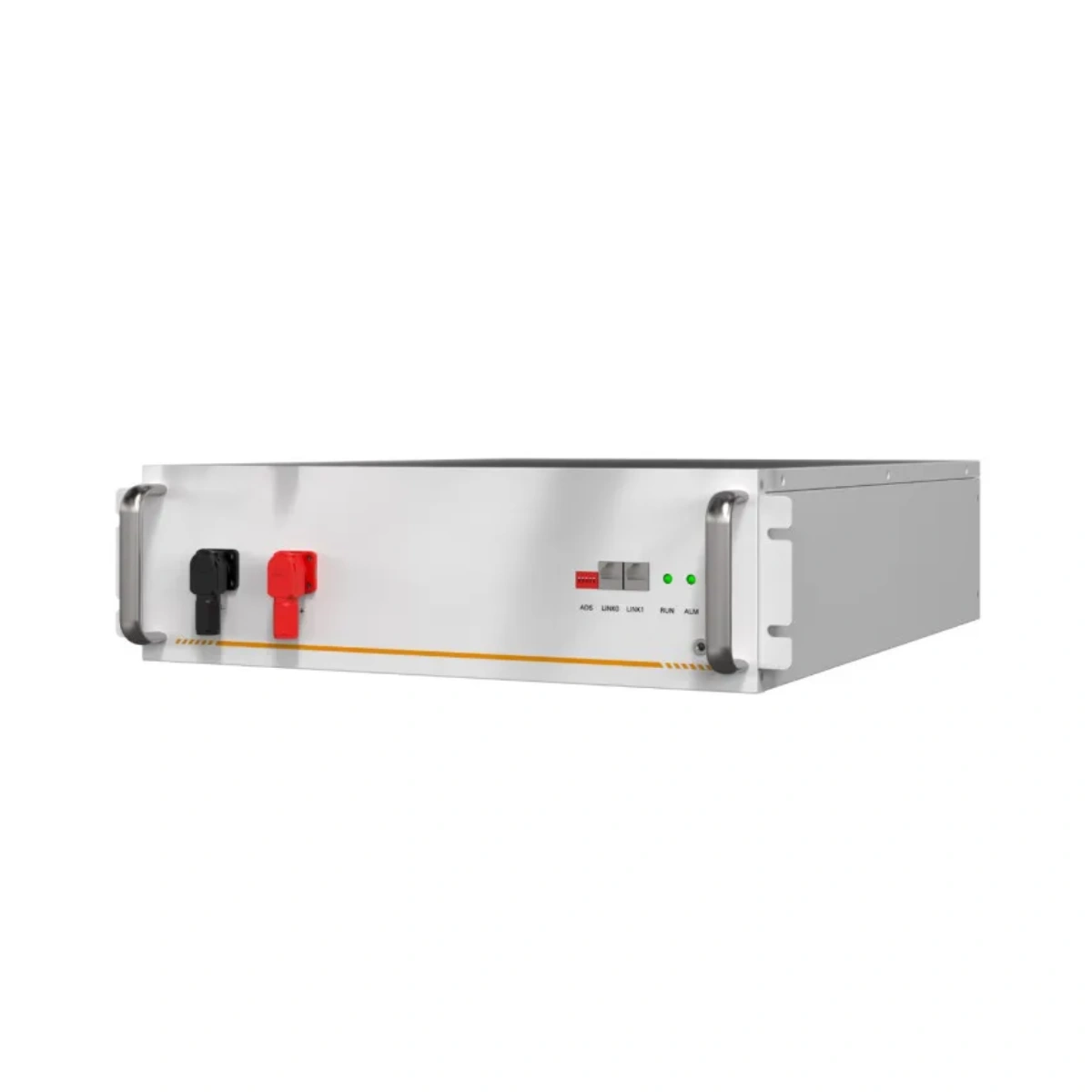
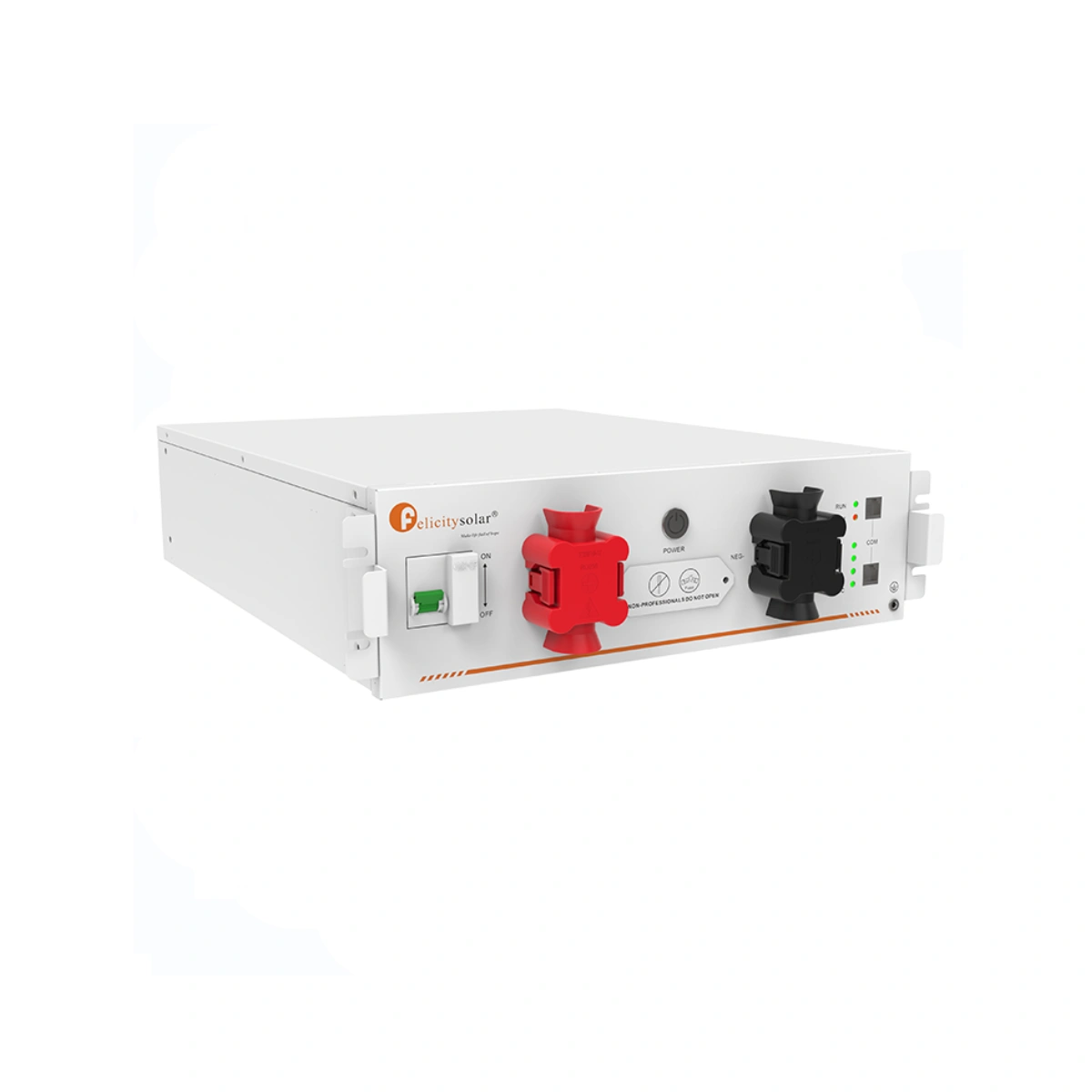
Felicity Solar FLB48230WG1-H 11.7kWh 51.2V 230Ah IP65 LiFePO4 Solar Battery
In stock
New: 1379.88 €
0%
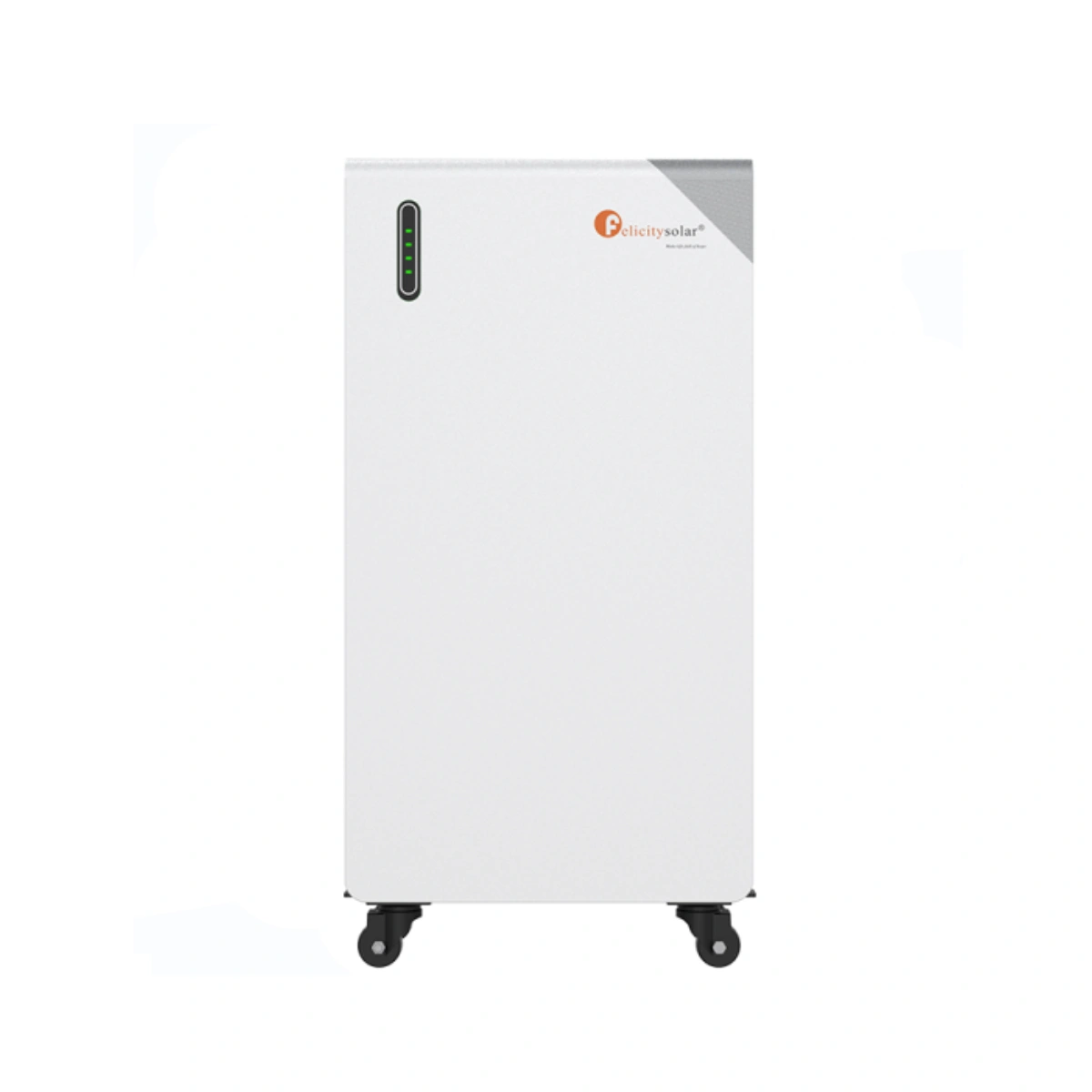
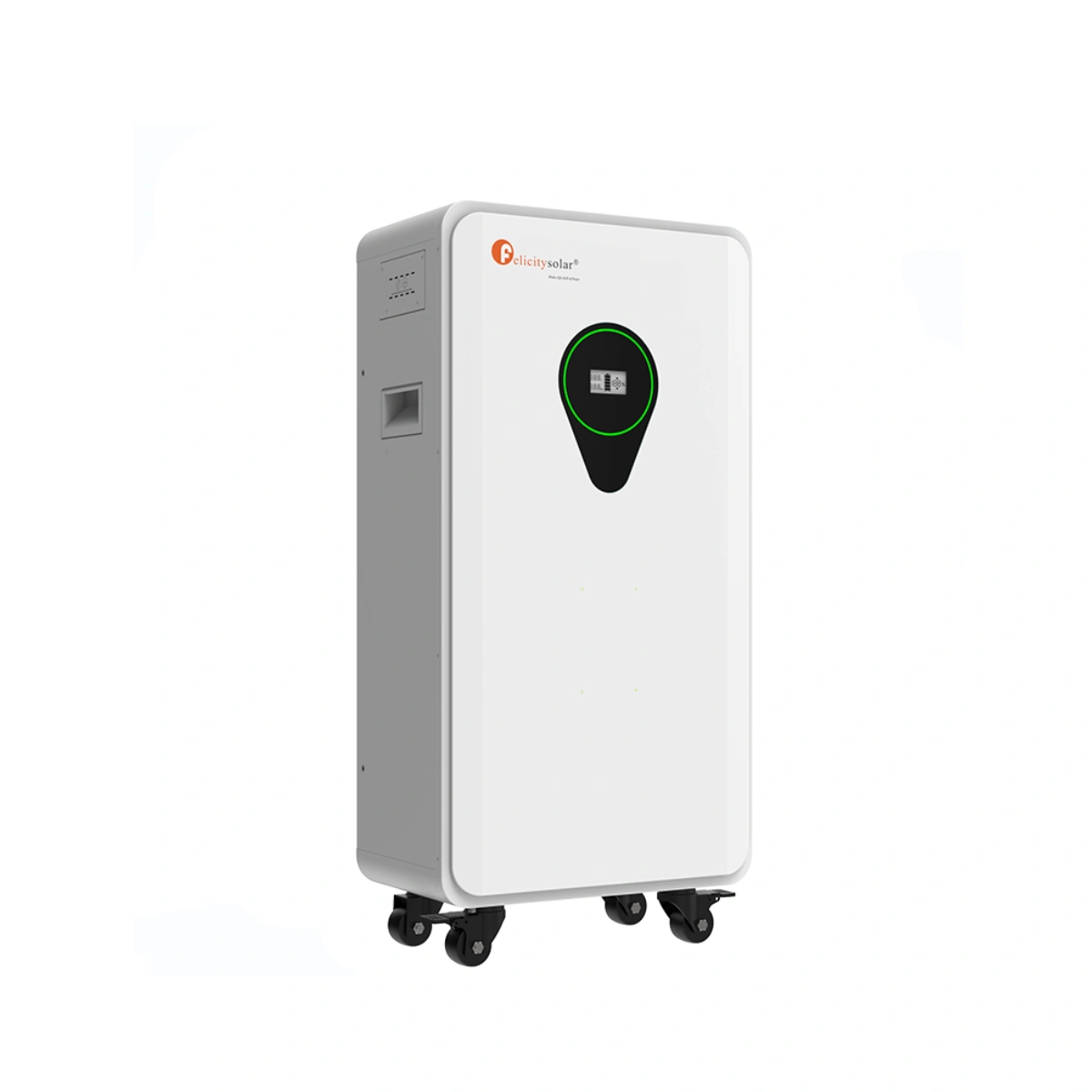
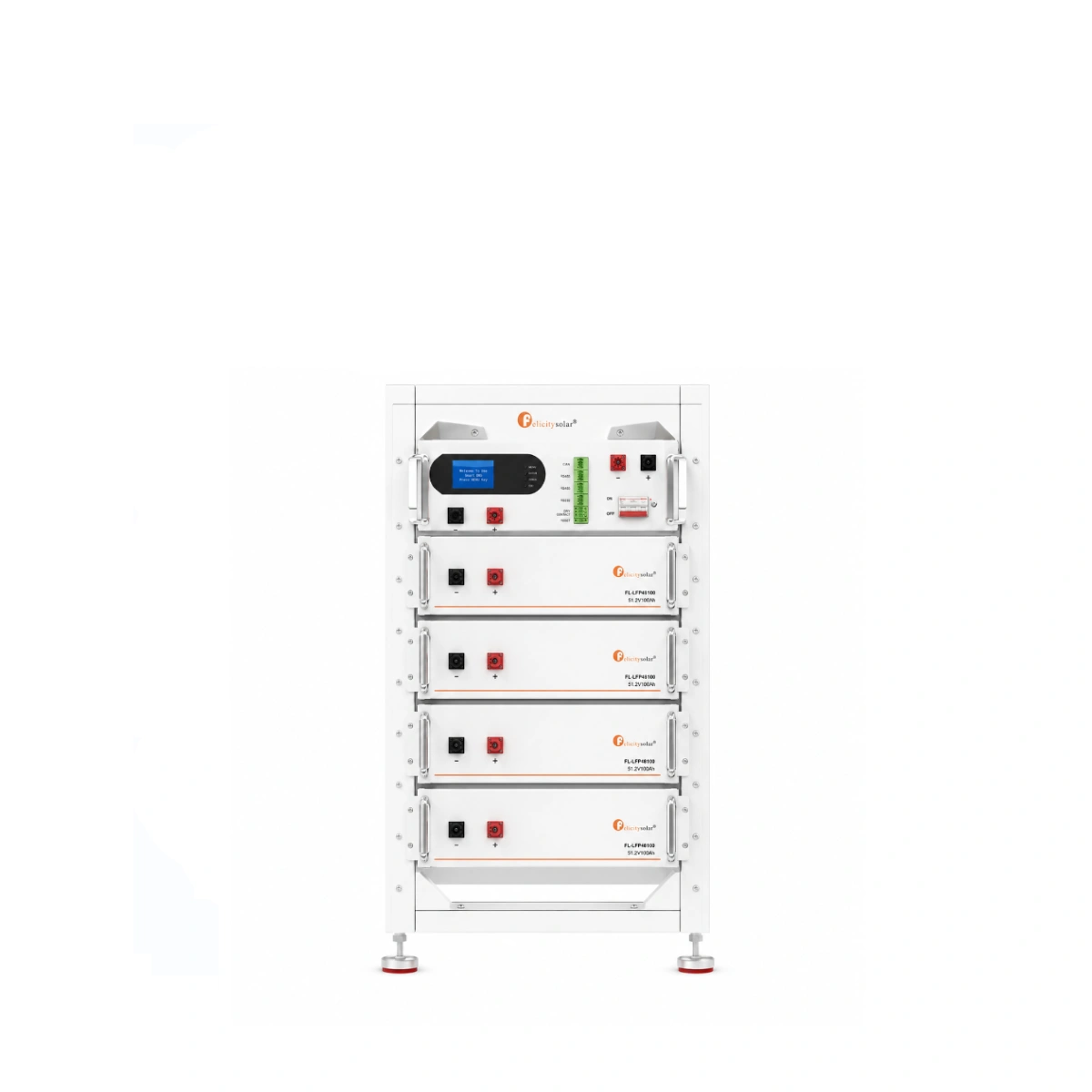
Felicity Solar 20.48 kWh High-Voltage LiFePO4 Battery System for Home and C&I Storage
In stock
New: 3397.88 €
0%
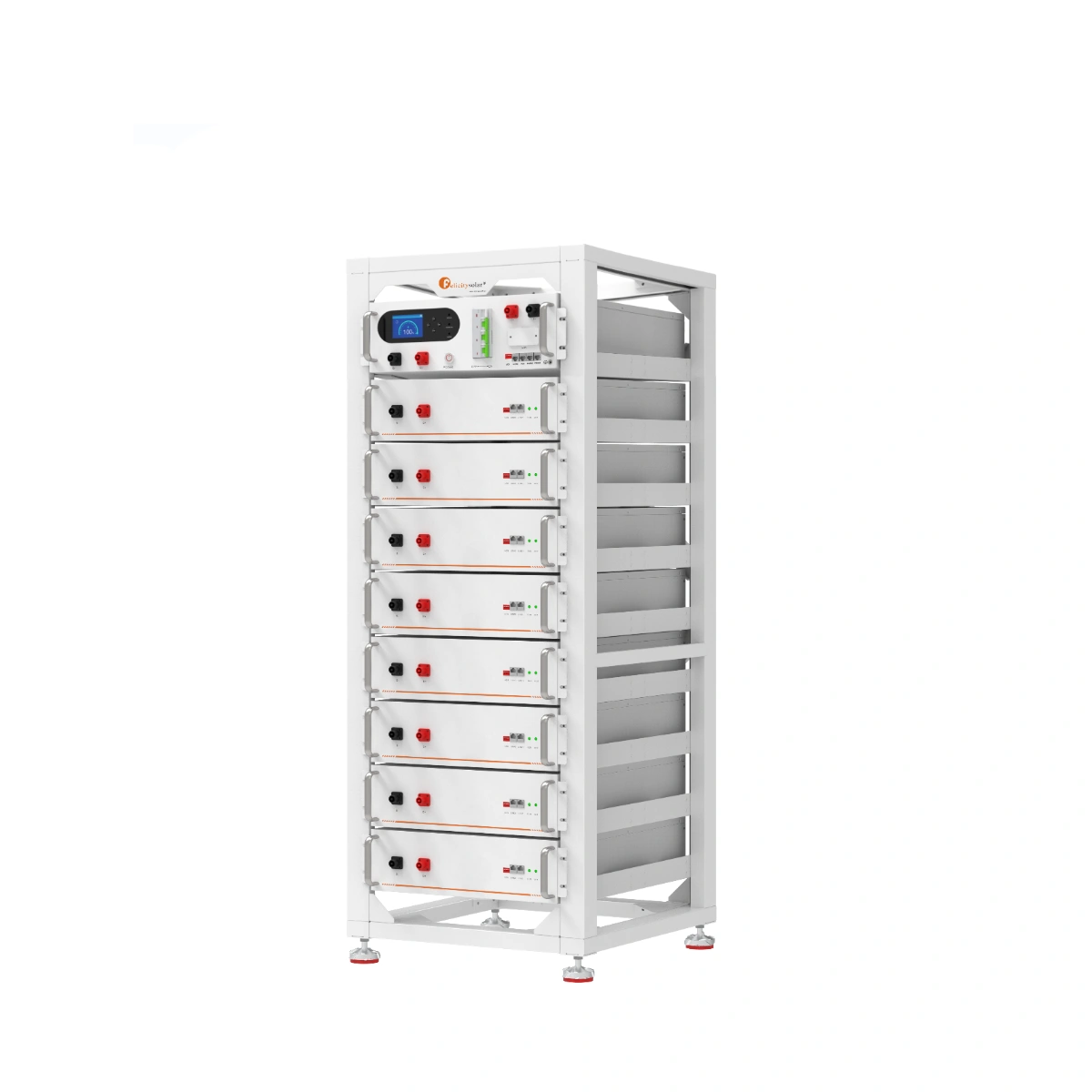
Felicity Solar 40.96 kWh High-Voltage LiFePO4 Battery System for C&I Storage
In stock
New: 5979.88 €
0%
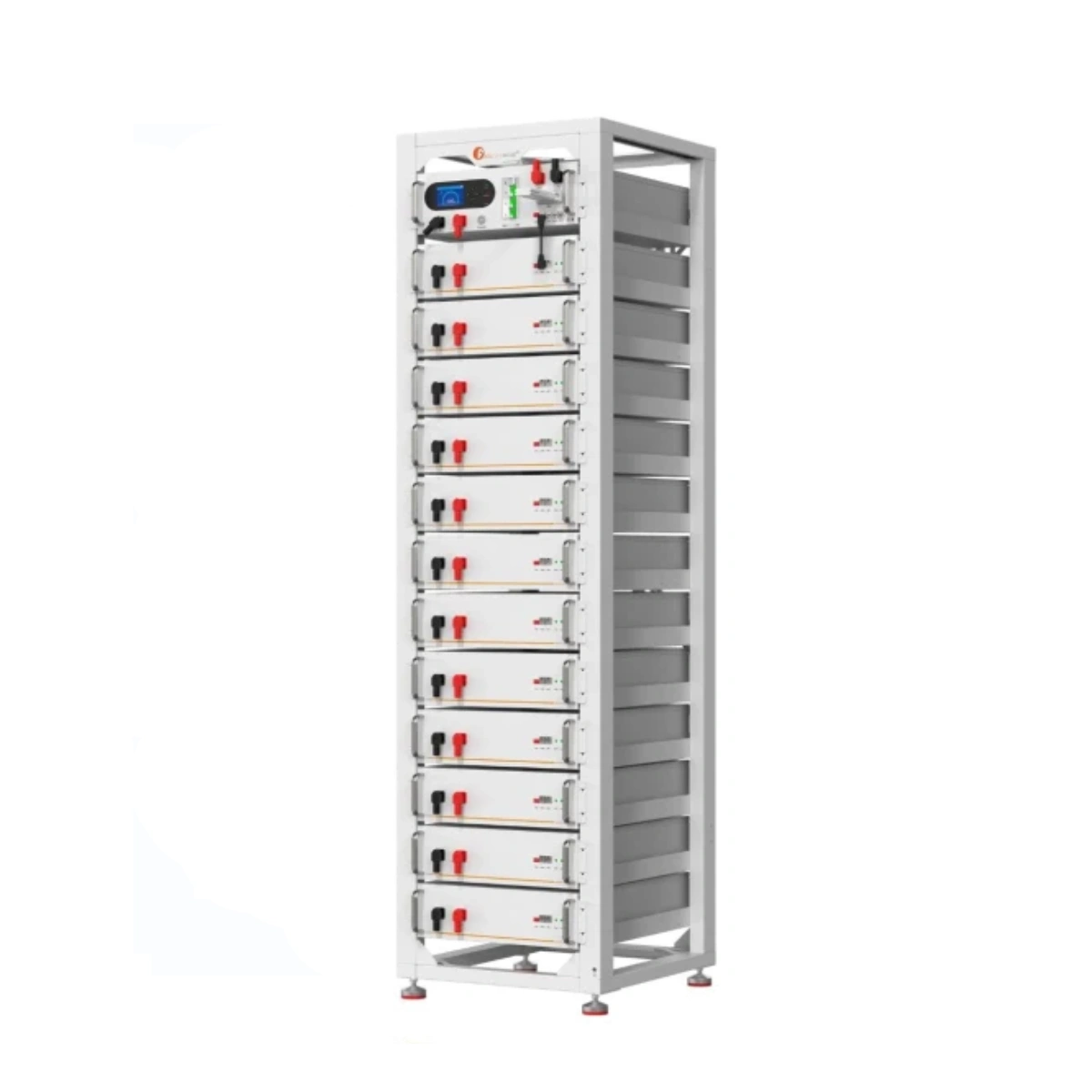
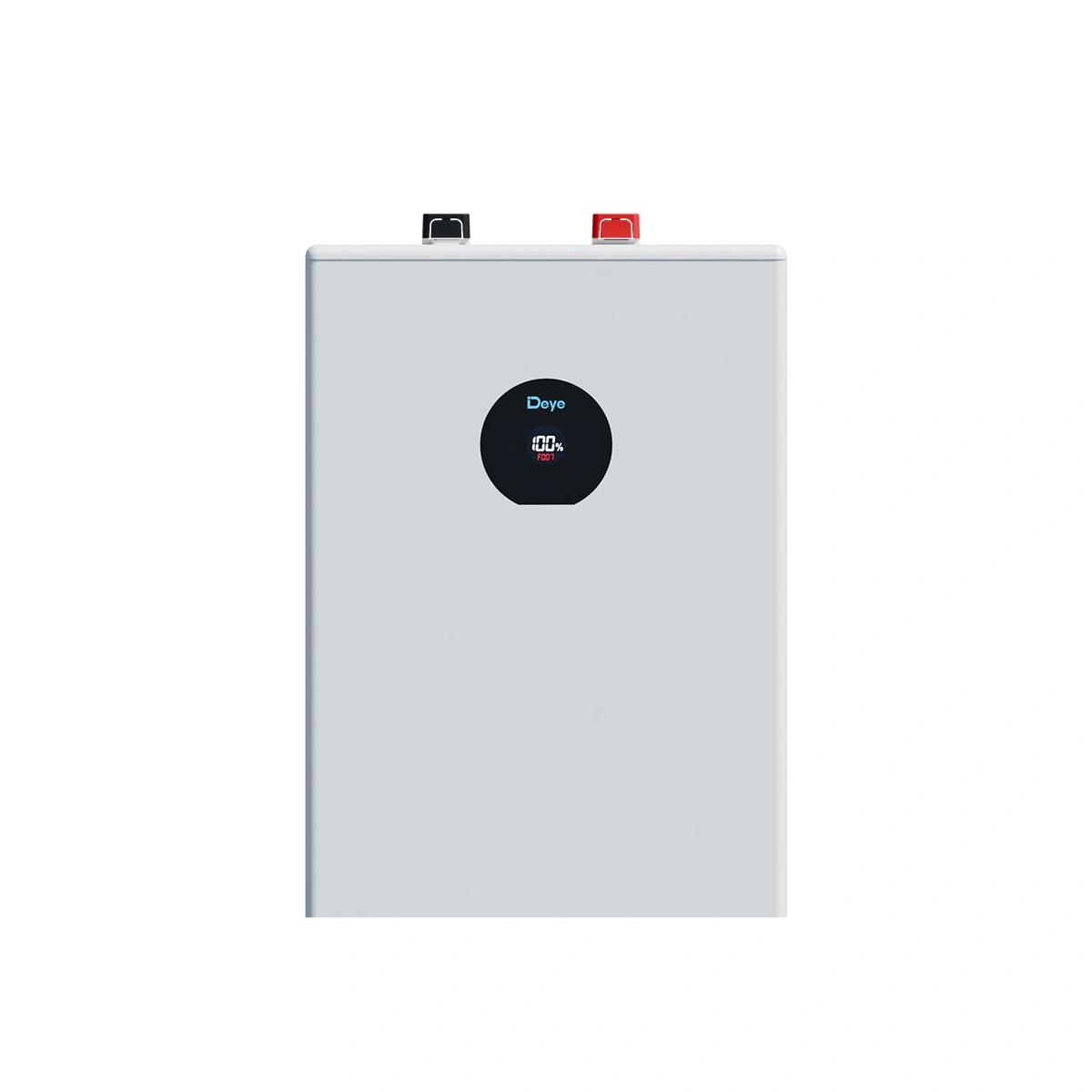

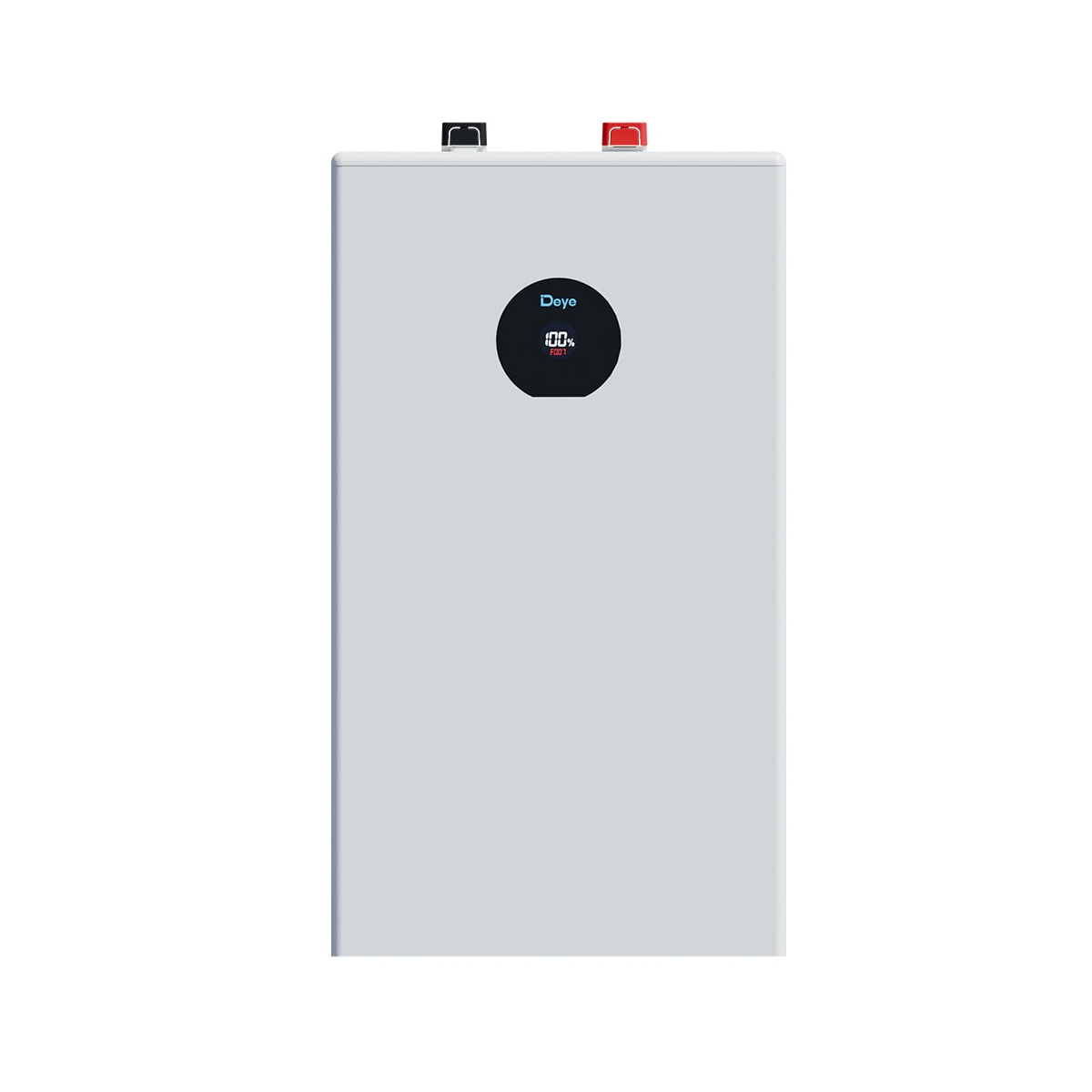
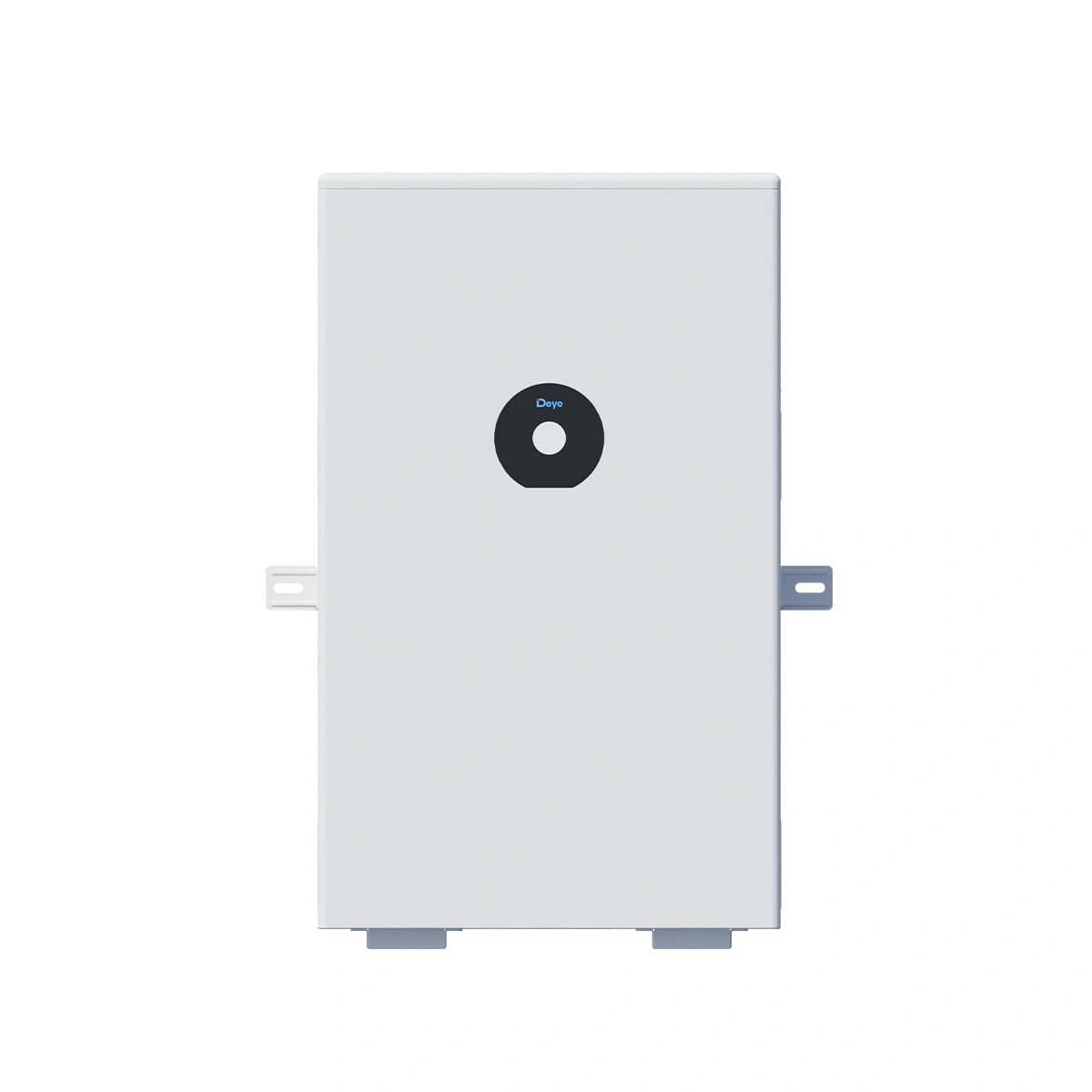
Deye SE-F12 Max Energy Storage System – (IP65) 11.8kWh LiFePO4 Solar Battery
In stock
New: 1692.88 €
0%
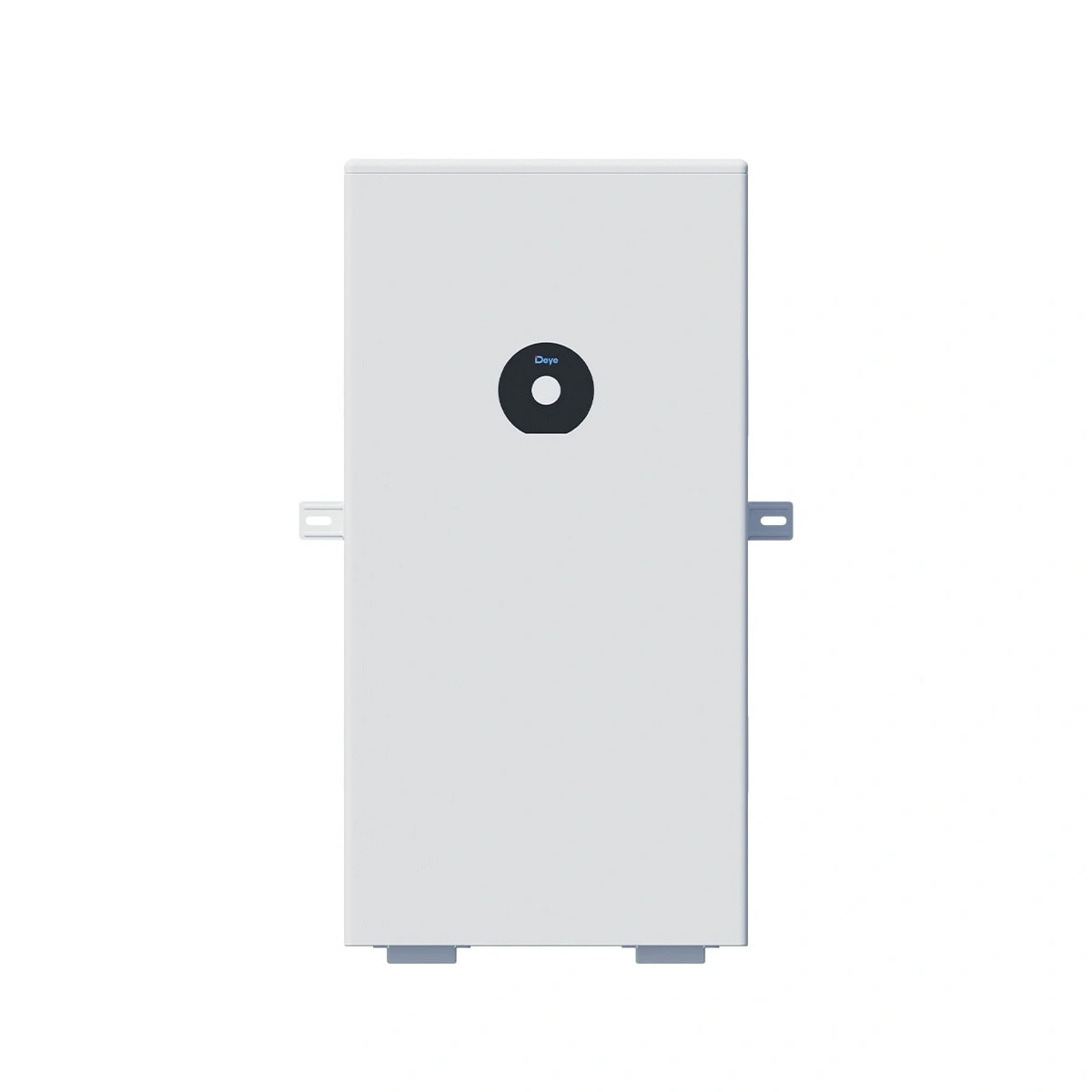


Fronius Reserva Pro 3.98 kWh HV Battery Module for High-Voltage Energy Storage Systems
Available on backorder
New: 1389.88 €
0%

Fronius Reserva Pro 12.0 Battery Set 11.9 kWh | High-Voltage Energy Storage System
Available on backorder
New: 5759.88 €
0%

Fronius Reserva Pro 16.0 Battery Set 15.9 kWh | High-Voltage Energy Storage System
Available on backorder
New: 7430.88 €
0%

Fronius Reserva Pro 20.0 Battery Set 19.9 kWh | High-Voltage Energy Storage System
Available on backorder
New: 8940.88 €
0%

Fronius Reserva Pro 24.0 Battery Set 23.9 kWh | High-Voltage Energy Storage System
Available on backorder
New: 10449.88 €
0%

Fronius Reserva Pro 28.0 Battery Set 27.9 kWh | High-Voltage Energy Storage System
Available on backorder
New: 11498.88 €
0%

Fronius Reserva Pro 32.0 Battery Set 31.9 kWh | High-Voltage Energy Storage System
Available on backorder
New: 12790.88 €
0%







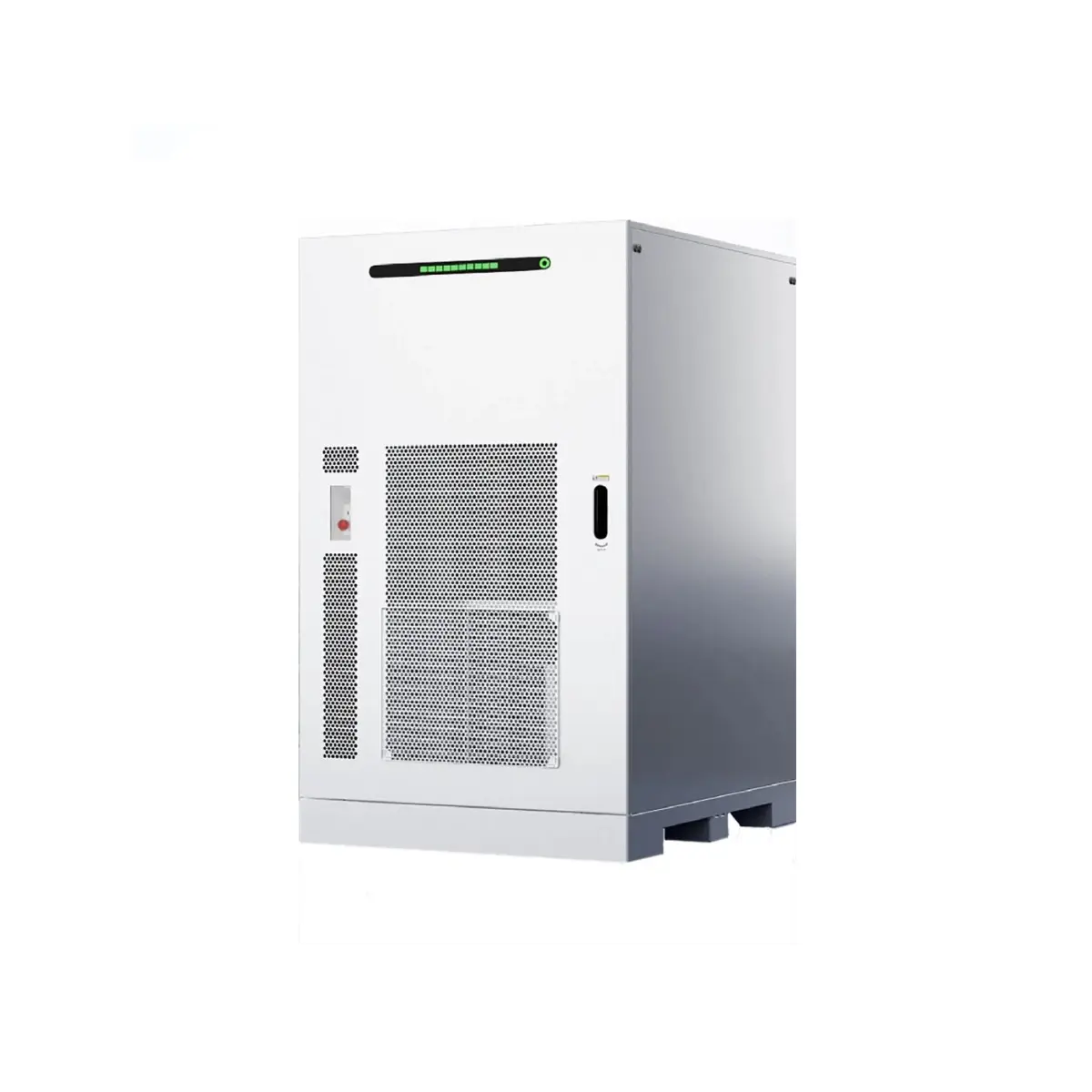

Huawei LUNA2000 107.5kWh Commercial Energy Storage System (1S11)
Available on backorder
New: 45469.88 €
0%
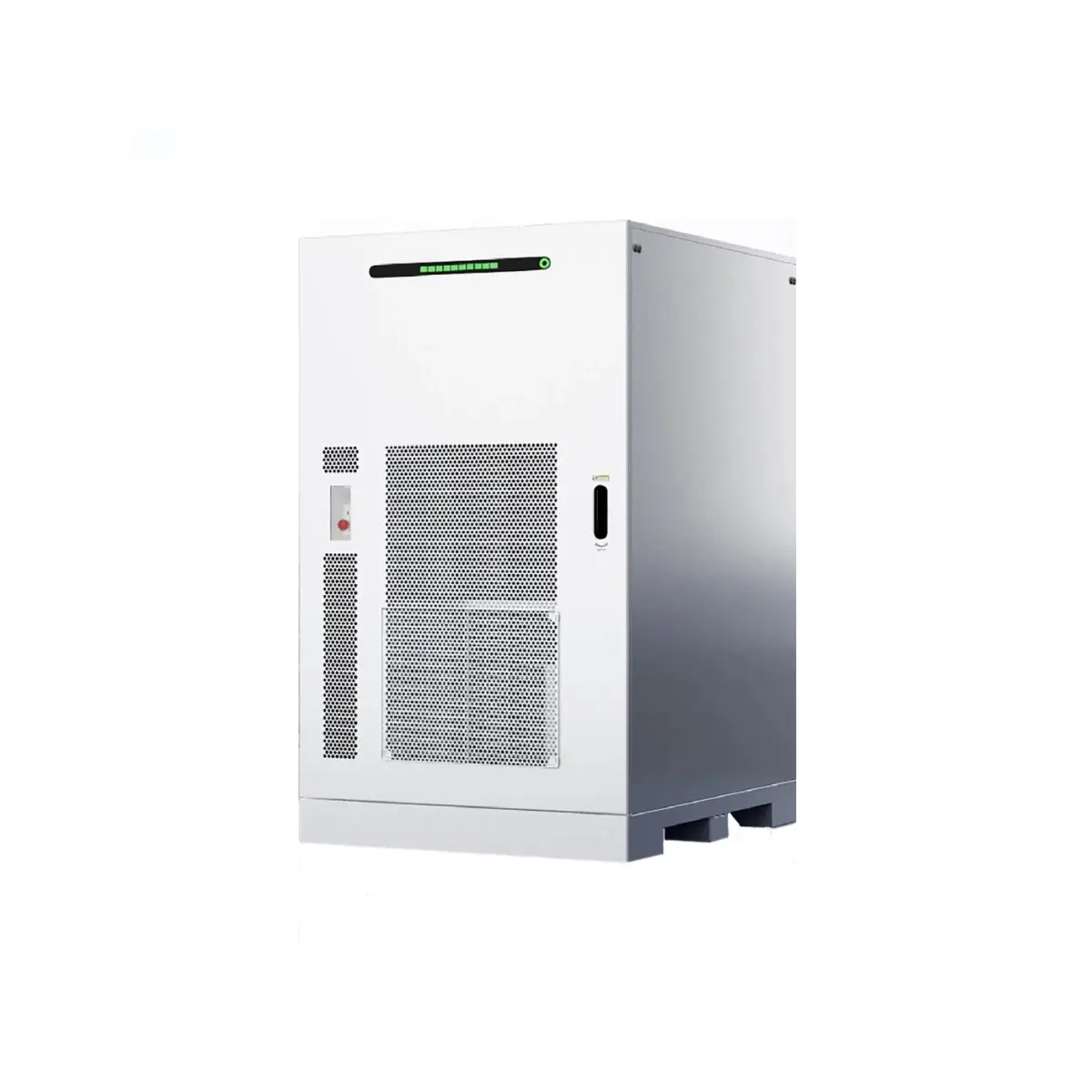
Huawei LUNA2000 161.3kWh Commercial Energy Storage System (2S11)
Available on backorder
New: 47973.88 €
0%
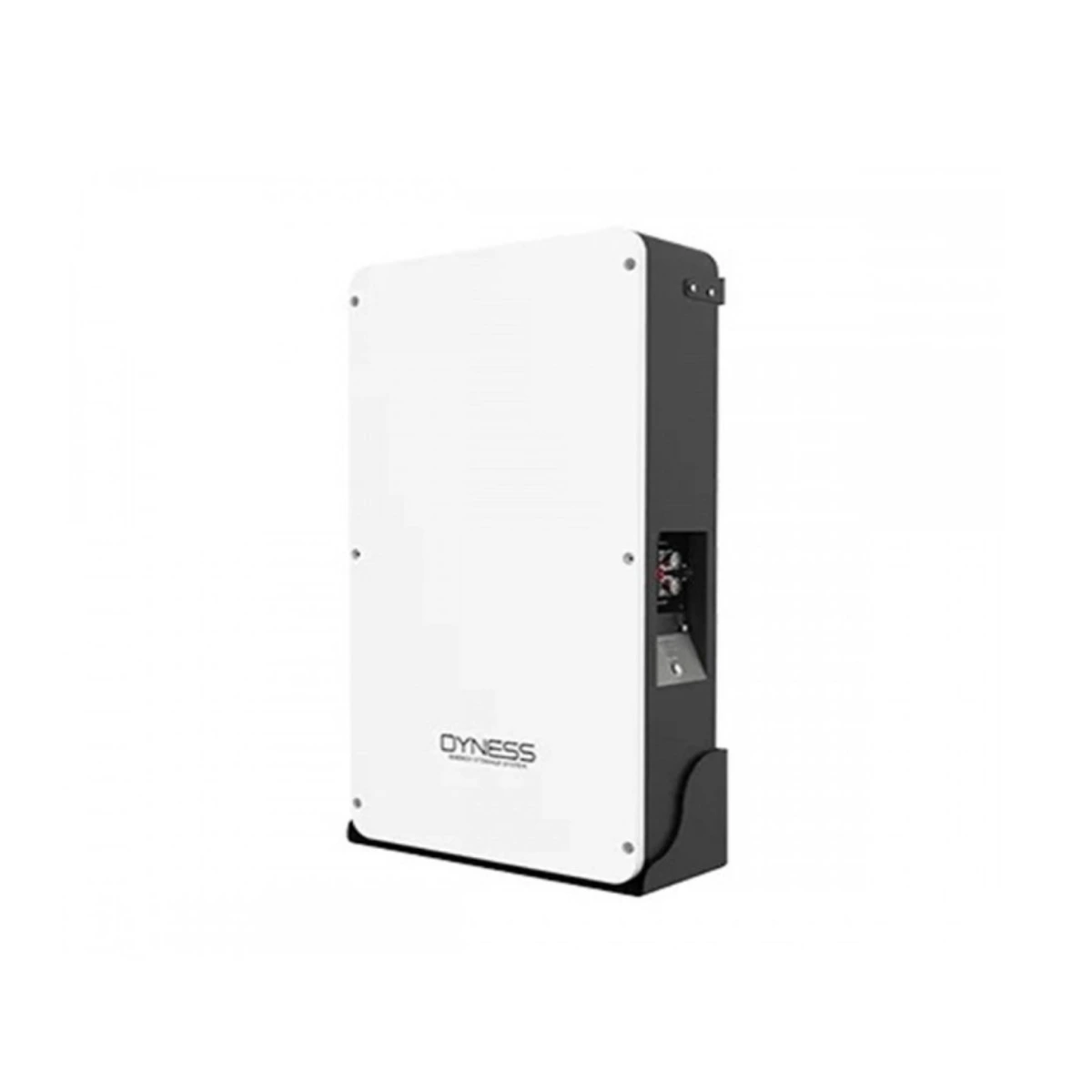
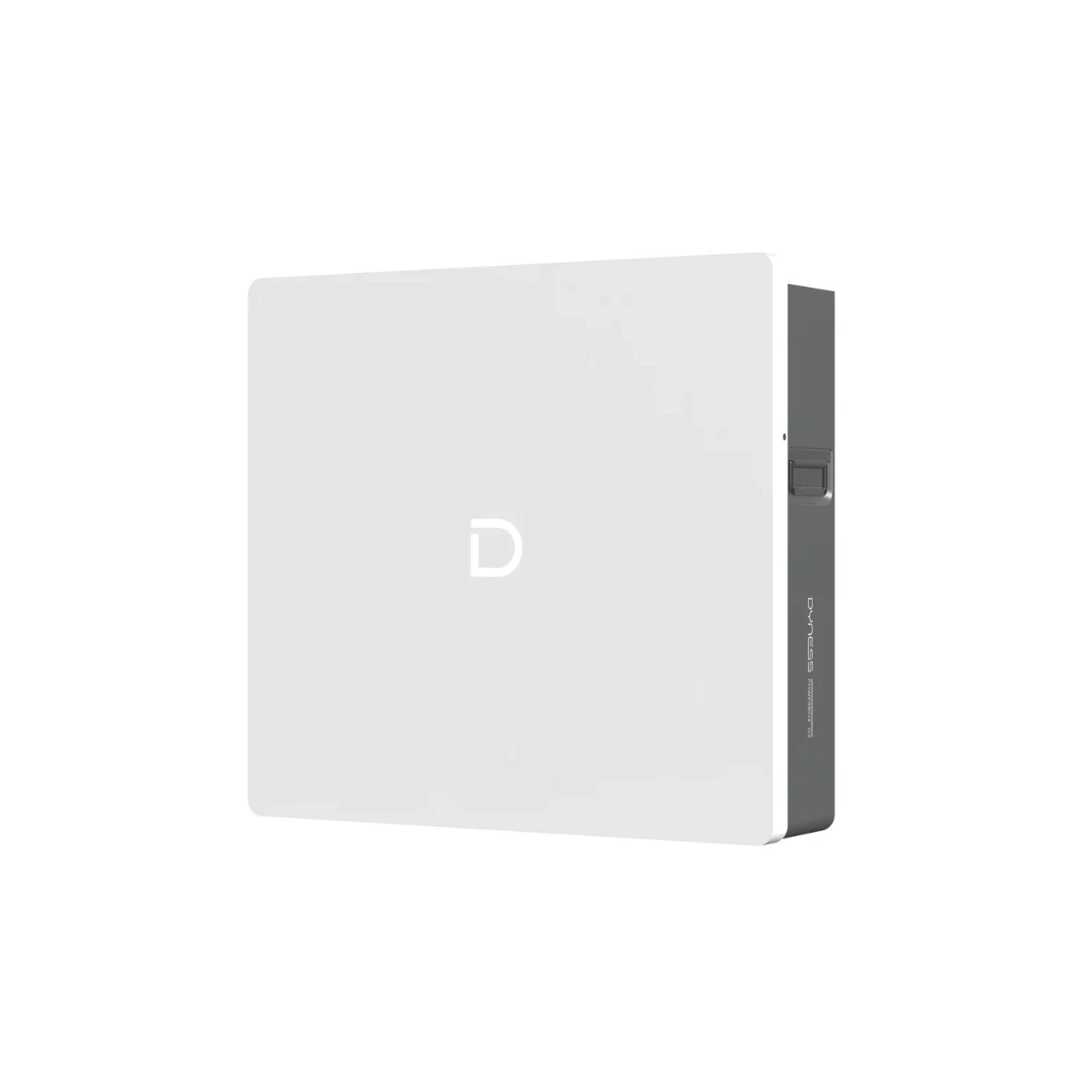
Dyness Powerbox Pro 10.24kWh – Low Voltage Solar Battery for Hybrid Inverters
Out of stock
New: 1389.88 €
0%
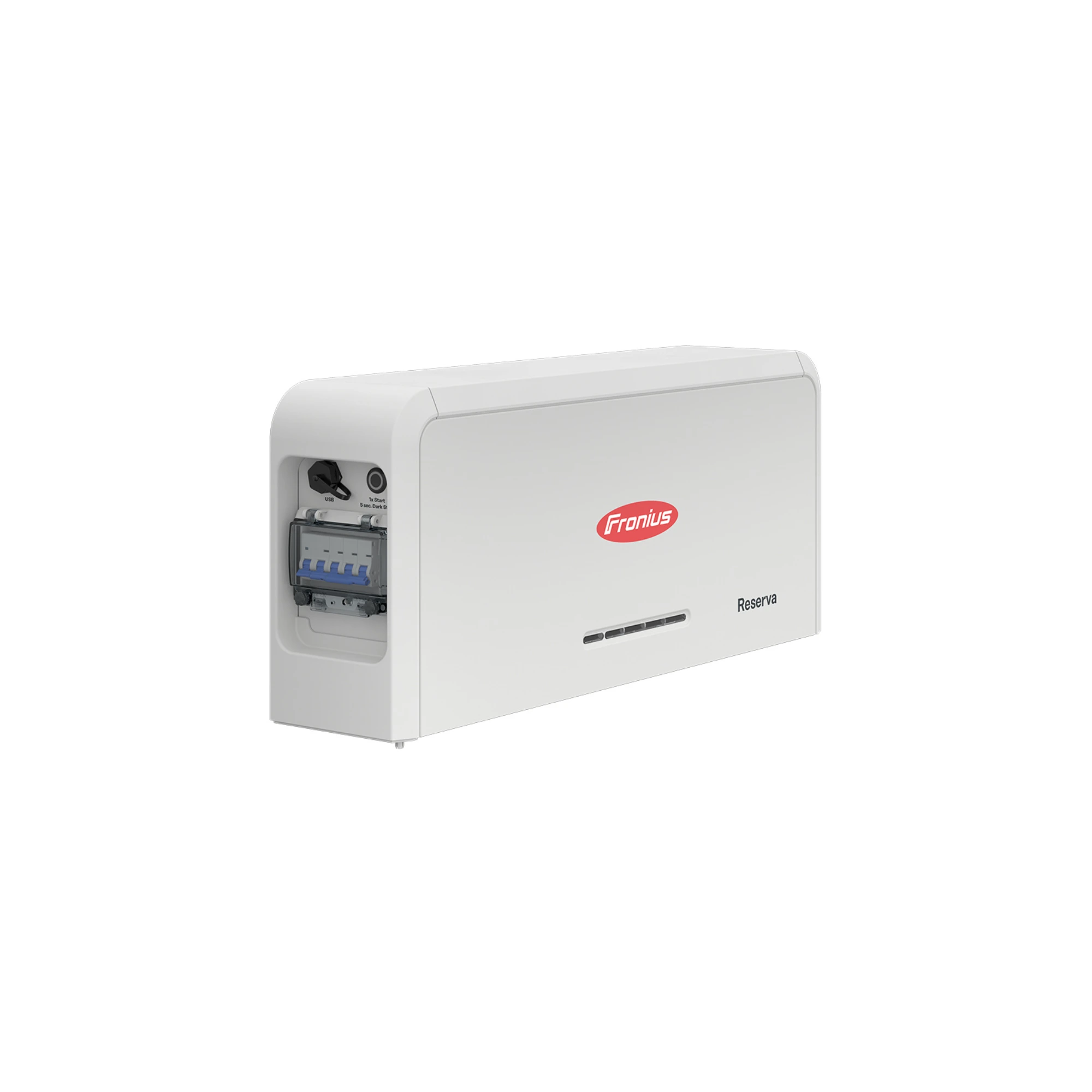

Fronius Reserva 3.15 kWh High-Voltage Solar Battery Module for Hybrid PV Systems
Available on backorder
New: 928.88 €
0%

Fronius Reserva 6.3 kWh High-Voltage Solar Battery Set for Hybrid PV Systems
Available on backorder
New: 2519.88 €
0%

Fronius Reserva 9.5 kWh High-Voltage Solar Battery Set for Hybrid PV Systems
Available on backorder
New: 3409.88 €
0%

Fronius Reserva 12.6 kWh High-Voltage Solar Battery Set for Hybrid PV Systems
Available on backorder
New: 4159.88 €
0%
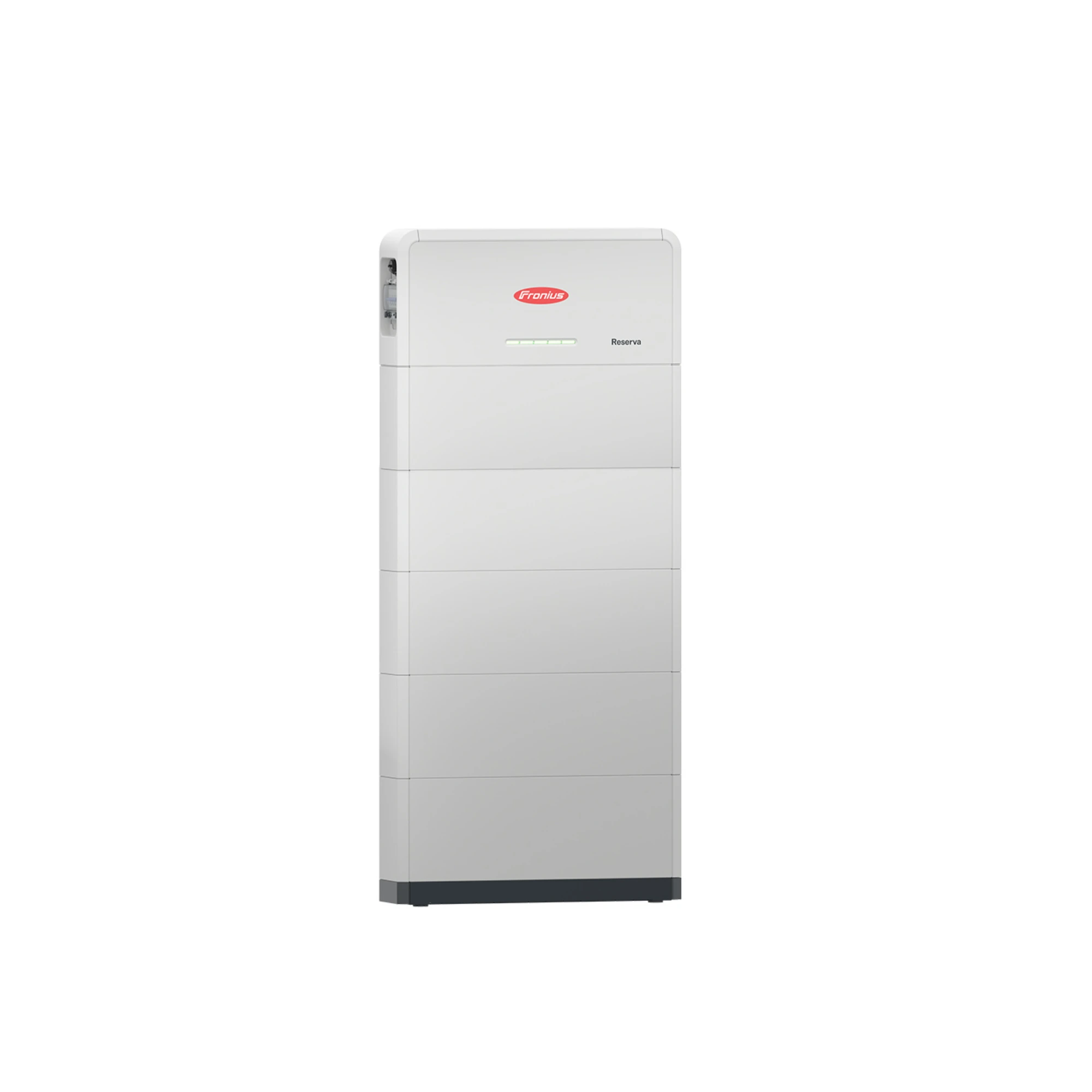
Fronius Reserva 15.8 kWh High-Voltage Solar Battery Set for Hybrid PV Systems
Available on backorder
New: 5159.88 €
0%
Solar Batteries for PV Energy Storage Systems
Solar batteries are no longer selected simply by comparing storage capacity and price. For professional PV installers, EPC contractors and system designers, the correct battery must match the inverter architecture, DC voltage range, BMS protocol, charge and discharge requirements, required usable capacity, installation environment and future expansion strategy.
The 3Buy Solar battery range covers LiFePO4 solar batteries, high-voltage and low-voltage battery storage, modular residential systems and commercial energy storage solutions for grid-connected, hybrid, backup and off-grid PV installations.
Use this category to compare solar batteries by manufacturer, capacity, voltage, communication interface and technical configuration. For individual projects, always verify the exact battery and inverter combination against current manufacturer documentation before installation.
How to Choose a Solar Battery for a PV System
Battery capacity is important, but it should not be the first and only selection criterion.
For an installer specifying a new solar battery system, the key parameters are:
- inverter manufacturer and exact model
- high-voltage or low-voltage battery architecture
- inverter battery operating-voltage range
- battery nominal and usable capacity
- maximum continuous charge power
- maximum continuous discharge power
- battery charge and discharge current
- supported BMS communication
- CAN or RS485 interface requirements
- minimum and maximum number of battery modules
- parallel or series expansion limits
- required backup or EPS power
- battery chemistry
- IP protection class
- indoor or outdoor installation
- operating-temperature range
- battery warranty and cycle conditions
- required BMS, controller, base, cabinet and connection accessories
Two solar batteries with similar advertised capacity can therefore be very different products from an installer perspective.
A 10 kWh battery with limited discharge power, for example, may be unsuitable for an installation with high instantaneous loads even though its energy capacity appears sufficient. Likewise, a technically suitable LiFePO4 battery cannot simply be connected to a hybrid inverter unless the voltage architecture and BMS communication are supported.
Solar Battery Capacity: kWh and kW Are Not the Same
One of the most important distinctions when comparing solar battery systems is the difference between energy capacity in kilowatt-hours (kWh) and power in kilowatts (kW).
Battery capacity tells you how much energy can be stored.
Battery power tells you how quickly that stored energy can be charged or discharged.
A 10 kWh solar battery does not automatically provide 10 kW of continuous output.
For example, two batteries may both store approximately 10 kWh while one supports substantially greater charge and discharge power than the other. This can directly affect EV charging support, heat-pump loads, backup operation, commercial peak shaving and high-power residential applications.
Professional battery selection should therefore compare at least:
Nominal capacity – the total rated energy of the battery.
Usable capacity – the amount of stored energy made available under the manufacturer’s operating limits.
Continuous discharge power – the power the battery can continuously deliver.
Peak discharge power – short-duration output where supported.
Maximum charge power/current – particularly important when large PV arrays or grid charging are involved.
Capacity and power must also be considered together with the limits of the connected inverter.
5 kWh Solar Batteries and Modular Battery Systems
Around 5 kWh is a common module size for modern LiFePO4 energy storage systems.
Typical module capacities include approximately 5 kWh, 5.12 kWh and 5.8 kWh, although the exact capacity varies by manufacturer and battery platform.
A 5 kWh solar battery can be used as a compact storage solution where supported, but many products in this capacity range are designed primarily as modules within a larger stack.
Two modules may create approximately 10 kWh of storage, three approximately 15 kWh, four approximately 20 kWh and so on, subject to the manufacturer’s permitted configuration.
This modular architecture gives installers flexibility when sizing a system and can make future battery expansion possible.
However, never assume additional modules can simply be added later. Check:
- maximum modules per BMS
- maximum system capacity
- battery generation compatibility
- permitted age difference between modules
- state-of-charge requirements during expansion
- firmware compatibility
- BMS/controller requirements
For small storage requirements, browse the dedicated 2–5 kWh solar battery range rather than selecting only by module name.
10 kWh Solar Batteries
A 10 kWh solar battery is one of the most common capacity classes for residential PV energy storage.
It can provide a practical balance between solar self-consumption, overnight energy use and system cost, but the correct capacity depends on the property’s actual consumption profile rather than a universal sizing rule.
Products marketed around 10 kWh may have capacities such as 9.6 kWh, 9.8 kWh, 10.0 kWh, 10.24 kWh or another nearby value.
When comparing 10 kWh solar battery prices and specifications, check whether the advertised figure represents:
- nominal capacity
- usable capacity
- one complete battery
- multiple battery modules
- battery modules without BMS
- complete battery stack including controller
The cheapest advertised 10 kWh battery is therefore not necessarily the lowest-cost complete installation.
A professional comparison should include the BMS, base, cables, controller, cabinet and any manufacturer-specific accessories required for operation.
For systems around this capacity, use the dedicated 9–10 kWh solar battery category to compare appropriate products.
15 kWh and 20 kWh Solar Battery Storage
Larger residential properties and installations with greater electricity consumption increasingly use 15 kWh and 20 kWh solar battery systems.
These capacities can be relevant where the installation includes:
- larger PV arrays
- high evening consumption
- heat pumps
- electric heating
- EV charging
- extended backup requirements
- three-phase hybrid inverters
- small commercial loads
Modern modular systems can produce capacities such as 15.36 kWh, 16 kWh, 16.4 kWh, 19.2 kWh, 20 kWh or 20.48 kWh depending on battery module size and configuration.
Again, capacity should not be considered independently from power.
A 20 kWh battery connected to an inverter capable of only relatively low battery discharge power will behave very differently from a 20 kWh system engineered for high continuous output.
For these projects, compare products within the dedicated 15–20 kWh solar battery range and verify inverter compatibility before specifying the final battery stack.
30 kWh, 50 kWh, 100 kWh and Larger Battery Storage
Once battery requirements move beyond typical residential capacities, system design increasingly becomes a commercial or C&I engineering exercise.
Searches for 30 kWh battery storage, 50 kWh battery storage, 100 kWh battery storage and commercial battery storage should not be approached simply as larger versions of a residential battery.
Commercial battery storage can be designed for:
- solar self-consumption
- peak shaving
- load shifting
- demand management
- EV charging infrastructure
- backup power
- commercial rooftop PV
- agricultural installations
- offices and retail
- warehouses and logistics facilities
- industrial energy management
At these capacities, installers and EPCs should consider the complete system architecture.
Important parameters include battery energy in kWh, inverter or PCS power in kW, charge/discharge rate, battery cabinet configuration, EMS integration, backup requirements, grid connection limits and future expansion.
A 100 kWh battery storage system, for example, describes energy capacity. It does not tell you whether the system can deliver 20 kW, 50 kW, 100 kW or another power level.
For larger projects, browse the dedicated 30–500 kWh battery storage category.
High-Voltage Solar Batteries
A high-voltage solar battery, commonly abbreviated as an HV battery, operates at substantially higher DC voltage than conventional 48V-class battery storage.
HV battery systems are widely used with modern single-phase and three-phase hybrid inverters.
They commonly consist of multiple battery modules connected in series and controlled by a dedicated BMS or battery controller.
Potential advantages include:
- lower DC current for a given power level
- efficient operation at higher power
- modular battery stacks
- compact installation
- compatibility with many modern three-phase hybrid inverter platforms
- scalability across residential and commercial applications
The crucial installer parameter is the complete operating-voltage window.
An inverter may support a battery range such as several hundred volts DC, while the actual battery voltage depends on the number of installed modules.
This means both the minimum and maximum permitted battery configuration must be checked.
Adding or removing modules changes the battery stack voltage.
A battery family being described as “high voltage” does not make it universally compatible with every HV inverter.
Browse the dedicated High Voltage Solar Batteries range when specifying an HV energy storage system.
Low-Voltage Solar Batteries: 48V and 51.2V
Low-voltage solar batteries remain widely used in residential, hybrid, backup and off-grid installations.
Many modern LiFePO4 batteries use a nominal voltage of approximately 51.2V, commonly grouped within the 48V battery class.
LV batteries are available in several physical formats:
- wall-mounted
- rack-mounted
- floor-standing
- cabinet-mounted
- parallel modular banks
Low-voltage architecture has an important engineering consequence: higher current is required to transfer the same amount of power.
For example, delivering high battery power at approximately 50V requires significantly more DC current than delivering equivalent power from a high-voltage battery stack.
Installers must therefore pay particular attention to:
- maximum battery current
- inverter battery-current limit
- DC cable cross-section
- cable length
- fuses and breakers
- busbars
- battery terminals
- parallel connection limits
A 51.2V 10 kWh battery capable of 100A continuous discharge and another 10 kWh battery capable of 200A are not equivalent from a power-delivery perspective.
Browse Low Voltage Solar Batteries for compatible 48V and 51.2V energy storage systems.
LiFePO4 Solar Batteries
Lithium iron phosphate (LiFePO4 or LFP) has become a dominant chemistry for modern stationary solar battery storage.
For professional system design, however, the chemistry name alone tells only part of the story.
When comparing LiFePO4 solar batteries, check:
- nominal voltage
- nominal capacity
- usable energy
- depth of discharge
- cycle-life conditions
- continuous current
- peak current
- maximum charge rate
- operating temperature
- storage temperature
- BMS protection functions
- communication interface
- ingress protection
- installation orientation
- expansion limits
- manufacturer warranty
LiFePO4 battery products with identical nominal kWh ratings can differ considerably in available power, physical construction, inverter compatibility and permitted operating conditions.
The correct comparison is therefore system against system, rather than simply €/kWh.
Solar Battery and Hybrid Inverter Compatibility
For installers, solar battery compatibility is one of the most important parts of battery specification.
Matching DC voltage is not enough.
A modern hybrid inverter normally needs to communicate with the battery BMS. The inverter uses this communication to receive battery operating information and permitted charge/discharge limits.
Compatibility should therefore be checked at the level of the exact inverter model and exact battery model.
Verify:
- inverter model
- battery model
- battery BMS/controller
- minimum module quantity
- maximum module quantity
- operating-voltage range
- maximum battery current
- supported capacity
- communication protocol
- communication cable
- firmware requirements
- parallel-system limitations
- backup/EPS limitations
Do not assume that every battery from a manufacturer works with every inverter from the same manufacturer.
Different inverter generations can support different battery platforms.
Likewise, third-party batteries may be officially compatible with selected inverter series but not others.
For manufacturer-specific combinations, use the relevant inverter and battery compatibility guide before ordering.
BMS Communication: CAN and RS485
The Battery Management System (BMS) controls and monitors battery operation.
Typical functions include monitoring:
- cell voltage
- module voltage
- temperature
- state of charge
- charge current
- discharge current
- alarms
- protection conditions
Modern battery-inverter systems commonly communicate through CAN or RS485, although the supported protocol and wiring are manufacturer-specific.
Communication allows the battery to tell the inverter how much charge or discharge current is currently permitted.
Without correct BMS communication, a system may fail to commission, report communication errors or operate without the functionality intended by the manufacturer.
Therefore:
CAN-compatible does not mean universally compatible.
Two products having CAN ports does not prove that they use the same communication protocol.
The same principle applies to RS485.
Always check the official inverter/battery compatibility documentation and required communication wiring.
Solar Battery Charge and Discharge Power
Battery capacity receives most of the attention during purchasing, but charge and discharge performance can be equally important.
Consider a property with a 10 kWh battery and high evening loads.
If the battery system can only provide limited continuous power, the grid may still need to supply electricity even while significant stored energy remains in the battery.
Similarly, a battery with restricted charging power may not absorb all available PV surplus during periods of high generation.
For professional battery selection, compare:
- maximum continuous charge current
- maximum continuous discharge current
- recommended current
- short-duration peak current
- battery voltage
- resulting charge/discharge power
- inverter battery-port limits
The effective system limit will generally be determined by the weakest relevant component in the battery/inverter combination.
Nominal Capacity vs Usable Battery Capacity
Solar battery specifications commonly distinguish between nominal capacity and usable capacity.
Nominal capacity represents the battery’s rated stored energy.
Usable capacity represents the energy available within the manufacturer’s permitted operating window.
This difference matters when comparing battery storage products.
Two batteries advertised at approximately 10 kWh nominal capacity may provide different usable energy.
The manufacturer’s specified depth of discharge, reserve settings and operating conditions should therefore be checked.
For project calculations, use the appropriate usable-energy figure rather than assuming that the full nominal capacity is available.
Modular Solar Batteries and Future Expansion
Modularity is one of the major advantages of many modern solar battery systems.
A project can begin with a smaller battery stack and, where permitted, additional modules can later increase capacity.
However, future expansion should be planned at the initial design stage.
Check:
- maximum modules per stack
- maximum stacks per inverter
- maximum parallel systems
- permitted module combinations
- BMS capacity
- battery firmware
- inverter firmware
- age restrictions for adding new modules
- balancing requirements
Manufacturers may impose conditions when adding a new battery to an existing system.
Do not promise future expansion to a customer unless the selected battery platform and inverter configuration explicitly support it.
Solar Batteries for Residential PV Systems
Residential battery storage is commonly installed to increase solar self-consumption and provide greater control over when PV energy is used.
A typical residential design should consider:
- annual electricity consumption
- daily consumption profile
- overnight load
- PV array size
- seasonal generation
- inverter power
- battery charge/discharge power
- EV charging
- heat-pump consumption
- backup requirements
- available installation space
A household consuming 10 kWh per day does not automatically need a 10 kWh battery.
Likewise, a 10 kWp PV array does not automatically require a 10 kWh battery.
The battery should be sized from the site’s actual load profile, expected PV surplus and operating objective.
Solar Batteries for Commercial and C&I Energy Storage
Commercial battery storage requires a different design approach.
The objective may not simply be to store daytime solar production for use at night.
C&I battery storage can also support:
Peak shaving – reducing maximum grid demand.
Load shifting – charging and discharging according to energy cost or site demand.
PV self-consumption – retaining excess commercial rooftop generation.
EV charging support – reducing instantaneous grid demand from charging infrastructure.
Backup power – supporting selected critical loads where the inverter/BESS architecture permits it.
Energy management – coordinating PV, battery, grid, loads and other assets through an EMS.
For these systems, power profiles and interval consumption data can be more useful than annual electricity consumption alone.
The battery system should be engineered together with the inverter or PCS and the site’s electrical infrastructure.
Solar Battery Backup and EPS Operation
Not every battery system provides backup simply because a battery is installed.
Backup capability depends primarily on the inverter and system architecture.
Before specifying battery storage for backup operation, check:
- whether the inverter provides EPS/backup output
- maximum backup power
- single-phase or three-phase backup
- permitted unbalanced loads
- switching method
- transfer time
- black-start capability
- minimum battery SOC
- surge requirements
- neutral arrangement
- external backup equipment
Large battery capacity does not compensate for insufficient backup inverter power.
For example, a battery may contain enough energy to run a property for many hours but still be unable to start or supply a high-power load if the inverter’s EPS output is insufficient.
Indoor and Outdoor Solar Battery Installation
Battery installation conditions vary significantly between products.
Always check the manufacturer’s permitted environment.
Relevant specifications include:
- IP rating
- operating temperature
- humidity
- altitude
- direct sunlight restrictions
- wall/floor loading
- ventilation
- minimum clearances
- installation orientation
An IP65-rated battery may provide greater protection against dust and water ingress than an indoor-only product, but the IP rating alone does not mean the battery can be installed anywhere outdoors.
Temperature is particularly important.
Battery charging may be restricted at low temperatures, while sustained high temperatures can affect performance and lifetime.
Follow the installation manual rather than selecting location based solely on the enclosure rating.
Wall-Mounted, Rack-Mounted and Stackable Solar Batteries
Physical battery architecture affects installation as well as appearance.
Wall-Mounted Solar Batteries
Wall-mounted batteries can provide a compact residential installation where the wall construction and manufacturer mounting requirements permit it.
Check battery weight carefully. Large LiFePO4 batteries can impose substantial structural loads.
Rack-Mounted Solar Batteries
Rack battery modules are widely used for LV systems, off-grid applications and larger modular installations.
A rack system can simplify:
- module organisation
- cabling
- expansion
- maintenance
- BMS integration
Check whether the battery cabinet or rack is included or must be ordered separately.
Stackable High-Voltage Batteries
Many HV battery platforms use stackable modules installed on a base with a dedicated BMS/controller.
These systems can provide a clean installation and allow capacity to be configured by changing module quantity within manufacturer limits.
Solar Battery Brands and Battery Ecosystems
3Buy Solar carries solar battery and energy storage products from multiple manufacturers rather than limiting projects to a single battery ecosystem.
Available ranges can include Deye, Dyness, Felicity Solar, Fronius, Growatt, Huawei, Pylontech, SMA, Solax, Solplanet and other energy storage manufacturers depending on current product availability.
Brand selection should follow technical requirements first.
Deye Solar Batteries
Deye offers both low-voltage and high-voltage battery solutions used across residential and commercial energy storage applications.
When specifying a Deye battery, verify compatibility with the exact Deye inverter series or supported third-party inverter.
Dyness Solar Batteries
Dyness provides modular LiFePO4 battery storage across multiple capacity and voltage architectures.
Because Dyness batteries are used with several inverter manufacturers, the current compatibility documentation is particularly important.
Growatt Solar Batteries
Growatt battery systems are designed around specific Growatt inverter platforms.
Different inverter generations and power classes may use different battery families, so selecting “a Growatt battery” without checking the inverter model is insufficient.
Huawei Solar Batteries
Huawei battery storage operates within the Huawei inverter ecosystem. System design should verify the supported SUN2000 generation, power module, battery module quantity and current manufacturer configuration.
Pylontech Solar Batteries
Pylontech is established in modular LiFePO4 battery storage and is supported by numerous inverter platforms.
The exact Pylontech battery series and inverter compatibility should still be verified before installation.
Fronius, SMA and Solplanet Battery Systems
Manufacturer-integrated storage ecosystems can simplify system selection where inverter and battery combinations are officially supported.
Even within one ecosystem, verify the exact inverter generation, battery model and permitted capacity.
Solar Battery Price: Compare Complete Systems, Not Only €/kWh
Solar battery price is naturally an important procurement parameter, but comparing battery module prices alone can be misleading.
One product listing may include a complete battery.
Another may require:
- separate BMS
- controller
- battery base
- cabinet
- DC cables
- communication cables
- busbars
- parallel kit
- mounting hardware
This can substantially change the final system price.
When comparing solar battery prices, consider:
Price per usable kWh rather than nominal capacity alone.
Available kW output, particularly for high-load applications.
Required accessories needed to create an operational system.
Expansion cost if additional capacity may be required.
Inverter compatibility, because a cheaper battery provides no value if it cannot be commissioned with the specified inverter.
Warranty conditions, including applicable operating requirements.
For installers and EPCs, the correct comparison is the cost of a complete, compatible and commissionable battery system.
Solar Battery Datasheets and Technical Documentation
The datasheet should be part of battery selection, not something checked after purchase.
Before ordering, review the current:
- solar battery datasheet
- installation manual
- inverter compatibility list
- BMS documentation
- warranty document
- communication diagram
- safety documentation
- EU Declaration of Conformity where applicable
Check that documentation corresponds to the exact model and hardware generation.
Manufacturers can update battery platforms while retaining similar product naming.
Older manuals or compatibility lists may therefore contain information that does not apply to the current product.
Solar Battery Warranty
Battery warranty should be evaluated together with its conditions.
Depending on manufacturer and product, warranty terms can refer to:
- number of years
- energy throughput
- cycle count
- remaining capacity
- permitted depth of discharge
- operating temperature
- approved inverter use
- internet connectivity
- commissioning requirements
A headline warranty duration does not provide the complete picture.
For professional projects, use the manufacturer’s current warranty documentation when specifying contractual battery performance.
Battery Compatibility Before Ordering
Before ordering a battery for an existing or new hybrid inverter, collect:
- inverter manufacturer
- exact inverter model
- inverter firmware where relevant
- single-phase or three-phase configuration
- HV or LV battery input
- required usable capacity
- required charge/discharge power
- backup requirements
- existing battery model if expanding
- installation environment
This information eliminates a large proportion of battery-selection errors.
Where compatibility remains unclear, obtain written confirmation from the manufacturer or technical supplier before installation.
Solar Battery Procurement for Professional PV Projects
3Buy Solar supplies solar batteries as part of a wider solar PV and energy storage portfolio for professional installations across Europe.
The battery category includes individual modules, complete residential battery systems, high-voltage stacks, low-voltage LiFePO4 batteries and larger commercial energy storage configurations.
Installers, EPC contractors, resellers and project buyers can compare products according to the parameters that actually determine system suitability:
capacity, voltage, charge/discharge performance, BMS communication, inverter compatibility, scalability, installation environment and manufacturer.
Solar battery wholesale and project procurement should ultimately be based on the complete system specification rather than selecting a battery only because it offers the lowest €/kWh.
For larger quantities or project-specific configurations, provide the inverter model, required capacity, required power and application when requesting a quotation.
Frequently Asked Questions About Solar Batteries
What size solar battery do I need?
The correct battery capacity depends on electricity consumption, PV generation, load profile, inverter power, desired self-consumption and backup requirements. Residential systems commonly use capacities between approximately 5 and 20 kWh, while commercial battery storage can range from tens to hundreds of kWh or more.
Is a 10 kWh solar battery enough for a house?
It can be, but household size alone is not sufficient for battery sizing. Review daily and overnight consumption, PV generation, heat-pump or EV loads, required backup duration and inverter power.
What is the difference between a 10 kW and 10 kWh battery?
kWh measures stored energy. kW measures power. A 10 kWh battery stores approximately 10 kilowatt-hours of energy but may provide substantially more or less than 10 kW of output depending on the battery and inverter specification.
Which battery is compatible with my solar inverter?
Compatibility must be checked using the exact inverter and battery models. Verify battery voltage, BMS protocol, CAN/RS485 communication, firmware and the manufacturer’s current compatibility list.
Can I use any 48V battery with a 48V hybrid inverter?
No. Similar nominal voltage does not guarantee compatibility. The battery voltage range, current limits and BMS communication must also be supported by the inverter.
Can I use any high-voltage battery with an HV hybrid inverter?
No. High-voltage batteries have different operating-voltage ranges, module configurations and BMS protocols. Use only battery combinations officially supported for the inverter.
Is LiFePO4 suitable for solar battery storage?
LiFePO4 is widely used for stationary solar energy storage. Product selection should still consider usable capacity, charge/discharge performance, operating conditions, BMS compatibility and warranty rather than chemistry alone.
What does CAN mean on a solar battery?
CAN is a communication interface commonly used between the battery BMS and inverter. Having CAN ports on both products does not automatically make them compatible because the communication protocol must also be supported.
What does RS485 mean on a solar battery?
RS485 is another communication interface used by battery and inverter systems. Compatibility depends on the manufacturer’s implementation and supported communication protocol.
Can I add more battery modules later?
Many modular systems support expansion, but manufacturer limits apply. Check maximum module quantity, BMS capacity, battery generation, firmware, age restrictions and balancing requirements before expanding an existing battery system.
What is the difference between nominal and usable battery capacity?
Nominal capacity is the battery’s rated total energy. Usable capacity is the energy available within the manufacturer’s permitted operating limits. Use usable capacity when comparing the practical storage available from different systems.
Should I choose a high-voltage or low-voltage solar battery?
The inverter determines which architecture is required. Select an HV battery for an inverter designed for compatible high-voltage storage and an LV battery for a compatible low-voltage/48V-class inverter. They are not interchangeable.
What should I compare when checking solar battery prices?
Compare usable capacity, output power, BMS and accessories, inverter compatibility, scalability, warranty and the cost of the complete operational system. Comparing battery module prices alone can give a misleading result.
Can a solar battery provide backup during a grid failure?
Only if the inverter and overall system support backup or EPS operation. Battery storage alone does not guarantee backup capability.
What information should I provide when requesting a solar battery quotation?
Provide the inverter manufacturer and model, required battery capacity, required charge/discharge power, PV system size, phase configuration, backup requirement, installation environment and required quantity. For existing systems, also provide the currently installed battery and BMS details.