EV Accessories and Mounting


Hybrid Inverters

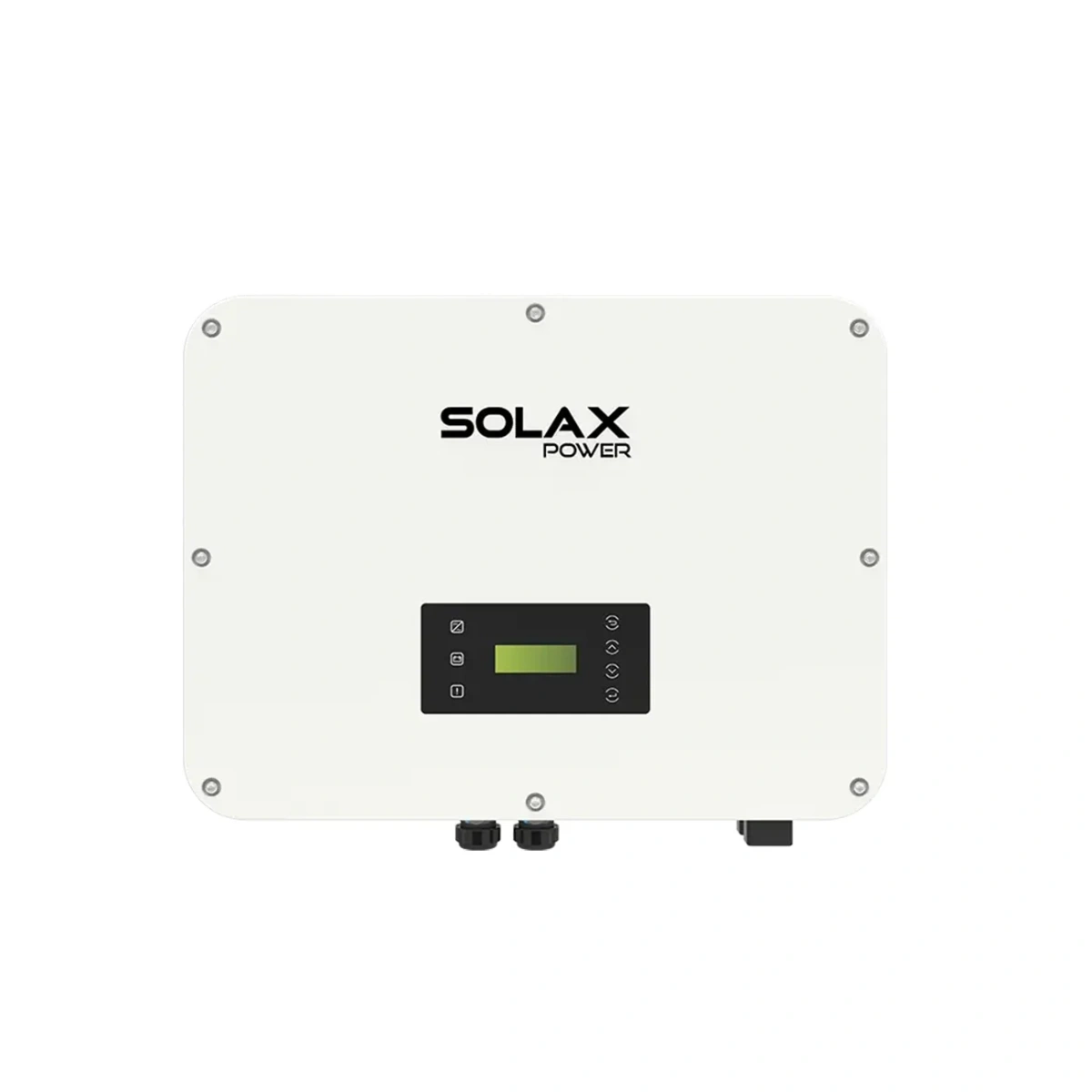
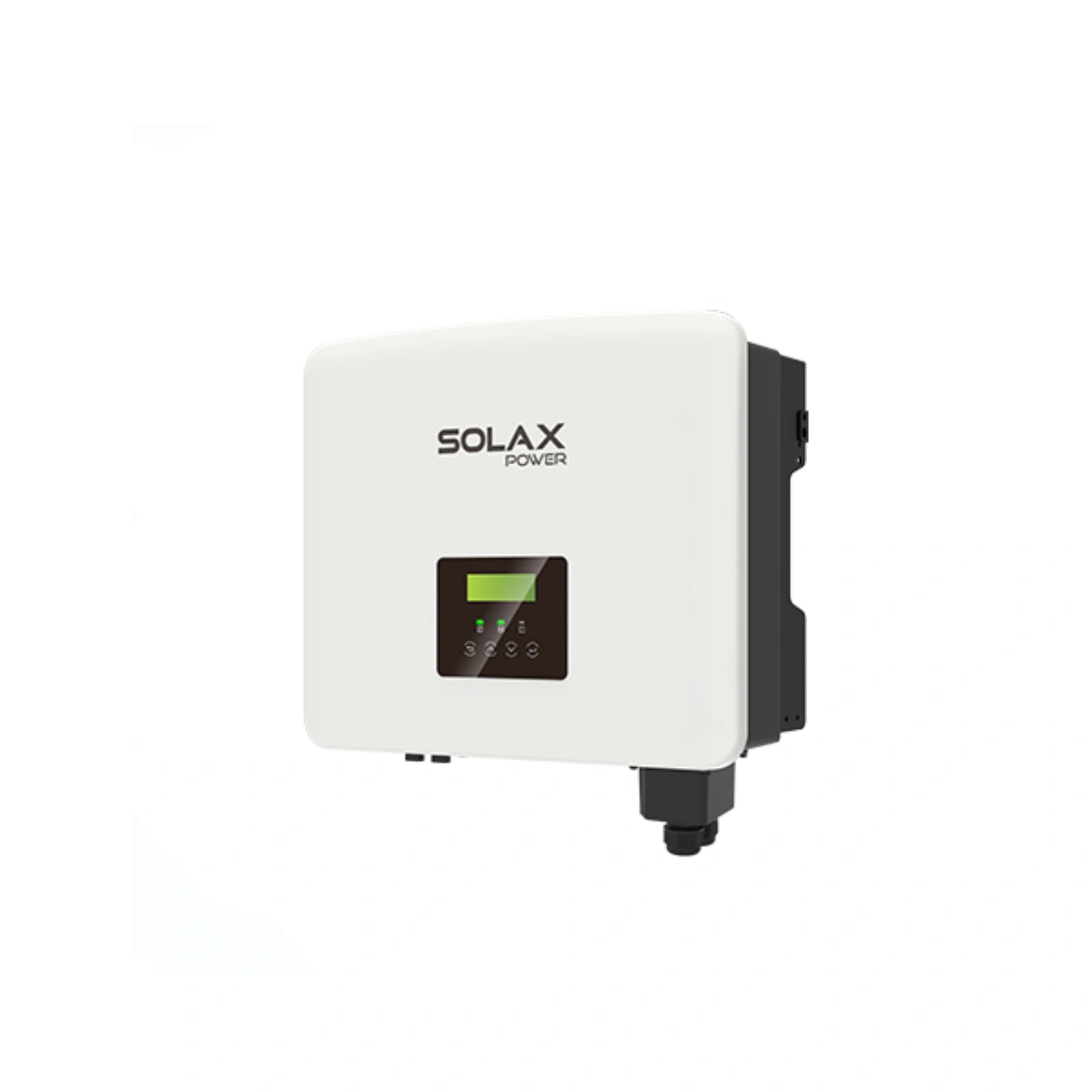
SolaX X3-ULT-15KP AFCI Hybrid Solar Inverter – 15kW 3-Phase 3MPPT ESS Solution
In stock
New: 2304.88 €
0%
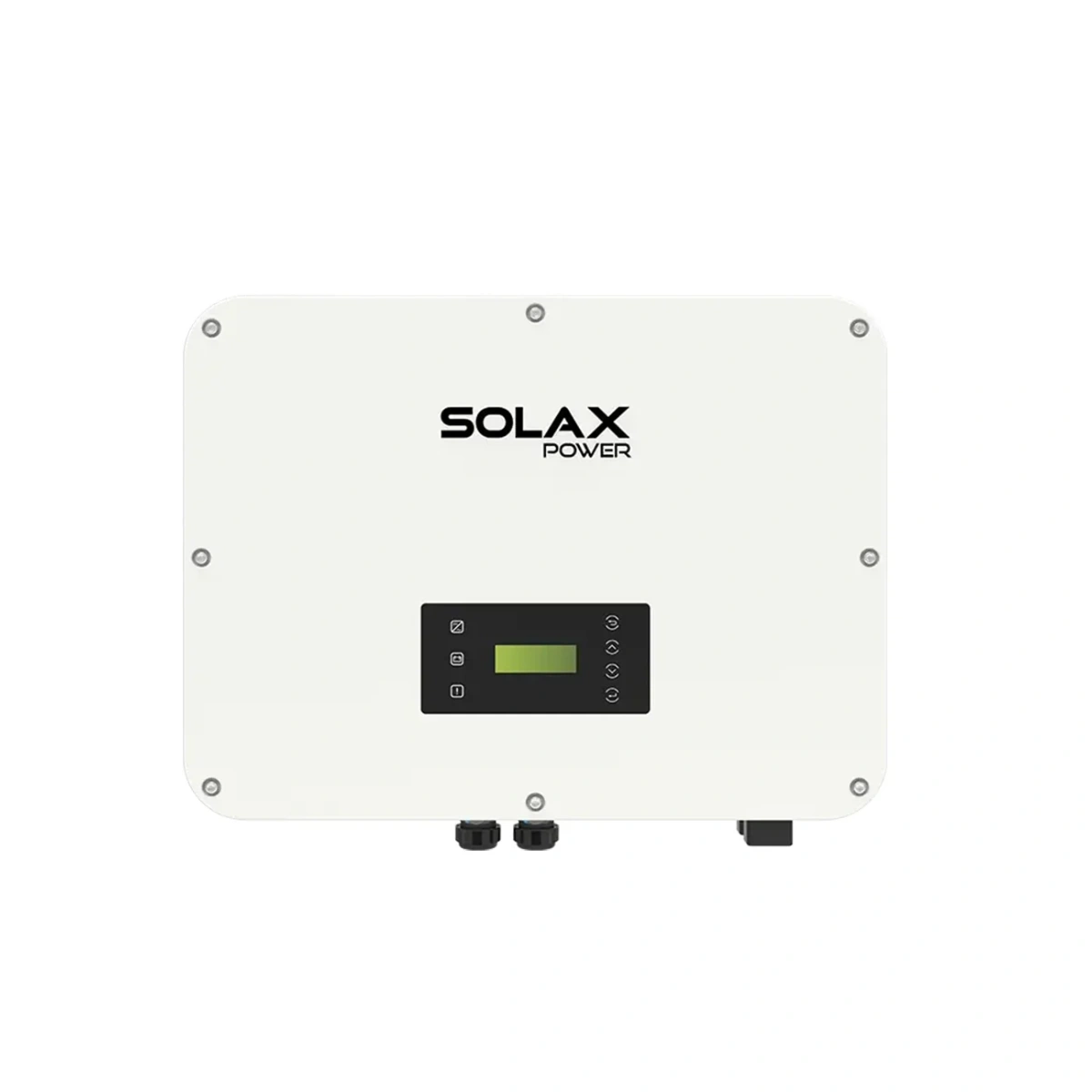
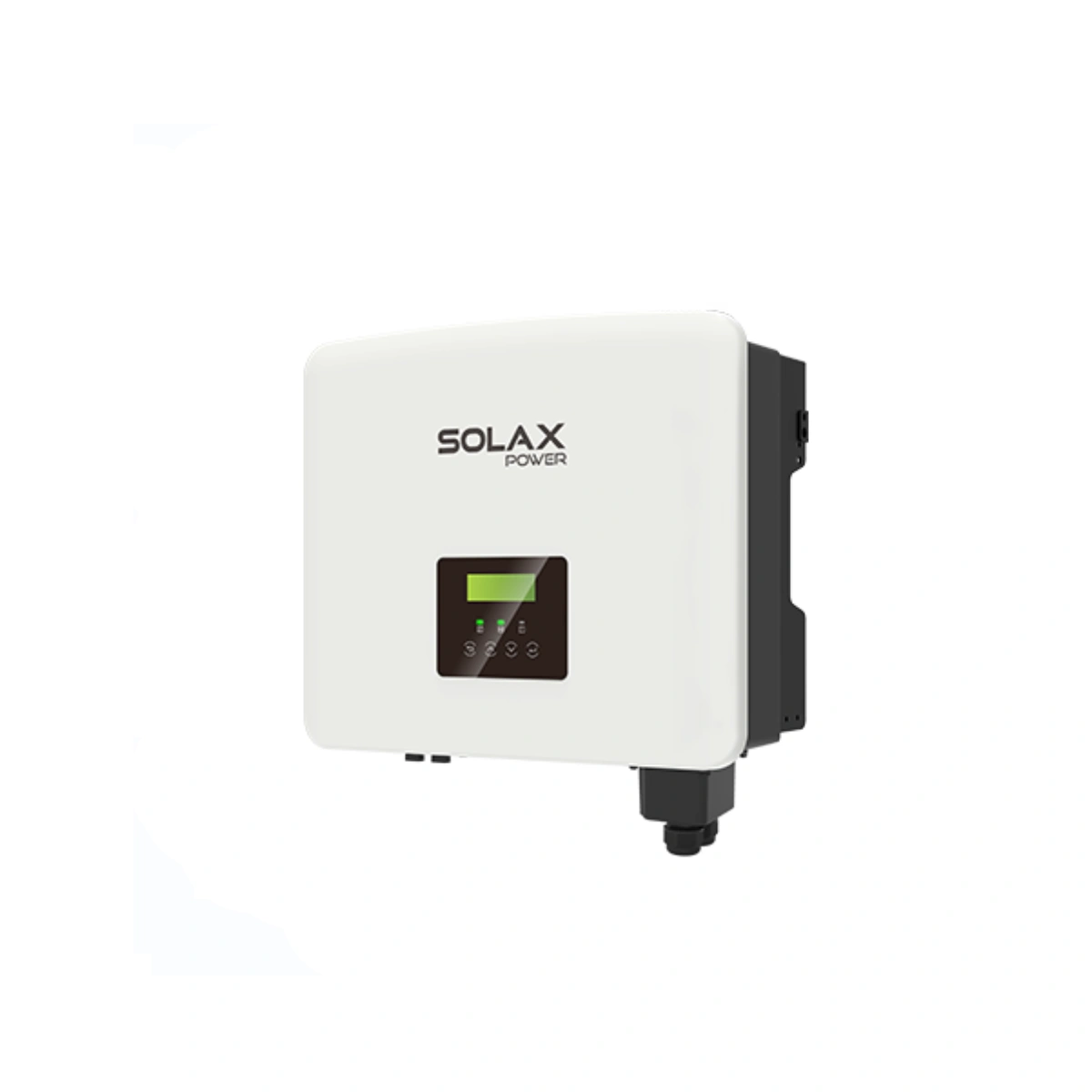
SolaX X3-ULT-20K AFCI Hybrid Solar Inverter – 20kW 3-Phase 2MPPT ESS Solution
In stock
New: 2309.88 €
0%
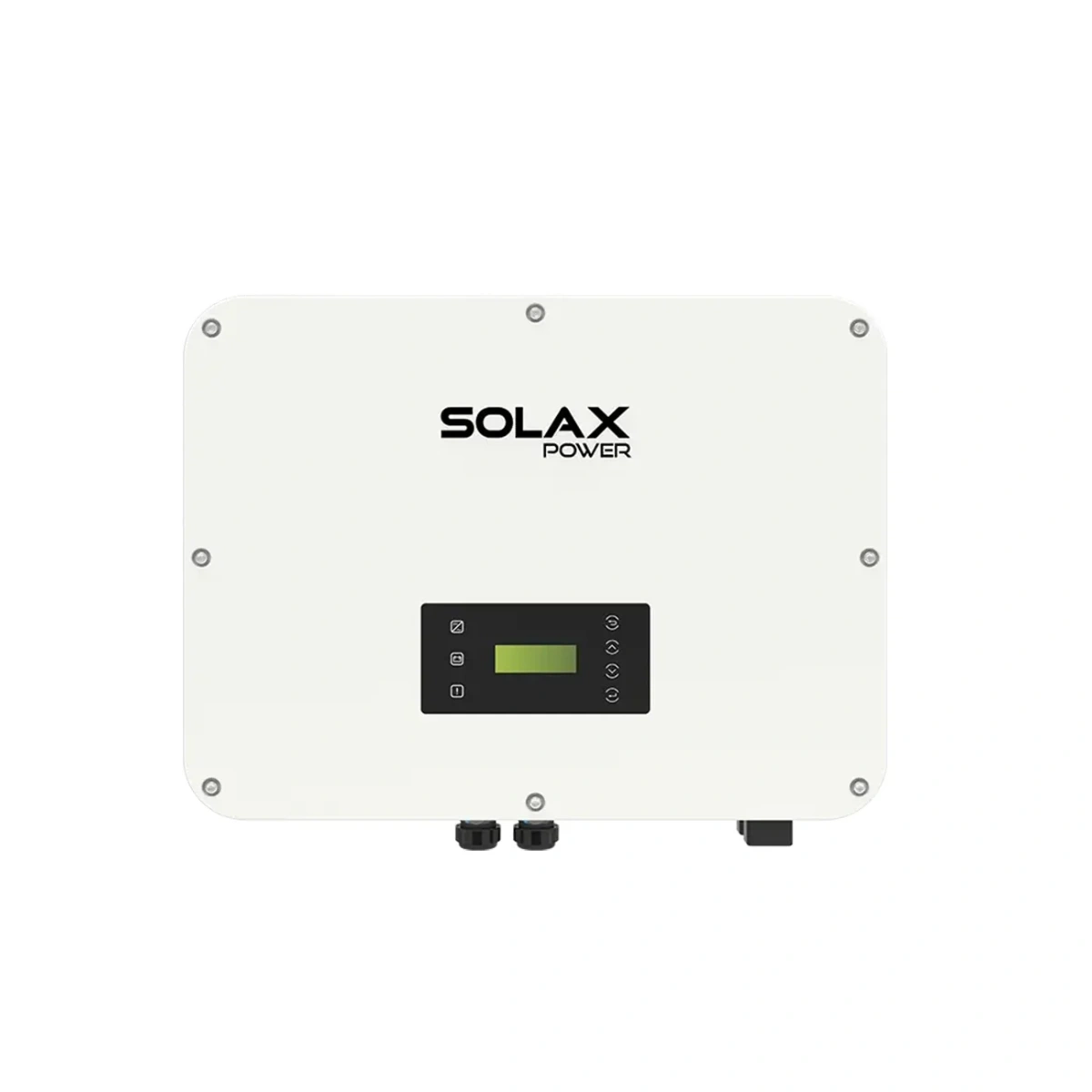
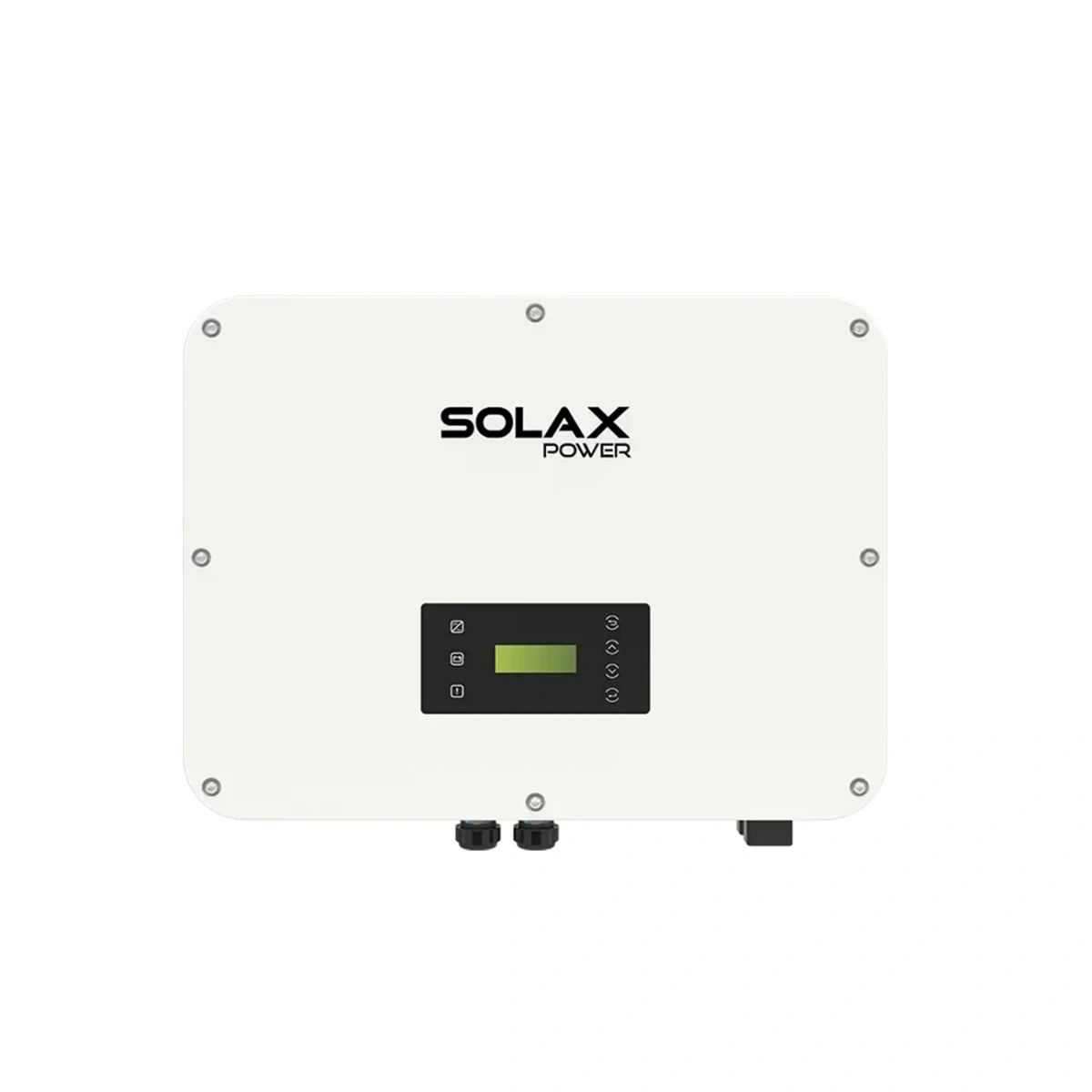
SolaX X3-ULT-20KP AFCI Hybrid Solar Inverter – 20kW 3-Phase 3MPPT ESS Solution
Available on backorder
New: 2369.88 €
0%
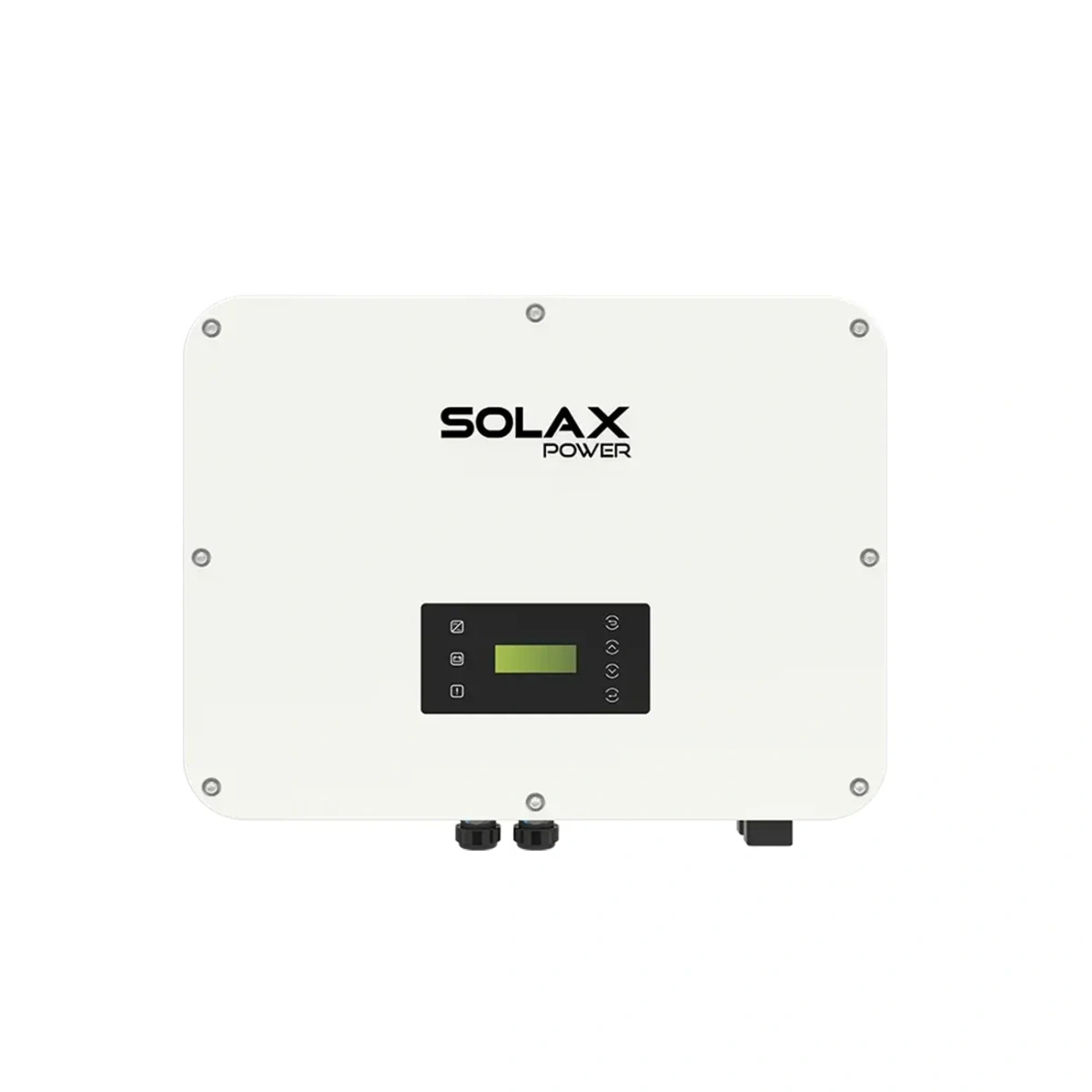
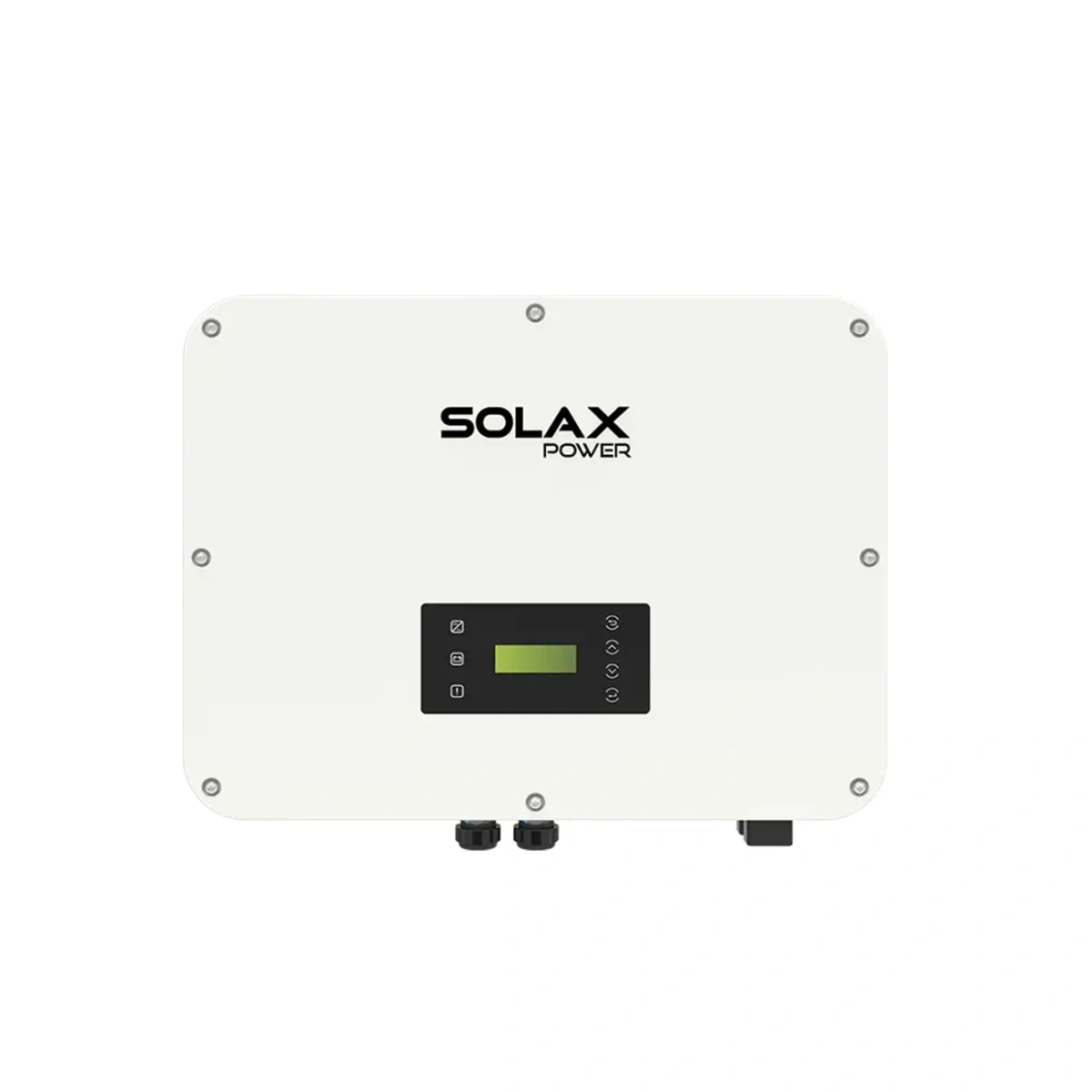

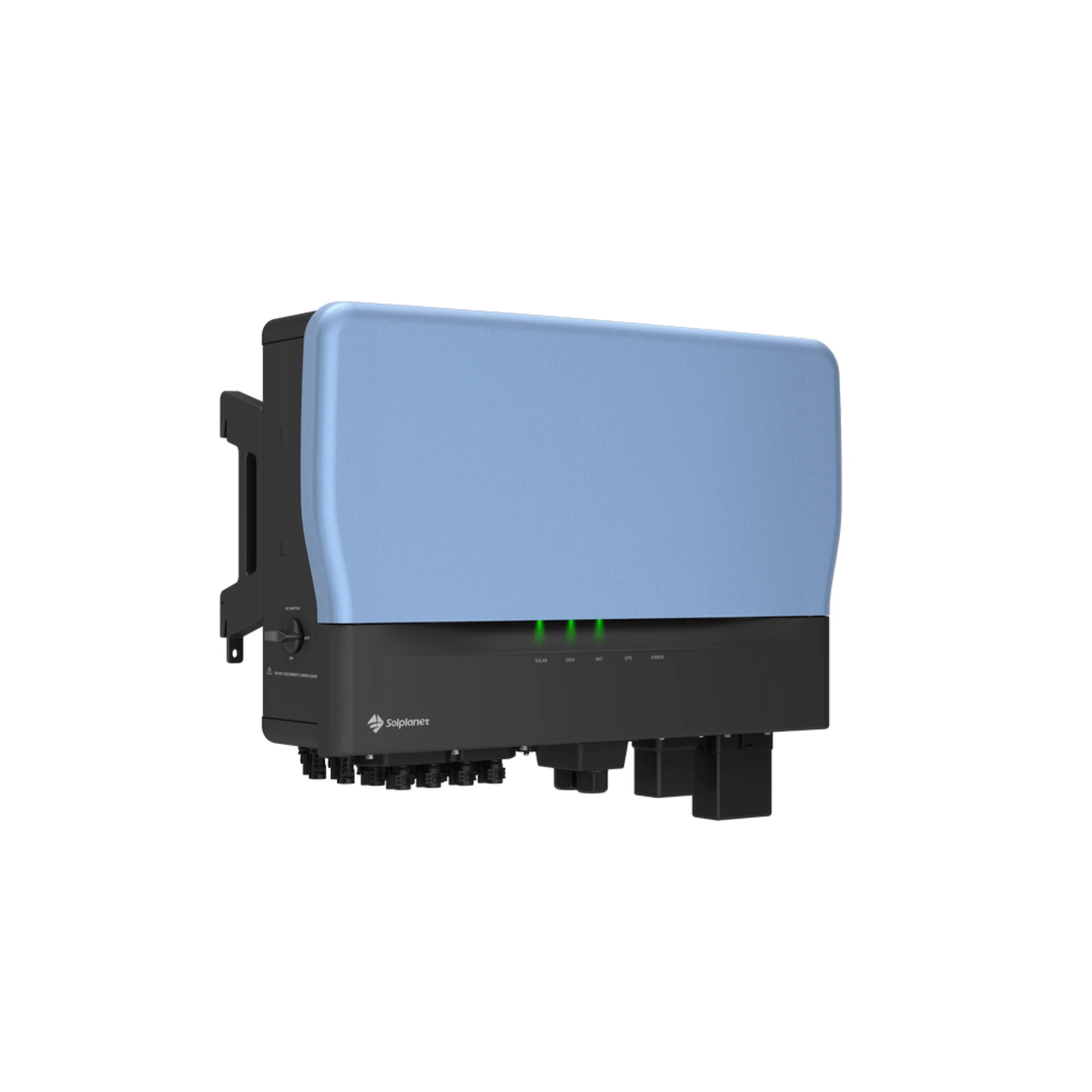
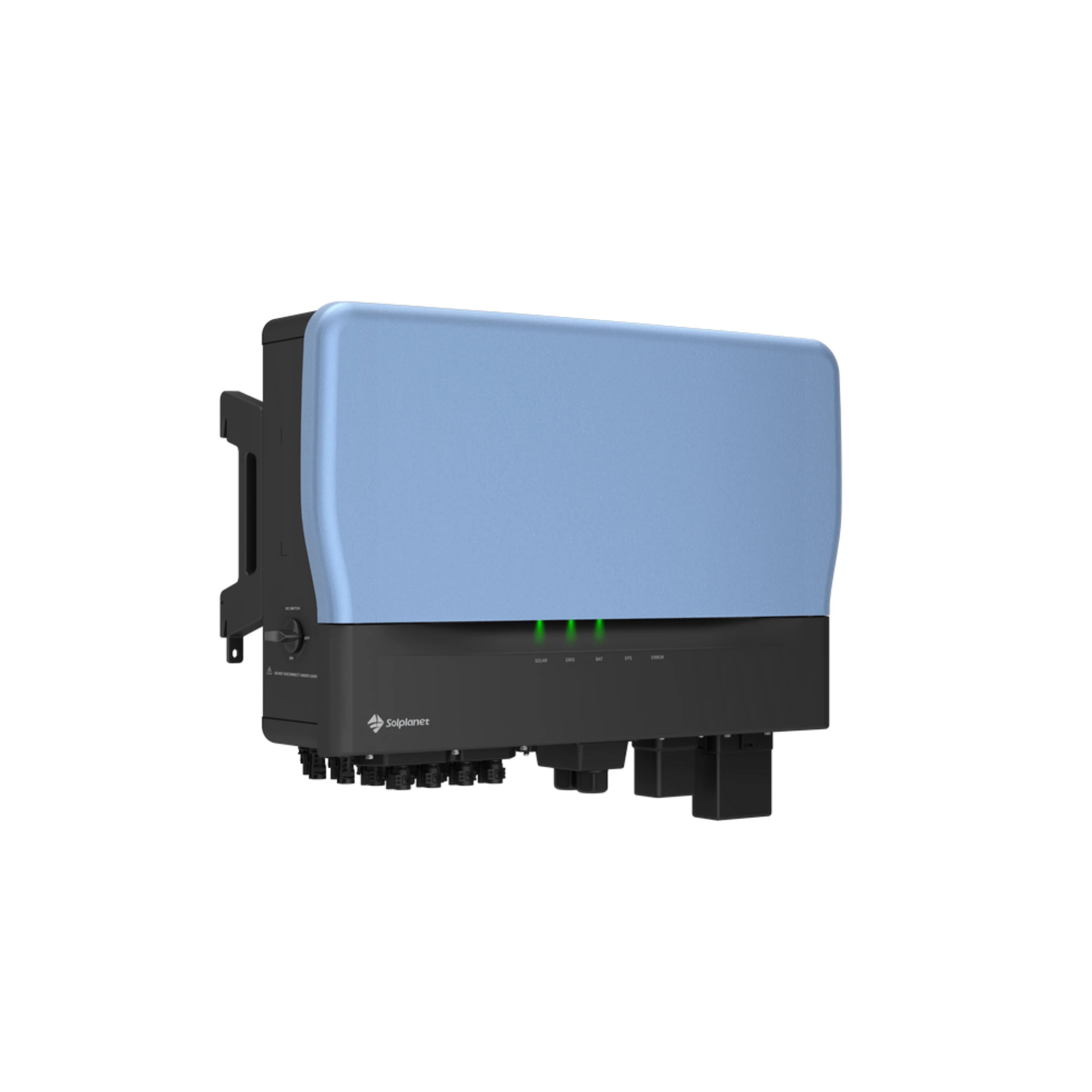
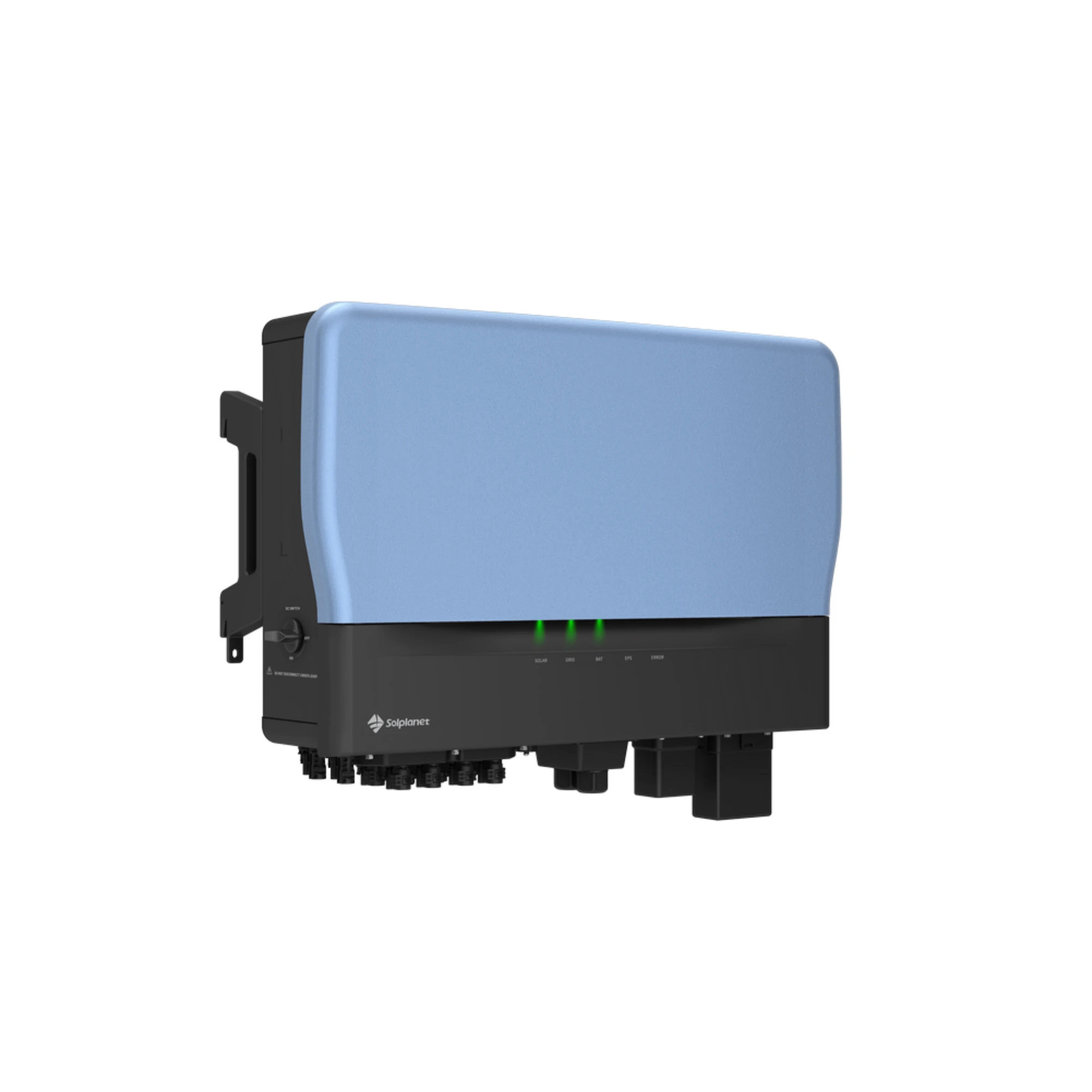


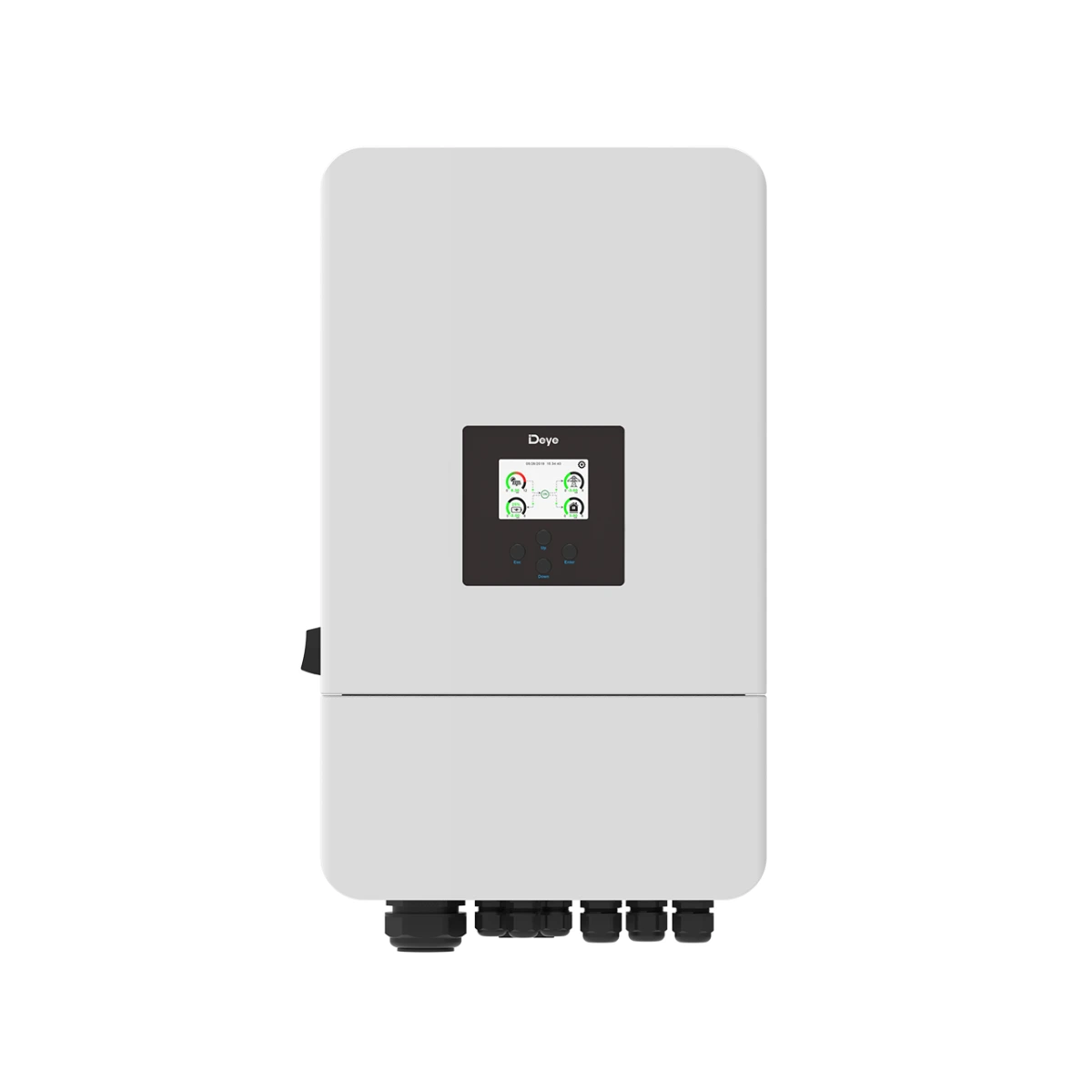
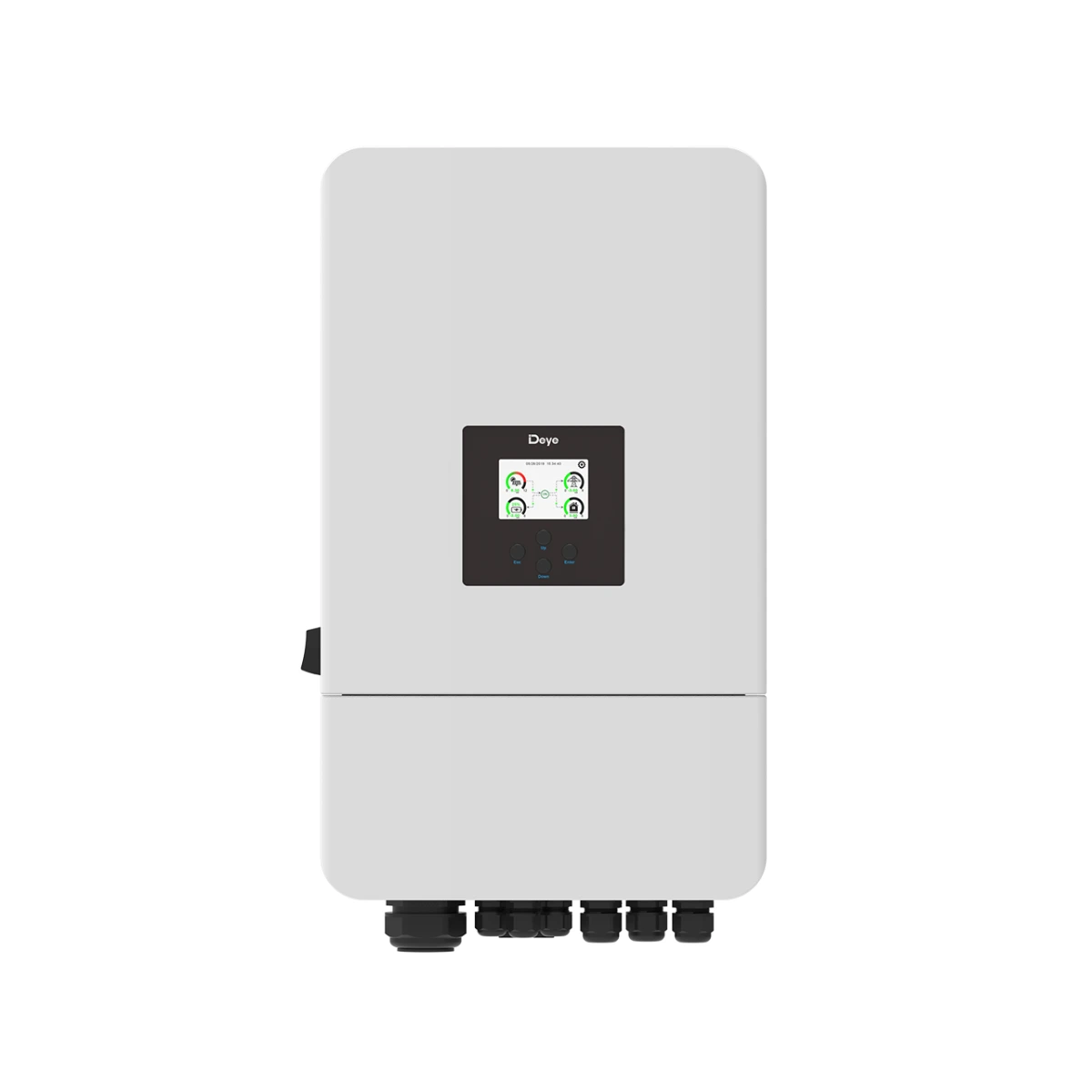
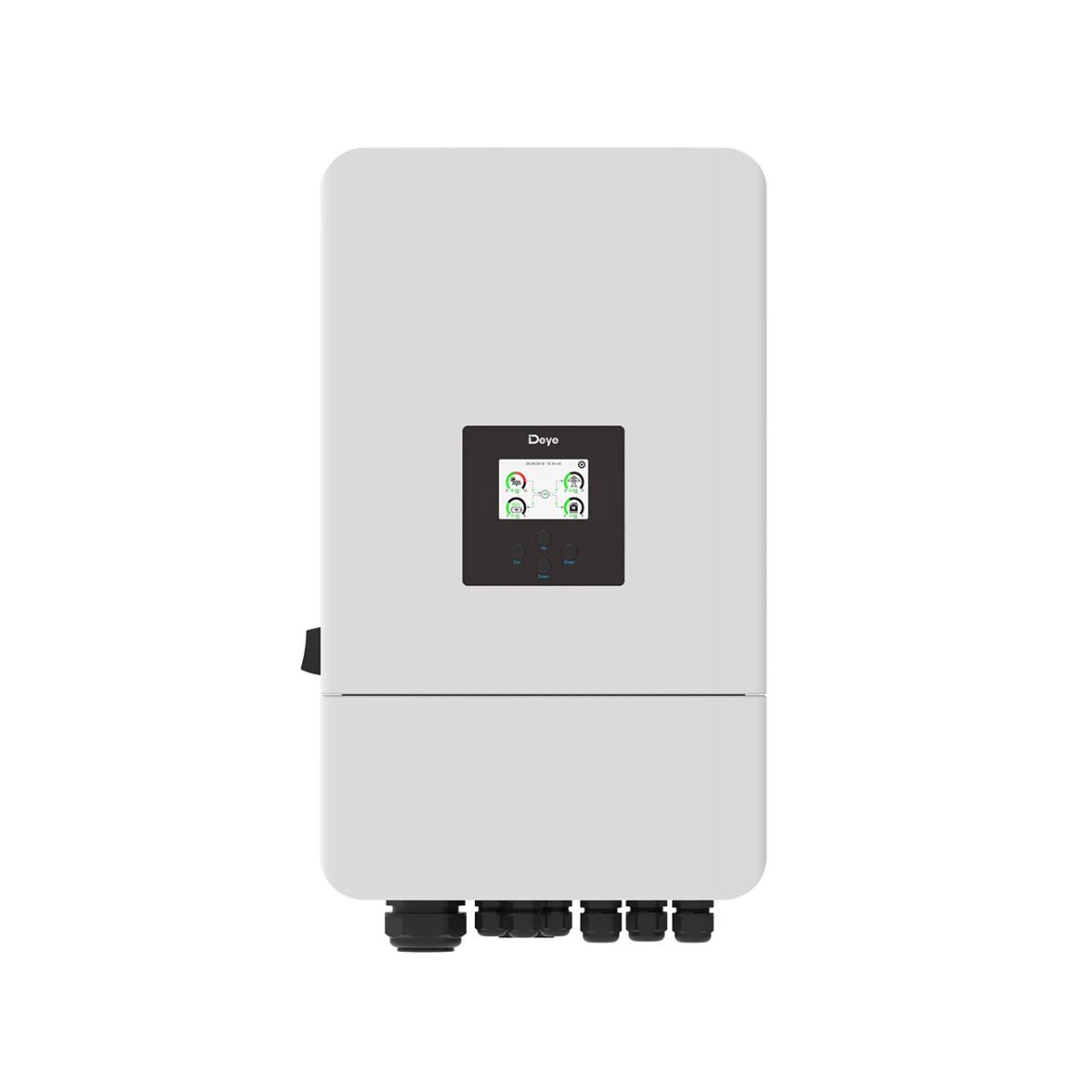
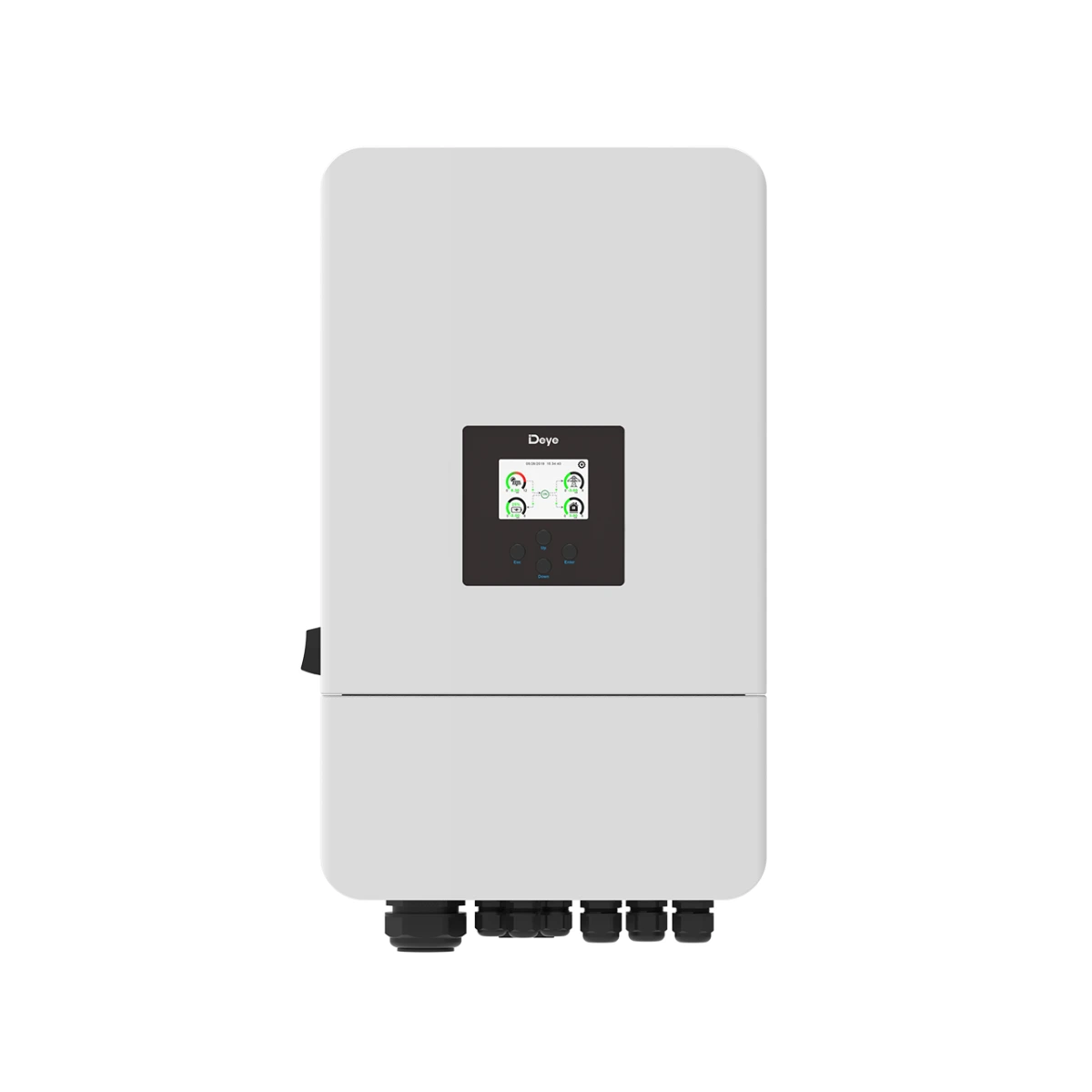
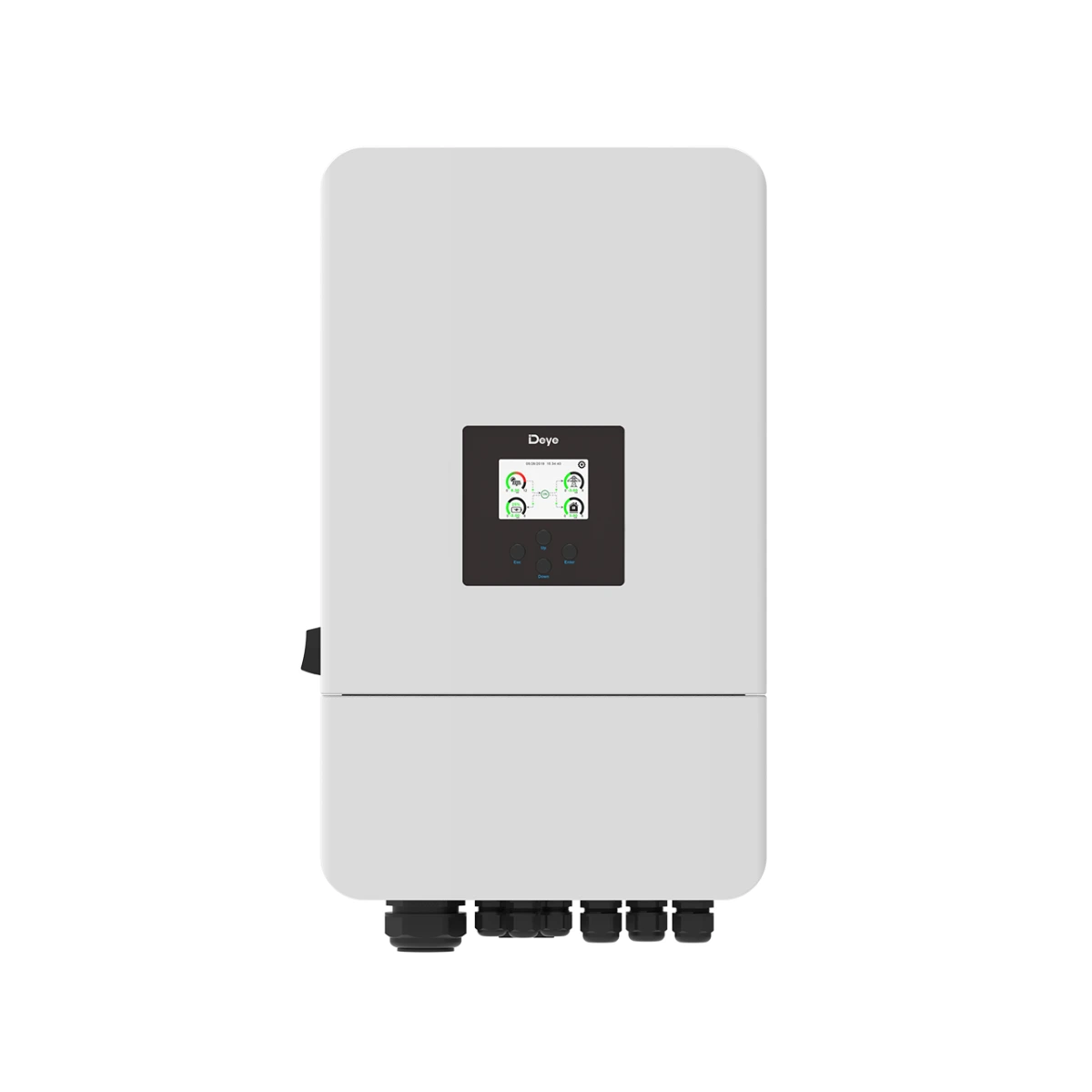
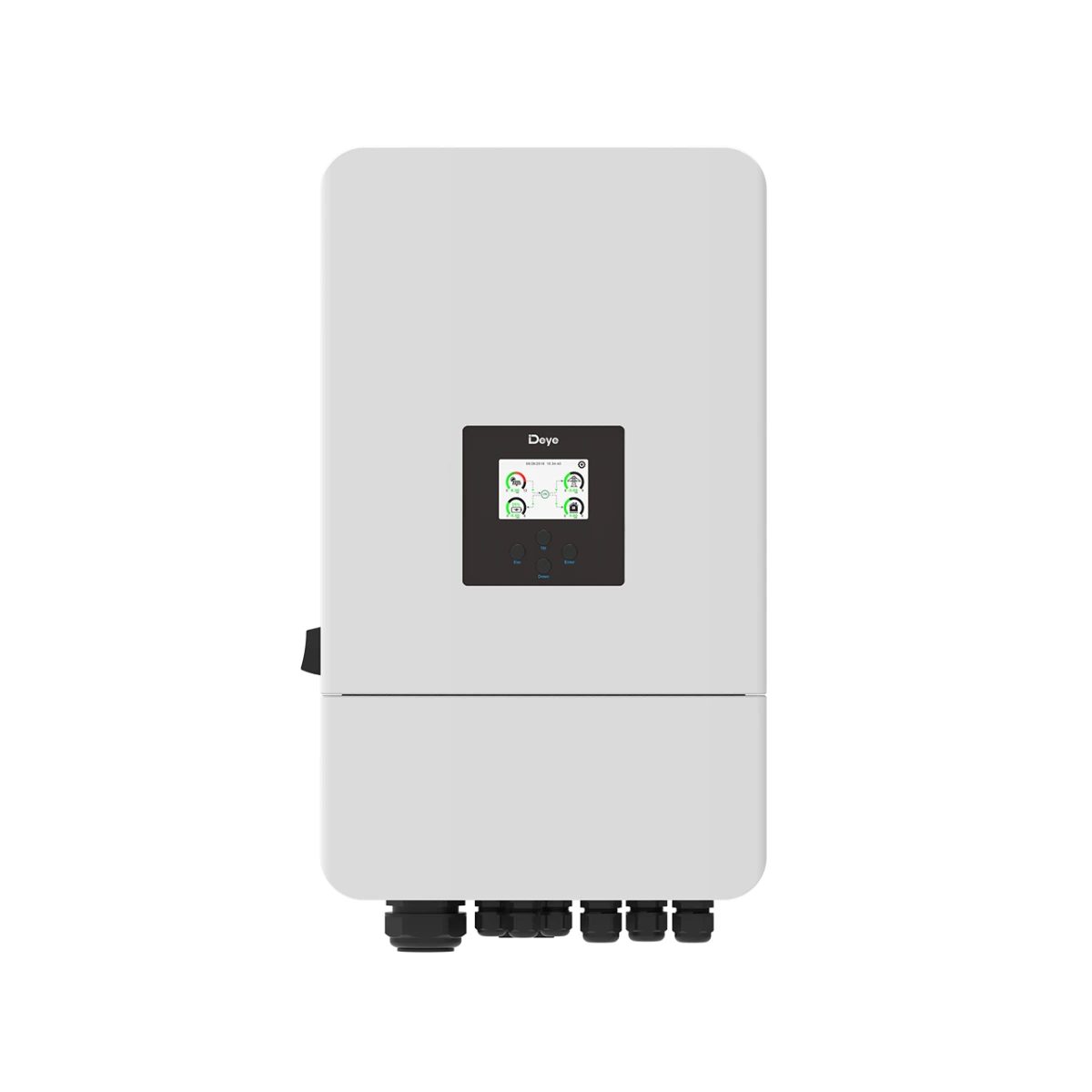
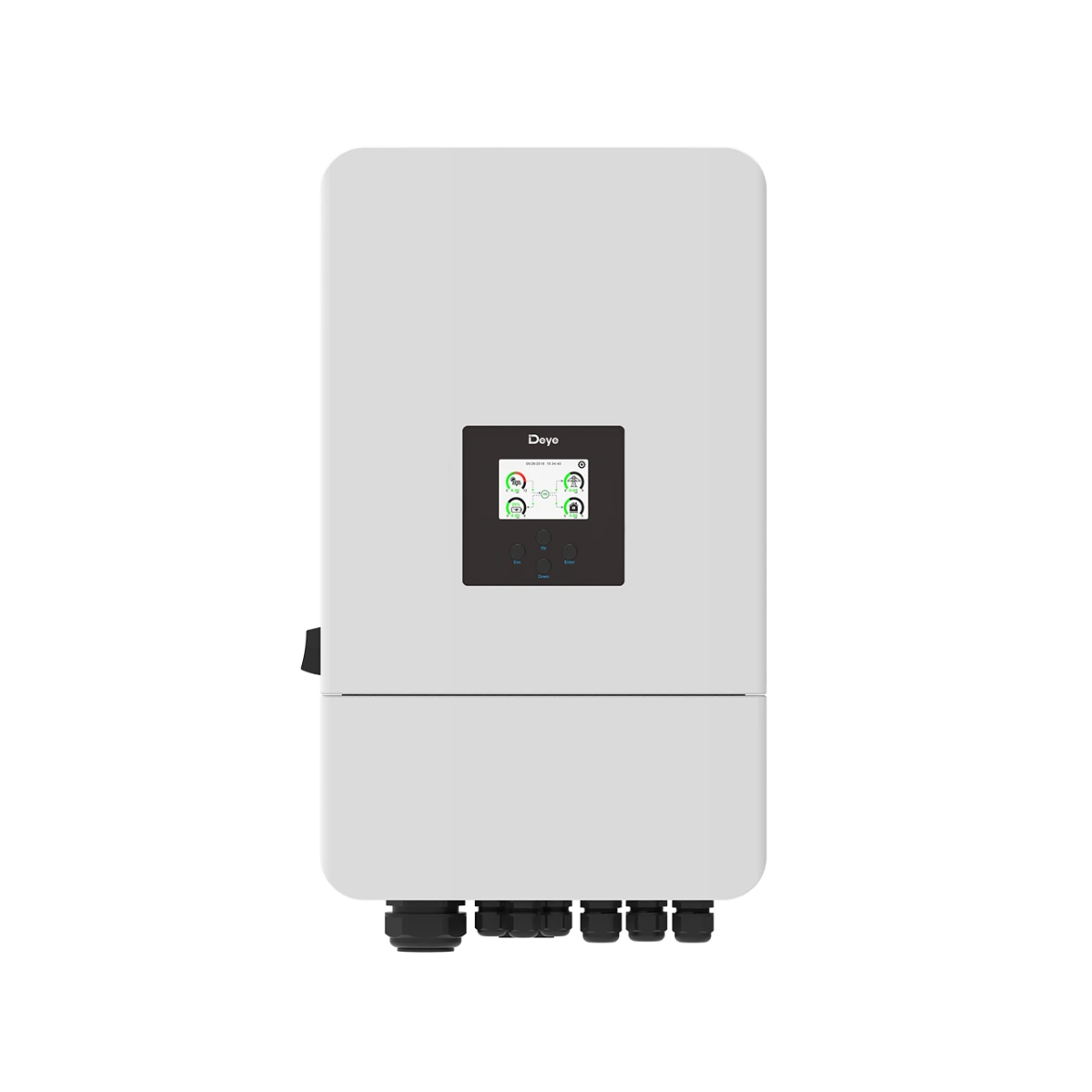


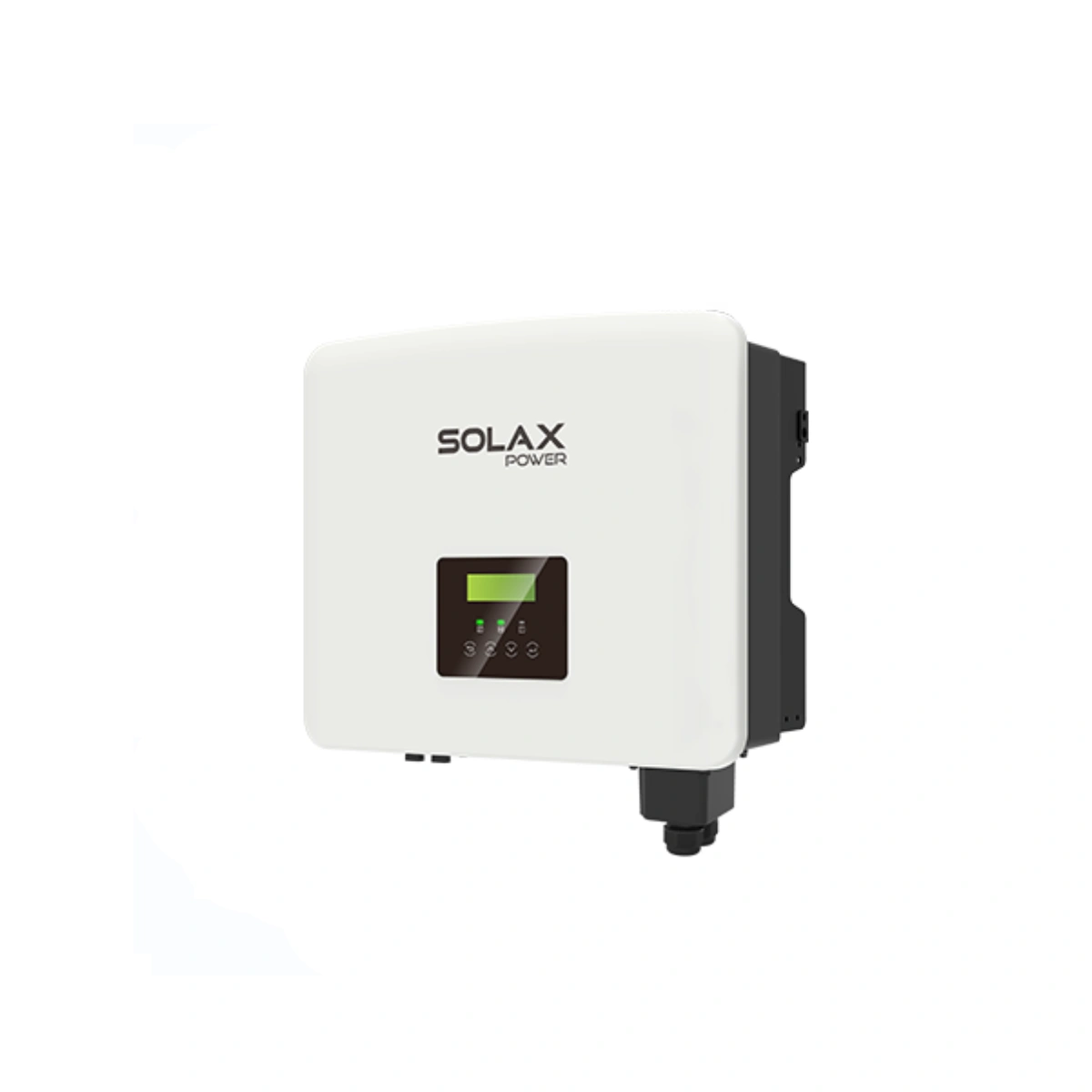
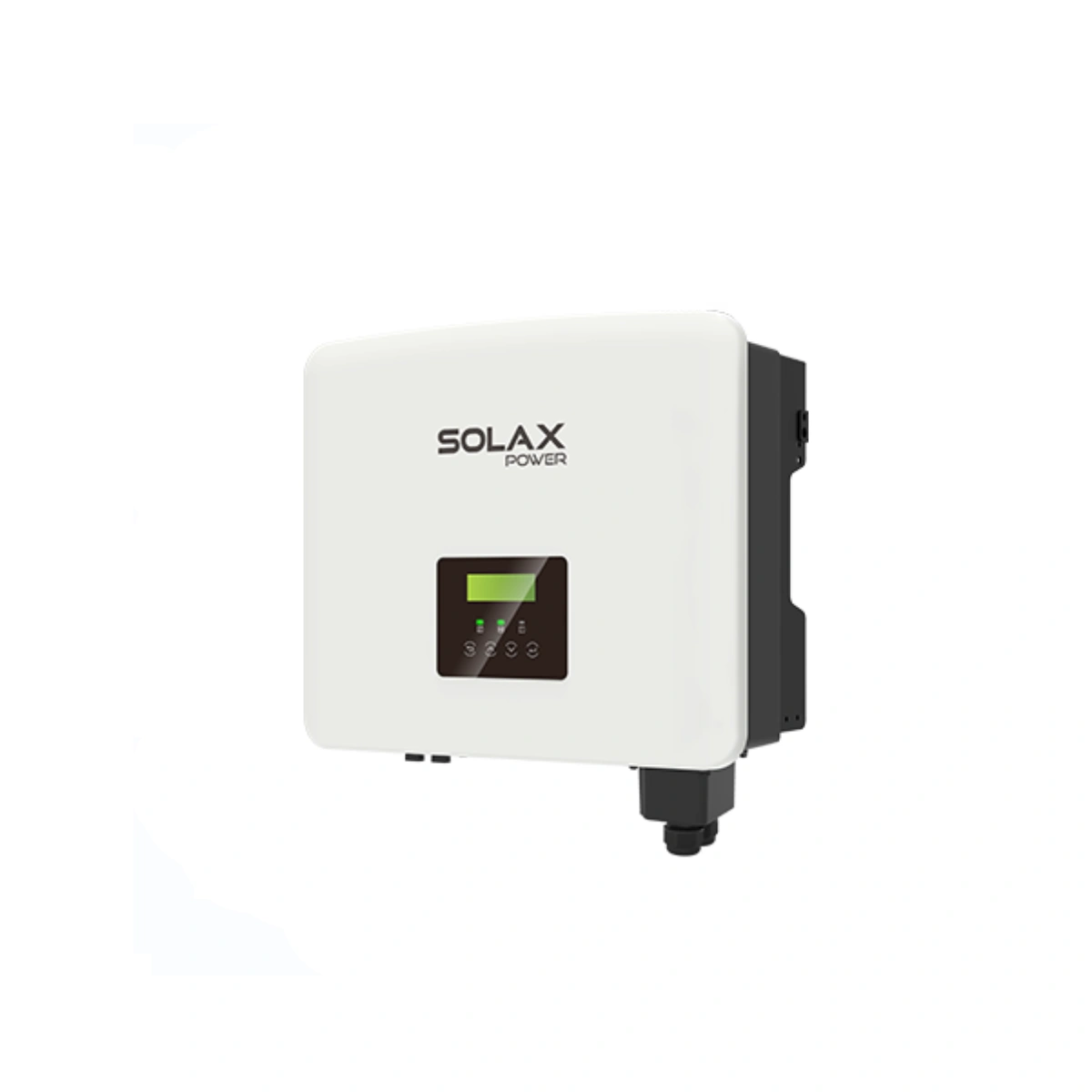
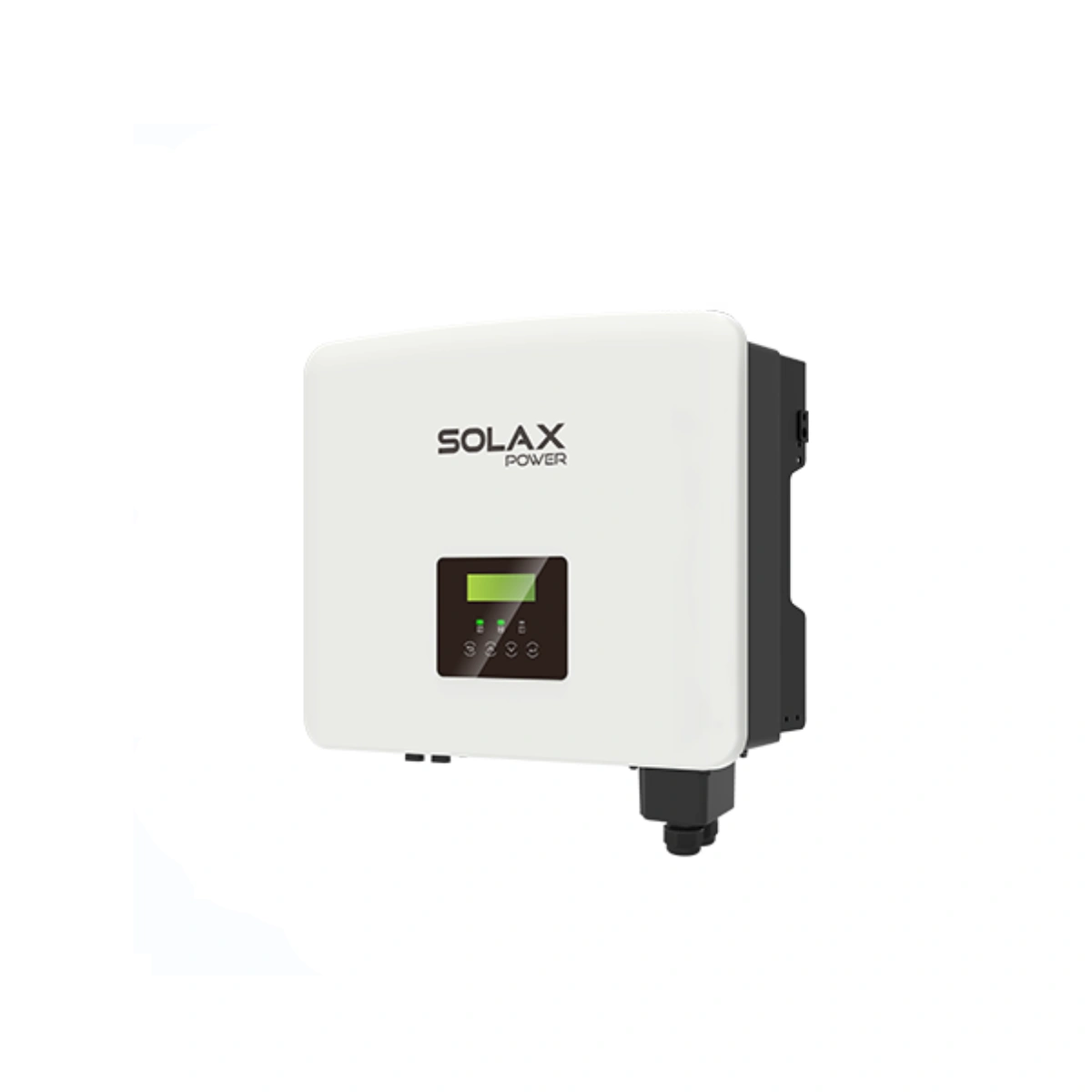

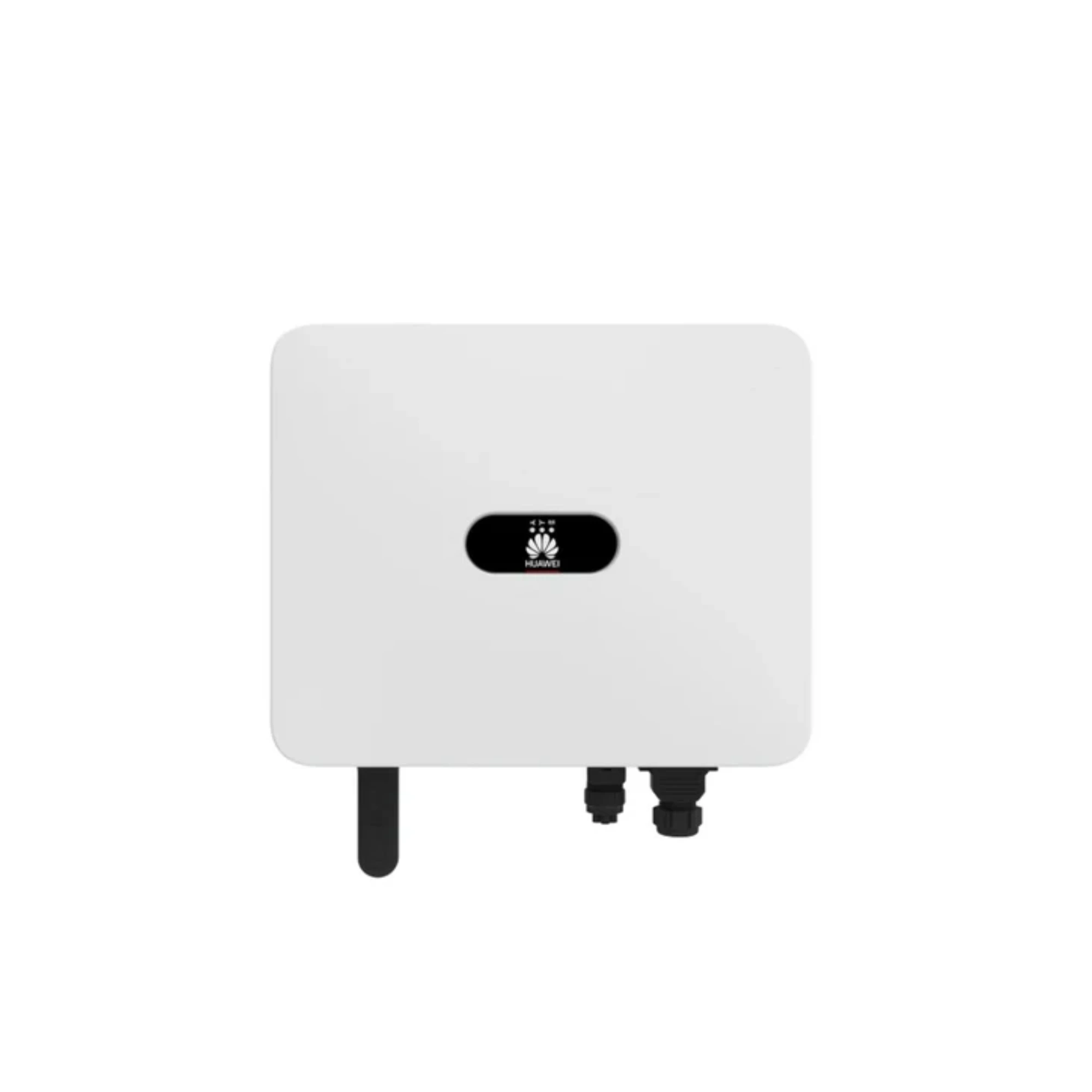
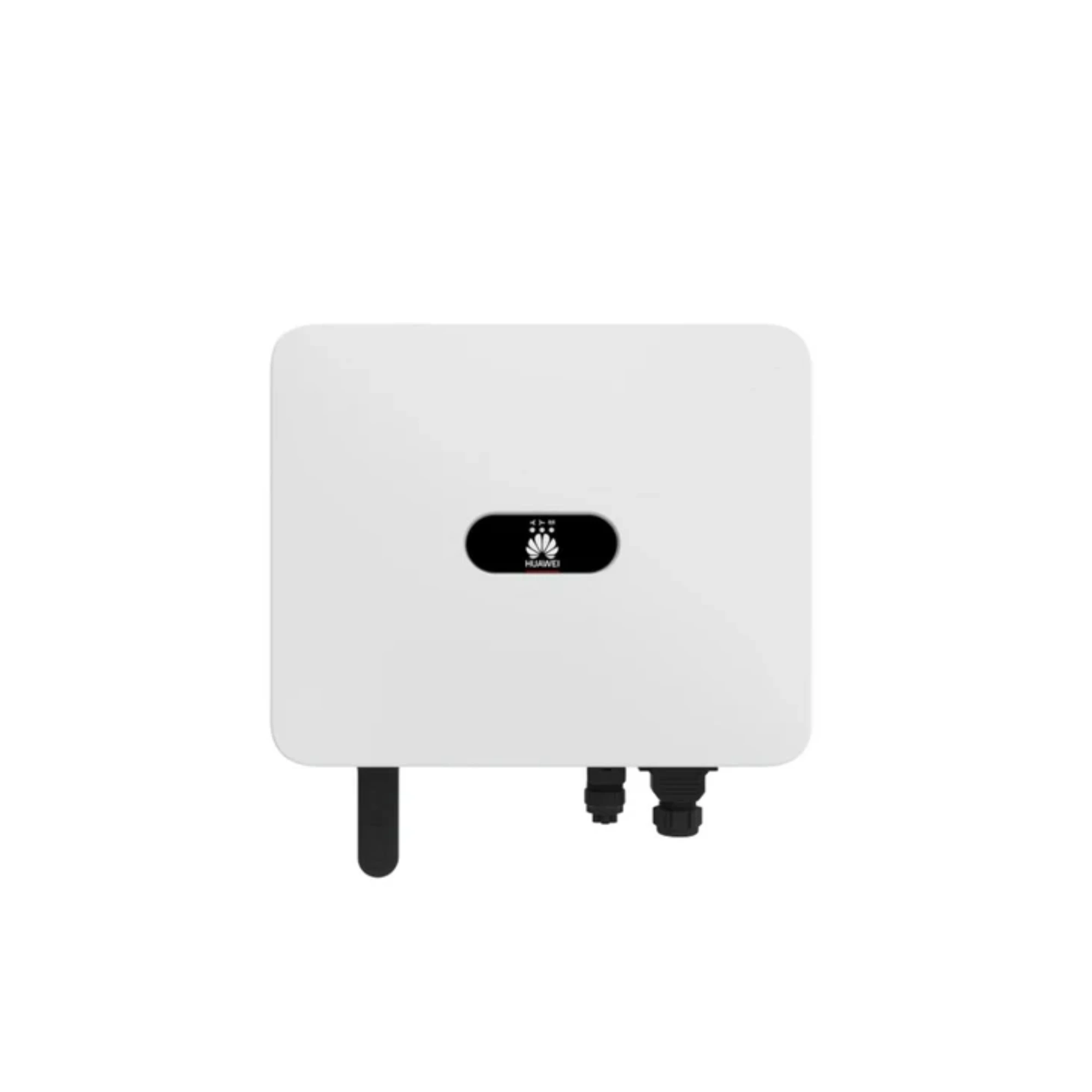
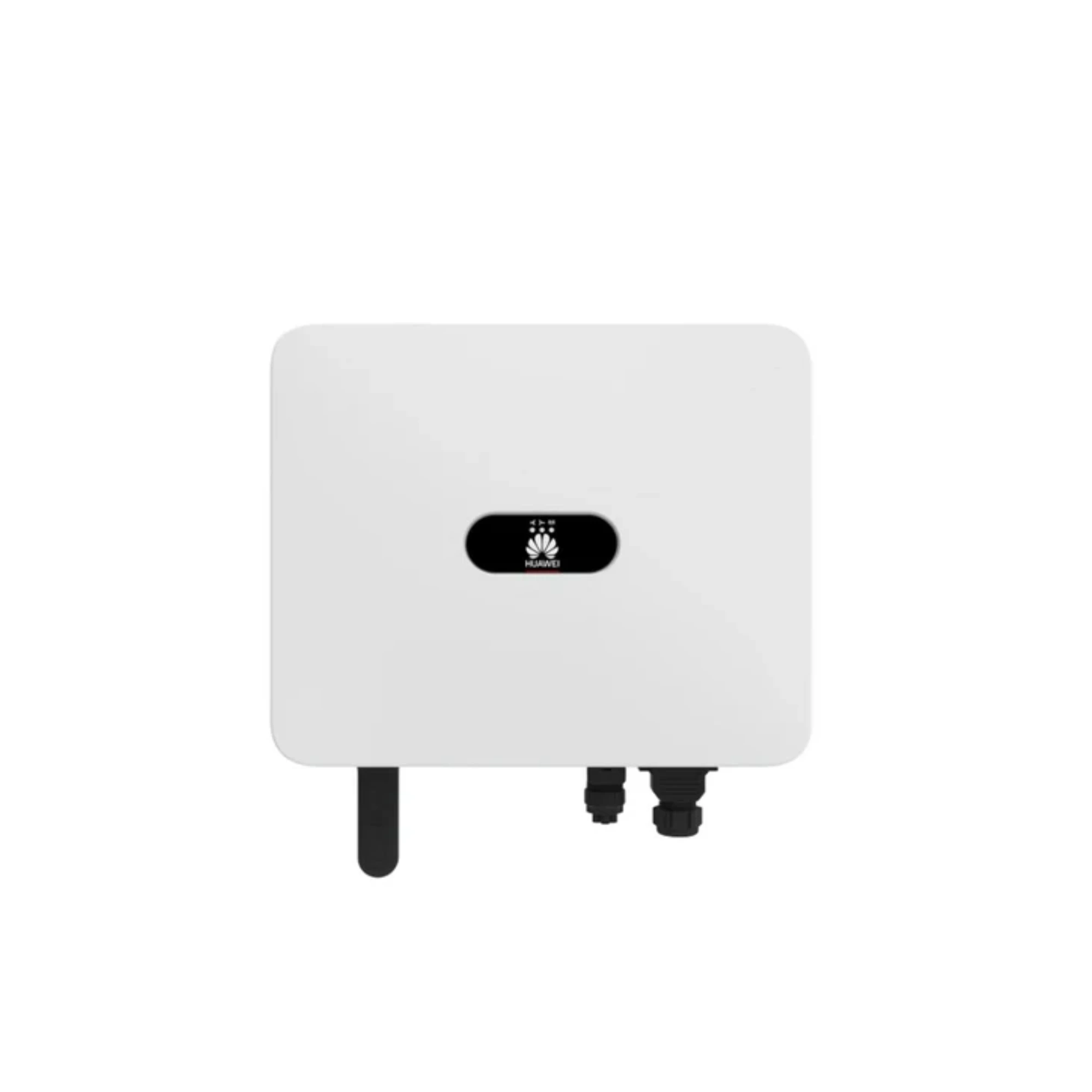
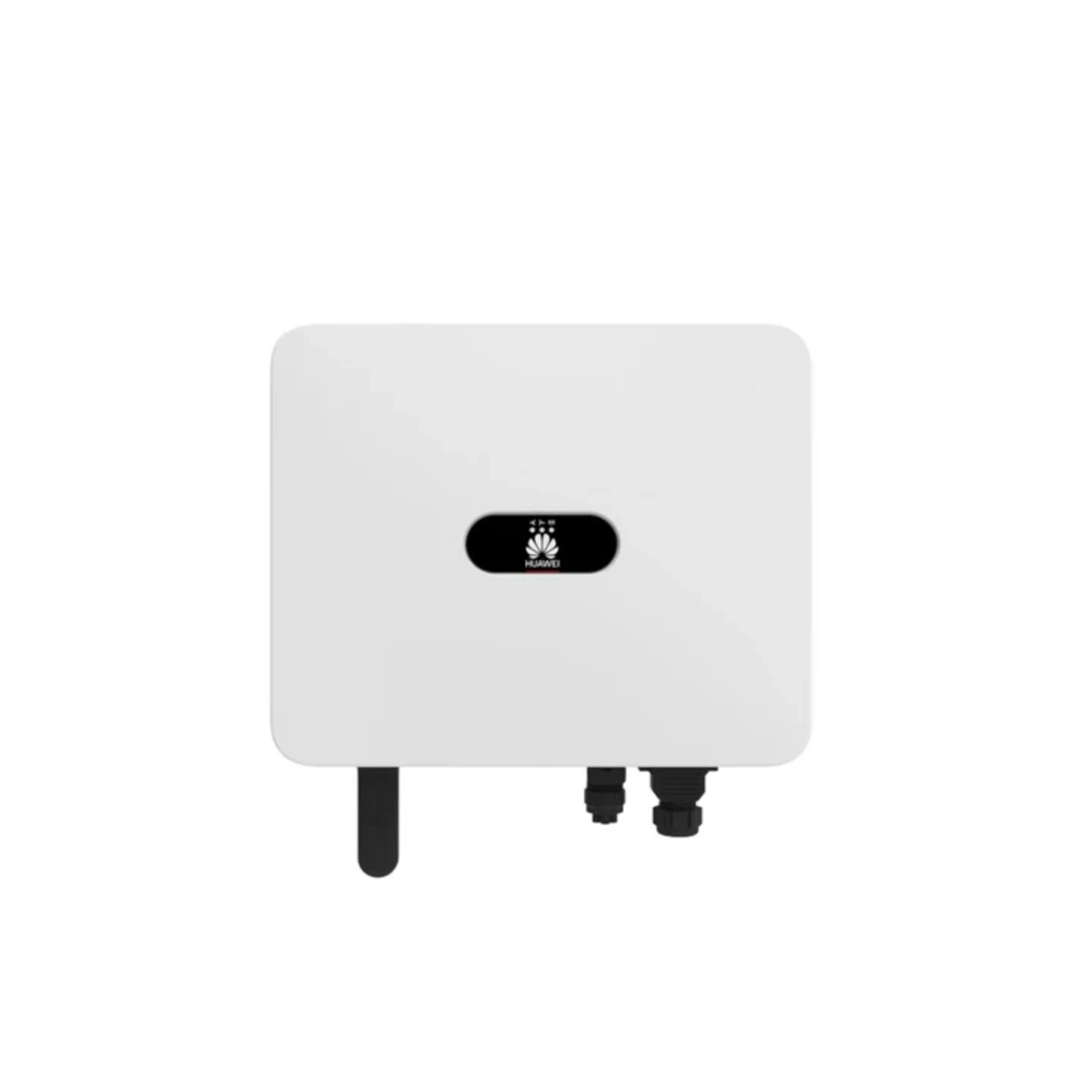
Hybrid Inverters for Solar Panels, Batteries and Energy Storage Systems
Buy hybrid inverters for professional solar PV installations, solar battery systems and energy storage-ready projects. 3Buy Solar supplies single-phase and three-phase hybrid solar inverter solutions for solar installers, qualified electricians, EPC contractors, solar wholesalers, solar distributors, resellers and procurement teams across Europe.
This category is built for projects where solar panels, solar inverter technology, solar batteries, energy storage systems, backup power, monitoring and complete kits must work together as one integrated system. Whether you are installing a residential hybrid PV system, preparing a battery-ready commercial rooftop project, upgrading an existing solar installation or sourcing hybrid inverter stock for recurring installer jobs, this category helps you select the right inverter architecture for modern solar-plus-storage applications.
A hybrid inverter is the control centre of a PV and battery system. It manages solar generation from the PV array, converts DC energy into usable AC power, charges and discharges the solar battery, communicates with meters and monitoring platforms, and may support backup or EPS functions depending on the model and system design.
Use this category when sourcing hybrid inverters for:
- Residential solar battery systems
- Commercial solar battery-ready projects
- Solar panels with battery storage
- Single-phase hybrid inverter installations
- Three-phase hybrid inverter installations
- High-voltage battery systems
- Low-voltage battery systems where supported
- Backup-ready PV systems
- EPS output applications
- Self-consumption optimisation
- Peak shaving and energy management
- Complete kits for installers and resellers
- Hybrid inverter replacement and upgrades
- New-build solar PV and storage systems
- Commercial rooftop PV with energy storage
- Smart meter and monitoring integration
Hybrid Inverters for Professional Solar Installers and EPC Contractors
Hybrid inverters are designed for solar PV systems where battery storage is part of the installation now or may be added later. Unlike a standard string inverter, a hybrid inverter can manage both PV generation and battery charging within one system architecture. This makes it one of the most important product categories for modern solar panels, solar battery systems and energy storage-ready complete kits.
For professional installers and EPC contractors, hybrid inverter selection affects the entire project. The inverter must match the solar panel string design, battery voltage range, battery brand compatibility, grid connection requirements, backup requirement, monitoring setup, communication protocols and installation environment.
A hybrid inverter system may include:
- Solar panels
- Hybrid inverter
- Solar battery or battery cabinet
- Battery Management System, BMS
- Smart meter
- Monitoring platform
- Backup or EPS output where supported
- CT clamps or meter communication
- DC protection
- AC protection
- Solar cables
- Battery cables
- Communication cables
- WiFi, LAN or 4G communication module
- Energy management accessories
- Complete kit components
For installers, the goal is not only to buy an inverter. The goal is to deliver a reliable solar-plus-storage system that can safely manage PV generation, battery charging, grid interaction, backup functions and monitoring for the customer.
What Is a Hybrid Solar Inverter?
A hybrid solar inverter combines the functions of a solar inverter and a battery inverter into one system platform. It converts DC electricity from solar panels into AC electricity for the building, while also managing battery charging and discharging. Hybrid inverters are commonly used in solar PV systems where the customer wants higher self-consumption, battery storage, backup readiness or future battery expansion.
Hybrid inverters are also commonly called:
- Hybrid solar inverter
- Battery-ready inverter
- Solar battery inverter
- PV hybrid inverter
- Solar-plus-storage inverter
- Energy storage inverter
- Three-phase hybrid inverter
- Single-phase hybrid inverter
- High-voltage hybrid inverter
- Low-voltage hybrid inverter
- Backup inverter
- EPS inverter
- Residential hybrid inverter
- Commercial hybrid inverter
A hybrid inverter may be used in:
- New solar PV installations
- Existing PV system upgrades
- Battery-ready residential projects
- Commercial rooftop PV systems
- Backup-ready solar installations
- Off-grid and microgrid systems where supported
- Self-consumption systems
- Complete solar kits
- Energy storage systems
- EV charging-ready sites
Hybrid inverters are increasingly important because solar customers want more than basic grid export. They want to store solar energy, reduce grid dependence, manage electricity costs and improve resilience during outages where backup is supported.
Single-Phase and Three-Phase Hybrid Inverters
Hybrid inverters are available in single-phase and three-phase models. The correct choice depends on the building electrical connection, inverter power, battery design, local grid requirements and project type.
Single-phase hybrid inverters are commonly used for:
- Residential rooftop PV systems
- Small solar battery installations
- Home backup-ready systems
- Small complete kits
- Battery-ready inverter upgrades
- Self-consumption projects
- Smaller solar panel arrays
Three-phase hybrid inverters are commonly used for:
- Larger residential PV systems
- Commercial rooftop projects
- Small business energy storage systems
- Three-phase grid connections
- High-power solar panel arrays
- Higher-capacity solar battery systems
- Commercial self-consumption
- Backup-ready three-phase systems where supported
- Complete kits for installers and EPCs
Current hybrid inverter product ranges often include three-phase models in power classes such as 5kW, 6kW, 8kW, 10kW, 12kW, 15kW and 20kW depending on the manufacturer and series. Some recent three-phase energy storage inverter ranges are designed for larger residential and small commercial PV storage systems with multiple MPPTs, high PV input capacity and backup output features.
For installers and qualified electricians, phase type must be confirmed before ordering. A three-phase site normally requires a compatible three-phase inverter, while a single-phase property may require a single-phase hybrid inverter depending on the grid connection and local rules.
High-Voltage and Low-Voltage Battery Compatibility
Battery compatibility is one of the most important technical checks when selecting a hybrid inverter. Some hybrid inverters are designed for high-voltage batteries, while others support low-voltage batteries. Many modern European residential and commercial solar battery systems use high-voltage battery architecture, but compatibility must always be checked by exact inverter model and battery series.
High-voltage hybrid inverters are commonly used for:
- Modern residential battery systems
- Three-phase hybrid inverter projects
- Larger solar battery installations
- Commercial self-consumption systems
- Battery-ready complete kits
- Higher-efficiency battery operation where supported
- Modular high-voltage battery stacks
Low-voltage hybrid inverters may be used for:
- Specific residential storage systems
- Off-grid or backup applications where supported
- Certain battery brands and system architectures
- Retrofit or replacement projects
- Smaller storage systems depending on inverter model
Before ordering a hybrid inverter, installers should check:
- Battery voltage range
- Approved battery brand list
- Battery capacity range
- Number of battery modules supported
- BMS communication compatibility
- CAN or RS485 communication
- Charge and discharge power
- Backup operation with battery
- Firmware compatibility
- Warranty conditions
- Manufacturer installation documentation
A hybrid inverter and solar battery should never be selected independently. The inverter, battery, BMS and communication setup must be compatible for safe and reliable operation.
MPPTs, PV String Design and Solar Panel Compatibility
Hybrid inverters must be matched correctly to the solar panel array. The number of MPPTs, input voltage range, maximum DC voltage, maximum input current and PV oversizing limits all affect the string design.
Professional installers should check:
- Number of MPPT inputs
- Number of strings per MPPT
- Maximum PV input voltage
- MPPT voltage range
- Maximum input current per MPPT
- Maximum short-circuit current
- PV oversizing ratio
- Compatibility with high-power solar panels
- Roof orientation and shading conditions
- String length and temperature correction
- DC protection requirements
- Solar cable and connector compatibility
Multiple MPPTs are useful for roofs with different orientations, partial shading or separate PV arrays. Some current hybrid inverter ranges highlight multiple MPPTs for complex rooftop structures, while newer models increasingly support higher input current for modern high-power solar panels.
For installers and EPC contractors, correct PV string design reduces inverter faults, improves energy yield and avoids commissioning problems.
Backup, EPS and Emergency Power Functions
Many hybrid inverters can support backup, EPS or emergency power functions, but the exact capability depends on the inverter model, battery system, wiring design, switching equipment and local grid regulations. Backup should never be assumed only because an inverter is called “hybrid.”
Backup-ready hybrid inverter systems may support:
- Essential load backup
- Emergency power supply output
- Backup circuits for selected loads
- UPS-level switching where supported
- Whole-home backup where supported
- Three-phase backup where supported
- Battery-powered operation during grid outage
- Generator integration on selected models
- Critical load panels
- Backup monitoring and control
Some current hybrid inverter product pages highlight fast backup switching, EPS output, generator networking and support for unbalanced loads depending on the model.
For installers, backup design must confirm:
- Backup output power
- Switching time
- Single-phase or three-phase backup
- Critical load selection
- Battery capacity
- Battery discharge power
- Grid disconnection requirements
- Neutral and earthing design
- Local DSO requirements
- Required backup accessories
A hybrid inverter used for self-consumption may not provide the same backup capability as a hybrid inverter designed for emergency power applications. Always confirm backup functions before ordering.
Hybrid Inverters for Residential Solar Battery Systems
Residential hybrid inverter systems are used when homeowners want to combine solar panels with battery storage. The inverter manages PV production, home consumption, battery charging and grid interaction.
Residential hybrid inverter applications include:
- Rooftop solar PV systems
- Home solar battery installations
- Self-consumption optimisation
- Backup-ready home systems
- Single-phase hybrid inverter systems
- Three-phase residential systems
- High-voltage battery storage
- Smart meter integration
- App monitoring
- Complete residential kits
- EV charging-ready solar homes
- Heat pump-ready energy systems
For residential installers, hybrid inverter selection should consider the customer’s consumption pattern, PV system size, battery capacity, backup requirement, roof layout and future expansion plans. A correctly selected hybrid inverter helps improve solar self-consumption and gives the customer more control over stored solar energy.
Hybrid Inverters for Commercial and Small Business PV Projects
Hybrid inverters are also used in commercial and small business energy storage systems. These projects often require three-phase operation, higher PV input capacity, larger battery compatibility and more advanced monitoring.
Commercial hybrid inverter applications include:
- Commercial rooftop PV systems
- Small business solar battery systems
- Offices and retail buildings
- Agricultural sites
- Workshops and warehouses
- Commercial self-consumption
- Peak shaving where supported
- Backup-ready commercial circuits
- Three-phase energy storage systems
- EV charging support
- Complete C&I kits
- Battery-ready commercial PV upgrades
Commercial hybrid inverter projects require stronger planning around load profile, inverter power, battery capacity, grid connection, AC protection, DC protection and monitoring. For EPC contractors and solar wholesalers, correct hybrid inverter selection helps reduce commissioning problems and supports better project delivery.
Hybrid Inverters for Complete Kits
Hybrid inverters are one of the most important components in complete kits that include solar panels and battery storage. A complete kit must include products that are electrically and digitally compatible, not only visually matched.
A hybrid inverter complete kit may include:
- Solar panels
- Hybrid inverter
- Solar battery
- Battery cabinet or battery modules
- Smart meter
- CT clamps
- Monitoring module
- DC protection
- AC protection
- Solar cables
- Battery cables
- Communication cables
- MC4 connectors
- Mounting system
- Backup accessories where required
- Installation documentation
For installers, complete kits reduce sourcing time and help avoid compatibility mistakes. For solar wholesalers and solar distributors, hybrid inverter complete kits are a high-value category because they connect solar panels, solar inverter systems, solar batteries, energy storage accessories and installation components into one procurement path.
A hybrid inverter should always be matched with the correct battery brand, PV string design, protection equipment, communication accessories and grid requirements.
Smart Energy Management, Monitoring and Communication
Hybrid inverters are increasingly important for smart energy control. They can communicate with batteries, meters, monitoring portals, energy management systems, EV chargers, heat pumps and smart home or commercial energy platforms depending on the brand and model.
Smart functions may include:
- Solar production monitoring
- Battery state of charge monitoring
- Home or site consumption tracking
- Grid import and export monitoring
- Time-of-use tariff control
- Self-consumption optimisation
- Backup status monitoring
- Remote firmware updates
- App commissioning
- EMS integration
- VPP readiness where supported
- EV charger integration
- Heat pump control on selected systems
- Generator control on selected models
Some current hybrid inverter product pages highlight smart energy management, app-based setup, VPP/EMS platform integration and smart control for connected loads such as heat pumps.
For installers, communication setup is a critical part of commissioning. The inverter, smart meter, battery and monitoring system must communicate correctly for the system to operate as designed.
Hybrid Inverter Brands and Product Selection
3Buy Solar may supply hybrid inverter products from leading solar inverter and energy storage manufacturers depending on stock availability and project requirements. Professional buyers should compare hybrid inverters by technical fit, not only by brand or price.
Important buying criteria include:
- Single-phase or three-phase output
- AC power rating
- Battery voltage compatibility
- Approved battery list
- Number of MPPTs
- Maximum PV input power
- Maximum DC voltage
- Maximum input current
- Backup or EPS function
- Switching time where backup is required
- IP rating
- Cooling method
- Monitoring platform
- Smart meter compatibility
- Parallel operation support
- Grid certification
- Warranty terms
- Datasheet and installation manual availability
Brands in the hybrid inverter market may include manufacturers such as Huawei, SolarEdge, GoodWe, Solis, SolaX, Fronius, SMA, Deye, Victron, Sungrow, Sofar and other professional inverter suppliers depending on market availability and compatibility requirements.
For installers and procurement teams, the right hybrid inverter is the one that fits the PV array, solar battery, customer load profile, grid connection and project documentation.
Hybrid Inverter System Sizes and Configurations
Hybrid inverters are selected by AC power rating, PV input capacity, battery compatibility and phase type. Residential projects may require smaller single-phase models, while larger homes, commercial rooftops and battery-ready business systems may require three-phase hybrid inverters.
Common hybrid inverter configurations may include:
- 3kW single-phase hybrid inverter
- 3.6kW hybrid inverter
- 5kW hybrid inverter
- 6kW hybrid inverter
- 8kW hybrid inverter
- 10kW hybrid inverter
- 12kW three-phase hybrid inverter
- 15kW three-phase hybrid inverter
- 20kW hybrid inverter
- High-voltage battery hybrid inverter
- Low-voltage battery hybrid inverter
- Backup-ready hybrid inverter
- Parallel hybrid inverter systems
- Hybrid inverter with multiple MPPTs
- Hybrid inverter for complete kits
The correct size depends on solar panel capacity, site load, battery capacity, grid connection, backup requirement and local regulations. Oversizing, battery power and backup functions must always be checked in the datasheet before system design.
Hybrid Inverter Procurement for Installers and EPCs
Hybrid inverter procurement requires careful technical matching. A wrong inverter choice can lead to battery incompatibility, failed communication, grid approval problems, commissioning delays or reduced system performance.
Before ordering, check:
- Single-phase or three-phase requirement
- AC power rating
- Maximum PV input power
- MPPT number and input current
- Maximum DC voltage
- Battery voltage range
- Approved battery compatibility list
- Battery charge and discharge power
- Backup or EPS requirement
- Grid certification for the country
- Smart meter compatibility
- Monitoring platform
- Communication protocol
- IP rating and installation location
- Cooling method
- Parallel operation options
- Warranty and documentation
- Required accessories
- Complete kit compatibility
For professional installers and solar wholesalers, this checklist reduces wrong orders and project delays. Hybrid inverters should always be sourced together with compatible solar batteries, meters, cables, protection devices and installation accessories.
Technical Buying Checklist for Hybrid Inverters
Use this checklist before buying a hybrid solar inverter:
- Confirm single-phase or three-phase design
- Confirm inverter AC output power
- Confirm solar panel array size
- Confirm PV string voltage range
- Confirm maximum input current per MPPT
- Confirm number of MPPTs
- Confirm battery voltage range
- Confirm battery brand compatibility
- Confirm BMS communication compatibility
- Confirm charge and discharge power
- Confirm backup or EPS requirement
- Confirm backup switching time where needed
- Confirm smart meter requirement
- Confirm monitoring platform
- Confirm grid compliance documentation
- Confirm DC and AC protection requirements
- Confirm cable and connector requirements
- Confirm indoor or outdoor installation rating
- Confirm warranty and support
- Confirm complete kit compatibility
For installers, this checklist supports correct system design and faster commissioning. For EPCs and procurement teams, it helps compare hybrid inverter options on technical value rather than price alone.
Why Professional Buyers Choose Hybrid Inverters from 3Buy Solar
3Buy Solar supplies hybrid inverters, solar inverter systems, battery-ready inverters and energy storage inverter solutions for professional buyers across Europe. This category is built for installer procurement, EPC project supply, solar wholesaler demand and complete kit development.
Professional installers, qualified electricians, EPC contractors, resellers, solar wholesalers and solar distributors choose 3Buy Solar for:
- Single-phase hybrid inverter sourcing
- Three-phase hybrid inverter sourcing
- Battery-ready solar inverter systems
- Hybrid inverter options for solar panels and solar batteries
- Energy storage-ready inverter solutions
- Products for residential and commercial PV projects
- Complete kits with solar panels, hybrid inverter and battery storage
- B2B purchasing and recurring procurement
- European supply and logistics support
- Technical product information for professional buyers
- Procurement support for installers, EPCs and resellers
- Related solar batteries, cables, protection and monitoring products
As a solar PV supplier, solar wholesaler and solar distributor, 3Buy Solar helps professional buyers source hybrid inverter products that support real project requirements. Solar panels, solar inverter systems, solar batteries, complete kits and energy storage systems must be selected together to create a safe and reliable installation.
Related Solar Product Categories
- Solar Inverter
- String Inverters
- Three-Phase Inverters
- Solar Batteries
- Energy Storage
- Commercial Energy Storage
- Complete Kits
- Solar Panels
- Solar Cables and Wiring
- Battery Cables
- DC Protection
- AC Protection
- Monitoring
- Smart Meters
- EV Charging
- Mounting Systems
- Solar Accessories
Frequently Asked Questions About Hybrid Inverters
What is a hybrid inverter?
A hybrid inverter combines solar inverter and battery inverter functions in one system platform. It converts DC electricity from solar panels into AC electricity and also manages solar battery charging and discharging.
What is the difference between a hybrid inverter and a normal solar inverter?
A normal solar inverter usually converts solar PV power into AC power for use or grid export. A hybrid inverter can also work with a solar battery, allowing the system to store excess solar energy and use it later.
Can a hybrid inverter work without a battery?
Some hybrid inverters can operate without a battery and allow battery installation later, while others require a battery for certain functions. Installers should check the exact product datasheet and manufacturer documentation before ordering.
Can a hybrid inverter provide backup power?
Some hybrid inverters support backup, EPS or emergency power output, but this depends on the model, battery system, wiring design and local grid requirements. Backup capability should always be confirmed before purchase.
What is the difference between single-phase and three-phase hybrid inverters?
Single-phase hybrid inverters are typically used for smaller residential systems, while three-phase hybrid inverters are used for larger homes, commercial sites and three-phase grid connections. The correct choice depends on the building electrical supply and system design.
What batteries are compatible with hybrid inverters?
Battery compatibility depends on the inverter model. Installers must check the approved battery list, voltage range, BMS communication protocol and firmware requirements before combining a hybrid inverter with a solar battery.
Are hybrid inverters suitable for high-voltage batteries?
Many modern hybrid inverters are designed for high-voltage battery systems, especially in residential and commercial solar battery installations. Compatibility must always be checked by exact inverter and battery model.
How many MPPTs should a hybrid inverter have?
The required number of MPPTs depends on the roof layout, number of strings, shading and solar panel orientation. Multiple MPPTs are useful when PV arrays face different directions or have different operating conditions.
Can hybrid inverters be used in complete kits?
Yes. Hybrid inverters are important components in complete kits that include solar panels, solar batteries, protection devices, cables, monitoring and installation accessories.
Who should buy hybrid inverters from this category?
This category is built for professional solar installers, qualified electricians, EPC contractors, solar wholesalers, solar distributors, resellers and procurement teams sourcing hybrid inverters and energy storage-ready solar inverter systems across Europe.
Why buy hybrid inverters from 3Buy Solar?
3Buy Solar supplies hybrid inverters, battery-ready solar inverter systems and energy storage inverter solutions for professional European PV projects, including residential rooftops, commercial installations, complete kits, solar battery systems and energy storage-ready installations.