EV Accessories and Mounting


Single Phase Inverters

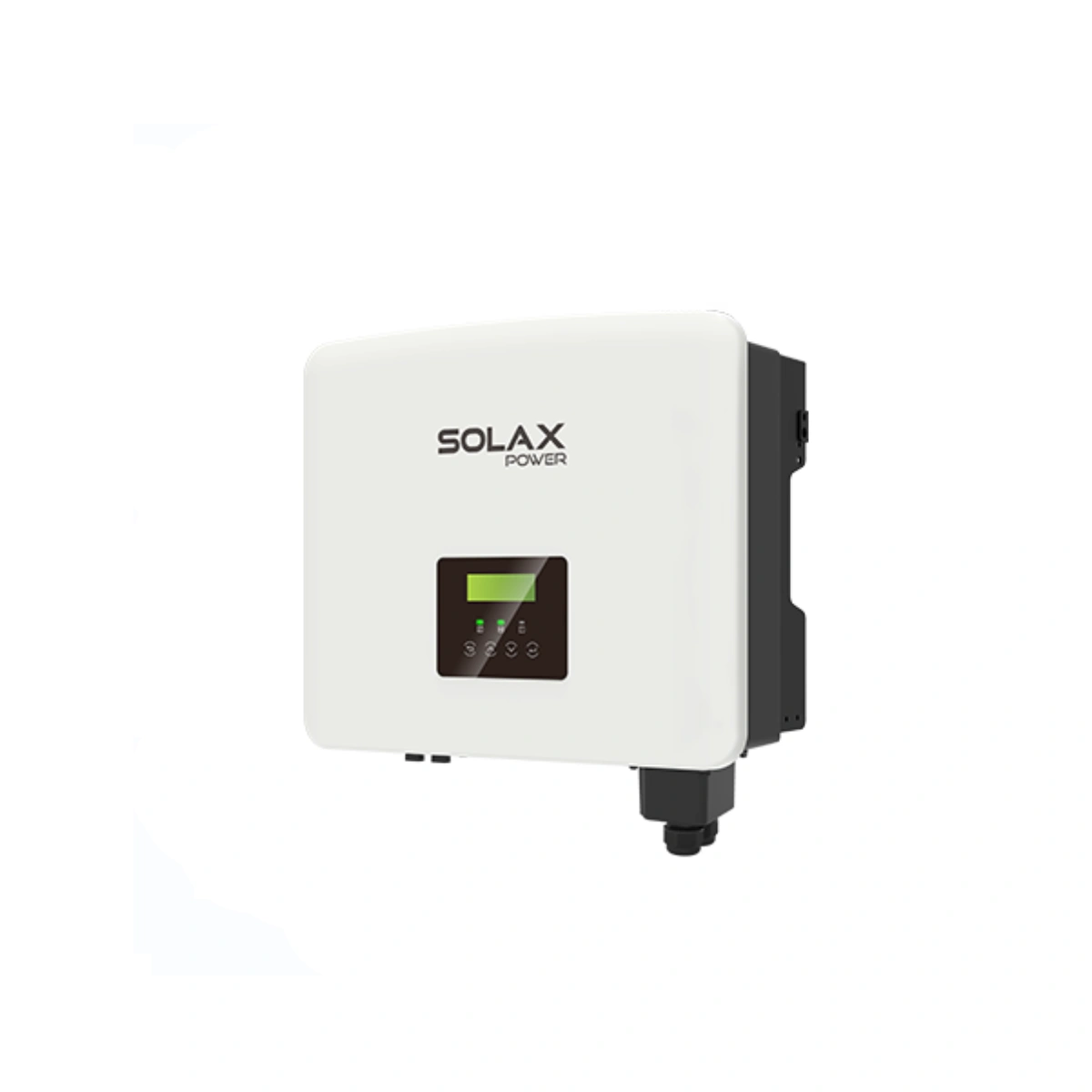
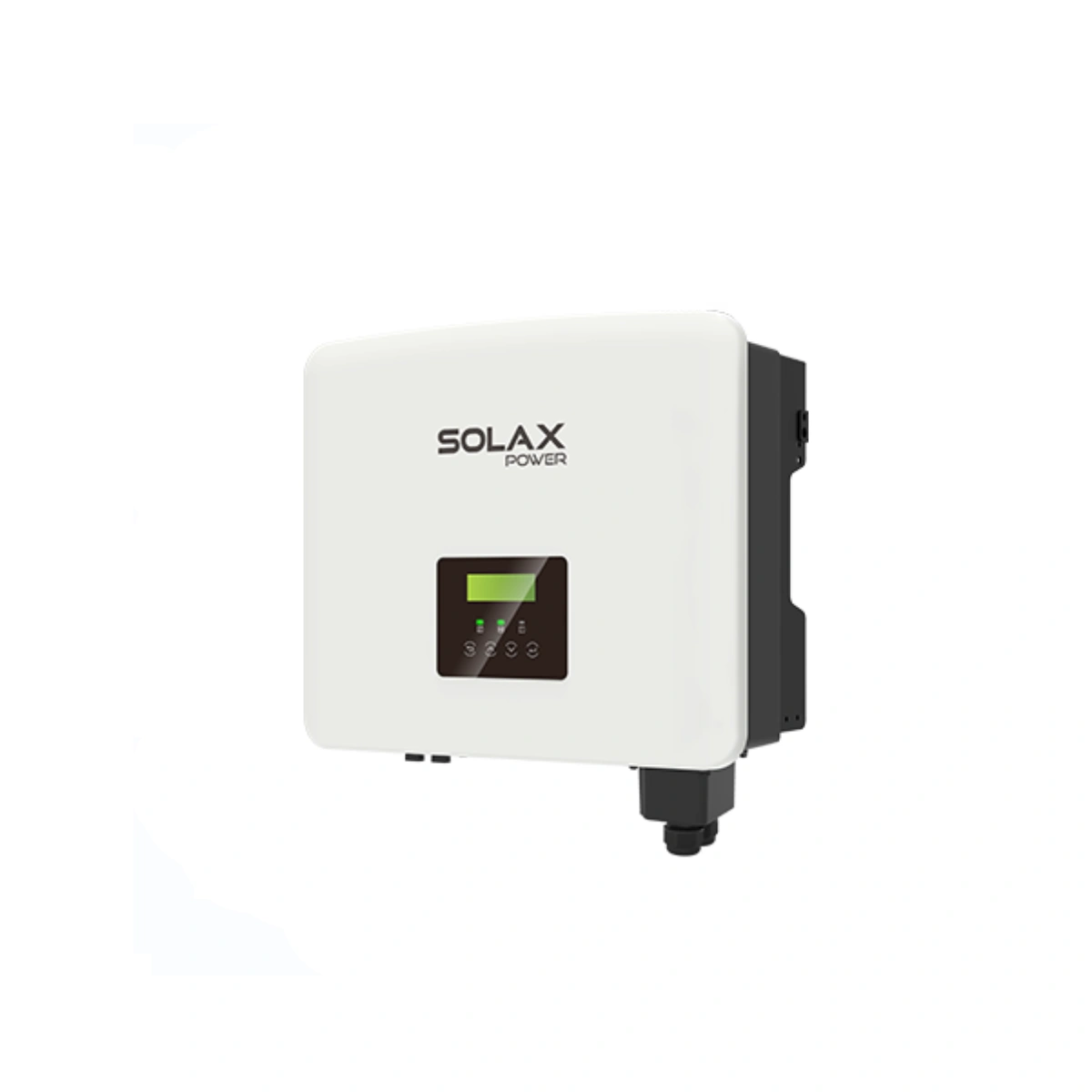
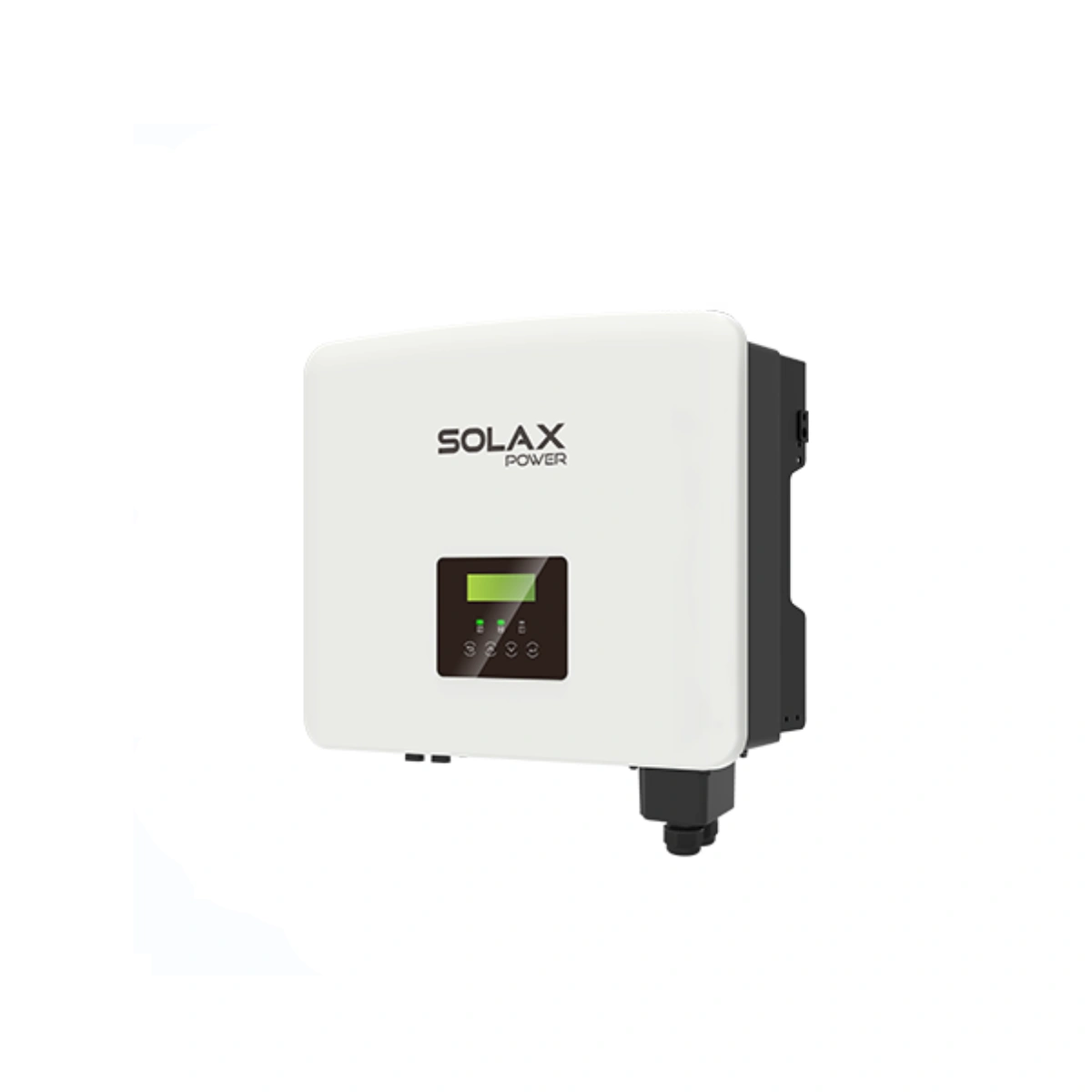
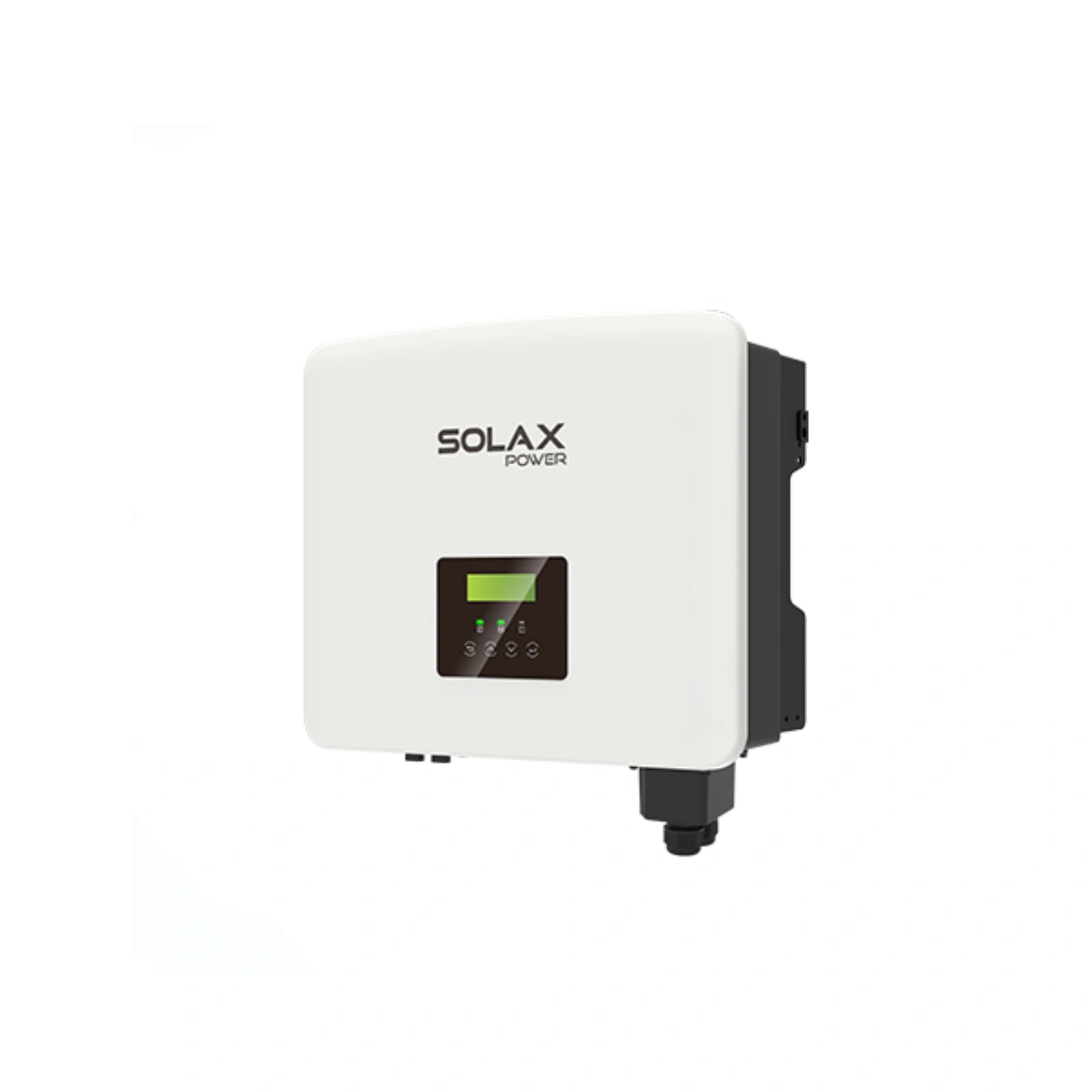
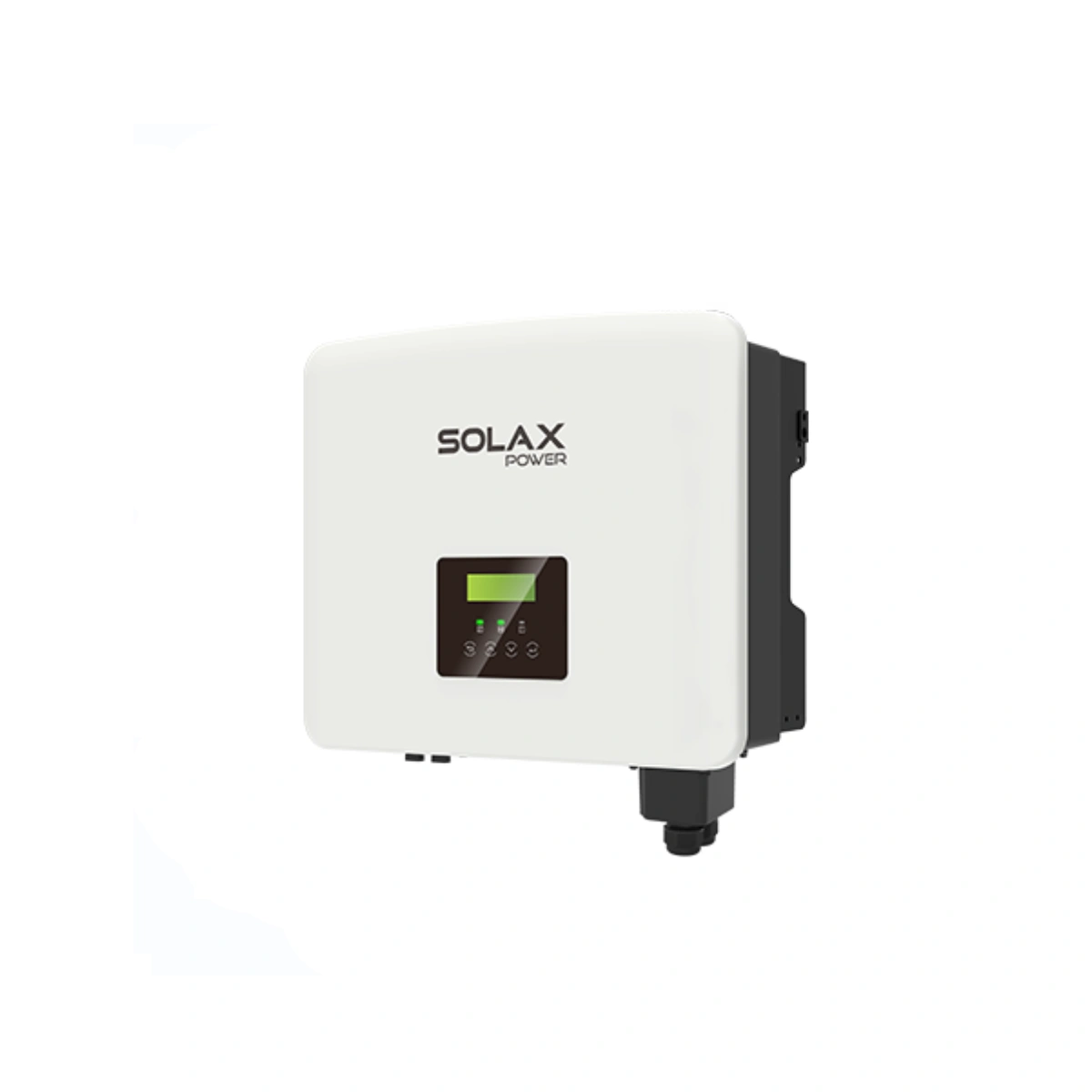

Solax X1 BOOST G4 Single Phase Solar Power Inverter
In stock

Solax X1 MINI G4 Single Phase Solar Power Inverter
In stock
Single Phase Inverters for Residential Solar PV and Hybrid Energy Systems
Buy single phase inverters, residential solar inverters and single phase hybrid inverters for professional photovoltaic installations across Europe. 3Buy Solar supplies installer-ready single phase solar inverter solutions for solar installers, qualified electricians, EPC contractors, solar wholesalers, solar distributors, resellers and procurement teams.
This category is built for single phase 230V residential and small commercial PV systems where solar panels, DC strings, solar inverter systems, monitoring, optional solar battery storage and complete kits must work together reliably. Whether you are installing a rooftop solar system, replacing an existing inverter, preparing a hybrid inverter project or sourcing single phase inverter stock for recurring jobs, this category helps professional buyers select the correct inverter for the system design.
Single phase inverters are commonly used in homes, small businesses, apartment buildings, light commercial properties, farms and retrofit PV projects where a single phase grid connection is available. The right inverter converts DC power from solar panels into usable AC power, manages PV production, supports monitoring and may also integrate with solar batteries, backup circuits or smart energy devices depending on the model.
Use this category when sourcing inverter products for:
- Residential rooftop PV systems
- Single phase 230V grid connections
- 3kW, 3.6kW, 4kW, 5kW and 6kW solar systems
- Small commercial solar projects
- Hybrid inverter installations
- Solar battery-ready PV systems
- Backup-ready residential systems
- Complete kits for installers and resellers
- PV system upgrades and inverter replacement
- Self-consumption optimisation
- Monitoring and smart energy systems
- Installer stock and recurring procurement
Single Phase Solar Inverters for Professional Installers
Single phase solar inverters are designed for PV systems connected to a single phase AC supply. They convert DC electricity from solar panels into AC electricity for use by the building or export to the grid, depending on the system setup and local regulations.
For professional installers, inverter selection is one of the most important technical decisions in a PV project. The inverter must match the solar panel array, string design, grid connection, AC output requirements, monitoring setup, safety requirements and customer energy goals.
Single phase inverter selection should consider:
- AC output power
- Grid connection type
- Number of MPPT trackers
- MPPT voltage range
- Maximum DC input voltage
- Maximum input current per string
- DC oversizing allowance
- Single or dual string configuration
- Hybrid or standard grid-tied architecture
- Battery compatibility where required
- Backup output capability where supported
- IP protection rating
- Cooling method
- Monitoring platform
- Communication interfaces
- Warranty and service support
- Installation location
- Local grid code requirements
This category supports professional purchasing where installers need more than a product name. They need clear inverter suitability for solar panels, complete kits, hybrid systems, battery-ready installations and European residential PV projects.
What Is a Single Phase Solar Inverter?
A single phase solar inverter is a photovoltaic inverter designed to connect to a single phase electrical supply, commonly used in residential and smaller commercial buildings across Europe. It converts DC electricity from solar panels into AC electricity that can be used by the property, exported to the grid or managed together with solar battery storage depending on the system design.
Single phase inverter products may include:
- Grid-tied single phase inverters
- Single phase hybrid inverters
- Battery-ready single phase inverters
- Single phase energy storage inverters
- AC-coupled single phase inverters
- Residential solar inverters
- Backup-ready hybrid inverters
- Smart inverter systems with monitoring
Single phase inverter systems are commonly used with:
- Rooftop solar panels
- Residential complete kits
- Small commercial PV systems
- Hybrid inverter and solar battery systems
- Optimizers or module-level electronics where required
- Smart meters
- Monitoring gateways
- EV charging and home energy systems
- Backup circuits where supported
For installers, the key is to match the inverter to the electrical design. A single phase inverter should be selected according to panel power, string voltage, battery requirement, AC connection, communication needs and the customer’s self-consumption or backup goals.
Grid-Tied Single Phase Inverters
Grid-tied single phase inverters are used in PV systems where solar panels generate electricity for the property and the grid connection remains active. These inverters convert DC power from the solar array into AC power synchronised with the grid.
Grid-tied single phase inverters are commonly used for:
- Standard residential rooftop PV systems
- Self-consumption solar installations
- Feed-in tariff or export-capable systems
- Small commercial solar projects
- Inverter replacement work
- Complete residential solar kits
- Projects without battery storage
- Systems with monitoring and smart meters
Important selection points include:
- Rated AC power
- Maximum DC input power
- MPPT quantity
- String input current
- Start-up voltage
- Maximum DC voltage
- AC output voltage
- Efficiency
- Grid code compliance
- Monitoring options
- Warranty and service availability
For installers, grid-tied single phase inverters are often the simplest solution where the customer does not require backup power or battery storage. They remain a strong choice for cost-effective residential solar PV systems.
Single Phase Hybrid Inverters for Solar Battery Systems
Single phase hybrid inverters combine solar inverter and battery inverter functionality in one unit. They can manage PV production, battery charging, battery discharge, grid import, grid export and sometimes backup output depending on the product and system design.
Hybrid inverter pages from leading manufacturers commonly show single phase models in the 3kW to 6kW range, with battery integration, backup features, monitoring and communication interfaces. SolaX lists single phase hybrid models from 3kW to 6kW, while Deye’s single phase hybrid series includes 3kW to 6kW models with 2 MPPTs, low-voltage battery support and IP65 protection.
Single phase hybrid inverters are used for:
- Residential solar battery systems
- Self-consumption optimisation
- Backup-ready PV projects
- Hybrid complete kits
- Solar battery-ready home systems
- Energy storage upgrades
- Time-of-use energy management
- Grid import reduction
- EV charging support where system design allows
- Off-grid or microgrid-capable applications where supported
Important hybrid inverter selection points include:
- Battery voltage type
- Battery compatibility list
- Maximum charge and discharge current
- Backup output rating
- Backup switching time where available
- MPPT quantity and input current
- PV oversizing limit
- Communication protocol, such as CAN or RS485
- Smart meter compatibility
- EPS or backup circuit design
- Parallel operation where supported
- Generator support where supported
- Monitoring platform
For installers, battery compatibility is one of the most important checks. A hybrid inverter should never be selected without confirming the supported solar battery models, BMS communication, cable requirements, firmware compatibility and commissioning process.
Single Phase Inverter Power Ratings and Configurations
Single phase inverters are commonly selected by AC power rating. The most common residential and small commercial sizes include 3kW, 3.6kW, 4kW, 5kW and 6kW. Some manufacturers also offer larger single phase hybrid inverter options depending on market rules, grid limits and product family. Current single phase hybrid inverter ranges from manufacturers commonly include 3kW to 6kW models for residential PV and energy storage applications.
Common single phase inverter configurations include:
- 3kW single phase inverter
- 3.6kW single phase inverter
- 4kW single phase inverter
- 4.6kW single phase inverter
- 5kW single phase inverter
- 6kW single phase inverter
- Single phase hybrid inverter
- Single phase battery inverter
- Single phase grid-tied inverter
- Single phase inverter with dual MPPT
- Single phase inverter with backup output
- Single phase inverter with WiFi or LAN monitoring
- Single phase inverter for complete kits
The correct size depends on:
- Solar panel array size
- Grid connection limit
- Customer consumption profile
- Roof orientation
- String design
- Battery requirement
- Backup requirement
- Export limitation
- Local grid regulations
- Future expansion plans
For professional installers, inverter sizing should not be based only on the nominal kW rating. DC input limits, MPPT design, string voltage, current limits and oversizing allowance must also be checked.
MPPT, String Design and Solar Panel Compatibility
MPPT design is one of the most important technical factors in single phase inverter selection. MPPT stands for Maximum Power Point Tracking. It helps the inverter optimise energy production from solar panel strings under changing irradiance, temperature and roof conditions.
Single phase inverters may include one or more MPPT trackers depending on the model. Dual MPPT inverters are often useful where solar panels are installed on different roof orientations, split arrays or surfaces with different shading conditions. Deye’s single phase hybrid models, for example, reference 2 MPPTs in its 3kW to 6kW EU range.
Installers should check:
- Number of MPPT trackers
- Number of string inputs
- MPPT voltage range
- Start-up voltage
- Maximum DC voltage
- Maximum input current per string
- Short-circuit current limit
- PV oversizing allowance
- Solar panel Voc and Isc values
- Roof orientation and shading
- Optimizer compatibility where used
Solar panels with higher current output require careful inverter matching. Many modern high-power solar panels have higher current characteristics than older modules, so installers must check input current limits before pairing panels with a single phase inverter.
Correct MPPT and string design improves yield, reduces commissioning problems and supports safer long-term operation.
Single Phase Inverters for Residential Rooftop Solar
Residential rooftop solar is the core application for single phase inverters. These systems usually require compact design, quiet operation, efficient conversion, smart monitoring and reliable grid connection.
Residential applications include:
- Detached homes
- Semi-detached homes
- Terraced houses
- Apartment buildings with suitable single phase supply
- Small home offices
- Garages and outbuildings
- Solar battery-ready homes
- Backup-ready residential systems
- Complete residential solar kits
Residential installers usually look for:
- Compact wall-mounted inverter design
- High conversion efficiency
- Easy commissioning
- Reliable monitoring
- WiFi, LAN or app connectivity
- Low noise operation
- IP-rated enclosure
- Battery-ready options
- Smart meter compatibility
- Backup capability where required
- Good warranty support
For homeowners, the inverter is the visible control point of the PV system. For installers, it is the technical centre of the installation. A good single phase inverter supports reliable solar generation, clear monitoring and easier service work.
Single Phase Inverters for Small Commercial PV Systems
Single phase inverters may also be used in smaller commercial PV projects where the site has a suitable single phase connection or where the system size does not require a three phase inverter.
Small commercial applications include:
- Shops and retail units
- Workshops
- Offices
- Small warehouses
- Farms and agricultural buildings
- Guesthouses and hospitality buildings
- Community buildings
- Small EV charging sites
- Light commercial self-consumption projects
For small commercial sites, installers should check:
- Load profile
- Grid connection type
- Export limitation
- Inverter AC output
- DC oversizing
- Monitoring requirements
- Fire safety and isolation
- Mounting location
- Service access
- Future battery integration
- Complete kit compatibility
Single phase inverters can be an efficient choice where the system size, grid connection and site loads are suitable. For larger commercial systems, three phase inverters may be more appropriate.
Battery-Ready and Energy Storage-Ready Single Phase Systems
Single phase inverters may be selected as part of an energy storage-ready PV system. In some cases, this means using a hybrid inverter from the start. In other cases, a grid-tied inverter may be installed first, with future AC-coupled battery storage added later.
Battery-ready system applications include:
- Residential solar battery projects
- Hybrid inverter installations
- Backup-ready home systems
- Time-of-use optimisation
- Self-consumption improvement
- Solar battery upgrade planning
- Complete kits with energy storage
- Smart home energy management
- EV charging support where compatible
For installers, battery-ready design should consider:
- Hybrid inverter compatibility
- Supported solar battery brands
- Battery voltage range
- BMS communication
- CAN or RS485 communication
- Backup output design
- Smart meter requirement
- Battery cable sizing
- Firmware and commissioning requirements
- Future expansion options
Hybrid inverters are increasingly common in residential PV because they combine solar generation and battery storage into one system architecture. SolarEdge describes its Home Hub single phase inverter as part of a wider home energy system with PV production, battery storage, backup applications and smart energy devices.
Backup Output, EPS and Emergency Power
Some single phase hybrid inverters offer backup output or EPS functionality for selected loads. Backup features can support critical circuits during grid outages, depending on inverter capability, battery capacity, switching design and local electrical regulations.
Backup-ready applications include:
- Critical household circuits
- Lighting circuits
- Internet and communication equipment
- Refrigeration
- Heating system controls
- Security systems
- Home office loads
- Small commercial essential circuits
When selecting backup-ready single phase inverters, check:
- Backup output power
- Backup switching time
- Battery requirement
- Supported backup loads
- EPS circuit design
- Neutral and earthing requirements
- Islanding protection
- Local grid code requirements
- Installer commissioning process
- Customer expectations
Not every hybrid inverter automatically provides whole-home backup. Backup capability must be designed correctly, explained clearly and installed according to the manufacturer manual and local regulations.
Solis, for example, lists a single phase low-voltage energy storage inverter series with backup support and fast switching claims, which shows how important backup functionality has become in residential inverter selection.
Monitoring, Communication and Smart Energy Control
Monitoring is now expected in most residential and small commercial PV systems. Single phase inverters often include or support app-based monitoring, WiFi, LAN, RS485, smart meter integration and energy management features depending on the model.
Monitoring and communication features may include:
- WiFi monitoring
- LAN monitoring
- RS485 communication
- CAN communication for batteries
- Smart meter connection
- Export limitation
- Load monitoring
- Battery monitoring
- App-based commissioning
- Cloud monitoring platform
- Installer portal access
- Firmware updates
- Alarm notifications
- Production and consumption reporting
For installers, monitoring helps reduce service time and improve customer support. For customers, monitoring helps them understand solar production, self-consumption, battery status and energy savings.
For solar wholesalers and solar distributors, inverter models with reliable monitoring and clear commissioning processes are easier to support across recurring installer orders.
IP Rating, Installation Location and Protection
Single phase inverters may be installed indoors or outdoors depending on the product rating, manufacturer instructions and site conditions. Many modern inverter products are designed with IP-rated enclosures for outdoor or semi-outdoor installation, but installers must always check the exact datasheet.
Important installation checks include:
- IP protection rating
- Ambient temperature range
- Cooling clearance
- Direct sunlight exposure
- Rain and weather exposure
- Wall strength
- Cable entry
- DC isolator requirement
- AC protection
- Surge protection
- Earthing and bonding
- Fire safety location requirements
- Service access
- Noise considerations
- Communication signal quality
Deye’s single phase hybrid inverter range references IP65 protection, while other manufacturers also promote protected designs for residential installations.
For professional installers, the installation location affects long-term reliability. Even if an inverter is rated for outdoor use, avoiding excessive heat, direct sun and poor ventilation can improve performance and service life.
Single Phase Inverters for Complete Kits
Single phase inverters are commonly purchased as part of complete kits for residential and small commercial solar projects. A complete kit needs more than solar panels and an inverter. It also requires correctly matched mounting, DC cables, AC wiring, protection, connectors, monitoring and optional battery storage components.
Single phase inverter complete kits may include:
- Solar panels
- Single phase inverter
- Hybrid inverter where required
- Solar battery where required
- Mounting system
- DC solar cables
- MC4 connectors
- AC wiring
- DC protection
- AC protection
- Surge protection
- Smart meter
- Monitoring equipment
- Battery cables
- Communication cables
- Installation accessories
For installers and resellers, complete kits help reduce procurement time and compatibility risk. For solar wholesalers and solar distributors, inverter-based complete kits support repeat purchasing and simplify product selection for common residential PV system sizes.
Single Phase Inverter Brands and Product Selection
3Buy Solar may supply single phase inverters from professional solar inverter manufacturers depending on availability, market demand and product configuration. Relevant inverter brands in the European market commonly include manufacturers offering grid-tied, hybrid, battery-ready and smart monitoring solutions for residential and small commercial PV systems.
When selecting a single phase inverter brand, professional buyers should check:
- Product availability
- Warranty terms
- Installer support
- Monitoring platform
- Battery compatibility
- Smart meter compatibility
- Grid code documentation
- Datasheets
- Installation manuals
- Firmware support
- Spare parts and service process
- Compatibility with solar panels and complete kits
Solar inverter manufacturer pages show that single phase product ranges are increasingly connected with storage, smart energy management, battery compatibility and simplified installation workflows.
For installers, the best inverter is not always the cheapest. The right inverter is the one that matches the system design, can be commissioned correctly and is supported throughout the project life.
Technical Buying Checklist for Single Phase Inverters
Use this checklist before buying a single phase inverter, residential inverter or single phase hybrid inverter:
- Confirm single phase grid connection
- Confirm AC output power
- Confirm solar panel array size
- Confirm maximum DC input voltage
- Confirm MPPT voltage range
- Confirm number of MPPT trackers
- Confirm string input current
- Confirm PV oversizing allowance
- Confirm compatibility with selected solar panels
- Confirm grid code requirements
- Confirm hybrid or grid-tied design
- Confirm solar battery compatibility if required
- Confirm BMS communication if battery is included
- Confirm backup output requirement
- Confirm smart meter compatibility
- Confirm monitoring platform
- Confirm WiFi, LAN, RS485 or CAN communication
- Confirm IP rating and installation location
- Confirm warranty and documentation
- Confirm complete kit compatibility
- Confirm accessories required for installation
This checklist helps reduce wrong orders, commissioning delays and compatibility issues. It is especially useful for solar installers, qualified electricians, EPC contractors, solar wholesalers and resellers handling multiple residential PV projects.
Fast Procurement for Single Phase Inverters
For professional installers, inverter procurement needs to be accurate, fast and compatible with the full PV system. This category helps you source single phase inverters for rooftop solar systems, hybrid inverter projects, solar battery-ready installations, complete kits and recurring installer stock.
Use this category when you need:
- Residential single phase solar inverters
- 3kW to 6kW inverter options
- Single phase hybrid inverters
- Battery-ready inverter systems
- Grid-tied single phase inverters
- Inverters with monitoring
- Inverters with dual MPPT
- Backup-ready inverter options
- Complete kit inverter supply
- Solar inverter stock for installers
- Products for solar panels and battery systems
- European B2B procurement support
3Buy Solar supports professional buyers with inverter products suitable for residential PV, small commercial solar, hybrid systems, solar battery projects, energy storage-ready installations and complete kits across Europe.
Why Professional Buyers Choose Single Phase Inverters from 3Buy Solar
3Buy Solar supplies single phase inverters, single phase hybrid inverters, residential solar inverters and inverter accessories for professional PV buyers across Europe. This category is built for installer procurement, EPC project supply and solar wholesaler demand.
Professional installers, qualified electricians, EPC contractors, resellers, solar wholesalers and solar distributors choose 3Buy Solar for:
- Installer-ready single phase inverter sourcing
- Residential solar inverter products
- Hybrid inverter and battery-ready project support
- Inverter options for 3kW to 6kW PV systems
- Solar panel and inverter matching support
- Complete kits for residential solar projects
- Energy storage-ready system procurement
- B2B purchasing and recurring installer stock
- European supply and logistics support
- Technical product information for professional buyers
- Solar panels, inverters, batteries and accessories in one procurement path
- Procurement support for installers, EPCs and resellers
As a solar PV supplier, solar wholesaler and solar distributor, 3Buy Solar helps professional buyers source inverter products that support real project requirements. Solar panels, solar inverter systems, solar batteries, complete kits and energy storage systems must be selected together to create a safe and reliable installation.
Related Solar Product Categories
- Solar Inverter
- Hybrid Inverters
- Three Phase Inverters
- Microinverters
- Solar Panels
- Solar Batteries
- Energy Storage
- Complete Kits
- Solar Cables and Wiring
- DC Protection
- AC Protection
- Optimizers
- Monitoring
- Smart Meters
- Mounting Systems
- Solar Accessories
Frequently Asked Questions About Single Phase Inverters
What is a single phase solar inverter?
A single phase solar inverter is a PV inverter designed to connect to a single phase AC supply. It converts DC electricity from solar panels into AC electricity for use by the building, export to the grid or storage in a compatible battery system depending on the inverter type.
Where are single phase inverters used?
Single phase inverters are commonly used in residential rooftop PV systems, small commercial solar projects, home energy systems, solar battery-ready installations and complete kits where the property has a single phase grid connection.
What size single phase inverter do I need?
The correct inverter size depends on the solar panel array, grid connection, roof layout, string design, battery requirement, export limit and customer consumption profile. Common residential single phase inverter sizes include 3kW, 3.6kW, 4kW, 5kW and 6kW.
What is the difference between a grid-tied and hybrid single phase inverter?
A grid-tied single phase inverter converts solar panel DC power into AC power for use or export to the grid. A hybrid single phase inverter can also manage battery charging and discharging when used with compatible solar batteries.
Can single phase inverters be used with solar batteries?
Yes. Single phase hybrid inverters can be used with compatible solar batteries. Installers must check the inverter battery compatibility list, voltage range, BMS communication, cable requirements and commissioning process.
Are single phase inverters suitable for backup power?
Some single phase hybrid inverters support backup output or EPS functionality, but this depends on the model, battery system, switching design and local electrical rules. Backup capability must be checked before purchase.
How many MPPTs should a single phase inverter have?
The number of MPPTs depends on the roof layout and string design. Dual MPPT inverters are useful when solar panels are installed on different roof orientations or where separate string optimisation is required.
Can single phase inverters be used for commercial projects?
Yes. Single phase inverters can be used for small commercial PV systems where the grid connection and system size are suitable. Larger commercial projects often require three phase inverters.
What monitoring options are available with single phase inverters?
Many single phase inverters support WiFi, LAN, RS485, smart meter integration, app monitoring, cloud monitoring and installer portals depending on the manufacturer and model.
Who should buy single phase inverters from this category?
This category is built for professional solar installers, qualified electricians, EPC contractors, solar wholesalers, solar distributors, resellers and procurement teams sourcing single phase inverters, residential solar inverters and single phase hybrid inverters across Europe.
Why buy single phase inverters from 3Buy Solar?
3Buy Solar supplies single phase inverters, residential solar inverters, hybrid inverter products and inverter accessories for professional European PV projects, including rooftop solar systems, complete kits, solar battery-ready installations and energy storage-ready systems.