EV Accessories and Mounting


DIY Solar Kits and Solar Panel System Components for Skilled Self-Builders
DIY solar is no longer just a small hobby category. Across Europe, technically capable buyers are building serious solar systems for cabins, workshops, garages, farms, rural buildings, mobile setups, backup power and independent energy projects. These systems need more than a basic solar panel and a cheap inverter. They need correctly matched PV modules, charge controllers, batteries, inverters, cables, protection devices, monitoring and reliable documentation.
3Buy Solar helps approved DIY solar customers source professional-grade solar panel system components from one European solar webshop. You can access solar panels, off-grid inverters, hybrid inverters, MPPT charge controllers, lithium batteries, LiFePO4 storage, solar accessories, BOS components and complete DIY solar kits for practical self-build projects.
This page is for skilled DIY buyers, off-grid builders, rural property owners, van and cabin power builders, farm system planners, workshop owners and energy enthusiasts who want direct access to serious solar equipment. It is not written for general homeowners, professional installers or broad B2B procurement. The focus is simple: DIY solar components that can be selected, matched and sourced for real self-build energy systems.
3Buy Solar is not a standard retail solar shop. Access requires registration and approval because many products are professional-grade components that must be selected responsibly. Once approved, DIY buyers can compare product options, review technical data where available, check stock visibility where listed and order components for off-grid, hybrid, backup and self-consumption projects.
Safety remains essential. DIY solar can reduce cost and increase independence, but electrical work, battery systems, roof mounting and grid-connected installations may require a qualified electrician or certified professional depending on local rules. The right approach is to source intelligently, plan carefully and install responsibly.
Wholesale Solar Access for Approved DIY Buyers
Most DIY solar buyers face the same problem: consumer solar shops are easy to access but often limited, while traditional solar distributors offer better product ranges but usually restrict access to trade buyers. 3Buy Solar gives approved DIY customers a more serious route to professional-grade components without forcing every project into a fixed retail package.
Approved buyers can source components for:
- Off-grid cabin systems
- DIY solar panel systems
- Garage and workshop solar setups
- Farm and rural property power systems
- Battery-based solar storage projects
- Hybrid inverter and battery systems
- Backup power systems
- MPPT charge controller projects
- Van, mobile and small independent systems
- Replacement inverter projects
- Solar battery upgrades
- Complete DIY solar kits
The advantage is flexibility. You can start small with a basic off-grid solar setup, build a battery-based power system, upgrade to LiFePO4 storage, replace a failed inverter or prepare a larger hybrid system with better component control.
This page is not about generic “home solar.” It is about giving capable DIY buyers access to the parts needed to build a proper system.
Why DIY Solar Buyers Choose 3Buy Solar
A DIY solar system only works well when the components are correctly matched. The panel array must fit the charge controller or inverter input. The battery voltage must match the inverter. The charge controller must support the PV input and battery chemistry. The cables and protection devices must fit the current and voltage. Monitoring, firmware and documentation must also be considered.
DIY buyers choose 3Buy Solar because they need more than a retail box. They need:
- Solar panels and PV modules for self-build projects
- Off-grid inverters for independent systems
- Hybrid inverters for battery-ready setups
- MPPT charge controllers for battery charging
- Lithium batteries and LiFePO4 storage options
- Solar cables, connectors and protection components
- Complete DIY solar kits
- Datasheets and technical documentation where available
- Product categories used in serious solar projects
- European delivery depending on product and destination
- Support for component matching where available
Instead of buying a random kit with unclear limitations, DIY buyers can build around the actual project: load profile, location, battery size, solar production, voltage class and expansion plan.
“When I embarked on the journey of selecting a solar energy provider, I left no stone unturned. Researching extensively, obtaining multiple quotes, engaging in discussions with representatives and existing customers, I committed to thorough due diligence. Among all contenders, Buy-solar.online emerged as the unequivocal frontrunner. With our new system up and running, I can confidently say that any apprehensions have been replaced with sheer satisfaction. From initial contact to after-sale support, every facet of their service exuded professionalism, warmth, and efficiency. Buy-solar.online truly excels in every aspect of the solar energy experience.” Andrew Smith – California, USA
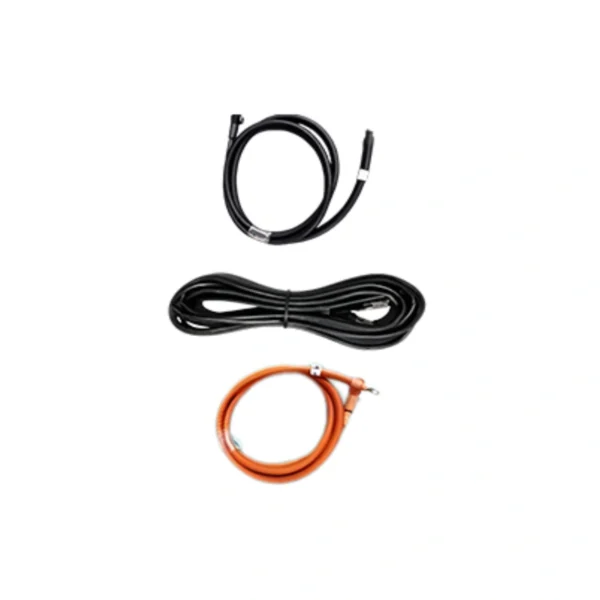


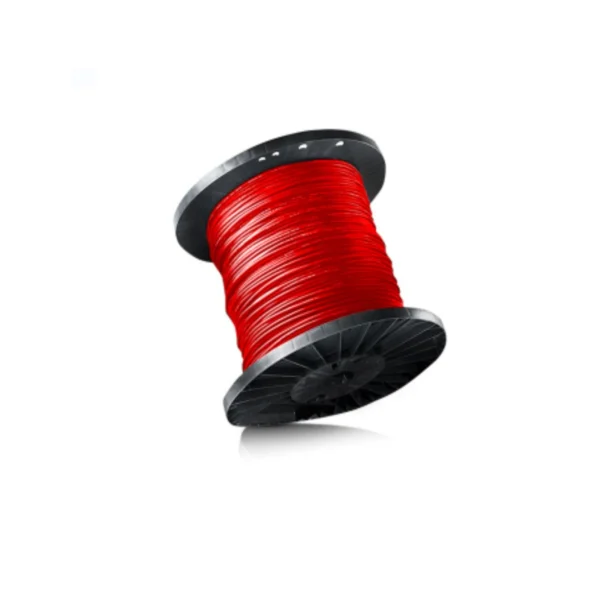
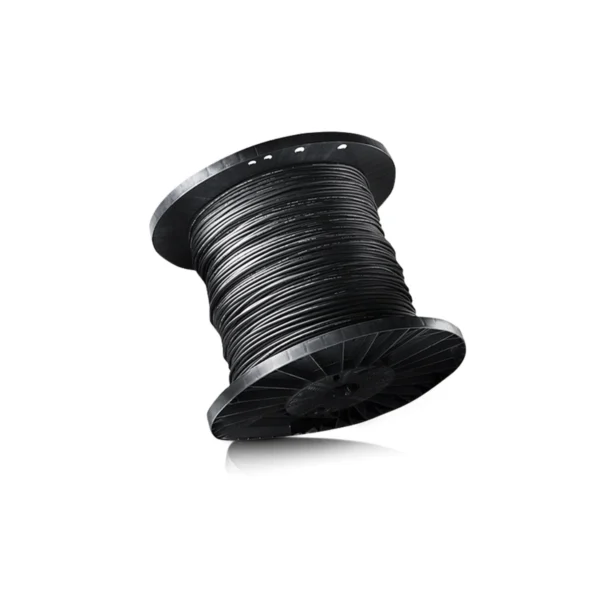

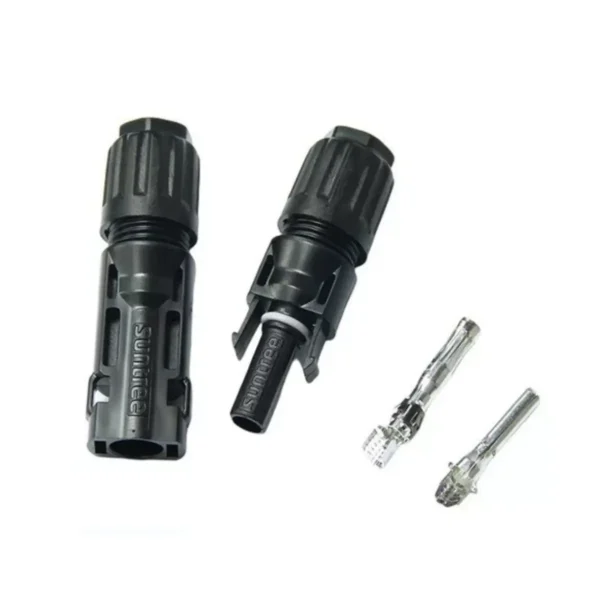
SUNTREE MC4 Solar Connector Set – Pair Male/Female for 4–6mm² PV Cables
In stock
New: 2.88 €
Wholesale price will only be applied to a minimum quantity of 10 products
0%


DIY Solar Projects We Support
Off-Grid Cabins and Rural Buildings
Off-grid solar systems are ideal for cabins, remote buildings, rural homes, farms, workshops, storage buildings and locations where grid access is limited, expensive or unreliable. These systems usually need PV modules, an MPPT charge controller, an off-grid inverter, a battery bank, DC protection, monitoring equipment and correctly sized cables.
Before choosing components, calculate daily energy consumption, peak load, winter production, battery autonomy and backup requirements. Off-grid systems must be sized around real usage, not guesswork.
A small lighting and phone-charging system is very different from a setup running tools, refrigeration, pumps, water systems, heating controls or communication equipment. Battery capacity, inverter surge power and solar panel sizing must reflect the actual load.
DIY Solar for Workshops and Garages
Workshops and garages often need independent or supplementary power for lighting, tools, chargers, small machines, ventilation, security systems and EV-related equipment. These projects can be grid-assisted, battery-based or off-grid depending on location and electrical setup.
DIY buyers should consider the power demand of tools and appliances, peak startup loads, cable runs, inverter size, battery capacity and whether the system needs to operate during grid outages.
For a workshop system, inverter surge capacity and battery discharge capability are especially important. A system that runs LED lighting and chargers may be simple, while a system powering compressors, pumps, saws or welding-related loads needs much more careful sizing.
Farm, Land and Outbuilding Solar Systems
Farms and rural properties often have buildings or equipment located far from the main electrical supply. DIY solar can support gates, pumps, lighting, cameras, fencing, irrigation controls, small tools, monitoring devices and independent building power.
These systems must be designed for the environment. Outdoor cabinets, temperature range, cable protection, mounting stability, weather exposure and maintenance access all matter.
Battery choice is also important. A low-cost battery may not be suitable for cold environments, high cycling or remote sites where reliability is critical. For farms and outbuildings, solar equipment should be selected around durability, autonomy and easy service access.
DIY Backup Power Systems
Backup power systems are built to keep selected loads running during outages. They may include batteries, inverter chargers, off-grid inverters, hybrid inverters, transfer equipment and monitoring.
Not every inverter provides backup power in the same way. Some systems support limited backup circuits. Others are designed for off-grid operation. Some need additional switching equipment or professional setup.
Before buying backup components, define which loads need backup: lights, internet, refrigerator, freezer, pumps, heating controls, security systems, office equipment, workshop tools or communication devices. Backup design should be based on real priority loads, expected outage duration and safe electrical integration.
DIY Hybrid Solar Systems
Hybrid solar systems combine PV modules, a hybrid inverter and battery storage. They are useful when the goal is self-consumption, battery charging, backup readiness or future expansion.
Hybrid systems require careful matching. The battery must be supported by the inverter, the communication protocol must be correct and the voltage class must match. Firmware compatibility and installation requirements should be checked before ordering.
DIY buyers should not assume that any battery works with any hybrid inverter. Inverter-battery compatibility is one of the most important checks in the whole system.
Caravan, Motorhome and RV Solar Systems
Caravan solar, motorhome solar and RV solar systems are popular DIY projects because they help power lighting, fridges, fans, chargers, water pumps, routers, laptops and small appliances while travelling or staying off-grid.
A typical caravan or motorhome solar system may include compact solar panels, flexible or rigid PV modules, an MPPT charge controller, a leisure battery or LiFePO4 battery, DC protection, battery monitor, inverter charger, DC-to-DC charger and shore power integration where needed.
Before buying a caravan solar kit or motorhome solar kit, check roof space, panel weight, vibration resistance, cable routing, battery location, alternator charging, shore power input, inverter size and daily consumption. Mobile systems must also account for movement, heat, ventilation and limited installation space.
For RV and campervan solar, battery choice is critical. LiFePO4 batteries are often preferred because they provide strong usable capacity, long cycle life and lower weight compared with traditional lead-acid batteries. The battery, charge controller and inverter must still be matched correctly.
Campervan, Van Conversion and Mobile Solar Power
Van conversions and campervan solar systems need compact, efficient and reliable components. Space is limited, weight matters, and the system must support daily loads without overcomplicating the build.
DIY van solar projects often power LED lighting, compressor fridges, fans, water pumps, USB chargers, laptops, induction cooking in some setups, routers and small appliances. Depending on the build, the system may include roof-mounted solar panels, portable solar panels, MPPT charge controller, LiFePO4 battery, inverter, DC fuse box, battery monitor and DC-to-DC charger.
For campervan solar, calculate daily loads carefully and consider how the battery will be charged from solar, alternator and shore power. A well-planned mobile solar system should balance panel output, battery capacity, charging speed and available roof area.
Marine Solar and Boat Solar Systems
Marine solar systems are used on boats, yachts, canal boats, sailing vessels and other marine applications where battery charging and independent power are important. These systems must be selected with extra attention to moisture, corrosion, vibration, limited space and safe cable routing.
A boat solar system may include rigid or flexible solar panels, MPPT charge controllers, marine-grade cabling, lithium or AGM batteries, battery monitors, inverter chargers, DC protection and shore power integration.
Marine solar buyers should check panel mounting options, saltwater exposure, wind load, shading from masts or equipment, battery ventilation, cable protection and corrosion-resistant components. On boats and yachts, partial shading can be a major issue, so panel layout and charge controller selection matter.
Boat solar is not only about charging batteries. It can support navigation electronics, lighting, refrigeration, communication devices, bilge pumps, water systems and onboard comfort loads. Correct sizing is essential because reliability can be safety-critical on the water.
Mobile, Portable and Small Independent Solar Systems
Some DIY solar projects are smaller but still technical. Portable solar kits, trailer solar systems, mobile work units, temporary power systems and compact independent setups may need portable PV modules, MPPT controllers, lithium batteries, DC loads, inverter chargers and monitoring.
These systems depend heavily on space, weight, vibration, temperature, cable routing and battery safety. Component selection should be based on real daily usage and charging sources, including solar input, alternator charging, shore power or generator input where relevant.
Small systems can still fail if the components are mismatched. Even a compact portable solar setup should be planned around voltage, current, battery chemistry, fuse protection and safe cabling.
Garden Offices, Tiny Homes and Microgrid Projects
Garden offices, tiny homes and small private microgrids are becoming common DIY solar applications. These systems may support lighting, computers, routers, ventilation, heating controls, small appliances and battery-backed power for independent buildings.
A tiny home or garden office solar system may need PV modules, hybrid or off-grid inverter, LiFePO4 battery storage, MPPT charge controller, monitoring, AC/DC protection and safe cable routing between buildings.
Before selecting products, calculate daily demand, peak load, winter usage, backup expectations and whether the system will be fully off-grid or grid-assisted. For buildings used year-round, winter production and battery autonomy are especially important.
Included with Every Order
- Access to over 6,000 certified solar products
- CE-marked, RoHS-compliant components with EU-grid compatibility
- Product listings with full datasheets, wiring diagrams, and certifications
- Free delivery across mainland Europe on most items
- Lifetime technical support for all customers
- Free system design support when working with our certified partners
- Fast dispatch from 4 EU warehouses with real-time stock visibility

Top Brands, Trusted Globally
DIY buyers often prefer proven brands because documentation, warranty support and compatibility information are easier to manage. Depending on current availability, 3Buy Solar may offer products from recognised manufacturers across solar panels, inverters, batteries and off-grid equipment.
- Solar Inverters: Growatt, Deye, Solis, Fronius, Solplanet, Huawei, Fox ESS
- Solar Panels: Trina Solar, JA Solar, Longi
- Energy Storage: BYD, Pylontech, Dyness, Fox ESS
- Off-grid Essentials: MPPT charge controllers, AGM/LiFePO4 batteries, off-grid inverters
Every product is selected for quality, warranty support, and seamless compatibility across systems.


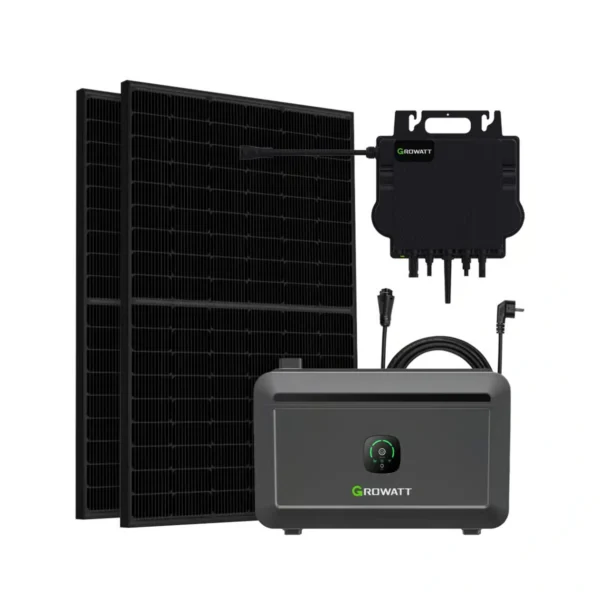
Growatt 900 Wp Balcony Power Plant with Energy Storage Unit – NEO 800M-X & NOAH2000
In stock
Get Started With Your DIY Solar Project Today
- Register for Access – Approval usually takes less than 24 hours.
- Browse Our Catalogue – Use filters for voltage, inverter type, brand, and compatibility.
- Request Help If Needed – Our support team is here to assist with component matching, design, and installation advice.
- Order with Confidence – Wholesale pricing, fast tracked delivery, and technical support come standard.
3Buy Solar is the only solar distributor in Europe offering wholesale access, installer-grade gear, and lifetime support directly to DIY homeowners.
How to Start a DIY Solar Project
Define the Project
Start by identifying exactly what the DIY solar system needs to do. A small off-grid cabin, a backup power system, a garage setup, a farm building, a mobile system and a hybrid battery installation all require different components and different sizing logic.
Before choosing products, decide whether the system will be grid-tied, off-grid, battery-based, hybrid, mobile or used only for selected loads. This decision affects the inverter type, battery voltage, MPPT charge controller size, solar panel configuration, cable sizing, protection devices and monitoring setup.
A clear project definition helps avoid one of the most common DIY solar mistakes: buying attractive components that do not work together as a complete system.
Calculate the Loads
List every device the system must power. Include lights, refrigerators, pumps, tools, routers, chargers, heaters, ventilation, security systems and any other equipment connected to the system.
For each load, check:
- Running wattage
- Startup surge
- Daily hours of use
- Seasonal usage
- Priority during backup operation
- AC or DC power requirement
This step helps size the inverter, battery capacity and solar panel array. A workshop tool, pump or refrigerator may need much higher startup power than its normal running wattage. For off-grid systems, winter production and battery autonomy are especially important because there may be no grid to cover undersizing mistakes.
Choose the System Voltage
Battery-based solar systems commonly use different voltage classes, such as 12V, 24V, 48V and higher-voltage battery platforms depending on the equipment type. The system voltage affects inverter choice, MPPT charge controller sizing, cable thickness, battery configuration, protection devices and future expansion options.
Small mobile or very low-power systems may use 12V. Medium off-grid systems often work better at 24V or 48V. Larger DIY battery systems usually benefit from higher voltage because it can reduce current, cable losses and oversized wiring requirements.
The system voltage should be chosen before buying the inverter, battery and charge controller, because these components must match.
Select Solar Panels
Choose solar panels that fit both the available installation space and the electrical input limits of the inverter or MPPT charge controller. Do not select PV modules only by wattage or price.
Check panel dimensions, open-circuit voltage, operating current, module efficiency, mounting method, weather exposure, warranty and delivery conditions. For off-grid systems, make sure the total solar panel string voltage stays within the MPPT charge controller or inverter input range, including cold-weather voltage increase.
The panel array should be large enough to recharge the battery within the expected sunlight window, especially for off-grid cabins, farms, workshops and backup systems.
Select the Battery
Choose the battery based on real energy demand, not only advertised capacity. Compare usable capacity, battery chemistry, voltage class, maximum charge current, discharge rate, BMS protection, communication options, temperature range, scalability, indoor or outdoor suitability and inverter or charge controller compatibility.
LiFePO4 batteries are popular for DIY solar because they offer strong cycle life, good usable capacity and lower maintenance than older battery types. Still, the battery must match the system voltage and the inverter’s discharge requirements.
For off-grid systems, size the battery around autonomy: how long the system must run without enough solar production. For backup systems, size it around priority loads and the expected outage duration.
Match the Inverter, Battery and Charge Controller
Before ordering, confirm that the inverter, battery and MPPT charge controller work together. This is where many DIY solar projects fail.
Check:
- Battery voltage compatibility
- PV input voltage limits
- MPPT charge current
- Inverter continuous output
- Inverter surge output
- Supported battery chemistry
- BMS communication if required
- CAN or RS485 communication where applicable
- Firmware or approved battery lists
- Monitoring compatibility
A powerful inverter is not useful if the battery cannot supply enough discharge current. A large solar panel array is not useful if the MPPT charge controller cannot accept the voltage or current. Every main component must be selected as part of the same system.
Add Protection and Accessories
Do not stop at panels, inverter and battery. A safe DIY solar system also needs the correct balance-of-system components.
Plan for:
- PV cables
- Battery cables
- Connectors
- Fuses
- Breakers
- DC isolators
- AC protection
- Combiner boxes
Meters - Monitoring devices
- Mounting-related parts
- Labels and safety accessories
- Communication cables
Missing accessories can delay the entire project. More importantly, undersized cables, incorrect fuses or missing isolation can create safety risks. Protection devices must match the system voltage, current and installation environment.
Confirm Safety Requirements
Check local rules before ordering and before installation. DIY solar equipment can involve dangerous DC voltage, high battery current, roof work, AC wiring and grid connection requirements.
Confirm whether your project needs:
- Electrical permits
- Grid operator approval
- Certified installer sign-off
- Roof safety equipment
- Battery installation requirements
- Fire protection spacing
- Insurance approval
- Manufacturer installation rules
- Local electrical inspection
For grid-tied systems, high-voltage batteries, permanent AC wiring, roof-mounted arrays and backup circuits, involve a qualified professional where required. DIY sourcing is useful, but safe and compliant installation matters more than saving a few hours of labour.
Prepare the Final Component List
Before placing the order, create a complete bill of materials. Include the main equipment and every supporting part required to install, connect, protect and monitor the system.
A proper DIY solar order should usually include the PV modules, inverter, battery or battery bank, MPPT charge controller where needed, protection devices, cables, connectors, mounting-related components, monitoring equipment and documentation.
Review the list against the system purpose, load calculation, voltage class, battery capacity, solar panel input limits and safety requirements. This final check helps prevent mismatched products and missing components.
Order, Install and Test Carefully
Once the system is planned and compatibility is confirmed, place the order and keep all datasheets, manuals and warranty documents together. During installation, follow manufacturer instructions and local regulations.
After installation, test the system step by step. Check solar input, battery charging, inverter output, monitoring, protection devices and load behaviour before relying on the system for daily use.
For off-grid and backup systems, test performance under real load conditions. For battery systems, monitor charging and discharging during the first operating days to confirm the system behaves as expected.
Compare: 3Buy Solar vs Other DIY Solar Shops
DIY solar buyers often compare 3Buy Solar with online solar shops such as Alma Solar, MG-Solar-Shop, Solaris Shop and other European retailers. Many of these shops offer consumer-friendly product access, but the depth of professional documentation, wholesale-style access and component range can vary. 3Buy Solar is positioned for approved DIY buyers who want:
- Professional-grade solar components
- Wholesale-style pricing after approval
- Off-grid and hybrid system categories
- MPPT charge controllers and lithium batteries
- Solar panels, inverters and accessories in one webshop
- Technical documentation where available
- Component matching support where available
- European delivery depending on stock and destination
A solar DIY shop should not be judged only by price. Support, documentation, compatibility, brand quality, delivery reliability and long-term expansion are just as important.
| Feature | 3Buy Solar | Alma Solar | MG-Solar-Shop | Solaris Shop |
|---|---|---|---|---|
| Access to Tier 1 Brands | ✓ | ✓ | ✓ | ✓ |
| Wholesale Pricing | ✓ | ✗ | ✗ | ✗ |
| DIY Buyer Approval Required | ✓ (Fast) | ✗ | ✗ | ✗ |
| Lifetime Technical Support | ✓ | ✗ | ✗ | ✗ |
| Free System Design (via Installer) | ✓ | ✗ | ✗ | ✗ |
| Free EU Mainland Delivery | ✓ | ✓ | ✗ | ✗ |
| Installer-Grade Documentation | ✓ | ✗ | ✗ | ✗ |
Disclaimer: comparisons should be verified against current public information, stock availability, pricing, delivery conditions and support terms from each supplier.
Safety, Installation and Liability Disclaimer
Solar PV components, batteries, inverters, charge controllers, electrical protection devices and related system parts can be dangerous if handled, installed, wired, configured, tested or used incorrectly. These products may involve high DC voltage, high battery current, stored electrical energy, fire risk, electric shock risk, arc flash risk, falling risk during roof work, equipment damage, property damage, serious injury or death.
3Buy Solar supplies solar products, components and related technical documentation for purchasing and procurement purposes only. 3Buy Solar is not responsible for the design, installation, wiring, commissioning, testing, inspection, certification, grid connection, maintenance or operation of any DIY solar system unless this has been expressly agreed in writing through a separate professional service agreement.
By purchasing, handling or installing any solar panel, inverter, battery, MPPT charge controller, EV charger, cable, connector, protection device, mounting component, off-grid kit, hybrid system or related electrical component, the buyer accepts full responsibility for ensuring that the product is suitable for the intended application and that all work is carried out safely, correctly and in compliance with manufacturer instructions, local electrical regulations, building rules, fire safety requirements, grid operator requirements, insurance conditions and all applicable laws.
3Buy Solar accepts no liability for injury, death, fire, electric shock, system failure, property damage, financial loss, warranty loss, grid compliance issues, incorrect installation, incorrect product selection, unsafe wiring, misuse, modification, unauthorised repair, improper commissioning, lack of professional inspection or failure to follow manufacturer documentation and local regulations.
DIY buyers must use a qualified electrician, certified solar installer or other legally authorised professional where required by law, grid rules, insurance terms, manufacturer instructions or the technical complexity of the system. Grid-connected systems, battery energy storage systems, high-voltage equipment, roof-mounted PV systems, backup circuits and permanent AC wiring should not be installed, connected or commissioned by unqualified persons.
Any technical guidance, product information, compatibility support, diagrams, manuals, datasheets or general recommendations provided by 3Buy Solar are for informational purposes only and do not replace professional system design, electrical inspection, certified installation or legal compliance checks. Final responsibility for system design, installation safety, component compatibility, regulatory compliance and safe operation remains with the buyer, installer or project owner.
Do not install, connect, energise or test any solar component unless you fully understand the risks and have the required competence, tools, protective equipment and legal authorisation. If in doubt, stop the installation and consult a qualified professional before proceeding.
DIY Solar for Off-Grid Builders and Technical Self-Installers
DIY solar is for buyers who want control over the components, the design and the future of their energy system. It can be a small cabin setup, a workshop power system, a farm outbuilding, a backup battery system or a complete off-grid energy solution.
The key is planning. A reliable DIY solar system must be built from compatible parts:
- PV modules that fit the available space and voltage limits
- MPPT charge controllers that match the panel array and battery bank
- Inverters sized for real loads and surge demand
- Lithium batteries selected around usable capacity and discharge limits
- Protection devices sized for DC and AC safety
- Cables and connectors suitable for current and voltage
- Monitoring equipment for troubleshooting and performance checks
3Buy Solar helps approved DIY buyers source these components through one procurement-focused solar webshop.
DIY Off-Grid Solar System Planning
Off-grid solar requires the most careful planning because there is no grid to cover mistakes. The system must generate enough energy, store enough power and deliver enough output for the real loads.
A proper off-grid design starts with a load calculation. Add every device, its wattage and daily runtime. Include startup surges for motors, compressors, pumps and tools. Then calculate the battery capacity and solar array size needed for the location and season.
Important planning questions:
- How many watt-hours are needed per day?
- What is the highest simultaneous load?
- How many days of battery autonomy are required?
- Will the system be used in winter?
- Is generator backup available?
- What battery voltage is best?
- What inverter size is required?
- How will the battery be protected?
- Will the system expand later?
This planning step prevents expensive mistakes.
DIY Battery Systems and Storage Expansion
Battery storage is the heart of many DIY solar systems. It decides how long the system can run, how stable the power is and how much solar energy can be stored.
For LiFePO4 battery systems, the BMS is critical. It protects the battery, manages charging and discharging, and may communicate with the inverter or charger. Some batteries are standalone. Others need compatible inverter communication.
DIY buyers should check:
- Nominal voltage
- Usable capacity
- Maximum charge current
- Maximum discharge current
- BMS protection
- Supported communication
- Expansion rules
- Temperature limits
- Indoor or outdoor rating
- Warranty conditions
Storage expansion should be planned from the start. Adding batteries later is easier when the original platform supports parallel expansion and matching modules are available.
DIY Inverter and Charge Controller Matching
The inverter and charge controller must match the system voltage and energy flow. In a simple off-grid system, solar panels feed an MPPT charge controller, which charges the battery, which powers the inverter. In a hybrid system, the inverter may handle PV input and battery management directly.
A mismatch can cause charging limits, inverter faults or battery communication errors.
Check:
- PV input voltage
- MPPT current rating
- Battery voltage
- Battery chemistry settings
- Inverter continuous output
- Inverter surge output
- Charging current
- Communication protocol
- Monitoring options
- Expansion capacity
Matching components properly is more important than choosing the most powerful product.
DIY Solar for Cabins, Farms and Workshops
Cabins, farms and workshops often have practical energy needs that do not fit normal residential solar packages. A cabin may need lighting, charging, water pump and fridge power. A farm building may need monitoring, gates, tools or irrigation controls. A workshop may need higher surge power for equipment.
- Each use case should be designed separately.
- Cabin systems usually prioritise battery autonomy and low standby consumption.
- Farm systems need durability, weather resistance and reliable remote operation.
- Workshop systems need inverter surge capacity and enough battery discharge current.
This is why DIY solar components should be selected around real loads rather than generic kit sizes.
DIY Solar for Backup Power
Backup solar systems are built around priority loads. Instead of trying to power everything, define what must stay on during an outage.
Typical backup loads may include:
- Lighting
- Internet router
- Refrigerator
- Freezer
- Security system
- Heating controls
- Water pump
- Laptop or office equipment
- Communication devices
The system should be designed around backup duration, battery capacity, inverter output and switching requirements. Some backup systems may require professional electrical integration.
DIY Solar and EV Charging
EV charging can be combined with solar, but the power demand is high. A small solar setup may not fully charge an EV every day, but it can reduce grid use when managed correctly.
DIY buyers planning EV charging should consider:
- Charger power rating
- Single-phase or three-phase supply
- Smart charging
- Solar surplus control
- Battery support
- Load balancing
- Home electrical limits
- Charging schedule
EV charging should be planned as part of the whole energy system, not added as an afterthought.
Documentation and Responsible Installation
Good documentation helps DIY buyers avoid mistakes. Always review manuals and datasheets before ordering and again before installation.
Important documents include:
- Panel electrical data
- Inverter manual
- Charge controller manual
- Battery manual
- BMS guide
- Wiring diagram
- Protection requirements
- Warranty terms
- Compliance documents
DIY buyers should never ignore installation rules. If the project includes grid connection, high-voltage batteries, roof work, permanent AC wiring or unclear safety requirements, involve a qualified professional.
Frequently Asked Questions for DIY Solar Customers
Can I buy solar equipment from 3Buy Solar without being an installer?
Yes. DIY buyers can register and request approval. Once approved, you may access solar panels, inverters, batteries, MPPT charge controllers, accessories and complete DIY solar kits depending on product availability and account status.
What kind of DIY solar kits are available?
DIY solar kits may be available for off-grid systems, hybrid systems, backup power, cabins, workshops, farms and small independent power setups. Kit contents depend on the system type and may include panels, inverter, battery, charge controller, protection devices, cables and accessories.
Can I build an off-grid solar system with products from 3Buy Solar?
Yes. Approved DIY buyers can source off-grid components such as PV modules, MPPT charge controllers, off-grid inverters, inverter chargers, lithium batteries, DC protection, monitoring products and accessories depending on current availability.
Do I need an MPPT charge controller?
Many battery-based off-grid systems require an MPPT charge controller to manage charging from solar panels to the battery bank. Some hybrid inverters include MPPT inputs internally, so the need depends on system design.
Can I use lithium batteries in a DIY solar system?
Yes. Lithium and LiFePO4 batteries are commonly used in DIY solar systems, but they must be matched to the inverter, charge controller, voltage class, current limits and installation environment.
Can I install a DIY solar system myself?
Some parts of a solar system may be suitable for skilled DIY work depending on local rules, but grid connection, permanent AC wiring, high-voltage battery systems and roof-mounted systems may require a qualified professional.
Are the products certified for use in Europe?
Many products are intended for European solar projects and may include CE marking, datasheets, certificates or compliance documents where available. Always check the specific product documentation and local rules before installation.
Does 3Buy Solar deliver to residential or off-grid locations?
Delivery may be available to residential addresses, rural sites or project locations depending on product type, destination, order size and logistics conditions. Larger items such as panels and batteries may require pallet delivery and unloading planning.
Can I get help matching components?
3Buy Solar may support approved buyers with product matching guidance where available, including inverter-battery compatibility, charge controller selection, voltage class questions and documentation checks.
How do I start a DIY solar project?
Start by defining the project type, calculating daily loads, choosing the system voltage, selecting panels, sizing the inverter and battery, adding protection devices and checking safety requirements before ordering.
Can I compare 3Buy Solar with DIY solar shops?
Yes. DIY buyers often compare 3Buy Solar with online solar shops such as Alma Solar, MG-Solar-Shop and Solaris Shop. Compare not only price but also product quality, documentation, compatibility support, delivery terms and long-term expansion options.
What is the most common DIY solar mistake?
The most common mistake is buying components separately without checking compatibility. Panels, inverters, batteries, charge controllers and protection devices must be matched as a complete system.