EV Accessories and Mounting


Solar PV Compatibility Charts for Installers and DIY Europe
For professional solar installers and serious DIYers across Europe, system compatibility is not optional — it’s essential. Mismatched components lead to inefficiencies, safety hazards, and long-term reliability issues. This guide provides accurate, up-to-date compatibility charts and guidelines covering solar inverters, solar batteries, PV modules, and balance-of-system (BoS) components. Whether you’re assembling a 3kW rooftop setup or scaling a 100kW commercial array, this page helps you make compatibility-first decisions.
Our charts are tailored for B2B solar retailers, installation professionals, and serious hobbyists, ensuring compliance with European standards like CE marking, EN50549, VDE-AR-N 4105, and Grid Code ENTSO-E where applicable.
Solar PV Compatibility Overview
PV systems operate at their best when every component communicates electrically and digitally. This includes voltage and current ranges, communication protocols (e.g., CAN, RS485, Modbus), and power matching. Compatibility ensures:
System safety
Optimal energy yield
Warranty validity
Grid compliance
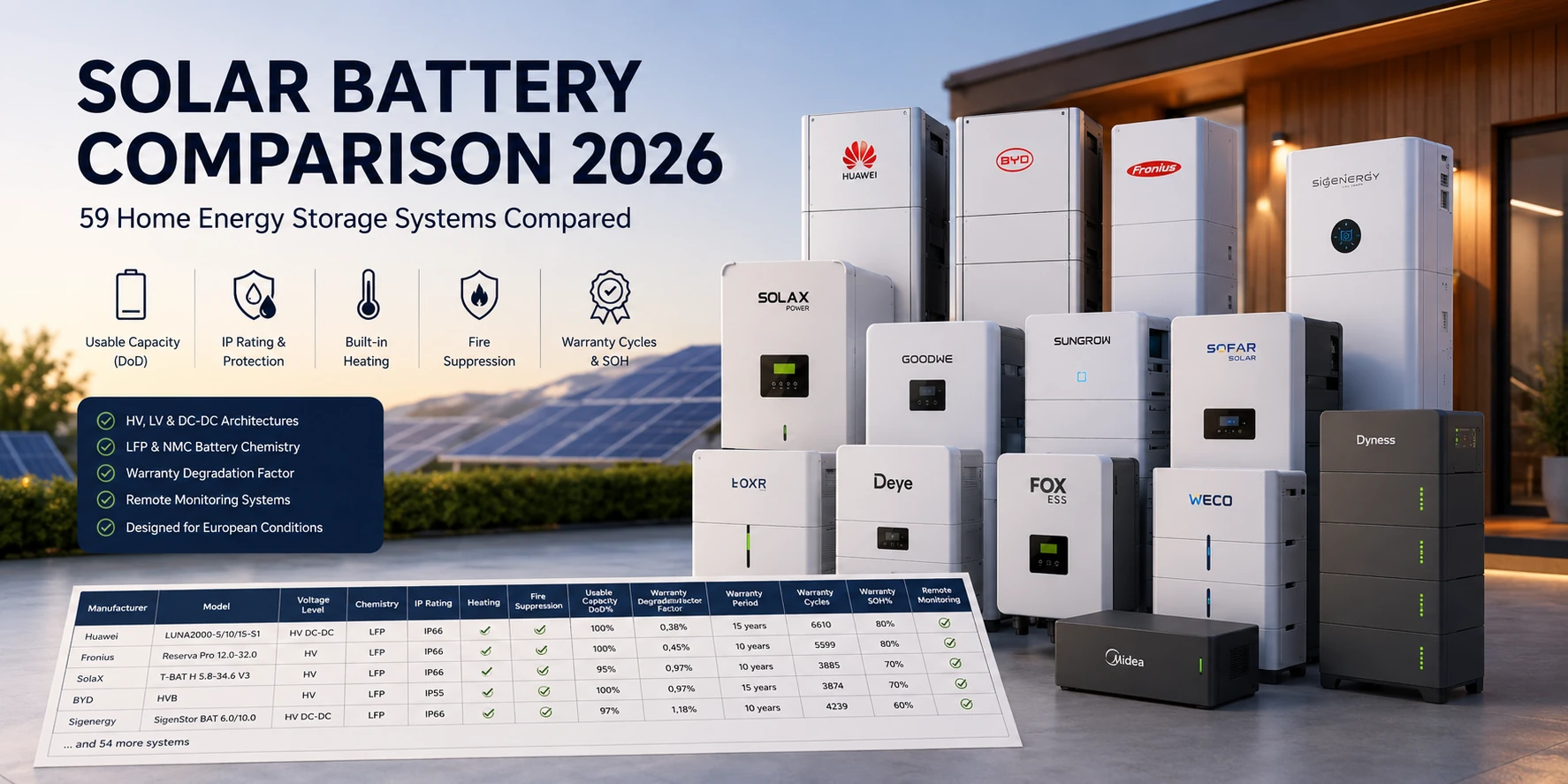
We focus on major brands like Huawei, Victron, Fronius, Sungrow, Growatt, and Solaredge for inverters, and BYD, Pylontech, LG Chem, Tesla, and Sonnen for storage.
2. Inverter Matching Guide (2025-2026 Europe)
When selecting a solar inverter, proper compatibility with the PV array is critical. An incorrectly paired inverter can cause efficiency losses, system faults, and even permanent equipment damage. Below are the core technical parameters every installer and solar retailer should verify during design and sales consultations.
Important Inverter Parameters Explained
| Parameter | Description & Installer Notes |
|---|---|
| Max PV Input Voltage (Voc) | The maximum voltage the inverter’s DC input can handle. The combined open-circuit voltage of the modules in a series string must not exceed this, especially during cold mornings when voltages peak. Use temperature-corrected Voc. |
| MPP (Maximum Power Point) Voltage Range | This is the voltage window where the inverter harvests the most energy. Ensure that your string voltage during normal operating conditions falls within this range — otherwise, the inverter will not work efficiently. |
| Input Current (DC) | Based on the short-circuit current (Isc) of the solar modules multiplied by the number of parallel strings. Never exceed the inverter’s maximum input current, or it will clip or shut down during high irradiance. |
| AC Output Rating | Must match the system size and grid configuration (single-phase or three-phase). This affects whether the system can export to the grid or operate in backup mode. Oversizing by up to 30% DC-to-AC is generally acceptable for European climates. |
| Number of MPPTs | Installers should prefer inverters with multiple MPPT trackers if roof orientations vary (e.g., east-west). This increases system yield and design flexibility. |
| Communication Ports | Check if RS485, CAN bus, or Wi-Fi is needed for integration with batteries or monitoring systems. Also validate if firmware updates are available or needed. |
Brand Match Examples – Solar Modules & Inverters
Here is a compatibility table featuring popular PV modules and inverter models, including brand-specific considerations.
| PV Module Brand | Compatible Inverter Series | Max Voc (per string) | Installer Notes |
|---|---|---|---|
| Longi Hi-MO 5 | Fronius Symo GEN24, SMA Sunny Tripower | 1000V | Use MC4 inline fuses if string Isc exceeds 15A. Suitable for 3-phase homes. |
| Trina Vertex S+ | Sungrow SG series, GoodWe DNS | 1100V | In cold climates, reduce module count per string to avoid overvoltage. |
| REC Alpha Pure-R | Solaredge HD-Wave, Solaredge Energy Hub | N/A (optimizers required) | Use S440/S500 optimizers. Only compatible with Solaredge inverters. |
| JA Solar DeepBlue 3.0 | Growatt MOD series, Huawei SUN2000 | 1100V | Ensure module strings are balanced. Monitor string mismatch carefully. |
| Jinko Tiger Neo | Victron Multiplus-II (via MPPT) | Varies (external controller) | Use SmartSolar MPPT for off-grid and hybrid systems. Add GX device for monitoring. |
Pro Tip: Always check the inverter manufacturer’s string sizing calculator for accurate design, especially in multi-roof or split-azimuth configurations.
How to Use This in Practice
Start with the modules: Get the Voc, Isc, and temperature coefficients from the datasheet.
Calculate worst-case voltage: Multiply Voc by the number of modules in series, adjusted for lowest temperature.
Choose the inverter: Match the voltage range and current rating accordingly.
Check grid rules: Make sure the inverter complies with local DNO requirements (e.g., VDE-AR-N 4105 in Germany, G99 in the UK).
Confirm firmware and solar battery compatibility: Especially critical if you’re using hybrid inverters or planning energy storage.
Installer Best Practices
String Design: Keep each MPPT input balanced. Avoid mixed orientations unless MPPTs are isolated.
Firmware Updates: Always check for and apply firmware updates to maintain compatibility with new panels or batteries.
Overclocking: It’s often acceptable to oversize the PV array by 10–30% over the inverter AC rating to maximize output in less-than-ideal conditions.
Shading Considerations: Use inverters with shade management algorithms or consider microinverters if shading is unavoidable.
3. Battery Compatibility Guide for Installers and B2B (Europe 2025)
Why Battery Compatibility Matters
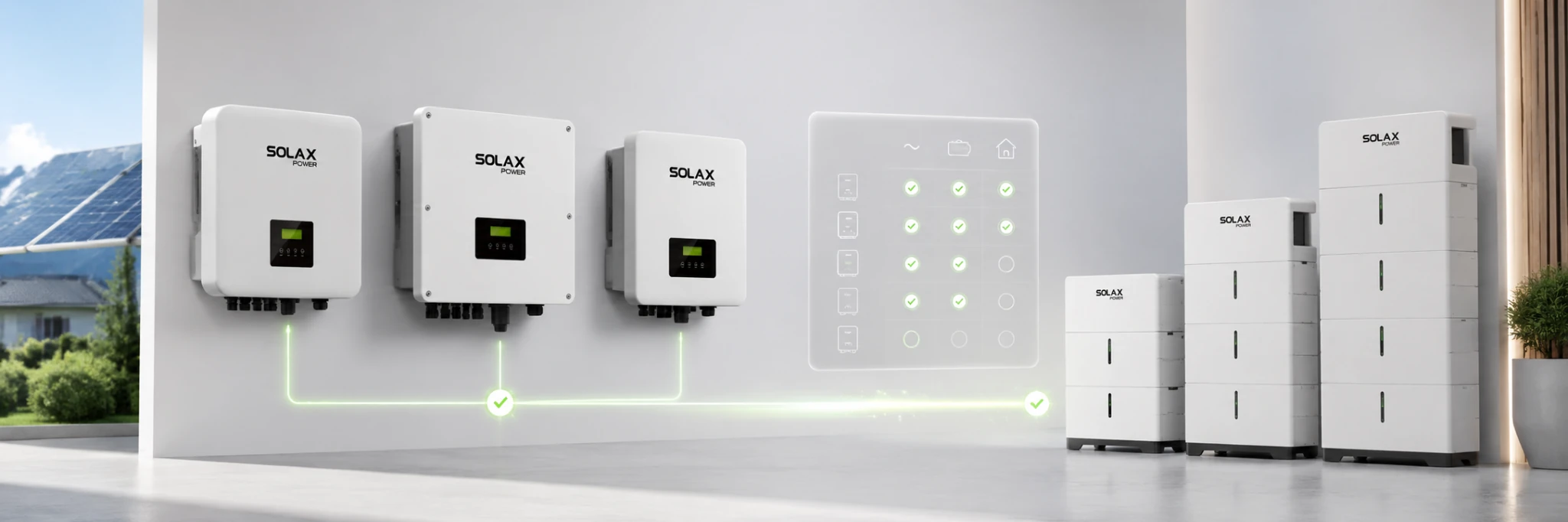
Battery storage is becoming central to modern solar PV systems in Europe. Whether for self-consumption, time-of-use optimization, or full backup capabilities, the wrong battery-inverter pairing can cause system instability, non-communication errors, and even permanent warranty voids.
Unlike PV modules, solar batteries integrate with inverters on both electrical and data communication levels. This makes compatibility more than a plug-and-play decision.
Read more about solar battery compatibility here.
Key Battery-Inverter Compatibility Considerations
| Parameter | Installer Guidelines |
|---|---|
| Nominal Voltage (V) | Must fall within the inverter’s DC input battery range (commonly 48V, 400V, or high-voltage stackable systems). A mismatch can damage the inverter or battery. |
| Communication Protocols | Common protocols are CAN bus and RS485. These allow the battery BMS to sync with the inverter. Incompatible protocols = no communication = no control. |
| Firmware Compatibility | Some inverters require a specific firmware version or even licensed integration (e.g., SMA Sunny Boy Storage with BYD). Always confirm the latest firmware and integration list. |
| Parallel/Stackable Design | Important for scalability. Check how many modules can be stacked or paralleled per inverter. This impacts sizing flexibility for residential vs. commercial projects. |
| Integrated BMS Support | Only install batteries with certified BMS integration into your inverter’s OS. Without this, monitoring, control, and warranty may fail. |
Popular Battery & Inverter Match Table (2025 B2B Reference)
| Battery Brand / Series | Compatible Inverters | Communication | Parallel Capability | Installer Notes |
|---|---|---|---|---|
| BYD Battery-Box HVS / HVM | Fronius GEN24, Victron Multiplus, SMA Sunny Island | CAN | Yes (up to 64 modules depending on inverter) | Requires Battery-Box Control Unit (B-Box Manager). Install vertically; ensure firmware v4.1+. |
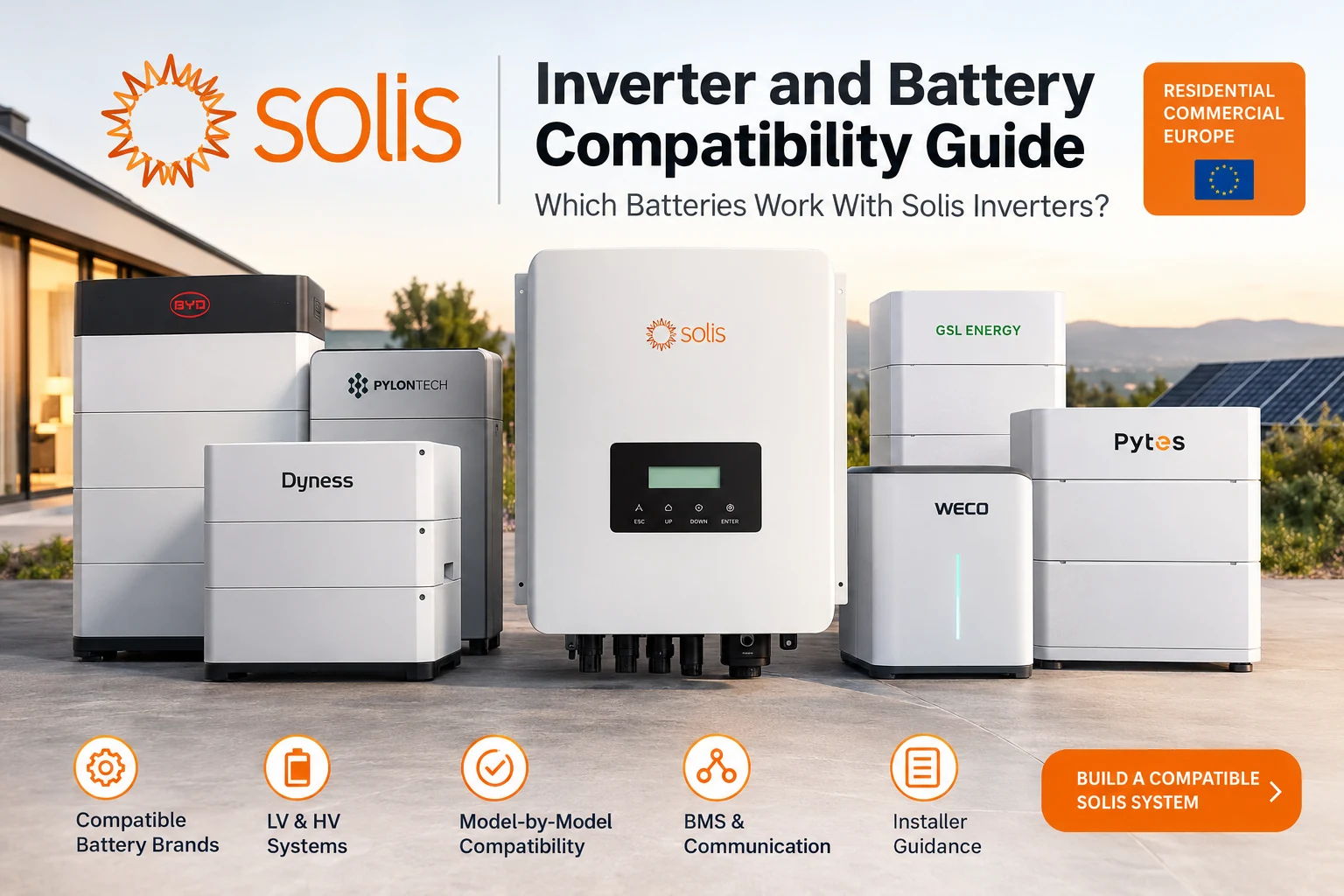
| Pylontech US2000C / US3000C | Victron (with GX device), Solis Hybrid, Growatt SPH | RS485 or CAN | Yes (stackable up to 16 units) | Use Victron’s Venus OS for full communication. Configure DIP switches for correct protocol. |
| LG Chem RESU 10H / 13H | Solaredge Energy Hub, SMA SBS 2.5 | CAN | No (single unit) | High-voltage battery with strict inverter list. Not backward compatible with older RESU models. |
| Tesla Powerwall 2 | Tesla Gateway 2/3 (AC-coupled only) | Proprietary | Yes (up to 10 units) | Closed ecosystem. Cannot be integrated with third-party inverters. Suitable for retrofit and new build. |
| SonnenBatterie eco / hybrid | Sonnen Hybrid Inverter, SMA | Proprietary / CAN | Yes | Preconfigured solution with built-in BMS and inverter. Not modular—sold as a system. |
| Huawei Luna2000 | Huawei SUN2000 Hybrid Series | CAN | Yes (stackable in 5kWh blocks) | Communication via Huawei Smart Dongle required. Remote monitoring via FusionSolar. |
Practical Compatibility Tips for Installers
Use only whitelisted brands: Most hybrid inverter manufacturers release verified compatibility lists. Do not assume open compatibility.
Update firmware first: Many compatibility errors occur due to outdated firmware. Always flash to the latest stable version.
Follow cabling pinouts: CAN and RS485 wiring differs by battery brand. Mixing TX/RX leads results in silent failure.
Install communication cables before energizing: Some inverters require a communication handshake at power-up to recognize the battery.
4. Module and Inverter Voltage Matching: Design Essentials for Europe (2025)
Proper voltage design is a foundational principle of safe and efficient solar installations. A mismatch between your string voltage and inverter voltage capacity can lead to inverter shutdowns, component degradation, or even complete system failure—especially during seasonal extremes.
This section guides installers and B2B retailers in calculating and verifying voltage compatibility between PV modules and string inverters.
How String Voltage Works
The string voltage is calculated as:
String Voltage = (Number of Modules in Series) × Voc (Open Circuit Voltage)
This must always remain below the inverter’s Max DC Input Voltage (often 600V, 1000V, or 1100V) — even under extreme cold conditions, when module voltage spikes.
Temperature Correction for Cold Climates
Modules generate higher voltages in cold weather. Therefore, a correction factor must be applied to avoid overvoltage events.
Example Calculation: Northern Europe (Cold Climate Design)
Module: Longi Hi-MO5
Voc (Standard Test Conditions): 49.3V
Minimum Ambient Temp: –15°C
Temperature Coefficient: –0.28%/°C
Delta Temp: 25°C – (–15°C) = 40°C
Correction Factor: 49.3 × [1 + (0.0028 × 40)] ≈ 54.8V
Max Safe Modules in Series (for 1000V inverter):
→ 1000 / 54.8 ≈ 18 modules
✅ Design Tip: Always round down when calculating module count per string. This accounts for voltage variability and manufacturing tolerances.
Installer Checklist for Voltage Matching
✅ Always reference real datasheets — not marketing specs
✅ Apply temperature-adjusted Voc in all northern and alpine regions
✅ Don’t mix modules of different brands or wattages in the same string
✅ Verify MPP voltage range is covered during expected operating hours
✅ Use inverter manufacturer’s string configuration tools (Fronius, Huawei, Solis, etc.)
5. Connector, Cabling, and Mounting: Hardware Compatibility Matters
Component-level compatibility isn’t just about electrical ratings — it’s also about physical interfaces and long-term durability. Small oversights in connectors or mounts can lead to arcing, fire hazards, and premature system failure. This section outlines the key rules for PV hardware interconnection.
Connectors: MC4 Isn’t Always MC4
While most solar panels ship with MC4-compatible connectors, these are not all equal. Mixing connector brands can lead to:
Arcing and thermal stress
Fire risk
Loss of warranty from manufacturers (especially Stäubli)
Inverter communication errors (in optimizer systems)
Approved Connector Guidelines:
| Brand | Pair Only With |
|---|---|
| Stäubli MC4 | Stäubli MC4 original only |
| Amphenol H4 | Amphenol only |
| Renhe MC4-EVO2 | Compatible with EVO2 types only |
| Generic MC4 (China) | Risk of mismatch – avoid mixing |
✅ Recommendation: Standardize on a single brand of connectors across projects. Maintain a stock of matching connectors for field adjustments.
Cabling: Compliant and Long-Lasting
All solar cabling in Europe must adhere to EN 50618 standards for insulation, UV resistance, and flexibility.
Installer Cabling Rules
Use UV-rated, double-insulated copper cable, minimum 4mm² cross-section
Scale up to 6mm² or 10mm² for:
Long cable runs (>20m)
Higher current strings (>12A)
Commercial/3-phase systems
Color coding: Red = Positive, Black = Negative (standard, but not mandatory)
Cable management: Use UV-resistant cable ties or solar clips — no zip ties
Mounting Systems: Structural Safety
PV modules must be mounted in compliance with Eurocode load standards, which vary by region based on snow and wind exposure.
Key Mounting Considerations
| Component | Specification |
|---|---|
| Frame Thickness | Ensure clamps support common sizes: 30mm, 35mm, 40mm |
| Rail Material | Use anodized aluminum or hot-dip galvanized steel for corrosion resistance |
| Fasteners | Use A2 or A4 stainless steel only — no carbon steel |
| Snow/Wind Loads | Reference EN 1991-1-4 and EN 1991-1-3 for site-specific loading |
| Pitch/Roof Type | Tile, trapezoidal, and flat roof kits require specific rail kits — never interchange mounting brackets |
✅ Best Practice: Always provide mounting engineers with detailed site data (roof type, height, wind zone) before final BOM selection.
By following the voltage, connector, and mounting guidance in this section, installers and B2B retailers can ensure system longevity, manufacturer compliance, and safety across all European installations — from small off-grid cabins to multi-MW commercial arrays.
6. European Standards and Compliance Tips (2025 Edition)
Why Compliance Is Non-Negotiable
In Europe, every grid-tied solar PV system—especially those with batteries—must comply with national and EU-wide grid codes, electrical safety standards, and installation directives. Failure to follow these rules can result in:
Denied grid connection
Insurance claim rejection
Hefty fines from regulatory bodies
Inverter disconnection by the DSO (Distribution System Operator)
Whether you’re an installer specifying equipment or a B2B retailer offering full kits, understanding the legal framework in your target market is essential for operational continuity.
🇪🇺 Regional Grid Standards Across Europe (2025 Reference Table)
| Country / Region | Key Grid Code / Standard | Overview and Installer Notes |
|---|---|---|
| Germany | VDE-AR-N 4105 | Required for all grid-connected PV systems under 135kW. Covers inverter certification, anti-islanding, reactive power control, and smart meter compatibility. Most major inverter brands (e.g., SMA, Fronius) are pre-certified. |
| Italy | CEI 0-21 (2024 Edition) | Now includes full provisions for energy storage systems (ESS), backup operations, and remote shutdown. Requires certified bidirectional meters and communication compliance for hybrid setups. |
| United Kingdom | G98 / G99 | G98 for systems ≤16A per phase; G99 for larger systems. Specifies exact conditions for grid export, frequency response, and DNO registration. Mandatory submission to ENA portal. |
| Spain | UNE 217001 & UNE 206006 | Requires inverter certification, surge protection, and adherence to voltage ride-through profiles. Emphasis on local protection (anti-islanding). |
| France | UTE C15-712-1 / Consuel | Hybrid and on-grid systems must be inspected and certified by Consuel before commissioning. Only certified electricians may sign off grid connection forms. |
💡 Tip: Many national authorities align with EN 50549-1/2 (the harmonized EU standard for decentralized generators). Always check for local additions.
Best Practices for Installers & Resellers
To avoid delays, system rejection, or safety issues, follow these proven compliance steps:
✅ 1. Register All Grid-Connected Systems
Submit declarations and diagrams to your country’s DSO or national grid authority
Use portals like the ENA (UK), GSE (Italy), or BNetzA (Germany)
✅ 2. Use Only Certified Installers
Many EU countries require proof of certified installation for grid connection and subsidy eligibility
Certified professionals are also required for:
Commissioning hybrid systems
Submitting installation reports
Claiming feed-in tariffs or tax incentives
✅ 3. Ensure Communication Protocol Documentation
Especially critical for hybrid or storage systems
Document:
CAN/RS485 setup
Battery/inverter handshake
Firmware versions
Without proper documentation, systems may fail commissioning tests or violate warranty terms
✅ 4. Keep Compliance Certificates On File
Maintain records for:
Inverter CE declaration
EMC compliance
Surge protection (SPD) specs
Mounting system structural certifications
Grid code certificates (e.g., VDE-AR-N 4105)
For Retailers: Provide downloadable PDF compliance certificates on your product detail pages to support your B2B installer customers and simplify their DSO approval process.
Bonus Tip for Solar Installers: Watch for Local Variations
Even within a country, DSO-specific requirements may vary. Some distribution network operators require:
Remote control interfaces (for curtailment)
Export limiting hardware
Zero-export declarations
Always confirm site-specific interconnection rules before finalizing a system design or BOM.
7. Recommended Tools and Resources
Victron VRM: Remote system monitoring
Fronius Solar.configurator: Array design tool
Sungrow iSolarCloud
PVSol / Helioscope: System simulation tools
PVGIS: Yield estimate across Europe
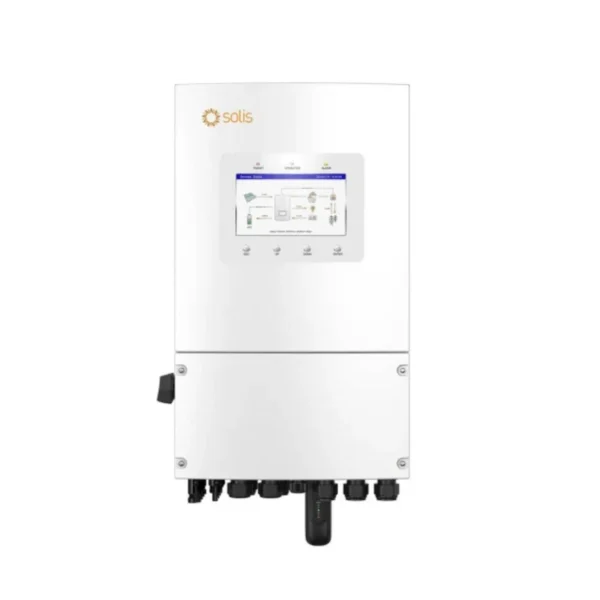

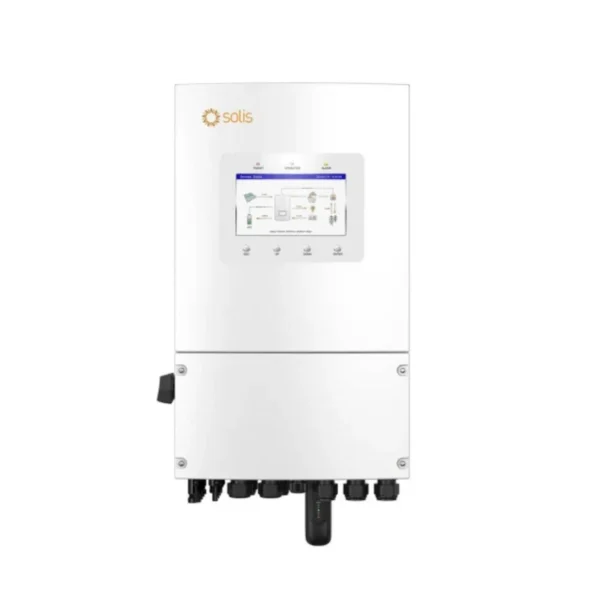
Solis S6-EH1P3.6K-L-PLUS 3.6 kW Single-Phase Low-Voltage Hybrid Solar Inverter
In stock
New: 739.88 €
0%
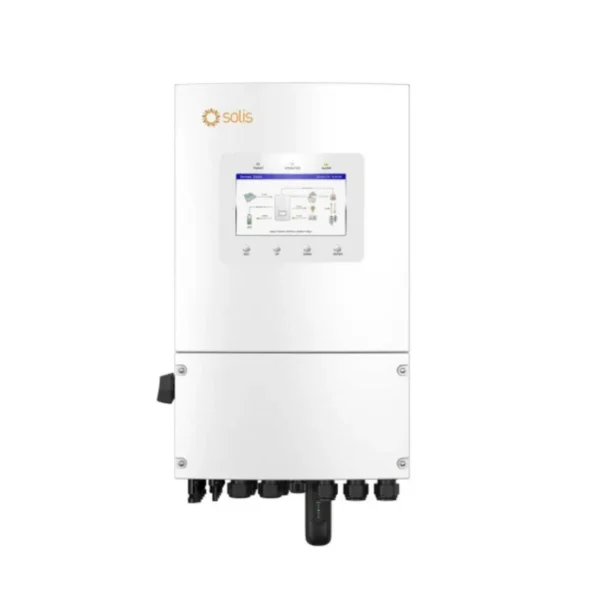
Solis S6-EH1P4.6K-L-PLUS 4.6 kW Single-Phase Low-Voltage Hybrid Solar Inverter
Available on backorder
New: 749.88 €
0%
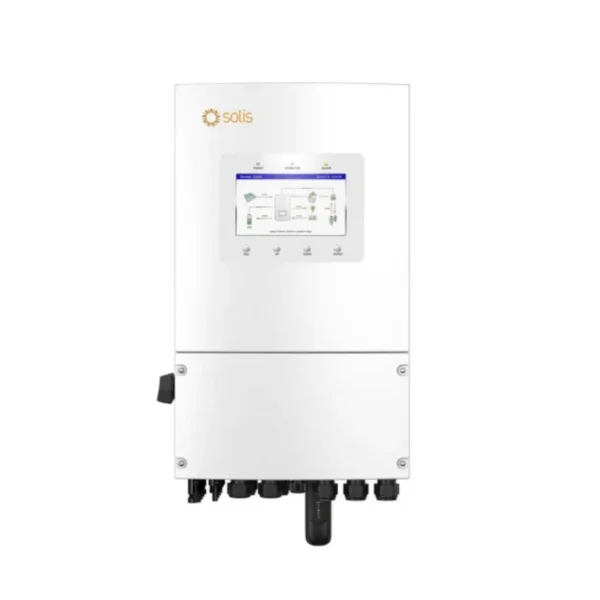
Solis S6-EH1P5K-L-PLUS 5 kW Single-Phase Low-Voltage Hybrid Solar Inverter
Available on backorder
New: 769.88 €
0%
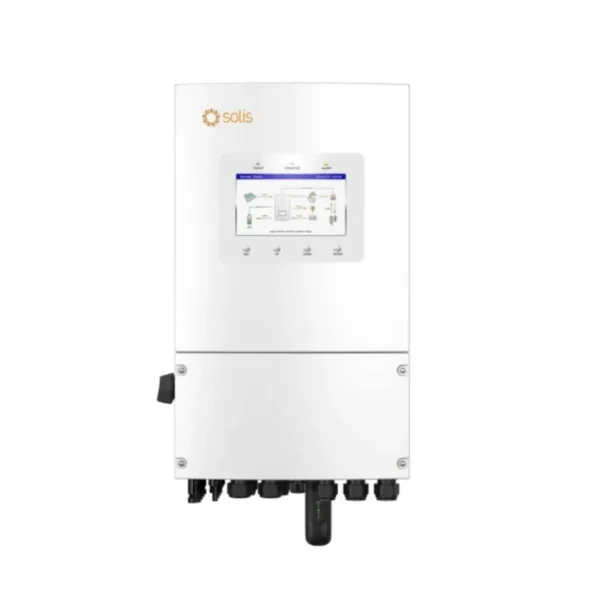
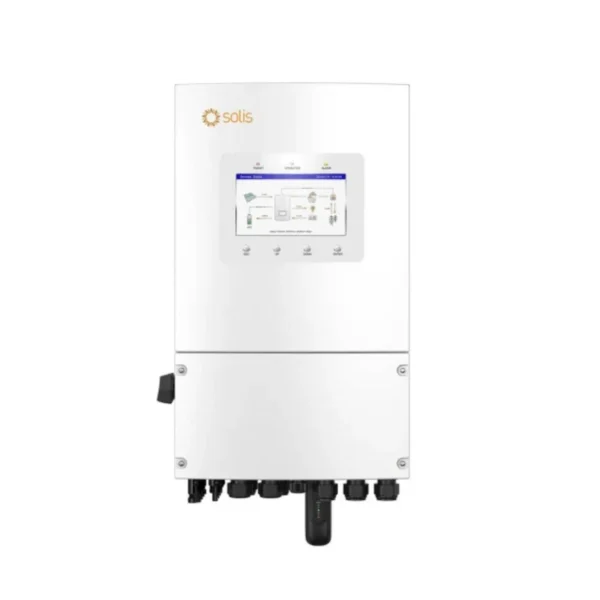
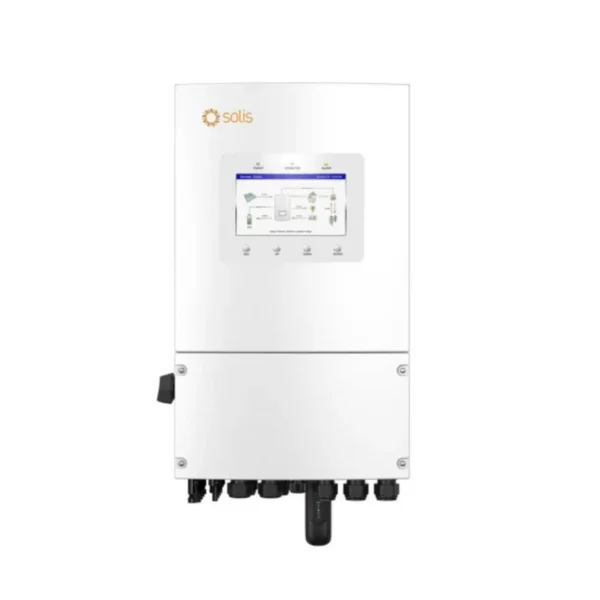
Solis S6-EH1P10K-L-PLUS 10 kW Single-Phase Low-Voltage Hybrid Solar Inverter
In stock
New: 1491.88 €
0%
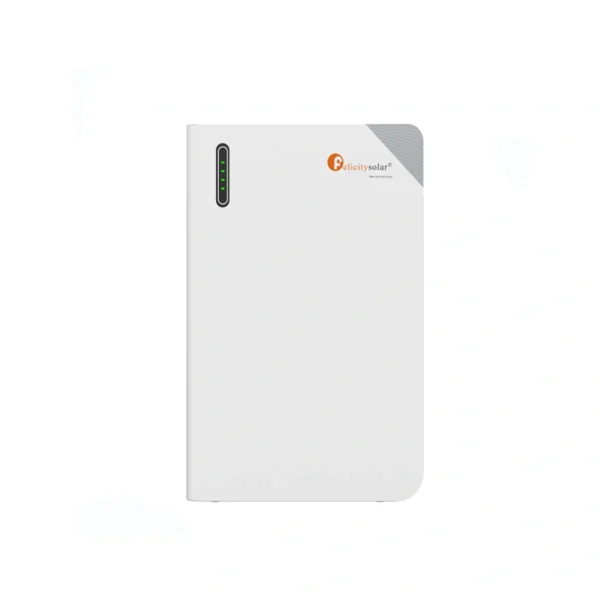

Final Advice for Installers and B2B Retailers
Always cross-check technical datasheets and compatibility charts from the manufacturer before final purchase or installation. Use official integration guides when available and confirm if firmware updates are required, especially for batteries and inverters.
If you’re reselling components, provide clear compatibility documentation to reduce return rates and increase installer satisfaction. Include printed or PDF charts and QR links to this page for reference during installations.
For installation, commissioning and troubleshooting videos visit 3Buy #Solar & #Wind for #Installer and #DIY – YouTube.