EV Accessories and Mounting


Wholesale Solar, Install it Your Way – Buy Residential Solar Panels, Inverters, Batteries and Home Energy Storage
3Buy Solar helps homeowners across Europe source professional-grade solar equipment for residential PV projects. Whether you are building a new home, upgrading an existing rooftop solar system, replacing an inverter, adding battery storage or preparing an off-grid setup, our webshop gives approved homeowners access to the same type of solar panels, inverters, batteries, energy storage systems and accessories used by professional installers.
We are not a standard retail solar shop. 3Buy Solar operates as a solar PV supplier and solar wholesaler, which means homeowners must register and be approved before accessing certain products, pricing and purchasing options. This protects the wholesale structure of the platform while still giving serious residential buyers a direct route to certified solar equipment, technical product information and professional support.
Once approved, homeowners can browse a wide catalogue of residential solar products, including PV modules, hybrid inverters, string inverters, solar batteries, lithium energy storage systems, off-grid components, EV chargers, MPPT charge controllers, mounting-related accessories and complete solar kits. You can source products for a new installation, a system upgrade, a battery retrofit or a replacement project with more transparency than a typical retail bundle.
For many homeowners, solar is no longer only about reducing electricity bills. It is about energy independence, backup power, self-consumption, electric vehicle charging, long-term savings and control over future energy costs. 3Buy Solar helps you build a system around your actual home, roof, consumption profile and budget instead of forcing you into a generic one-size-fits-all package.
Why Homeowners Choose 3Buy Solar Over Retail Solar Shops
A home solar system should be built around your property, not around a generic kit. Roof size, shading, household electricity use, inverter type, battery capacity, grid rules and future expansion plans all affect the right product choice.
3Buy Solar gives homeowners access to professional product categories normally used by installers and EPCs. Instead of buying an off-the-shelf retail bundle, you can choose a more flexible system path: solar panels only, inverter replacement, hybrid inverter and battery, complete solar kit, off-grid solution or energy storage upgrade.
Homeowners choose 3Buy Solar because they want:
- Access to certified solar panels and PV modules
- Hybrid inverters for battery-ready home systems
- Solar batteries for self-consumption and backup power
- Complete solar kits for residential installations
- Technical product information before purchase
- Compatibility guidance where available
- European delivery depending on product and destination
- No forced one-size-fits-all retail package
- Support before and after the order
- A route to professional-grade equipment without unnecessary retail markup
This is especially useful for homeowners who already work with a local installer, have technical knowledge, are planning a new build, or want to prepare a system specification before requesting installation quotes.
Wholesale Solar Access for Approved Homeowners
Buying residential solar equipment can be confusing. Retail solar shops often sell pre-packed kits that may not match your roof, inverter requirements, storage goals or local grid conditions. Installer-only distributors usually do not allow private homeowners to order directly. 3Buy Solar sits between these two models by giving approved homeowners controlled access to professional solar products.
This means you can compare solar panels, inverters, batteries and complete kits with more technical detail, stronger product visibility and clearer sourcing options. You still need to respect local installation rules, electrical safety requirements and grid connection regulations, but you are no longer limited to basic retail packages with inflated pricing and limited transparency.
Approved homeowners can use 3Buy Solar to source products for:
- Residential rooftop solar systems
- Hybrid solar systems with battery storage
- Solar battery upgrades
- Inverter replacements
- Off-grid homes and rural properties
- EV charger integrations
- Backup-ready home energy systems
- Self-consumption projects
- Garage, farmhouse and outbuilding PV systems
- Complete residential solar kits
The platform is designed for homeowners who want better control over product choice while still having access to documentation, compatibility information and support.
What You Get When You Register
After homeowner approval, you can access a broader product selection and purchasing experience than a typical retail solar shop. The platform is built for buyers who want transparency, not guesswork.
Registered homeowners may access:
A wide catalogue of residential solar products
Solar panels, inverters, batteries, storage systems and accessories
Product pages with technical data where available
Datasheets, manuals, warranty information and compatibility details where provided by manufacturers
Live stock or availability information where listed
Professional-grade product categories used by installers
Support for inverter and battery matching where available
Access to complete solar kit options
Delivery options depending on product, destination and order size
B2B-style pricing or approved buyer pricing where applicable
This gives you more control over your solar project. You can compare products, understand technical differences and plan your purchase more carefully before committing to installation.
Approval is important because 3Buy Solar is not designed as a casual retail marketplace. Solar equipment must be selected responsibly, especially when batteries, inverters, grid connection and electrical safety are involved.
Residential Solar Systems We Support
Every home is different. A small urban rooftop, a large rural property, a farmhouse, a new-build home and an off-grid cabin all need different solar system designs. 3Buy Solar supports product sourcing for several residential use cases.
Rooftop Solar Panel Systems
A standard residential rooftop system usually includes solar panels, a grid-tied inverter, mounting-related components, protection devices, cabling and monitoring equipment. These systems are designed to generate electricity during the day and reduce grid consumption.
Homeowners should consider roof direction, roof angle, shading, available space, panel dimensions, inverter size and local grid connection requirements before choosing products.
Hybrid Solar Systems with Battery Storage
Hybrid systems combine solar panels with a hybrid inverter and solar battery storage. This allows excess solar energy to be stored for later use, increasing self-consumption and reducing dependence on grid electricity.
Hybrid systems are popular for homeowners who want more control, better evening energy use and the option to prepare for backup power depending on system design and local rules.
Solar Battery Add-Ons
If you already have a grid-tied solar system, adding a battery may help store surplus energy instead of exporting it to the grid. Battery retrofits require careful compatibility checks because not every battery works with every inverter.
Before ordering a solar battery, check inverter compatibility, voltage class, BMS communication, usable capacity, installation location, warranty terms and monitoring requirements.
Inverter Replacements, Retrofit and Upgrades
Older inverters may fail, lose efficiency or lack modern monitoring and battery compatibility. Replacing an inverter can extend the useful life of an existing PV system or prepare it for future storage.
When choosing a replacement inverter, homeowners and installers must check string voltage, AC output, MPPT range, grid compliance, monitoring platform and compatibility with the existing solar panel array.
Off-Grid and Rural Solar Systems
Off-grid systems are used for cabins, farms, rural homes, outbuildings, mobile applications and properties with unreliable grid access. These systems require more careful sizing because the battery and inverter may carry the full electrical load.
Off-grid buyers should calculate daily consumption, seasonal solar production, battery autonomy, backup generator needs, system voltage and expansion potential before purchasing.
Solar Plus EV Charging
Many homeowners now combine solar PV with EV charging. This can increase self-consumption and reduce the cost of charging an electric vehicle at home.
A solar-ready EV charging setup should consider charger power, home electrical capacity, smart charging features, monitoring, load management, solar surplus charging and future battery storage plans.
Solar Panels for Homeowners
Solar panels are the foundation of most residential PV systems. The best panel for your home depends on roof size, appearance, budget, output requirements, warranty expectations and system design.
Approved homeowners can source PV modules and solar panels for residential rooftops, garages, outbuildings, carports and larger home energy projects. Depending on current availability, options may include all-black modules, bifacial solar panels, glass-glass panels, N-type modules, high-output panels and other residential PV modules.
When comparing solar panels, check:
- Power output
- Panel dimensions
- Module efficiency
- Cell technology
- Product warranty
- Performance warranty
- Degradation rate
- Weight and mounting compatibility
- Visual appearance
- Certification and datasheets
- Stock availability and delivery options
A higher wattage panel is not always automatically the best choice. The right module must fit the roof, the inverter design and the installation requirements.
Solar Inverters for Home Systems
The inverter converts the electricity generated by your solar panels into usable power for your home. It also affects monitoring, grid connection, system efficiency and battery compatibility.
Residential systems may use different inverter types depending on the project:
- String inverters for standard rooftop solar systems
- Hybrid inverters for solar plus battery storage
- Off-grid inverters for remote properties
- Inverter chargers for backup and battery systems
- Microinverters or optimizers for complex roofs or shading
When choosing an inverter, check DC input range, MPPT design, AC output, grid approval, monitoring app, warranty, battery compatibility and installation environment.
For battery-ready homes, a hybrid inverter is often the most future-proof choice because it can manage both solar production and battery storage. However, the battery must be compatible with the inverter, and the system must be installed according to manufacturer and local grid requirements.
Solar Batteries and Home Energy Storage
Solar batteries allow homeowners to store excess solar energy for later use. This can improve self-consumption, reduce grid dependence and support backup-ready system designs where allowed and correctly installed.
Home battery storage is useful for:
- Using solar energy in the evening
- Reducing grid imports
- Preparing for future energy price changes
- Supporting backup power designs
- Improving self-consumption
- Adding storage to an existing PV system
- Building hybrid solar systems
Depending on current availability, homeowners can source low-voltage batteries, high-voltage batteries, modular lithium batteries, wall-mounted batteries, rack-mounted batteries and complete battery-inverter solutions.
Before choosing a solar battery, check:
- Usable capacity
- Voltage class
- Battery chemistry
- Cycle life
- BMS communication
- Inverter compatibility
- Scalability
- Warranty terms
- Installation location
- Backup requirements
- Monitoring options
Battery compatibility is one of the most important checks in any residential storage project. A battery may be technically strong, but it must communicate correctly with the selected inverter.
Complete Solar Kits for Homeowners
Complete solar kits can make system planning easier when the components are selected correctly. A residential solar kit may include solar panels, inverter, battery storage, cables, protection components, monitoring and accessories depending on the system type.
A complete kit can be useful if you want a clear starting point for:
- A new rooftop PV system
- A solar plus battery installation
- A backup-ready home system
- An off-grid cabin or rural property
- A garage or outbuilding installation
- A repeatable system design with an installer
A good solar kit should not be chosen by price alone. It should match your roof, energy consumption, inverter requirements, battery goals and installation conditions. If the system will connect to the grid, it must also meet local grid and electrical requirements.
3Buy Solar gives homeowners access to flexible product combinations instead of forcing every buyer into the same pre-packed retail bundle.
Need Help Choosing? Technical Support for Homeowners
Choosing solar equipment can be technical, especially when batteries, hybrid inverters, grid compliance or existing systems are involved. 3Buy Solar helps homeowners understand product selection and compatibility where available, but final installation and grid connection should always be handled according to local regulations by a qualified professional where required.
Support may help with:
- Inverter and battery matching
- Understanding voltage classes
- Reading datasheets
- Checking product compatibility
- Reviewing battery communication requirements
- Understanding monitoring options
- Planning storage upgrades
- Preparing questions for your installer
- Avoiding common purchasing mistakes
The most important rule: do not buy a battery, inverter or complete kit only because it looks powerful or affordable. The system must be compatible, safe and suitable for your home.

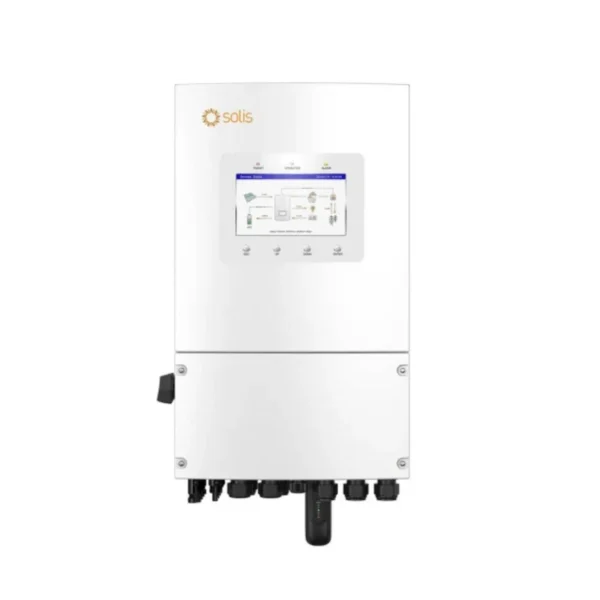

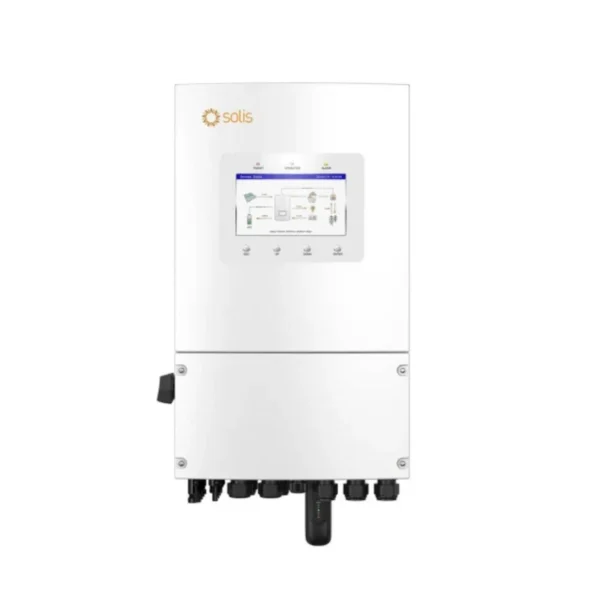
Solis S6-EH1P3.6K-L-PLUS 3.6 kW Single-Phase Low-Voltage Hybrid Solar Inverter
In stock
New: 739.88 €
0%
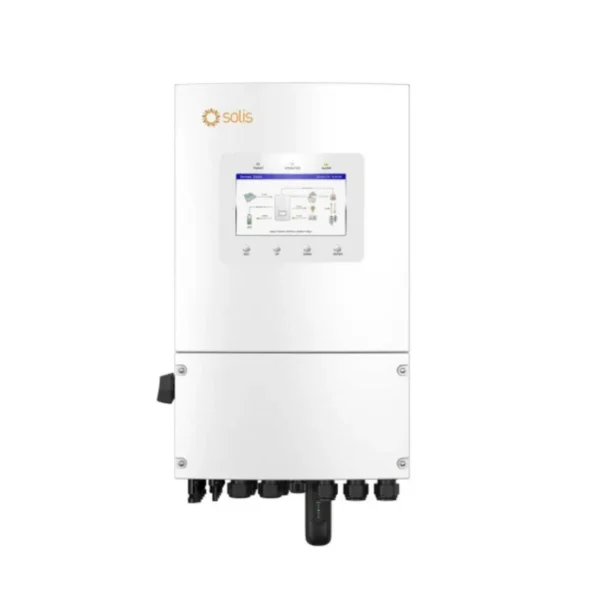
Solis S6-EH1P4.6K-L-PLUS 4.6 kW Single-Phase Low-Voltage Hybrid Solar Inverter
Available on backorder
New: 749.88 €
0%
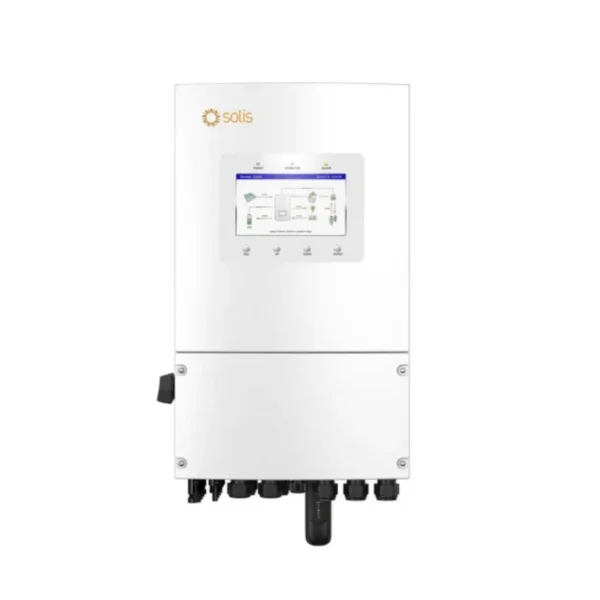
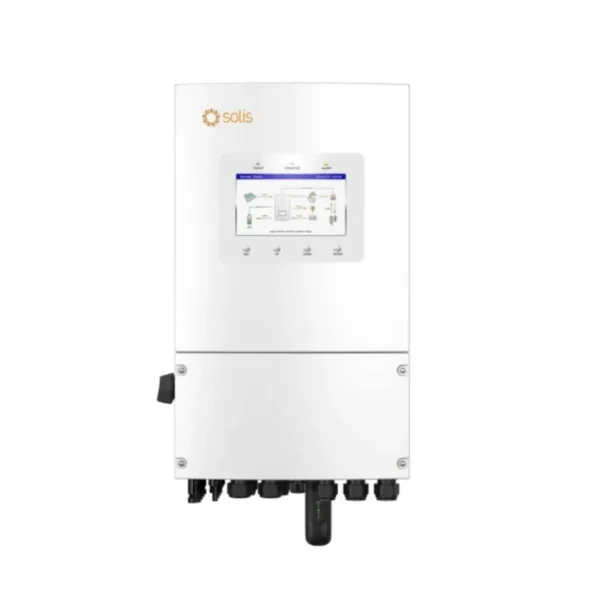
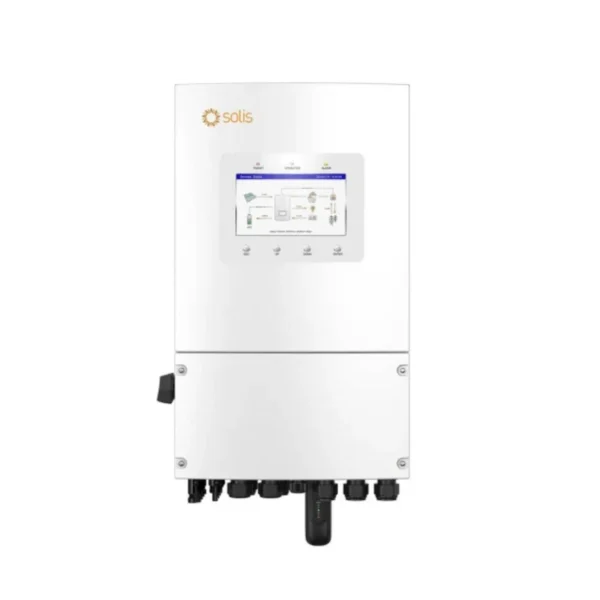
Solis S6-EH1P5K-L-PLUS 5 kW Single-Phase Low-Voltage Hybrid Solar Inverter
Available on backorder
New: 769.88 €
0%
Need Help Choosing? Technical Support for Homeowners
Choosing solar equipment can be technical, especially when batteries, hybrid inverters, grid compliance or existing systems are involved. 3Buy Solar helps homeowners understand product selection and compatibility where available, but final installation and grid connection should always be handled according to local regulations by a qualified professional where required.
Support may help with:
- Inverter and battery matching
- Understanding voltage classes
- Reading datasheets
- Checking product compatibility
- Reviewing battery communication requirements
- Understanding monitoring options
- Planning storage upgrades
- Preparing questions for your installer
- Avoiding common purchasing mistakes
The most important rule: do not buy a battery, inverter or complete kit only because it looks powerful or affordable. The system must be compatible, safe and suitable for your home.
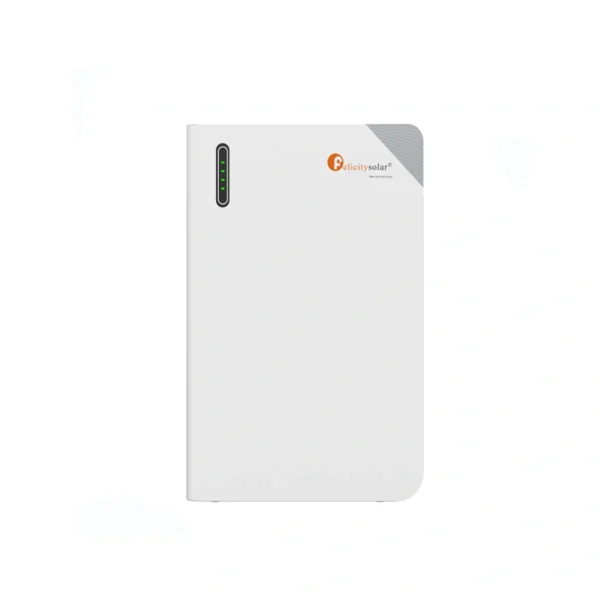

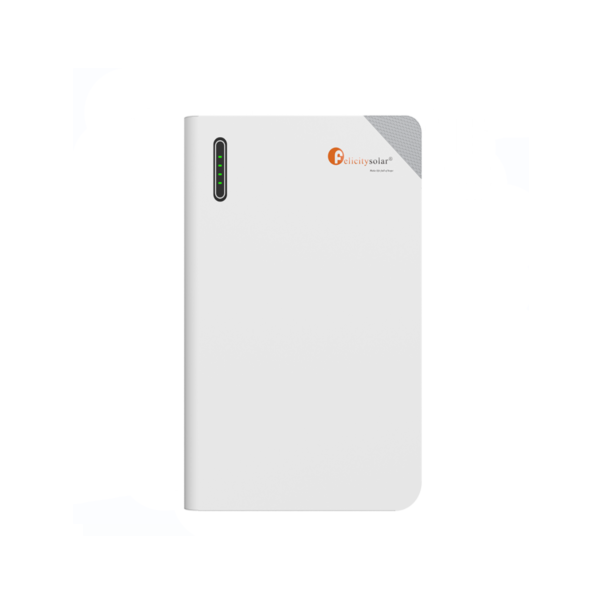
Felicity Solar FLB48230WG1-H 11.7kWh 51.2V 230Ah IP65 LiFePO4 Solar Battery
In stock
New: 1379.88 €
0%
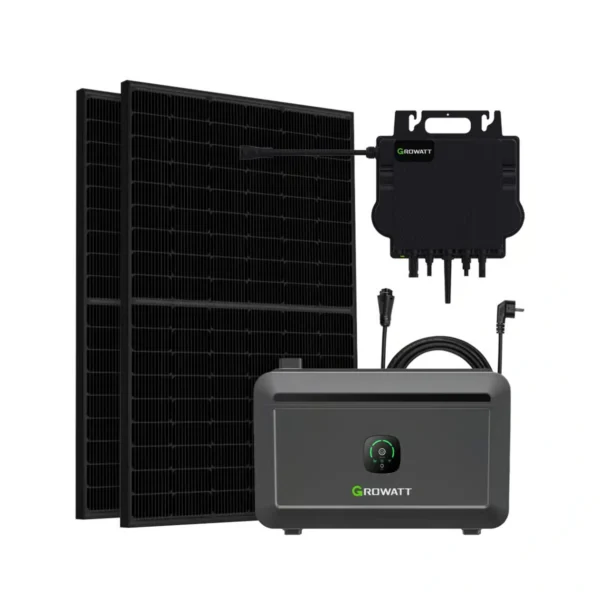

Growatt 900 Wp Balcony Power Plant with Energy Storage Unit – NEO 800M-X & NOAH2000
In stock
How to Get Started
Create Your Homeowner Account
Register for access to the platform. Approval is required because 3Buy Solar operates as a solar PV wholesaler and professional procurement webshop. Once approved, you can access available products, pricing options and purchasing features depending on your account status.
Browse and Compare Products
Compare solar panels, inverters, batteries, energy storage systems, EV chargers, accessories and complete solar kits. Use technical information, product categories and filters to narrow the selection based on your home and project type.
Confirm Compatibility
Before ordering, confirm that the selected components fit your system design. Check inverter limits, battery compatibility, voltage class, installation manuals, datasheets, local grid rules and warranty conditions.
Place Your Order or Work With an Installer
You can order approved products through the webshop or work with a qualified installer to complete the project. For grid-connected systems, professional installation is usually the safest and most compliant route.
Lifetime Support for Solar Products Supplied by 3Buy Solar
Solar value does not end at checkout. Homeowners may need help later with monitoring, expansion, firmware questions, battery communication, inverter replacement or system upgrades.
For products purchased through 3Buy Solar, support may include guidance with product documentation, compatibility questions, future expansion planning and troubleshooting direction where available. This is especially useful when adding battery storage later or upgrading an existing system.
Ongoing support can help with:
- Monitoring and performance questions
- Battery expansion planning
- Inverter replacement considerations
- Firmware and communication questions
- Compatibility checks for future upgrades
- Product documentation
- Troubleshooting direction
Solar systems are long-term investments. Having access to product support and documentation can make future upgrades easier.
Keeping Your Home Solar System Running Smoothly
A well-installed solar system usually requires limited day-to-day attention, but regular checks can help maintain performance and avoid surprises.
Homeowners should:
- Keep panels reasonably clean and free from heavy debris
- Monitor system production through the inverter or app
- Check for shading changes from trees or nearby buildings
- Review battery performance if storage is installed
- Keep inverter firmware and monitoring access up to date where recommended
- Watch for unusual system alerts
- Keep manuals and warranty documents accessible
- Ask a qualified installer to inspect the system if performance drops unexpectedly
Seasonal changes affect solar production. Lower winter yield does not automatically mean a fault. However, sudden drops, communication errors or inverter alerts should be checked.
How 3Buy Solar Compares with Traditional Solar Distributors
Many European solar distributors work mainly with installers, EPCs or registered trade buyers. Homeowners are often blocked from direct purchase or pushed toward retail packages with limited technical transparency.
3Buy Solar gives approved homeowners a more direct route to professional solar products while still keeping account approval and responsible purchasing in place.
Compared with a typical retail solar shop, 3Buy Solar offers:
- Access to professional-grade solar product categories
- Solar panels, inverters, batteries and complete kits in one webshop
- Technical product information where available
- A route to wholesale-style purchasing after approval
- Flexibility to work with your own installer
- Options for upgrades, replacements and system expansion
- Support for battery and inverter compatibility questions
Compared with installer-only distributors, 3Buy Solar allows verified homeowners to participate more actively in product selection and sourcing.
Supplier choice should be based on more than price. Documentation, compatibility, delivery, support and correct product selection matter just as much for a safe and reliable home solar system.
Compare 3Buy Solar to Leading Distributors
| Feature | 3Buy Solar (for Homeowners) | Solarkit | Energy3000 | Memodo | BayWa.re |
|---|---|---|---|---|---|
| Can Homeowners Purchase Directly? | ✅ Yes, with free approval | ❌ No | ❌ No | ❌ No | ❌ No |
| Lifetime Product & System Support | ✅ Included with every purchase | ❌ Not offered | ❌ Not offered | ❌ Not available | ❌ Not available |
| Free Technical Support | ✅ Included pre- & post-sale | ❌ Email only | ❌ For resellers | ❌ Installer-only | ❌ Installer-only |
| System Design (if installer selected) | ✅ Free with 3Buy Certified Installer | ❌ Not offered | ❌ Not offered | ✅ For partners | ✅ For partners |
| Access to Tier 1 Brands | ✅ JA, Growatt, Trina, BYD, Solis, etc. | ✅ Some | ✅ Some | ✅ Yes | ✅ Yes |
| Free EU Delivery (Mainland) | ✅ Most products, fast tracked | ❌ Often extra | ❌ Extra cost | ❌ B2B only | ❌ B2B only |
| Full Product Documentation | ✅ Always visible, downloadable | ❌ Partial | ❌ Behind login | ✅ With login | ✅ With login |
| No Minimum Order Quantity (MOQ) | ✅ Buy 1 unit or 1 pallet—your choice | ❌ Yes | ❌ Yes | ❌ B2B volume only | ❌ B2B only |
| Real-Time Stock Visibility | ✅ Open to all, no login required | ❌ Login needed | ❌ Login needed | ❌ Login needed | ❌ Login needed |
| Account Approval Time | ✅ < 24 hours | ❌ Not supported | ❌ Installer vetting | ❌ 2–5 days | ❌ 2–5 days |
Disclaimer:
Comparison based on publicly available information as of May 2025. Details may vary; please verify directly with each distributor. This table is for informational purposes only.
0% VAT, Incentives and Residential Solar Rules
Some European countries offer reduced VAT, 0% VAT, grants or tax incentives for residential solar panels, battery storage, heat pumps or energy efficiency upgrades. These rules vary by country, installation type, product category, installer status and invoice structure.
Homeowners should always check current national and local rules before purchase. Eligibility may depend on whether the system is installed by a certified installer, whether the property is residential, whether the invoice includes installation, the system size, and the applicable tax rules at the time of purchase.
Before ordering, check:
- Current VAT rules in your country
- Whether installation must be included
- Whether battery storage is covered
- Whether the installer must be certified
- Whether grid approval is needed
- Whether grants or local subsidies apply
- What documentation is required
3Buy Solar can help you source products, but tax eligibility and subsidy approval must always be verified with your installer, accountant or national authority.
As of 2025, several EU countries and the UK offer 0% VAT on solar panels, energy storage systems (ESS), and heat pumps for private residential installations (click the link above or read it in our Solar Blog):
🇬🇧 UK: 0% VAT applies to solar PV, batteries, and heat pumps until March 2027 when supplied and installed by a VAT-registered installer.
🇩🇪 Germany: 0% VAT on PV and ESS for private homeowners with systems ≤30 kW (per unit ≤15 kW in multi-units), valid since Jan 2023.
🇦🇹 Austria: 0% VAT on solar PV systems up to 35 kW until March 2025 for residential use.
🇳🇱 Netherlands & 🇮🇪 Ireland: 0% VAT applies to residential solar panels (including installation).
🇭🇷 Croatia: 0% VAT for solar PV on private homes.
🇵🇹 Portugal: Reduced VAT rates apply to solar panels and thermal systems.
🇷🇴 Romania: Currently applies 9% VAT (increased from 5%); no 0% VAT scheme active.
🇪🇸 Spain: Standard 21% VAT still applies; no national 0% VAT on solar or heat pumps as of 2025.
💡 Eligibility typically requires: private residential use, certified installer, and invoice stating VAT exemption. Always check with national tax authorities before purchase.
Start Your Home Solar Project with 3Buy Solar
3Buy Solar gives approved homeowners a smarter way to source residential solar equipment. Whether you need solar panels, a replacement inverter, a complete home solar kit, battery storage, EV charging equipment or off-grid components, the webshop helps you compare professional-grade products and plan your purchase with more confidence.
Register for access, browse the solar shop, confirm compatibility and build a home energy system that fits your property, your budget and your long-term energy goals.
Residential Solar Equipment for Homeowners Who Want More Control
A home solar system is one of the most important energy investments a household can make. It affects electricity bills, property value, backup options, future EV charging and long-term independence from rising energy costs. Choosing the right system requires more than picking a random solar kit from a retail shop.
3Buy Solar helps approved homeowners access professional-grade solar products normally used by installers and technical buyers. This gives you more control over product choice, brand selection, battery options and system expansion.
The platform is useful if you want to:
- Buy solar panels for your home
- Replace an old inverter
- Add a solar battery to an existing system
- Build a hybrid solar system
- Plan a new-build PV installation
- Prepare for EV charging
- Source off-grid solar equipment
- Compare professional solar brands
- Work with your own local installer
- Access technical product information before buying
The goal is not to encourage unsafe DIY electrical work. The goal is to give serious homeowners better access to the right products, better information and better procurement options.
Buying Solar Panels for Your Home
Homeowners often begin with solar panels, but the panel choice must fit the full system. A panel that looks good in a catalogue may not be the right fit for your roof, inverter, mounting system or energy goals.
Before choosing panels, consider roof size, direction, shading, local weather, installation method, panel colour, power output, warranty and available space. Some homeowners prefer all-black modules for appearance. Others prefer high-output panels to maximise production on limited roof space.
For larger homes, farms or rural properties, panel selection may also depend on string design, inverter capacity and expansion plans.
3Buy Solar helps homeowners source residential solar panels and PV modules with the technical detail needed for better planning.
Choosing the Right Inverter for a Home Solar System
The inverter is one of the most important parts of the home solar system. It controls energy conversion, monitoring, grid interaction and, in hybrid systems, battery charging.
A standard grid-tied inverter may be suitable for a simple rooftop system. A hybrid inverter may be better if you want battery storage now or later. An off-grid inverter or inverter charger may be needed for remote properties or backup-based systems.
Before ordering an inverter, check:
- Single-phase or three-phase requirement
- Solar panel string design
- MPPT range
- AC output
- Grid approval
- Monitoring app
- Battery compatibility
- Backup or EPS functionality
- Warranty terms
- Installation location
Choosing the correct inverter at the start can make future upgrades easier and reduce compatibility problems.
Adding a Solar Battery to Your Home
Battery storage is one of the most popular upgrades for residential solar systems. A battery allows you to store unused solar power and use it later, especially in the evening or during periods of higher electricity pricing.
However, batteries are not universal. The battery must match the inverter, voltage class, communication protocol and installation conditions. Some systems need high-voltage batteries, while others use low-voltage batteries. Some batteries are modular and expandable; others are fixed capacity.
Before buying a solar battery, confirm:
- Whether your inverter supports batteries
- Which battery brands are compatible
- Whether communication is CAN, RS485 or another protocol
- Usable capacity
- Backup requirements
- Installation space
- Indoor or outdoor suitability
- Expansion limits
- Warranty terms
A correct battery match helps avoid commissioning issues and protects long-term system performance.
Solar for New Homes and Renovations
New-build homes and major renovations are ideal opportunities to plan solar properly from the start. Roof orientation, cable routes, inverter location, battery space, EV charger location and monitoring setup can all be considered before the home is finished.
Homeowners building or renovating should think ahead:
- Will the system need battery storage?
- Will an EV charger be installed later?
- Is there space for a hybrid inverter?
- Can the battery be installed safely indoors or outdoors?
- Is the roof layout suitable for solar panels?
- Will the home use a heat pump or electric heating?
- Is three-phase power available or required?
Planning solar early can reduce installation complexity and make the system easier to expand in the future.
Solar for Existing Homes
Existing homes often need a more careful approach because roof space, electrical infrastructure and existing equipment may limit the options. If a PV system is already installed, adding storage or replacing an inverter must be planned around the current panels and wiring.
Homeowners upgrading an existing system should check:
- Current inverter model
- Panel string voltage
- Available roof space
- Existing monitoring platform
- Grid connection status
- Battery compatibility
- Warranty status
- Installation age
- Expansion potential
A successful upgrade depends on matching new components with the existing system rather than starting from assumptions.
Off-Grid Solar for Cabins, Farms and Rural Properties
Off-grid solar is different from standard rooftop PV because the system may need to provide all or most of the power. These systems must be sized around real consumption, seasonal sunlight and battery autonomy.
Off-grid projects may include PV modules, MPPT charge controllers, off-grid inverters, inverter chargers, lithium batteries, DC protection, monitoring and backup generator integration.
Before buying off-grid equipment, calculate:
- Daily electricity use
- Peak load
- Battery autonomy
- Winter production
- Backup generator needs
- System voltage
- Inverter size
- Charge controller capacity
- Expansion plans
Off-grid projects should be designed carefully. Under-sizing the battery, inverter or solar array can lead to poor performance and customer frustration.
Solar and EV Charging at Home
Electric vehicles increase household electricity demand, but they also create an opportunity to use more solar energy at home. A solar-ready EV charger can help homeowners charge with more self-generated electricity when the system is designed correctly.
Important factors include charger capacity, home connection size, load balancing, smart charging, solar surplus charging, monitoring and battery integration.
A solar plus EV setup may include:
- Solar panels
- Hybrid or grid-tied inverter
- EV charger
- Smart meter
- Battery storage
- Load management
- Monitoring app
Correct planning helps prevent overload issues and improves the value of the solar system.
Home Energy Storage and Backup Power
Backup power is one of the most requested features in modern residential solar systems, but it must be understood clearly. Not every solar battery system provides full-home backup, and not every hybrid inverter supports the same backup functions.
Some systems support limited backup circuits. Others support EPS output. Some require additional switching equipment. Some are designed mainly for self-consumption, not backup.
Before buying backup-ready equipment, check:
- What loads need backup
- Whether full-home backup is required
- Inverter EPS or backup output
- Battery capacity
- Switching requirements
- Local electrical rules
- Installer experience
- Manufacturer documentation
This avoids disappointment and helps the homeowner build a system that matches real expectations.
Working With a Certified Installer
Even when homeowners source products directly, professional installation is strongly recommended for grid-connected PV systems, batteries and high-voltage equipment. A qualified installer can confirm electrical safety, grid compliance, product compatibility and correct commissioning.
Working with an installer is especially important for:
- Grid connection
- Hybrid inverter setup
- Battery commissioning
- High-voltage storage
- Roof mounting
- Protection devices
- Backup circuits
- Certification paperwork
- Warranty protection
Homeowners can use 3Buy Solar to source equipment and still work with a local installer for safe installation and compliance.
Product Documentation for Homeowners
Good documentation helps homeowners understand what they are buying. Datasheets, manuals, warranty terms and certificates are important before the order, during installation and years later when upgrades or troubleshooting are needed.
Where available, product pages may include:
- Datasheets
- Installation manuals
- Warranty documents
- Declarations of conformity
- Compatibility lists
- Monitoring guides
- Battery communication information
- Grid compliance documents
Keeping these documents organised helps with installer communication, warranty claims and future system expansion.
Lifetime Support and Future Expansion
A solar system may evolve over time. Many homeowners start with panels and an inverter, then add a battery later. Others add EV charging, replace an inverter, expand storage or upgrade monitoring.
3Buy Solar supports homeowners with product-related guidance for systems purchased through the webshop where available. This can help with future compatibility checks, documentation questions and upgrade planning.
Future expansion may include:
- Adding battery storage
- Increasing battery capacity
- Replacing an inverter
- Adding EV charging
- Expanding the solar array
- Improving monitoring
- Preparing backup circuits
- Upgrading accessories
Choosing products with expansion in mind can make future upgrades easier and more cost-effective.
Direct Homeowner Access vs Retail Solar Packages
Retail solar packages may be simple, but they are not always the best fit. A fixed kit can be too small, too large, incompatible with future storage or limited in brand choice.
Direct access through 3Buy Solar gives approved homeowners more control over product selection. This does not remove the need for professional installation where required, but it does give the homeowner a stronger role in comparing equipment, checking specifications and planning the system.
This is useful for homeowners who want:
- Better product transparency
- More brand choice
- Battery-ready options
- Replacement components
- Wholesale-style access
- Technical documentation
- Installer-grade products
- Flexible project planning
For serious residential buyers, better information can lead to better decisions.
Comparing 3Buy Solar with Traditional Solar Distributors
Many European solar distributors serve installers only. Homeowners may not be able to buy directly, see prices or access documentation without a trade account. Retail shops may allow direct purchase but often provide limited technical depth or fixed consumer packages.
3Buy Solar offers a different route for approved homeowners. It provides controlled access to professional solar equipment, product documentation where available, support options and flexible purchasing.
Homeowners often compare options from retail shops, installer quotes and distributor-backed systems. The right choice depends on technical confidence, installation support, product compatibility, price transparency and long-term service expectations.
3Buy Solar is designed for homeowners who want to be more involved in product selection and sourcing while still respecting the need for safe, compliant installation.
Frequently Asked Questions – Solar for Homeowners
Do I need to be a certified installer to buy from 3Buy Solar?
No. Homeowners can register and request approval to buy from 3Buy Solar. Because the platform operates as a solar PV wholesaler and professional procurement webshop, approval is required before accessing certain products, pricing and purchasing options.
Can homeowners buy solar panels directly?
Yes. Approved homeowners can source solar panels and PV modules directly through 3Buy Solar depending on current availability, account approval and delivery conditions. Professional installation is recommended for grid-connected systems.
Can I buy a complete solar kit for my home?
Yes. Complete solar kits may be available for residential rooftop systems, hybrid systems, off-grid projects and battery-ready installations. A complete kit may include solar panels, inverter, battery storage, cables, accessories and supporting components depending on the system type.
Can I add a solar battery to my existing PV system?
Yes, but compatibility must be checked first. Your existing inverter may or may not support battery storage. Before buying a battery, check inverter model, voltage class, BMS communication, battery compatibility and installation requirements.
Can I replace my old solar inverter?
Yes. Homeowners can source replacement inverters, but the new inverter must match the existing PV array, string voltage, AC output requirements, grid rules and monitoring needs. A qualified installer should confirm compatibility before installation.
Are the products suitable for residential use in Europe?
Many products available through 3Buy Solar are intended for European residential PV projects, but suitability depends on the exact product, country, grid operator and installation requirements. Always check datasheets, certificates and local rules before purchase.
Do I need an installer for my solar system?
For grid-connected PV systems, batteries and high-voltage equipment, working with a qualified installer is strongly recommended and may be required by local regulations. Professional installation helps protect safety, compliance, warranty and system performance.
Can I install solar panels myself?
Some homeowners may be allowed to install certain parts of a system depending on local law, but electrical connection, grid connection, roof safety and battery installation should be handled by qualified professionals where required. Always follow national and local regulations.
Does 3Buy Solar help with system design?
3Buy Solar may support product guidance and compatibility checks where available. If you work with a qualified installer, system design can be confirmed based on roof size, energy use, inverter sizing, battery capacity and local grid requirements.
What should I check before buying a home solar battery?
Check usable capacity, voltage class, battery chemistry, inverter compatibility, BMS communication, installation location, scalability, warranty terms, backup requirements and monitoring options.
What is a hybrid solar system?
A hybrid solar system combines solar panels with a hybrid inverter and battery storage. It can generate solar electricity, store excess energy and support higher self-consumption. Backup functionality depends on the inverter, battery and installation design.
What is the difference between a grid-tied and off-grid solar system?
A grid-tied system connects to the electricity grid and usually exports or imports power as needed. An off-grid system operates independently and relies on solar panels, batteries and sometimes backup generators. Off-grid systems require more careful sizing.
Can I use solar to charge my electric vehicle?
Yes. A home solar system can support EV charging when designed correctly. You may need a compatible EV charger, smart meter, load management and possibly battery storage depending on your goals and home electrical capacity.
Does 3Buy Solar offer free delivery?
Delivery conditions depend on product type, destination, order size and current logistics options. Some products may qualify for free or tracked delivery, but homeowners should confirm delivery terms before ordering.
Are datasheets and manuals available?
Where available from manufacturers, product pages may include datasheets, installation manuals, warranty documents, certificates and compatibility information. Homeowners should review these documents before ordering and share them with their installer.
What if I choose the wrong inverter or battery?
Choosing incompatible equipment can cause installation delays, commissioning problems or warranty issues. Before ordering, confirm inverter limits, battery compatibility, voltage class, communication requirements and installation documentation.
Can I upgrade my system later?
Yes, many systems can be expanded later, but this depends on the original inverter, battery platform, roof space, wiring, grid rules and product compatibility. Planning for future expansion before the first purchase is strongly recommended.
Is 3Buy Solar cheaper than a retail solar shop?
Pricing depends on product, availability, account approval and delivery conditions. 3Buy Solar is structured as a solar PV wholesaler and procurement platform, which can give approved homeowners access to professional-grade products and competitive purchasing options.
Can I work with my own installer?
Yes. Many homeowners use 3Buy Solar to source products and work with their own local installer for installation, commissioning and grid compliance. This can give the homeowner more control over product choice while keeping installation professional.
What is the best first step?
Start by registering for a homeowner account. Then review your roof, current electricity use, installation goals, battery plans and whether you will work with an installer. Once approved, compare products and confirm compatibility before ordering.