EV Accessories and Mounting


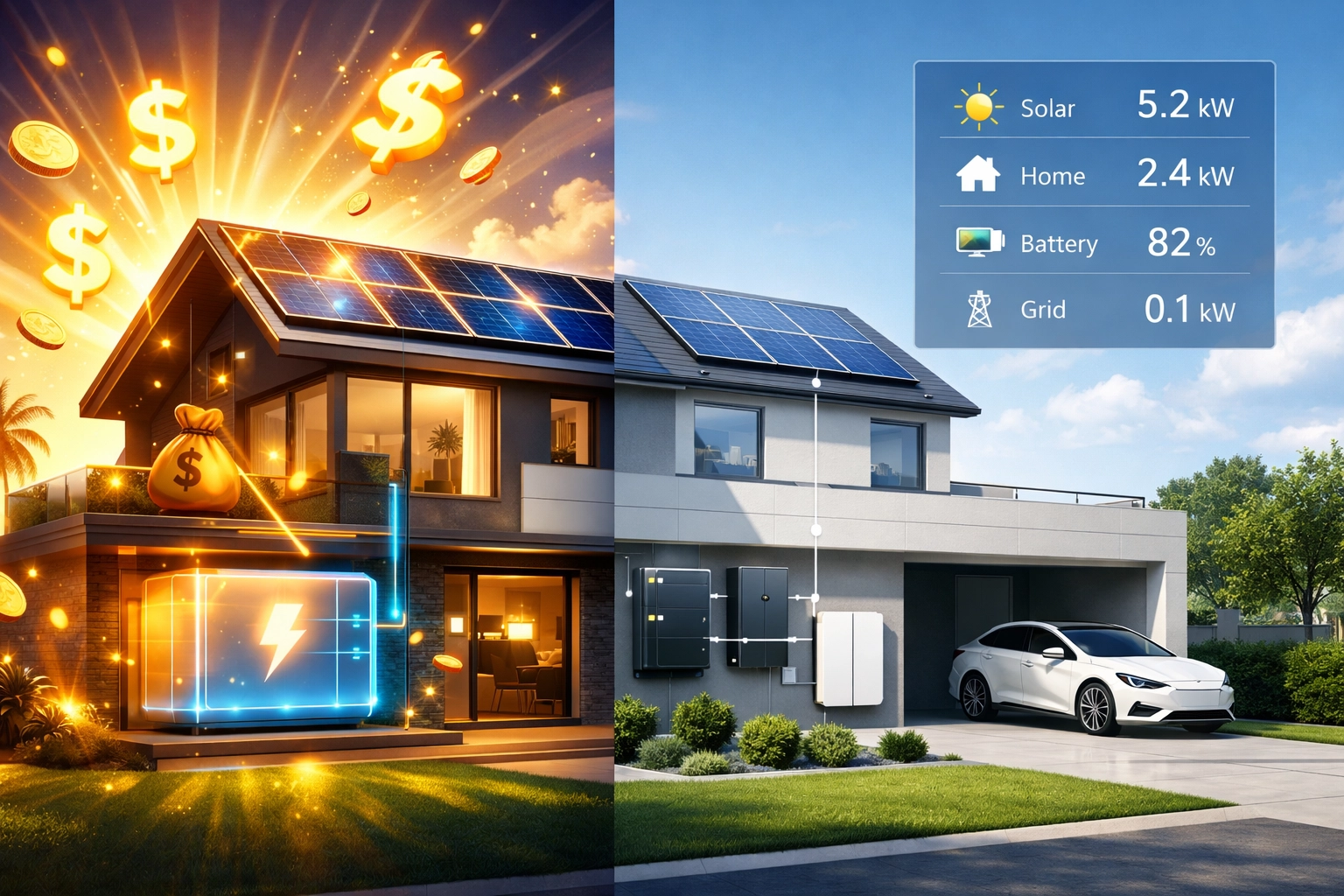

Solar Energy Is Growing Fast – But Not Everything Delivers Real Value
Solar energy adoption across Europe continues to accelerate. Solar panels are more accessible, solar inverter technology is improving, and energy storage solutions are becoming more widely available.
At the same time, the market is filled with simplified claims and unrealistic expectations.
For homeowners, installers, EPC companies, and solar wholesalers, understanding what actually creates value in a solar PV system is critical. The difference between hype and performance can directly impact return on investment, system reliability, and long-term energy savings.
Common Solar Claims and the Reality Behind Them
Can Solar Panels Generate Profit from Selling Electricity
One of the most common claims is that solar panels can turn a property into a consistent income source by exporting electricity to the grid.
While this is technically possible, the outcome depends heavily on:
- National energy regulations
- Feed-in tariffs and compensation models
- Grid capacity and infrastructure
- Utility policies
In many European markets, the financial benefit comes primarily from reducing electricity bills rather than generating profit.
The real value of solar panels lies in self-consumption, not speculation.
Do Solar Batteries Make Every System Better
Solar battery systems are often presented as a standard requirement for every installation.
In reality, energy storage must be evaluated based on usage.
Solar batteries and energy storage solutions provide value when they:
- Increase self-consumption
- Reduce peak electricity costs
- Provide backup power
- Improve energy independence
However, they also involve additional cost, system complexity, and long-term performance considerations.
A solar battery is most effective when integrated into a properly designed system that includes the right solar inverter and usage profile.
Are Solar Panels Cheap Enough for Fast Payback
Solar panel prices have decreased significantly, but the module itself is only one part of the total system.
A complete solar PV system includes:
- Solar panels
- Solar inverter or hybrid inverter
- Mounting systems and BOS components
- Installation and engineering
- Energy storage solutions where applicable
Return on investment depends on:
- Electricity pricing
- System design quality
- Energy consumption patterns
- Policy and regulatory environment
Low-cost solar panels alone do not guarantee a high-performing system.
What Actually Creates Value in Solar Systems in 2026
System Design Matters More Than Individual Components
The most important shift in the solar industry is the move from component-based thinking to system-based design.
A high-performing solar setup integrates:
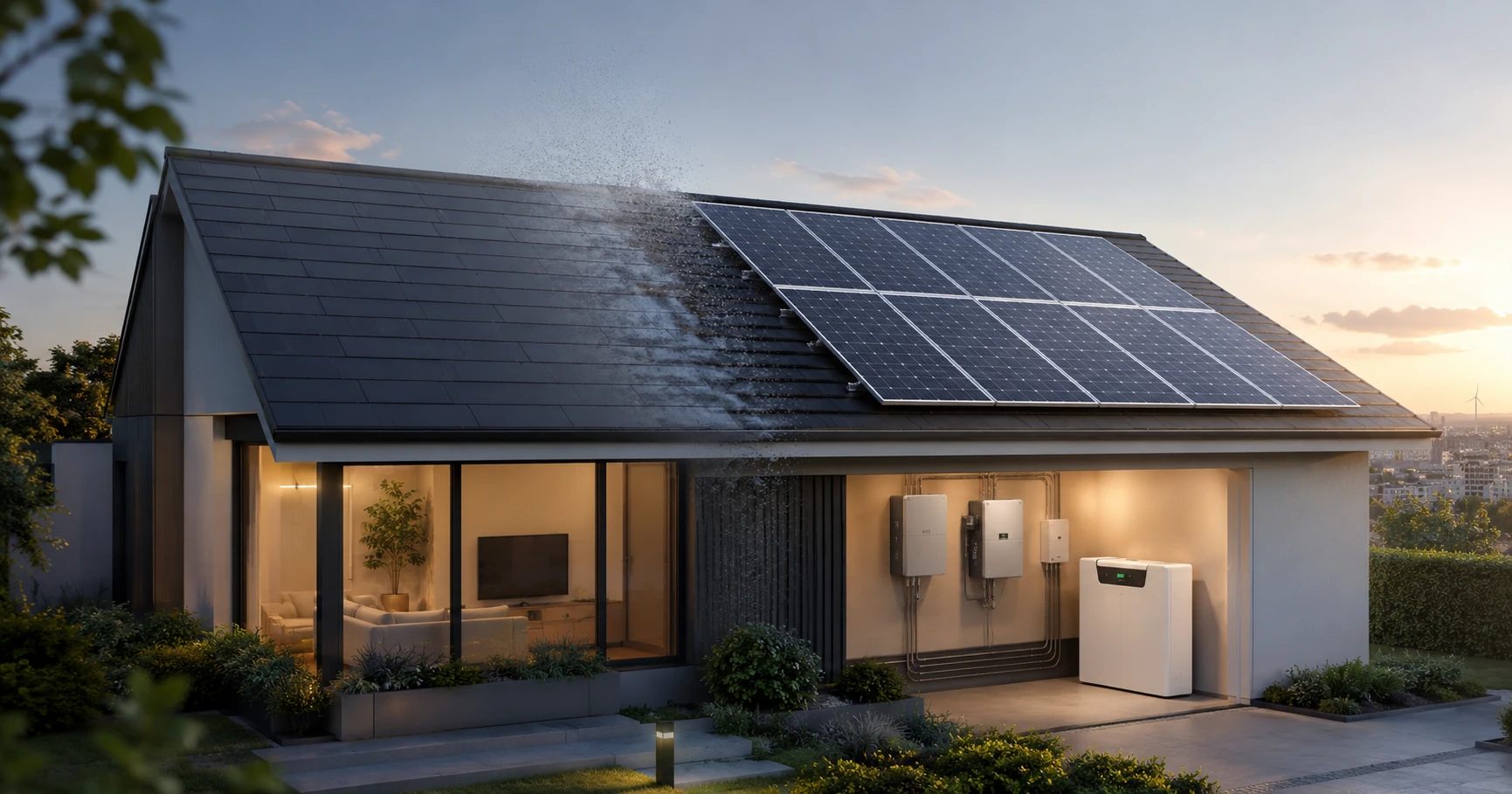
- Solar panels for energy generation
- Solar inverter systems for energy conversion and control
- Solar battery systems for storage where needed
- Energy management software for optimization
Performance comes from how these elements work together, not from any single component.
Energy Storage Creates Value When Matched to Demand
Energy storage is one of the most important developments in modern solar systems, but only when correctly sized and applied.
For businesses and high-consumption users, solar batteries can:
- Reduce peak demand charges
- Improve load management
- Increase system efficiency
- Provide backup during outages
For smaller residential systems, the financial benefit may vary.
The key principle is simple:
Energy storage must match real usage patterns to deliver value.
Smart Energy Management Is a Key Differentiator
One of the most overlooked factors in solar performance is software.
Modern systems use intelligent energy management to:
- Optimize when solar energy is used
- Decide when to store or export electricity
- Balance grid interaction
- Improve system efficiency in real time
In many cases, software-driven optimization delivers more value than increasing system size.
The Electrical Grid Still Defines System Performance
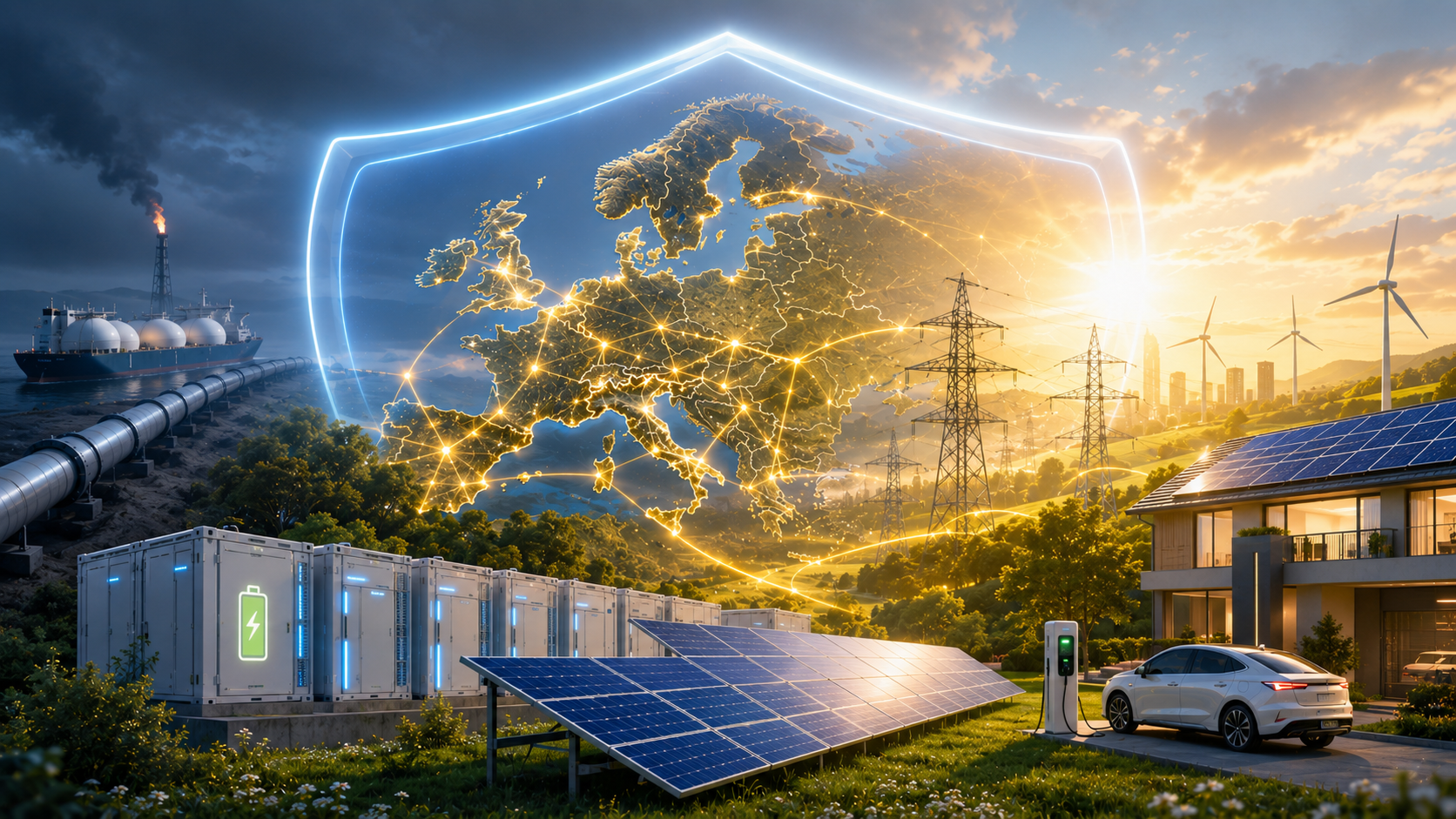
Even with solar panels and energy storage, every system interacts with the grid.
Grid limitations can affect:
- Export capacity
- System stability
- Expansion potential
- Overall solar adoption rates
Understanding grid constraints is essential when designing solar PV systems, especially for commercial and large-scale installations.
Traditional Energy Providers Are Evolving, Not Disappearing
The idea that solar will replace traditional energy companies is not accurate.
Instead, major energy providers are investing heavily in:
- Solar panels and renewable generation
- Energy storage systems
- Grid infrastructure
- Smart energy solutions
This creates a more competitive and dynamic market where integration becomes the key advantage.
What Installers, EPCs and Buyers Should Focus On
When evaluating a solar system in 2026, the focus should shift from price to performance.
Key questions include:
- Is the system optimized for actual energy usage
- Are solar panels, solar inverter, and energy storage properly matched
- Can the system adapt to future energy needs
- Does it deliver stable long-term performance
For solar wholesalers, solar distributors, and EPC companies, offering complete solar kits and integrated solutions is now essential to remain competitive.
The Role of Complete Kits in Modern Solar Projects
Complete solar kits are becoming the preferred solution for both residential and commercial installations.
They combine:
- Solar panels
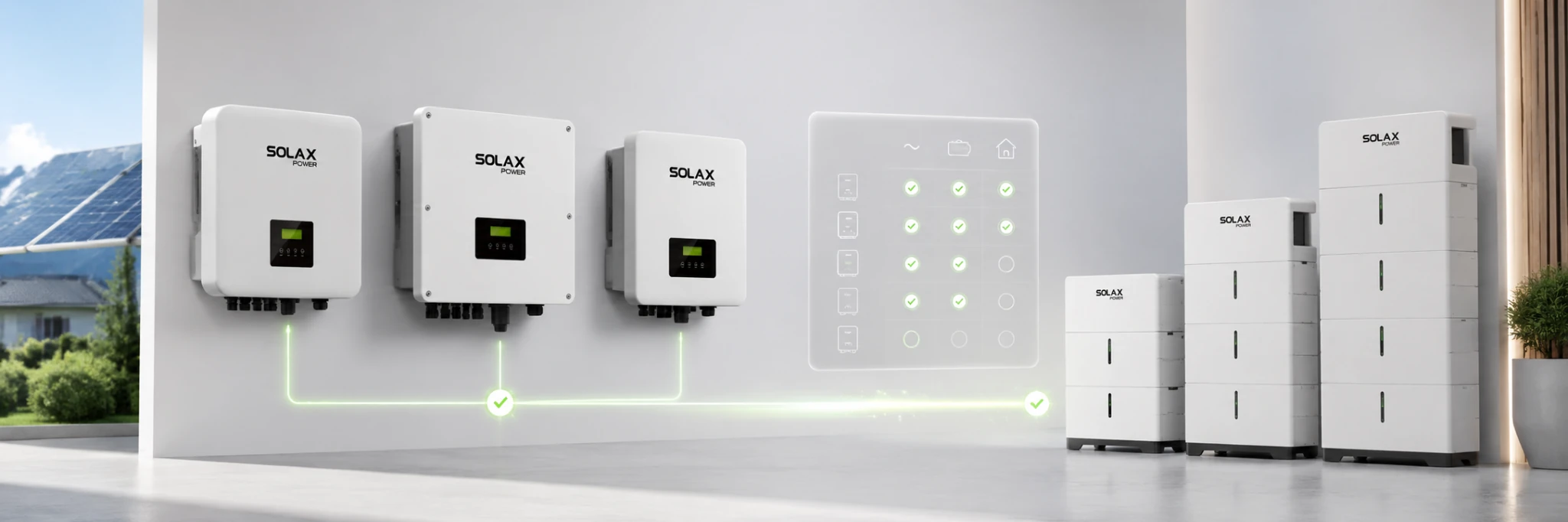
- Solar inverter or hybrid inverter systems
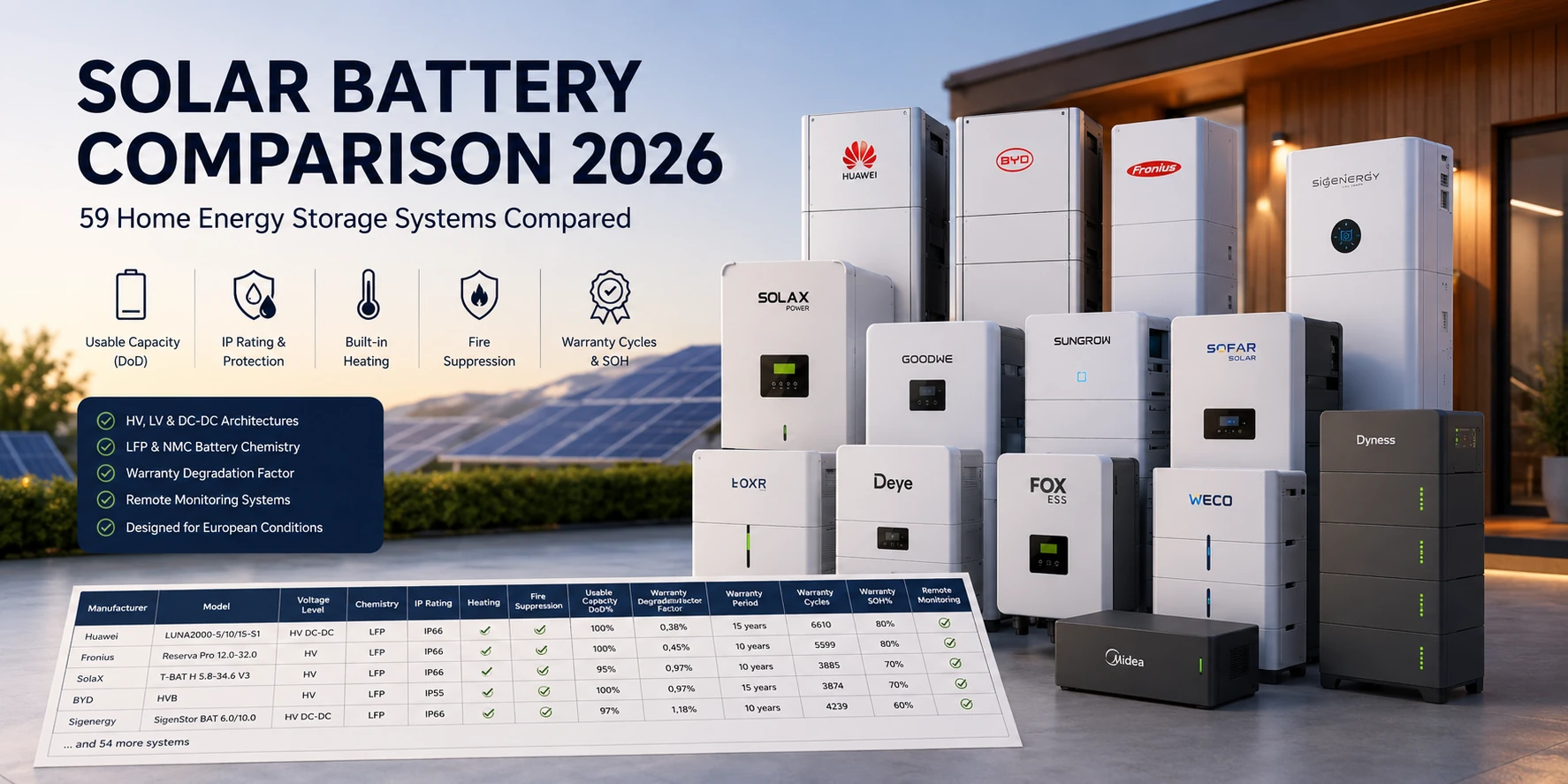
- Solar battery and energy storage solutions
- Mounting and BOS components
This approach reduces installation time, improves compatibility, and ensures consistent system performance.
Real Value Comes from Integration, Not Hype
Solar energy in 2026 is no longer about individual products. It is about integrated systems designed for performance, efficiency, and long-term reliability.
The most successful solar projects focus on:
- System design rather than component cost
- Energy management rather than simple generation
- Real usage patterns rather than theoretical output
For installers, EPC companies, and buyers working with a solar PV supplier or solar wholesaler, the priority is clear:
Choose solutions that deliver measurable performance, not just attractive promises.
At 3Buy Solar, the focus is on providing solar panels, solar inverter systems, solar batteries, energy storage solutions, and complete kits that are built to perform in real-world conditions.