EV Accessories and Mounting



Tesla Becomes Licensed Electricity Supplier in the UK
The European energy market is entering a new phase as Tesla secures a licence to supply electricity across England, Wales, and Scotland. With approval from Ofgem, Tesla Energy Ventures is now authorized to sell electricity directly to residential and commercial customers, positioning itself alongside established suppliers such as British Gas, E.ON, EDF, and Octopus Energy.
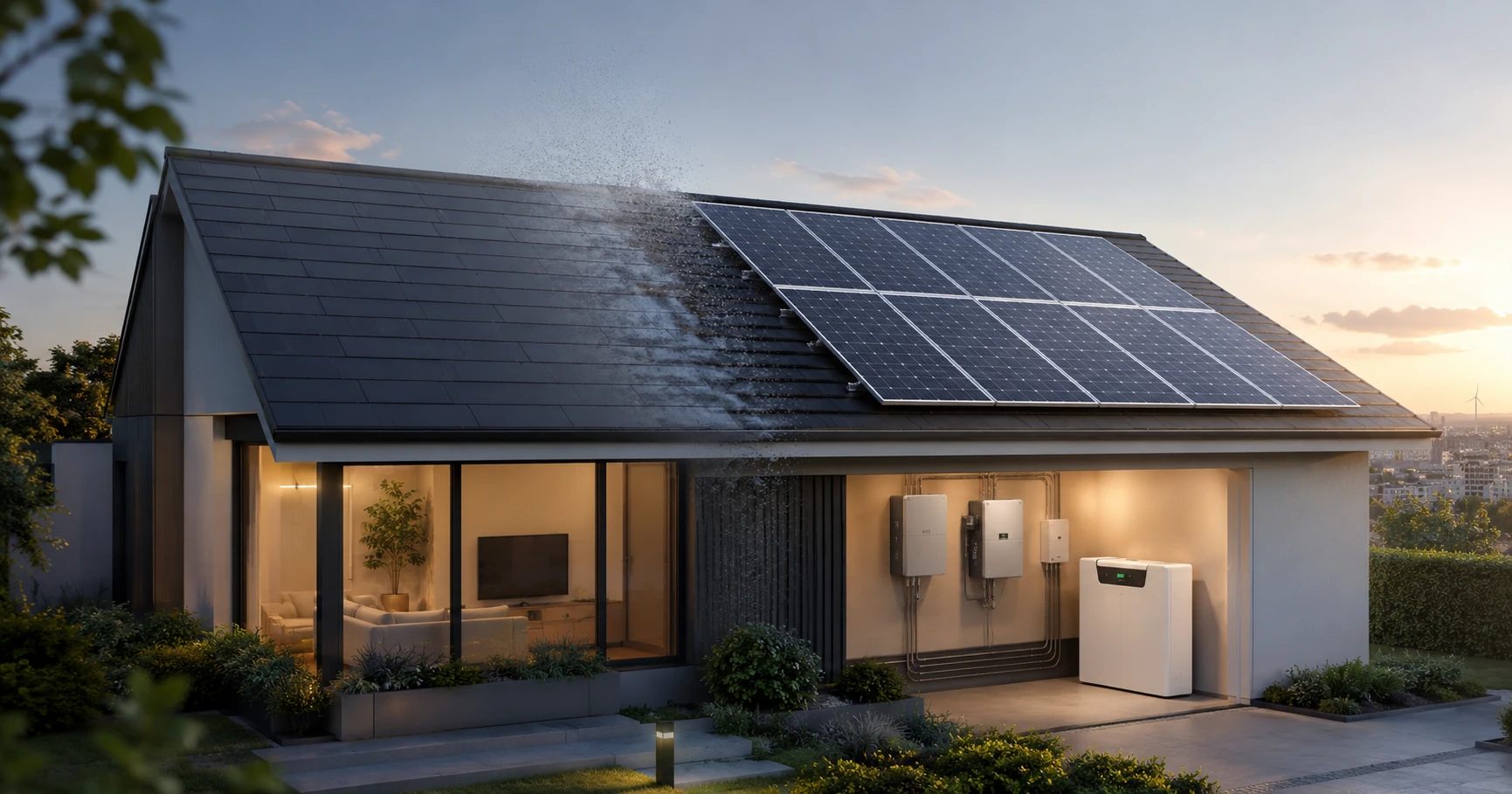
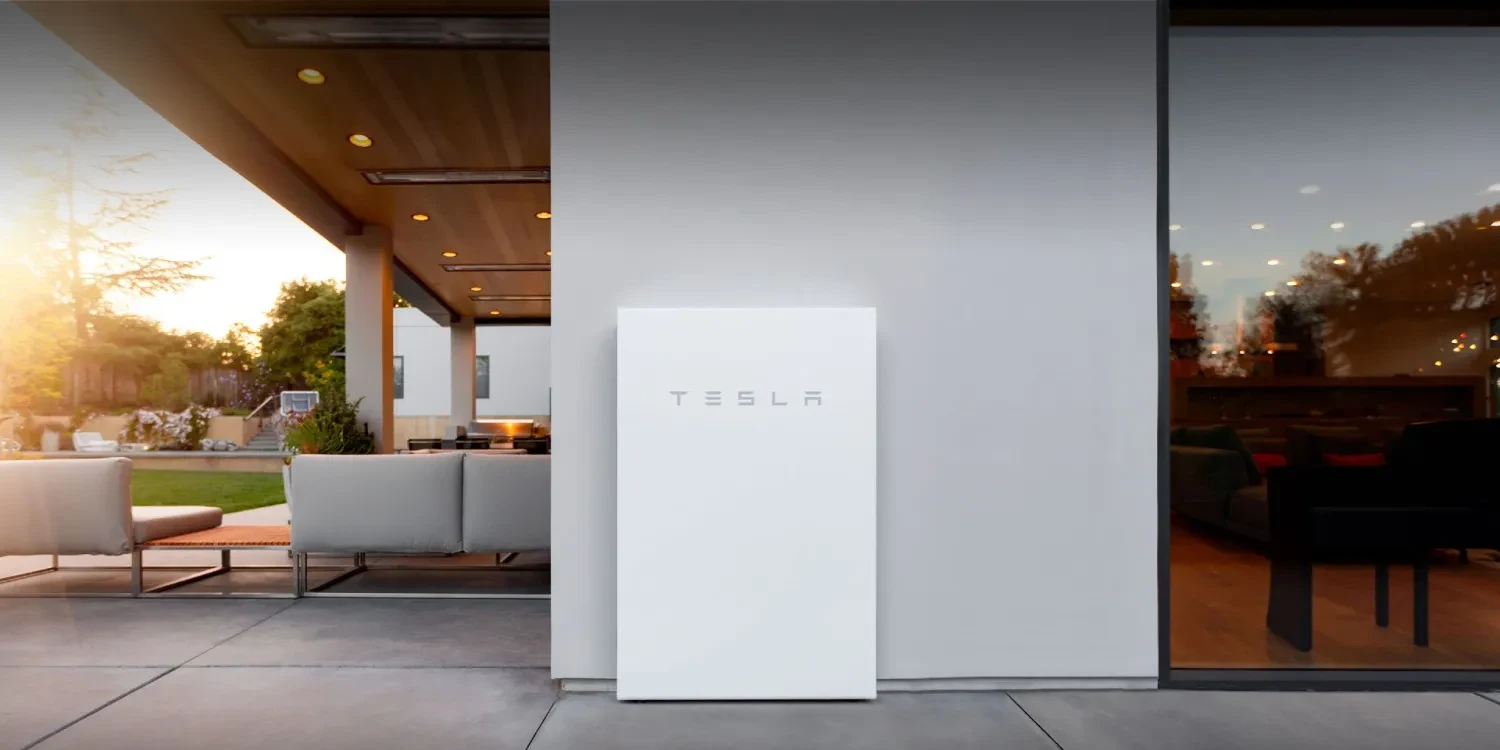
This development marks a significant step in Tesla’s strategy to become a fully integrated energy provider, combining solar panels, solar inverter technology, solar batteries, and energy storage solutions with direct electricity supply.
For solar wholesalers, EPC companies, and installers, this confirms a major shift in how energy systems are designed, delivered, and monetized.
From Solar Technology to Full Energy Supply
Tesla’s entry into the electricity supply market is the result of a multi-year expansion strategy. Since obtaining a generation licence in 2020, the company has built a strong presence in energy storage and grid-scale infrastructure.
Large battery projects and virtual power plant development have created the foundation for this transition. Systems such as utility-scale battery storage installations demonstrate Tesla’s ability to operate at grid level while supporting renewable energy integration.
By moving into electricity supply, Tesla is no longer limited to hardware such as solar batteries and inverters. It is now positioned as a full energy ecosystem provider.
The Tesla Electric Model and Its Impact on Europe
Tesla is expected to introduce its dynamic electricity model, already deployed in other markets, into the UK. This system combines renewable electricity supply with real-time optimization using advanced software and energy trading platforms.
In practical terms, this creates a system where:
- Electricity pricing adapts dynamically to market conditions
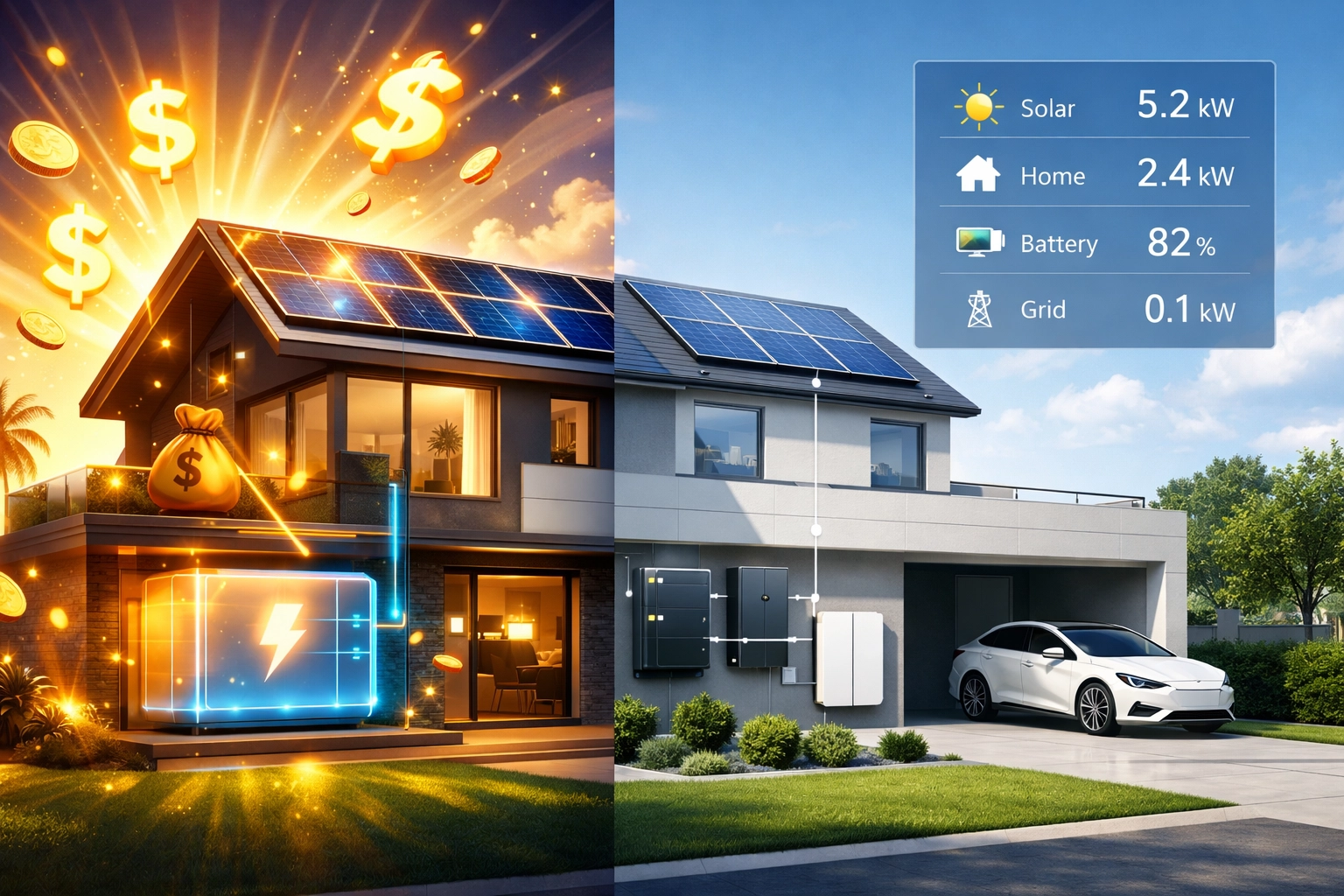
- Solar battery systems can store and export energy based on demand
- Users participate in decentralized energy networks
- Virtual power plants aggregate distributed energy resources
This model reflects the direction of the European market, where solar panels, solar inverter systems, and energy storage solutions are increasingly integrated into flexible, decentralized grids.
Energy Storage as a Core Market Driver
Tesla’s expansion is supported by large-scale battery infrastructure, including multiple grid-connected storage projects and planned high-capacity installations.
These energy storage systems are designed to:
- Store excess renewable energy from solar and wind
- Stabilize grid fluctuations
- Supply electricity during peak demand periods
- Reduce dependency on traditional generation sources
For solar installers, EPC contractors, and solar distributors, this reinforces a key market reality:
Energy storage is now a core component of modern PV systems, not an optional add-on.
What Tesla’s Entry Means for Solar Installers and Wholesalers
Tesla’s move into electricity supply highlights a structural shift in the energy sector. The traditional model of centralized generation and passive consumption is being replaced by a system where energy is generated, stored, and managed locally.
For professionals sourcing from a solar PV supplier or solar wholesaler, this creates clear opportunities:
- Increased demand for solar panels and high-efficiency modules
- Growth in hybrid solar inverter installations
- Expansion of solar battery and energy storage systems
- Rising demand for complete kits combining generation and storage
As energy markets become more dynamic, installers and EPCs must focus on integrated solutions rather than standalone components.
Increasing Competition in the Energy Supply Market
Tesla’s entry will increase competition in the UK electricity supply sector. Established providers will face pressure to innovate in pricing models, customer engagement, and energy management solutions.
This competition is expected to drive:
- More flexible electricity tariffs
- Greater adoption of renewable energy solutions
- Improved integration between solar generation and grid supply
- Faster development of smart energy management platforms
For solar distributors and installers, this creates a more competitive but also more opportunity-rich environment.
Challenges and Market Considerations
Despite its technological strength, Tesla’s expansion into energy supply comes with challenges. Market acceptance, regulatory frameworks, and customer trust remain critical factors.
However, in the energy sector, adoption is ultimately driven by:
- Competitive pricing
- Reliable supply
- Measurable value for end users
If Tesla can deliver on these factors through its integrated solar and energy storage ecosystem, it has the potential to significantly influence the European energy market.
The Future of Solar, Energy Storage and Electricity Supply
Tesla’s entry into the UK electricity market signals the evolution of a fully integrated energy model where generation, storage, and supply are combined.
For the solar industry, this confirms the importance of:
- High-performance solar panels
- Advanced solar inverter and hybrid inverter systems
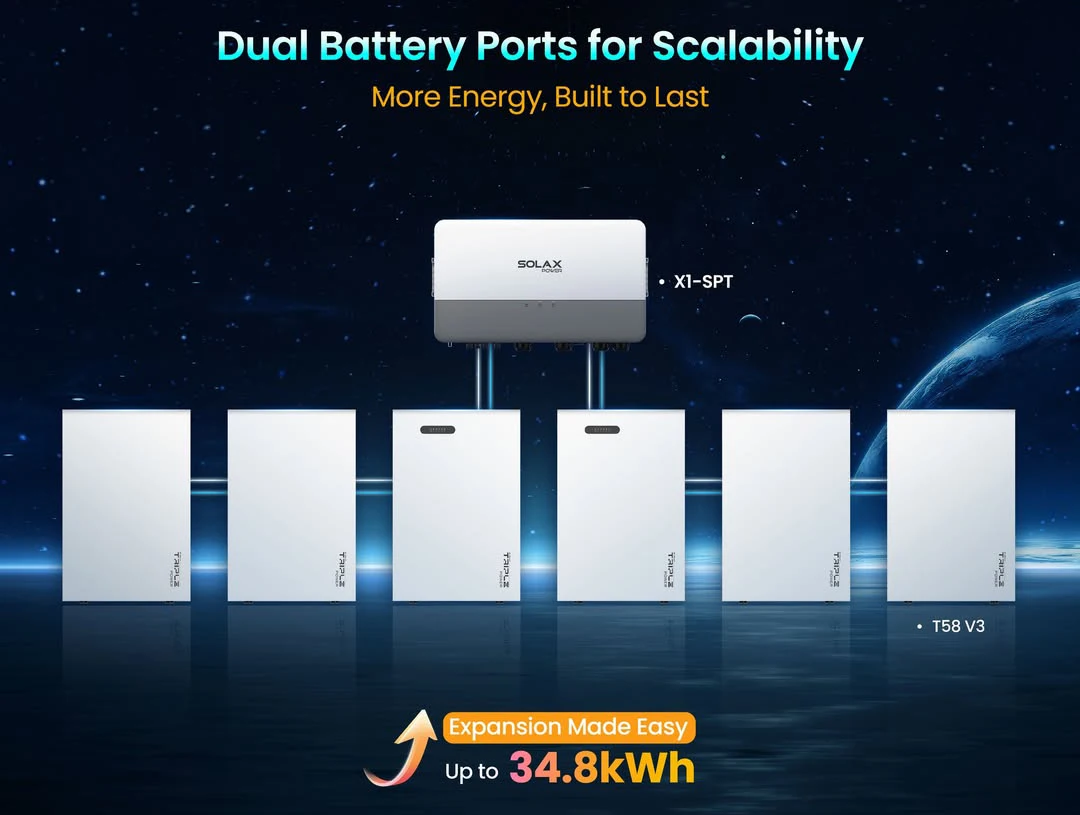
- Scalable solar battery solutions
- Complete solar kits designed for integrated energy systems
At 3Buy Solar, we support installers, EPC companies, and resellers with access to solar panels, solar inverters, solar batteries, and energy storage systems that align with this new market direction.
A Structural Shift in the European Energy Market
Tesla’s move into electricity supply is not just a market expansion. It represents a structural transformation in how energy is produced, distributed, and consumed.
For solar wholesalers, installers, and EPCs across Europe, the message is clear:
The future of energy lies in integrated systems combining solar generation, energy storage, and intelligent supply.
Companies that adapt to this model will be best positioned to compete in the next phase of the energy transition.