EV Accessories and Mounting


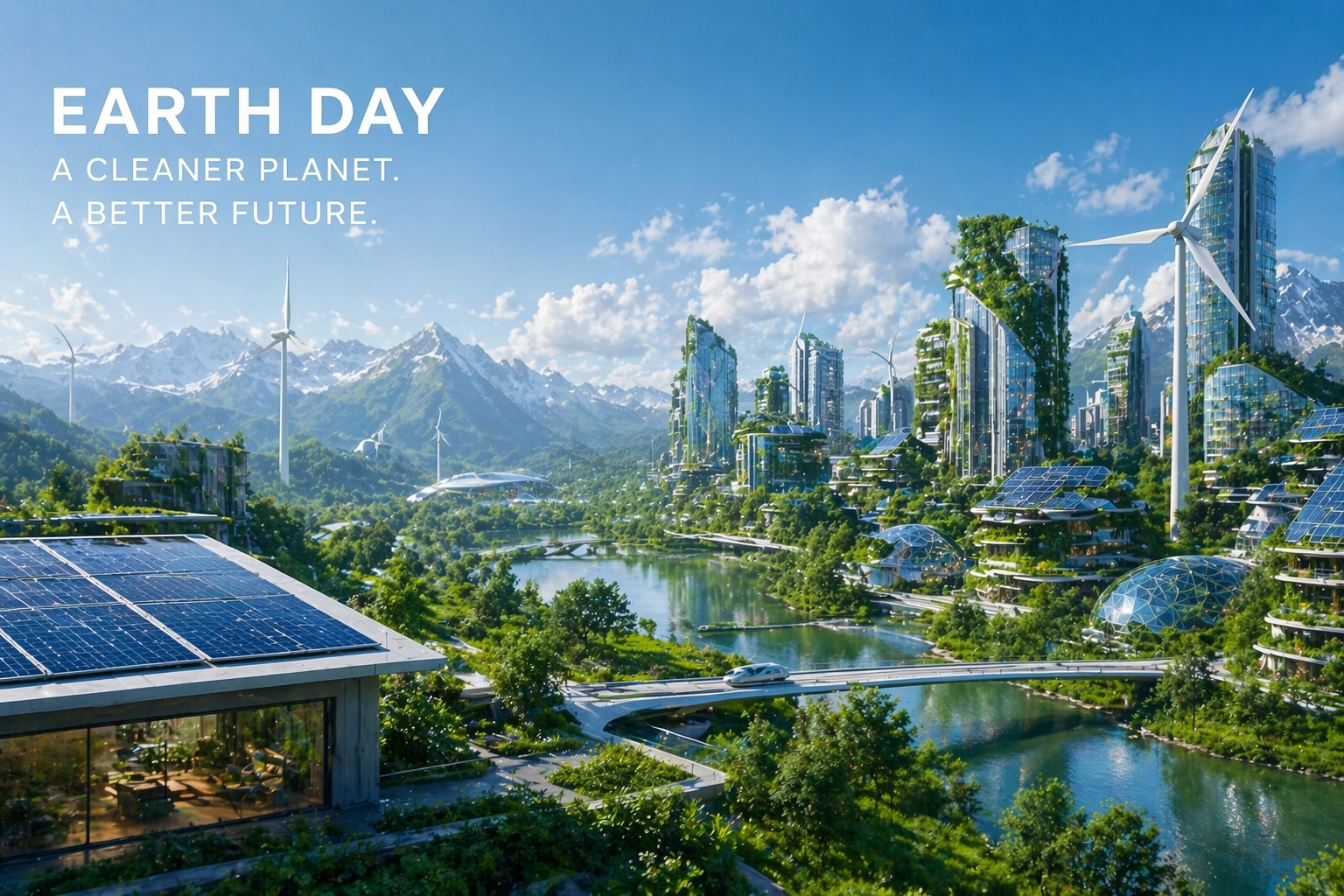
The global energy transition has reached a point where clean energy is no longer a future ambition but a present-day necessity. Rising energy prices, geopolitical uncertainty, grid stability challenges and climate commitments have all pushed clean energy solutions into the center of economic and political decision-making. This is exactly why the United Nations established the International Day of Clean Energy, observed every year on 26 January, as a dedicated moment to reflect on progress, challenges and the direction of global energy systems.
For solar installers, EPC companies, solar wholesalers, solar distributors and professional buyers sourcing solar panels, solar inverter solutions, solar battery systems and complete kits, this day is not symbolic. It reflects a structural shift in how energy is produced, traded and consumed across Europe and globally.
The historical roots of clean energy
The idea of clean energy developed long before it became a global political priority. In its early stages, renewable energy was driven mainly by energy security concerns rather than climate awareness. Oil crises and geopolitical instability in the late twentieth century made governments increasingly aware of the risks associated with fossil fuel dependence. Early investments in solar PV, wind power and hydropower were often framed as diversification strategies rather than environmental action.
As climate science became more robust and international cooperation intensified, energy production emerged as one of the largest contributors to greenhouse gas emissions. Electricity generation moved to the heart of climate policy because it also enabled decarbonisation in transport, heating and industry through electrification. This shift elevated renewable technologies such as solar panels and wind turbines from niche solutions to strategic infrastructure.
The real turning point came when clean energy technologies reached industrial scale. As manufacturing volumes increased, costs fell dramatically. Solar PV, in particular, moved from being subsidised and experimental to one of the most cost-effective sources of new electricity generation. At this stage, the role of the solar PV supplier, solar wholesaler and solar distributor became critical, as supply chains, logistics and standardised system configurations began to define market success.
Why the United Nations chose 26 January
The International Day of Clean Energy was officially proclaimed by the United Nations General Assembly through Resolution A/RES/77/327. The choice of 26 January is deliberate, as it marks the founding date of the International Renewable Energy Agency (IRENA) in 2009. IRENA has played a central role in coordinating renewable energy policy, research and deployment worldwide, and its establishment symbolised the moment when clean energy became a coordinated global effort rather than a collection of national initiatives.
By linking the International Day of Clean Energy to IRENA’s founding, the UN underlined the long-term nature of the energy transition. This is not a short-term campaign but a structural transformation that affects power generation, grid infrastructure, energy storage and industrial competitiveness.
From declaration to momentum: recent years in focus
Although clean energy has a long history, the International Day of Clean Energy itself is relatively new. Its first official observance took place in January 2024, shortly after the COP28 climate conference. This timing was significant, as COP28 reinforced the global commitment to transitioning away from fossil fuels and scaling renewable energy at unprecedented speed. The first celebrations focused on the role of renewables in climate action and sustainable development, connecting clean energy directly to economic resilience and social equity.
By 2025, the tone around the International Day of Clean Energy had shifted from awareness to urgency. UN communications emphasised that fossil-fuel-based energy systems are a primary driver of climate change and that clean, affordable and reliable alternatives must be deployed faster. This messaging resonated strongly in Europe, where households and businesses were already turning to solar PV and energy storage as practical solutions to rising energy costs.
In 2026, the conversation matured further. The focus moved beyond technology availability to system-level challenges. Solar panels and solar inverter technologies were no longer the limiting factors. Instead, grid capacity, permitting timelines, financing conditions and the availability of energy storage emerged as the main constraints. This evolution explains why solar battery systems and integrated energy storage solutions are now a central part of modern solar PV projects rather than optional add-ons.
Clean energy today: what it really means in practice
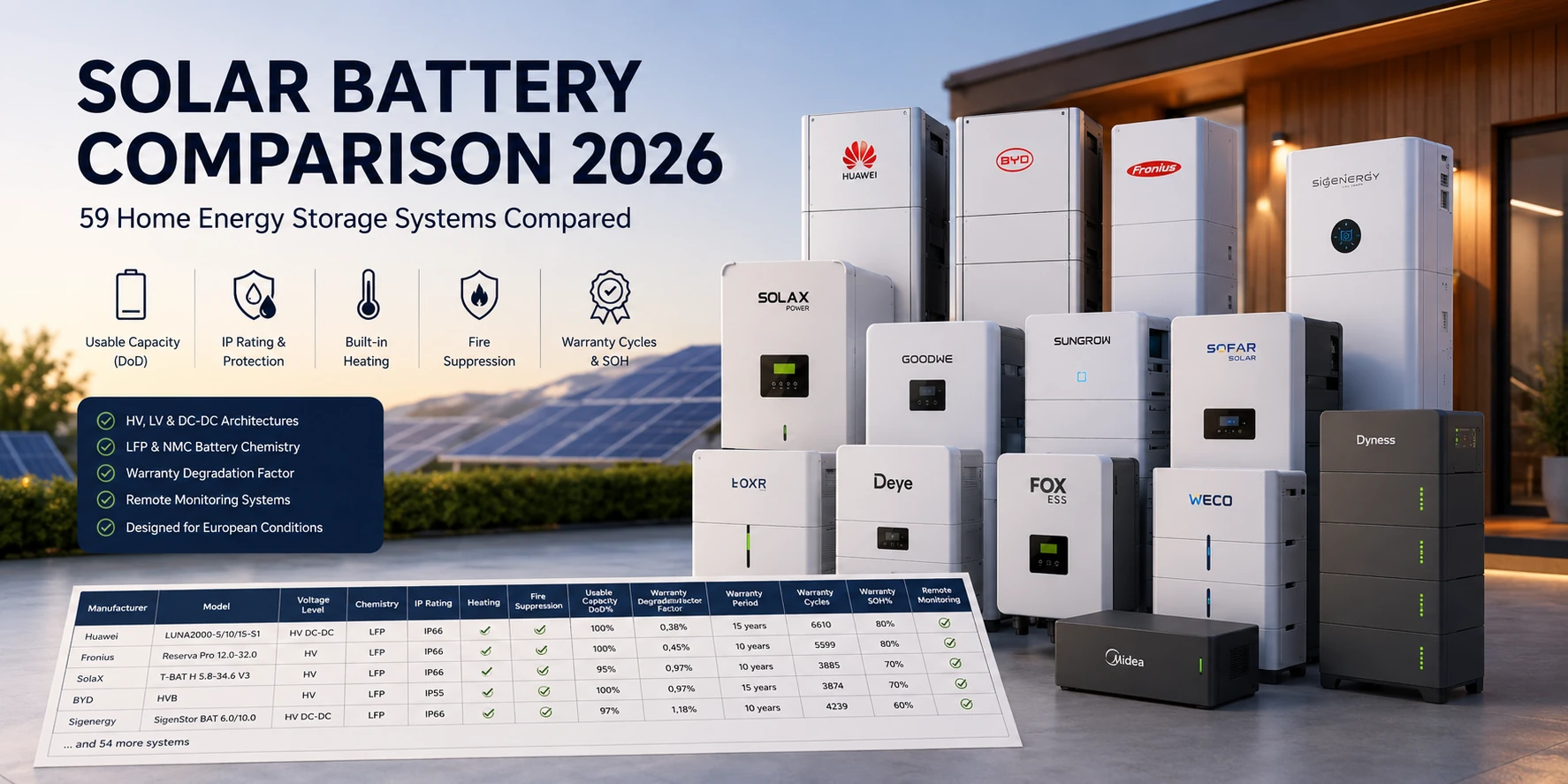
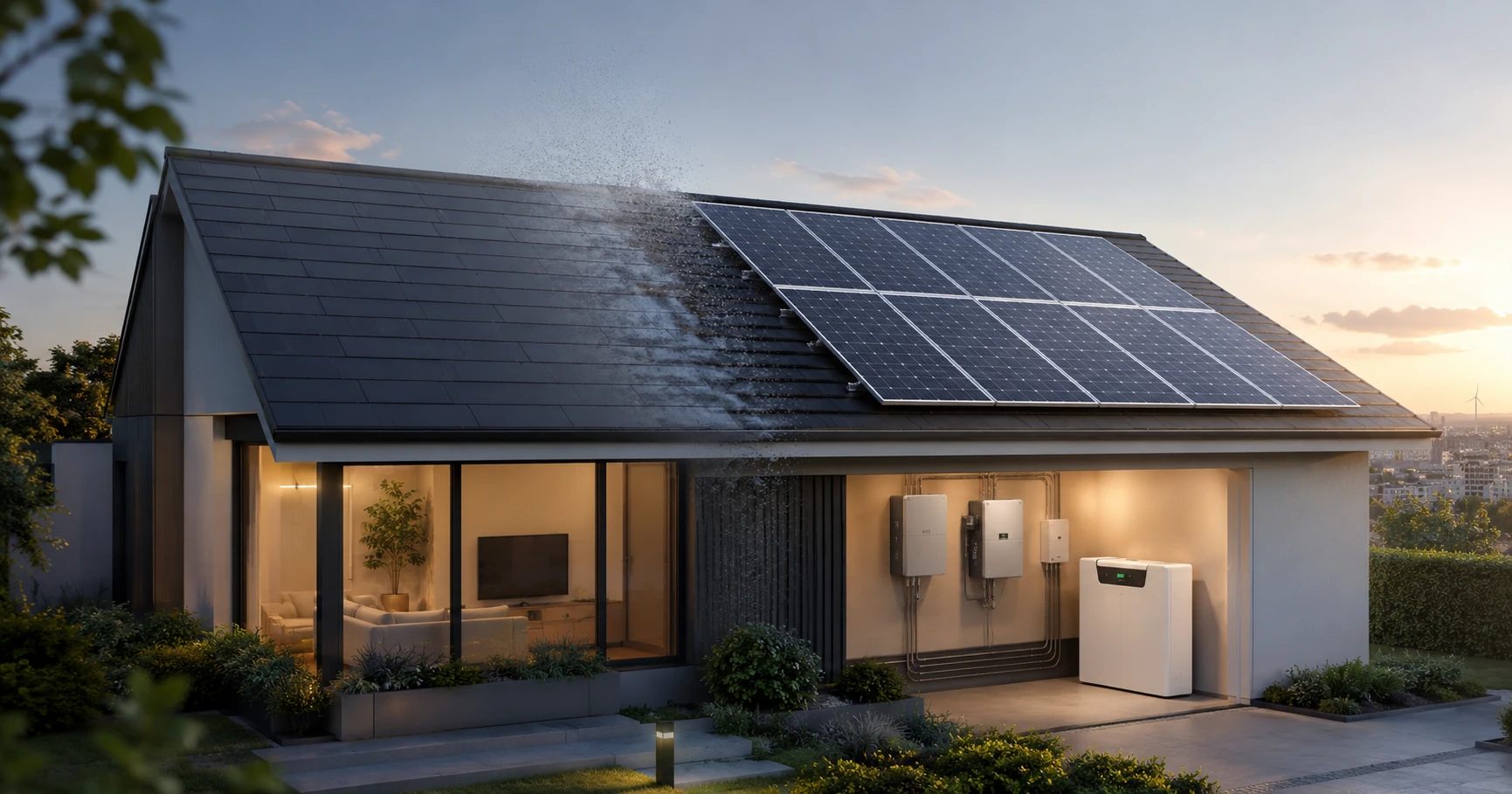
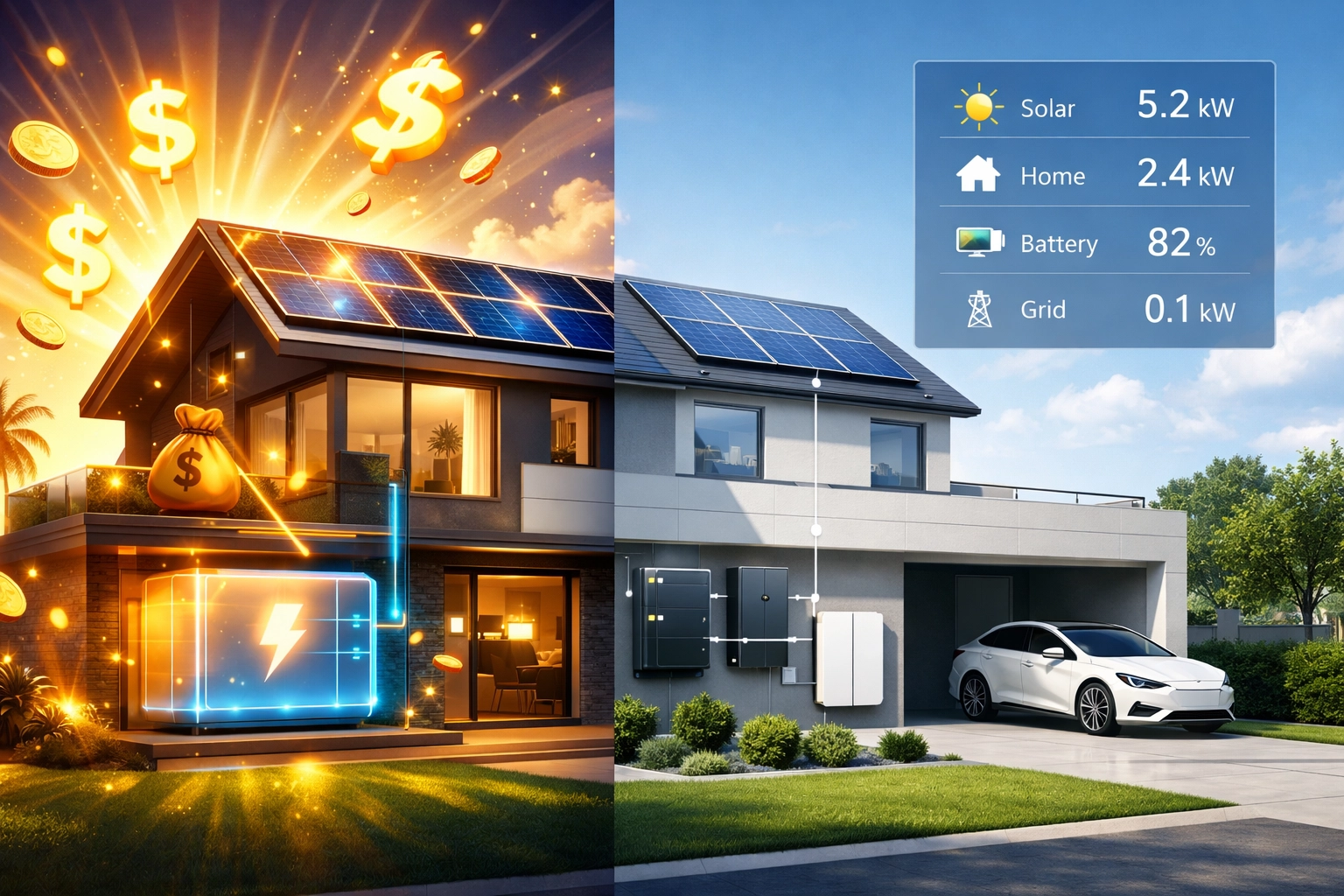
In 2026, clean energy is no longer defined by a single technology. It represents an integrated system in which renewable generation, energy efficiency, digital management and storage work together. For most European residential and commercial users, clean energy means solar panels combined with a high-efficiency solar inverter, supported by solar battery energy storage that maximises self-consumption and enhances grid resilience.
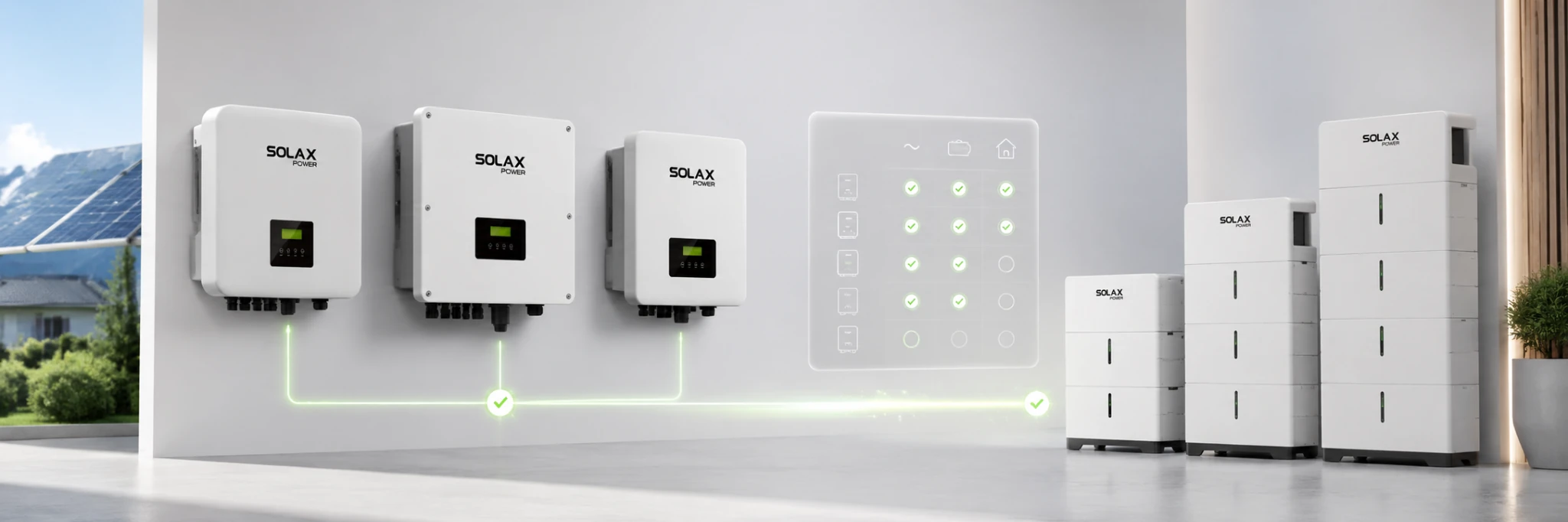
This shift has changed buying behaviour. Instead of purchasing individual components, customers increasingly look for complete kits or solarkit solutions that include all major elements of a solar PV system. These complete kits reduce planning complexity, improve compatibility and speed up installation, which is particularly important for professional installers and EPCs operating at scale.
From the perspective of a solar PV supplier or solar wholesaler, this trend has transformed product portfolios. Success is no longer measured by module wattage alone but by system performance, inverter-battery compatibility, monitoring capabilities and long-term warranty structures.
Europe’s accelerating clean energy transition
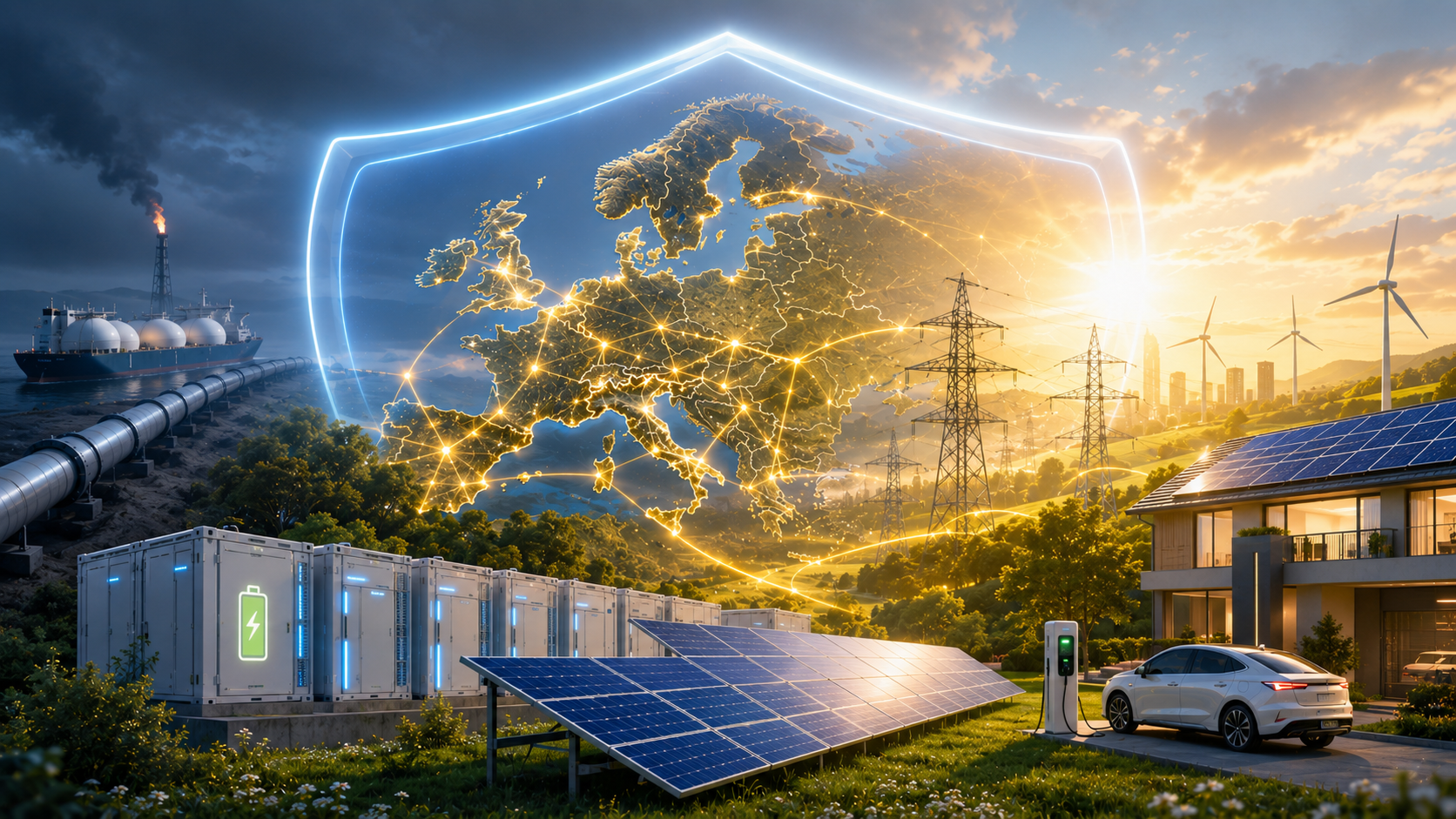
Europe plays a central role in the global clean energy transition, driven by both climate policy and energy security concerns. The European Union has raised its renewable energy targets for 2030 and introduced regulatory frameworks that actively promote rooftop solar installations. Buildings are increasingly seen as active energy assets rather than passive consumers, and solar PV is becoming a standard component of new construction and major renovations.
At the same time, the rapid growth of variable renewable energy has highlighted the importance of energy storage. Solar battery systems are essential for balancing supply and demand, reducing peak loads and improving grid stability. As a result, the European market for energy storage is expanding rapidly, creating new opportunities for solar distributors and wholesalers offering integrated solar inverter and battery solutions.
What the International Day of Clean Energy means for the solar industry
For professionals across the solar value chain, the International Day of Clean Energy is a reminder that clean energy is now an operational reality, not a future promise. Installers, EPCs and resellers are expected to deliver systems that are reliable, compliant and optimised for real-world usage. Procurement decisions increasingly prioritise transparency, technical documentation and long-term serviceability.
In this environment, datasheet-style product information, clearly defined complete kits and well-structured solarkit offerings are more valuable than generic marketing messages. Buyers want to understand how solar panels, solar inverter technologies and solar battery systems interact within a complete energy storage solution.
A present-day conclusion
The International Day of Clean Energy reflects how far the global energy system has already moved and how much further it still needs to go. Record levels of renewable capacity are being installed every year, yet the pace must continue to increase to meet climate and energy security goals. The focus is no longer on whether clean energy works but on how efficiently it can be deployed, integrated and scaled.
For households, businesses and institutions alike, clean energy has become a rational economic choice. For the solar industry, it represents a long-term growth trajectory built on solar panels, solar inverter innovation, solar battery energy storage and professionally designed complete kits. The International Day of Clean Energy is therefore not just a date on the calendar, but a clear signal of where the energy market is heading — and where it is already firmly established.