EV Accessories and Mounting


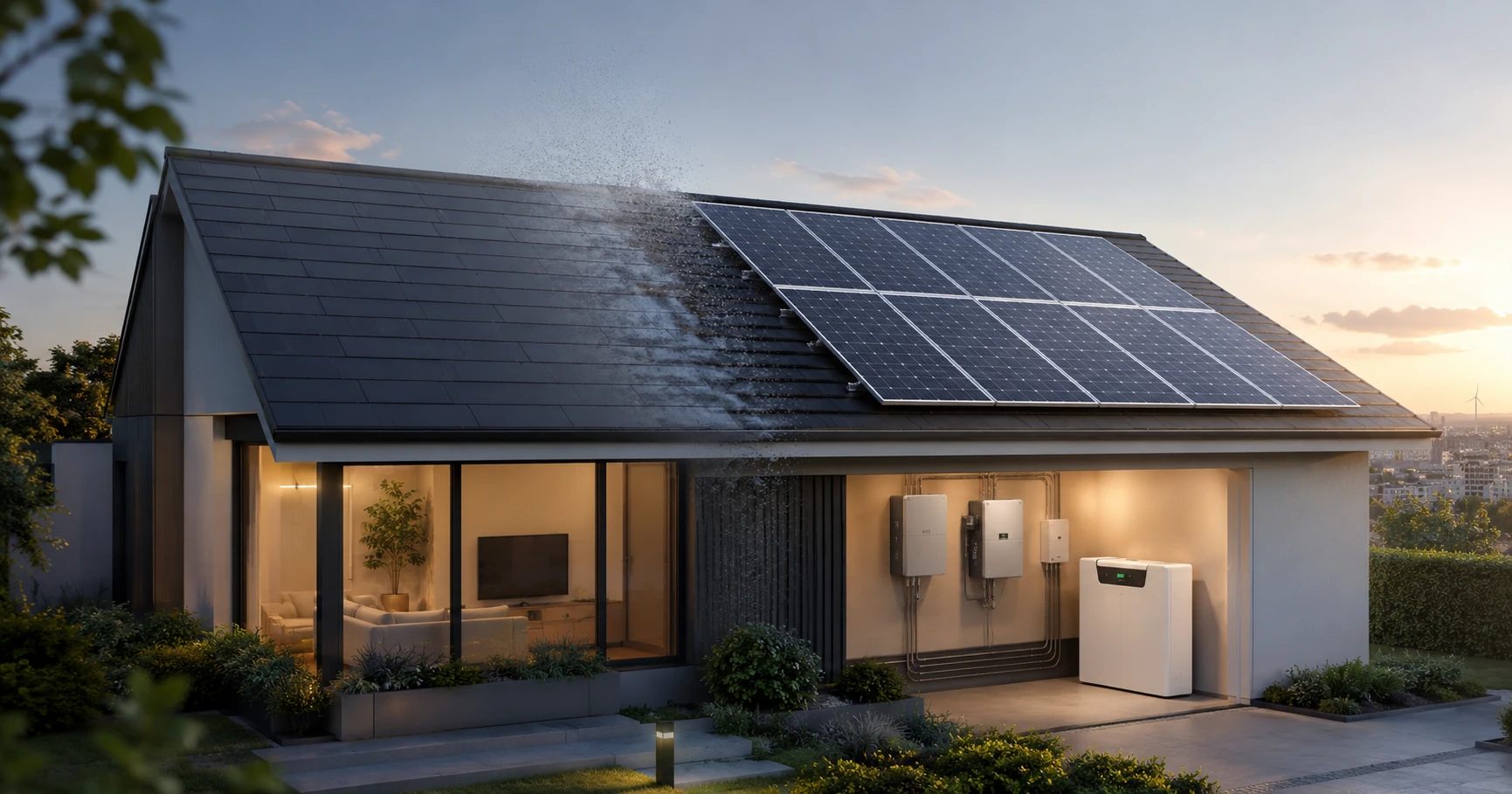
Hungary has announced one of the largest national residential energy-storage subsidy programs in Central Europe, marking a decisive shift toward battery-backed solar PV systems. The Hungarian government will open a 100-billion-forint funding framework (approximately €250 million) to support households installing around 10 kWh solar battery systems, either alongside existing solar PV installations or as part of new projects.
For solar installers, EPCs, solar distributors, and technology partners active in the Hungarian market, this announcement signals a major demand acceleration for residential energy storage, hybrid solar inverters, and complete solar-battery kits.
As a leading EU solar wholesaler and energy-storage distributor, 3Buy Solar is already supporting partners with procurement-ready solar battery solutions, technical documentation, and EU-wide logistics. Below is a detailed breakdown of what this subsidy means for the Hungarian market and for professional partners preparing for 2025 demand.
Energy Storage Becomes a National Priority in Hungary
Over the past decade, Hungary has experienced one of the fastest residential solar PV expansions in Europe. Installed capacity has grown from approximately 10 MW in the early 2010s to more than 8,000 MW today, driven largely by household rooftop installations.
However, this rapid growth has also introduced structural challenges:
daytime overproduction
evening peak-load stress
grid congestion at the low-voltage level
Hungarian energy authorities have now made it clear: energy storage must follow the same growth trajectory as solar PV did over the past 15 years. Residential solar batteries are no longer optional add-ons — they are becoming a core grid-stabilization tool.
This strategic shift is also closely linked to Hungary’s gradual transition away from net-metering (“szaldó”) toward market-based settlement models, where self-consumption and load shifting are economically critical.

Key Facts About the Hungarian Residential Energy-Storage Subsidy
Although the final application call is expected in early January, the government has already published the core framework of the program.
Funding Overview
Total program budget: 100 billion HUF (≈ €250 million)
Maximum grant per household: up to 2.5 million HUF (≈ €6,300)
Targeted battery size: approximately 10 kWh solar battery per household
Support intensity: up to ~80% of eligible system costs (based on current market prices)
This places Hungary among the most generous residential energy-storage subsidy schemes in Europe, including also battery ready and hybrid inverters especially when compared to neighboring markets in Central and Eastern Europe.
Who Will Be Prioritized Under the Program?
The subsidy will give preferential treatment to two clearly defined groups:
1. Households Exiting Net-Metering
Homeowners transitioning away from net-metering are a key driver of battery adoption, as energy storage becomes essential for maximizing self-consumption and protecting system economics.
2. Smaller Municipalities (Under 5,000 Inhabitants)
The program also targets rural and semi-rural areas, where grid reinforcement is costly and decentralized energy storage provides immediate system-level benefits.
Eligibility Requirements for Applicants
To qualify, households must:
already operate a solar PV system, or
install solar PV as part of the same project
This ensures that the subsidy directly supports integrated solar-plus-storage systems with hybrid inverter, reinforcing Hungary’s long-term distributed energy strategy.
Why 10 kWh Solar Batteries Are the Benchmark
A 10 kWh solar battery system is widely regarded as the optimal size for Hungary’s typical residential installations, which usually range between 5–8 kWp of PV capacity.
At this scale, a battery can:
store daytime surplus production
cover a substantial share of evening consumption
support homes with heat pumps, EV chargers, or high evening loads
From both a technical and economic perspective, 10 kWh represents the sweet spot between affordability, usable capacity, and grid value — making it an ideal reference size for a nationwide subsidy.
What This Means for Solar Installers, EPCs, and Distributors
Based on the total budget and average system pricing, the program is expected to support around 40,000 households.
For professional market participants, this creates a clear preparation checklist:
verify hybrid inverter and battery compatibility
secure stock of LiFePO₄ modular solar batteries
prepare standardized offers and technical documentation
ensure installer training for battery safety and commissioning
align logistics and lead times ahead of Q1 demand
As a solar PV supplier and energy-storage wholesaler, 3Buy Solar is already seeing increased engagement from Hungarian partners preparing for this surge.
LiFePO₄ Modular Systems: The Technology Behind the Shift
Most modern residential energy-storage systems in Europe rely on LiFePO₄ (Lithium Iron Phosphate) chemistry, valued for:
superior safety
long cycle life
thermal stability
predictable long-term performance
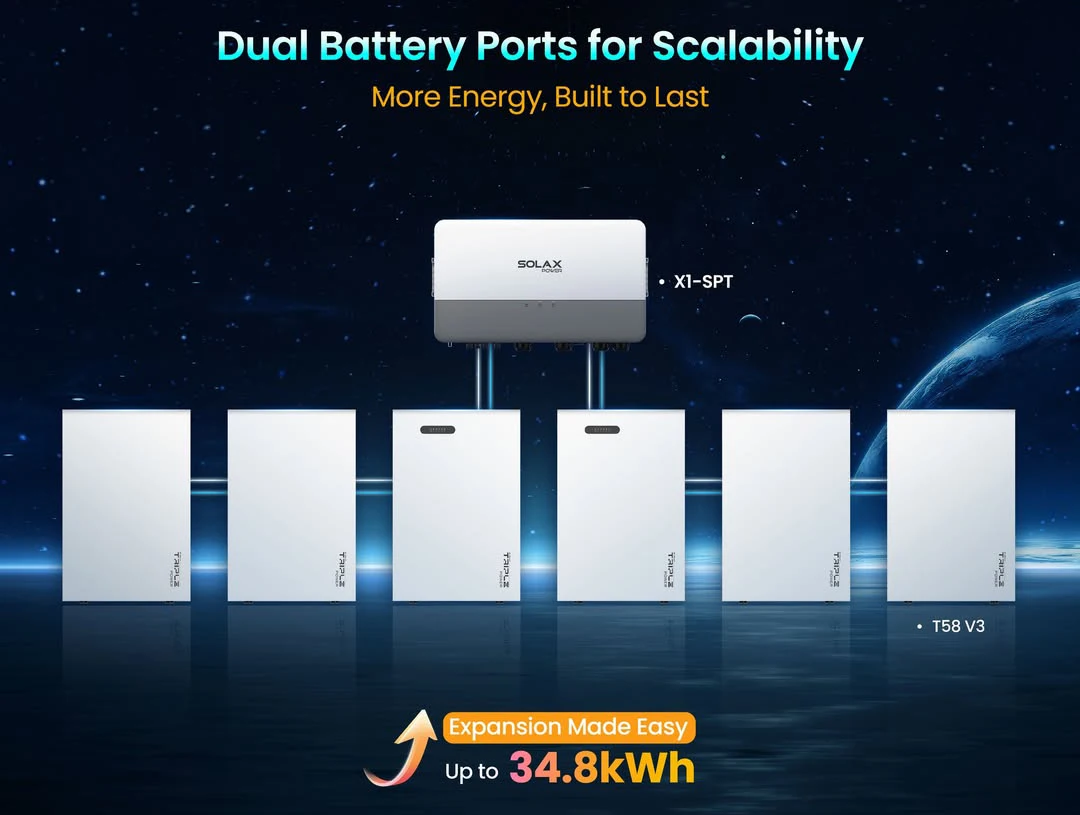
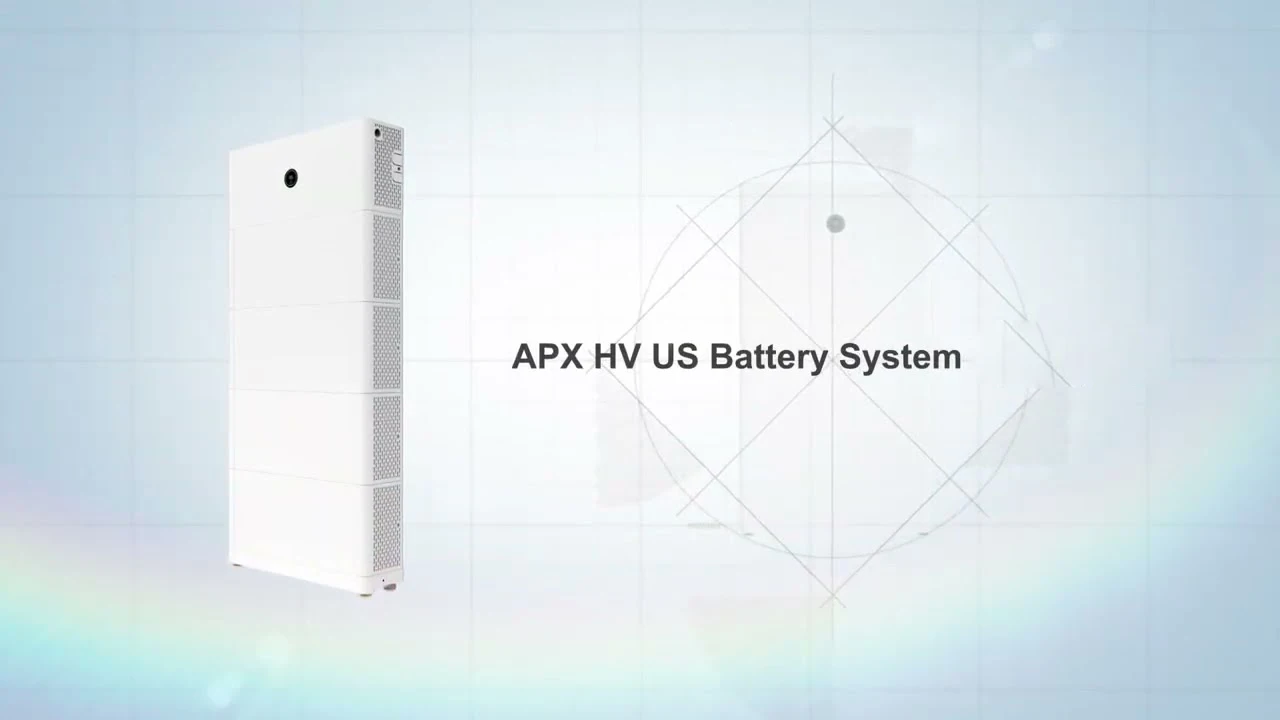
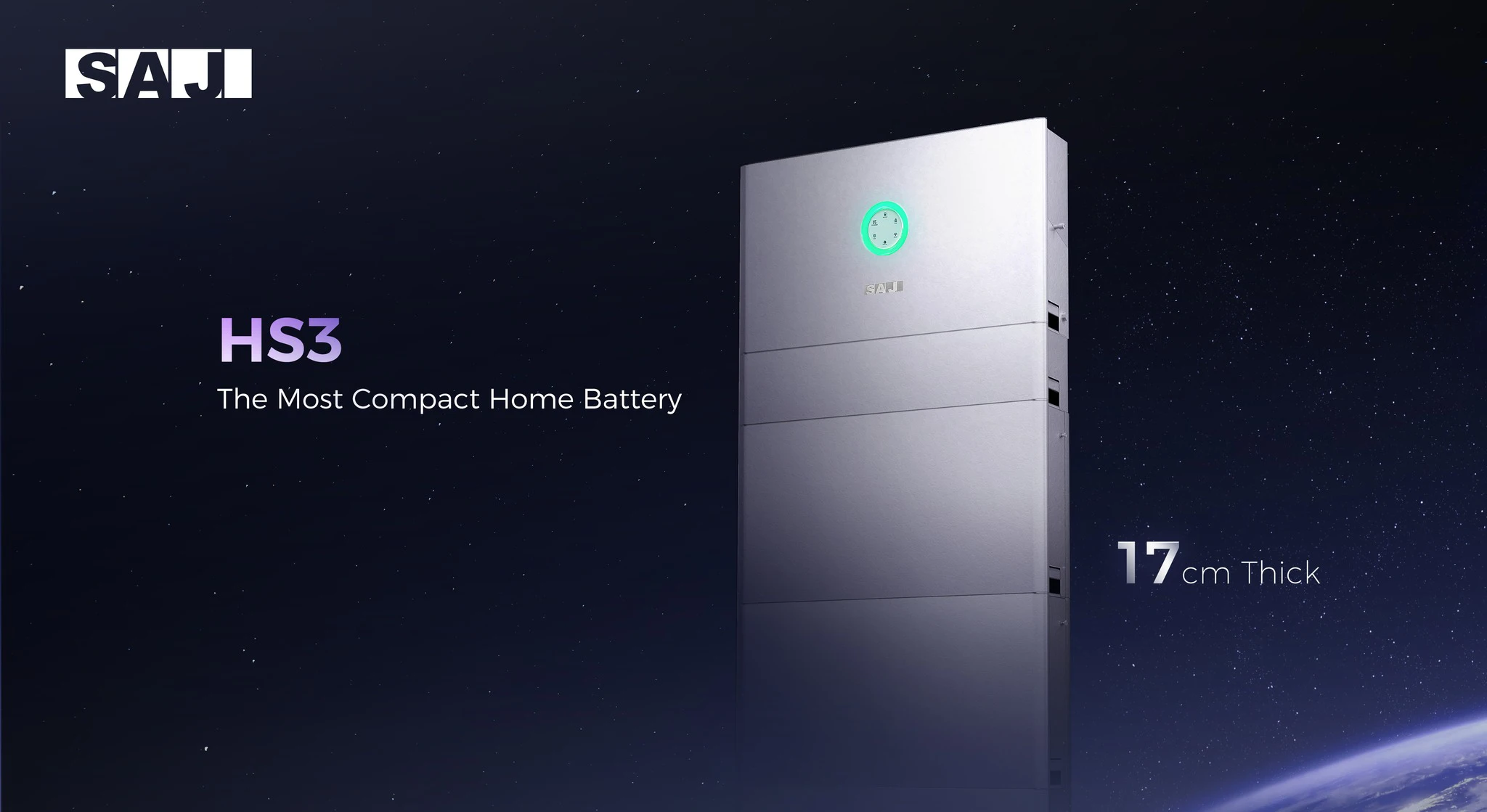
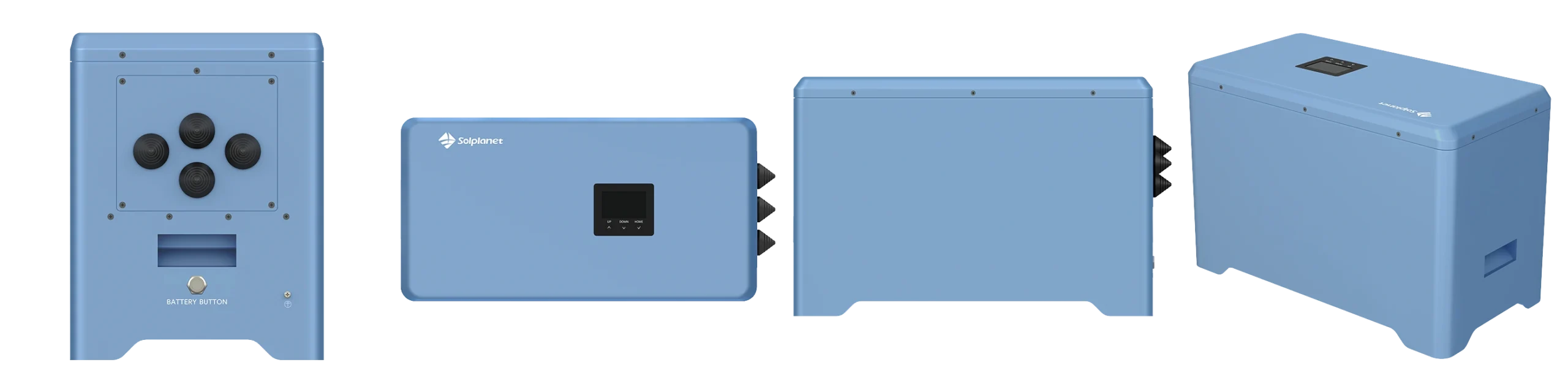
Modular battery systems are particularly well-suited to subsidy environments. They allow installers to configure battery systems starting at 10 kWh while enabling future expansion to 15, 20 kWh, or more as household demand grows.
This scalability makes energy storage a future-proof investment for homeowners and a flexible product category for installers and distributors.
How 3Buy Solar Supports the Hungarian Energy-Storage Market
As an EU-based solar wholesaler and energy-storage distributor, 3Buy Solar supports partners active in Hungary with:
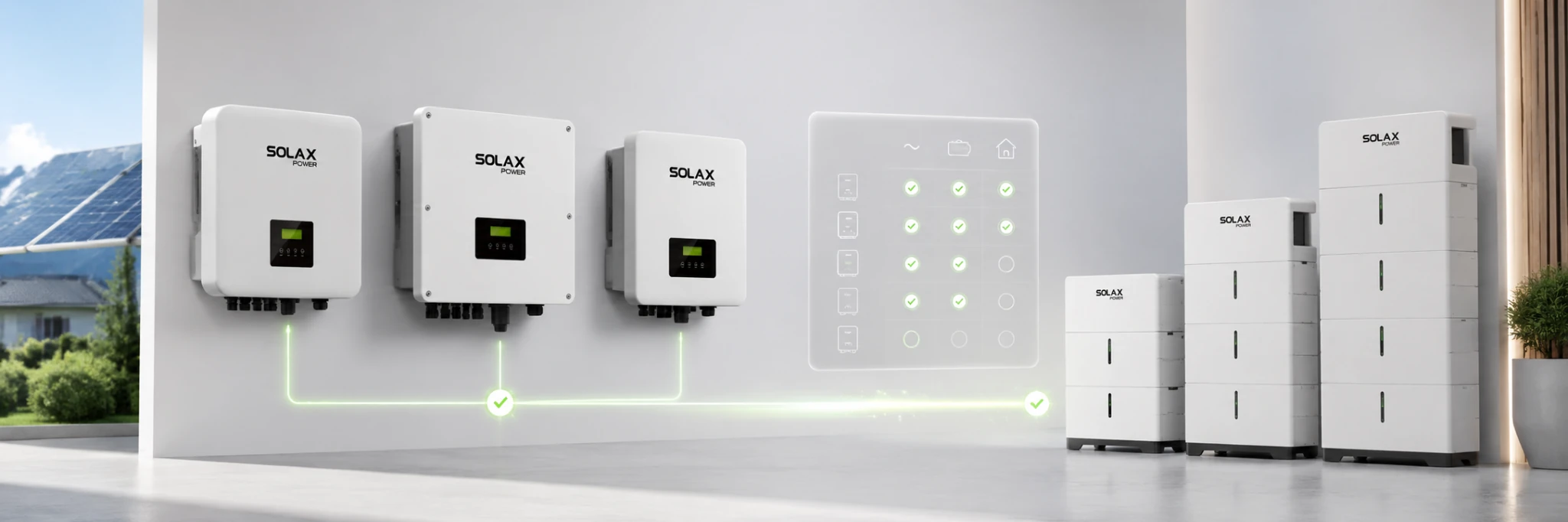
procurement-ready solar battery kits (battery + hybrid inverter + accessories)
compatibility-verified system designs
technical datasheets and documentation required for subsidy applications
fast EU-wide logistics and stock transparency
multi-brand portfolios covering entry-level, mid-range, and premium systems
Our focus is to help installers and EPCs deploy compliant, high-performance energy-storage systems without supply-chain risk.
A Turning Point for Residential Energy Storage in Hungary
Hungary’s €250 million residential energy-storage subsidy marks a structural turning point in the country’s energy transition. As storage becomes essential for grid stability and self-consumption, demand for professional solar batteries, hybrid inverters, and complete solar kits will accelerate rapidly throughout 2025.
For international installers, EPCs, and distribution partners, the opportunity is substantial — and preparation is key.
3Buy Solar stands ready as a long-term solar PV supplier and energy-storage wholesaler to support partners through this next phase of market growth.
Official & Industry News Sources
PV Magazine – Hungary launches residential battery storage subsidy
Summary of the new HUF 100 billion (€250m) residential energy storage program and its objectives.
👉 https://www.pv-magazine.com/2025/12/12/hungary-launches-huf-100-billion-subsidy-for-residential-battery-storage/ pv magazine InternationalHungary Today – Government announces residential energy storage support
Government statements and context on the program’s priorities, self-consumption goals, and eligibility criteria.
👉 https://hungarytoday.hu/government-announces-support-for-a-residential-energy-storage-program/ hungarytoday.huSolarVision – Coverage of Hungary’s home solar and battery subsidy initiative
Additional reporting on grant amounts, eligibility, and strategic motivations behind the energy storage push.
👉 https://solarvision.org/hungary-boosts-home-solar-with-massive-battery-subsidy/ SolarVisionRenewables Now – Hungary unveils EUR 260m energy storage programme
Short industry news piece detailing the program’s size and its positioning in the EU context.
👉 https://renewablesnow.com/news/hungary-unveils-eur-260m-energy-storage-programme-for-homeowners-1286662/ Renewables Now
Supporting Policy Reference
European Commission press release – Hungarian storage support scheme
EU-level context on larger Hungarian state aid frameworks, signaling broader support for storage technologies.👉 https://ec.europa.eu/commission/presscorner/api/files/document/print/en/ip_23_2583/IP_23_2583_EN.pdf European Commission
(Note: This reference may be broader than the specific residential program, but is useful for high-level policy context and linking to EU clean-energy support.)