EV Accessories and Mounting


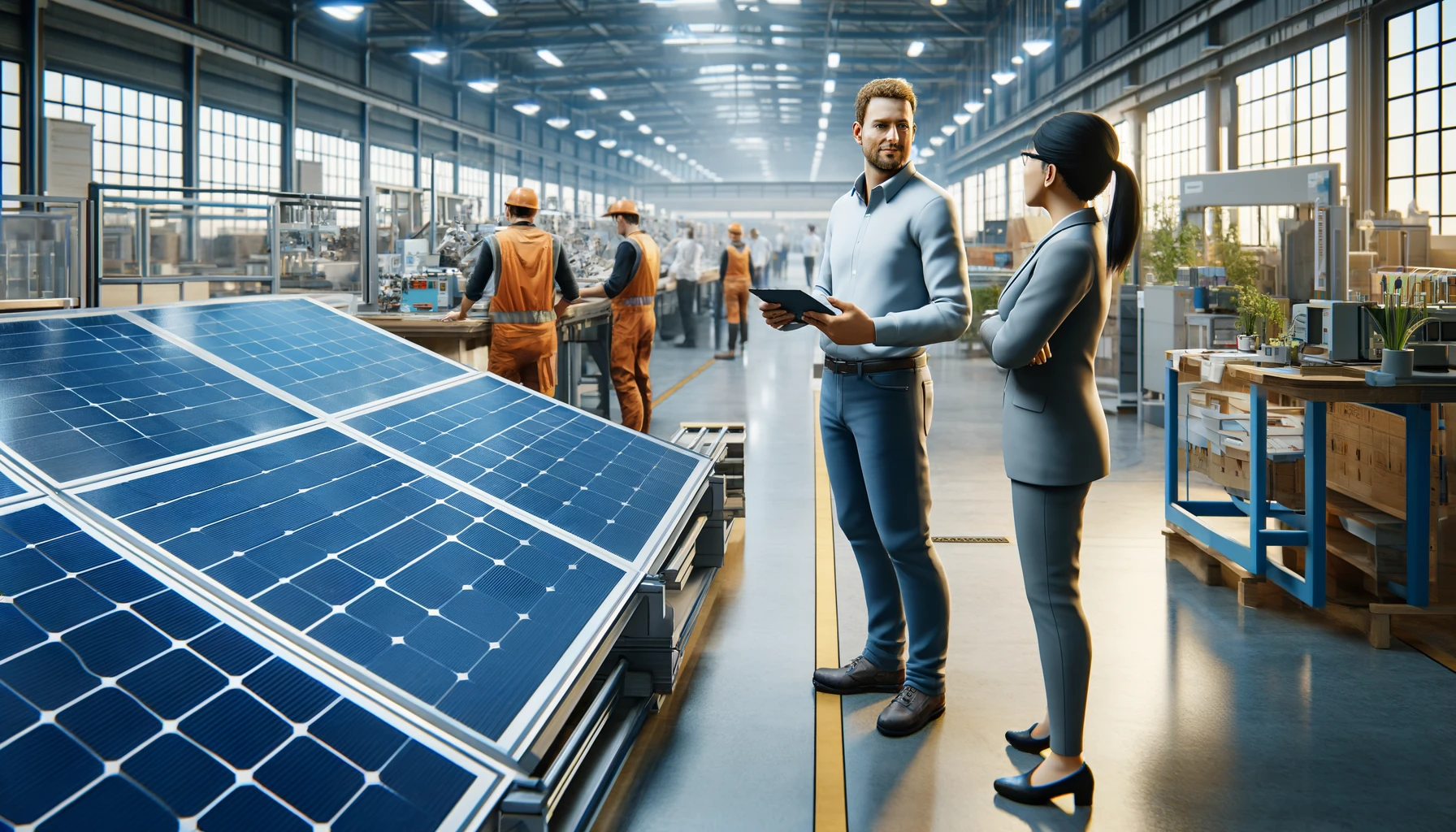

Can you buy solar panels directly from the manufacturer?
Yes, you can buy solar panels directly from the manufacturer, but in most cases it is not practical for installers, businesses, or homeowners. Manufacturers usually require large minimum order quantities, complex logistics, and full-container purchases.
For most buyers in Europe, purchasing through a solar wholesaler or solar distributor is the better option, offering lower risk, faster delivery, and access to complete solar PV systems including solar panels, solar inverter, solar battery, and energy storage solutions.
Can You Buy Solar Panels Direct from the Manufacturer? (2026 Guide for Europe)
When sourcing solar panels, many installers, EPC contractors, resellers, and even homeowners ask whether it’s possible to buy directly from the manufacturer to reduce costs.
While the idea sounds logical — cutting out the middleman — the reality is more complex. In 2026, the solar market is structured around manufacturers, solar wholesalers, solar distributors, and EPC supply chains, and each layer plays a critical role in pricing, logistics, and system design.
This guide explains when direct purchasing works, when it doesn’t, and why most professional buyers choose a solar PV supplier or distributor instead.
Understanding the Solar Supply Chain
The solar industry operates in a structured supply chain:
- Manufacturers → produce solar panels, solar inverter systems, solar battery and energy storage
- Solar distributors / solar wholesalers → stock, import, certify, and distribute products
- Installers / EPCs → design and deploy systems
- End customers → residential and commercial users
Each layer adds value beyond pricing, including logistics, compliance, and system integration.
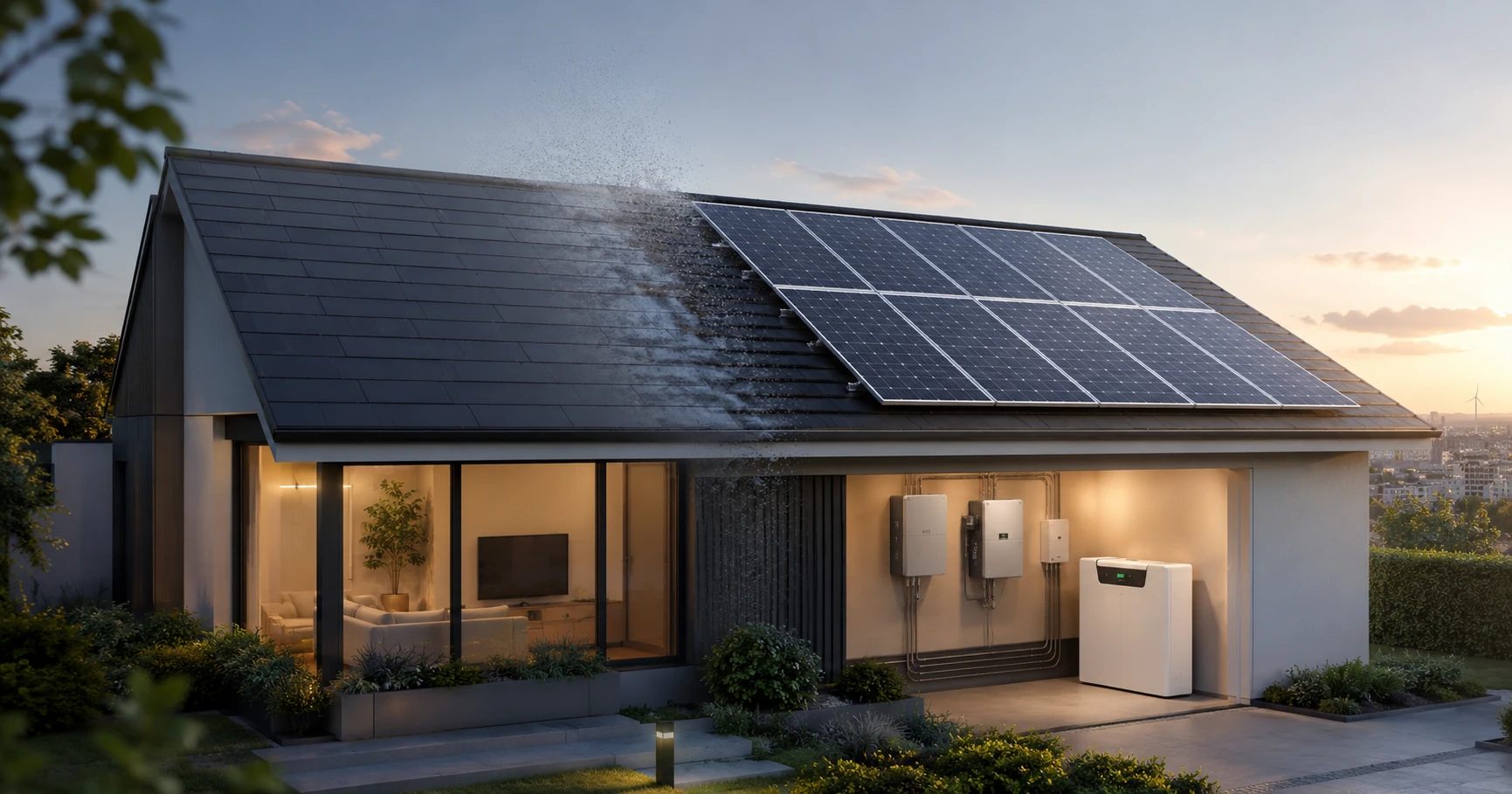
👉 In fact, distributors provide full PV system solutions (panels, inverters, batteries, mounting, and accessories), not just individual components.
Buying Solar Panels Direct from Manufacturer – The Reality
✔ Possible for:
- Large EPC projects
- Utility-scale solar farms
- Buyers ordering thousands of solar panels
❗ Not practical for:
- Small installers
- Residential buyers
- Most commercial projects
- Buyers needing complete kits
Key Challenges of Buying Direct
1. High Minimum Order Quantities (MOQ)
Manufacturers often require:
- Full container orders (600–1000+ panels)
- Long-term contracts
2. Logistics & Import Complexity
- Shipping damage rates can reach 1–3% in transit
- Import duties and customs risks apply
- Long delivery times
3. Limited Flexibility
- Single-brand sourcing
- No mixed product orders
- No bundled solar inverter + solar battery + energy storage
4. Cash Flow Pressure
- Upfront payments required
- No flexible financing
Why Solar Wholesalers & Distributors Are the Better Choice
In Europe, most solar systems are sourced through solar distributors and solar wholesalers, not manufacturers.
1. Access to Tier-1 Solar Panels & Multiple Brands
Instead of one manufacturer, you get:
- Solar panels (Tongwei, LONGi, JA Solar, etc.)
- Solar inverter systems
- Solar battery and energy storage solutions
- Full complete solar kits
👉 This flexibility is critical for system optimization.
2. Better Availability & Faster Delivery
Distributors provide:
- EU warehouse stock
- Fast delivery
- Reduced supply risk
This is why leading wholesalers focus on large stock availability and fast logistics as a key advantage.
3. Lower Risk Procurement
Direct buying can reduce cost, but requires:
- Quality verification
- Risk management
- compliance checks
👉 Distributors eliminate these risks.
4. Complete System Supply (Critical in 2026)
Modern solar projects require:
👉 A solar PV supplier delivers everything in one place.
5. Technical & EPC Support
Professional distributors provide:
- BOM (Bill of Materials)
- System design assistance
- Certification documentation
- Warranty handling
Solar Panels vs Complete Kits – What Should You Buy?
In 2026, the market is shifting toward:
👉 Complete solar kits instead of standalone panels
Why?
- Pre-configured compatibility
- Faster installation
- Lower system risk
- Better pricing bundles
How to Buy Solar Panels the Right Way
Step 1: Choose a Trusted Solar Distributor
Look for:
- Tier-1 brands
- EU stock
- Technical support
Step 2: Define Your System Type
- Residential
- Commercial
- Utility-scale
- Hybrid / storage-ready
Step 3: Select the Right Solar Panels
- Efficiency (TOPCon, N-type, etc.)
- Power class (400W–700W+)
- Warranty
Step 4: Match Solar Inverter & Battery
Ensure compatibility with:
- Solar inverter
- Solar battery
- Energy storage system
Step 5: Compare Total Cost (NOT Just Panel Price)**
Consider:
- Lifetime yield
- System efficiency
- Installation cost
- Warranty
Cost Comparison: Manufacturer vs Distributor
| Factor | Manufacturer | Solar Distributor |
|---|---|---|
| Price per panel | Lower (bulk only) | Competitive |
| MOQ | Very high | Flexible |
| Delivery time | Long | Fast |
| Product variety | Limited | Wide |
| Complete kits | ❌ | ✔ |
| Technical support | Limited | ✔ |
👉 Direct buying can reduce costs significantly in large-scale projects, but only when logistics and risks are properly managed.
When Should You Buy Direct from Manufacturer?
Only consider it if:
- You are an EPC with MW-scale projects
- You can handle logistics + import
- You need customization
- You can manage financial risk
When Should You Buy from a Solar Distributor?
👉 In 95% of cases:
- Installers
- Resellers
- Commercial buyers
- Homeowners
Conclusion: The Smartest Way to Buy Solar Panels in 2026
While buying directly from manufacturers can offer cost advantages, it is not practical for most buyers.
👉 The most efficient approach is:
- Buy from a solar wholesaler or solar distributor
- Source complete kits
- Use a trusted solar PV supplier
This ensures:
- Faster delivery
- Lower risk
- Better system performance
- Full support
Are you looking for Installer Trainings? Webinars? You can also check the installation videos on the 3Buy Solar Youtube Channel