EV Accessories and Mounting


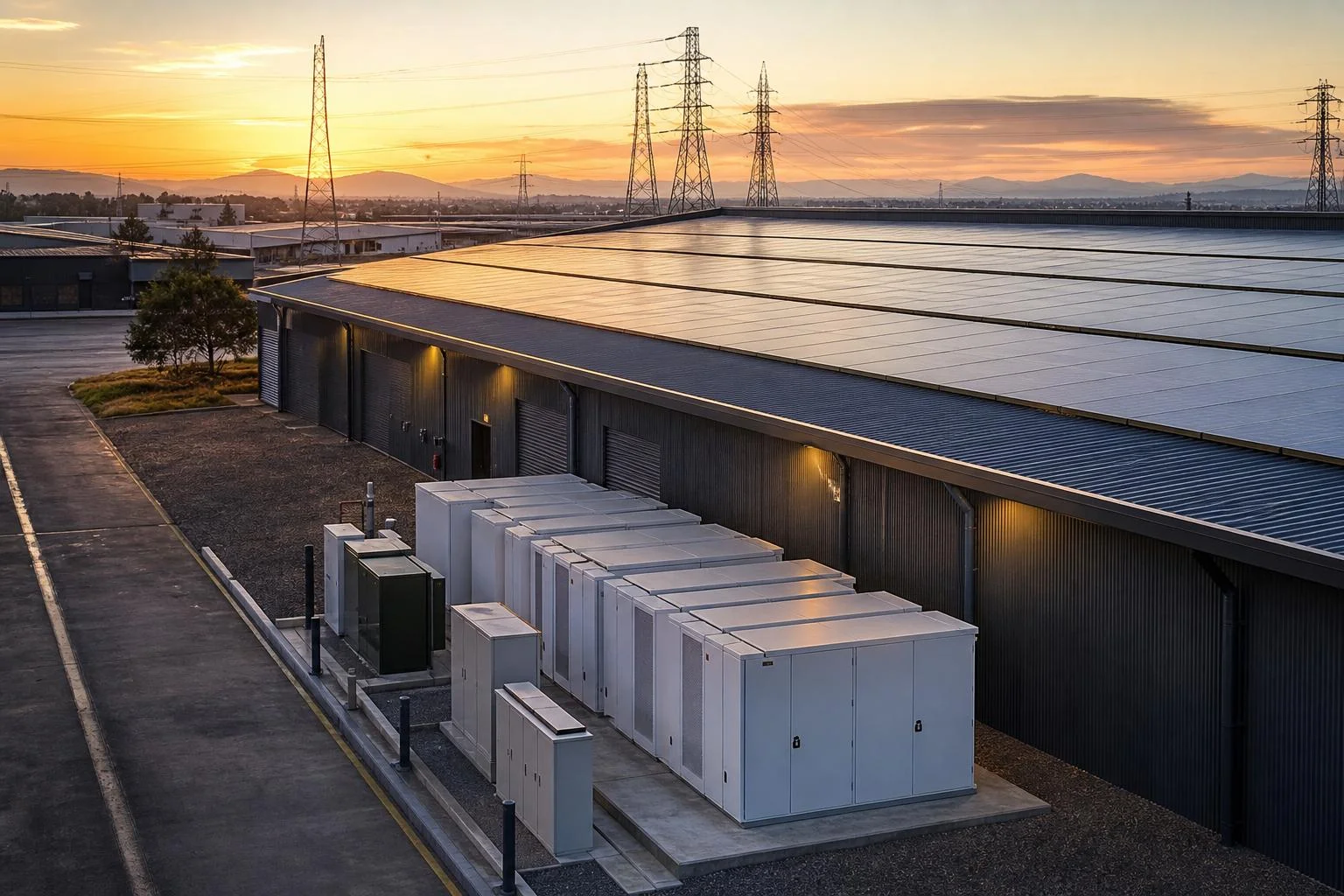

Commercial Battery Storage Systems Compared: 6 C&I BESS for 2026–2027
Which commercial battery storage system is the right fit for a 50 kW, 100 kW or 125 kW project? This installer-focused comparison examines Solis EverCore, JA Solar JA Planet, Fox ESS G-MAX Plus, SolarEdge CSS-OD, Dyness STACK100 Pro and Sunsynk PowerHub F120. It covers actual model configurations, battery capacity, PCS power, cooling, integration, backup considerations and European procurement.
For professional solar installers and EPC contractors, choosing a commercial and industrial battery energy storage system (C&I BESS) is not a contest to find the largest number of kWh. The equipment must match the site’s 15-minute demand profile, PV generation, AC connection, grid restrictions, protection arrangement, operating strategy and long-term service requirements. A battery cabinet, an integrated hybrid BESS and an AC-coupled storage solution are not interchangeable products.
Research updated: 22 November 2026. This guide compares published configurations, not live 3Buy Solar stock positions or binding manufacturer guarantees. Verify the exact model and documentation for the project country before placing an order.
Source commercial energy storage through 3Buy Solar
Review currently listed C&I energy storage equipment or request a project quotation covering the battery, compatible PCS or inverter, EMS, accessories, documentation, logistics and commissioning scope.
Six commercial energy storage systems compared
The comparison below deliberately identifies the architecture and specific generation of each product. The Fox ESS G-MAX Plus 241 kWh is not the older G-MAX 215 kWh; Dyness STACK100 Pro is a modular battery platform that needs a compatible inverter; and the SolarEdge CSS-OD 197 has selectable battery-inverter configurations. Mixing these categories can lead to misleading €/kWh comparisons and incomplete bills of materials.
| Exact system / variant | Nominal battery energy | Rated AC power | Architecture / cooling | Energy-to-power ratio* | Selection consideration |
|---|---|---|---|---|---|
| Solis EverCore-261kWh-125kW-NV | 261.2 kWh | 125 kW | Integrated three-phase hybrid; air-cooled packs | 2.09 h | PV-plus-storage and backup-oriented hybrid design |
| JA Solar JA Planet BP-ES-125kW-261kWh-B02 | 261 kWh | 125 kW | Integrated C&I cabinet; liquid cooling | 2.09 h | Thermal management and large-site deployment |
| Fox ESS G-MAX Plus GM241kWh-125kW-H | 241 kWh | 125 kW | Integrated PV/ESS; liquid cooling | 1.93 h | 2026 model with PV, grid and backup connections |
| SolarEdge CSS-OD 197 / CSS-OU-197 | 197 kWh | 50 or 100 kW | Battery cabinet with paired AC PCS; SolarEdge ONE | 3.94 / 1.97 h | SolarEdge PV ecosystem and tariff optimisation |
| Dyness STACK100 Pro | 15.36–76.8 kWh per cluster | Depends on separate inverter / PCS | Modular LFP battery stack; natural cooling | Not comparable | Small C&I modular projects and retrofit flexibility |
| Sunsynk PowerHub F120 / SS-CS-GE-F120 | 122.88 kWh | 50 kW | Integrated three-phase hybrid; cabinet cooling | 2.46 h | Smaller commercial sites and generator integration |
* Nominal energy ÷ rated power is a mathematical comparison indicator, not guaranteed usable backup duration. Actual AC energy delivered depends on usable capacity, reserve state of charge, losses, auxiliary consumption, temperature, operating mode and the model revision. Manufacturer specifications can be revised.
Technical assessment: which C&I BESS fits which application?
01 / Integrated hybrid energy storage
Solis EverCore: 125 kW / 261.2 kWh
The EverCore-261kWh-125kW-NV combines a three-phase hybrid inverter, LFP battery storage, control functions and site energy management. It is relevant to new commercial PV-plus-storage installations where DC-side integration, energy dispatch and possible backup operation are part of the design.
Installer assessment: Verify the exact generation, usable energy definition, parallel-inverter arrangements, isolation, country-specific certification and the stated transfer-time conditions. Solis documentation identifies separate cabinet, pack and inverter thermal management arrangements; do not describe this system as a liquid-cooled battery.
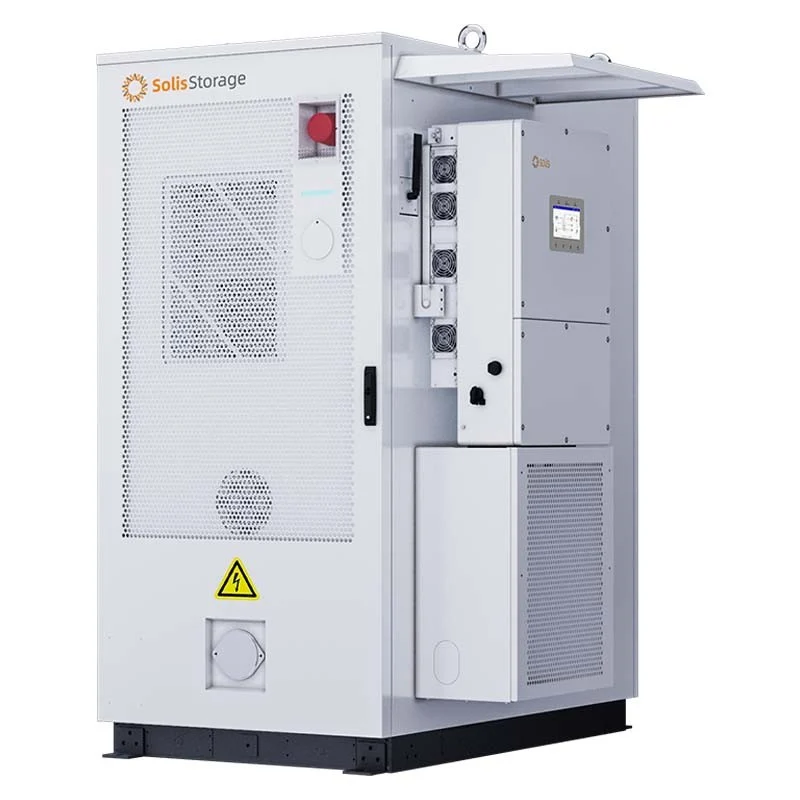
Actual Solis EverCore 261 kWh / 125 kW product image, not a schematic. Equipment appearance may vary by model revision; confirm exact offered configuration.
02 / Liquid-cooled commercial energy storage
JA Solar JA Planet: 125 kW / 261 kWh
JA Planet model BP-ES-125kW-261kWh-B02 is a liquid-cooled LFP commercial battery system specified at 125 kW AC and 261 kWh nominal energy, with a 95% declared depth of discharge, IP55 enclosure and Modbus communication. Its published documentation identifies up to 20 on-grid parallel units, subject to system engineering.
Installer assessment: Check the offered unit’s complete JA Planet model suffix, its liquid-cooling maintenance requirements, working fluid, civil loading, service clearance, fire-protection design, temperature derating and local grid documentation. Manufacturer figures for round-trip efficiency or auxiliary consumption are test-condition dependent.
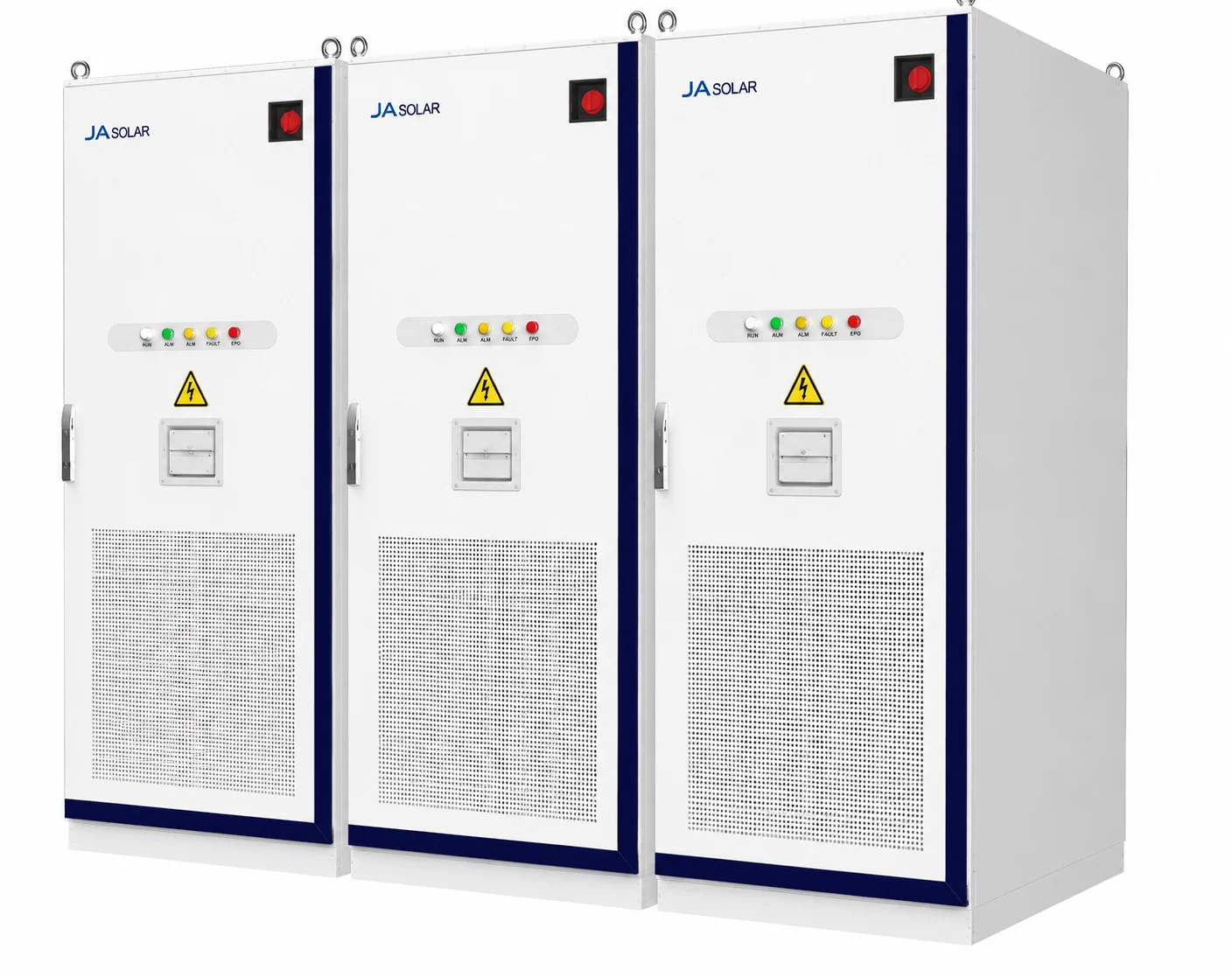
Actual JA Solar JA Planet BP-ES-125kW-261kWh-B02 product image, not a schematic. Equipment appearance may vary by model revision; confirm exact offered configuration.
03 / New-generation all-in-one C&I BESS
Fox ESS G-MAX Plus: 125 kW / 241 kWh
For projects being specified in late 2026, it matters which Fox ESS product generation is being quoted. The original G-MAX GM215kWh-100kW-2h is a 100 kW / 215 kWh system; the November 2026 G-MAX Plus documentation covers 241 kWh cabinets with power variants of 50, 60, 80, 100 and 125 kW. This assessment uses GM241kWh-125kW-H.
Installer assessment: The newer Plus design offers direct PV connection and on/off-grid functions, but backup availability, transfer arrangements and parallel-system quantities depend on configuration and external equipment. Do not combine 215 kWh G-MAX specifications with a G-MAX Plus quotation or certificate.
Fox ESS November 2026 manufacturer datasheet · Watch a G-MAX Plus product overview on YouTube (Solar&Solar PV Wholesale).
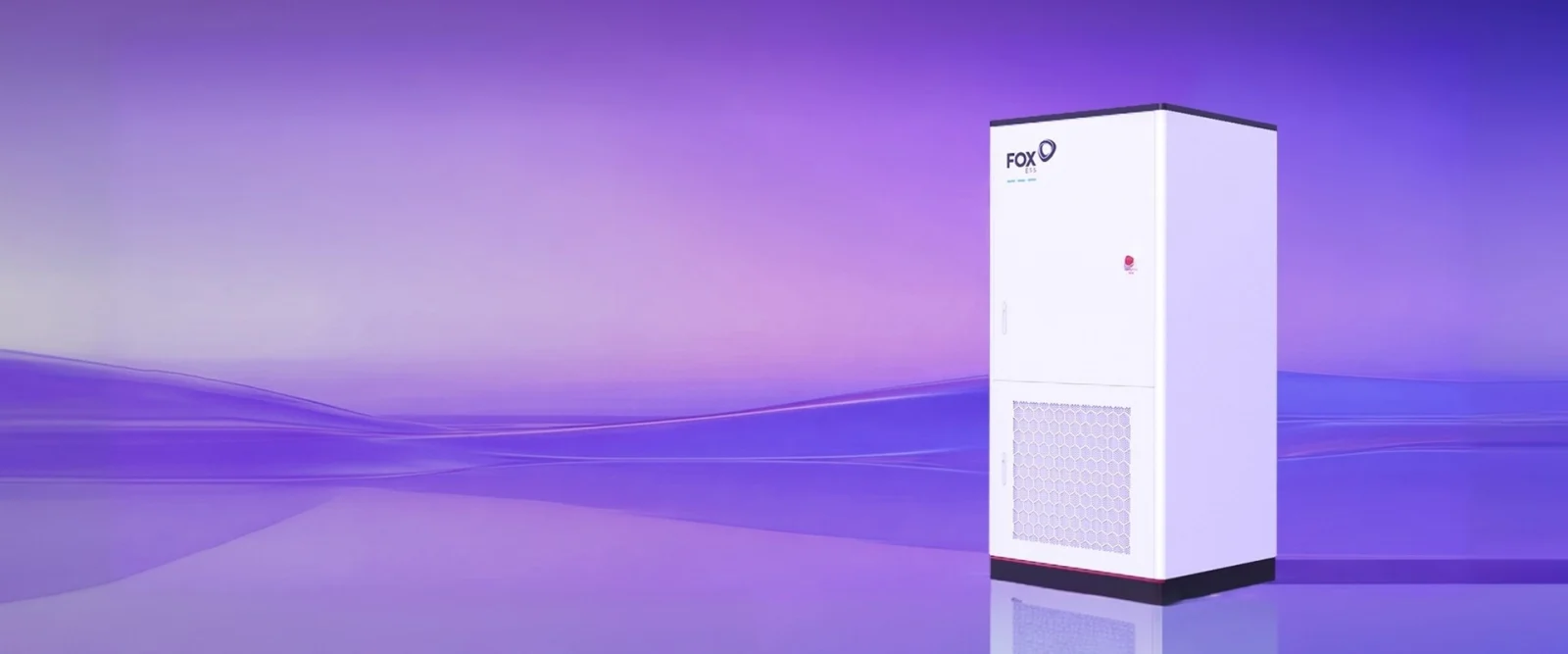
Fox ESS G-MAX Plus GM241kWh-125kW-H product render, not a technical installation drawing. Equipment appearance may vary by model revision; confirm exact offered configuration.
04 / AC-coupled commercial storage ecosystem
SolarEdge CSS-OD 197: 197 kWh / 50 or 100 kW
SolarEdge CSS-OD 197 combines a nominal 197 kWh battery cabinet with a 50 kW or 100 kW battery inverter configuration and the SolarEdge ONE for C&I control platform. It suits businesses already investing in SolarEdge solar PV and site-level energy optimisation, subject to project-specific compatibility and regional availability.
Installer assessment: Confirm the specified PCS quantity, SolarEdge ONE Controller, supported firmware and permitted operating modes. Features such as SolarEdge SafeDC on compatible PV installations should not be described as making every DC conductor inside a battery cabinet touch-safe. The manufacturer states that CSS-OD 197 is available only in selected countries.
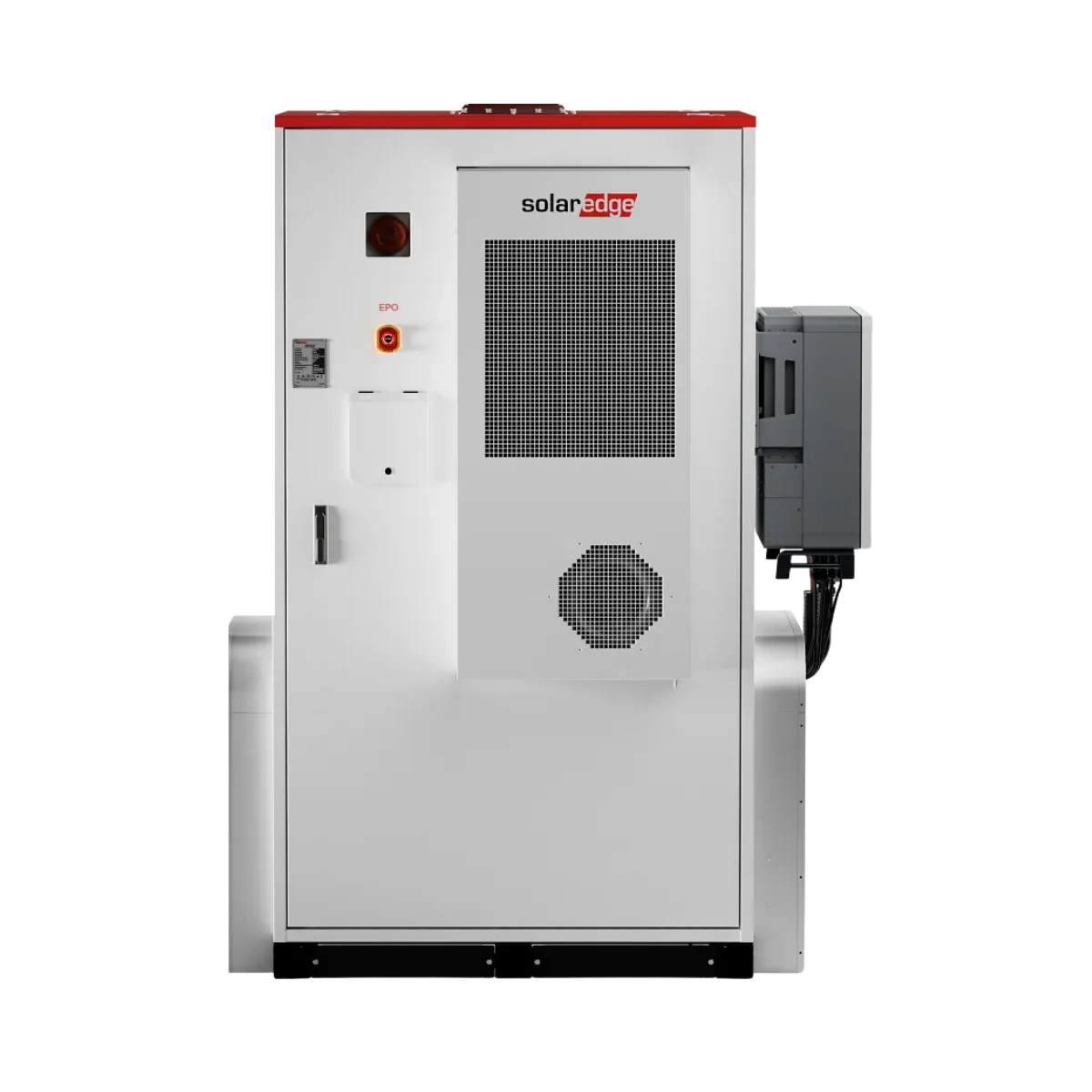
Actual SolarEdge CSS-OD 197 kWh with 50 kW PCS product image, not a schematic. Equipment appearance may vary by model revision; confirm exact offered configuration.
05 / Modular battery system; PCS sold separately
Dyness STACK100 Pro: 15.36–76.8 kWh per cluster
STACK100 Pro uses 5.12 kWh LFP battery modules in stacks of three to 15 modules, providing 15.36–76.8 kWh nominal capacity per cluster. Dyness specifies up to 12 clusters in parallel, or a nominal maximum of 921.6 kWh, and an IP66 protection rating. The system is particularly interesting for modular small-commercial installations and compatible retrofit designs.
Installer assessment: Unlike the other integrated systems in this comparison, STACK100 Pro does not include a rated 50, 100 or 125 kW PCS. Obtain the current approved inverter compatibility list, BMS communications documentation, cluster-parallel accessories and rated output from the selected inverter. A comparison of battery-only €/kWh against turnkey BESS €/kWh would be commercially misleading.
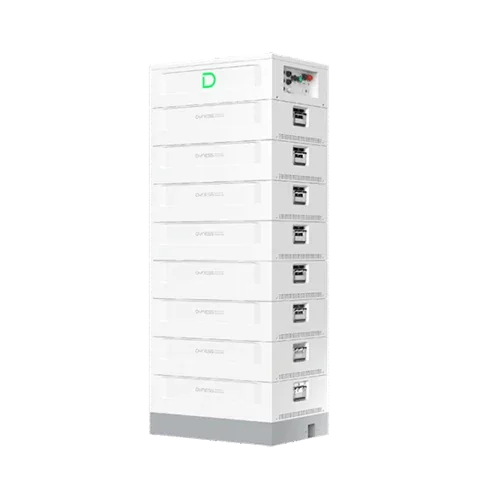
Actual Dyness STACK100 Pro modular battery tower product image, not a schematic. Equipment appearance may vary by model revision; confirm exact offered configuration.
06 / Three-phase hybrid storage cabinet
Sunsynk PowerHub F120: 50 kW / 122.88 kWh
The Sunsynk PowerHub F120, model SS-CS-GE-F120, is a three-phase high-voltage integrated BESS with 50 kW nominal output and approximately 122.88 kWh nominal LFP capacity. The integrated architecture can suit workshops, commercial buildings, farms and sites requiring solar PV integration, generator coordination or defined backup loads.
Installer assessment: Obtain the exact regional manual for SS-CS-GE-F120 and confirm available AC pass-through, MPPT configuration, permissible backup load, changeover requirements and documented expansion. Do not use a UK-market support or warranty statement as proof of identical service terms throughout Europe.
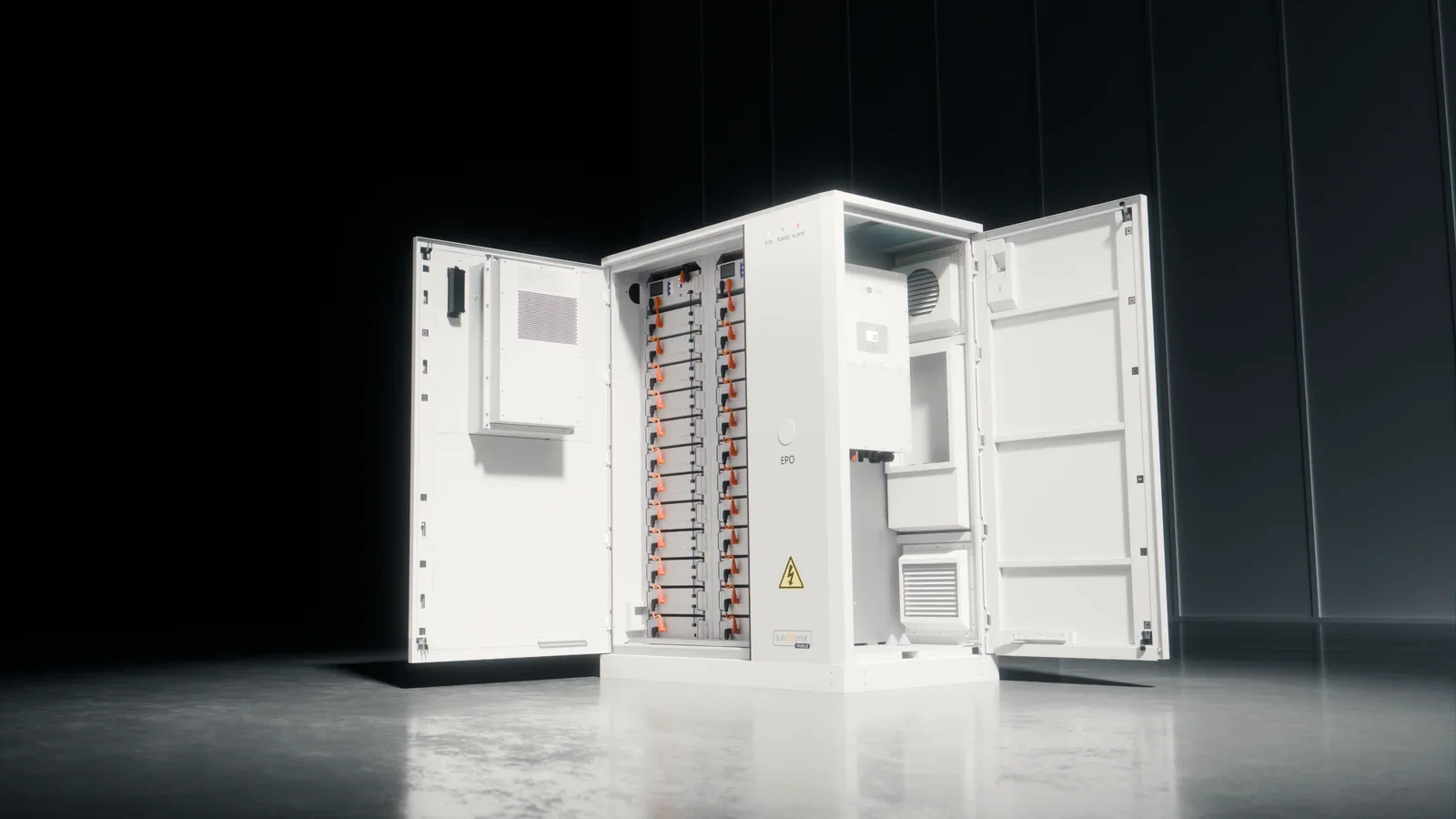
Actual Sunsynk PowerHub F120 122.88 kWh / 50 kW product image, not a schematic. Equipment appearance may vary by model revision; confirm exact offered configuration.
How to size a commercial battery system: kW, kWh and actual site demand
The recurring mistake in commercial storage procurement is sizing by battery capacity alone. A factory needing 100 kW of instantaneous support requires sufficient PCS power, irrespective of whether the battery stores 120, 200 or 260 kWh. A warehouse seeking two hours of load shifting needs sufficient usable AC energy and a control strategy that permits the proposed charging and discharging windows.
Step 1: Calculate the required discharge power
For peak shaving, a starting calculation is required BESS discharge power (kW) = expected site demand (kW) − permitted or targeted grid import (kW). If a site reaches 150 kW but aims to restrict grid import to 100 kW, the battery must be capable of providing at least 50 kW during that period, before considering transients, PCS derating and control response.
Step 2: Calculate the usable AC energy
Required delivered energy (kWh) = discharge power (kW) × discharge time (hours). A 50 kW discharge sustained for 30 minutes requires 25 kWh delivered at the AC side. An 80 kW critical load maintained for 1.5 hours requires 120 kWh AC, before any power-conversion and battery operating losses.
Step 3: Apply realistic reserves and efficiency assumptions
For a deliberately simple illustrative sizing exercise, suppose only 90% of nominal battery energy may be used and 90% of that reaches the AC load. Providing 120 kWh AC would then require about 120 ÷ (0.90 × 0.90) = 148.1 kWh nominal battery energy. These percentages are assumptions for the example, not guarantees for any of the six products. The final design needs the selected manufacturer’s declared usable energy, operating window, temperature performance, auxiliary demand and actual discharge-power capability.
Step 4: Confirm the 15-minute load profile and operating strategy
For industrial battery storage, obtain at least a representative site demand profile, the electricity tariff, import/export limits, PV generation profile and planned use cases. A battery operated for peak shaving, time-of-use arbitrage, backup, EV charging support and PV self-consumption cannot necessarily commit the same reserved kWh to all functions simultaneously. The EMS needs a defined dispatch priority, including minimum state of charge for emergency power where applicable.
AC-coupled vs DC-coupled vs battery-only: what is in the bill of materials?
| Architecture | Typical equipment scope | Potential advantage | Critical verification |
|---|---|---|---|
| Integrated hybrid / DC-aware PV plus storage | Battery, inverter/PCS, BMS, EMS and manufacturer-defined connections | Fewer individually matched components for a new project | PV input limits, isolation, changeover, battery/inverter control, grid code |
| AC-coupled commercial BESS | Battery cabinet, dedicated bidirectional PCS, site controller, metering and AC protection | Can suit expansion of existing PV projects | PCS sizing, controller licence, inverter interaction, grid export |
| Modular battery-only system | Battery stacks, BMS and accessories plus a separately selected compatible inverter/PCS | Incremental capacity and project-specific PCS selection | Confirmed compatibility, cluster limits, BMS firmware, voltage and power limits |
Backup power is a separate engineering requirement: grid-connected operating capability does not automatically prove island-mode performance or whole-building backup. Check available continuous and starting power, approved changeover and earthing design, grid isolation, selective load protection, generator coordination and the local distribution network operator’s requirements.
Which commercial BESS should an installer shortlist?
- 125 kW / approximately 261 kWh, PV-plus-storage design: evaluate Solis EverCore for its integrated hybrid architecture and JA Planet for liquid-cooled integrated storage, then compare country-specific integration and commissioning requirements.
- 125 kW with newer Fox ESS all-in-one hardware: evaluate G-MAX Plus 241 kWh using the current GM241 specification, not the older 215 kWh G-MAX.
- Existing SolarEdge PV and AC-coupled deployment: evaluate CSS-OD 197 and the required battery inverter and ONE for C&I components, subject to local availability.
- Smaller commercial modular capacity: evaluate Dyness STACK100 Pro where inverter compatibility and future cluster expansion are more important than buying a fully integrated cabinet.
- 50 kW commercial hybrid project: evaluate Sunsynk PowerHub F120 for 122.88 kWh nominal storage, including load and generator integration requirements.
These are engineering shortlists, not rankings or endorsements of unverified stock. The correct choice can change after the electrician/EPC checks actual load data, country certifications, service access and delivered system costs.
Commercial BESS procurement in Europe: the documents and costs that matter
Before issuing a purchase order, demand an offer that identifies the exact product model and the complete scope of supply. A low battery €/kWh figure can conceal substantial additional costs if the quotation omits the PCS, EMS, communication gateways, fire-protection interfaces, AC switchgear, CTs, transport, crane unloading, commissioning and monitoring subscriptions.
Minimum technical documentation for a C&I storage quotation
- Exact manufacturer, model suffix, production or hardware version and bill of materials.
- Manufacturer datasheet showing nominal energy, usable energy, rated AC power, charge/discharge limits and operating conditions.
- Project-country grid-code conformity evidence where required; CE declarations and relevant battery/electrical conformity documentation.
- Actual manufacturer’s installation and commissioning manual for the offered system family, including fire-system and civil installation requirements.
- Battery/inverter compatibility evidence and BMS/EMS communication protocol, where components are separate.
- Clear backup/EPS and isolation requirements, protection coordination and export control arrangements.
- Warranty terms, cycle-performance test conditions, local service route, spare-parts policy and commissioning responsibility.
- Transport dimensions and mass, unloading requirements, delivery term, estimated lead time and optional freight insurance.
3Buy Solar’s currently published commercial battery catalogue includes Huawei LUNA2000 215 kWh C&I storage alongside other commercial battery listings. That is a separate, directly listed product, not an implied claim that the six comparator models are in current stock. For a manufacturer-specific tender, request verification of exact availability and the delivered configuration.
Prepare a procurement-ready BESS RFQ
Send the project country and postcode, PV capacity, 15-minute demand data, required kW/kWh, DSO conditions, backup requirement, preferred manufacturer, installation site plan and delivery date. Request compatible PCS, controls, protection and documentation in the same quotation.
2027 procurement planning: do not assume EU-wide grid acceptance
European projects need the exact model’s applicable grid-code documentation and country-specific installation approvals. Grid-code acceptance of a PCS is not the same as certification or approval of the entire battery installation. In addition, relevant requirements under Regulation (EU) 2023/1542 on batteries and waste batteries, product conformity, transport and national fire-safety rules must be assessed for the destination market. Confirm current obligations and implementation dates with the relevant authority and manufacturer rather than relying on an older generic compliance statement.
Compare the completed system, not just nameplate kWh
For the EPC financial model, compare installed cost per usable AC kWh, continuous kW capability, expected annual discharged MWh, service and auxiliary consumption, warranty-supported throughput, commissioning costs and site-specific savings from peak management or time shifting. Savings and ROI cannot be claimed without the actual tariff, load profile, operating strategy and installation costs.
Frequently asked questions: commercial battery storage systems
Which commercial battery storage system is best for a 125 kW project?
There is no universal winner. The Solis EverCore 261.2 kWh, JA Solar JA Planet 261 kWh and Fox ESS G-MAX Plus 241 kWh each have a published 125 kW configuration, but differ in cooling, architecture, service requirements and control capabilities. Shortlist by site electrical design, country compliance, application and complete quotation.
Is a 261 kWh BESS the same as 261 kWh of usable electricity?
No. The published nominal energy is not necessarily the usable battery energy or AC energy delivered to the load. Available energy depends on the manufacturer’s usable-energy definition, state-of-charge limits, PCS efficiency, temperature, losses and auxiliary loads.
What is the difference between Fox ESS G-MAX and G-MAX Plus?
They are distinct product generations. The original G-MAX example is 100 kW / 215 kWh, while current 2026 G-MAX Plus documentation identifies 241 kWh configurations with 50–125 kW variants. Always match the offered product number and its correct datasheet.
Does Dyness STACK100 Pro include a commercial inverter?
No. STACK100 Pro is a modular battery platform. Its AC power rating and supported operational modes depend on a separately selected, compatible inverter or power conversion system and the complete installation design.
Can these commercial batteries provide backup power during an outage?
Some configurations support backup or off-grid operation, but backup is not automatic for every model or deployment. Confirm grid separation, switching equipment, island-mode ratings, load priority, generator interface and grid-operator requirements.
Is liquid cooling always better than air cooling for C&I BESS?
Not in every project. Liquid cooling can provide controlled thermal distribution, whereas an air-cooled design may simplify some service tasks. Evaluate climate, enclosure design, auxiliary power, maintenance procedures, ambient temperature limits and manufacturer performance data.
How do I size battery storage for peak shaving?
Calculate the kW by which site demand exceeds your chosen grid-import threshold, then determine how long these events last from interval load data. Account for consecutive peaks, recharge windows, usable AC energy, PCS derating and any backup reserve.
Can I combine a commercial BESS with an existing PV inverter?
Often yes, using an approved AC-coupled architecture or a compatible system controller, but not every BESS can be retrofitted to every PV installation. Confirm metering, export control, frequency behaviour, communication and the network connection rules.
What is the difference between a BESS cabinet and a complete solar PV kit?
A BESS cabinet stores and converts energy within its specified scope. A complete commercial solar PV and energy storage kit may additionally require solar panels, PV solar inverters, mounting systems, cabling, AC/DC protection, meters, communications, switchgear and site-specific engineering.
Where can European installers request a commercial energy storage quotation?
Professional buyers can explore the 3Buy Solar commercial storage catalogue and submit project data through the 3Buy Solar contact page. Product availability, configuration, support, documentation and freight should be confirmed in the offer.
For additional installer-oriented technical videos and product demonstrations, visit the 3Buy Solar YouTube channel. Check the exact model shown in a video before using it for specification or commissioning.
Primary manufacturer technical sources
- SolisStorage: EverCore commercial ESS family.
- JA Solar: JA Planet BP-ES-125kW-261kWh-B02 manufacturer datasheet.
- Fox ESS: G-MAX Plus 241 kWh datasheet, November 2026.
- SolarEdge: CSS-OD 197 C&I energy storage.
- Dyness: STACK100 Pro manufacturer specifications.
- Sunsynk: PowerHub F120 manufacturer information.
Publication note: Manufacturer datasheets, warranty conditions, battery energy definitions, backup capability and supported configurations may change. The six product images are served directly from the 3Buy Solar Media Library. Confirm exact offered model variant and applicable image usage permissions. The information supports preliminary selection and RFQ preparation, not final grid or fire-safety approval. Last technical review: 22 November 2026.